Volcanoes National Park
Volcanoes National Park: Rwanda’s Iconic Mountain Wilderness
Volcanoes National Park stands as Rwanda’s most famous protected area. It is a place of misty mountains, ancient forests, and rare wildlife. The park is globally known as the home of the mountain gorilla. It also protects dramatic volcanic landscapes and rich biodiversity. Travelers searching for an authentic African wildlife experience often begin with Volcanoes National Park. The park delivers close wildlife encounters, powerful conservation stories, and breathtaking scenery in one destination.
Volcanoes National Park sits within the greater Virunga Massif. This chain of volcanoes stretches across Rwanda, Uganda, and the Democratic Republic of Congo. Rwanda’s section is the most accessible and best managed. That makes Volcanoes National Park a leading destination for high-end and responsible tourism in Africa. The park blends adventure, nature, and conservation in a way few places can match.
Location of Volcanoes National Park
Volcanoes National Park lies in northwestern Rwanda. It is located in the Musanze District, formerly known as Ruhengeri. The park borders Uganda to the north and the Democratic Republic of Congo to the west. It is about a two to three-hour drive from Kigali, Rwanda’s capital city. Good roads make access easy for visitors.
The park’s position along international borders makes it part of a larger ecosystem. Wildlife moves freely across boundaries. This shared landscape increases the park’s ecological importance and strengthens regional conservation efforts.
Area Covered by Volcanoes National Park
Volcanoes National Park covers approximately 160 square kilometers. Though relatively small, the park supports extraordinary biodiversity. The compact size allows effective management and close monitoring of wildlife. High-altitude forests dominate the landscape. Bamboo zones, grasslands, and alpine vegetation appear as elevation increases.
The park includes five of the eight Virunga volcanoes. These volcanoes define the park’s identity and shape its habitats. Their slopes support distinct plant and animal communities at different elevations.
When Volcanoes National Park Was Established
Volcanoes National Park is one of Africa’s oldest national parks. Protection of this area began in the early twentieth century. The park was originally created to protect mountain gorillas from hunting and habitat loss. Over time, its role expanded to include broader ecosystem conservation.
The park gained global recognition through conservation research. The work of primatologists and conservationists helped shape modern gorilla protection strategies. Today, Volcanoes National Park is a symbol of successful wildlife recovery through focused conservation.
Landscape and Volcanoes
Volcanoes National Park is defined by towering volcanic peaks. These mountains dominate the horizon and influence the climate. The most prominent volcano is Mount Karisimbi, Rwanda’s highest mountain. It rises above 4,500 meters and often holds snow near its summit. Other major volcanoes include Mount Bisoke, Mount Muhabura, Mount Gahinga, and Mount Sabyinyo.
The volcanic soil is fertile and supports dense vegetation. Lower slopes feature thick montane rainforest. Bamboo forests appear at mid-elevations. Higher zones transition into heather and alpine plants. This layered landscape creates diverse habitats within a small area.
Morning mist and frequent cloud cover add drama to the scenery. Clear days reveal sweeping views across the Virunga Massif. The park’s raw beauty alone makes it a destination worth visiting.
Wildlife of Volcanoes National Park
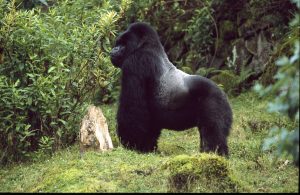
Wildlife in Volcanoes National Park thrives due to strong protection. The park’s most famous residents are mountain gorillas. Several habituated gorilla families live within the park. These groups are accustomed to human presence under strict guidelines.
Mountain gorillas live in family groups led by dominant silverbacks. Visitors observe social behavior, feeding routines, and playful interactions. Seeing these animals in the wild is deeply moving and unforgettable.
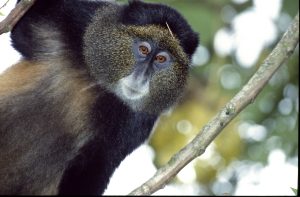
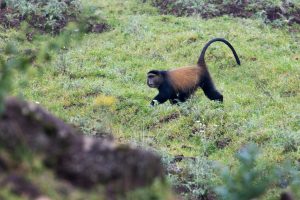
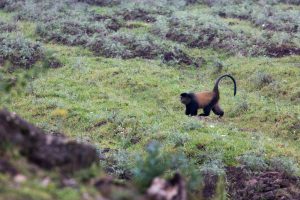
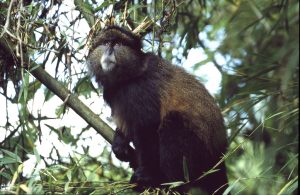
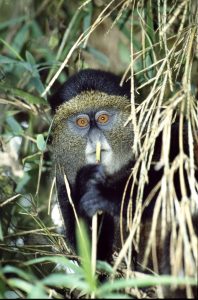
Golden monkeys also inhabit the park. These colorful primates live mainly in bamboo forests. They are active, vocal, and easier to track than gorillas. Golden monkey tracking adds variety to a wildlife itinerary.
Other mammals include forest elephants, bushbuck, and buffalo, though sightings are rare due to dense vegetation. The park also supports small mammals and reptiles adapted to high-altitude forests.
Birdlife is rich and diverse. Volcanoes National Park hosts many Albertine Rift endemic species. Birdwatchers find colorful turacos, sunbirds, and forest specialists throughout the park.
Gorilla Trekking Experience
Gorilla trekking is the main activity in Volcanoes National Park. Each day begins with an early morning briefing at park headquarters. Visitors are assigned to a specific gorilla family and group size is strictly limited. This system protects gorillas from stress and disease.
Trekking time varies. Some gorilla families live close to trailheads. Others roam high on steep slopes. Hikes may last from one to several hours. Trails can be muddy and challenging, especially after rain.
Once gorillas are located, visitors spend one hour with them. That hour passes quickly. Observing gorillas at close range creates powerful emotional connections. Guides share insights about gorilla behavior and conservation.
Permits are limited and in high demand. Advance planning is essential. Gorilla trekking in Volcanoes National Park ranks among the most sought-after wildlife experiences in the world.
Golden Monkey Tracking
Golden monkey tracking offers a lighter alternative to gorilla trekking. These primates move quickly through bamboo forests. Their bright fur and expressive faces make them popular with photographers.
Tracking sessions usually take less time than gorilla treks. The activity suits visitors who want a shorter hike or an additional primate experience. Golden monkey tracking also supports conservation efforts within the park.
Dian Fossey Legacy and History
Volcanoes National Park holds deep historical significance in wildlife conservation. It was the primary research site of Dian Fossey, a pioneering primatologist. Her work transformed global understanding of mountain gorillas.
Visitors can hike to the Dian Fossey Grave and former research area. The trail passes through scenic forest and bamboo zones. The site provides insight into early conservation challenges and successes. It adds emotional depth to any visit to Volcanoes National Park.
Hiking and Volcano Climbing
Volcanoes National Park offers challenging hikes for adventurous travelers. Mount Bisoke is the most popular volcano hike. It features a beautiful crater lake at the summit. The hike is strenuous but achievable in one day.
Mount Karisimbi is a multi-day climb. It requires good fitness and preparation. The reward includes expansive views and unique alpine scenery. Mount Muhabura and Mount Gahinga also offer demanding hikes with rewarding panoramas.
Volcano hikes reveal the park’s geological power. They also showcase changing vegetation zones and wildlife signs along the way.
Cultural Experiences Near Volcanoes National Park
Cultural tourism complements wildlife activities around Volcanoes National Park. Nearby communities offer traditional dance performances, storytelling, and craft demonstrations. These experiences highlight Rwanda’s heritage and resilience.
Community-based tourism projects create income and reduce pressure on natural resources. Visiting these initiatives deepens understanding of local life and conservation partnerships.
Best Time to Visit Volcanoes National Park
Volcanoes National Park is open year-round. Gorilla trekking takes place in all seasons. Weather plays a major role in planning.
The drier seasons run from June to mid-September and from December to February. Trails are easier to navigate during these months. Photography conditions are often better.
The wetter seasons bring heavier rain and muddier trails. The forest becomes lush and vibrant. Visitor numbers tend to be lower. Some travelers prefer these months for a quieter experience.
Choosing the best time depends on comfort, fitness, and travel style. Wildlife viewing remains excellent throughout the year.
Accommodation Options
Accommodation near Volcanoes National Park ranges from luxury lodges to comfortable mid-range hotels and budget guesthouses. Many lodges focus on sustainability and community support.
Luxury lodges offer private cottages, fine dining, and personalized service. They often sit near the park boundary and provide easy access to trekking points.
Mid-range options in Musanze town offer convenience and value. They suit travelers who prefer flexibility and local atmosphere. Budget accommodations provide basic comfort for cost-conscious visitors.
Staying near the park allows early starts and reduces travel time on trekking days.
Conservation and Community Impact
Volcanoes National Park represents a conservation success story. Tourism revenue supports park management, research, and veterinary care. A share of income flows directly to surrounding communities.
Local residents benefit from employment as guides, porters, rangers, and lodge staff. Community projects improve schools, health centers, and infrastructure. This approach builds support for conservation and reduces human-wildlife conflict.
Strict rules govern visitor behavior. These rules protect gorillas from disease and stress. Responsible tourism ensures long-term survival of wildlife and habitats.
What to Do in Volcanoes National Park
- Gorilla trekking with habituated mountain gorilla families
- Golden monkey tracking in bamboo forests
- Hiking Mount Bisoke, Mount Karisimbi, and other volcanoes
- Visiting the Dian Fossey Grave and historical research sites
- Birdwatching for Albertine Rift endemic species
- Cultural tours and community experiences in Musanze
Travel Tips for Volcanoes National Park
Wear sturdy hiking boots and waterproof clothing. Weather changes quickly at high altitude. Carry gloves and long sleeves for protection against nettles. Hiring a porter can make trekking easier and supports local livelihoods.
Arrive a day early to rest before trekking. Altitude and physical effort can be demanding. Follow ranger instructions at all times and respect wildlife distance rules.
Plan permits well in advance. Availability is limited and demand remains high throughout the year.
Why Volcanoes National Park Stands Out
Volcanoes National Park combines rare wildlife, dramatic landscapes, and strong conservation values. Few destinations offer such close encounters with endangered species in a well-managed setting. The park’s success proves that tourism can protect nature while supporting people.
A visit to Volcanoes National Park leaves lasting impressions. The forests, the mountains, and the gorillas create moments that stay with travelers long after they leave Rwanda.
Photo Gallery
What Our Guests Say
Share Your Experience
Volcanoes National Park was the absolute highlight of our Rwanda trip. The gorilla trek was challenging but immensely rewarding—standing meters from a wild mountain gorilla family is an indescribable, humbling experience. The park is breathtakingly beautiful, and the conservation efforts are inspiring. Our guide and trackers were professional, respectful, and incredibly informative. The entire process, from briefing to trek, was perfectly organized. A profound and essential visit for any nature lover.
Photo Gallery
Plan Your Visit
Need Assistance?
Our gorilla trekking specialists are ready to help you plan your perfect Bwindi adventure.