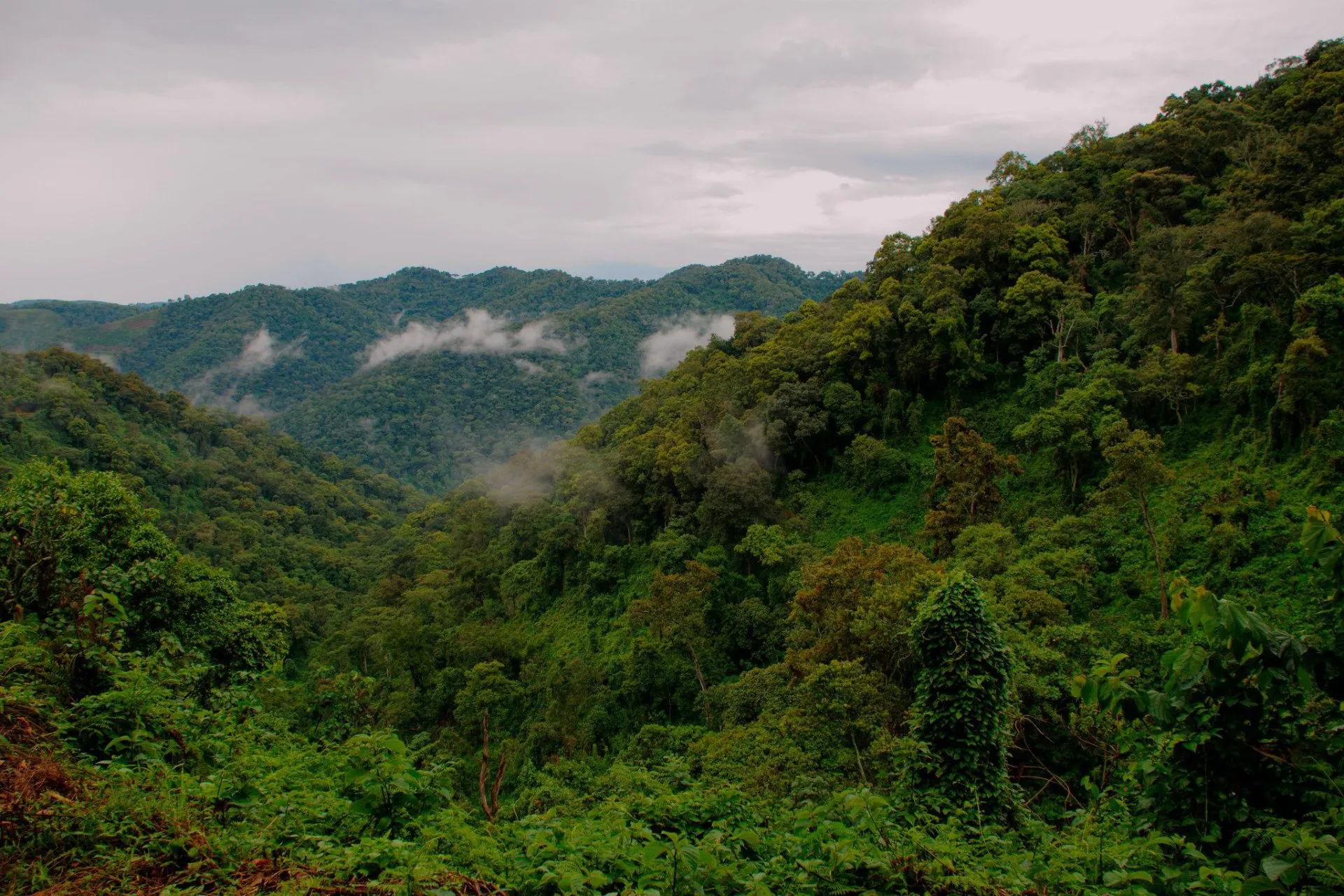
Bwindi Impenetrable National Park is a magnificent destination of profound geographic beauty, situated in Southwest Uganda within the sovereign borders of Uganda. This remarkable national park is nestled on the edge of the Albertine Rift Valley in southwestern Uganda, characterized by steep, mist-covered valleys and rugged ridges ranging from 1,160m to 2,607m in elevation, offering visitors an authentic encounter with the raw, untouched wilderness of Africa. Spanning an impressive area of approximately 331 square kilometers, the landscape is a dramatic tapestry of physical features that have been shaped over thousands of years by tectonic movements, weathering, and biological activity, creating a scenic backdrop that leaves a lasting impression on all who visit.
The terrain is defined by its diverse topographic variations, which directly influence local microclimates and vegetation patterns. High ridges and deep valleys slice through the area, creating distinct elevation bands that support a complex array of natural habitats. Depending on the season, the visual character of the landscape transitions from lush green blankets to dry, golden vistas. This geographic diversity not only makes the area exceptionally beautiful but also establishes it as a vital environmental sanctuary within the wider regional geography of Uganda.
The history of Bwindi Impenetrable National Park is deeply woven into the heritage of Uganda, reflecting a transition from traditional community stewardship to modern conservation management. The area was originally gazetted as a crown forest reserve in 1932, upgraded to a national park in 1991, and designated a UNESCO World Heritage Site in 1994, marking a key milestone in the preservation of the region's unique natural assets. Before receiving formal protection, these lands were managed by indigenous communities who co-existed with the local wildlife for generations, relying on the forest, plains, or waterways for their livelihoods while respecting the natural cycles of the wilderness.
In modern times, the focus has shifted toward comprehensive conservation strategies designed to protect the park from contemporary ecological threats. Today, the reserve is celebrated globally for its mountain gorilla conservation efforts, utilizing gorilla tracking permit revenues to fund anti-poaching patrols and support local community infrastructure, utilizing sustainable tourism models to fund essential operations like anti-poaching patrols, habitat restoration, and biological research. By integrating community outreach programs, the management ensures that local villages receive a share of tourism revenues, transforming former conflicts into collaborative partnerships that secure the long-term survival of the park's fragile ecosystems.
The ecological profile of Bwindi Impenetrable National Park is characterized by its remarkable biodiversity, harboring a complex web of life that thrives across several distinct ecosystems. The park's vegetation is one of Africa's oldest and most biologically diverse montane and lowland rain forests, featuring over 324 tree species and an ancient canopy untouched by the last ice age, providing vital food and shelter for thousands of animal species. From towering hardwood canopies that block out the tropical sun to open grassy savannahs that support massive grazing herds, the plant life here is highly specialized and adapted to the local soils and seasonal rainfall patterns.
In addition to dominant trees and grasses, the area is Home to a rich variety of smaller plants, including endemic ferns, wild orchids, and medicinal shrubs that have been used by local tribes for generations. These plants form the foundation of the ecosystem, supporting a high density of insects, birds, and herbivores. The complex relationships between the flora and fauna in the park make it a fascinating site for ecological research, illustrating the delicate balance required to maintain a healthy, self-sustaining wilderness.
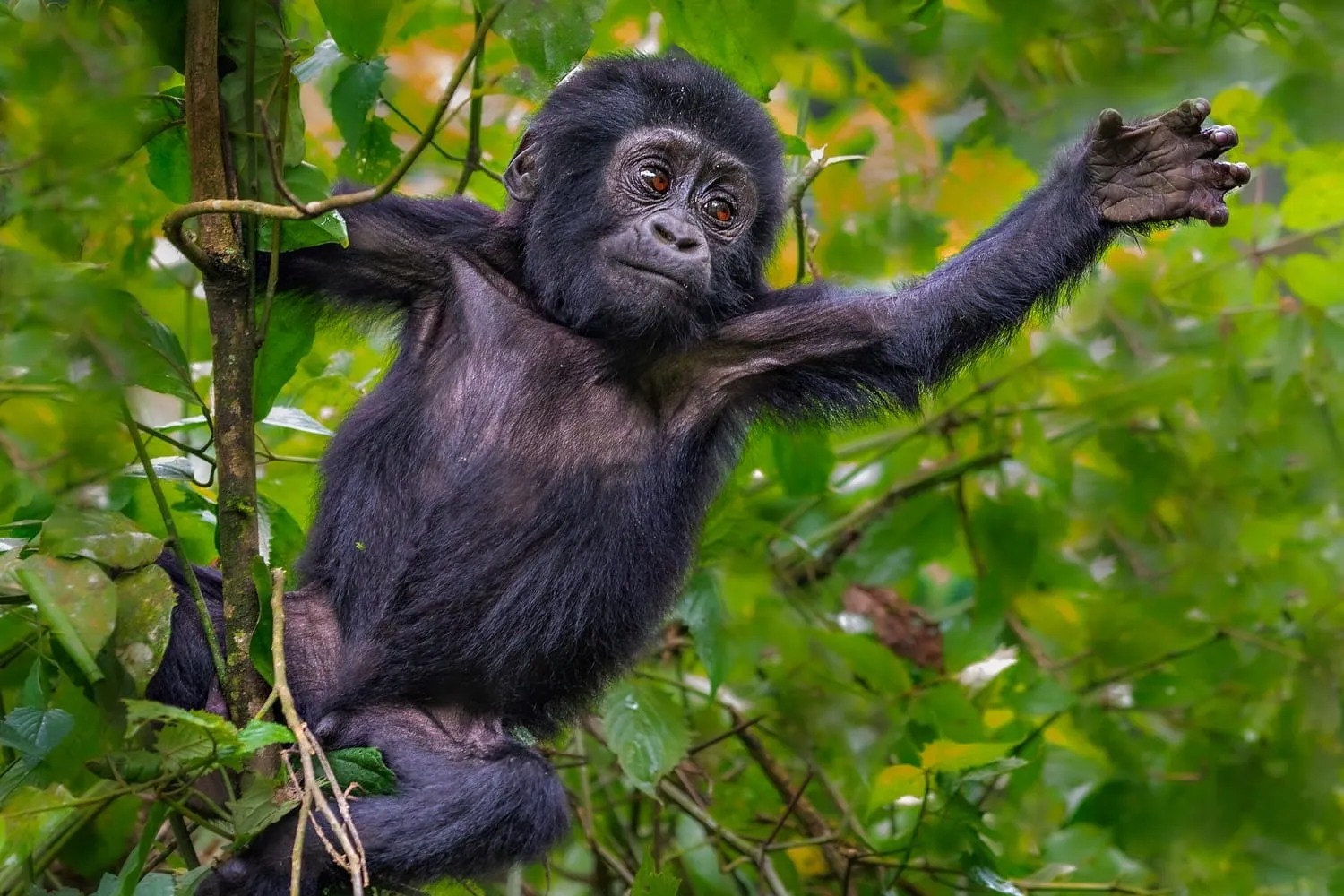
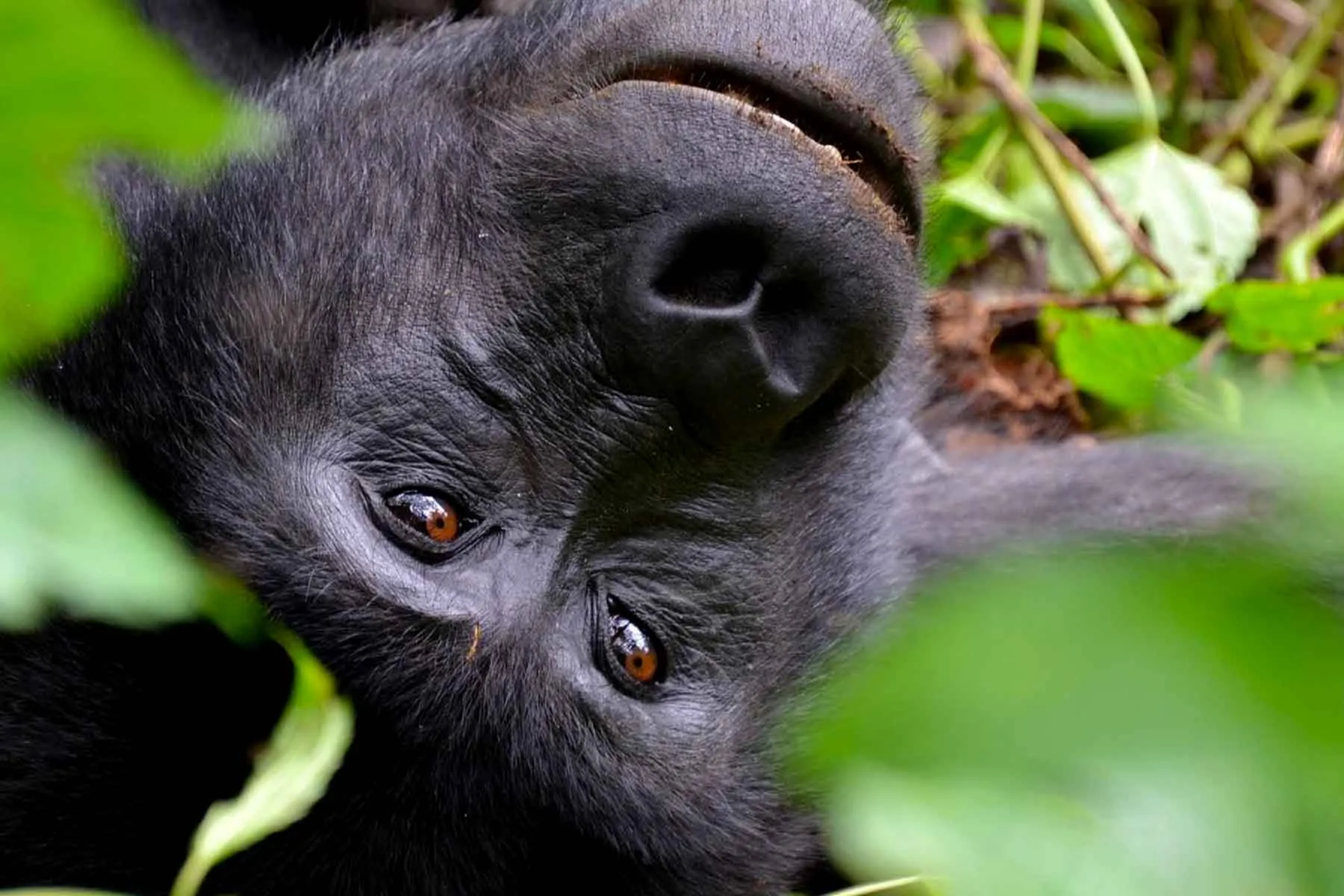
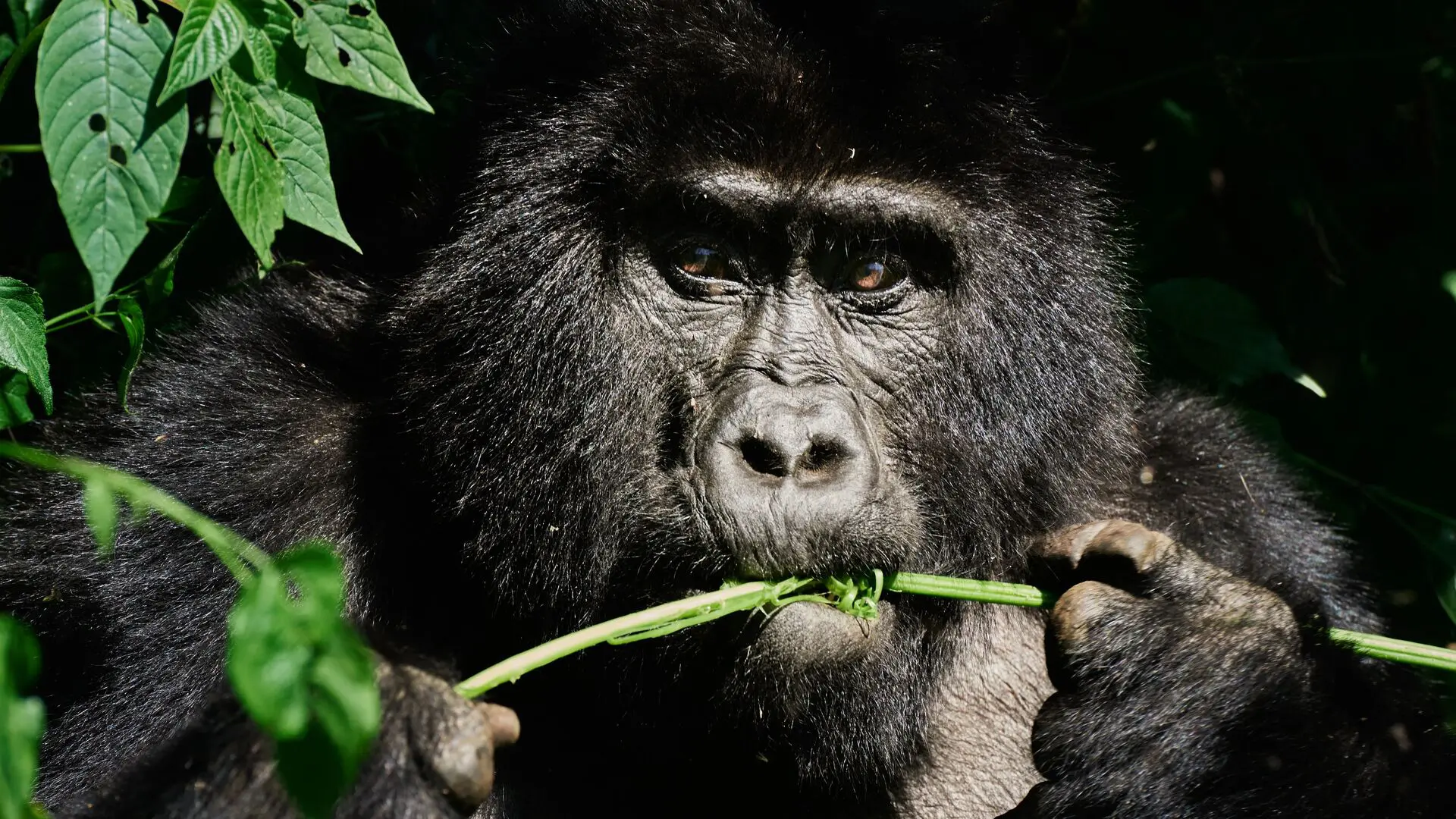
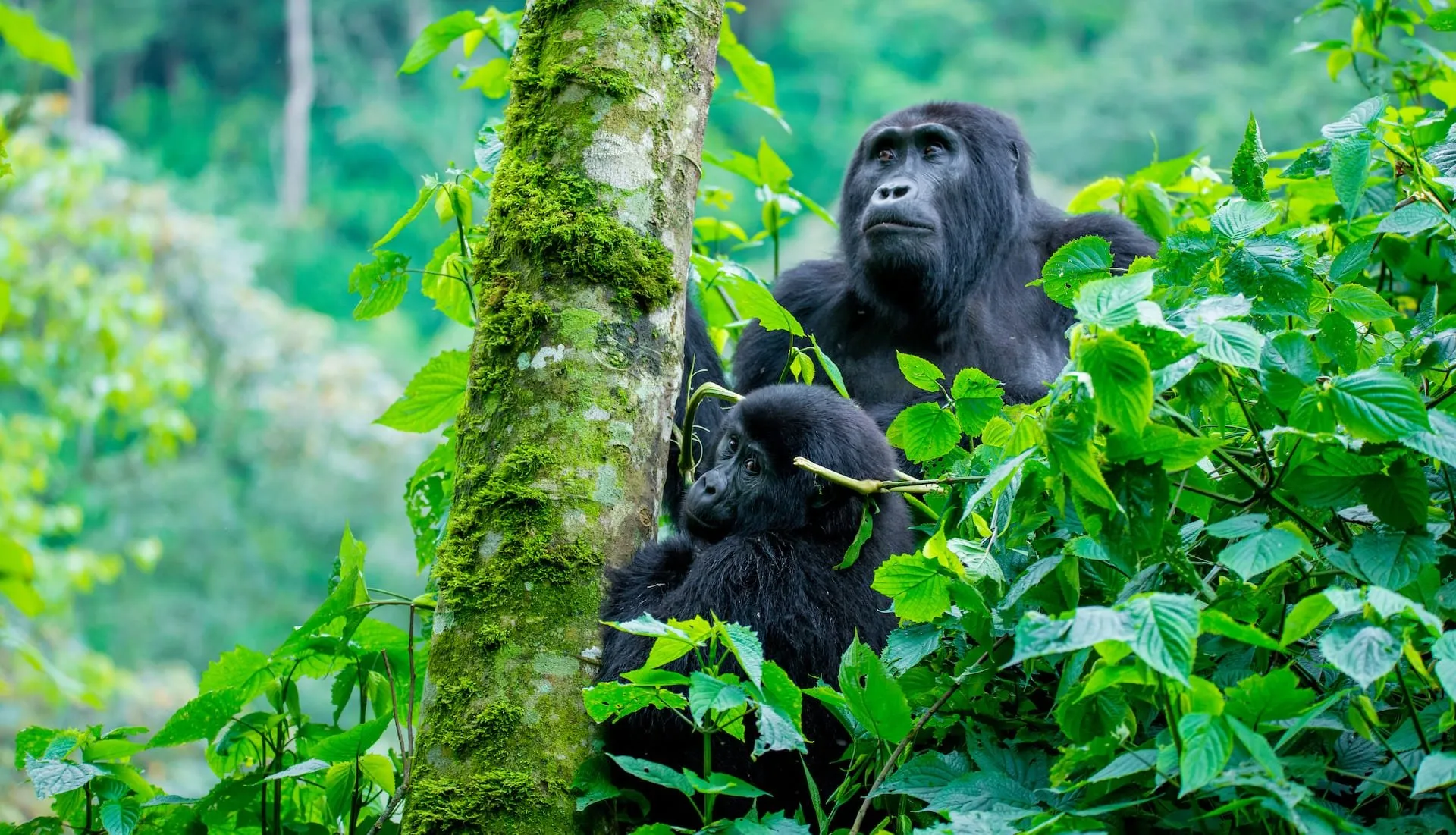
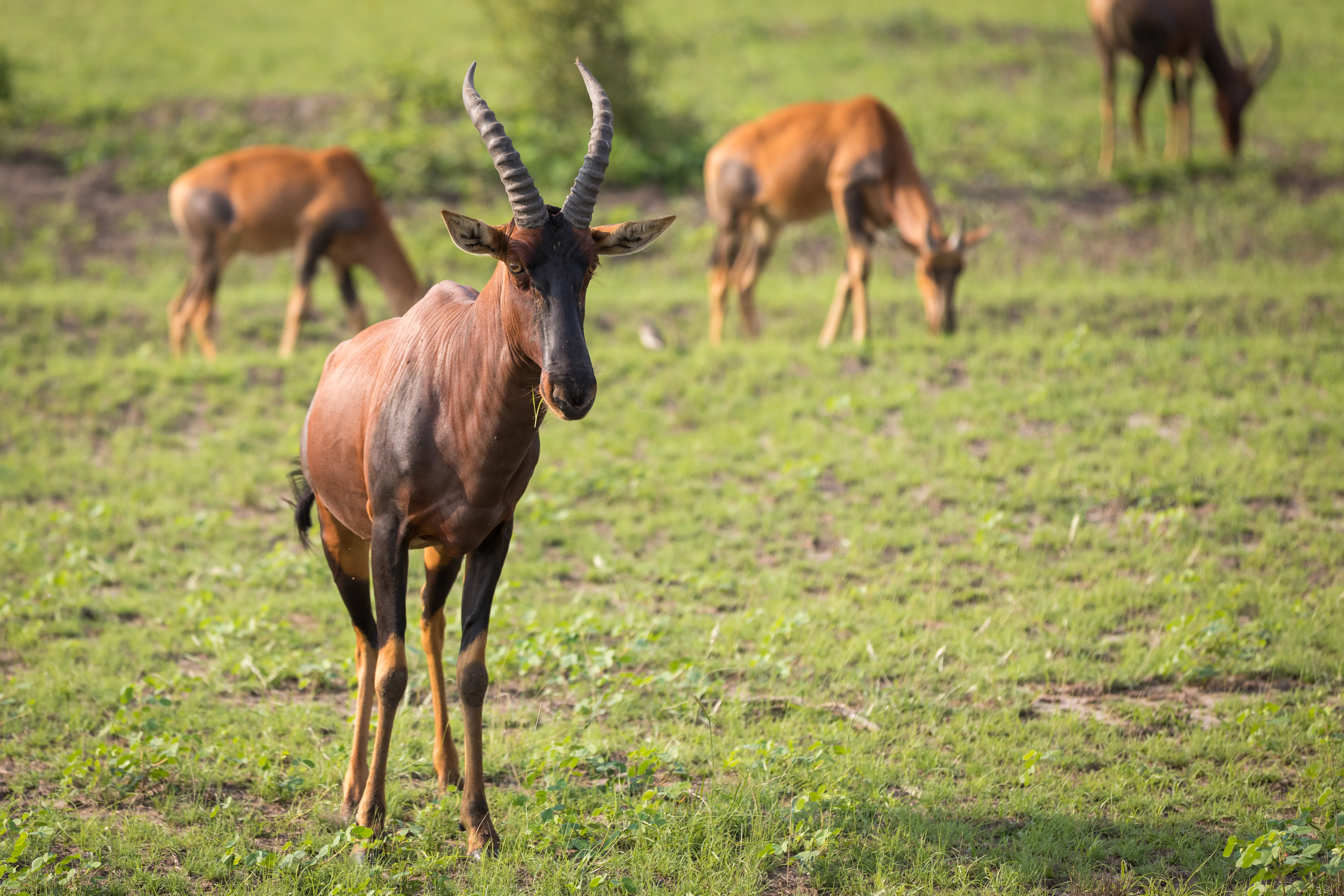
For wildlife enthusiasts, Bwindi Impenetrable National Park offers an extraordinary safari experience, acting as a crucial sanctuary for some of Africa's most iconic and endangered species. The park is renowned as the sanctuary for approximately 459 mountain gorillas (roughly half the global population), divided across sectors like Buhoma, Ruhija, Rushaga, and Nkuringo, drawing visitors from across the globe who seek intimate, respectful encounters with animals in their natural habitats. The complex predator-prey dynamics play out daily across the plains and forests, where lions, leopards, and hyenas track grazing herds of antelopes, zebras, and buffalos through the seasonal migration corridors.
Beyond the large mammals, the reserve is a paradise for birdwatchers and smaller fauna, hosting hundreds of bird species that fill the air with calls. Brightly colored sunbirds, large raptors, and rare waterbirds nest in the canopy and wetlands, while primates like colobus monkeys and baboons forage in the branches. The sheer density of wildlife in the park is a testament to the success of local conservation efforts, offering an unforgettable odyssey that highlights the beauty and complexity of African biodiversity.
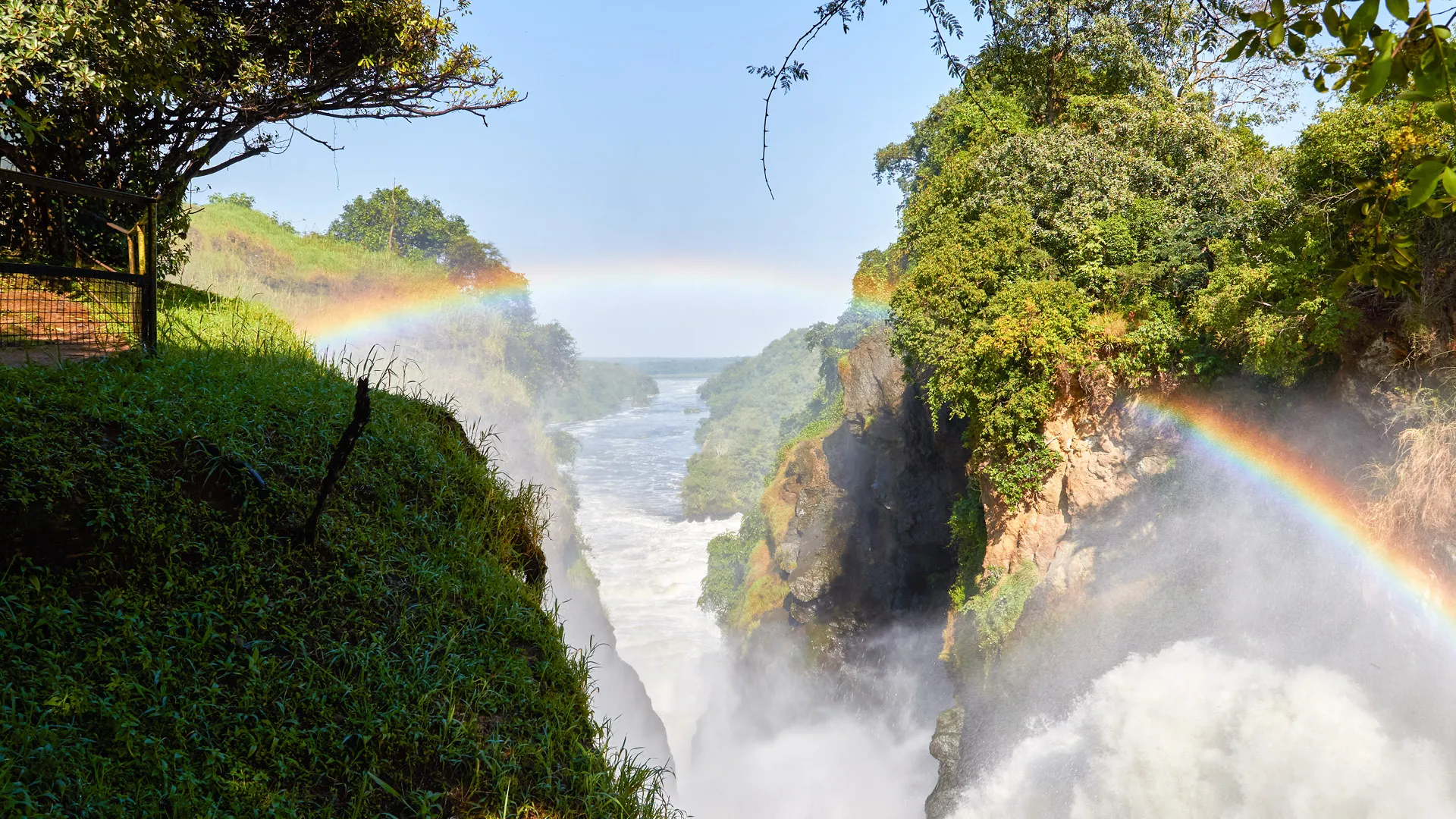
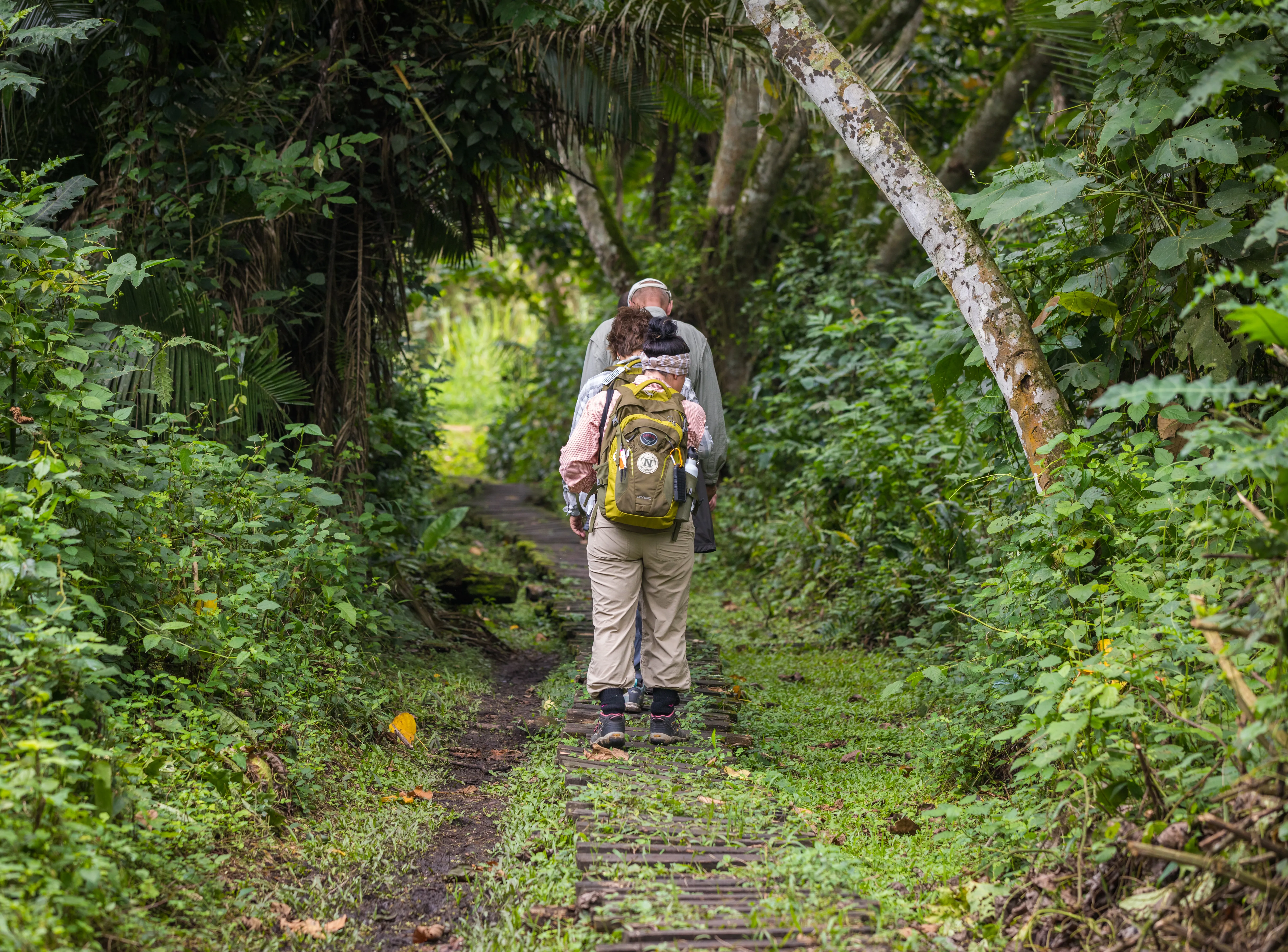
Exploring the wonders of Bwindi Impenetrable National Park is made possible through a curated selection of safari circuits and visitor activities designed to showcase the park's diverse highlights. The primary activities include gorilla trekking expeditions along muddy trails, forest birding walks, waterfall hikes to Muyanga and Rushura, and Batwa cultural forest experience tours led by indigenous guides, allowing guests to experience the wilderness from different perspectives under the guidance of certified rangers and trackers. Whether navigating the game tracks in an open 4x4 vehicle, walking along quiet forest trails, or cruising down fertile waterways, each excursion offers unique opportunities to spot elusive wildlife.
Guided walking safaris are particularly popular, offering a sensory connection to the bush as you track animal footprints, inspect flora, and learn about the smaller details of the ecosystem that are often missed from a vehicle. Cultural encounters are also integrated into the itinerary, allowing visitors to tour nearby community villages, meet local artisans, and learn about traditional music and customs. These activities are carefully managed to minimize human impact while maximizing educational value and community benefits.
Proper planning and logistical coordination are essential to ensure a safe, comfortable, and rewarding visit to Bwindi Impenetrable National Park. The park is accessible via a 9-hour drive from Kampala or a 1-hour charter flight to Kihihi or Kisoro airstrips; visitors must carry heavy rain gear, sturdy boots, and gardening gloves for climbing, requiring visitors to prepare for the specific terrain and weather patterns of the region. Depending on your itinerary, standard arrangements include booking conservation permits, hiring local guides, and selecting appropriate lodging, which ranges from rustic wilderness campsites to luxury eco-lodges that operate on solar power and follow green waste practices.
Responsible travel ethics are strongly encouraged throughout your stay, emphasizing the need to respect the environment and local cultures. Visitors must follow park rules, including maintaining safe distances from wildlife, keeping to designated trails, and packing out all non-biodegradable waste. By choosing eco-friendly tour operators and supporting local community businesses, travelers play an active role in conservation, ensuring that the magnificent wilderness of Bwindi Impenetrable National Park remains protected for future generations.