
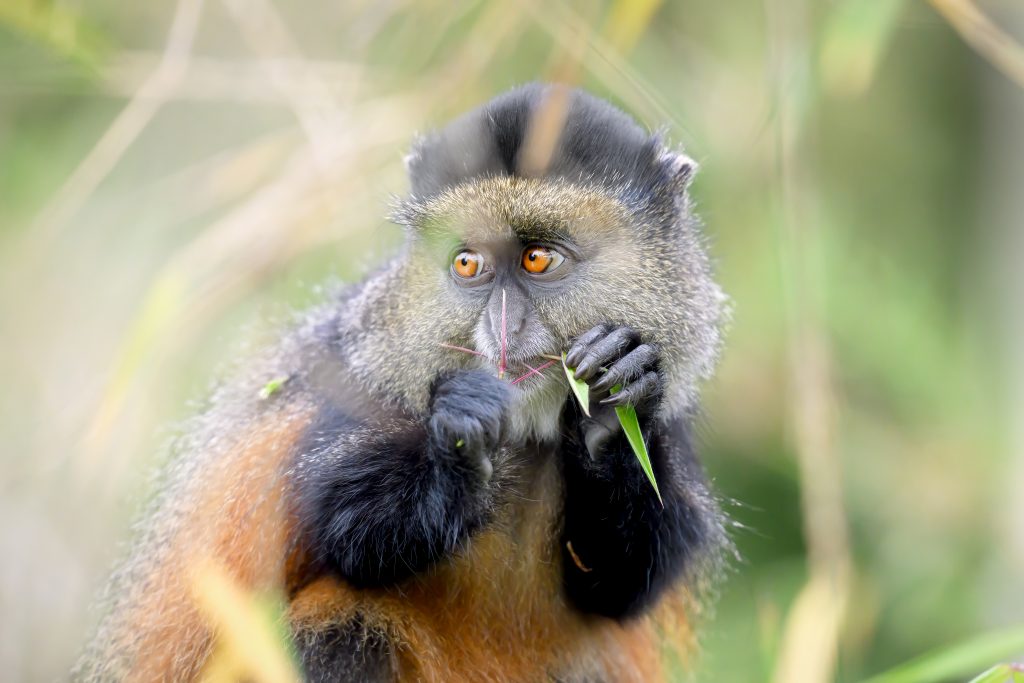
Golden Monkey Trekking in Rwanda: Permits, Costs & Tips
Golden monkey trekking in Rwanda takes you into the bamboo forests of Volcanoes National Park to watch lively, endangered monkeys leap through the trees and feed in the highlands of the Virunga volcanoes. It is a memorable wildlife experience—and a great way to add a second primate encounter to a Rwanda safari.
This guide explains what the trek is like, how permits and costs work, when to go, what to pack, and how to plan a smooth trip from Kigali. Ripple Safaris can also help you combine golden monkey tracking with other Rwanda experiences.
Golden monkey trekking in Rwanda at a glance
- Where: Volcanoes National Park in northwestern Rwanda, with the morning briefing at the park headquarters in Kinigi.
- What you see: A habituated troop of golden monkeys in their natural forest habitat.
- Time with the troop: Usually up to one hour, following the ranger’s guidance.
- How long the trek takes: The walk can take a few hours in total. The exact time and effort depend on where the monkeys are that day.
- Minimum age: 12 years for golden monkey tracking.
- Best preparation: Book your permit ahead, wear sturdy waterproof hiking boots, and bring layers and rain protection.
What are golden monkeys?
Golden monkeys are rare, endangered primates found in the Virunga region of Central Africa. In Rwanda, they live in the bamboo-rich lower slopes of Volcanoes National Park. Their golden-orange coats stand out against the green forest, and their quick movements make the encounter feel wonderfully alive: one moment a troop is feeding among the bamboo, and the next it is springing from branch to branch.
Unlike a zoo visit, this is a guided walk in the monkeys’ forest home. You follow trained park staff, keep to the rules, and watch the troop without feeding or touching the animals. Their location can change, so no two treks follow exactly the same route.
What happens on a golden monkey trek?
The day starts early. You travel to Kinigi, where park staff check permits, brief visitors, and organize groups with guides and trackers. After the briefing, you drive or walk to the trailhead, then continue on foot through farmland and into the forest. The walk may be short on one day and longer on another, depending on where the troop has moved.
When the trackers locate the monkeys, your guide will tell you where to stand and how to move. Visitors generally spend up to one hour observing the troop. You may see them feeding on bamboo shoots, grooming, playing, or bouncing through the canopy. After the visit, you return along the trail and head back to your lodge or onward to your next stop.
The trek is often shorter and less demanding than a gorilla trek, but do not mistake that for an easy stroll. Volcanoes National Park sits at high elevation, and trails can be uneven, steep, muddy, or slippery. A reasonable level of fitness and the right footwear make the day much more comfortable.
Golden monkey trekking permits and cost
You need a valid park permit to take part in golden monkey tracking. Permit prices and eligibility can change, and different rates may apply to international visitors, residents, or regional citizens. As a planning guide, international visitors are commonly quoted around US$100 per person for the tracking permit; confirm the current rate and your eligibility when you book.
Remember that a permit is not automatically the full price of a safari. Transport, accommodation, meals, porter services, and other activities may be charged separately unless your written itinerary says they are included. Ask for an itemized quote so you know exactly what you are paying for. Permits are limited by the park’s daily arrangements, so secure yours before you finalize the rest of your travel plans.
For a ready-made primate itinerary, see our 4-day Rwanda gorilla and golden monkey trekking safari. You can also browse our Rwanda safaris and ask us to tailor the route to your dates and budget.
How difficult is golden monkey trekking?
Most visitors with ordinary mobility can enjoy the trek, but the experience is not fully predictable. The altitude can make you tire sooner than expected, and rain can turn forest paths slick. You may walk uphill, step over roots, or push through thick vegetation. Take your time, drink water, and tell your guide if you need a pause.
Children must meet the park’s minimum age requirement of 12. If anyone in your group has a health concern, limited mobility, or difficulty walking on uneven ground, discuss it with your tour operator before booking so you can make a realistic plan.
Best time to go golden monkey trekking in Rwanda
Golden monkey tracking takes place throughout the year. The drier periods—often June to September and December to February—can make trails easier to walk, while the wetter months bring greener scenery and muddy conditions. Rain can fall in the mountains at any time, so there is no month when you should assume you will stay dry.
Choose dates that fit your wider trip, then prepare for changing weather. If your travel dates are fixed, booking early is especially helpful during busy holiday periods. Your guide and trackers work in the forest year-round, and the monkeys’ movements—not the calendar—determine how long the walk takes.
What to pack for the trek
- Sturdy, waterproof hiking boots with good grip.
- Long trousers and long socks; gaiters can help keep mud and vegetation out of your boots.
- A light rain jacket and warm layers for the cool, damp mountain morning.
- Gardening or hiking gloves for holding vegetation on the trail.
- Drinking water, a small snack, and a comfortable daypack.
- A camera or phone, with flash turned off and packed safely when it rains.
- Any personal medication you may need during several hours outdoors.
Keep your bag light, follow the ranger’s instructions, and do not bring food to offer the monkeys. Park staff will explain the latest wildlife-viewing rules at the briefing.
How to get to Volcanoes National Park
Most visitors travel from Kigali to Musanze, the main town near Volcanoes National Park, then continue to Kinigi for the morning briefing. The drive from Kigali typically takes around two and a half to three hours, depending on traffic, road conditions, and your starting point. An overnight stay near the park makes an early start easier; a same-day drive is possible if your schedule and transport are well planned.
Private transport gives you flexibility and removes the stress of arranging connections before dawn. When you book, confirm your pickup time, meeting point, permit arrangements, and what the package includes. If you are combining the trek with gorilla tracking, plan enough time for each activity rather than squeezing both into one rushed day.
Golden monkeys or gorillas: which trek should you choose?
They are different experiences, and many travelers choose both. Golden monkey tracking takes you into bamboo forest to watch a lively troop that is often on the move. Gorilla trekking usually involves a longer forest hike and a quiet hour with a gorilla family. Golden monkey tracking is generally the more affordable permit and can be a good addition to a short Rwanda visit, while gorilla trekking is the classic big-primate experience.
If your time or budget allows, combining them gives you two distinct views of the Virunga landscape and its wildlife. Our four-day itinerary is one option; we can also help you compare other Rwanda safari routes.
Responsible golden monkey trekking
Your visit supports the protection of an endangered species and the park landscape, but responsible behavior matters. Follow your ranger’s instructions, keep the distance they set, stay with your group, and never touch, feed, or call to the monkeys. Avoid flash photography. If you feel unwell before the trek, tell your operator and follow the park’s health guidance rather than risking the troop’s wellbeing.
Listen during the briefing even if you have trekked before. Park rules exist to protect both visitors and wildlife, and staff may adjust instructions to suit the conditions on that day.
Frequently asked questions
How long does golden monkey trekking take?
Plan for a morning activity that may last several hours, including the briefing, transfer to the trail, walking, and return. The time on foot varies with the troop’s location. Once you find the monkeys, the visit is usually limited to about one hour.
How much does a golden monkey permit cost in Rwanda?
For international visitors, a useful starting estimate is around US$100 per person for the tracking permit. Rates can change and may differ by visitor category, so confirm the current price when reserving. Transport, lodging, and meals are separate unless your tour quote includes them.
Is golden monkey trekking easier than gorilla trekking?
It is often shorter and less strenuous, but it can still involve steep, muddy trails at high altitude. Wear proper hiking boots and be ready for a walk whose length depends on where the troop is.
Can children go golden monkey trekking?
Yes, but the minimum age is 12 years. Check age and permit requirements for every traveler before paying for a booking.
Can I combine golden monkey trekking with gorilla trekking?
Yes. Many visitors combine the two experiences over several days. Allow time for each trek, and plan an overnight near the park to make the early starts more comfortable.
What should I wear?
Wear long trousers, sturdy waterproof boots, and layers you can adjust. Bring a rain jacket and gloves; mountain weather and trail conditions can change quickly.
Plan your Rwanda golden monkey trek with Ripple Safaris
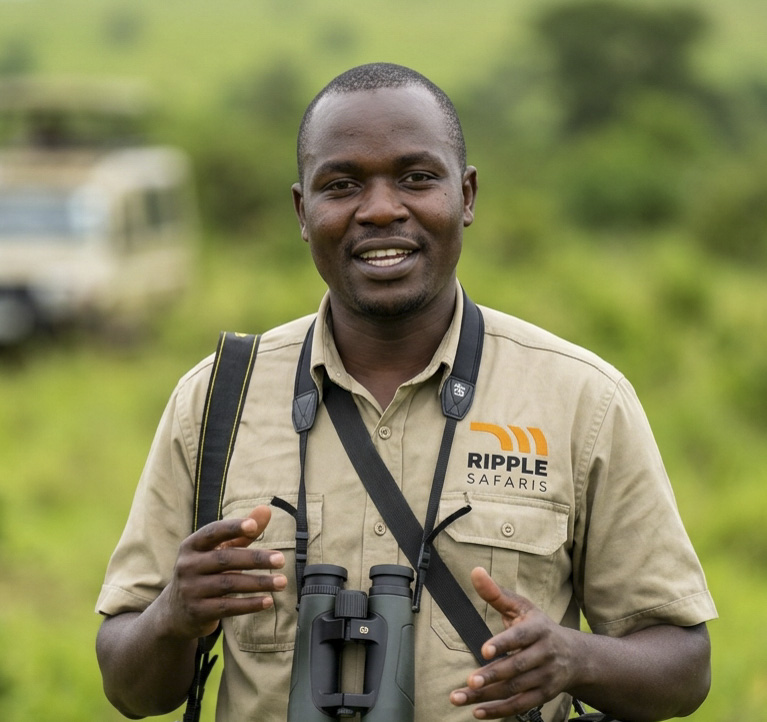
A great trek starts with the right permit, a practical early-morning plan, and honest advice about what the trail involves. Ripple Safaris can arrange transport, help you choose a suitable itinerary, and combine golden monkey tracking with gorillas or other Rwanda experiences.
Contact Ripple Safaris for a tailored Rwanda golden monkey trekking quote, or explore our Rwanda safari options to start planning.
Join the conversation
0 responses
No responses yet. Be the first to share your thoughts.