
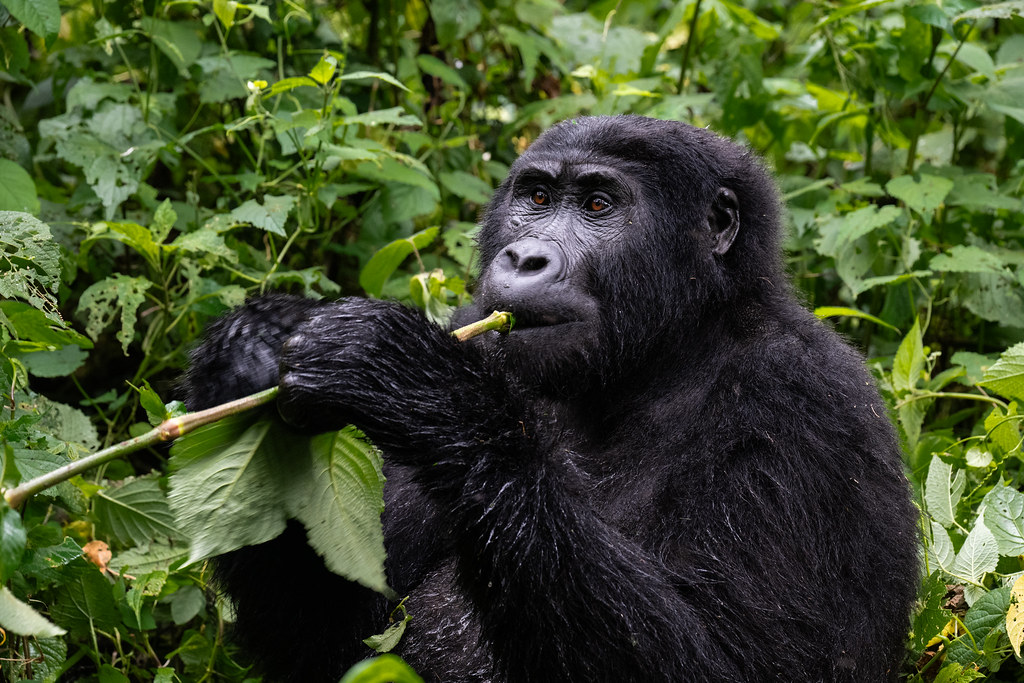
Gorilla Trekking in Rwanda and Uganda: The Complete Safari Guide
Planning a gorilla trekking safari in Rwanda or Uganda? Both countries offer a carefully guided encounter with endangered mountain gorillas in their natural forest habitat. The best choice depends less on which country has “better” gorillas and more on your available time, budget, preferred landscape and the rest of your safari.
This guide compares gorilla trekking in Volcanoes National Park, Rwanda, with trekking in Bwindi Impenetrable National Park and Mgahinga Gorilla National Park, Uganda. It explains permits, travel logistics, trek preparation, responsible visitor rules and how to choose the right itinerary. Permit prices below were checked on 12 October 2026; always reconfirm rates and availability with the wildlife authority before paying.
Quick answer: Rwanda or Uganda for gorilla trekking?
- Choose Rwanda if a shorter transfer from Kigali, a compact itinerary and a polished, high-comfort trip matter most. Treks take place in Volcanoes National Park.
- Choose Uganda if you want more room to build a longer wildlife journey, a choice between Bwindi and Mgahinga, and a lower standard permit price for many international visitors. Plan carefully around the long road transfer or arrange a domestic flight.
- Choose either country if your priority is a responsibly managed mountain gorilla encounter. The actual time with the gorilla family is limited and guided in both countries; no operator can guarantee exactly where a family will be or how long the hike to find it will take.
| Planning point | Rwanda | Uganda |
|---|---|---|
| Main trekking area | Volcanoes National Park | Bwindi Impenetrable National Park and Mgahinga Gorilla National Park |
| Typical permit price for an international non-resident | US$1,500 per person | US$800 per person at the standard rate |
| Getting to the park | Usually a road transfer of roughly 2-3 hours from Kigali, depending on conditions and starting point | A long road transfer from Entebbe/Kampala; domestic flights can shorten the journey, subject to schedules and the correct airstrip |
| Best suited to | Shorter trips and travellers prioritising a simple transfer | Longer safaris combining gorillas with other Ugandan parks |
| What every trek requires | A valid permit, ranger briefing, appropriate preparation and following the park team’s instructions | A valid permit, ranger briefing, appropriate preparation and following the park team’s instructions |
Permit prices are not the whole safari price: transport, accommodation, meals, flights, visas and other activities are separate unless included in a package. Rates, categories and conditions can change. See the official links at the end of this guide.
Where can you see mountain gorillas?
Mountain gorillas live in the forests of the Virunga Massif, which spans Rwanda, Uganda and the Democratic Republic of the Congo, and in the Bwindi-Sarambwe forest region. For visitors planning a safari in Rwanda or Uganda, the trekking locations are:
- Volcanoes National Park, Rwanda: the country’s mountain gorilla trekking takes place on the forested slopes of the Virunga volcanoes in the northwest. The park is reached by road from Kigali. The Rwanda Development Board manages permits and park arrangements.
- Bwindi Impenetrable National Park, Uganda: a large, ancient montane rainforest in southwestern Uganda. Its trekking operations are organised into four sectors: Buhoma, Ruhija, Rushaga and Nkuringo. A permit is associated with a particular trekking area, so choose accommodation and transport to match the permit sector before confirming the rest of your plans.
- Mgahinga Gorilla National Park, Uganda: a smaller Virunga landscape that offers another Uganda-based option. Permit availability and the trek assignment must be confirmed for your dates with the Uganda Wildlife Authority or a licensed operator.
Do not assume that a permit for one Bwindi sector can be used in another, or that two parks are close simply because they appear close on a small map. Road conditions, terrain and border/park logistics matter. Ask your operator to confirm the exact briefing point and the previous night’s lodge in writing.
Gorilla trekking permits and costs
A gorilla permit is a limited, date-specific authorisation for one visitor to join a guided trek. It is not the full cost of a gorilla safari. At the time this article was checked, the commonly applicable international non-resident rates were US$1,500 in Rwanda and US$800 in Uganda for standard gorilla trekking. Uganda has other permit categories and seasonal tariff conditions; eligibility and dates affect the price. Confirm the exact current amount directly with the relevant authority before making a non-refundable payment.
Permits are limited to manage visitor impact and are popular for peak travel dates. Start with your travel dates and permit availability, then build the itinerary around the confirmed park and sector. If booking through an operator, request an itemised quote that distinguishes the permit from guiding, vehicle, accommodation, meals and other inclusions. Keep the permit confirmation and check that traveller names and trek dates match your documents.
For Uganda, use the Uganda Wildlife Authority (UWA) or a reputable, licensed Ugandan safari operator; UWA warns visitors to follow its official purchase guidance. For Rwanda, check the Rwanda Development Board’s official booking platform or use a reputable operator who can confirm the permit with the issuing authority. Be cautious of unofficial sellers, unusually low prices, pressure to pay quickly or a booking confirmation that does not identify the permit date and traveller.
Rwanda vs Uganda: which gorilla safari is right for you?
Choose Rwanda for a shorter transfer and compact trip
Volcanoes National Park is relatively accessible from Kigali, which can make Rwanda a practical choice when you have only a few days or want to combine trekking with a stay in Kigali. The short transfer does not mean the gorilla hike itself will be short: the trek’s duration and difficulty depend on where the assigned gorilla family is and on trail conditions that day.
Rwanda can also work well as part of a broader national itinerary. Discuss the additional driving time and overnight stops if you plan to pair gorilla trekking with other regions, rather than assuming a day trip from Kigali covers every destination comfortably.
Choose Uganda for a longer, varied wildlife itinerary
Uganda is a strong fit for travellers who want gorilla trekking as one part of a wider safari. Depending on your route, you may be able to combine southwestern Uganda with savannah wildlife, chimpanzee tracking or other landscapes. These combinations need realistic driving days; Uganda is much larger than Rwanda, and long transfers can be tiring.
Bwindi’s four sectors each have their own access and accommodation considerations. Secure the permit first, confirm the sector and briefing location, and then select a lodge within practical reach. A domestic flight can reduce road time for some itineraries, but schedules, luggage limits, transfers and the exact arrival airstrip need to be checked before booking.
Can you trek in both countries on one trip?
Yes, a cross-border safari can be planned, but it is not automatically the best option. It involves separate permits, border formalities, additional transfers and more nights. Consider doing both only if you have enough time and specifically want to experience both destinations. For most travellers, choosing one country and giving the surrounding itinerary enough time creates a more relaxed trip.
What happens on a gorilla trek?
The day begins with a park briefing. Rangers explain the rules, assign visitors to a habituated gorilla family and lead the group into the forest. The walk may be relatively short or involve several hours on steep, muddy, uneven terrain through dense vegetation. The gorillas move freely, so the hike is not a fixed route or a guaranteed-duration excursion.
When the group finds the gorillas, visitors are permitted a limited viewing period, generally up to one hour under the standard trek. The ranger decides how the group should position itself and when it is time to leave. Keep your movements calm, speak quietly, avoid flash photography and follow every instruction. If the gorillas move, let the ranger manage the encounter; never approach or touch them.
Treks are physically demanding for some visitors, but there is no single fitness level or route that applies to every day. Tell your operator about mobility limitations well in advance so they can explain current options and constraints. A porter can help carry a daypack and provide practical support on the trail; hiring one also supports local livelihoods.
Best time of year for gorilla trekking
Gorilla trekking is possible throughout the year, and no month guarantees dry trails or an easy hike. Drier periods are often described as June to September and December to February, while wetter periods can bring muddy trails and lush forest conditions. These are broad seasonal patterns, not a weather promise: mountain weather changes quickly, and rain can fall in any season.
Choose dates based on permit availability, your wider itinerary and your tolerance for wet hiking conditions. If travelling in a popular holiday period, begin permit planning early. If your dates are flexible, ask about alternative trekking dates and sectors before locking in flights and lodges.
What to pack for a gorilla trekking safari
- Broken-in hiking boots with good grip, plus several pairs of hiking socks.
- Waterproof jacket and rain protection for your daypack; weather can change quickly.
- Long trousers, long sleeves and gardening-style gloves to protect against vegetation and nettles.
- Daypack, drinking water, energy snacks and any personal medication.
- Walking pole if useful; ask your lodge or operator whether one is available.
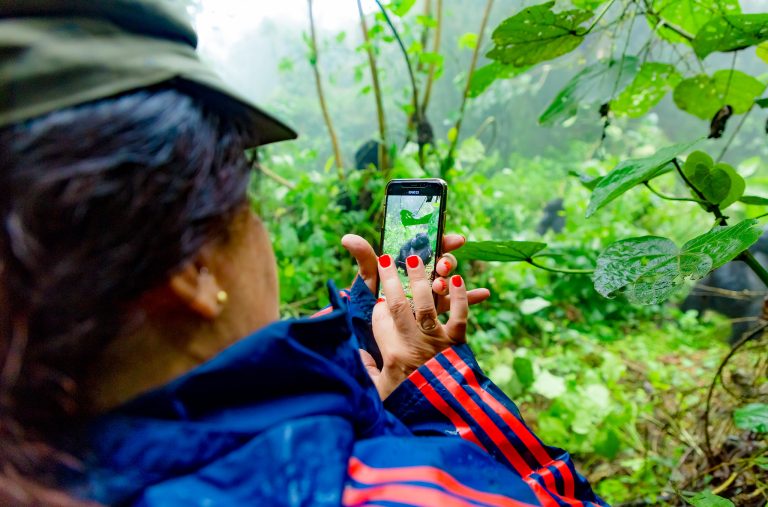
- Camera or phone with flash disabled, spare battery and a waterproof means of carrying it.
- Small cash for a porter and other local services, as appropriate.
Wear layers and bring only what you can comfortably carry. Your operator and park briefing should provide final instructions for your particular trek.
Responsible gorilla trekking: rules that protect people and wildlife
Mountain gorillas are vulnerable to human respiratory infections. Do not join a trek if you are unwell, especially with symptoms such as a cough or fever; contact your operator and the park authority for advice. The park team may restrict access to protect the gorillas. During the encounter, keep the distance directed by the ranger, do not eat near the gorillas, do not leave litter, and do not use flash. Follow the current rules given at the briefing rather than relying on an old blog post or a fixed distance quoted online.
Keep to the ranger’s instructions before, during and after the encounter. Never trek independently, call out to or feed wildlife, or pressure a guide to get closer for a photograph. The permit system, trained trackers and strict viewing limits help manage visitor impact, but responsible behaviour by every visitor matters too.
Example itineraries
Rwanda: 3 days / 2 nights
Arrive in Kigali and transfer to the Volcanoes National Park area, staying near the briefing point the night before the trek. Trek on the second day, then return to Kigali or add an extra night if you want a slower pace. This is a compact outline, not a guarantee of transfer times or permit availability.
Uganda: 4 days / 3 nights or longer
Travel to the confirmed Bwindi sector or Mgahinga area, stay close enough for the early briefing, trek the next day and allow time for the return journey. A longer itinerary can include another Ugandan park or activity, but route choice should be based on realistic drive times and confirmed permits. Ask for a day-by-day plan that names the trekking sector and lodge.
Frequently asked questions about gorilla trekking
How much does a gorilla trekking permit cost?
At the time checked for this guide (12 October 2026), the standard price for an international non-resident was US$1,500 in Rwanda and US$800 in Uganda. Eligibility, seasonal tariffs and future changes can affect the final price. Verify the current rate and booking conditions with Rwanda Development Board or Uganda Wildlife Authority before paying.
How long do you spend with the gorillas?
The standard viewing period is up to one hour after the group locates the gorillas. The hike to find them can take substantially longer and varies by day, family location and trail conditions.
Is gorilla trekking difficult?
It can be strenuous. Expect uneven ground, steep sections, mud, dense vegetation and changing weather. Trek duration and difficulty cannot be guaranteed in advance. Prepare with regular walking or hill training, wear suitable boots and discuss accessibility needs before booking.
What is the minimum age for gorilla trekking?
The minimum age is generally 15 in both Rwanda and Uganda. Confirm the current rule with the authority when booking, especially if travelling with a child close to the age threshold.
How far in advance should I book?
Book as early as practical, especially for peak dates, specific sectors or a group travelling together. First confirm permit availability for your exact dates, then coordinate flights, accommodation and transfers. Availability changes, so no fixed lead time can guarantee a permit.
Can I see gorillas without trekking?
Mountain gorilla trekking requires a valid permit and a guided park experience. There is no responsible or legal shortcut to a wild encounter outside the park’s rules. If trekking is not suitable for you, ask the destination authority or your operator about other wildlife and cultural activities instead.
Is Rwanda or Uganda cheaper for a gorilla safari?
Uganda’s standard international non-resident permit is lower-priced than Rwanda’s standard international permit, based on the rates checked for this guide. But the total trip cost also depends on flights, road transfers, accommodation, trip length and any additional parks. Compare complete, itemised itineraries rather than permit prices alone.
How to plan your gorilla trekking safari
- Choose Rwanda or Uganda based on your available time and the wider safari you want.
- Check the official permit price, availability, eligibility and cancellation terms for your dates.
- For Uganda, confirm the exact Bwindi sector or Mgahinga arrangements before selecting accommodation.
- Build in the correct arrival night and realistic transfer time before the trek briefing.
- Prepare for a strenuous outdoor activity and follow the current conservation rules.
- Ask for a written, itemised itinerary that clearly states what is and is not included.
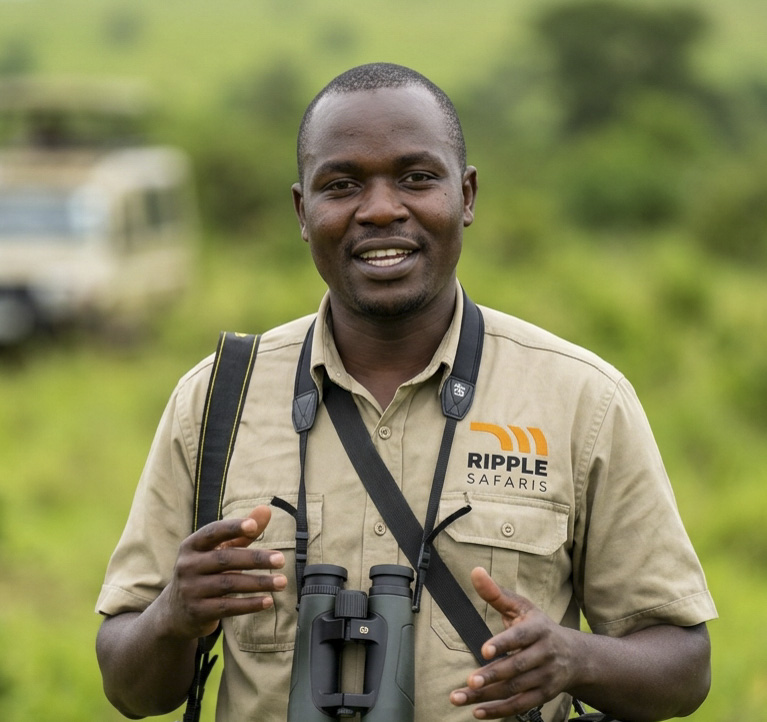
A well-planned gorilla trekking safari is not just about reaching the forest. It gives you time to travel responsibly, listen to local guides and support the communities and conservation work that make these encounters possible. If you are comparing Rwanda and Uganda itineraries, Ripple Safaris can help you plan around your dates, interests and permit availability.
Information reviewed 12 October 2026. Operational rules, permit fees and availability can change; confirm details with the issuing authority before travel.
Join the conversation
0 responses
No responses yet. Be the first to share your thoughts.