Uncover Tanzania’s Wild Heart: Your Definitive Guide to Breathtaking Safaris
Imagine waking to the distant roar of a lion, the air crisp with the scent of wild sage, and the vast African plains stretching endlessly before you. This is the promise of Tanzania, a land woven with epic landscapes, vibrant cultures, and an abundance of wildlife that captures the imagination like nowhere else on Earth. A safari here is more than just a trip; it is a profound journey into the very essence of nature, an experience that will stir your soul and redefine your sense of adventure.
Tanzania stands as Africa’s undisputed jewel for wildlife encounters, offering a spectrum of experiences from the legendary Great Migration to scaling the continent’s highest peak. Its national parks and conservation areas are world-renowned sanctuaries for incredible biodiversity, providing unparalleled opportunities for Tanzania Safaris that blend thrilling game drives with deep cultural immersion. Here, every sunrise brings a new opportunity to witness nature’s raw beauty unfold.
At Ripple Safaris, we believe every traveler deserves a safari that mirrors their unique dreams and desires. Our deep expertise in crafting personalized Tanzanian adventures ensures that whether you seek the adrenaline of a predator chase, the tranquility of a remote wilderness, or the vibrant pulse of local communities, your journey will be seamless, authentic, and utterly unforgettable. Let us guide you through the wonders of this magnificent country, creating memories that last a lifetime.
Why Tanzania Stands Apart for African Safaris
Tanzania holds a special place in the hearts of safari enthusiasts, consistently ranking as a top destination for experiencing Africa’s untamed beauty. Its reputation comes from a remarkable combination of factors, including iconic wildlife spectacles, diverse ecosystems, and a rich cultural heritage that adds layers of depth to every visit. This East African nation offers a holistic safari experience, catering to every kind of adventurer.
The country’s commitment to conservation is evident in its vast network of protected areas, covering over a third of its landmass. These parks and reserves are meticulously managed to preserve their natural integrity, ensuring that future generations can also witness the incredible wildlife that thrives within them. This dedication translates into pristine environments and thriving animal populations, making every game drive a discovery.
Beyond the wildlife, Tanzania offers unique geological wonders, from the ancient caldera of Ngorongoro to the towering peak of Kilimanjaro. The opportunity to witness such dramatic landscapes alongside incredible animal interactions creates a truly immersive and comprehensive African adventure. It is this blend of natural splendor, abundant wildlife, and cultural authenticity that truly sets Tanzania apart on the global safari stage.
Diverse Landscapes & Ecosystems
Tanzania’s geographical diversity is astounding, ranging from the vast savannahs of the Serengeti to the volcanic highlands of the Ngorongoro Conservation Area, and from the dense forests of the western chimpanzee sanctuaries to the pristine beaches of Zanzibar. This variety in landscapes supports an equally diverse array of flora and fauna, meaning your safari experience can change dramatically from one region to the next. You might find yourself tracking big cats across golden grasslands one day and enjoying a serene boat safari through a swamp the next.
The contrasting environments provide different habitats for various species, offering unique viewing opportunities throughout your journey. The Great Rift Valley, which carves its way through Tanzania, has shaped much of this geological tapestry, creating lakes, mountains, and plains that contribute to its ecological richness. Each region presents its own set of natural wonders and challenges, inviting exploration and discovery at every turn.
Whether you are captivated by the endless plains, the towering peaks, or the tranquil shores, Tanzania’s diverse ecosystems ensure that there is always something new and fascinating to explore. This natural variety is a key reason why many travelers choose to return to Tanzania, knowing that each visit can uncover a different facet of its wild beauty. The sheer scale and untouched nature of these landscapes contribute significantly to the authentic safari feeling.
Rich Cultural Tapestry
A safari in Tanzania offers more than just wildlife viewing; it provides a profound opportunity to connect with ancient cultures that have coexisted with the wild for centuries. The Maasai, with their distinctive red shukas and rich traditions, are perhaps the most iconic of these communities, residing in areas like the Ngorongoro Conservation Area and offering insights into their pastoralist way of life. Visiting a Maasai village provides a powerful perspective on their heritage and resilience.
Beyond the Maasai, Tanzania is Home to over 120 ethnic groups, each with its own language, customs, and history. Groups like the Hadzabe hunter-gatherers near Lake Eyasi offer a rare glimpse into one of the last true hunter-gatherer societies in Africa. These cultural encounters enrich your safari, moving beyond passive observation to active engagement and understanding.
At Ripple Safaris, we prioritize respectful and ethical cultural interactions, ensuring that visits benefit local communities and preserve their traditions. These experiences add a meaningful dimension to your adventure, allowing you to appreciate the intricate relationship between the people, the land, and the wildlife. It transforms a wildlife holiday into a journey of human connection and cultural appreciation.
The Iconic Northern Safari Circuit
The Northern Safari Circuit represents the pinnacle of Tanzanian wildlife viewing, drawing adventurers from across the globe with its concentration of world-famous national parks and conservation areas. This well-trodden path includes the Serengeti, Ngorongoro Crater, Tarangire, and Lake Manyara, offering a consistent and often spectacular display of Africa’s most sought-after animals. It is here that many of the quintessential safari images come to life.
Visitors to the Northern Circuit can expect expertly guided game drives across diverse terrains, from vast savannahs to acacia woodlands and volcanic landscapes. The infrastructure is well-developed, featuring a wide range of accommodation options that cater to every budget and style, from rustic tented camps to opulent luxury lodges. Accessibility is also a key advantage, with regional airports facilitating easy transfers between parks.
A journey through the Northern Circuit promises an unparalleled wildlife spectacle, particularly during the dry season when animals congregate around water sources, and throughout the year for specific events like the Great Migration. This region truly defines the classic African safari experience, offering magnificent landscapes and unforgettable animal encounters at every turn. It is the perfect choice for first-time safari-goers and seasoned travelers alike, providing an accessible yet profoundly wild adventure.
Serengeti National Park: Where the Wild Things Roam
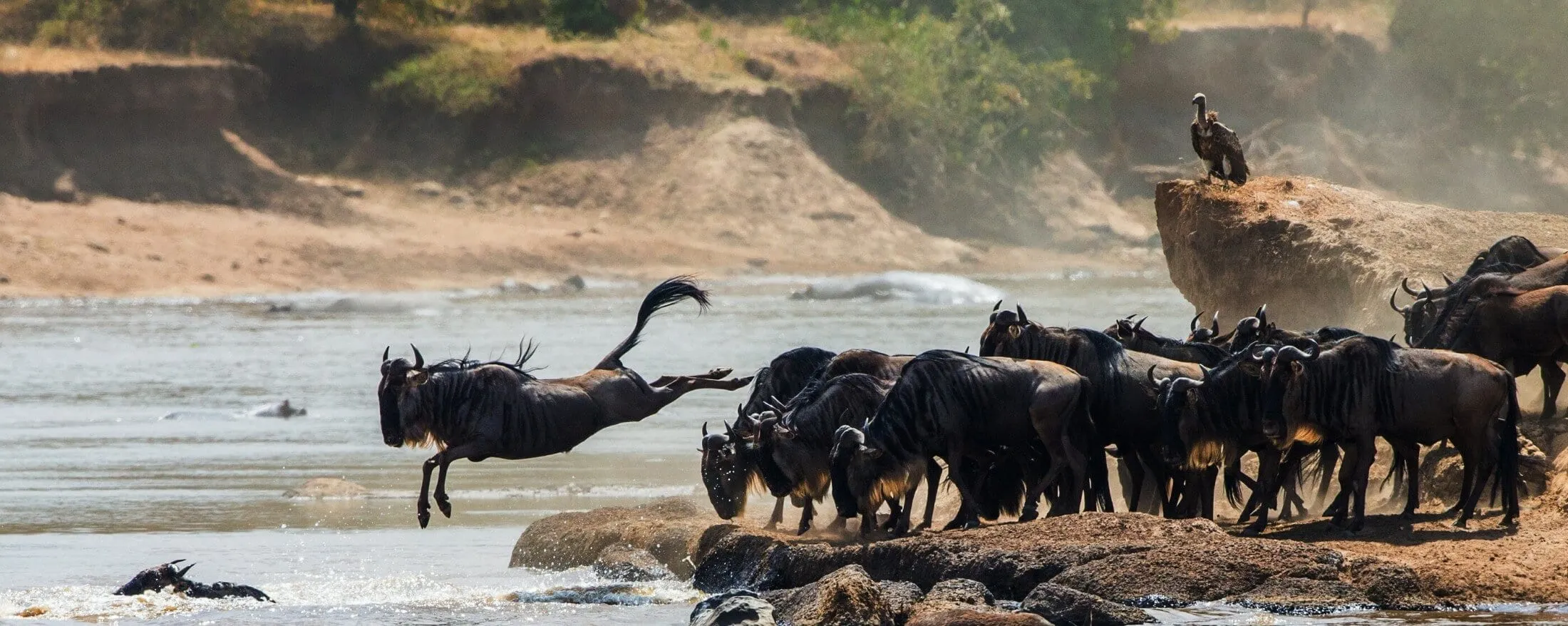
The Serengeti National Park is synonymous with African wildlife, an endless expanse of golden plains that plays host to the world’s most spectacular wildlife event: the Great Migration. Located in northern Tanzania, this UNESCO World Heritage Site spans over 14,763 square kilometers, forming the heart of a larger ecosystem that extends into Kenya’s Maasai Mara. Its name, derived from the Maasai word “Siringet,” perfectly captures its essence: “the land that moves on forever.”
The history of the Serengeti is deeply rooted in conservation, established in 1951 to protect the migratory patterns of its immense wildebeest herds. This visionary step ensured the preservation of one of the planet’s most significant natural cycles. Today, the park is a testament to successful conservation, where human intervention is minimized to allow nature to thrive in its rawest form, offering an authentic glimpse into primeval Africa.
Wildlife in the Serengeti is simply breathtaking. Beyond the two million wildebeest, zebra, and gazelle that participate in the Great Migration, the park boasts a healthy population of predators, including lions, cheetahs, leopards, and hyenas. Visitors regularly spot the Big Five – lion, leopard, elephant, rhino, and buffalo – making it a prime location for unforgettable game viewing. The sheer density and diversity of animals here are unparalleled.
Activities within the Serengeti primarily revolve around extensive game drives, offering daily opportunities to witness thrilling predator-prey interactions and vast herds. Hot air balloon safaris at sunrise provide a magical, bird’s-eye perspective of the plains and their inhabitants, a truly once-in-a-lifetime experience. Night game drives, available in some private concessions, offer a glimpse into the nocturnal world of hunters.
The best time to visit the Serengeti depends on what you wish to see. For the Great Migration, timing is key: December to July for calving in the southern plains and Grumeti River crossings, or July to October for Mara River crossings in the north. The dry season (June to October) is generally excellent for game viewing, as animals congregate around permanent water sources, making them easier to spot.
Accommodation options within the park and its surrounding conservation areas range from mobile tented camps that follow the migration, offering an intimate and adventurous experience, to luxurious fixed lodges providing unparalleled comfort and service. Each choice offers a unique way to connect with the wilderness, often with animals wandering past your tent or veranda. Ripple Safaris partners with top-rated properties to ensure your stay is exceptional.
Travel tips for the Serengeti include preparing for dusty roads, packing layers for temperature fluctuations, and bringing good binoculars and a quality camera with a zoom lens. Always listen to your guide, as their knowledge of animal behavior and the terrain is invaluable for both safety and optimal viewing. Respecting wildlife from a distance is paramount for their welfare and your experience.
The conservation efforts in Serengeti are ongoing, focusing on anti-poaching initiatives, habitat preservation, and community engagement. Organizations work tirelessly to protect endangered species like the black rhino and ensure the integrity of the ecosystem. Your visit contributes directly to these vital efforts, supporting the park’s long-term sustainability and the well-being of its wildlife.
Nearby attractions include the Ngorongoro Conservation Area, making a Northern Tanzania Explorer combination safari a popular choice. The Olduvai Gorge, an archaeological site, offers fascinating insights into early human history. These additional sites provide a richer understanding of Tanzania’s natural and historical significance, perfectly complementing your wildlife adventure.
Ripple Safaris excels in crafting Great Migration Safaris that place you in the heart of the action. Our expert guides possess an intimate knowledge of the Serengeti’s rhythms, ensuring you witness this epic spectacle from the best vantage points. We prioritize sustainable practices and provide comfortable, well-equipped vehicles for an immersive and responsible journey.
Ngorongoro Conservation Area: A Natural Wonder
The Ngorongoro Conservation Area, a UNESCO World Heritage Site, is a vast, protected region in northern Tanzania, most famous for the Ngorongoro Crater. This incredible natural amphitheater, often dubbed “Africa’s Garden of Eden,” is the world’s largest intact and unfilled volcanic caldera. Its stunning beauty and unparalleled wildlife density make it a cornerstone of any Tanzania Safari.
The area boasts a unique history where wildlife coexists with the semi-nomadic Maasai people, who are permitted to graze their livestock within the conservation area. This innovative approach to conservation allows for the preservation of both natural resources and cultural traditions. The caldera itself was formed millions of years ago when a giant volcano collapsed inwards, creating the spectacular bowl-shaped landscape we see today.
Within the crater, an incredible density of wildlife thrives, making it one of the best places on Earth to spot the Big Five in a single day. Herds of wildebeest, zebra, gazelle, and buffalo roam the grasslands, while lions, hyenas, and cheetahs prowl for prey. The crater is also Home to a significant population of the critically endangered black rhino, offering rare sightings of this magnificent animal. Lake Magadi attracts flocks of flamingos, adding a splash of vibrant color.
Activities within the Ngorongoro Crater are focused on game drives on the crater floor, which offer truly exceptional wildlife viewing opportunities due to the enclosed nature of the caldera. Outside the crater, visitors can experience cultural visits to Maasai villages, guided nature walks along the crater rim, and visits to Olduvai Gorge, providing a rich blend of wildlife, culture, and history. The views from the crater rim are simply breathtaking.
The best time to visit the Ngorongoro Crater is during the dry season, from June to October, when animals are more easily spotted around water sources. However, the crater offers excellent year-round game viewing due to its permanent water supply. The green season (November to May) brings lush landscapes and migratory birds, offering a different but equally rewarding experience.
Accommodation options along the Ngorongoro Crater rim range from luxurious lodges perched with panoramic views to more intimate tented camps that blend seamlessly into the environment. Staying on the rim provides an incredible sense of scale and exclusivity, allowing you to wake up to the stunning vistas of the caldera. Ripple Safaris carefully selects lodges that offer both comfort and proximity to the crater’s wonders.
Travel tips for Ngorongoro include dressing in layers, as temperatures can vary between the rim and the crater floor. Prepare for early morning starts to catch the animals at their most active. Due to strict conservation rules, game drives on the crater floor are limited to six hours, so make the most of your time with an expert guide. Always keep windows closed to avoid dust, especially during the dry months.
Conservation efforts in the Ngorongoro Conservation Area are paramount, balancing wildlife protection with human needs. The area is a UNESCO World Heritage Site for both its natural and cultural significance. Initiatives focus on anti-poaching, sustainable grazing practices for the Maasai, and research to protect endangered species, particularly the black rhino. Your visit directly supports these vital conservation programs.
Nearby attractions include the Serengeti National Park, making a Northern Tanzania Explorer an obvious and popular combination for an extended safari. Olduvai Gorge, a crucial paleoanthropological site, is also within easy reach, offering a glimpse into early human evolution. These sites enrich your journey with layers of natural wonder, history, and culture.
Ripple Safaris offers expertly guided tours into the Ngorongoro Crater, ensuring an unparalleled wildlife experience. Our guides are deeply knowledgeable about the area’s ecology and history, helping you understand the unique co-existence of wildlife and the Maasai. We prioritize responsible tourism practices, contributing to the preservation of this extraordinary ecosystem for generations to come.
Tarangire National Park: Realm of Giants
Tarangire National Park, located in northern Tanzania, is often overlooked in favor of its more famous neighbors, yet it offers a unique and incredibly rewarding safari experience, particularly during the dry season. This park is characterized by its magnificent baobab trees and the winding Tarangire River, which serves as a vital water source, especially when other areas dry up. The landscape here feels ancient and untouched.
While smaller than the Serengeti, Tarangire boasts an impressive concentration of wildlife, rivaling any park in Africa during peak season. Its major draw is its enormous elephant population, often seen in vast herds numbering in the hundreds, providing incredible photographic opportunities and truly memorable encounters. The park is a sanctuary for these gentle giants.
Beyond elephants, Tarangire is a haven for predators, including lions, leopards, and cheetahs, which thrive on the abundant plains game. Unique to the park are its tree-climbing pythons, adding an intriguing element to game drives. Birdwatchers will also delight in the over 550 species of birds found here, making it a birding paradise.
The best time to visit Tarangire National Park is during the dry season, from June to October. During these months, the Tarangire River becomes the primary water source, attracting a massive influx of animals from the surrounding areas. This concentration of wildlife leads to spectacular game viewing, with predators often lurking near the riverbanks.
Lake Manyara National Park: Tree-Climbing Lions & Flamingo Hues
Nestled at the base of the Great Rift Valley escarpment in northern Tanzania, Lake Manyara National Park offers a diverse safari experience within a relatively small area. Its unique ecosystems range from groundwater forests and acacia woodlands to the shimmering soda lake itself, providing a habitat for an extraordinary variety of wildlife. The park’s distinct beauty makes it a vibrant stop on any Tanzania Safari.
Lake Manyara is renowned for its tree-climbing lions, a rare behavior not commonly observed elsewhere. While not guaranteed, spotting a pride lounging in the branches of an acacia tree is a truly memorable highlight. The park is also famous for its vast flocks of flamingos and other waterfowl that paint the lake’s shores in vibrant pink and white hues during certain seasons.
Beyond the iconic lions and birds, the park teems with elephants, giraffes, buffalo, hippos, and a variety of antelope. Its dense woodlands are home to blue monkeys and baboons, offering excellent primate viewing. The park’s compact size means you can experience a great diversity of landscapes and wildlife in a single day, perfect for a dynamic safari.
The best time to visit Lake Manyara National Park for game viewing is during the dry season, from June to October, when animals congregate around the lake. For birdwatching and lush landscapes, the green season from November to May is ideal, attracting migratory birds and offering stunning photographic opportunities. Both seasons offer unique perspectives on the park’s beauty.
Mount Kilimanjaro: Africa’s Majestic Summit
Mount Kilimanjaro, standing proudly in northeastern Tanzania, is not just Africa’s highest peak but also the world’s highest free-standing mountain. Its snow-capped summit, Kibo, rises dramatically above the surrounding plains, an iconic image that calls to adventurers from every corner of the globe. Climbing Kilimanjaro is a monumental challenge and a profoundly rewarding experience, a true test of spirit and endurance.
Kilimanjaro is a dormant volcano composed of three distinct cones: Kibo, Mawenzi, and Shira. Its formation over millions of years has created a unique ecosystem, where climbers pass through diverse climatic zones, from cultivated farmlands at its base to lush rainforests, heath and moorland, alpine desert, and finally, the arctic zone at its summit. This ecological journey is as fascinating as the physical ascent.
The primary activity on Kilimanjaro is trekking, with several well-established routes each offering different challenges and scenic beauty. Popular routes include the Marangu (Coca-Cola) route, Machame (Whiskey) route, Lemosho, and Rongai, varying in difficulty and scenery. Each route is carefully managed to maximize acclimatization and safety, ensuring the best possible chance of reaching Uhuru Peak.
The best time to undertake Kilimanjaro treks is during the two dry seasons: January to March and June to October. These periods offer clearer skies, less rain, and more favorable climbing conditions, though ascents are possible year-round. Even during these times, climbers must be prepared for unpredictable mountain weather, including cold temperatures at higher altitudes.
Exploring Tanzania’s Lesser-Known Southern & Western Gems
While the Northern Circuit garners much of the spotlight, Tanzania’s southern and western regions conceal vast, untamed wildernesses that offer a distinctly different, more remote, and incredibly authentic safari experience. These areas are characterized by fewer crowds, larger concessions, and unique ecosystems, appealing to travelers seeking solitude, specialized wildlife encounters, and an off-the-beaten-path adventure. They provide a deeper dive into wild Africa.
The southern parks like Ruaha and Nyerere (formerly Selous) boast immense landscapes, providing a sense of scale and wildness that is increasingly rare. Here, game drives are often complemented by boat safaris and walking safaris, offering varied perspectives on the wildlife. The western parks, such as Gombe Stream and Mahale Mountains, offer unparalleled primate tracking opportunities, particularly chimpanzees.
Choosing to explore these lesser-known gems means a more exclusive experience, often with a higher guide-to-guest ratio and a deeper connection to the environment. The focus here is on immersion and discovery rather than ticking off a list of sightings, though the wildlife remains abundant and spectacular. Ripple Safaris specializes in crafting these unique journeys, ensuring you uncover Tanzania’s hidden treasures.
Ruaha National Park: Untamed Wilderness
Ruaha National Park, located in central Tanzania, is the country’s largest national park and a true testament to untouched African wilderness. This vast, rugged landscape is characterized by its dramatic baobab-studded hills, expansive miombo woodlands, and the life-giving Great Ruaha River, which sustains an incredible array of wildlife. Its remote location ensures a safari experience free from the crowds often found in the north.
Ruaha is a critical conservation area, particularly for its healthy population of African wild dogs, an endangered species. The park also boasts Tanzania’s largest elephant population, often seen congregating along the riverbanks. It is a true predator stronghold, home to a significant number of lions, leopards, and cheetahs, offering incredible opportunities for thrilling game viewing.
Beyond the larger mammals, Ruaha is a birdwatcher’s paradise, with over 570 recorded species, making it a hotspot for ornithologists. The confluence of different vegetation zones – Sudanese, Zambezian, and Somali-Masai – contributes to its remarkable biodiversity. Safari activities here include classic game drives, exciting walking safaris, and seasonal fly camping under the stars, providing an immersive wilderness experience.
Selous Game Reserve (Nyerere National Park): Riverine Adventures
The Selous Game Reserve, now largely encompassed by the Nyerere National Park in southern Tanzania, is Africa’s largest protected wildlife area. This colossal reserve is defined by the Rufiji River and its intricate network of lakes, channels, and swamps, creating a unique wetland ecosystem. It offers a distinct safari experience, moving beyond traditional game drives to include thrilling boat safaris and walking safaris.
The Nyerere National Park is celebrated for its huge populations of elephants, buffalo, and hippos, often seen in vast numbers along the Rufiji River. It is also one of the last strongholds for African wild dogs, providing an excellent chance to spot these elusive and fascinating predators. Lions and leopards are also present, adding to the rich tapestry of wildlife.
Activities here are incredibly diverse, including conventional game drives, but the highlight is often the boat safaris on the Rufiji River. These provide a unique perspective, allowing you to get up close with hippos, crocodiles, and a spectacular array of water birds. Guided walking safaris offer an intimate connection with the bush, exploring the smaller details of the ecosystem with an armed ranger.
Gombe Stream & Mahale Mountains: Chimpanzee Encounters
For an entirely different kind of wildlife encounter, Tanzania’s western parks, Gombe Stream National Park and Mahale Mountains National Park, offer unparalleled opportunities for chimpanzee trekking. Situated on the shores of Lake Tanganyika, these remote forest reserves are home to habituated chimpanzee communities, allowing for incredible close-up observations of our closest relatives in their natural habitat.
Gombe Stream, made famous by Jane Goodall’s groundbreaking research, is Africa’s smallest national park, yet its significance for primate research and conservation is immense. Mahale Mountains, further south, is larger and even more pristine, boasting a thriving chimpanzee population and stunning mountain and lake scenery. Both offer an intimate, rainforest experience.
The primary activity in these parks is chimpanzee trekking, which involves hiking through dense forest to locate and spend time with these intelligent primates. The experience is incredibly moving and provides a deep connection to the natural world. Beyond chimps, these parks are also home to other primate species, diverse birdlife, and offer opportunities for swimming, snorkeling, and fishing in the crystal-clear waters of Lake Tanganyika.
Beyond the Bush: Tanzania’s Coastal & Island Paradises
While Tanzania Safaris are justly famous for their incredible wildlife, the country’s stunning coastline and enchanting islands offer a perfect complement to any bush adventure. After days of thrilling game drives and early morning wake-up calls, imagine unwinding on pristine white-sand beaches, swimming in turquoise waters, or exploring ancient stone towns steeped in history. This ‘bush to beach’ combination is a signature Tanzanian experience, providing the ultimate blend of adventure and relaxation.
The Indian Ocean coastline of Tanzania and its archipelago islands, most notably Zanzibar, Pemba, and Mafia, offer a rich tapestry of cultural heritage, vibrant marine life, and breathtaking scenery. These destinations provide opportunities for world-class diving and snorkeling, sailing on traditional dhows, and delving into centuries of Swahili history and spice trade. It is a vibrant contrast to the wild plains.
Combining a safari with a beach escape offers a holistic view of Tanzania’s diverse appeal, allowing you to experience both its wild heart and its tranquil shores. The seamless transition from dusty tracks to sandy beaches creates a truly comprehensive and unforgettable holiday. Ripple Safaris specializes in crafting these perfect dual-destination journeys, ensuring every aspect of your trip is tailored to your desires.
Zanzibar: Spice, History & Pristine Beaches
Zanzibar, the enchanting Spice Island off Tanzania’s coast, is a destination that captivates with its rich history, vibrant culture, and idyllic beaches. This semi-autonomous archipelago offers a profound contrast to the mainland safari experience, inviting travelers to immerse themselves in a world of ancient trade routes, fragrant spices, and serene ocean vistas. It serves as the perfect post-safari retreat for many.
The history of Zanzibar is a fascinating tapestry woven with influences from Arab, Persian, Indian, and European traders, all leaving their mark on its architecture, cuisine, and culture. Stone Town, a UNESCO World Heritage Site and the island’s capital, is a labyrinth of narrow alleyways, bustling bazaars, and intricately carved wooden doors, echoing centuries of maritime trade and sultanate rule. Exploring its historic streets is like stepping back in time.
Beyond Stone Town’s historical charm, Zanzibar boasts some of the world’s most breathtaking beaches, characterized by powdery white sands and crystal-clear turquoise waters. These idyllic shores are perfect for relaxation, swimming, and soaking up the tropical sun. The warm Indian Ocean invites endless hours of tranquility, providing a stark yet welcome contrast to the exhilarating pace of a safari.
Activities on Zanzibar extend beyond beach relaxation and historical exploration. Spice tours offer an aromatic journey through the island’s plantations, revealing the origins of cloves, vanilla, and nutmeg, which earned Zanzibar its nickname. Visitors can also enjoy snorkeling and diving in pristine coral reefs, sailing on traditional dhows at sunset, or swimming with dolphins, creating unforgettable marine adventures.
The best time to visit Zanzibar for optimal weather is during the dry seasons, from June to October and December to February. These months offer sunny skies, lower humidity, and calm seas, perfect for beach activities and water sports. However, the island’s tropical climate makes it a year-round destination, with even the short rains bringing lush greenery and fewer crowds.
Accommodation on Zanzibar ranges from charming boutique hotels in Stone Town to luxurious beachfront resorts and secluded eco-lodges along its coastline. Whether you seek vibrant nightlife or tranquil solitude, there’s an option to suit every preference and budget. Many resorts offer all-inclusive packages, providing a stress-free and indulgent Zanzibar holiday experience.
Travel tips for Zanzibar include respecting local customs by dressing modestly, especially outside of resort areas and when visiting Stone Town. Haggling is expected in markets, and bringing smaller denominations of local currency is advisable. Sun protection, insect repellent, and staying hydrated are essential due to the tropical climate. Always drink bottled water.
Conservation efforts on Zanzibar focus on protecting its fragile marine ecosystems and historical sites. Initiatives support sustainable tourism, coral reef restoration, and waste management. Choosing eco-friendly accommodations and tour operators helps preserve the island’s natural beauty and cultural heritage for future generations, ensuring the vibrancy of its unique environment.
Nearby attractions include Prison Island, home to giant Aldabra tortoises and a historic former prison, accessible by a short boat trip from Stone Town. Jozani Forest offers a chance to see the rare red colobus monkeys in their natural habitat. These excursions provide additional layers of discovery, complementing your beach and cultural experience on the main island.
Ripple Safaris crafts exquisite Tanzania safari and Zanzibar combination packages, seamlessly blending the thrill of the bush with the serenity of the coast. Our expertise ensures a smooth transition and a perfectly balanced itinerary, allowing you to experience the very best of Tanzania’s diverse offerings. We handle all logistics, leaving you free to savor every moment of your dual adventure.
Designing Your Dream Tanzania Safari with Ripple Safaris
Crafting the perfect safari in Tanzania is an art, and at Ripple Safaris, we pride ourselves on being master artists. We understand that every traveler has a unique vision for their African adventure, whether it is chasing the Great Migration, summiting Africa’s highest peak, or simply relaxing on pristine beaches after incredible wildlife sightings. Our commitment is to translate your dreams into a meticulously planned reality, creating an experience that resonates deeply with your personal expectations.
Our team of seasoned safari experts possesses an unparalleled knowledge of Tanzania’s diverse landscapes, wildlife, and cultures. We leverage this expertise to design bespoke itineraries that go beyond the ordinary, taking into account your interests, budget, and desired pace. From the moment you contact us, you will receive personalized attention, ensuring every detail of your journey is thoughtfully considered and perfectly executed.
Tailored Experiences & Expertise
Ripple Safaris doesn’t offer one-size-fits-all packages; we offer fully customized journeys. Do you dream of a luxury safari where every comfort is anticipated? Or perhaps a more adventurous, immersive camping experience under the stars? Maybe a family-friendly safari with activities suitable for all ages? We listen to your desires and draw upon our extensive network of partners and deep understanding of Tanzania to build an itinerary that perfectly matches your vision.
Our guides are the heart of your safari experience. Highly trained, passionate, and intimately familiar with the Tanzanian wilderness, they are not just drivers but storytellers, conservationists, and companions. Their sharp eyes will spot wildlife you might otherwise miss, and their vast knowledge will bring the intricate ecosystems and cultures to life. With Ripple Safaris, you gain access to an unparalleled level of guidance and insight.
Beyond the wildlife, we can incorporate unique cultural interactions, historical site visits, or even specialized photography safaris. Our expertise extends to all corners of Tanzania, from the classic Northern Circuit to the remote southern and western parks, and the idyllic islands of Zanzibar. Trust us to craft a journey that is as unique and extraordinary as you are.
When to Plan Your Tanzania Safari
Choosing the optimal time for your Tanzania Safari significantly impacts your experience, as wildlife movements and weather patterns vary throughout the year. Generally, the dry season (June to October) is considered the best for game viewing across most parks. During these months, vegetation is sparse, and animals congregate around permanent water sources, making them easier to spot. This period is also ideal for witnessing the spectacular Great Migration river crossings in the northern Serengeti.
The green season (November to May) offers a different, equally rewarding experience. While there may be occasional rains, the landscapes transform into lush, verdant plains, perfect for photography. This is also the calving season for wildebeest in the southern Serengeti, a time of incredible new life and intense predator action. Birdwatching is exceptional during these months, as migratory birds arrive in their thousands.
Ultimately, the “best” time depends on your priorities. For primate trekking in the west, the dry season makes for easier forest walks. For Kilimanjaro climbs, January to March and June to October offer the clearest conditions. Our expert team at Ripple Safaris can help you align your travel dates with your specific interests, ensuring you experience Tanzania at its finest for your chosen activities.
Accommodation Options: From Tented Camps to Luxury Lodges
Tanzania offers an incredible range of accommodation styles to suit every taste and budget, all designed to enhance your safari experience. From rustic, adventurous tented camps that place you right in the heart of the wilderness to opulent luxury lodges boasting infinity pools and gourmet dining, your stay will be an integral part of your journey. Ripple Safaris partners with a curated selection of properties known for their exceptional service, prime locations, and commitment to responsible tourism.
Tented camps provide an authentic safari feel, immersing you in the sights and sounds of the bush while offering comfortable amenities like en-suite bathrooms and cozy beds. Many are mobile, following the Great Migration for optimal viewing. Luxury lodges, on the other hand, offer unparalleled comfort, often with private plunge pools, spa services, and gourmet cuisine, providing a sanctuary of indulgence after thrilling game drives.
Beyond these, there are charming mid-range lodges and guesthouses that provide excellent value without compromising on experience. We also offer unique options like fly camping, where you sleep under the stars in a temporary camp, or boutique hotels in Stone Town, Zanzibar. Whatever your preference, we ensure your accommodation complements your safari style and enhances your overall adventure.
Essential Safari Planning Tips
Planning a Tanzania Safari requires attention to several key details to ensure a smooth and enjoyable trip. First, vaccinations: consult your doctor well in advance about necessary immunizations and malaria prophylaxis. A yellow fever vaccination certificate may be required depending on your country of origin or transit. Visas are also required for most nationalities and should be obtained prior to travel or upon arrival at major entry points.
When it comes to packing, think layers and practical safari wear in neutral colors to blend into the environment and avoid attracting insects. Essentials include a wide-brimmed hat, sunglasses, sunscreen, insect repellent, and comfortable walking shoes. Don’t forget binoculars, a good camera with extra batteries, and adapters for charging your devices. Consider a small daypack for game drives. Our What to Pack for an African Safari guide offers comprehensive advice.
Safety is paramount, and Ripple Safaris prioritizes your well-being. Listen to your expert guides, especially regarding wildlife encounters and camp rules. Drink only bottled or filtered water, and take precautions against mosquitoes. Most importantly, relax and trust your guide’s expertise; they are there to ensure your adventure is both exhilarating and secure.
Conservation and Community: Ripple Safaris’ Commitment
At Ripple Safaris, we believe that responsible tourism is not just an option but a necessity. Our operations in Tanzania are deeply committed to conservation efforts and supporting local communities, ensuring that our safaris leave a positive and lasting impact. We work closely with national parks and local organizations to protect Tanzania’s incredible wildlife and natural habitats, contributing to anti-poaching initiatives and ecological research.
We actively engage with the communities surrounding the national parks, fostering partnerships that create tangible benefits for local people. This includes supporting community-led conservation projects, providing employment opportunities for local guides and staff, and promoting fair trade practices. Our goal is to ensure that the economic benefits of tourism flow directly back to those who share their land and culture with our guests.
When you travel with Ripple Safaris, you are choosing a partner dedicated to preserving Tanzania’s natural heritage and empowering its people. Your safari contributes directly to these vital efforts, making your journey not just an incredible adventure for you, but also a force for good. We are passionate about showcasing Tanzania sustainably, ensuring its wonders remain for generations to come.
Begin Your Tanzania Adventure with Ripple Safaris
The allure of Tanzania’s wild heart is undeniable, a call to adventure that resonates deep within. From the dramatic spectacle of the Great Migration across the Serengeti to the ancient caldera of Ngorongoro, the towering majesty of Kilimanjaro, and the idyllic shores of Zanzibar, this nation promises an unforgettable tapestry of experiences. Each day here offers a new discovery, a new connection to the natural world that will leave an indelible mark on your spirit.
At Ripple Safaris, we don’t just plan trips; we craft profound journeys that align with your deepest travel desires. Our passion for Tanzania, combined with our unwavering commitment to responsible tourism and personalized service, ensures that your safari will be not only breathtaking but also meaningful. We handle every detail, from expert guides and comfortable accommodations to seamless logistics, allowing you to simply immerse yourself in the magic.
Are you ready to witness the unparalleled beauty, incredible wildlife, and vibrant cultures that define Tanzania Safaris? Reach out to our expert team today to begin designing your dream African adventure. Let Ripple Safaris be your guide to discovering the extraordinary wonders of Tanzania, creating memories that will last a lifetime. Your definitive African journey starts now.