
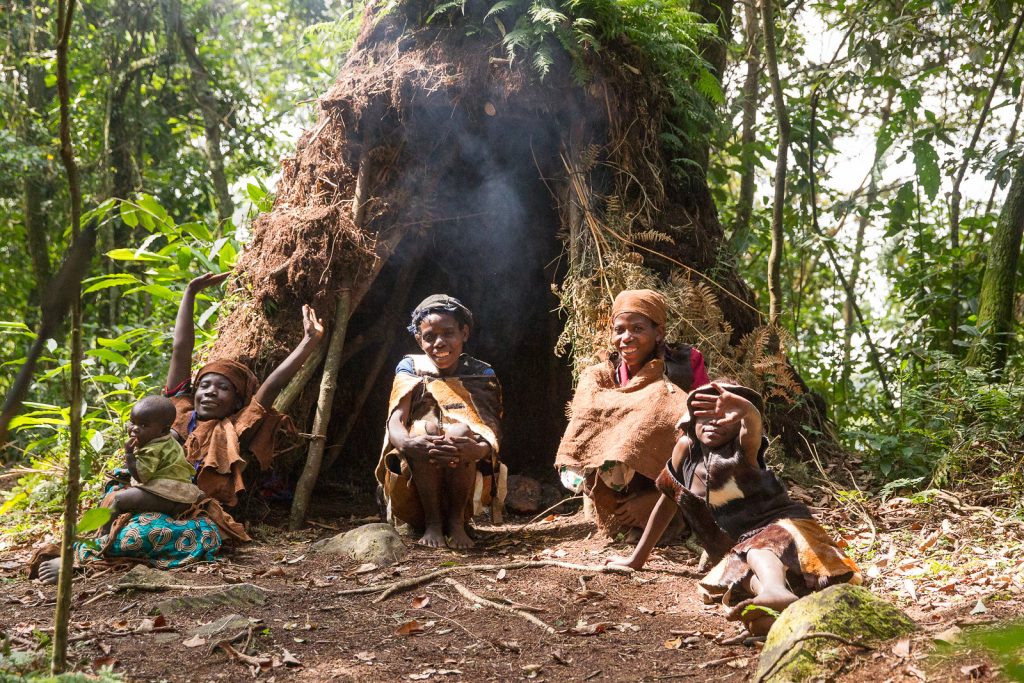
Batwa Community Experience in Uganda: A Guide to the Batwa Trail
The Batwa community experience in Uganda is an opportunity to listen, learn and meet people whose history is closely connected to the forests of south-western Uganda. At Mgahinga Gorilla National Park, the Batwa Trail is led by Batwa guides who share knowledge of forest life, stories and cultural practices on their own terms. It is not simply a walk or a performance: it also introduces the difficult history of conservation and displacement.
If you are planning a Uganda trip, this guide explains what the Batwa Trail involves, how to prepare, and how to approach the visit with respect.
What is the Batwa community experience in Uganda?
“Batwa community experience” can describe more than one activity. Around Uganda’s south-west, visitors may encounter community visits near Bwindi or take the Batwa Trail in Mgahinga. These are not interchangeable experiences. The Batwa Trail is a guided cultural walk in Mgahinga Gorilla National Park, while activities near other parks can have different hosts, routes and formats. Confirm what your itinerary actually includes before you travel.
The Batwa are an Indigenous people with a long history in the forests of the Great Lakes region. For generations, Batwa communities lived in and depended on forest landscapes. When Bwindi and Mgahinga were established as national parks in the early 1990s, Batwa families were displaced from their homes in the forest and lost access to places central to their livelihoods and culture. The effects of that change continue today. A responsible visit makes room for this history rather than presenting forest life as a story that ended neatly in the past.
What happens on the Batwa Trail in Mgahinga?
The trail takes place in the forested slopes of Mgahinga, beneath the Virunga volcanoes. Batwa guides lead the experience and explain how people used forest materials, plants and skills in everyday life. Depending on the route and conditions, visitors may hear about gathering, hunting practices, food, traditional medicine and making fire. The guide’s knowledge—not a checklist of demonstrations—is at the heart of the experience.
The route is commonly described as a half-day activity. It may include a visit to Garama Cave, a place with cultural importance to the Batwa, and a song or dance shared by community members. The exact programme can vary, so ask your organiser what is planned on your date. Listen to the guide’s explanations, ask thoughtful questions and remember that no individual visitor is entitled to a particular story or performance.
Is the Batwa Trail worth adding to a Uganda safari?
If you want to understand more than the wildlife and scenery, the Batwa Trail can add important human context to a visit to Mgahinga. It offers time with Batwa guides and a chance to learn directly about forest knowledge, culture and the impact of conservation on the people who lived there. Many travellers combine it with gorilla trekking, but it is a distinct activity, not part of the gorilla permit or trek itself.
For broader trip planning, explore our Uganda safari options and read our guide to gorilla trekking in Uganda and Rwanda. We can help you check how a cultural visit fits into your route and travel time.
How to prepare for the Batwa Trail
- Allow half a day. Confirm the start time, expected duration and meeting point with your safari organiser; weather and route conditions can affect plans.
- Wear practical walking shoes. Forest paths can be uneven, muddy or slippery. Dress in comfortable layers and bring rain protection when appropriate.
- Check the walking demands. Ask about slopes, steps, the cave section and available alternatives if you have mobility concerns or would prefer not to enter a cave.
- Bring water and follow local guidance. Your organiser can advise what to carry and what is permitted in the park.
- Ask before taking photographs. Get clear permission before photographing people, especially children, and respect a “no.” Do not interrupt a guide or performance to stage a picture.
- Listen with care. The history can be difficult. Avoid intrusive questions, stereotypes or treating the Batwa as a single, unchanging culture.
How to make your visit respectful and meaningful
Choose an experience led by Batwa guides and take time to understand who organises it. Before booking, ask what the fee includes, how Batwa guides and participating community members are paid, and whether any separate park charges apply. Fees and arrangements can change, so request the current details rather than relying on old prices quoted online. Do not assume that every fee goes directly to households or that a visit alone resolves the long-term challenges Batwa communities face.
During the visit, follow the guide’s direction, keep to agreed paths and avoid collecting plants or other materials. Let people decide what they wish to share. If crafts are offered, buy only if you want to and agree on the price respectfully. A thoughtful visit is built on listening, consent and fair treatment—not on taking photographs or expecting access to private lives.
Frequently asked questions about the Batwa community experience
Where can I experience the Batwa Trail in Uganda?
The Batwa Trail is associated with Mgahinga Gorilla National Park in south-western Uganda. Other Batwa community activities may be offered near different parks, but their format and organisers differ. Confirm the specific experience in your itinerary.
How long does the Batwa Trail take?
Plan for a half-day, while confirming the duration for your visit. The route, weather and programme can affect timing, and some descriptions give different estimates.
Can I combine the Batwa Trail with gorilla trekking?
Yes, travellers often plan both during a stay in the Mgahinga area. They are separate experiences and require their own arrangements. Allow enough time to travel, rest and enjoy each activity without rushing.
How much does the Batwa experience cost?
There is no single price that applies to every Batwa experience. Rates can depend on the activity, visitor category, park charges and current tariff. Ask for an up-to-date written breakdown before confirming your trip.
Is the Batwa Trail suitable for everyone?
The walk can involve uneven forest ground, slopes and a cave visit. Suitability depends on your mobility, comfort and the conditions on the day. Describe any needs in advance and ask the organiser about the route and alternatives.
Plan a Batwa community experience in Uganda with care
The Batwa community experience in Uganda can be one of the most memorable parts of a south-western safari when visitors arrive ready to listen and learn. In Mgahinga, the Batwa Trail connects forest knowledge with a living community and a history that deserves honest attention. Plan it as a meaningful cultural visit in its own right, not just an add-on to wildlife viewing.
To include Mgahinga in your journey, browse our Uganda safari information or contact Ripple Safaris to discuss a route that gives the visit the time and respect it deserves.
Join the conversation
0 responses
No responses yet. Be the first to share your thoughts.