
Bigodi Community Experience in Uganda: A Local Guide
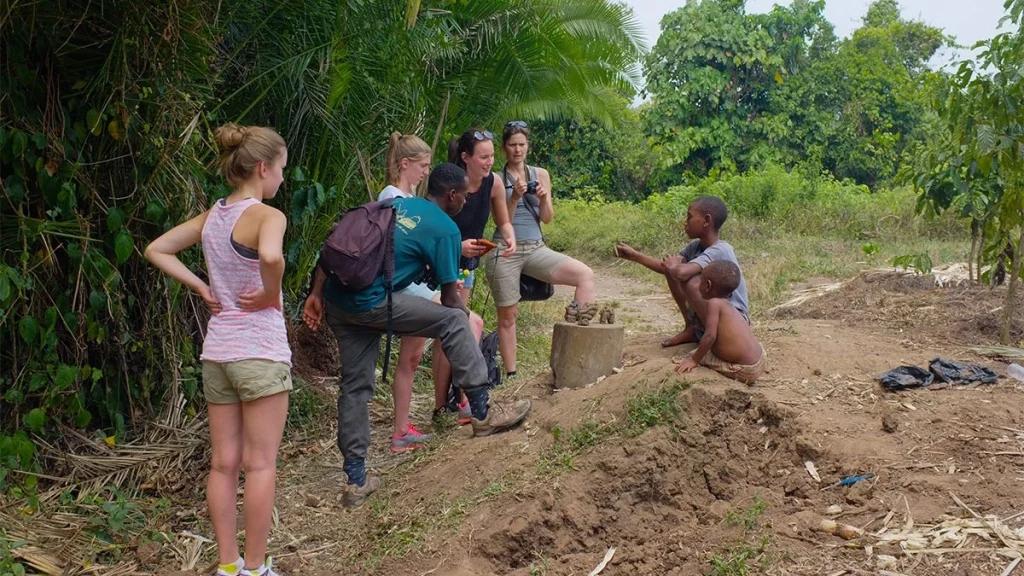
Some safari moments come with a roar. Bigodi is quieter: the call of a Great Blue Turaco, a guide pointing out fresh tracks in the mud, and the easy rhythm of village life beside a living wetland. The Bigodi Community Experience in Uganda brings nature and local knowledge together just outside Kibale Forest. It is a rewarding stop for birders, wildlife lovers and anyone who wants to understand the people and places behind a safari.
This guide explains what to expect, how to plan your visit, what to bring and how to make your time in Bigodi meaningful.
What is the Bigodi Community Experience?
Bigodi is best known for the Bigodi Wetland Sanctuary, a community-managed conservation area near Kibale National Park in western Uganda. Visitors explore the wetland with a trained local guide, following forest paths and raised boardwalks through papyrus, swamp and woodland. The guide helps you notice wildlife, explains how the wetland fits into the wider landscape, and shares the community’s connection to this place.
The experience can also include cultural activities arranged with local hosts, such as learning about crafts, food or daily life. These add-ons depend on availability and should be requested ahead of time. Bigodi is not a staged performance: come ready to listen, ask thoughtful questions and follow your host’s lead.
What happens on a Bigodi wetland walk?
The guided trail is about 4.5 kilometres and can take up to three hours. Your pace and the time spent watching wildlife affect the duration. Sanctuary visitors must be accompanied by a trained guide, so you get more than a walk through green scenery: you learn how to look and what you are seeing.
Bigodi is known for its birdlife, including the Great Blue Turaco, as well as kingfishers, parrots, cranes and other wetland birds. The sanctuary’s visitor information lists eight primate species, including red colobus, black-and-white colobus, vervet monkeys, blue monkeys and olive baboons. Sitatungas, bushbucks and otters also live in the area.
Wildlife sightings are never guaranteed. Animals move freely, and the best moments often come when you slow down, scan the trees and let your guide set the pace. Birders may want binoculars; everyone benefits from comfortable walking shoes and patience.
Why Bigodi matters to the local community
Bigodi offers a practical example of how community tourism can connect conservation with local livelihoods. The wetland is not simply a backdrop for photographs. Local guides make the experience possible, and community-led tourism creates reasons to protect the habitat and value the knowledge held by people who live nearby.
Choose locally guided activities, buy crafts directly from makers when available, and ask before taking photographs of people or homes. If you plan a village visit, meal or cultural activity, arrange it through your safari planner or local host rather than assuming it is included in the wetland walk. That helps set clear expectations and gives hosts time to prepare.
How to plan your Bigodi Community Experience
- Allow enough time. Set aside up to three hours for the wetland walk, then leave room for travel and any separately arranged community activity.
- Choose a good start time. The sanctuary lists 7:30–9:00 a.m. and around 3:00 p.m. as recommended starts. Its office hours are listed as 7:30 a.m.–5:00 p.m.; confirm current arrangements before you travel.
- Ask about current fees. Rates can change. Confirm the current walk price, payment options and any extra activity costs directly when booking rather than relying on old price lists.
- Dress for a wetland. Wear closed-toe shoes with a good grip, light clothing and a rain layer. Paths and boardwalks can be damp or uneven, especially after rain.
- Pack simply. Bring drinking water, sun protection, insect repellent, binoculars if you have them, and a camera. Keep voices low and avoid flash or loud playback around wildlife.
- Share access needs in advance. The route includes natural paths and boardwalks. Tell your guide or safari planner about mobility needs before confirming, so they can explain the current route and options.
Can you combine Bigodi with chimpanzee trekking in Kibale?
Yes. Many travellers pair the Bigodi community experience with chimpanzee trekking in Kibale National Park. The two activities complement each other: a chimp trek focuses on finding a habituated chimpanzee community in the forest, while Bigodi offers a slower guided look at wetland wildlife and community conservation.
Plan the order around your permit time, energy and transport. A chimpanzee trek can involve several hours on forest trails, so avoid squeezing a long walk into an already tiring day. Your itinerary can place Bigodi on the afternoon after a morning trek, or give it a separate, unhurried slot. Explore our Kibale chimpanzee and Queen Elizabeth safari or browse more Kibale National Park travel guides as you plan.
Who will enjoy the Bigodi Community Experience?
Bigodi suits travellers who enjoy nature at walking pace: birders, photographers, families who like outdoor learning, and safari guests looking for a community perspective alongside wildlife viewing. It is also a good choice if you would rather understand a place than rush through a checklist of sightings.
The walk may be less suitable for anyone who cannot manage uneven paths or steps without support. Conditions change with weather, so discuss your needs before you go. You do not need to be an expert birder or a serious hiker; curiosity and a willingness to take your time are enough.
Frequently asked questions about Bigodi
Where is Bigodi Wetland Sanctuary?
Bigodi Wetland Sanctuary is in western Uganda, near Kibale National Park and the village of Bigodi. Travellers commonly visit it while staying in the Kibale area or travelling between Kibale and Fort Portal.
How long does the Bigodi walk take?
The guided route is about 4.5 kilometres and can take up to three hours. Your guide may adjust the pace to suit your interests and the conditions on the day.
Do I need a guide at Bigodi?
Yes. Visitors explore the sanctuary with a trained local guide. The guide also helps identify birds and primates and explains the wetland’s ecology and community context.
What wildlife can I see at Bigodi?
Bigodi is noted for more than 200 bird species and eight primate species. You may see the Great Blue Turaco, colobus monkeys or other wildlife, but sightings vary and cannot be promised.
How much does the Bigodi walk cost?
Fees depend on visitor category and may change. Ask for the current rate when arranging your visit; do not rely on older prices copied into travel articles.
What should I wear for the Bigodi walk?
Wear comfortable closed-toe walking shoes with grip and bring a light rain layer. A water bottle, insect repellent and binoculars are useful too.
A thoughtful stop in western Uganda
The Bigodi Community Experience is about more than adding another activity to a Kibale itinerary. It gives you time to notice the wetland, learn from a local guide and see how conservation and community life meet on the ground. Walk slowly, ask questions respectfully and plan your visit with enough time to enjoy it.
At Ripple Safaris, we can help you fit Bigodi into a wider Uganda journey that includes Kibale and the country’s other remarkable landscapes. Tell us what you hope to experience, and we’ll help shape a trip around it.

Join the conversation
0 responses
No responses yet. Be the first to share your thoughts.