
Uganda Wildlife Safaris: Best Parks, Animals & How to Plan
Uganda brings together two kinds of safari that rarely share the same itinerary: open savannah game drives and walks through ancient rainforests. In one trip, you can watch elephants cross the grasslands, cruise past hippos on the Nile, listen for chimpanzees in the canopy and, with a separate permit, meet mountain gorillas in the forest.
The best Uganda wildlife safari is not about racing through every park. It is about matching the places to the wildlife you most want to see, then leaving enough time for the long, scenic drives between them. This guide explains where to go, what you can see and how to plan a trip that feels rewarding rather than rushed.
What makes a Uganda wildlife safari special?
Uganda is compact compared with some safari countries, but its landscapes change quickly. The country’s parks protect savannah, woodland, wetlands, lakes and tropical forest. That variety makes it possible to combine classic game viewing with chimpanzee tracking, gorilla trekking, birdwatching and boat trips.
Wild animals move freely, so no guide can promise a particular sighting. Your chances improve when you spend enough time in the right habitat, travel with a knowledgeable guide and stay flexible. Uganda suits travellers who value variety, close-up nature experiences and local guiding as much as ticking off a checklist.
Best national parks for wildlife safaris in Uganda
Murchison Falls National Park: Nile scenery and savannah wildlife
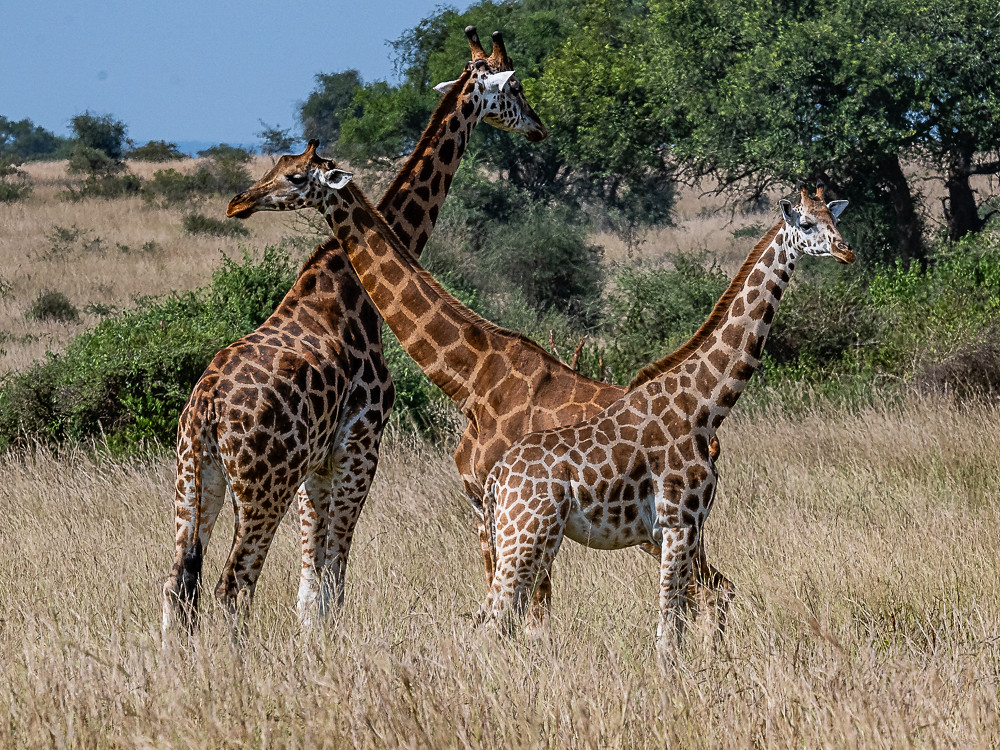
Murchison Falls pairs broad northern savannah with the powerful River Nile. Game drives may reveal elephants, giraffes, buffalo, antelope and predators. On a boat trip, look for hippos, Nile crocodiles and waterbirds along the banks. The waterfall is the dramatic centrepiece: the Nile squeezes through a narrow gorge before plunging into the river below.
The park is large, so plan around where you will stay, which gate you will use and whether you want a river cruise, a game drive or both. Read our guide to Murchison Falls National Park before choosing your route.
Queen Elizabeth National Park: game drives and the Kazinga Channel
Queen Elizabeth National Park offers varied habitats, from open plains to wetlands and crater lakes. Game drives on the Kasenyi Plains can bring sightings of Uganda kob, elephants, buffalo and, with luck, lions. The Kazinga Channel boat cruise gives you a relaxed view of hippos, crocodiles, elephants and an impressive range of birds.
The Ishasha sector in the south is known for its tree-climbing lions, though sightings are never guaranteed. If you have limited time, consider how long it takes to travel between sectors before adding Ishasha to your plan. Explore our three-day Queen Elizabeth wildlife safari for an example of how to combine a game drive and channel cruise.
Kibale Forest: the place to track chimpanzees
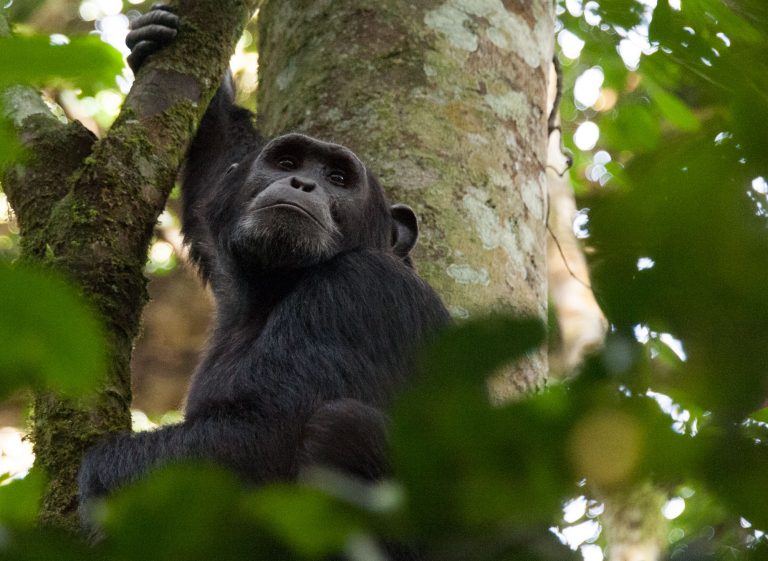
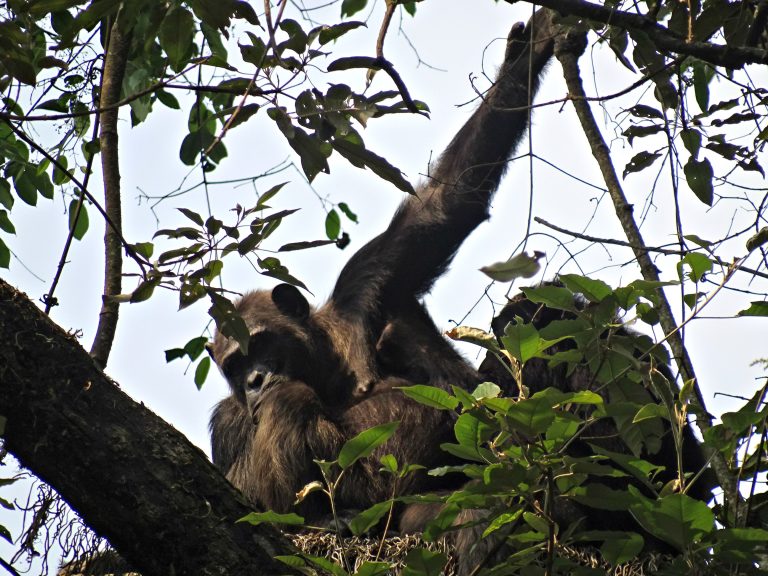
Kibale is one of Uganda’s best-known forests for chimpanzee tracking. With a trained guide, you follow signs such as calls, feeding remains and broken branches to find a chimpanzee community. The walk can take time, and the forest floor may be muddy, but watching chimps move through the trees is worth slowing down for.
Chimpanzees are wild animals, not performers. Follow your ranger’s instructions, keep a respectful distance and be prepared for a trek rather than a guaranteed close encounter. Add a guided community or wetland visit nearby if you want to learn about the landscape beyond the forest.
Bwindi Impenetrable National Park: mountain gorilla trekking
Bwindi is a rainforest destination, best known for guided mountain gorilla trekking. A trek can be steep, muddy and physically demanding, and the time it takes to find a gorilla family varies. When you do find them, the visit follows strict park rules designed to protect both people and gorillas.
Gorilla trekking needs its own permit and advance planning; it is not the same activity as a savannah game drive. Confirm current permit availability, age rules, health guidance and trekking arrangements before paying for your trip. Pack sturdy footwear, rain protection and clothes you do not mind getting dirty.
Lake Mburo National Park: a gentle first or final safari stop
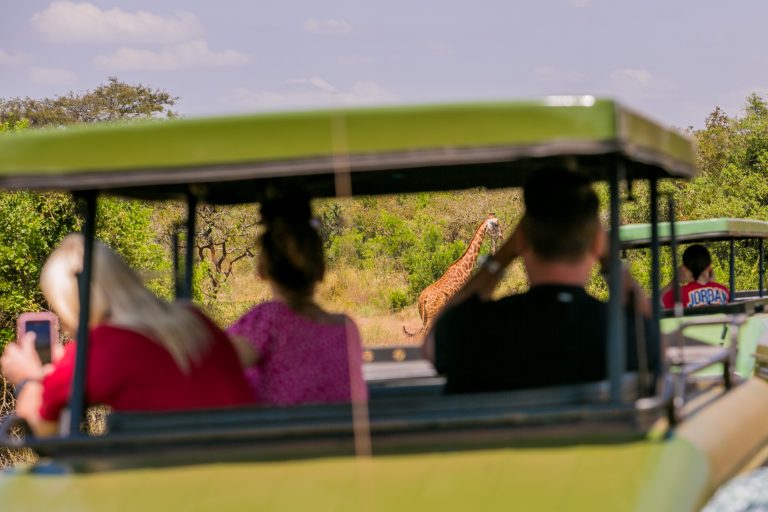
Lake Mburo is a convenient place to add a savannah experience to a route between Kampala or Entebbe and western Uganda. Look for zebras, giraffes, impala and other antelope on game drives. Depending on the activity and current park arrangements, visitors can also enjoy a boat trip or a guided walk. Walking gives you a different perspective: you notice tracks, plants and smaller wildlife that are easy to miss from a vehicle.
Kidepo Valley National Park: remote wilderness
In Uganda’s far northeast, Kidepo rewards travellers who have time for the journey. Its wide valleys, rugged hills and open plains create a feeling of space that is hard to find on a short trip. Game drives are the main way to explore the park. Choose Kidepo if remote scenery and a less-travelled route matter more to you than fitting several regions into a few days.
Mgahinga Gorilla National Park: gorillas, golden monkeys and volcanoes
Mgahinga sits among the Virunga volcanoes and offers a forest-and-mountain setting for gorilla trekking and golden monkey tracking. It can be a strong choice for travellers who want primates and dramatic highland scenery. Ask about the current trek options and permit availability when planning.
Which wildlife can you see in Uganda?
Uganda’s wildlife varies by habitat. Savannah parks such as Murchison Falls, Queen Elizabeth and Kidepo are where you look for elephants, buffalo, giraffes, antelope and predators. The Kazinga Channel and Nile are excellent places to watch hippos, crocodiles and waterbirds. Forests offer a different experience: chimpanzees in Kibale and mountain gorillas in Bwindi or Mgahinga, with permits and ranger guidance.
Birdlife is a highlight across the country, especially around wetlands, lakes and river edges. If birds are a priority, tell your guide before the trip so they can allow time to stop, listen and look rather than treating every drive as a transfer.
When is the best time for a Uganda wildlife safari?
Uganda is a year-round destination. Drier periods often make some roads and walking trails easier, while vegetation may be less dense in open areas. Rainier months can bring greener scenery and muddy tracks; rain can fall at any time, especially in forest regions. Weather patterns vary, so use seasons as a guide, not a promise of perfect conditions.
Your best dates depend on the experience you want. For gorilla or chimpanzee trekking, secure permits first and build the rest of the route around them. For game viewing, ask about current road conditions and seasonal wildlife patterns in each park. Always check the latest park rules and travel advice close to departure.
How many days do you need?
- 3–4 days: Focus on one main wildlife area, such as Queen Elizabeth or Murchison Falls. This works best when you can fly or start nearby; long road transfers can reduce time in the park.
- 5–7 days: Combine two regions at a comfortable pace, for example Queen Elizabeth and Kibale, or Lake Mburo and Bwindi.
- 8–12 days: Add more variety, such as Murchison Falls, Kibale, Queen Elizabeth and Bwindi, while allowing time for transfers and rest.
These are planning ranges, not fixed itineraries. Driving times depend on roads, weather, stops and park entry points. A good route groups nearby experiences instead of criss-crossing the country.
How to plan your Uganda safari
- Choose your priority. Decide whether you most want savannah wildlife, gorillas, chimpanzees, birding or a mix.
- Choose parks that fit. Pair savannah parks with forest experiences only if you have enough days for the distance between them.
- Book primate permits early. Gorilla and chimpanzee permits are limited. Confirm dates and current conditions directly with your safari planner before finalising flights.
- Allow time for travel. Uganda’s roads are part of the adventure, but transfers can take longer than a map suggests. Avoid scheduling a trek immediately after a tiring drive.
- Pick accommodation for location. Staying near the gate or activity area you plan to visit can save valuable time, especially in large parks.
- Pack for changing conditions. Bring light layers, sun protection, insect repellent and a rain jacket. For forest walks, add sturdy shoes, long sleeves and a small daypack.
What does a Uganda wildlife safari cost?
There is no single price for a Uganda safari. The total depends on trip length, accommodation, transport, group size, park activities and whether you include gorilla or chimpanzee permits. Ask for an itemised quote that states what is included and which permits, park fees, meals, transfers and activities are covered. Permit fees and park rules can change, so confirm current rates before booking rather than relying on an old online figure.
Frequently asked questions
Is Uganda good for a first safari?
Yes. Uganda works well for first-time safari travellers who want varied scenery and activities. A private guide can explain what to expect and adapt the pace. If you prefer easy, frequent sightings from a vehicle, focus on savannah parks; if you want primates, plan the extra time and physical effort forest trekking requires.
Can I see the Big Five in Uganda?
Uganda has opportunities to see four Big Five species in national parks: lion, leopard, elephant and buffalo. Rhinos are not part of ordinary game drives in those parks; travellers commonly add a guided rhino-tracking experience at Ziwa Rhino Sanctuary when the route and current arrangements allow. Sightings are never guaranteed.
Is gorilla trekking the same as a wildlife game drive?
No. Gorilla trekking is a guided forest hike that requires a separate permit and follows special rules. A game drive takes place in a vehicle across savannah or woodland. Many travellers combine both, but each needs its own time and planning.
What should I wear on safari?
Wear comfortable, neutral-coloured layers for game drives and sturdy closed shoes for walking. Forest trekking calls for long sleeves, trousers, gloves if you prefer hand protection, and rain gear. Bring sun protection for open vehicles and follow your guide’s advice on clothing and safety.
Plan your Uganda wildlife safari with Ripple Safaris
The right safari is the one that fits your time, interests and comfort—not the one with the most stops. Ripple Safaris can help you shape a route around Uganda’s wildlife, parks and practical travel times. Browse our wildlife safari guides and Uganda safari options, then get in touch with Ripple Safaris to start planning.
Join the conversation
0 responses
No responses yet. Be the first to share your thoughts.