
Rwanda Wildlife Safari: Akagera, Big Five & Forest Adventures
Imagine watching elephants move across open grassland in the morning, then standing above a green rainforest canopy the next day. A Rwanda wildlife safari brings these very different worlds within one memorable journey. The country is best known for mountain gorillas, but it also offers classic savannah game drives, lakeside wildlife, chimpanzee tracking and exceptional birding.
This guide explains where to see wildlife in Rwanda, what each national park offers, when to go and how to plan a rewarding itinerary. The short answer: choose Akagera National Park for a traditional Big Five safari; add Volcanoes National Park for mountain gorillas, or Nyungwe National Park for chimpanzees and rainforest experiences.
What is the best place for a wildlife safari in Rwanda?
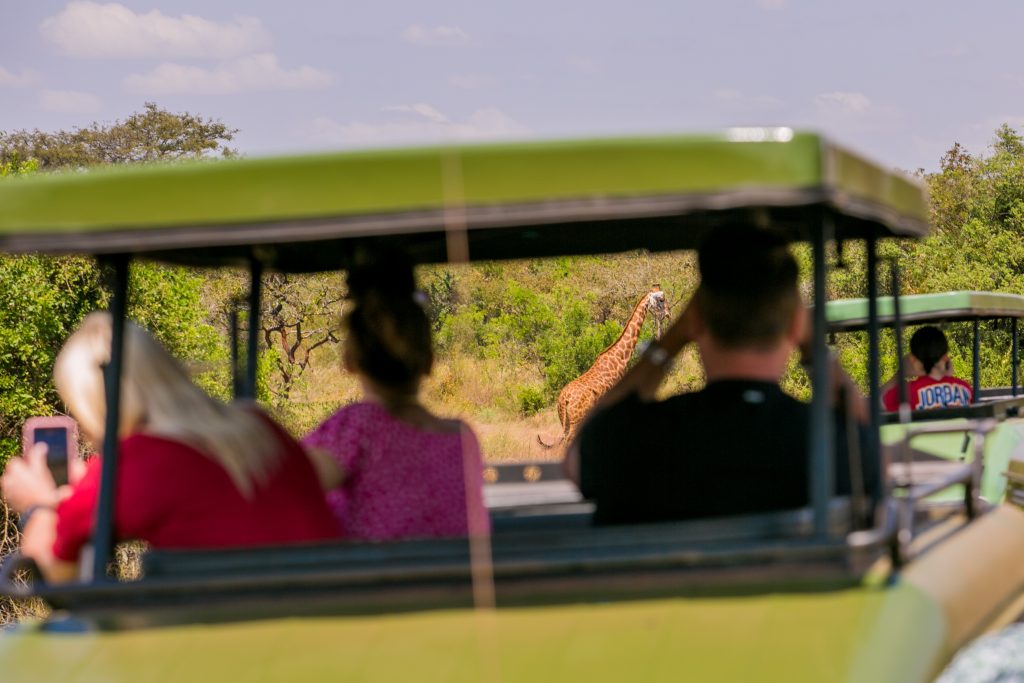
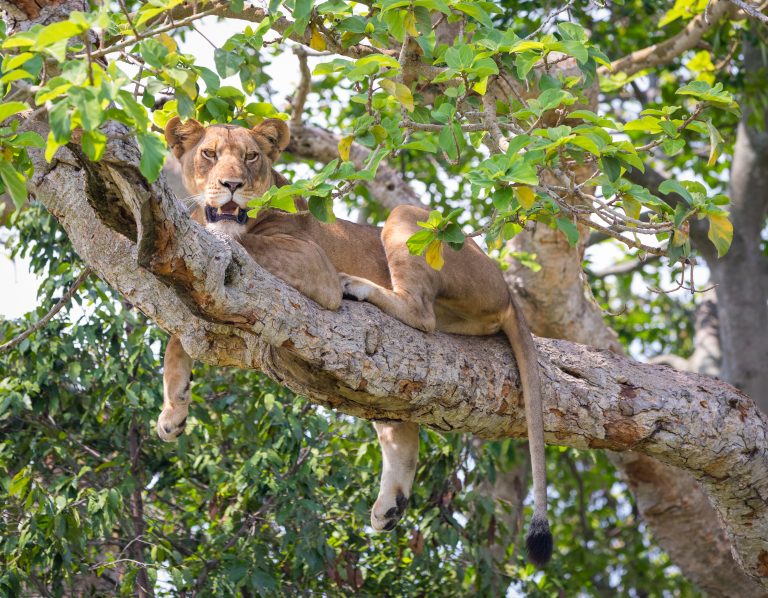
Akagera National Park is Rwanda’s main destination for a savannah wildlife safari. It is the country’s only savannah park and the place to look for the Big Five: lion, leopard, elephant, buffalo and rhinoceros. The park also protects wetlands, lakes, woodland and grassland, so a game drive can bring sightings of giraffes, zebras, antelope, hippos, crocodiles and many birds.
Wild animals roam freely, so no responsible operator can promise a particular sighting. You may see several Big Five species on a visit, but luck, weather, time in the park and animal movement all matter. The pleasure is in exploring the landscape as much as ticking off a list.
Rwanda’s four national parks: where to see wildlife
Akagera National Park: Big Five game drives and Lake Ihema
In eastern Rwanda, Akagera offers the country’s classic safari experience. Set out with a guide at dawn or later in the afternoon, when temperatures are cooler and many animals are active. A boat trip on Lake Ihema gives you a different view of the park: watch for hippos, crocodiles and waterbirds along the shore.
Akagera’s wildlife recovery is also part of its story. Lions returned in 2015, rhinoceroses followed, and in June 2025 the park welcomed a major new translocation of southern white rhinos. Conservation work continues alongside tourism and community partnerships.
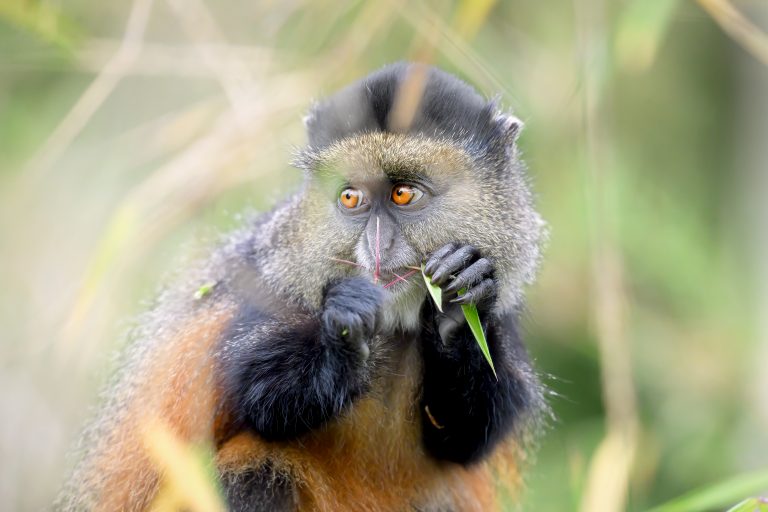
Volcanoes National Park: mountain gorillas and golden monkeys
In Rwanda’s north-west, the forested Virunga volcanoes shelter endangered mountain gorillas. Gorilla trekking is a guided, permit-based experience: visitors hike with trained park staff, follow strict wildlife-viewing rules and spend a limited time with a habituated gorilla family. The trek can be steep and muddy, and sightings are never a performance staged for visitors. Golden monkey tracking and volcano hikes offer other ways to explore this remarkable high-altitude landscape.
Nyungwe National Park: chimpanzees, monkeys and canopy views
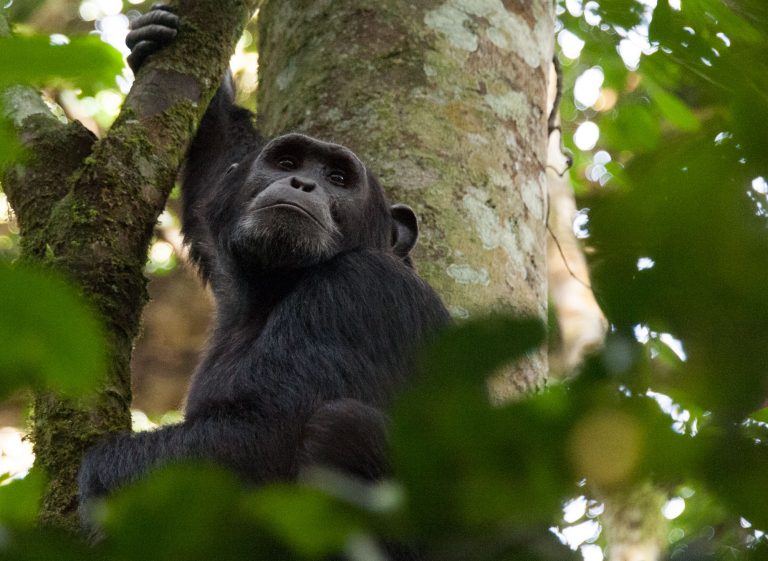
Nyungwe, in the south-west, protects a vast montane rainforest rich in primates and birds. Chimpanzee tracking is an energetic forest walk, not a guaranteed close-up encounter; the chimpanzees move through dense habitat. The canopy walkway offers a striking view over the treetops, while guided forest walks reveal the sounds and smaller details many visitors miss from a vehicle.
Gishwati-Mukura National Park: a recovering forest
Gishwati-Mukura is Rwanda’s newer national park, made up of two forest areas. It is a rewarding choice for travellers interested in forest wildlife, birds and conservation. Experiences and wildlife sightings differ from the better-known parks, so check what activities are operating and how to arrange a visit before building it into your route.
When is the best time for a Rwanda wildlife safari?
Rwanda is a year-round destination, but the best dates depend on what you hope to do. For easier wildlife viewing in Akagera, the drier months are generally June to September and the shorter dry spell around mid-December to mid-February. Shorter grass and less surface water can make animals easier to spot, though sightings are never guaranteed.
Rainy periods bring greener scenery, and forest trails can become slippery. They may suit birders and travellers who prefer lush landscapes, but allow flexibility for weather and road conditions. Gorilla and chimpanzee treks take place in forest, where rain is possible in any season. Pack a light waterproof layer and sturdy shoes whatever month you travel.
How many days do you need?
- One day: A quick taste of Akagera is possible, but the drive and limited time in the park make this a rushed option.
- Two or three days: A more comfortable Akagera visit with time for game drives and, when available, a Lake Ihema boat trip.
- Five to seven days: Combine Akagera with one forest region, such as Nyungwe for chimpanzees or Volcanoes for gorilla trekking. Allow enough time for overland transfers rather than treating every day as a full activity day.
- Longer: Add more time in the parks, Kigali, or a second forest destination instead of trying to rush through all four parks.
A practical 6-day Rwanda wildlife safari itinerary
- Day 1 – Arrive in Kigali: Settle in, meet your guide and review your route. If time allows, visit a Kigali cultural or historical site.
- Day 2 – Travel to Akagera: Drive to the park and take an afternoon game drive.
- Day 3 – Explore Akagera: Spend the day on guided game drives, with time for wildlife watching, a picnic stop or a boat safari.
- Day 4 – Transfer to Nyungwe: Travel south through Rwanda’s changing landscapes. Break up the journey with planned stops and arrive ready to rest.
- Day 5 – Forest experience: Choose chimpanzee tracking, a canopy walk or another permitted guided activity. Confirm start times and fitness requirements in advance.
- Day 6 – Return to Kigali: Allow ample time for the drive and any onward flight. If you want gorilla trekking, add at least another night or two in the north rather than squeezing it into this route.
This is a planning framework, not a fixed package. Distances, road conditions, permit availability and park activity schedules affect the best order. We as local operators, we can tailor the route to your arrival time, interests and pace.
What should you pack for a Rwanda safari?
- Neutral, comfortable clothing for game drives; pack a warm layer for cool early mornings.
- Light rain jacket, especially for forest trekking and wet-season travel.
- Sturdy walking shoes with grip for muddy or uneven trails.
- Sun protection, insect repellent, binoculars and a camera with spare batteries.
- Small daypack, reusable water bottle and any personal medication.
Follow your guide’s instructions around wildlife, stay in the vehicle unless told otherwise, and keep a respectful distance. For primate visits, follow the park’s health and viewing rules; these protect both visitors and animals.
How much does a Rwanda wildlife safari cost?
The total cost depends on the number of days, accommodation, transport, private or shared guiding, park activities and permits. Gorilla trekking permits are a separate, high-demand expense; Akagera game drives and forest activities have their own fees. Rates and eligibility for discounts can change.
To compare quotes fairly, ask what is included: park entry, permits, guide, vehicle, fuel, meals, accommodation, boat trips and airport transfers. A very low headline price may leave out important costs.
Is Rwanda good for a first African safari?
Yes. Rwanda suits travellers who want varied wildlife experiences in one compact country and value knowledgeable guiding and conservation. Akagera delivers the open-sky game-drive experience; the forests add a completely different kind of wildlife encounter. Rwanda is not a substitute for the vast savannahs of Kenya or Tanzania, and Akagera’s wildlife density and sightings vary. Its strength is the combination of landscapes and activities, not a guarantee of seeing every animal.
Frequently asked questions
Can I see the Big Five in Rwanda?
Yes. All five species—lion, leopard, elephant, buffalo and rhinoceros—are present in Akagera National Park. They are wild animals, so seeing all five during one visit is not guaranteed.
Can I go on a Rwanda safari without trekking gorillas?
Absolutely. You can focus on Akagera’s savannah wildlife, boat trips and birding, or explore Nyungwe and Gishwati-Mukura. Gorilla trekking is a special option, not a requirement for a rewarding wildlife trip.
Is a Rwanda safari suitable for families?
Akagera can work well for families who enjoy wildlife and can manage time in a vehicle. Check age limits for each activity, especially primate trekking, and plan shorter drives and rest breaks for children. Park rules and age requirements can vary by activity.
Should I book a guide?
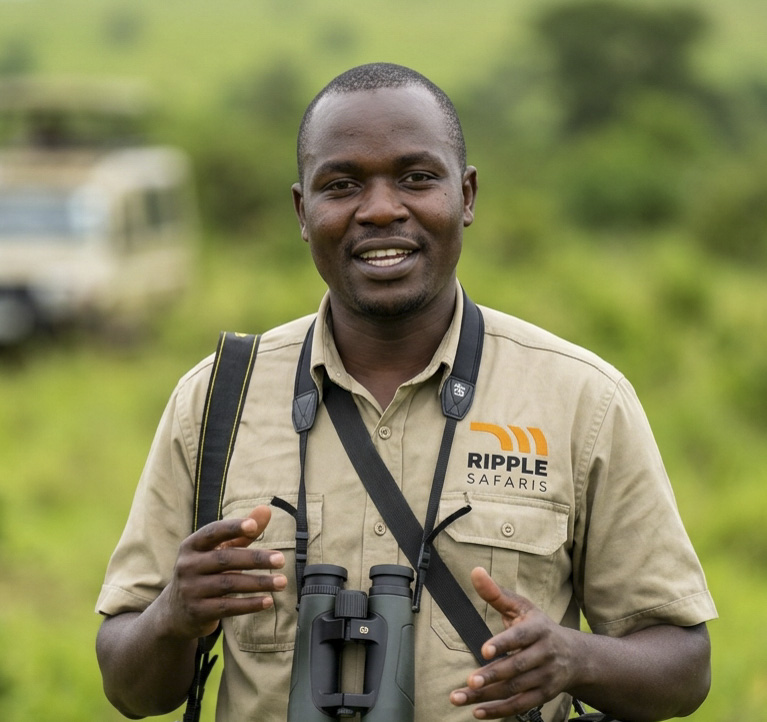
A knowledgeable guide helps with animal spotting, park logistics and safe wildlife viewing. For primate activities, a trained park guide is part of the regulated experience. Confirm what your safari quote includes before booking.
Plan your Rwanda wildlife safari
The best Rwanda wildlife safari is the one built around the experiences you care about most. Choose Akagera for savannah animals and lakeside birdlife; add Volcanoes for mountain gorillas or Nyungwe for chimpanzees and rainforest. Give each park enough time, check permits early and leave room for the unexpected moments that make a safari unforgettable.
Explore Rwanda safari options with Ripple Safaris or get in touch to plan a route around your dates and interests.
Planning note: Park access, permits, activities, prices and travel conditions may change. Confirm current details with official park sources and your tour operator before travel.
Join the conversation
0 responses
No responses yet. Be the first to share your thoughts.