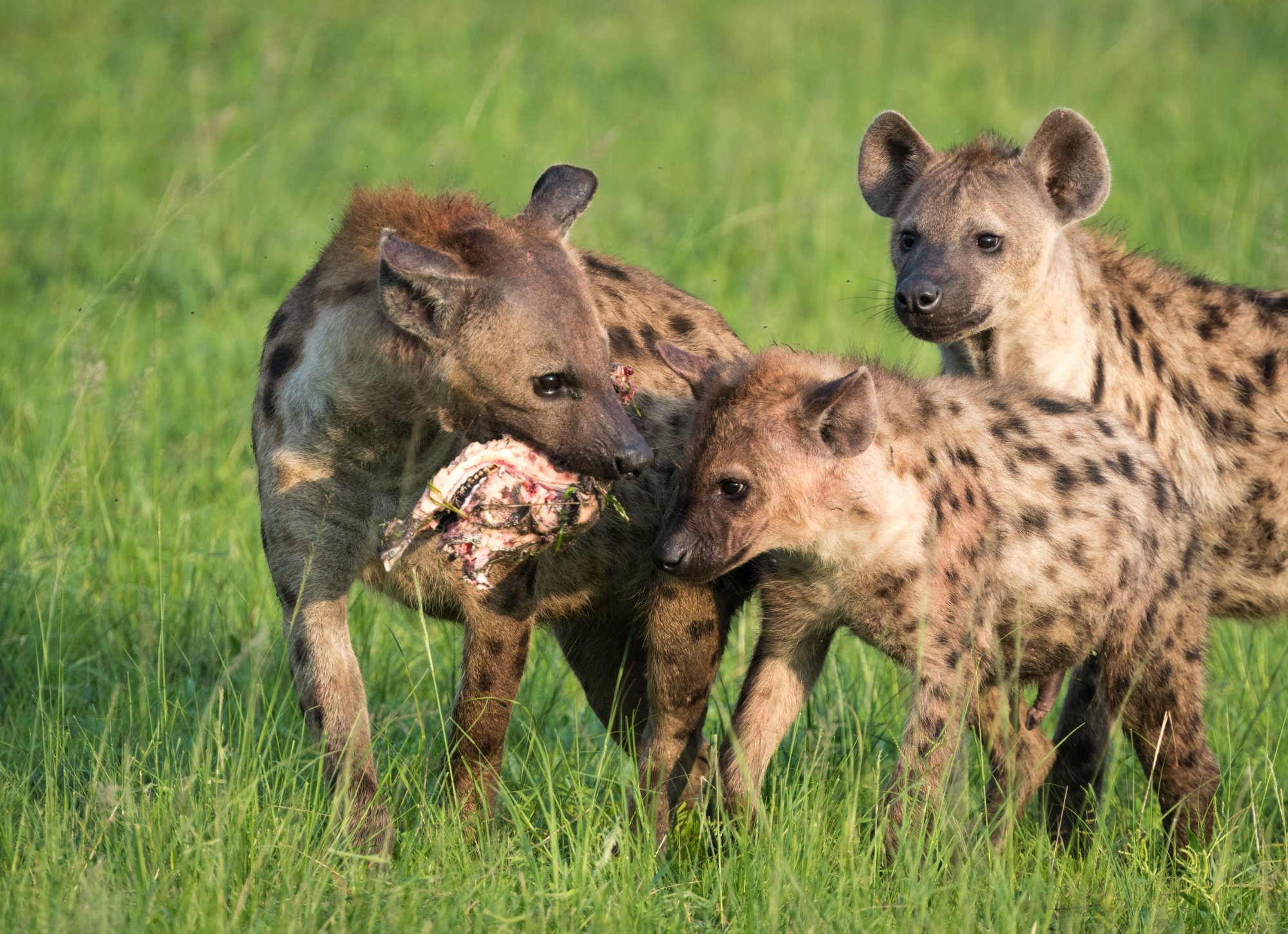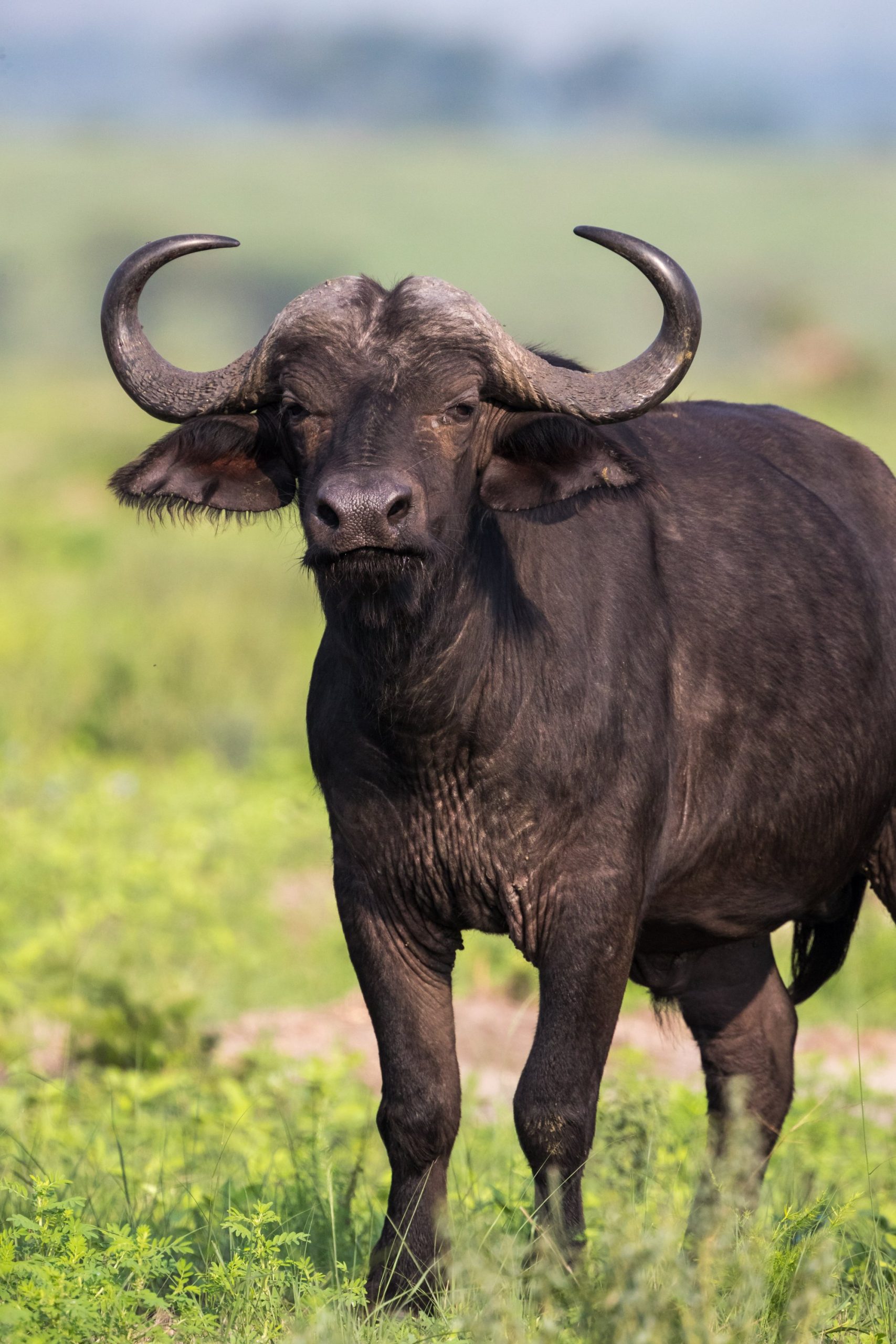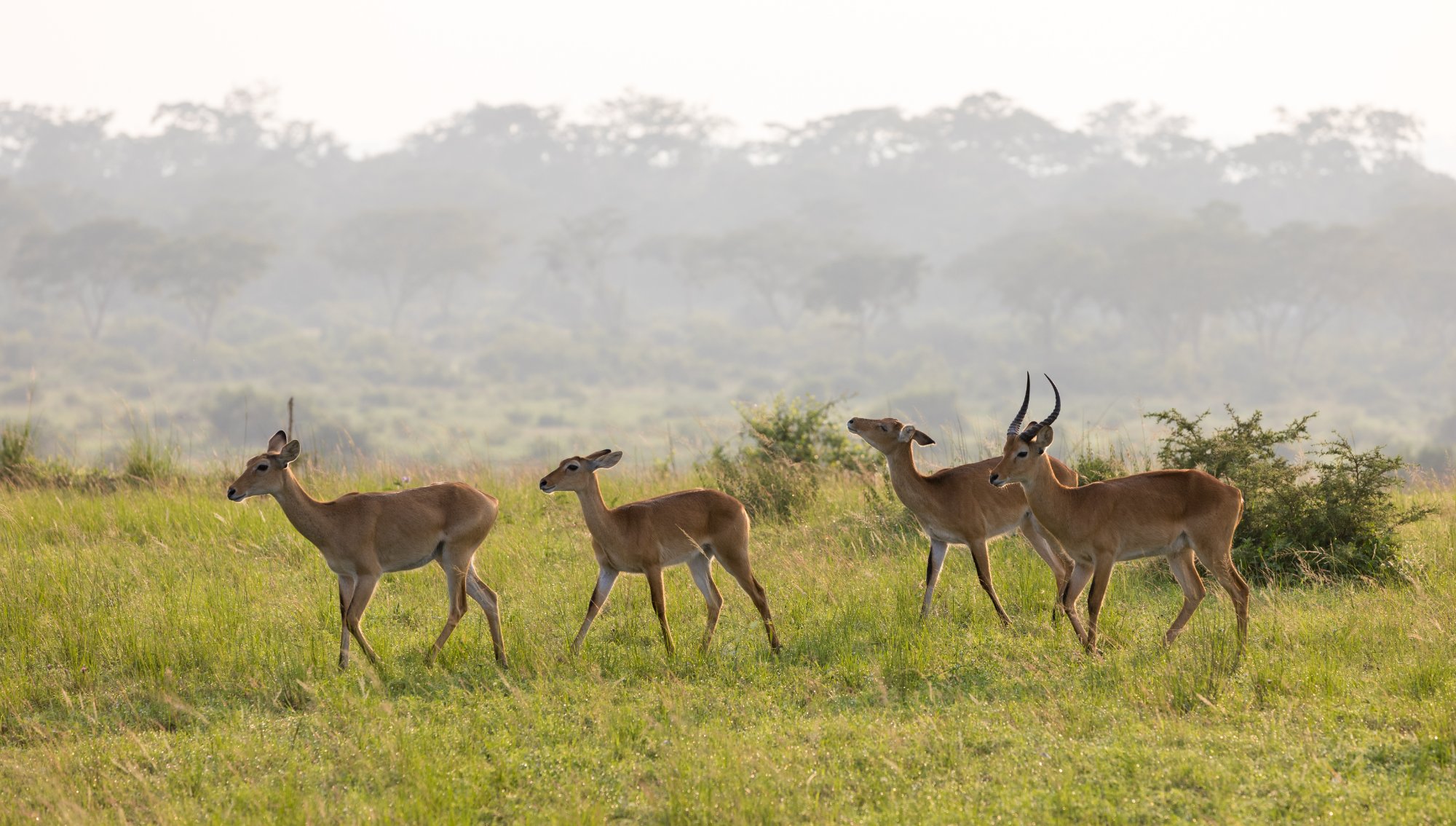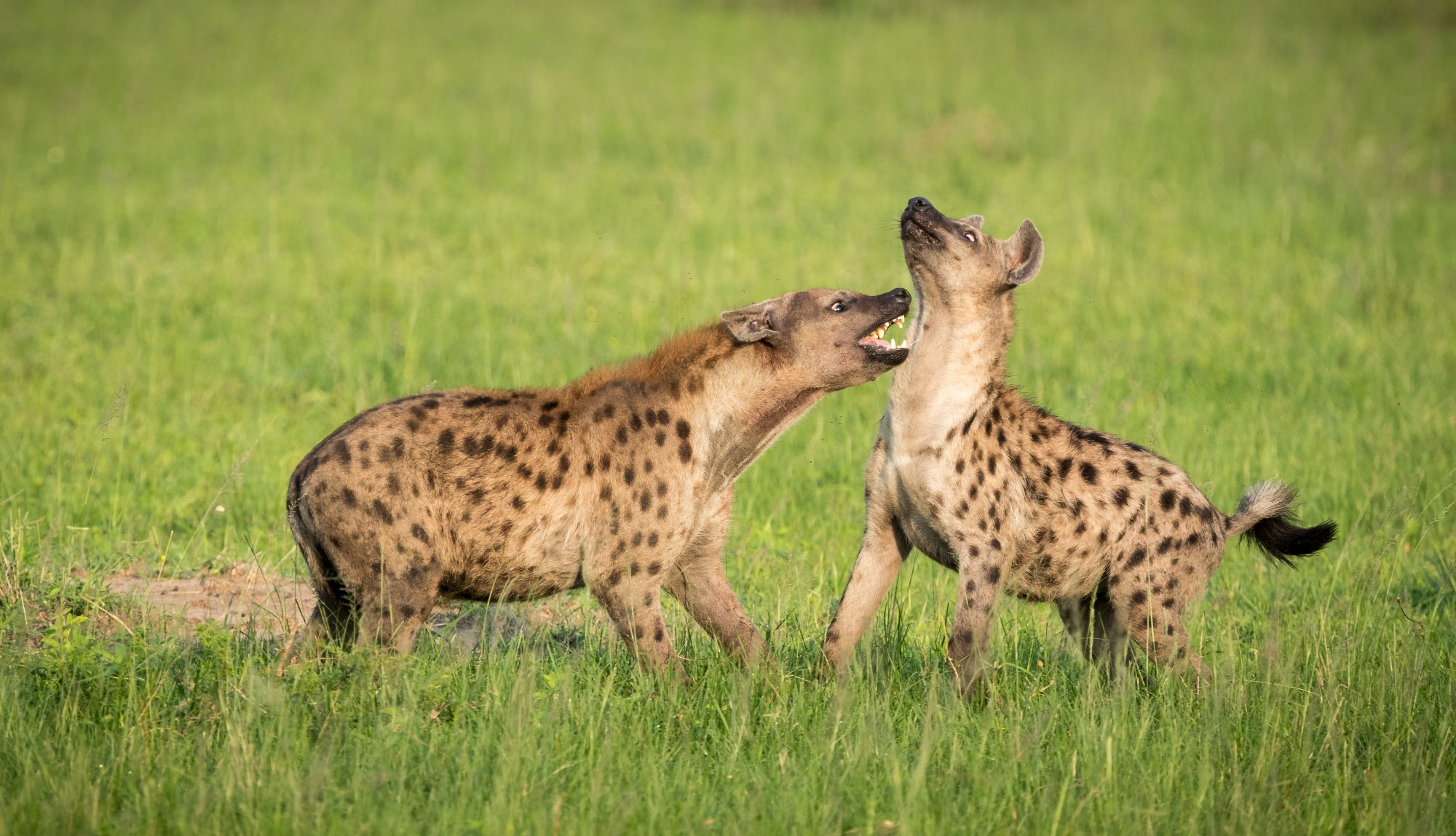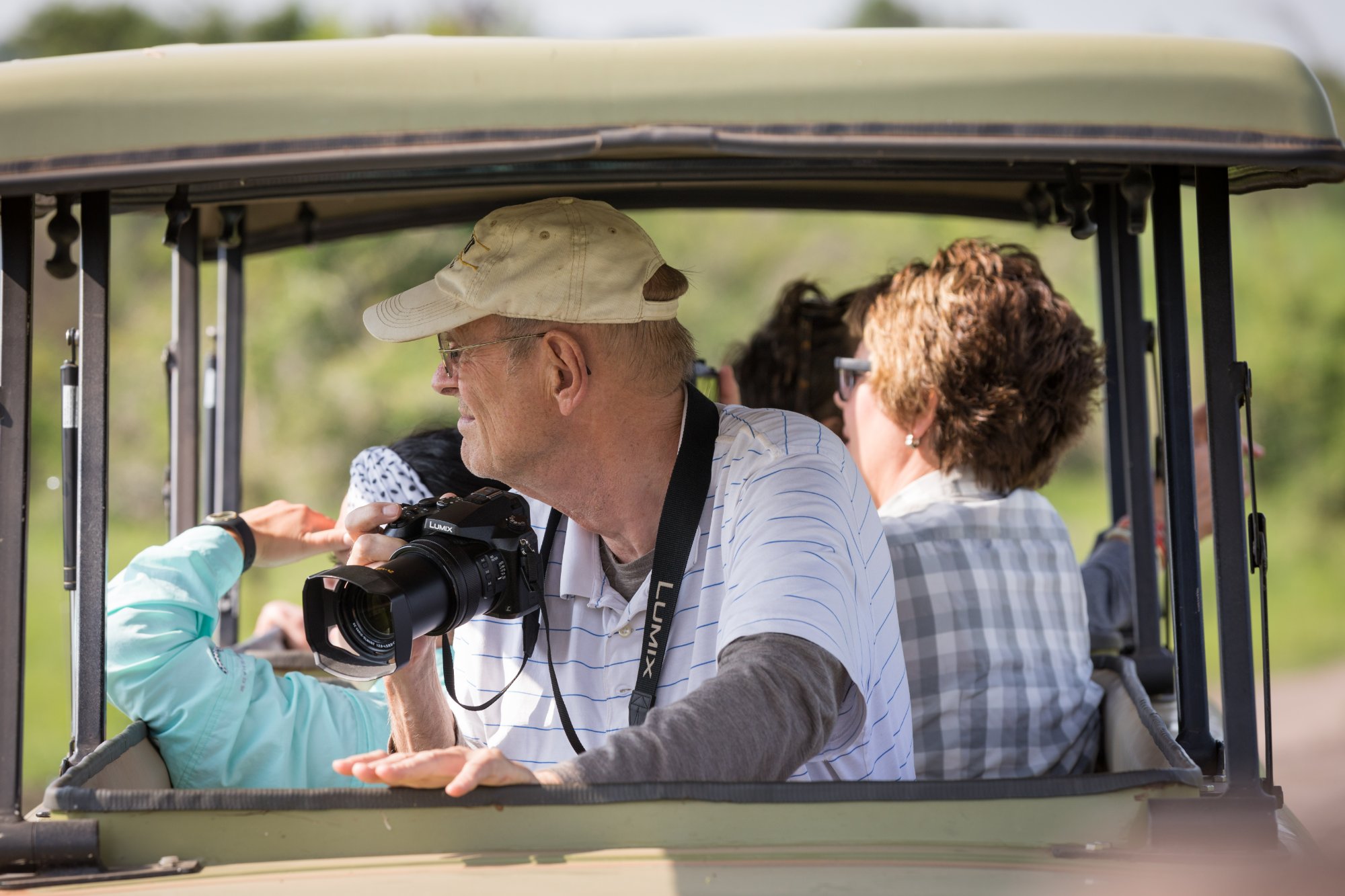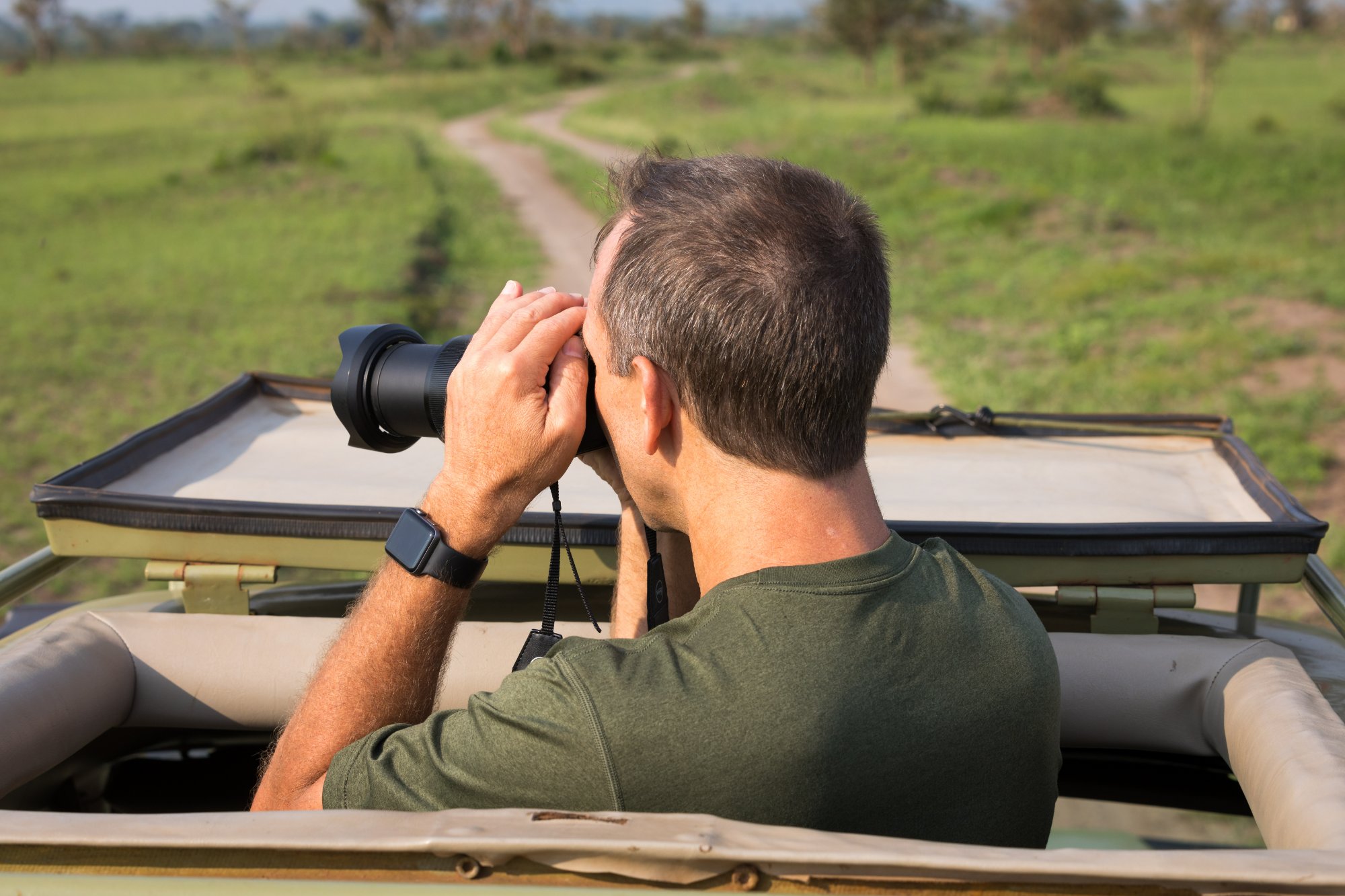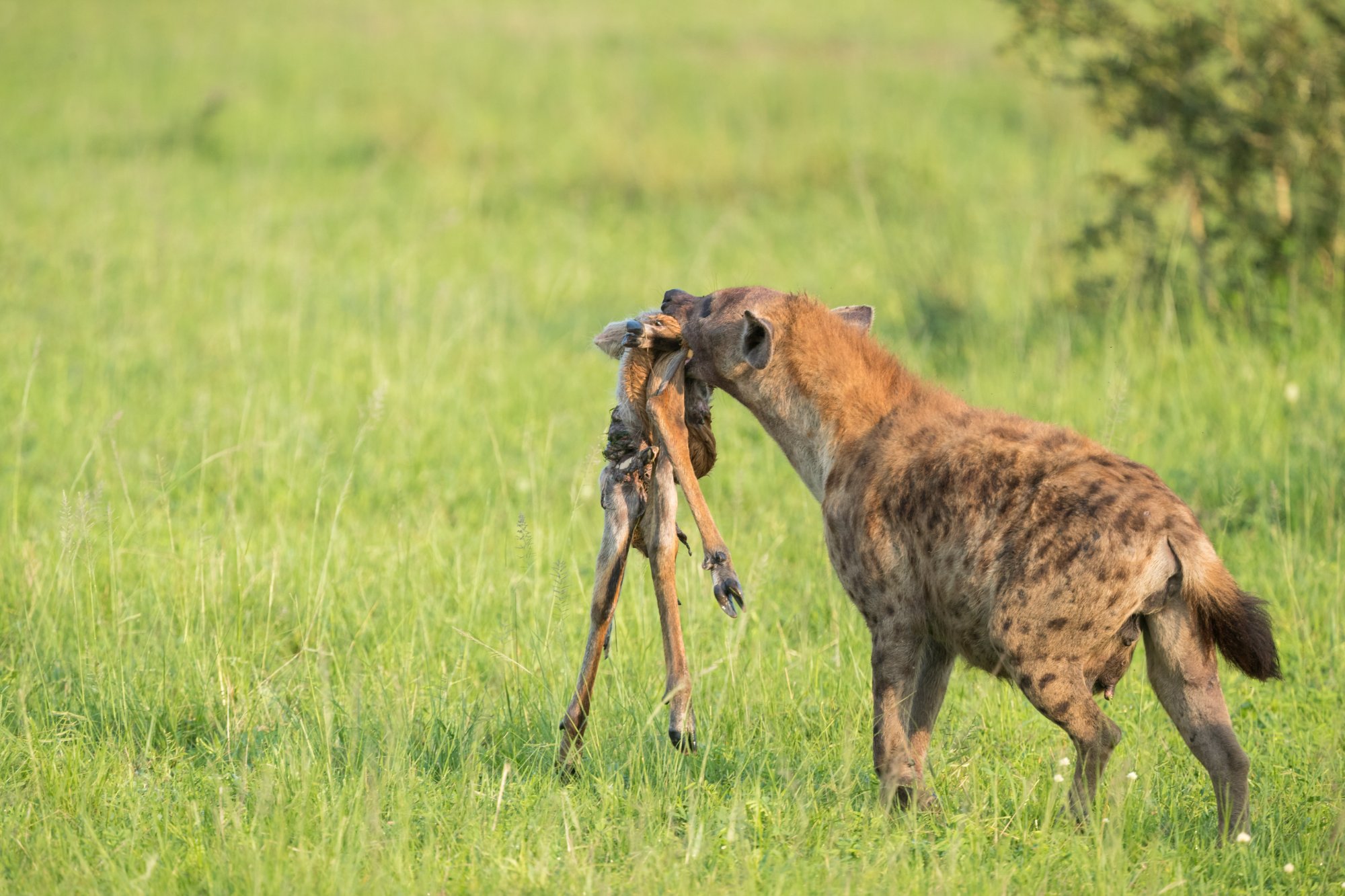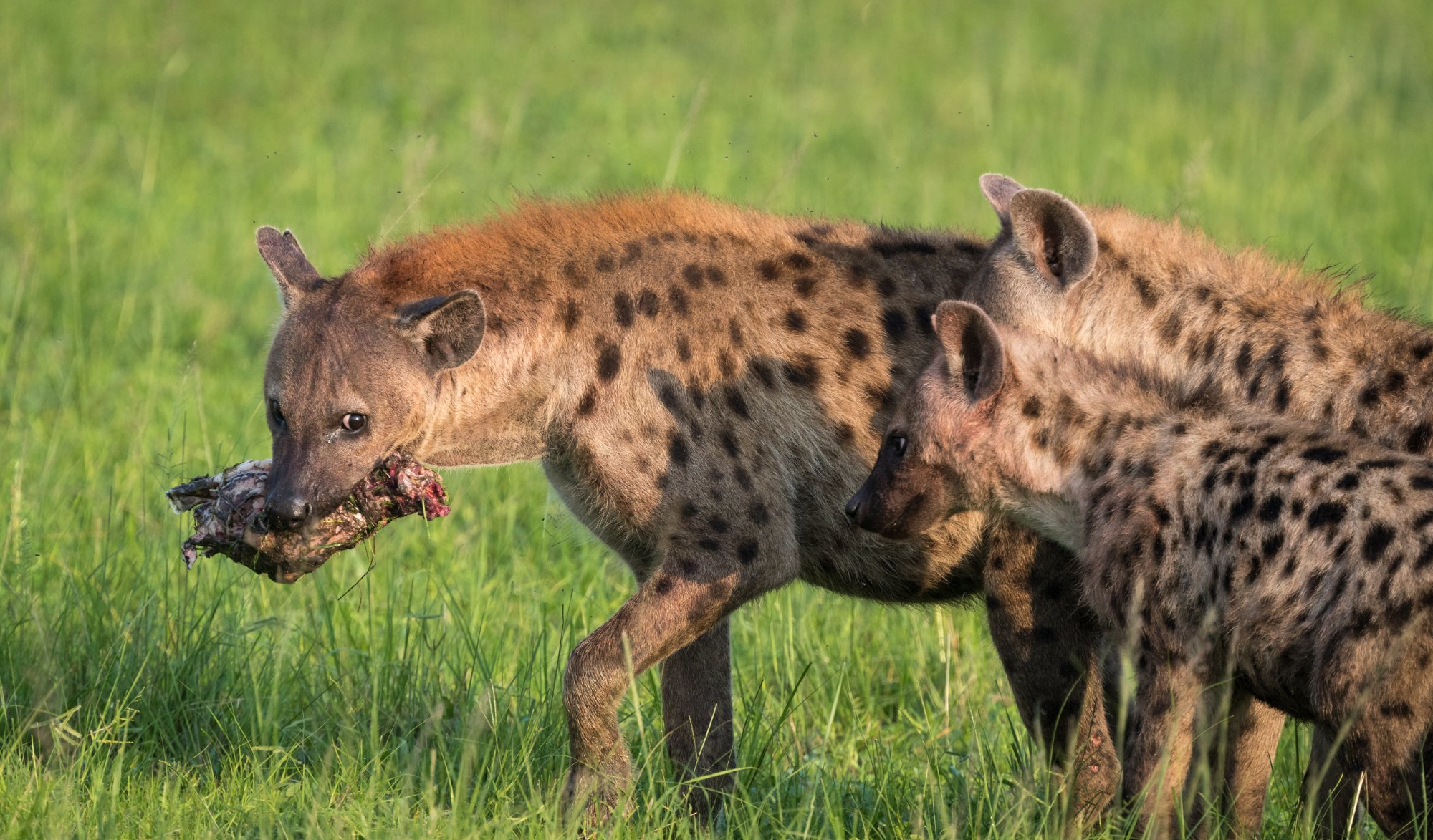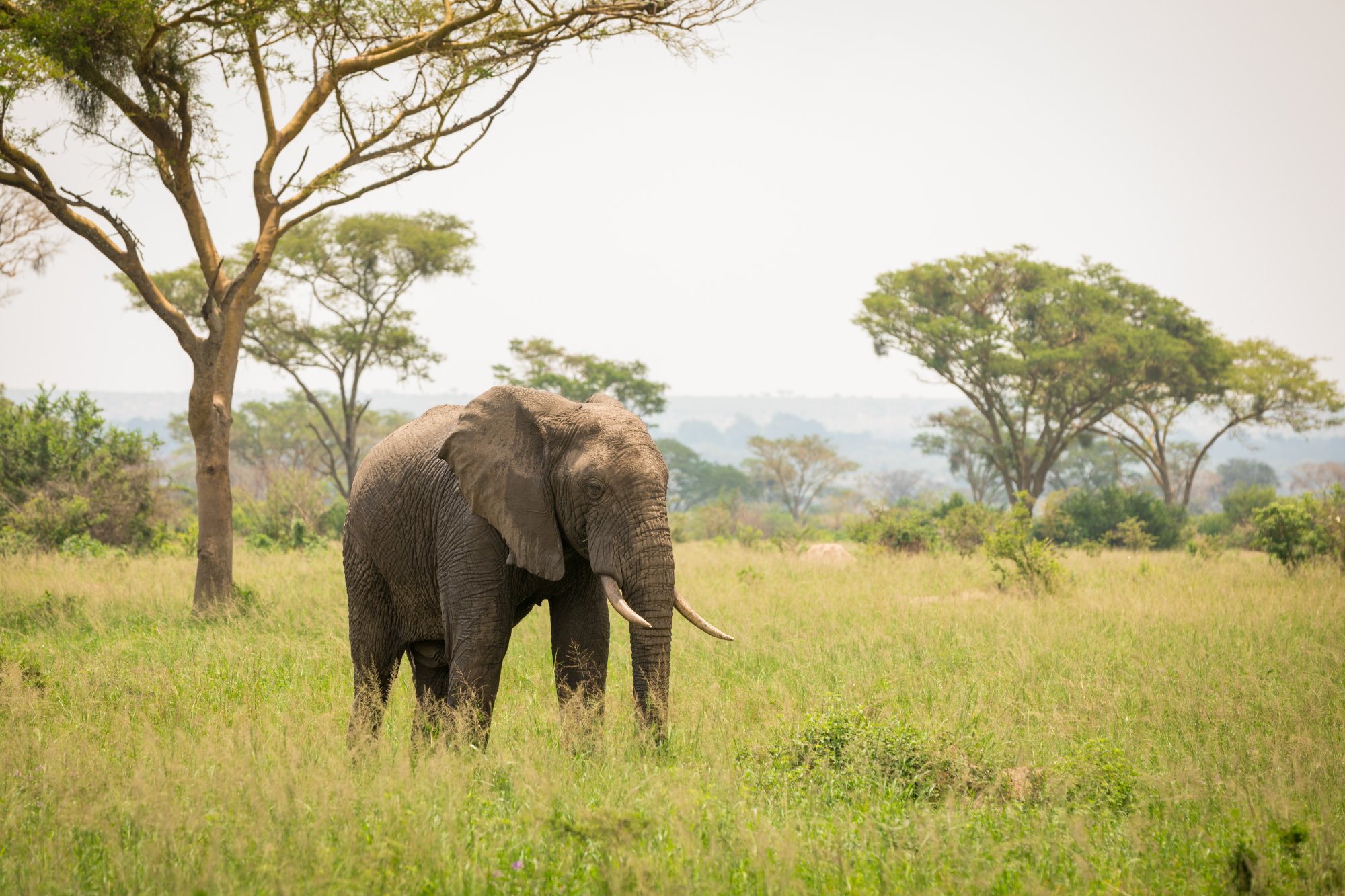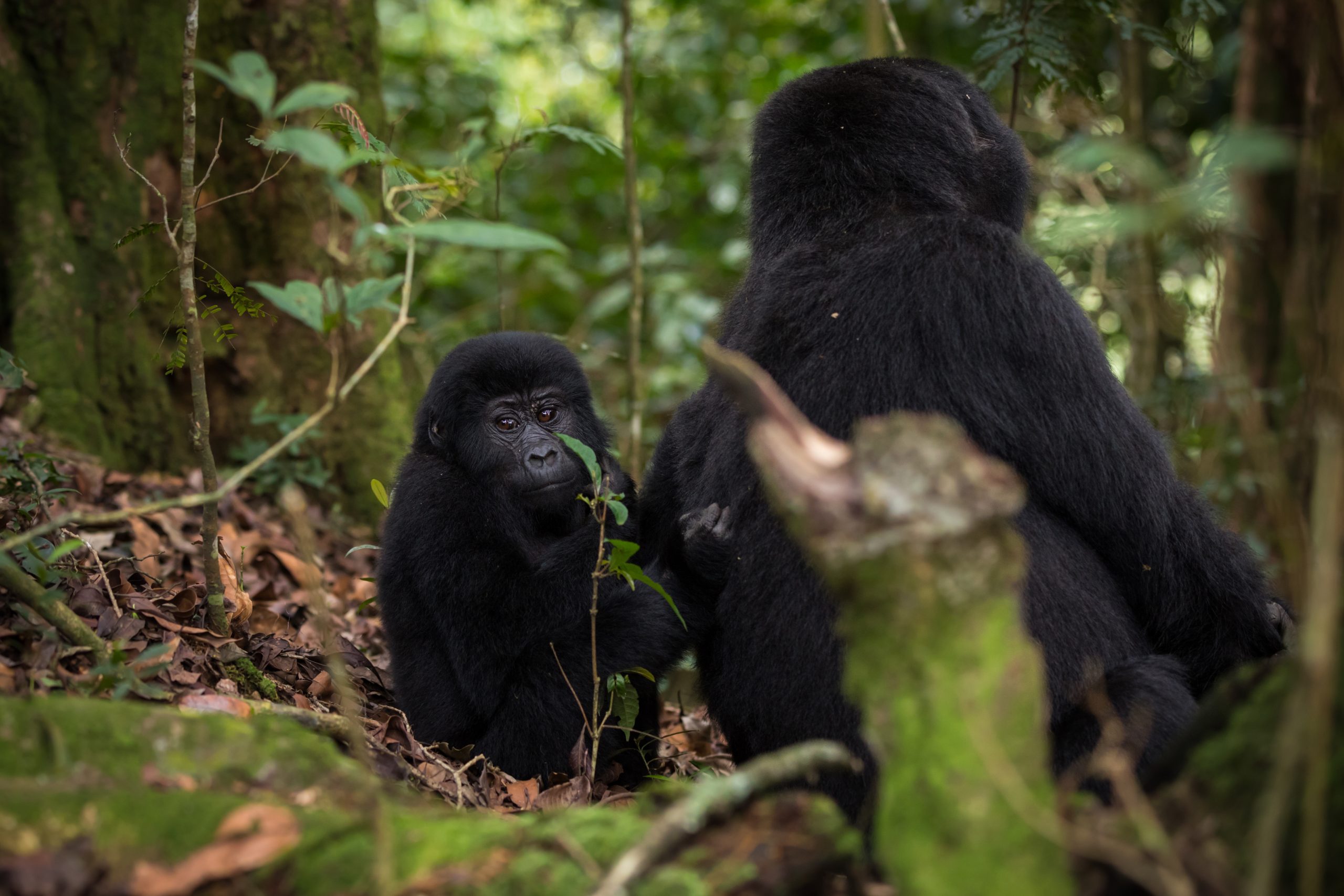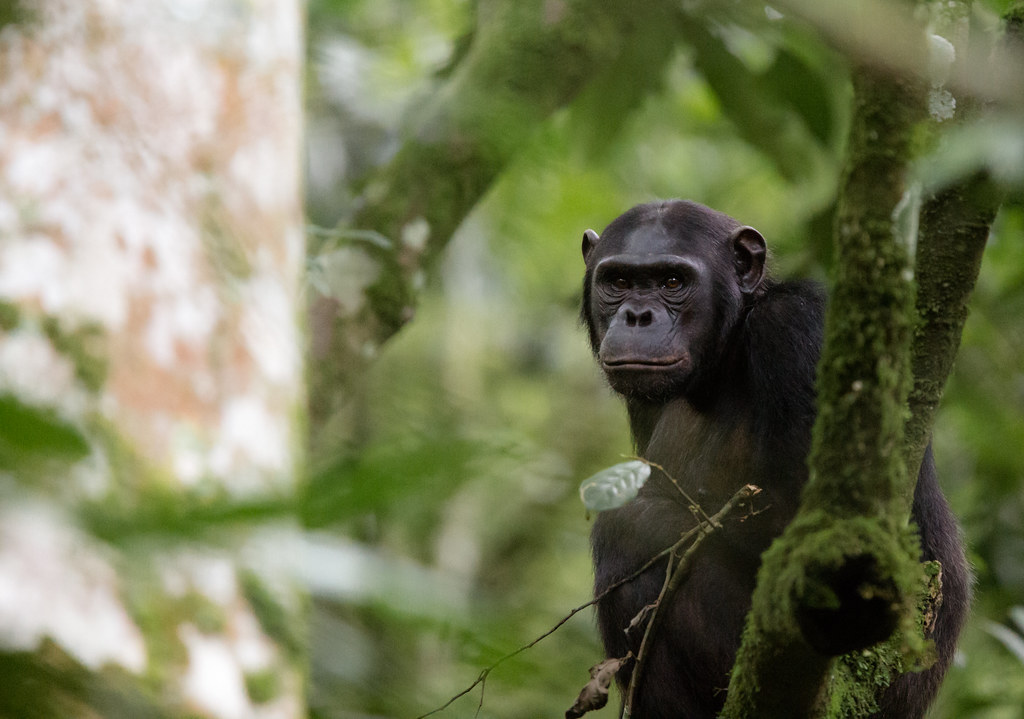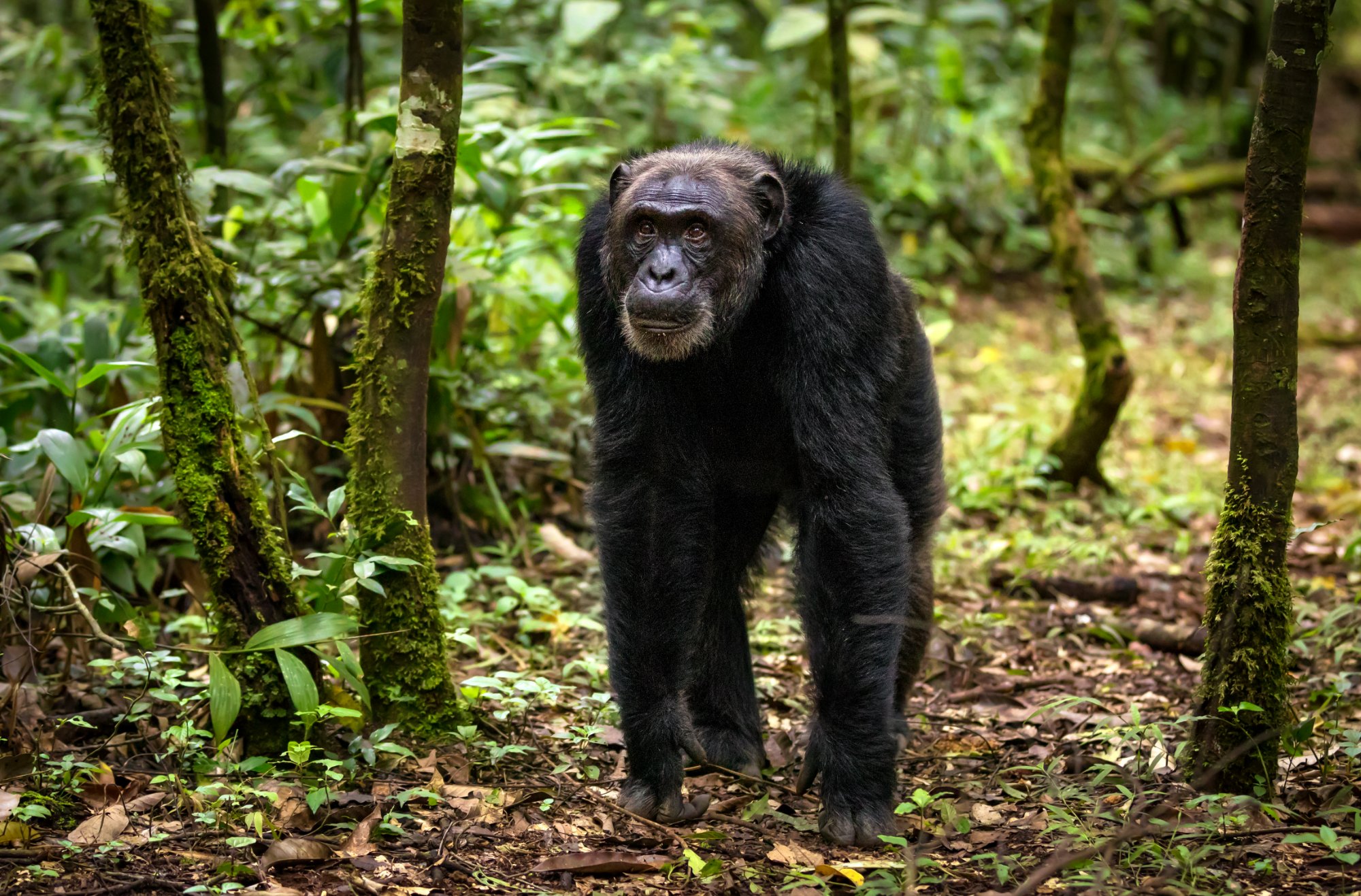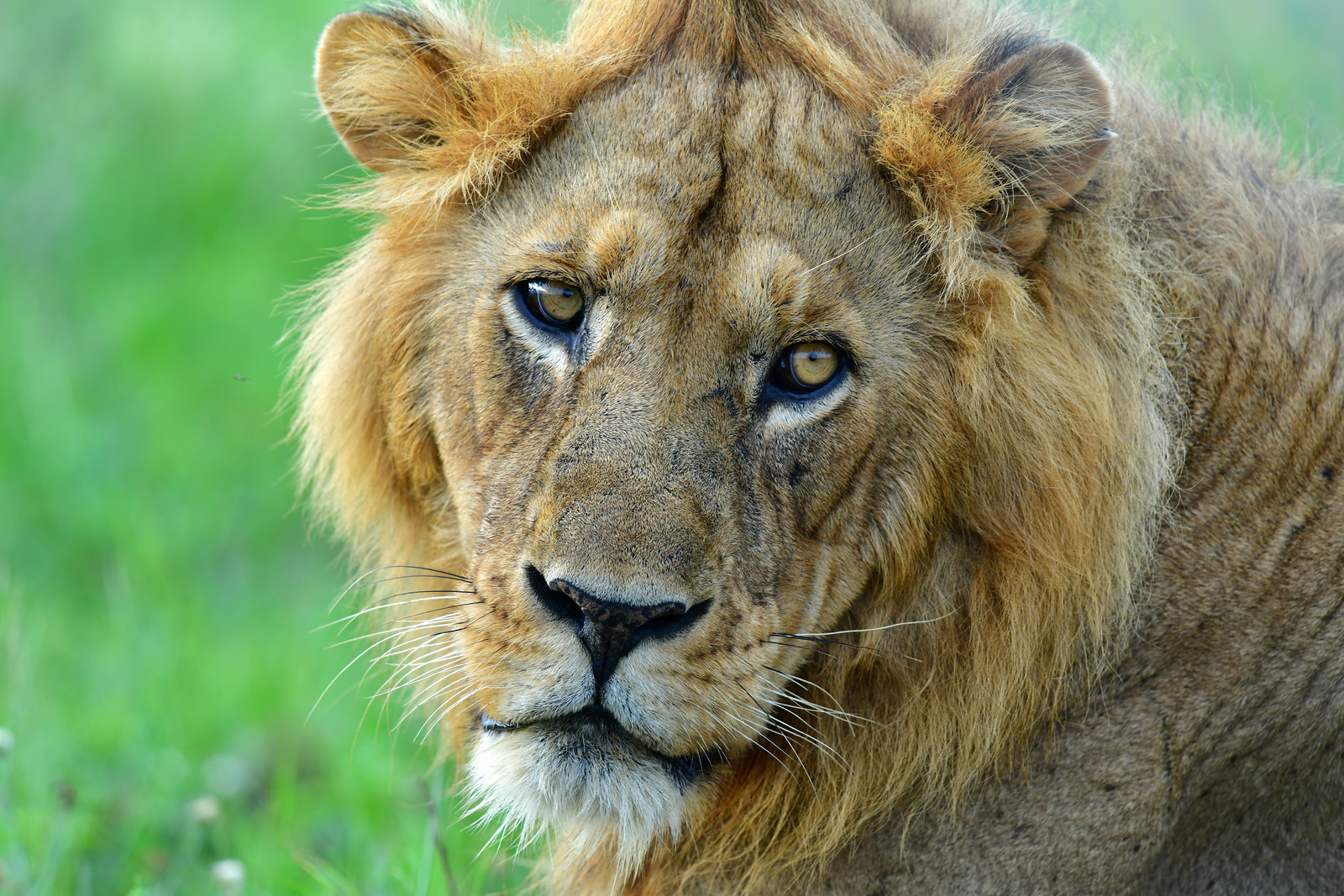
Queen Elizabeth National Park (QENP) stands as the quintessential safari destination in Uganda, offering a rare combination of ecological diversity, stunning geological formations, and world-class wildlife viewing. Spanning approximately 1,978 square kilometers in the western arm of the Great Rift Valley, this park is a majestic tapestry of savannah, wetlands, crater lakes, and tropical forests, making it one of the most biodiverse regions in Africa. For the traveler who demands accuracy, depth, and raw beauty, Queen Elizabeth is a shining jewel that captures the very soul of the East African wilderness.
Originally gazetted as the Kazinga National Park in 1952, the park was renamed in 1954 to honor a visit by Queen Elizabeth II. Its history is deeply intertwined with the landscape of the Albertine Rift, serving as a primeval bridge between the dense jungles of the Congo and the rolling plains of East Africa. Before its designation as a national park, the area was a significant grazing ground for local pastoralists, later becoming a game reserve to mitigate hunting pressure. Today, it stands as a legendary cornerstone of Uganda’s conservation efforts, playing a vital role in protecting fragile ecosystems and promoting sustainable tourism through thoroughly researched management.
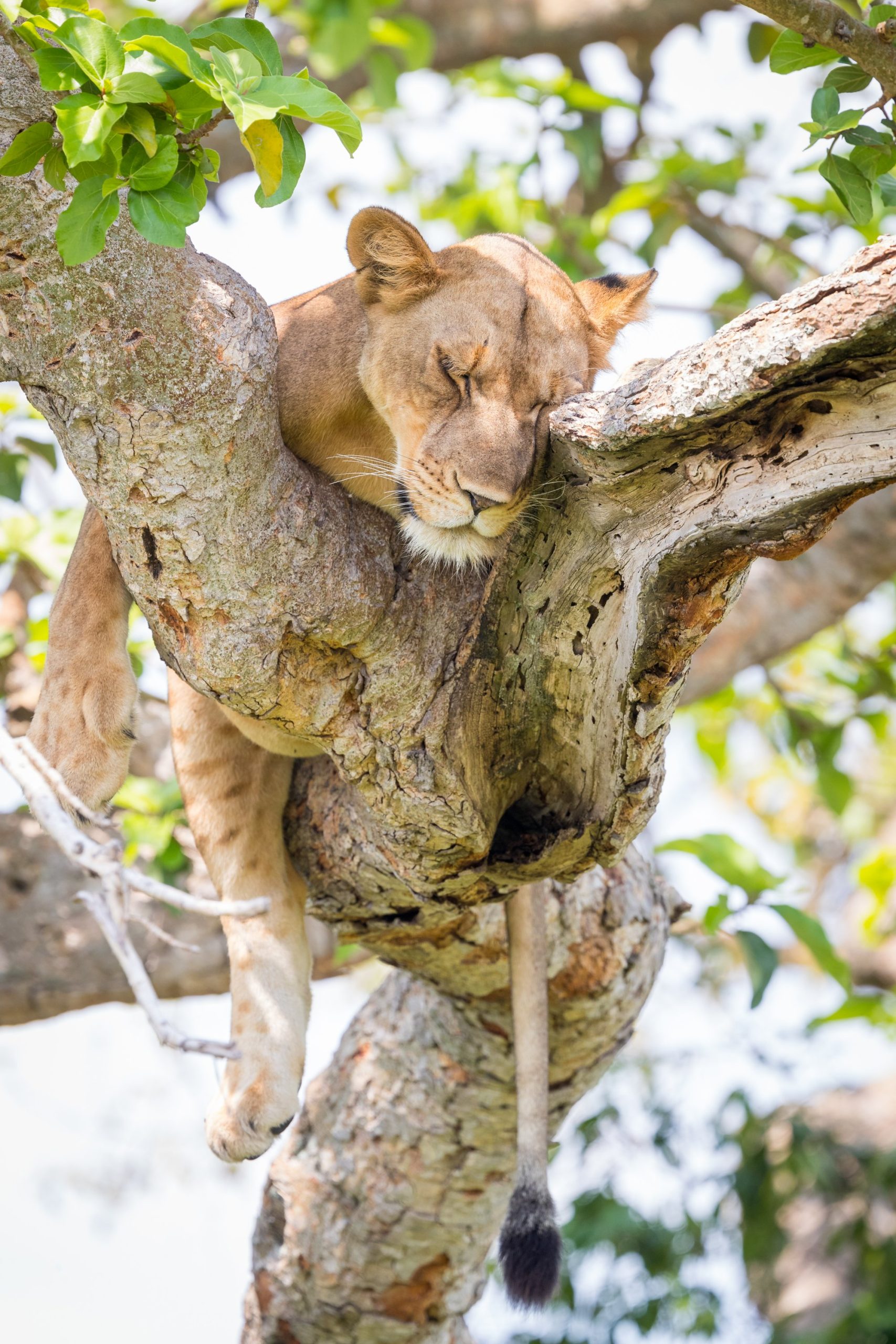
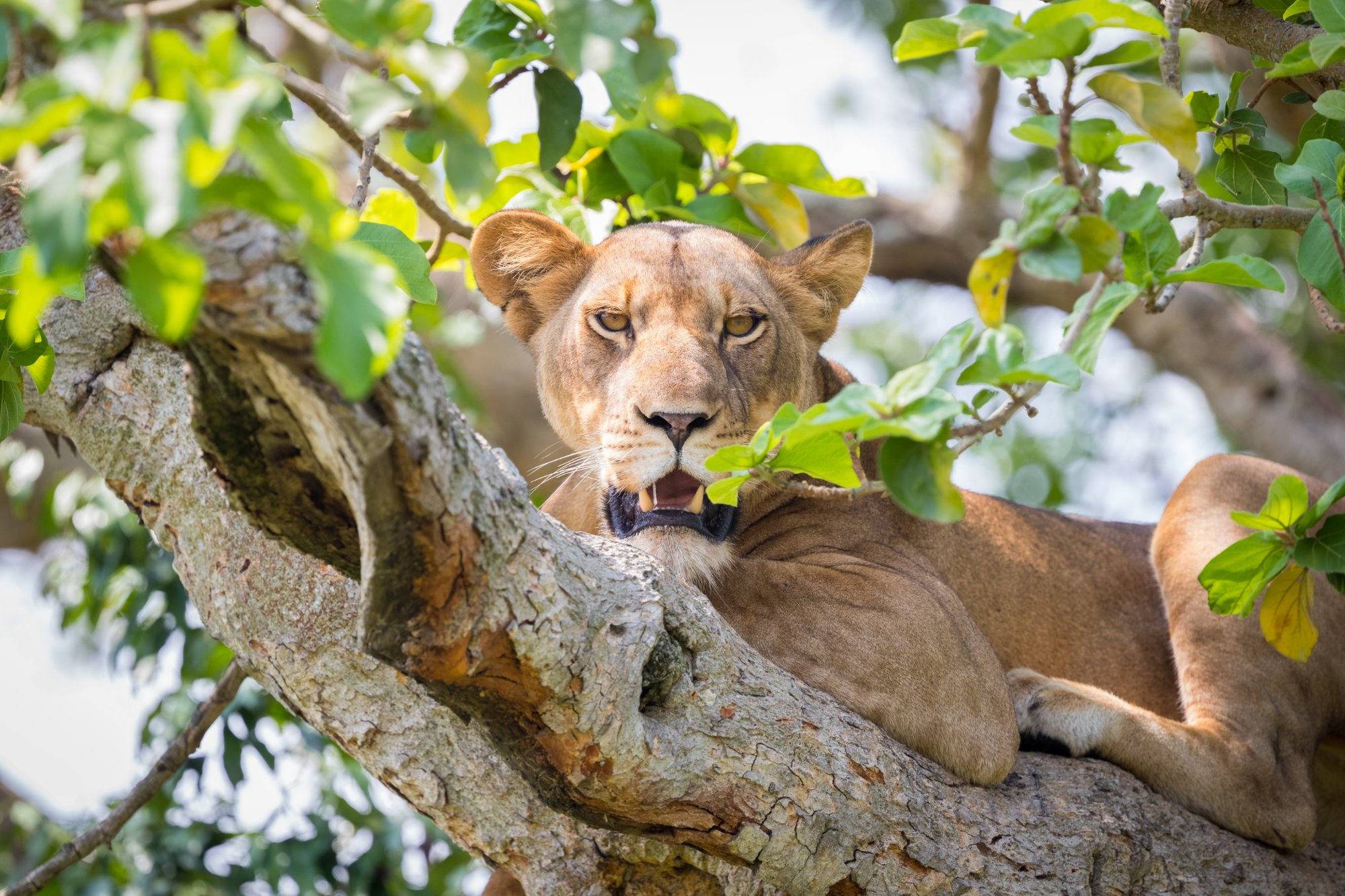
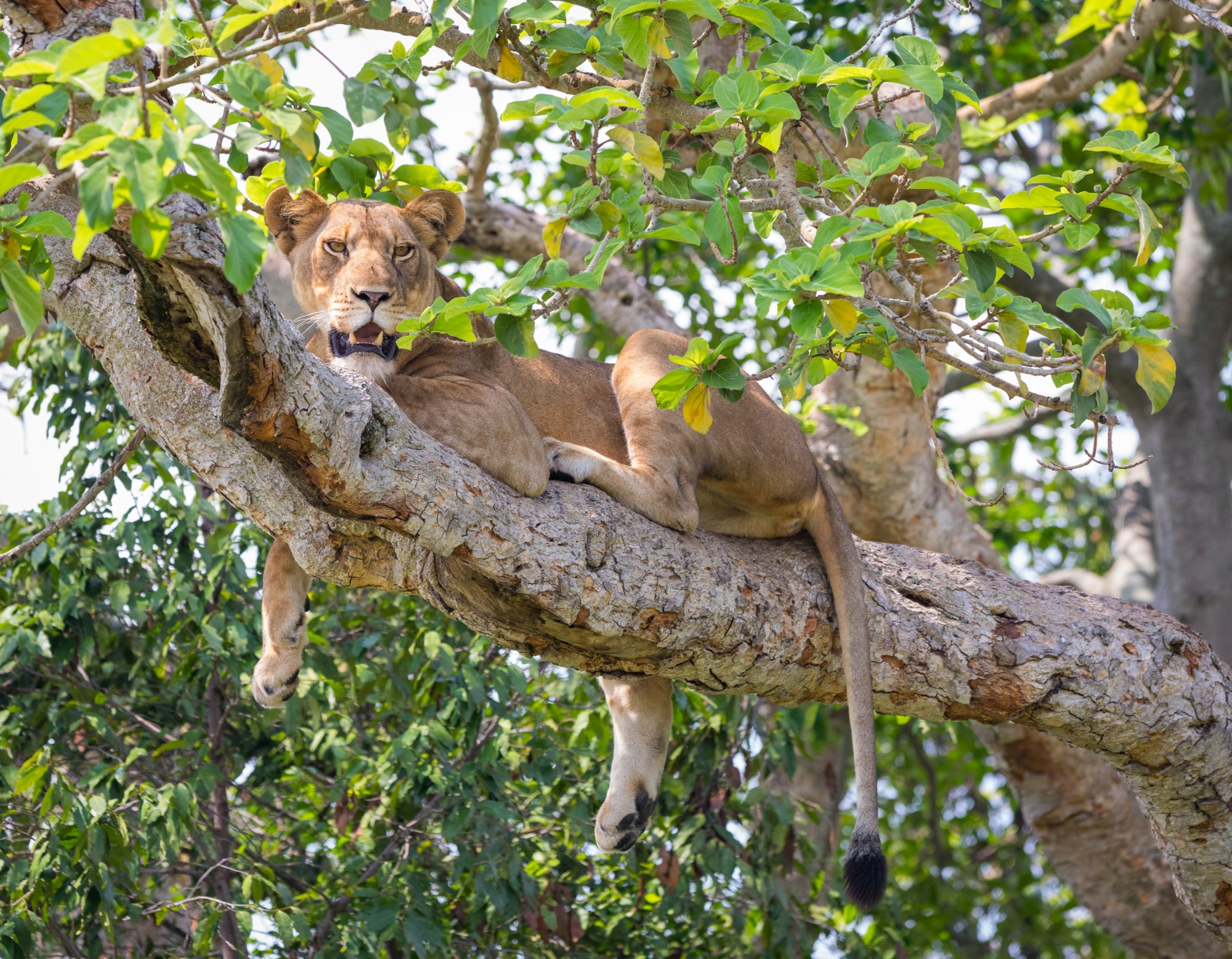
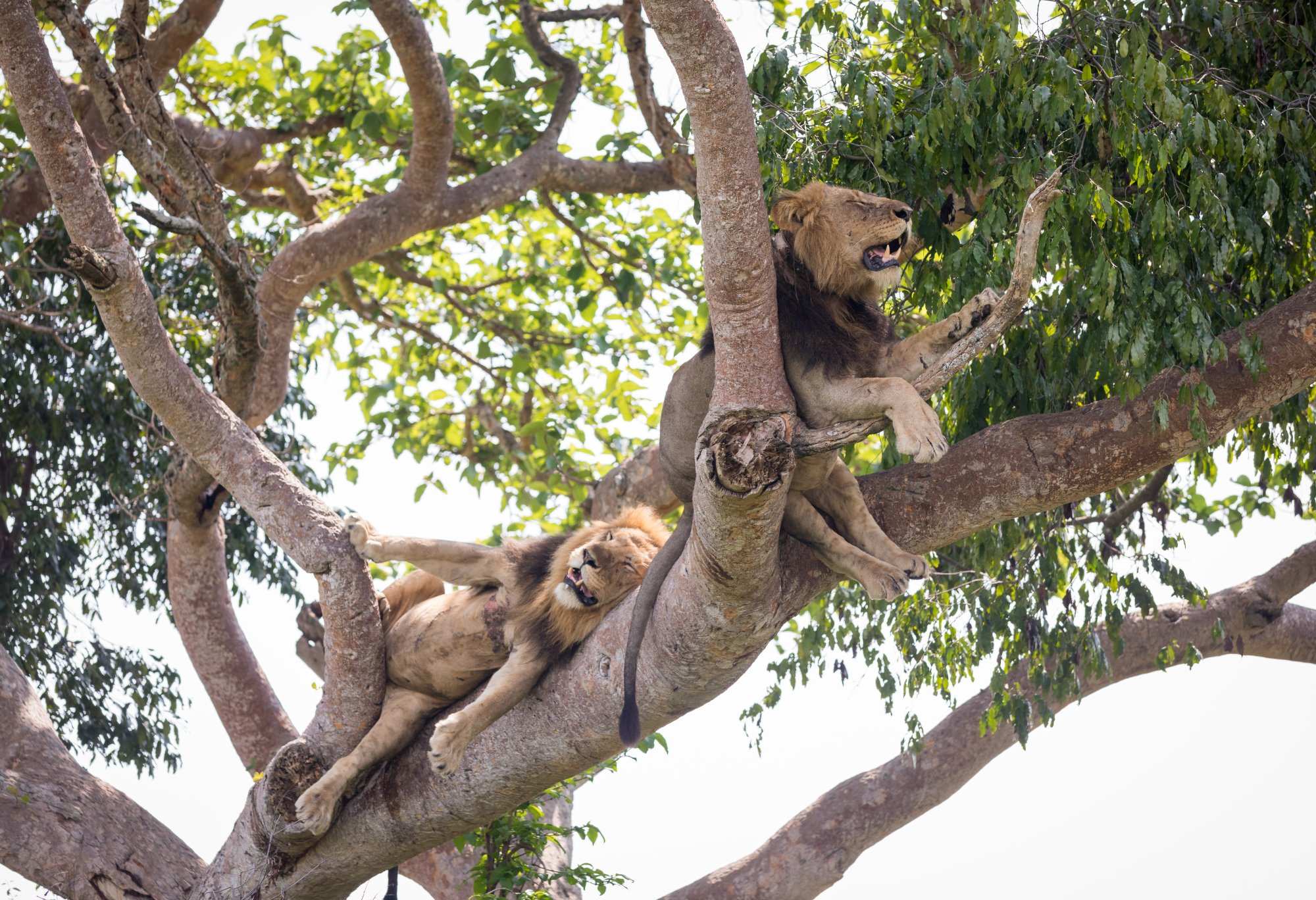
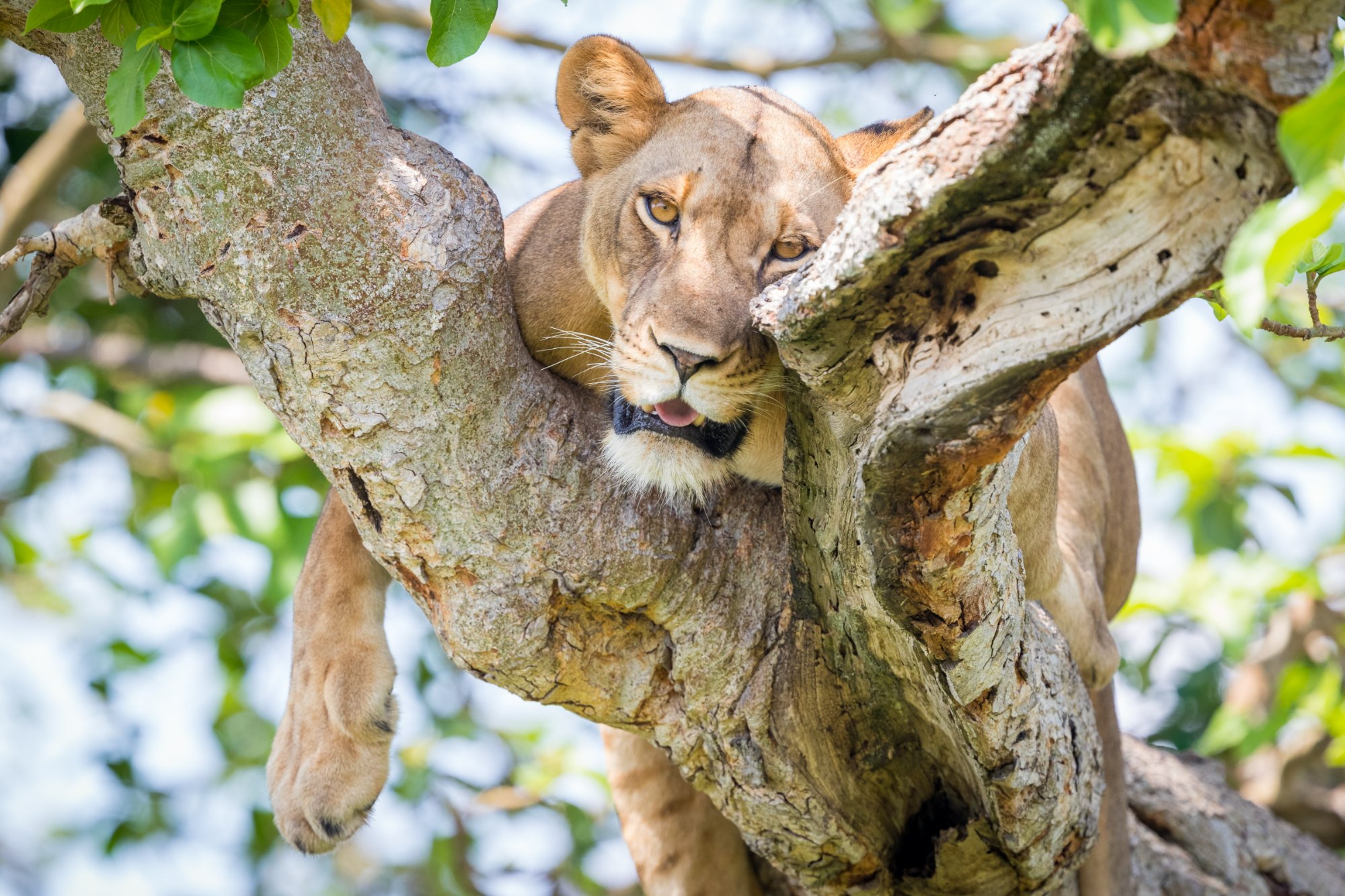
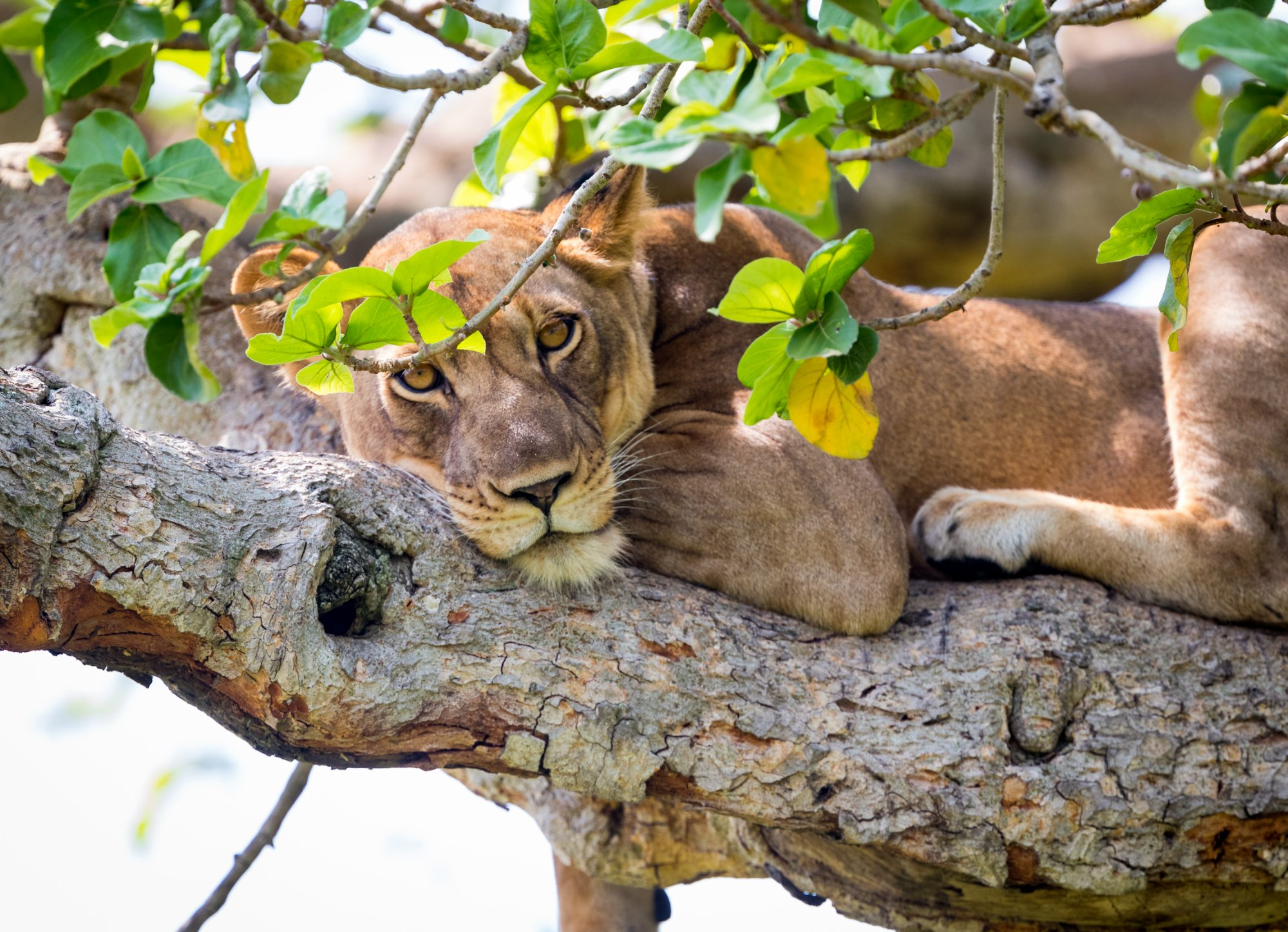
Perhaps the park’s most iconic wildlife experience is found in the southern Ishasha sector. Unlike lions elsewhere, the prides here have developed the unique behavior of climbing into large fig trees to escape the midday heat and evade biting flies. Observing these magnificent predators lounging effortlessly on sturdy branches is a breathtaking highlight of any Ugandan safari. This mystical phenomenon is limited to only two populations in the world, making Ishasha a truly unique theater of predator behavior that continues to attract researchers and photographers seeking unparalleled intimacy with the wild.
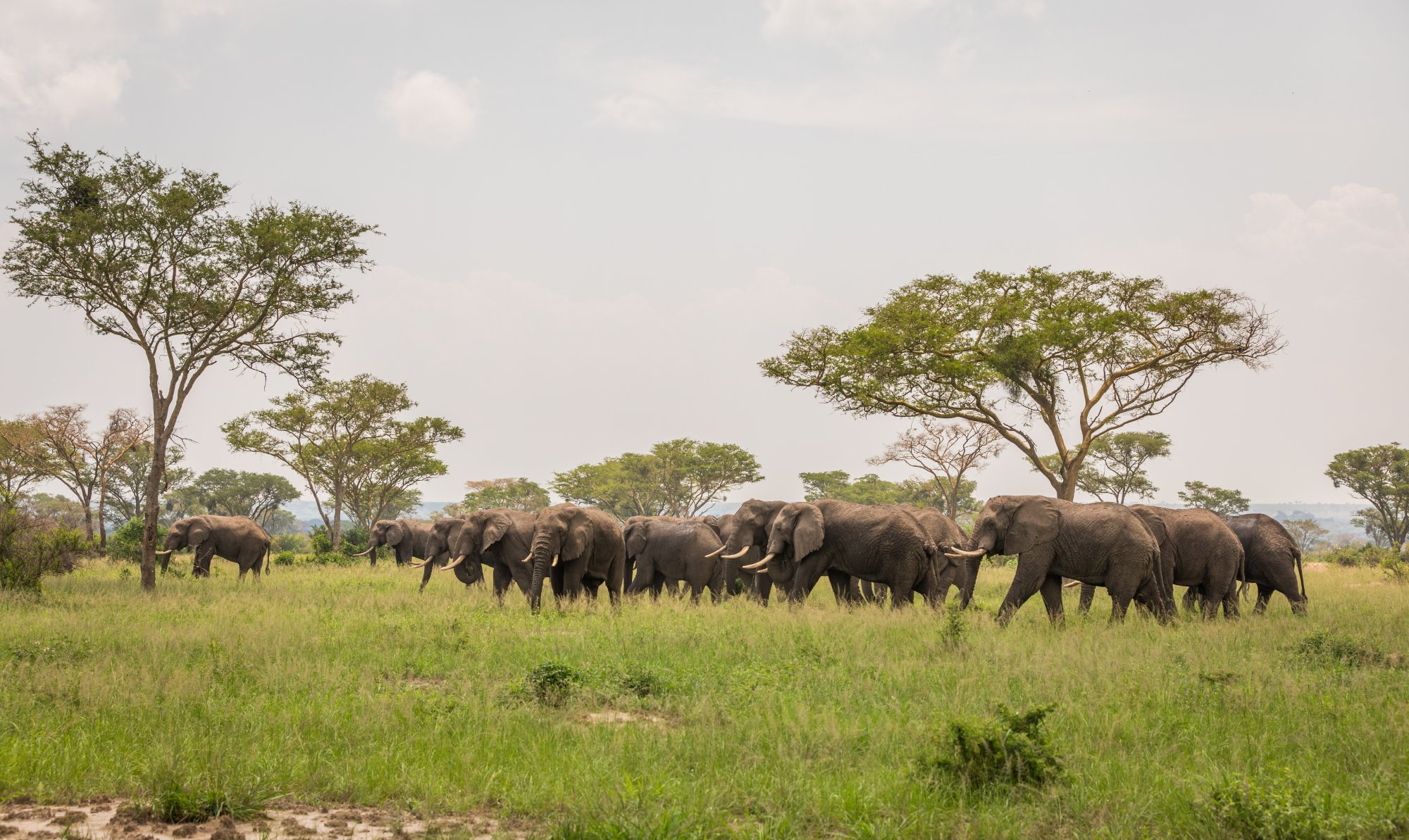
Dividing the park into its northern and southern sectors, the 32-kilometer Kazinga Channel connects Lake George and Lake Edward. This natural waterway is a vibrant magnet for wildlife, boasting one of the world’s largest concentrations of hippos and massive Nile crocodiles. It is frequently visited by large herds of elephants and buffalo descending from the plains for a serene afternoon drink. A boat cruise along the channel provides an unparalleled perspective of the park’s aquatic life, offering spectacular vantage points for photography and thoroughly researched insights into the riverine ecosystem.
The lush, forested areas of the park—particularly the Kyambura Gorge, also known as the ‘Valley of Apes’—provide a habitat for ten species of primates. This 100-meter deep fissure in the savannah is a mystical world of its own, where the calls of habituated chimpanzees echo off the canyon walls. Walking through this primeval riverine forest is a visceral experience, offering a stark contrast to the open plains above. The gorge is a vibrant sanctuary for Chimpanzees, Black-and-white Colobus, and Red-tailed monkeys, creating an active theater of biological diversity that is thoroughly researched by conservationists.
With over 600 recorded species, Queen Elizabeth is a premier destination for ornithologists. This is the highest concentration of bird life in any national park in East Africa, ranging from the majestic Shoebill Stork to the vibrant African Skimmer. The park’s varied habitats—the salt lakes of Katwe, the wetlands of Lake George, and the savannah of Kasenyi—ensure a spectacular variety of sightings. Whether you are tracking the Lesser Flamingo across the crater lakes or spotting the Martial Eagle soaring over the plains, the avian life here is a shining testament to the park’s ecological grandeur.
The park’s dramatic topography is a direct result of ancient volcanic activity that shaped the rift valley floor. Visitors can explore the Katwe Explosion Craters, a stunning series of volcanic craters and lakes that offer some of the most panoramic vistas in the country. These craters stand as silent, breathtaking witnesses to the powerful geological forces that carved this landscape over ancient millennia. The salt extraction at Lake Katwe provides a vibrant cultural insight into the livelihoods of the local people, who have used thoroughly researched traditional methods to harvest salt for centuries.
At Ripple Safaris, we provide more than just a tour; we offer a thoroughly researched immersion into Queen Elizabeth’s untamed heart. Our expert guides know every hidden track in the Kasenyi plains and every secret lagoon along the Kazinga, ensuring your journey is as accurate as it is exhilarating. Whether you are tracking lions with researchers or enjoying a serene sunset over the Rwenzori foothills, Queen Elizabeth is a shining jewel that will leave you with a breathtaking sense of wonder and a majestic connection to the wild heart of Africa.
Step aboard our custom-designed safari boat for an unparalleled 2-hour journey along the Kazinga Channel, the vibrant heart of the park. This 32-kilometer waterway is a legendary sanctuary for aquatic life, boasting one of the highest densities of hippopotamus and Nile crocodiles in the world. As you glide along the serene waters, you will witness spectacular herds of elephants and buffaloes congregating on the banks, providing breathtaking opportunities for high-quality wildlife photography from a unique, low-angle perspective.nnOur expert naturalists provide thoroughly researched commentary on the complex interactions between the park's predators and the aquatic giants. You will learn about the ancient geological history of the channel and its role as a vital corridor between Lake George and Lake Edward. The birdlife is equally spectacular, with hundreds of kingfishers, pelicans, and African fish eagles soaring overhead, their vibrant calls creating a mystical soundscape that defines the spirit of Queen Elizabeth National Park.nnFor the ultimate experience, we recommend the late afternoon cruise to catch the majestic light as the sun begins to set over the Rwenzori Mountains. This is a heart-pounding moment of connection with nature, where the water turns to liquid gold and the savannah comes alive with the enticing calls of the wild. It is a shining highlight of any Ripple Safaris itinerary, delivering an authentic and exhilarating look at the world’s most biodiverse river system.
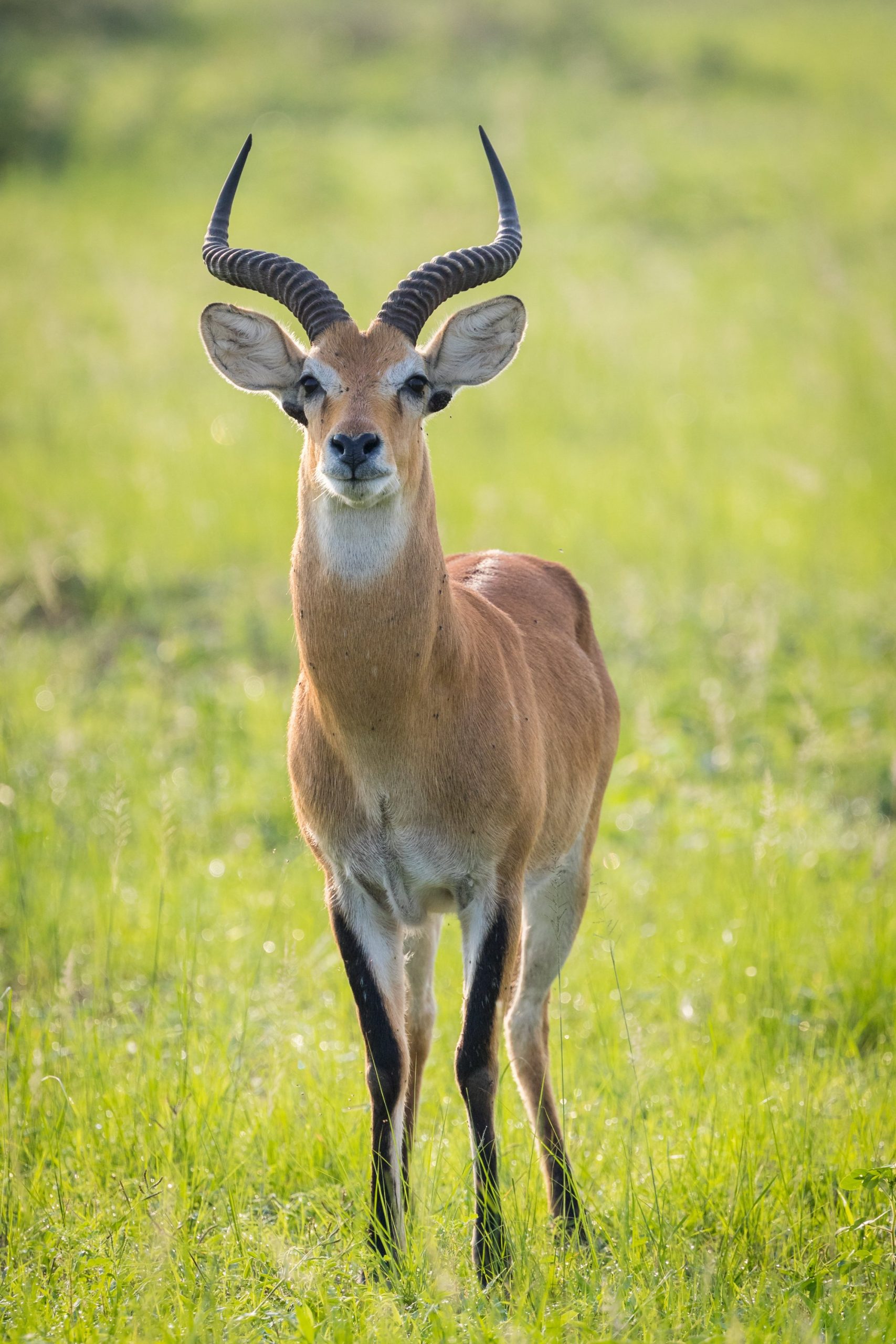
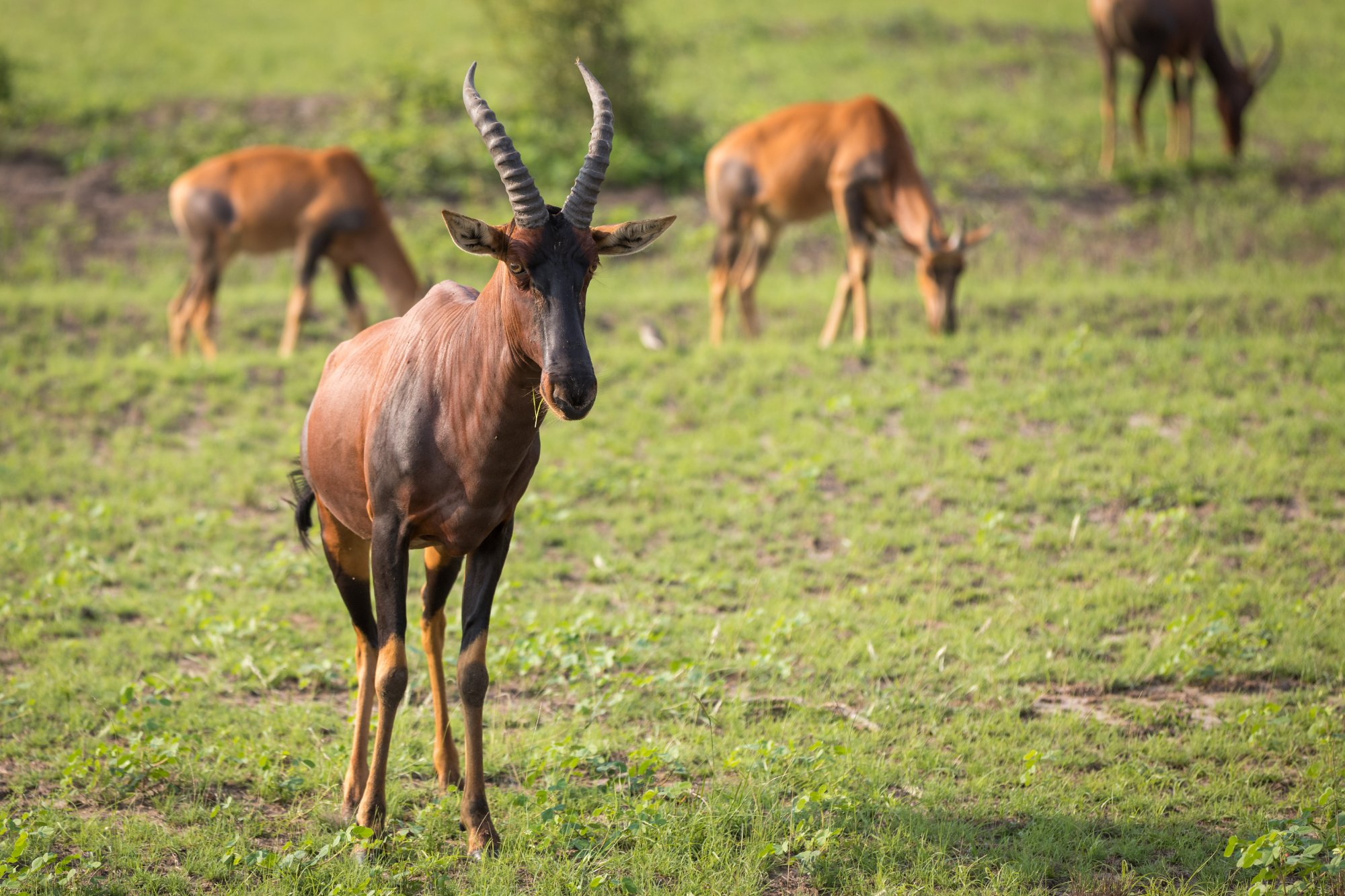
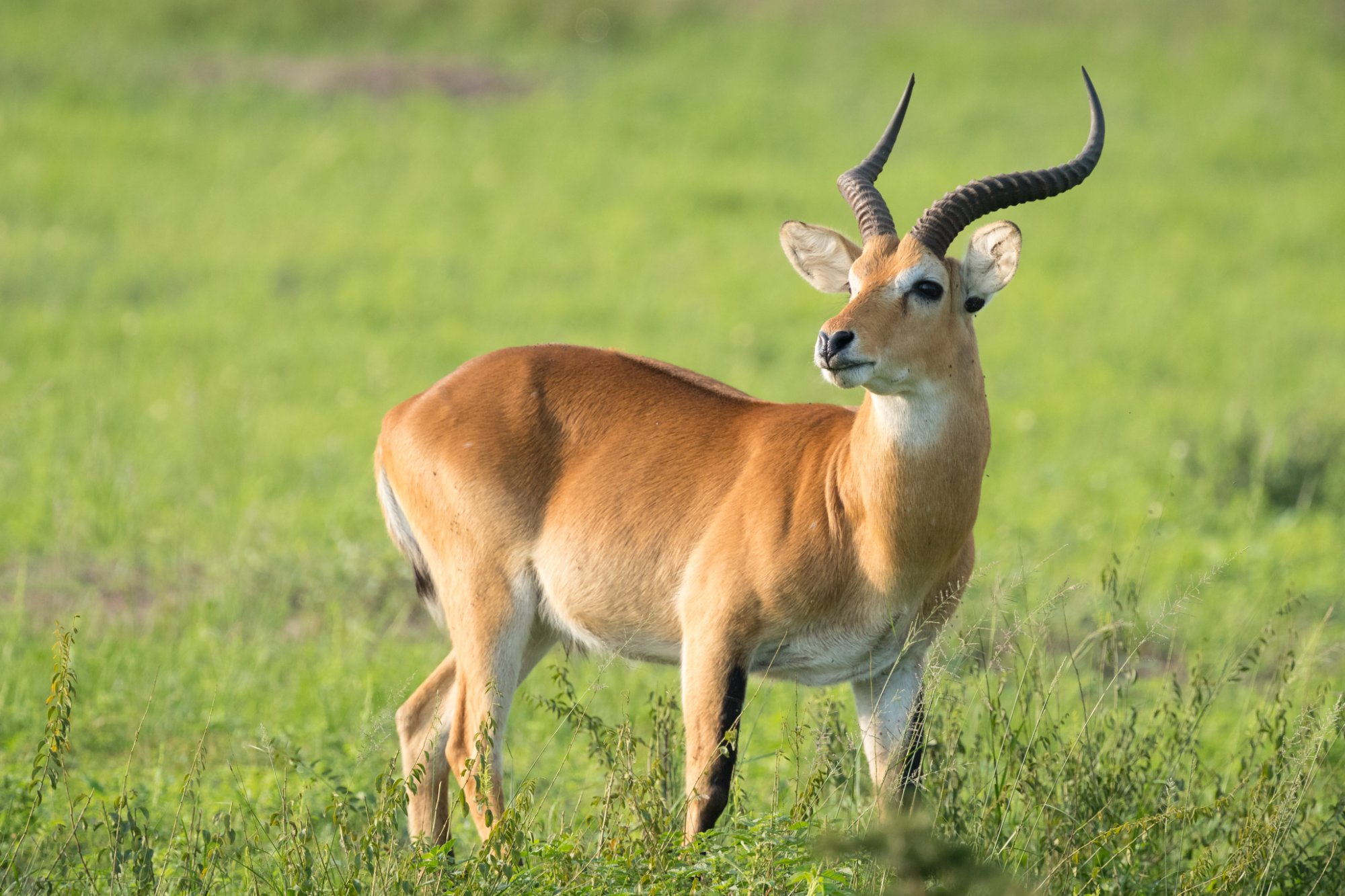
Embark on an intense and exhilarating game drive into the remote Ishasha sector, a majestic savannah landscape famous for its legendary tree-climbing lions. Guided by a Ripple Safaris expert, you will traverse the vibrant plains dotted with ancient fig trees and acacias, where these unique predators have mastered the mystical art of lounging on branches. Finding a pride draped across a massive sycamore tree is a breathtaking and visceral experience that remains one of the rarest wildlife encounters on the African continent.nnOur drives are thoroughly researched to track the territories of these iconic lions, ensuring you have the best possible chance to witness this spectacular behavior. You will gain unparalleled insights into the ecological reasons behind this phenomenon—from avoiding ground-level insects to catching the cool breeze of the savannah. The Ishasha sector is also a sanctuary for large herds of Topi and the graceful Uganda Kob, providing a vibrant and active theater of wildlife drama that is truly unique to southern Queen Elizabeth National Park.nnThis all-day excursion is a heart-pounding adventure for those who seek accuracy and authenticity in their safari exploration. We utilize custom 4x4 vehicles with pop-up roofs to provide 360-degree views of the espectacular scenery. From the rolling savannah to the riverine forests of the Ntungwe River, Ishasha is a primeval treasure that promises a new discovery at every turn. It is a shining jewel of our Ugandan circuits, offering an unparalleled depth of connection to Africa’s masters of the savannah.
Journey through the mystical and breathtaking landscapes of the Katwe-Kikorongo explosion craters, a geological phenomenon that shaped the western arm of the Great Rift Valley. This exhilarating drive takes you across high ridges and deep volcanic valleys, offering unparalleled panoramic views of the park’s lush forests and shimmering crater lakes. Standing at the edge of an ancient caldera, you can feel the primeval energy that carved this spectacular landscape over ancient millennia, providing a truly unique topographical perspective of the park.nnOur expert guides provide thoroughly researched insights into the volcanic history of the region and the unique mineral compositions of lakes like Lake Katwe, where traditional salt mining has occurred for centuries. You will witness the vibrant and active salt extraction process—an enticing and authentic cultural encounter that showcases the resilience of the local communities. The area is also a spectacular sanctuary for birdlife, with many crater lakes attracting thousands of flamingos and other rare water birds, adding a vibrant splash of color to the rugged volcanic terrain.nnThis 3-hour journey is a majestic highlight for photographers and geologists alike, offering breathtaking vistas that stretch across the savannah toward the Rwenzori Mountains. It is a serene and mystical contrast to the high-energy game drives, providing a deeper understanding of the ecological soul of Queen Elizabeth National Park. Join Ripple Safaris for an exhilarating exploration of this primeval landscape, where every viewpoint offers a spectacular new discovery of Uganda’s natural majesty.
| Month | Season | Avg Temp | Rainfall | Rating |
|---|---|---|---|---|
| January | Dry | 15-25°C | Low |
|
| February | Dry | 15-25°C | Low |
|
| March | Wet | 15-25°C | Low |
|
| April | Wet | 15-25°C | Low |
|
| May | Wet | 15-25°C | Low |
|
| June | Dry | 15-25°C | Low |
|
| July | Dry | 15-25°C | Low |
|
| August | Dry | 15-25°C | Low |
|
| September | Wet | 15-25°C | Low |
|
| October | Wet | 15-25°C | Low |
|
| November | Wet | 15-25°C | Low |
|
| December | Dry | 15-25°C | Low |
|
A scenic 6-7 hour drive from Kampala through Fort Portal or Mbarara.
Scheduled flights lands at Mweya or Kasese airstrips.
| Sector | Main Gate | Distance from Kampala | Distance from Kigali |
|---|---|---|---|
| North | "Kasenyi / Mweya" | 420km | N/A |
| South | "Ishasha" | 480km | N/A |
Combine your visit with lion tracking research in the northern sector for a deeper scientific insight.
10 Days / 9 Nights
From
$2,890
"Trust Ripple Safaris to weave your African dream into a reality. Our experts are ready to curate your perfect journey."
Live Safari Chat
Ask anything about tours, permits, dates, or pricing.