Rwanda
Akagera National Park
Explore Akagera National Park in Rwanda for savannah wildlife, wetlands, Lake Ihema boat trips and a conservation-led Big Five safari.
Plan a visit- Best time to travel
- June–September for drier conditions and wildlife viewing
- Size
- 1,122 km²
- Established
- 1934
Akagera National Park in eastern Rwanda protects a landscape of open savannah, woodland, papyrus wetlands and lakes along the Tanzanian border. It is Rwanda’s main savannah safari destination and a striking contrast to the country’s mountain forests. Game drives and boat trips offer different ways to explore this conservation landscape.
Big Five wildlife and Lake Ihema
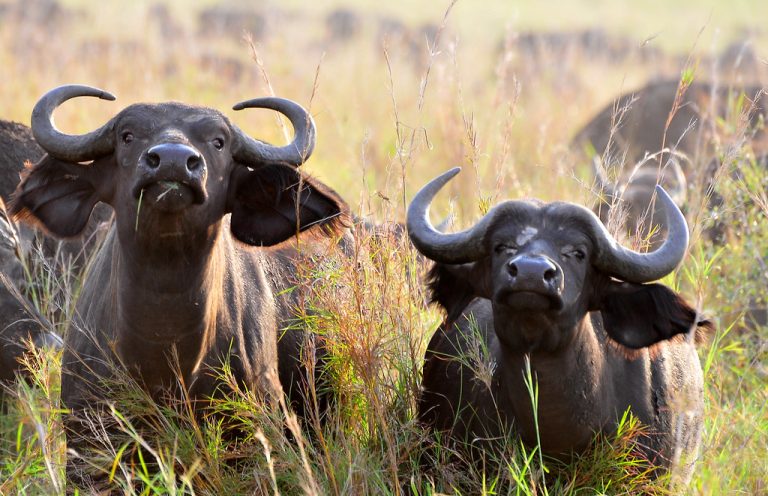
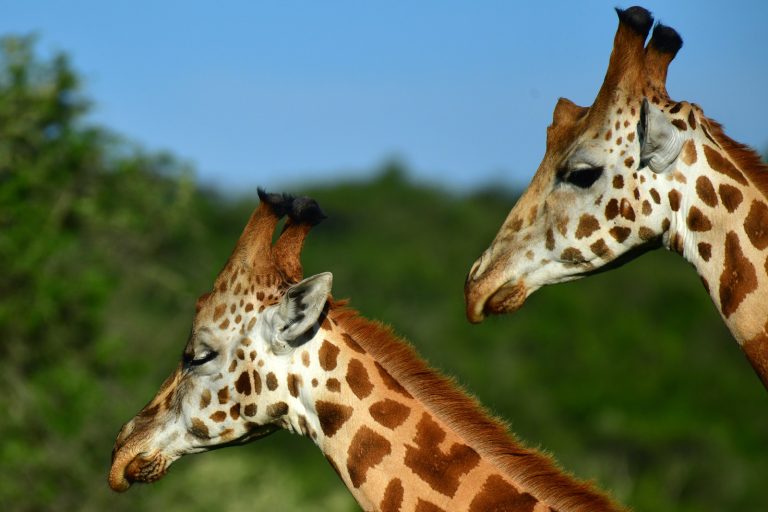
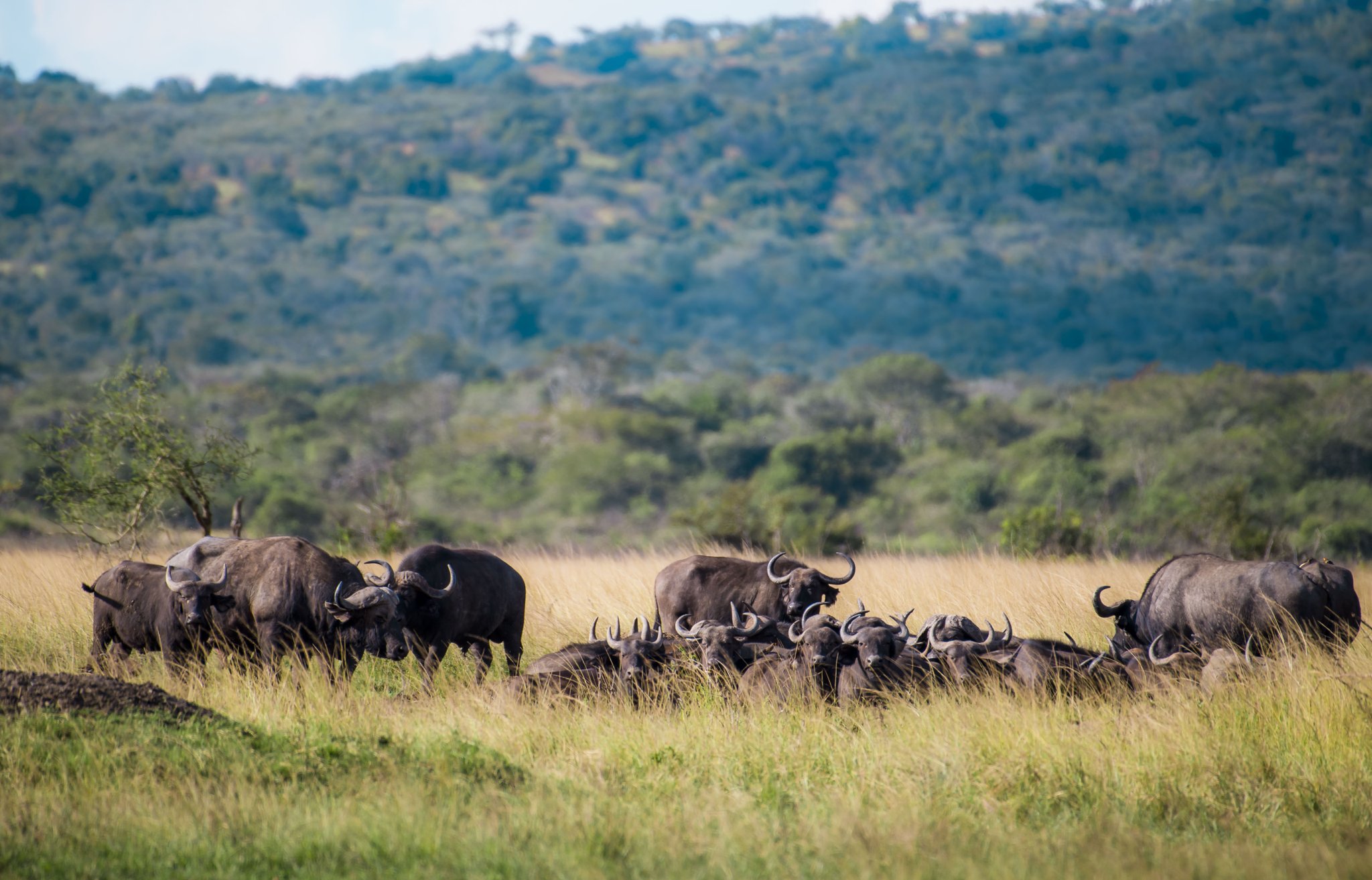
Akagera is home to lion, elephant, buffalo, leopard and rhinoceros, alongside giraffes, zebra, antelope and many bird species. These are wild animals, so sightings vary by location and day. A boat trip on Lake Ihema can reveal hippos, crocodiles and waterbirds; guided drives explore the park’s changing habitats. Ask park management which activities are operating during your visit.
Akagera’s combination of grassland, woodland, wetland and open water makes it an important refuge for Rwanda’s savannah wildlife. The variety also supports excellent birding, with nearly 500 species documented by park management. A guide can help identify animals and explain how different habitats shape the game drive.
Lake Ihema boat trips focus on aquatic life and shoreline birds, while vehicle safaris explore the park’s larger landscape. Each activity has different timing and availability, so plan them with your lodge or park team rather than assuming they can be arranged on arrival.
Plan a conservation-minded safari
Because Akagera covers a large area, allow time for the drive between habitats and consider an overnight stay near the park. Guided game drives help interpret wildlife and conservation work; confirm current self-drive rules if you plan to explore independently. Keep to approved routes and follow park guidance around animals and lakeshores.
Akagera can be explored with an authorized guide or, subject to park rules, by self-drive. Visitors who choose to drive themselves should confirm vehicle requirements, route access and opening hours before setting out, and should never leave the vehicle except where park staff allow it.
Conservation and community partnerships are an important part of the park’s story. Choose responsible operators, follow speed and wildlife-viewing rules, and allow time to travel between areas instead of trying to cover the whole park in one rushed day.
Sources: Visit Rwanda and African Parks.
What to expect
Wildlife
- Mammal species
- 90+
- Bird species
- 500
Akagera’s savannah and wetlands support elephants, giraffes, buffaloes, hippos and a range of antelope and birdlife.
Plants & vegetation
600+ recorded vascular plant species
Open grassland and rolling hills meet acacia woodland, papyrus swamp and a chain of lakes.
Published species totals vary by survey date and coverage. Mammal and bird counts are shown separately; they are not a complete count of every wildlife group.
Main attractions & activities
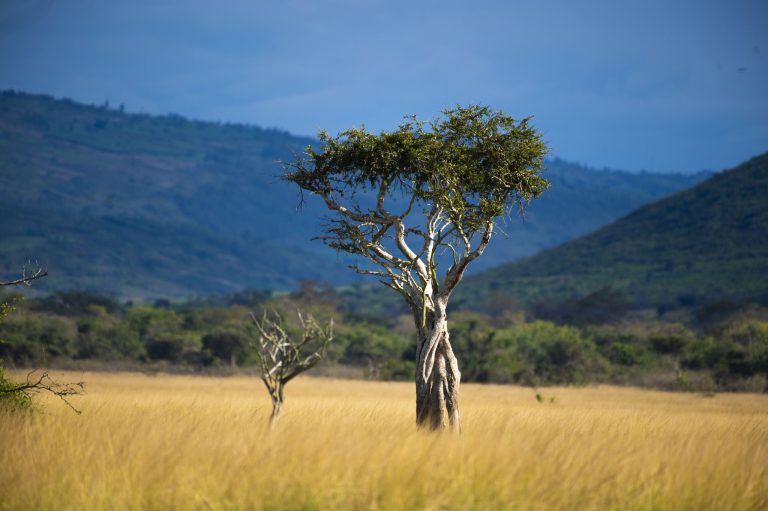
Akagera savannah
Experience Guided game drive
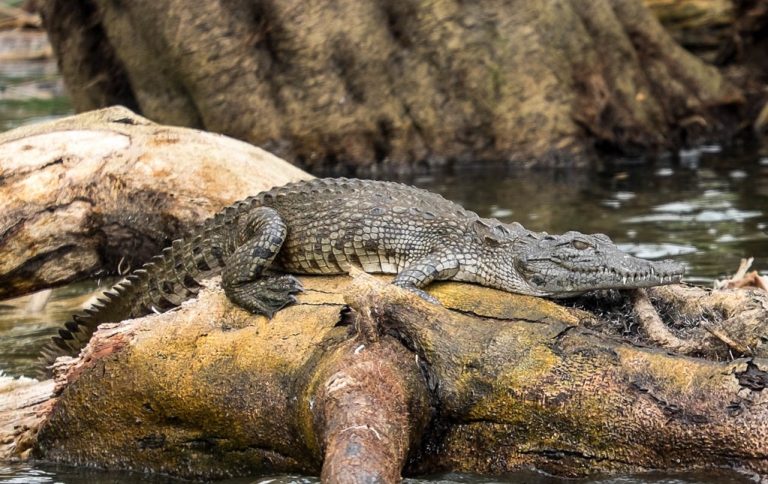
Lake Ihema
Experience Boat trip for hippos and waterbirds

Akagera wilderness
Experience Night drive and birdwatching
Activities & fees
| Activity | Permit or activity fee |
|---|---|
| Guided savannah game drives | Price on request |
| Lake Ihema boat trips | Price on request |
| Night drives | Price on request |
| Wetland birdwatching | Price on request |
These are published authority permit or activity fees for foreign non-resident adults where a rate is available, not complete safari-package prices. Rates can vary by visitor category and travel date; park entry, transport, guides, and operator services may be charged separately. Confirm current rates before booking with the Uganda Wildlife Authority or Rwanda Development Board.
Frequently Asked Questions
01 Can you see the Big Five in Akagera?
Akagera is home to all five: lion, leopard, elephant, buffalo and rhinoceros. Sightings are not guaranteed because animals range freely across the park. At Akagera National Park, this question is best understood in the context of Rwanda’s savannah landscape of woodland, papyrus wetlands and lakes near Tanzania. The information already provided identifies the main point, while the exact experience can vary with location, season, weather, access and wildlife movement. This distinction matters when a visitor is deciding what to expect from a walk, drive or wildlife encounter. Use general descriptions to guide your choices, not as a promise of a specific sighting, route or activity outcome. Before you set out, ask a local guide what conditions are like and which details are confirmed for that day. Allow time for a briefing, the activity and return journey.
Akagera is home to lion, leopard, elephant, buffalo and rhinoceros, as well as giraffes, zebra, antelope and many birds. For a visitor asking “Can you see the Big Five in Akagera?,” planning at Akagera National Park starts by matching accommodation, transport and activity times. The local consideration is coordinate vehicle routes, Lake Ihema boat schedules and enough time between park areas. Confirm the reporting point, expected duration, suitable clothing and equipment, and current permit, age, health or safety requirements with park staff or an authorized operator. Travel may take longer than a map suggests when roads are rough, trails are steep or sites lie in different sectors. Share mobility, fitness or health concerns before booking so recommendations can reflect the route you intend to take. Leave a flexible margin around the experience, since weather, wildlife movement and park operations can change.
Wildlife ranges across a large park, so sightings depend on route, timing and luck rather than a guaranteed checklist. Responsible travel at Akagera National Park means treating the landscape as a living habitat rather than a predictable attraction. Visitors should keep in mind savannah wildlife, wetlands, community partnerships and low-impact game viewing. Follow ranger instructions, stay on approved trails and roads, give wildlife room, and never feed, call or crowd animals. For any community visit, choose a locally led experience, ask permission before taking photographs and respect guidance about what is appropriate to share. Check schedules, fees, permits and access with the relevant park authority shortly before departure, because details can change. A knowledgeable guide can explain conservation context and adjust plans to conditions, making a visit safer and more respectful.
02 Can I take a boat trip in Akagera?
Boat trips on Lake Ihema are a popular activity, with opportunities to see hippos, crocodiles and waterbirds. Confirm schedules and availability with park management. At Akagera National Park, this question is best understood in the context of Rwanda’s savannah landscape of woodland, papyrus wetlands and lakes near Tanzania. The information already provided identifies the main point, while the exact experience can vary with location, season, weather, access and wildlife movement. This distinction matters when a visitor is deciding what to expect from a walk, drive or wildlife encounter. Use general descriptions to guide your choices, not as a promise of a specific sighting, route or activity outcome. Before you set out, ask a local guide what conditions are like and which details are confirmed for that day. Allow time for a briefing, the activity and return journey.
Lake Ihema boat trips focus on the lake's hippos, crocodiles and waterbirds. For a visitor asking “Can I take a boat trip in Akagera?,” planning at Akagera National Park starts by matching accommodation, transport and activity times. The local consideration is coordinate vehicle routes, Lake Ihema boat schedules and enough time between park areas. Confirm the reporting point, expected duration, suitable clothing and equipment, and current permit, age, health or safety requirements with park staff or an authorized operator. Travel may take longer than a map suggests when roads are rough, trails are steep or sites lie in different sectors. Share mobility, fitness or health concerns before booking so recommendations can reflect the route you intend to take. Leave a flexible margin around the experience, since weather, wildlife movement and park operations can change.
Confirm the current schedule with park management and arrive at the meeting point with enough time for check-in. Responsible travel at Akagera National Park means treating the landscape as a living habitat rather than a predictable attraction. Visitors should keep in mind savannah wildlife, wetlands, community partnerships and low-impact game viewing. Follow ranger instructions, stay on approved trails and roads, give wildlife room, and never feed, call or crowd animals. For any community visit, choose a locally led experience, ask permission before taking photographs and respect guidance about what is appropriate to share. Check schedules, fees, permits and access with the relevant park authority shortly before departure, because details can change. A knowledgeable guide can explain conservation context and adjust plans to conditions, making a visit safer and more respectful.
03 Is Akagera a savannah park?
Yes. Akagera protects savannah as well as woodland, wetlands and lakes, which together support a wide range of wildlife and birdlife. At Akagera National Park, this question is best understood in the context of Rwanda’s savannah landscape of woodland, papyrus wetlands and lakes near Tanzania. The information already provided identifies the main point, while the exact experience can vary with location, season, weather, access and wildlife movement. This distinction matters when a visitor is deciding what to expect from a walk, drive or wildlife encounter. Use general descriptions to guide your choices, not as a promise of a specific sighting, route or activity outcome. Before you set out, ask a local guide what conditions are like and which details are confirmed for that day. Allow time for a briefing, the activity and return journey.
Akagera protects savannah along with woodland, wetlands and lakes, creating a varied habitat for wildlife. For a visitor asking “Is Akagera a savannah park?,” planning at Akagera National Park starts by matching accommodation, transport and activity times. The local consideration is coordinate vehicle routes, Lake Ihema boat schedules and enough time between park areas. Confirm the reporting point, expected duration, suitable clothing and equipment, and current permit, age, health or safety requirements with park staff or an authorized operator. Travel may take longer than a map suggests when roads are rough, trails are steep or sites lie in different sectors. Share mobility, fitness or health concerns before booking so recommendations can reflect the route you intend to take. Leave a flexible margin around the experience, since weather, wildlife movement and park operations can change.
The changing landscape means a game drive can feel different from one sector to another; allow time to explore at a relaxed pace. Responsible travel at Akagera National Park means treating the landscape as a living habitat rather than a predictable attraction. Visitors should keep in mind savannah wildlife, wetlands, community partnerships and low-impact game viewing. Follow ranger instructions, stay on approved trails and roads, give wildlife room, and never feed, call or crowd animals. For any community visit, choose a locally led experience, ask permission before taking photographs and respect guidance about what is appropriate to share. Check schedules, fees, permits and access with the relevant park authority shortly before departure, because details can change. A knowledgeable guide can explain conservation context and adjust plans to conditions, making a visit safer and more respectful.
04 Can I self-drive in Akagera National Park?
Akagera can be explored by vehicle, including self-drive where permitted under current park rules. At Akagera National Park, this question is best understood in the context of Rwanda’s savannah landscape of woodland, papyrus wetlands and lakes near Tanzania. The information already provided identifies the main point, while the exact experience can vary with location, season, weather, access and wildlife movement. This distinction matters when a visitor is deciding what to expect from a walk, drive or wildlife encounter. Use general descriptions to guide your choices, not as a promise of a specific sighting, route or activity outcome. Before you set out, ask a local guide what conditions are like and which details are confirmed for that day. Allow time for a briefing, the activity and return journey.
Drivers should confirm vehicle requirements, opening times, route access and any booking steps with park management before arrival. For a visitor asking “Can I self-drive in Akagera National Park?,” planning at Akagera National Park starts by matching accommodation, transport and activity times. The local consideration is coordinate vehicle routes, Lake Ihema boat schedules and enough time between park areas. Confirm the reporting point, expected duration, suitable clothing and equipment, and current permit, age, health or safety requirements with park staff or an authorized operator. Travel may take longer than a map suggests when roads are rough, trails are steep or sites lie in different sectors. Share mobility, fitness or health concerns before booking so recommendations can reflect the route you intend to take. Leave a flexible margin around the experience, since weather, wildlife movement and park operations can change.
Stay on approved roads, follow speed limits and do not leave the vehicle except where park staff permit it. Responsible travel at Akagera National Park means treating the landscape as a living habitat rather than a predictable attraction. Visitors should keep in mind savannah wildlife, wetlands, community partnerships and low-impact game viewing. Follow ranger instructions, stay on approved trails and roads, give wildlife room, and never feed, call or crowd animals. For any community visit, choose a locally led experience, ask permission before taking photographs and respect guidance about what is appropriate to share. Check schedules, fees, permits and access with the relevant park authority shortly before departure, because details can change. A knowledgeable guide can explain conservation context and adjust plans to conditions, making a visit safer and more respectful.
05 What wildlife can I see in Akagera besides the Big Five?
The park also supports giraffes, zebra, antelope, primates and nearly 500 recorded bird species. At Akagera National Park, this question is best understood in the context of Rwanda’s savannah landscape of woodland, papyrus wetlands and lakes near Tanzania. The information already provided identifies the main point, while the exact experience can vary with location, season, weather, access and wildlife movement. This distinction matters when a visitor is deciding what to expect from a walk, drive or wildlife encounter. Use general descriptions to guide your choices, not as a promise of a specific sighting, route or activity outcome. Before you set out, ask a local guide what conditions are like and which details are confirmed for that day. Allow time for a briefing, the activity and return journey.
Wetlands and lakes provide habitat for hippos, crocodiles and waterbirds, while savannah and woodland hold other wildlife. For a visitor asking “What wildlife can I see in Akagera besides the Big Five?,” planning at Akagera National Park starts by matching accommodation, transport and activity times. The local consideration is coordinate vehicle routes, Lake Ihema boat schedules and enough time between park areas. Confirm the reporting point, expected duration, suitable clothing and equipment, and current permit, age, health or safety requirements with park staff or an authorized operator. Travel may take longer than a map suggests when roads are rough, trails are steep or sites lie in different sectors. Share mobility, fitness or health concerns before booking so recommendations can reflect the route you intend to take. Leave a flexible margin around the experience, since weather, wildlife movement and park operations can change.
Species and sightings vary by area and season, so consider a guided drive or boat trip for different habitat perspectives. Responsible travel at Akagera National Park means treating the landscape as a living habitat rather than a predictable attraction. Visitors should keep in mind savannah wildlife, wetlands, community partnerships and low-impact game viewing. Follow ranger instructions, stay on approved trails and roads, give wildlife room, and never feed, call or crowd animals. For any community visit, choose a locally led experience, ask permission before taking photographs and respect guidance about what is appropriate to share. Check schedules, fees, permits and access with the relevant park authority shortly before departure, because details can change. A knowledgeable guide can explain conservation context and adjust plans to conditions, making a visit safer and more respectful.