
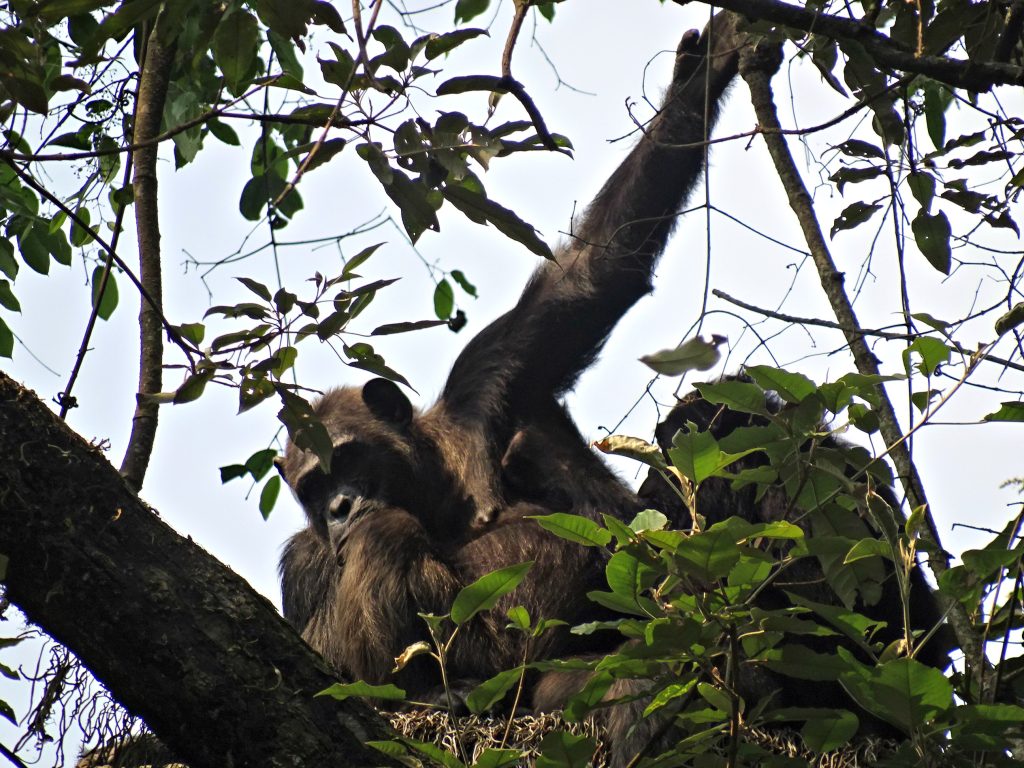
Chimpanzee Trekking in Rwanda: The Complete Nyungwe Forest Guide
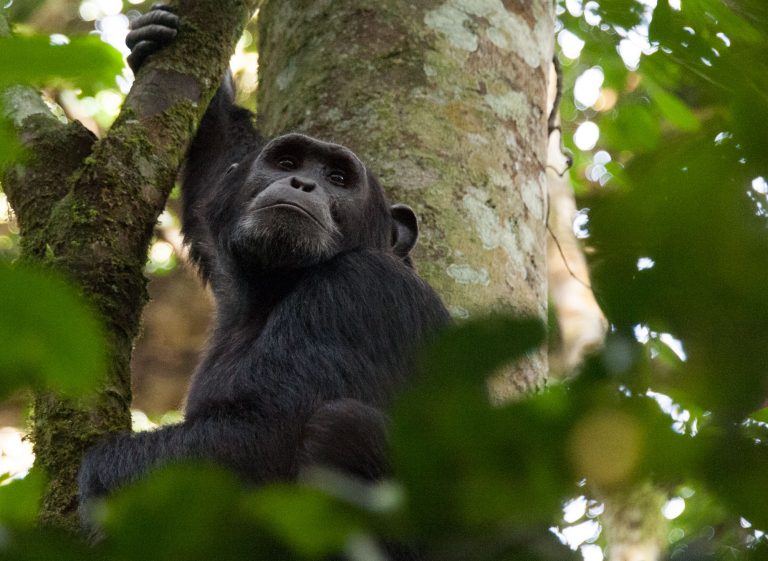
Chimpanzee trekking in Rwanda takes you into Nyungwe Forest at first light, where calls echo through the trees and trackers help your guide follow a wild chimpanzee community. The walk can be muddy, steep and unpredictable. That is part of what makes the encounter feel real: these are wild animals, moving on their own terms.
This guide from Ripple Safaris explains where chimpanzee trekking takes place, what the day is like, how to plan your permit and transport, what to pack, and how to make the most of a visit to Nyungwe National Park.
Chimpanzee trekking in Rwanda at a glance
- Where: Nyungwe National Park in southwest Rwanda, including forest sectors used for guided tracking.
- Start: Very early, usually around 5:00–5:30 a.m.; follow the reporting time on your confirmed booking.
- How long: The search can take a few hours or longer. The walk depends on where the chimpanzees are that morning.
- Time with chimpanzees: Up to one hour after the group finds them, under park rules.
- Difficulty: Moderate to strenuous, with uneven, steep and sometimes slippery trails.
- Best planning tip: Confirm your permit, trekking sector, meeting point and current fees before you travel.
Where can you see chimpanzees in Rwanda?
Nyungwe is Rwanda’s best-known destination for chimpanzee trekking. This high-altitude rainforest protects a remarkable range of plants, birds and primates. Chimpanzees live in the forest, but they do not stay in one place for visitors. They travel to feed, rest and socialize, so the trek follows their movements rather than a fixed trail or timetable.
Park staff assign visitors to a trekking area and guide each group. The precise meeting point and forest sector can vary with the permit and daily arrangements. Ask for these details when booking; do not assume every trek leaves from the same gate or follows the same route.
Nyungwe is also known for its canopy walkway, forest hikes, birdwatching and other primates. A chimp trek is not a zoo visit or a guaranteed close-up. It is a guided search in a living forest, and the experience changes from day to day.
What happens on a chimpanzee trekking tour?
Your day starts before sunrise. After an early drive to the designated briefing point, park staff explain the rules and introduce the guides. Trackers who have been out earlier help locate the chimpanzees. Your group then follows the guide into the forest.
You may hear chimpanzees calling before you see them. Once the group catches up, the animals may be feeding, grooming, climbing, resting or moving quickly through the canopy. Your guide will help you watch without crowding them. The viewing period is limited to up to one hour, giving you time to observe natural behaviour while keeping disturbance low.
The trek itself may be short or demanding. Chimpanzees move fast across large areas, and the forest floor can be slick with mud, roots and leaves. Plan for several hours outdoors, stay with your guide and expect the pace to change.
Are chimpanzee sightings guaranteed?
No wildlife operator can honestly guarantee a sighting. Trackers and guides work to find the chimpanzees, but these are wild animals in dense forest. They may be far away, high in the canopy or moving when your group reaches them. Keep expectations flexible: the forest, the calls and the guide’s knowledge are part of the experience, even when the animals are difficult to see.
When is the best time for chimpanzee trekking in Rwanda?
You can trek in Nyungwe throughout the year. Drier periods can make some trails easier to walk, while rainier periods may bring muddier conditions and lush green scenery. Rain can fall in a rainforest in any season, so no month guarantees dry weather or an easier trek.
Choose dates that work for your wider Rwanda trip, then prepare for wet ground and changing weather. If you have fixed travel dates, arrange permits and accommodation early. Before departure, confirm your sector, start time and any current park guidance with your tour operator.
Chimpanzee trekking permit and costs
A valid permit is required to track chimpanzees in Nyungwe. Permit rates and inclusions can change, and the amount you pay may depend on your residency or citizenship category, the travel date and the current tariff. Check the current Rwanda Development Board booking information before paying; do not rely on an old price quoted in a blog post.
When comparing a tour price, ask whether it includes the chimpanzee permit, park entry, transport, accommodation, meals, guide services and any other planned activity. Clarify which costs are not included, such as personal purchases, tips or optional experiences. Ripple Safaris can help you coordinate the trip and confirm the arrangements for your dates.
Permits are date-specific and availability can be limited. Book as early as your plans allow, especially if your itinerary has little flexibility. Share your preferred dates and group details with your operator before making non-refundable travel arrangements.
How to plan your trip to Nyungwe
Nyungwe lies in Rwanda’s southwest, several hours by road from Kigali. The drive is scenic, but it is too long to treat as a quick morning transfer before an early trek. Stay near the park the night before tracking so you can reach the correct briefing point on time.
A two- or three-day visit gives you a more relaxed pace than trying to rush in and out. Many travellers pair the chimpanzee trek with the canopy walkway or another guided forest activity. These are separate experiences with their own arrangements, so confirm whether they are included in your itinerary.
For a ready-made option, see Ripple Safaris’ 3-day Rwanda chimpanzee trekking and canopy walk tour. You can also browse our Rwanda safari ideas or contact Ripple Safaris to plan your trip.
What should you pack?
- Hiking boots: Choose sturdy shoes with good grip and wear them before your trek.
- Long trousers and long sleeves: They help protect your skin from vegetation and insects.
- Rain jacket: Pack a light waterproof layer even if the forecast looks clear.
- Water and snacks: Carry enough for the hike, following your guide’s instructions about eating near wildlife.
- Small daypack: Keep your hands free and protect your belongings from rain.
- Camera or phone: Keep it ready, follow the guide’s photography rules and never use flash.
- Walking stick and gloves: A stick can help on slippery ground; light gloves can protect your hands on rough vegetation.
Ask your operator whether a porter is available and what the current fee is. A porter can carry your daypack and offer a steady hand on difficult sections; hiring one also supports local livelihoods.
Rules that protect you and the chimpanzees
Chimpanzees are vulnerable to human illness, so never join the trek if you feel unwell. Follow the guide’s instructions, keep the required distance, speak quietly and do not touch, feed or surround the animals. Avoid flash photography. If a chimpanzee approaches, stay calm and let the guide direct you. These rules protect both visitors and wildlife.
Good trekking etiquette also means staying with your group, carrying out rubbish and giving the animals room to move. Your guide is responsible for the encounter; do not step off to get a closer photograph.
Is chimpanzee trekking in Rwanda difficult?
It can be physically demanding. Trails may climb and descend over uneven ground, and wet conditions make footing harder. You do not need to be an elite hiker, but you should be comfortable walking for several hours at a variable pace. Tell your operator about mobility or health concerns before booking so they can explain the options and current requirements.
How to choose a Rwanda chimpanzee trekking tour
A good tour is more than a permit and a vehicle. Before you book, check that the itinerary gives you enough time to reach Nyungwe before the trek, identifies the correct meeting arrangements and explains what happens if plans change. Ask for a clear list of inclusions and exclusions, the accommodation standard, meal plan, vehicle type and whether the canopy walkway is part of the price.
Look for a tour operator that answers practical questions, helps you prepare for the early start and does not promise a guaranteed sighting. Ripple Safaris can tailor a Nyungwe visit to your dates and connect it with other Rwanda experiences.
Frequently asked questions
How long does chimpanzee trekking in Rwanda take?
The forest search can take a few hours or longer, depending on where the chimpanzees are moving. Once found, visitors may spend up to one hour with them, subject to park rules.
What time does the trek start?
It starts very early, commonly around 5:00–5:30 a.m. Your actual reporting time depends on the booking and trekking sector, so confirm it in advance.
Can I combine chimpanzee trekking with the canopy walkway?
Yes. Many travellers pair a Nyungwe chimpanzee trek with the canopy walkway, either on the same day or as part of a multi-day visit. Confirm timing and inclusions when arranging your itinerary.
What if we do not find the chimpanzees?
Chimpanzees are wild and sightings cannot be guaranteed. Trackers and guides make every effort to locate them, but outcomes depend on animal movements and conditions in the forest. Ask your operator about the current permit and rescheduling policy before you book.
Can children join a chimpanzee trek?
Minimum-age rules can depend on current park regulations. Confirm the age requirement directly with the booking authority or your tour operator before making plans for a child.
Plan your Nyungwe chimpanzee trek with Ripple Safaris
A Nyungwe chimpanzee trek rewards patience, preparation and respect for wildlife. Book your permit early, stay near the park before your trek, wear shoes that can handle mud and leave room in your schedule for the unexpected. The encounter may be noisy, brief or full of movement—but every trek takes you into one of Rwanda’s most remarkable forests.
Ready to plan? Explore our Nyungwe chimpanzee trekking and canopy walk itinerary or request a trip plan from Ripple Safaris.
Join the conversation
0 responses
No responses yet. Be the first to share your thoughts.