Uganda
Queen Elizabeth National Park
Plan a Queen Elizabeth National Park safari in Uganda for Kazinga Channel boat trips, diverse habitats and wildlife-rich game drives.
Plan a visit- Best time to travel
- June–September and December–February
- Size
- 1,978 km²
- Established
- 1952
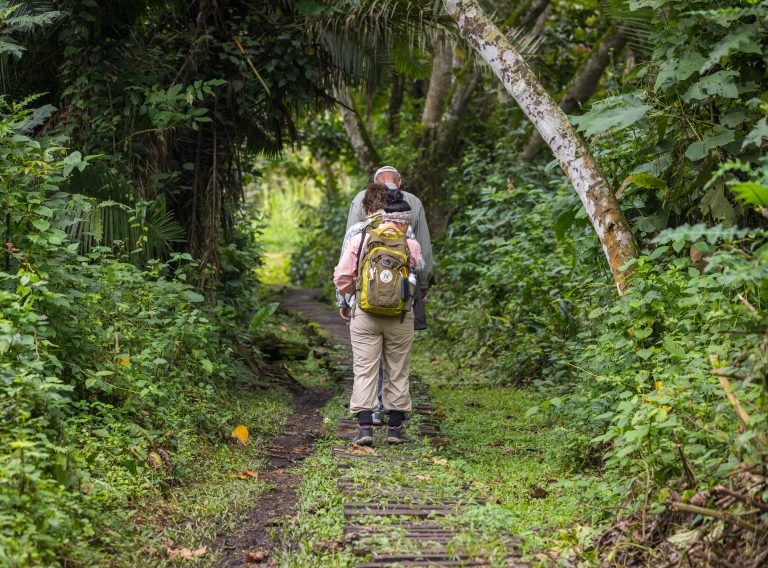
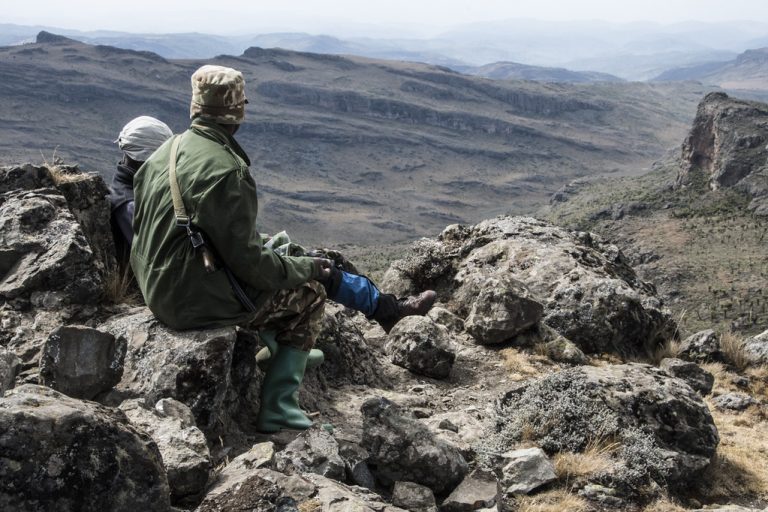
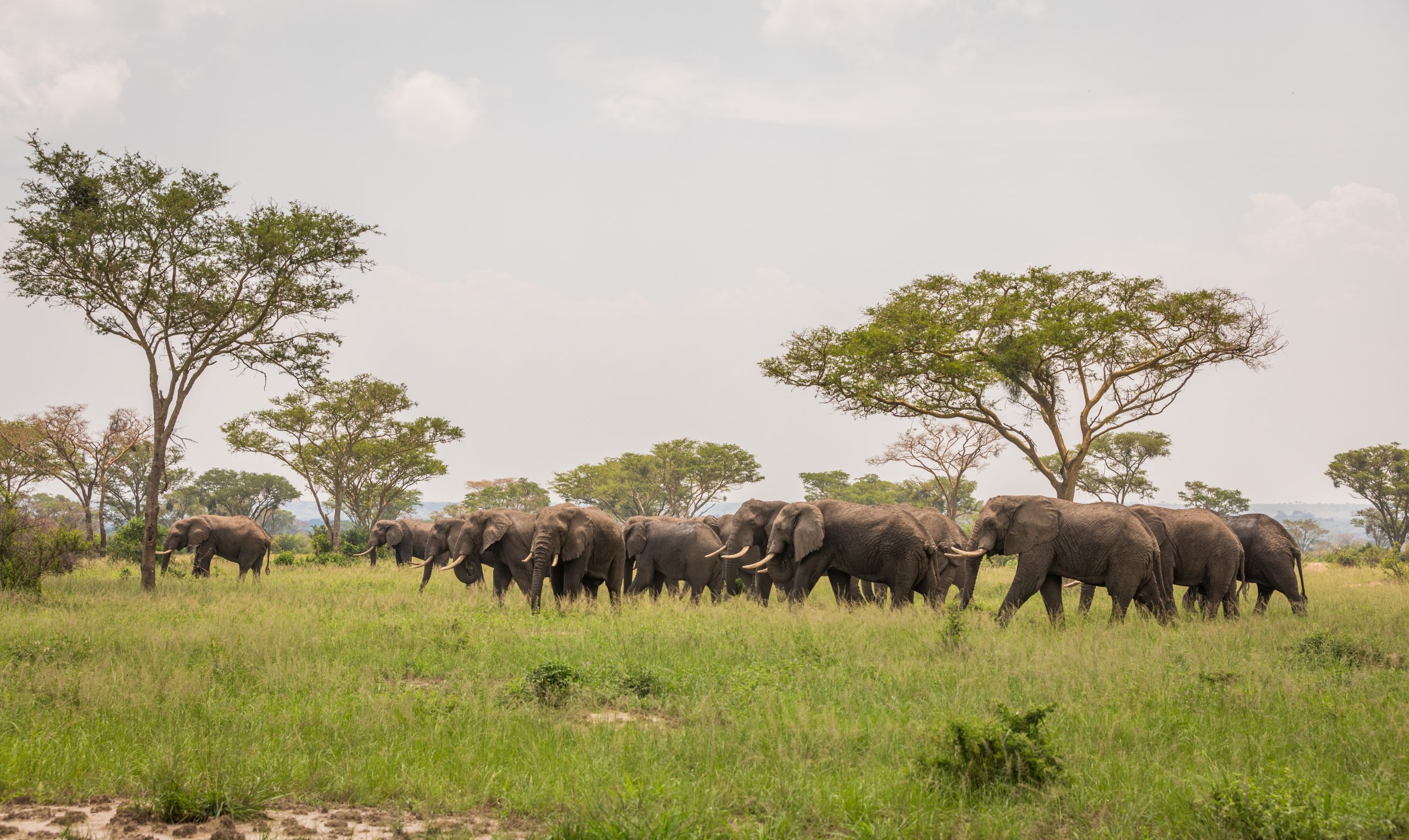
Queen Elizabeth National Park in western Uganda is a varied safari landscape of savannah, wetlands, crater lakes and forest beneath the Rwenzori Mountains. This mix supports a wide range of wildlife and makes it possible to combine game drives, birdwatching and a boat trip within one park visit.
Kazinga Channel and Ishasha
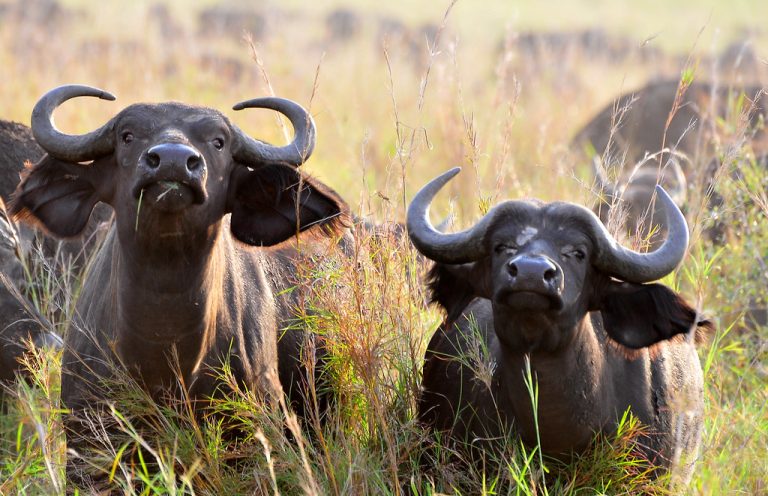
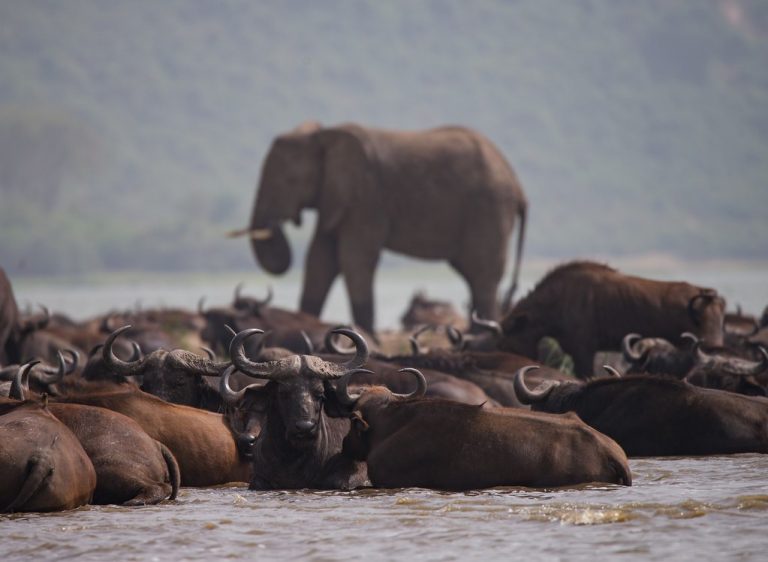
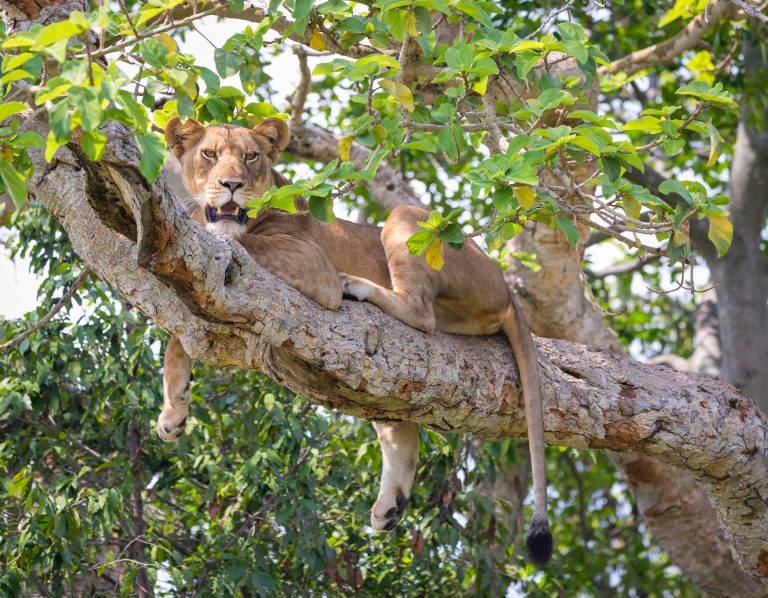
The Kazinga Channel links Lakes Edward and George and is known for boat trips past hippos, buffalo, elephants and waterbirds. In the southern Ishasha sector, tree-climbing lions are a notable possibility, although no sighting is guaranteed. Other park experiences include savannah game drives, crater-lake viewpoints and guided community visits arranged through local operators.
Queen Elizabeth’s habitats range from the open Kasenyi Plains to crater lakes and forested areas, so each sector offers a different experience. Birdlife is particularly varied around wetlands and the channel, making binoculars useful even on a general game drive.
The Ishasha sector lies in the south and is separated from other parts of the park by significant road distances. Tree-climbing lions are a celebrated possibility there, but viewing depends on animal movement and should never be treated as guaranteed.
How to plan a Queen Elizabeth safari
Allow time for the park’s different sectors: distances and road conditions can make a day feel rushed if you try to cover everything. Queen Elizabeth pairs naturally with Kibale or Bwindi, but choose overnight stops to suit your activities. Confirm boat schedules and current access before departure, and follow your guide’s instructions around wildlife.
Two or more nights can make it easier to see more than one area without spending the entire day transferring. Discuss your priorities with your guide: a channel boat trip, a Kasenyi game drive and Ishasha all require thoughtful scheduling.
Check road conditions, boat departure times and lodge locations before finalizing an itinerary. Leave flexibility for wildlife viewing, and avoid crowding animals or blocking other vehicles when sightings draw attention.
What to expect
Wildlife
- Mammal species
- 95+
- Bird species
- 600+
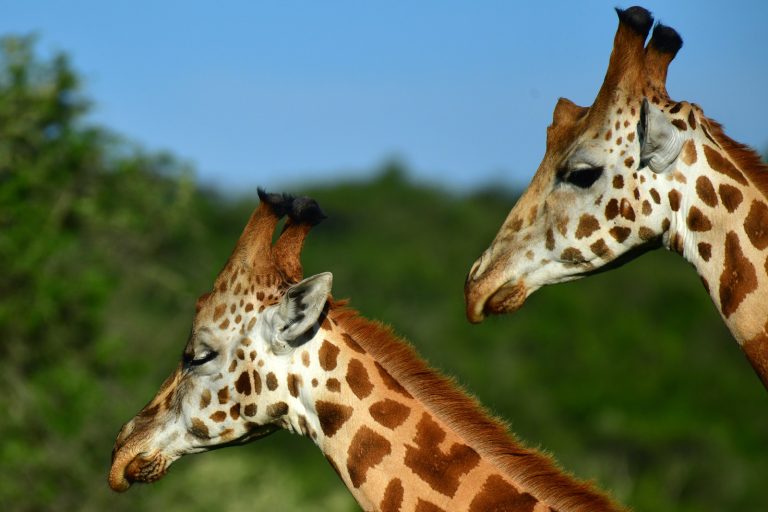
The park’s ecosystems shelter elephants, buffaloes, hippos, lions, chimpanzees and hundreds of bird species.
Plants & vegetation
A verified park-wide plant species total is not published
A mosaic of savannah, crater lakes, wetlands, woodland and tropical forest spans the park.
Published species totals vary by survey date and coverage. Mammal and bird counts are shown separately; they are not a complete count of every wildlife group.
Main attractions & activities
Kazinga Channel
Experience Boat cruise among hippos and waterbirds
Kasenyi Plains
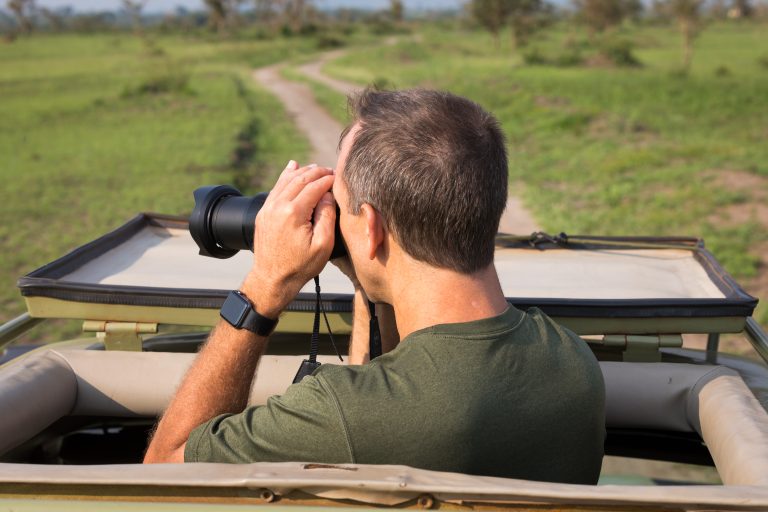
Experience Savannah game drive
Ishasha and Kyambura
Experience Tree-climbing lion viewing or chimpanzee tracking
Activities & fees
| Activity | Permit or activity fee |
|---|---|
| Kazinga Channel boat cruise | US$35 UWA activity fee (foreign non-resident) |
| Kasenyi Plains game drives | Price on request |
| Ishasha sector game drives | Price on request |
| Kyambura Gorge chimpanzee tracking | US$100 permit (foreign non-resident) |
These are published authority permit or activity fees for foreign non-resident adults where a rate is available, not complete safari-package prices. Rates can vary by visitor category and travel date; park entry, transport, guides, and operator services may be charged separately. Confirm current rates before booking with the Uganda Wildlife Authority or Rwanda Development Board.
Frequently Asked Questions
01 What is the Kazinga Channel?
It is a waterway connecting Lakes Edward and George. A guided boat trip offers a close view of aquatic wildlife and birds along its banks. At Queen Elizabeth National Park, this question is best understood in the context of a diverse western Uganda park of savannah, crater lakes, wetlands and the Kazinga Channel. The information already provided identifies the main point, while the exact experience can vary with location, season, weather, access and wildlife movement. This distinction matters when a visitor is deciding what to expect from a walk, drive or wildlife encounter. Use general descriptions to guide your choices, not as a promise of a specific sighting, route or activity outcome. Before you set out, ask a local guide what conditions are like and which details are confirmed for that day. Allow time for a briefing, the activity and return journey.
The Kazinga Channel connects Lakes Edward and George and is a well-known route for guided boat trips. For a visitor asking “What is the Kazinga Channel?,” planning at Queen Elizabeth National Park starts by matching accommodation, transport and activity times. The local consideration is allow realistic driving time between Kasenyi, the channel and the distant Ishasha sector. Confirm the reporting point, expected duration, suitable clothing and equipment, and current permit, age, health or safety requirements with park staff or an authorized operator. Travel may take longer than a map suggests when roads are rough, trails are steep or sites lie in different sectors. Share mobility, fitness or health concerns before booking so recommendations can reflect the route you intend to take. Leave a flexible margin around the experience, since weather, wildlife movement and park operations can change.
From the water, visitors can observe wildlife and birds along the banks without leaving the boat. Follow crew guidance throughout the trip. Responsible travel at Queen Elizabeth National Park means treating the landscape as a living habitat rather than a predictable attraction. Visitors should keep in mind wildlife viewing, aquatic habitats and respecting animal space around vehicles and boats. Follow ranger instructions, stay on approved trails and roads, give wildlife room, and never feed, call or crowd animals. For any community visit, choose a locally led experience, ask permission before taking photographs and respect guidance about what is appropriate to share. Check schedules, fees, permits and access with the relevant park authority shortly before departure, because details can change. A knowledgeable guide can explain conservation context and adjust plans to conditions, making a visit safer and more respectful.
02 Where can I see tree-climbing lions in Queen Elizabeth National Park?
The Ishasha sector is known for lions that sometimes rest in trees. They are wild animals, so sightings and behavior cannot be guaranteed. At Queen Elizabeth National Park, this question is best understood in the context of a diverse western Uganda park of savannah, crater lakes, wetlands and the Kazinga Channel. The information already provided identifies the main point, while the exact experience can vary with location, season, weather, access and wildlife movement. This distinction matters when a visitor is deciding what to expect from a walk, drive or wildlife encounter. Use general descriptions to guide your choices, not as a promise of a specific sighting, route or activity outcome. Before you set out, ask a local guide what conditions are like and which details are confirmed for that day. Allow time for a briefing, the activity and return journey.
Ishasha is the southern sector associated with tree-climbing lions, but lions may not be visible on every drive. For a visitor asking “Where can I see tree-climbing lions in Queen Elizabeth National Park?,” planning at Queen Elizabeth National Park starts by matching accommodation, transport and activity times. The local consideration is allow realistic driving time between Kasenyi, the channel and the distant Ishasha sector. Confirm the reporting point, expected duration, suitable clothing and equipment, and current permit, age, health or safety requirements with park staff or an authorized operator. Travel may take longer than a map suggests when roads are rough, trails are steep or sites lie in different sectors. Share mobility, fitness or health concerns before booking so recommendations can reflect the route you intend to take. Leave a flexible margin around the experience, since weather, wildlife movement and park operations can change.
The sector involves additional road travel, so stay nearby or allow sufficient time rather than trying to combine it with distant activities in one day. Responsible travel at Queen Elizabeth National Park means treating the landscape as a living habitat rather than a predictable attraction. Visitors should keep in mind wildlife viewing, aquatic habitats and respecting animal space around vehicles and boats. Follow ranger instructions, stay on approved trails and roads, give wildlife room, and never feed, call or crowd animals. For any community visit, choose a locally led experience, ask permission before taking photographs and respect guidance about what is appropriate to share. Check schedules, fees, permits and access with the relevant park authority shortly before departure, because details can change. A knowledgeable guide can explain conservation context and adjust plans to conditions, making a visit safer and more respectful.
03 How many days should I spend in Queen Elizabeth National Park?
Two or more nights gives many visitors time for a game drive and a channel boat trip without rushing between sectors. Adapt the stay to your route and interests. At Queen Elizabeth National Park, this question is best understood in the context of a diverse western Uganda park of savannah, crater lakes, wetlands and the Kazinga Channel. The information already provided identifies the main point, while the exact experience can vary with location, season, weather, access and wildlife movement. This distinction matters when a visitor is deciding what to expect from a walk, drive or wildlife encounter. Use general descriptions to guide your choices, not as a promise of a specific sighting, route or activity outcome. Before you set out, ask a local guide what conditions are like and which details are confirmed for that day. Allow time for a briefing, the activity and return journey.
Two or more nights often allow time to explore more than one sector and include a game drive or boat trip. For a visitor asking “How many days should I spend in Queen Elizabeth National Park?,” planning at Queen Elizabeth National Park starts by matching accommodation, transport and activity times. The local consideration is allow realistic driving time between Kasenyi, the channel and the distant Ishasha sector. Confirm the reporting point, expected duration, suitable clothing and equipment, and current permit, age, health or safety requirements with park staff or an authorized operator. Travel may take longer than a map suggests when roads are rough, trails are steep or sites lie in different sectors. Share mobility, fitness or health concerns before booking so recommendations can reflect the route you intend to take. Leave a flexible margin around the experience, since weather, wildlife movement and park operations can change.
Your ideal stay depends on transfer routes, interests and lodge location. Build the itinerary around realistic driving times. Responsible travel at Queen Elizabeth National Park means treating the landscape as a living habitat rather than a predictable attraction. Visitors should keep in mind wildlife viewing, aquatic habitats and respecting animal space around vehicles and boats. Follow ranger instructions, stay on approved trails and roads, give wildlife room, and never feed, call or crowd animals. For any community visit, choose a locally led experience, ask permission before taking photographs and respect guidance about what is appropriate to share. Check schedules, fees, permits and access with the relevant park authority shortly before departure, because details can change. A knowledgeable guide can explain conservation context and adjust plans to conditions, making a visit safer and more respectful.
04 What wildlife can I see in Queen Elizabeth National Park?
The park supports elephants, buffalo, hippos, Uganda kob, waterbuck, lions and many other mammals. At Queen Elizabeth National Park, this question is best understood in the context of a diverse western Uganda park of savannah, crater lakes, wetlands and the Kazinga Channel. The information already provided identifies the main point, while the exact experience can vary with location, season, weather, access and wildlife movement. This distinction matters when a visitor is deciding what to expect from a walk, drive or wildlife encounter. Use general descriptions to guide your choices, not as a promise of a specific sighting, route or activity outcome. Before you set out, ask a local guide what conditions are like and which details are confirmed for that day. Allow time for a briefing, the activity and return journey.
The Kazinga Channel and wetlands are especially rewarding for waterbirds, while the Ishasha sector is known for possible tree-climbing lion sightings. For a visitor asking “What wildlife can I see in Queen Elizabeth National Park?,” planning at Queen Elizabeth National Park starts by matching accommodation, transport and activity times. The local consideration is allow realistic driving time between Kasenyi, the channel and the distant Ishasha sector. Confirm the reporting point, expected duration, suitable clothing and equipment, and current permit, age, health or safety requirements with park staff or an authorized operator. Travel may take longer than a map suggests when roads are rough, trails are steep or sites lie in different sectors. Share mobility, fitness or health concerns before booking so recommendations can reflect the route you intend to take. Leave a flexible margin around the experience, since weather, wildlife movement and park operations can change.
Wildlife moves freely between habitats, so a guide can recommend routes but cannot guarantee a particular animal encounter. Responsible travel at Queen Elizabeth National Park means treating the landscape as a living habitat rather than a predictable attraction. Visitors should keep in mind wildlife viewing, aquatic habitats and respecting animal space around vehicles and boats. Follow ranger instructions, stay on approved trails and roads, give wildlife room, and never feed, call or crowd animals. For any community visit, choose a locally led experience, ask permission before taking photographs and respect guidance about what is appropriate to share. Check schedules, fees, permits and access with the relevant park authority shortly before departure, because details can change. A knowledgeable guide can explain conservation context and adjust plans to conditions, making a visit safer and more respectful.
05 Can I take a boat trip on the Kazinga Channel?
Guided boat trips operate on the Kazinga Channel, which connects Lakes Edward and George. At Queen Elizabeth National Park, this question is best understood in the context of a diverse western Uganda park of savannah, crater lakes, wetlands and the Kazinga Channel. The information already provided identifies the main point, while the exact experience can vary with location, season, weather, access and wildlife movement. This distinction matters when a visitor is deciding what to expect from a walk, drive or wildlife encounter. Use general descriptions to guide your choices, not as a promise of a specific sighting, route or activity outcome. Before you set out, ask a local guide what conditions are like and which details are confirmed for that day. Allow time for a briefing, the activity and return journey.
From the water, visitors may see hippos, crocodiles, elephants and birds along the shoreline. For a visitor asking “Can I take a boat trip on the Kazinga Channel?,” planning at Queen Elizabeth National Park starts by matching accommodation, transport and activity times. The local consideration is allow realistic driving time between Kasenyi, the channel and the distant Ishasha sector. Confirm the reporting point, expected duration, suitable clothing and equipment, and current permit, age, health or safety requirements with park staff or an authorized operator. Travel may take longer than a map suggests when roads are rough, trails are steep or sites lie in different sectors. Share mobility, fitness or health concerns before booking so recommendations can reflect the route you intend to take. Leave a flexible margin around the experience, since weather, wildlife movement and park operations can change.
Confirm departure times, current operating status and transport to the launch point with your lodge or safari operator. Responsible travel at Queen Elizabeth National Park means treating the landscape as a living habitat rather than a predictable attraction. Visitors should keep in mind wildlife viewing, aquatic habitats and respecting animal space around vehicles and boats. Follow ranger instructions, stay on approved trails and roads, give wildlife room, and never feed, call or crowd animals. For any community visit, choose a locally led experience, ask permission before taking photographs and respect guidance about what is appropriate to share. Check schedules, fees, permits and access with the relevant park authority shortly before departure, because details can change. A knowledgeable guide can explain conservation context and adjust plans to conditions, making a visit safer and more respectful.