Uganda
Murchison Falls National Park
Discover Murchison Falls National Park in Uganda with Nile boat trips, savannah game drives and the dramatic waterfall gorge.
Plan a visit- Best time to travel
- December–February and June–September
- Size
- 3,893 km²
- Established
- 1952
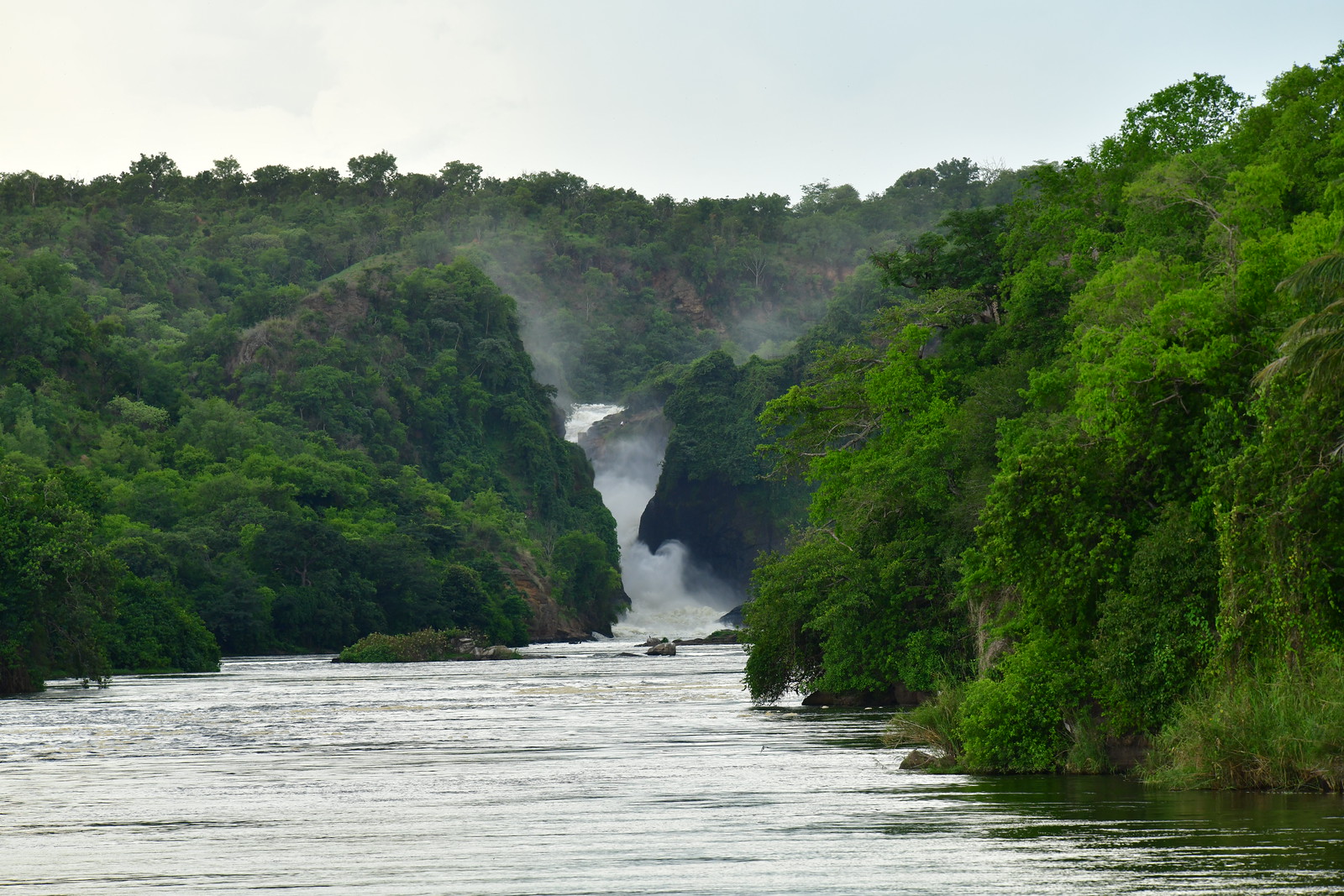
Murchison Falls National Park is Uganda’s largest national park, protecting a broad sweep of savannah, woodland and the Victoria Nile. The river’s defining feature is Murchison Falls: the Nile is squeezed through an approximately eight-metre gorge before plunging about 45 metres. The result is a dramatic waterfall and a safari landscape shaped by water.
Nile boat trips and game drives
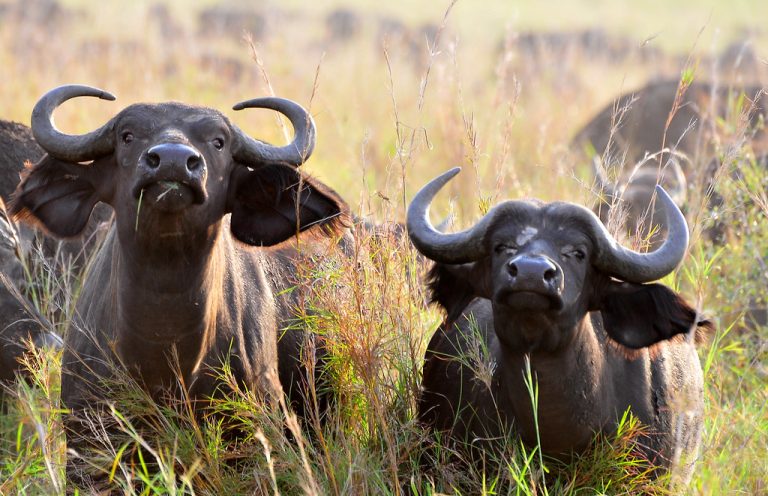
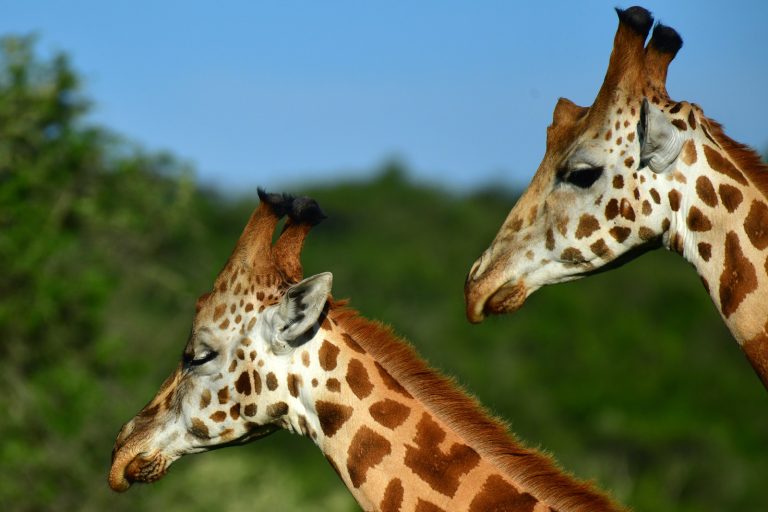
Boat trips travel along the Nile toward the falls or through wildlife-rich river sections, with opportunities to see hippos, Nile crocodiles, elephants and waterbirds from the water. On guided game drives, visitors search the northern savannah for giraffes, buffalo, elephants, antelope and predators. The park also offers strong birding, especially around riverine and wetland habitats.
The park’s river experience is not limited to the falls. Nile cruises reveal a changing landscape of sandbanks, riverine vegetation and wildlife along the water, while the northern bank offers broad savannah game-drive country. It is worth allowing time for both perspectives if your schedule permits.
A guided visit toward the top of the falls can show the gorge from a different angle, subject to current access and safety advice. Ask your operator how to combine it with a boat trip, since departure points and park crossings affect the day’s timing.
Plan time across the park
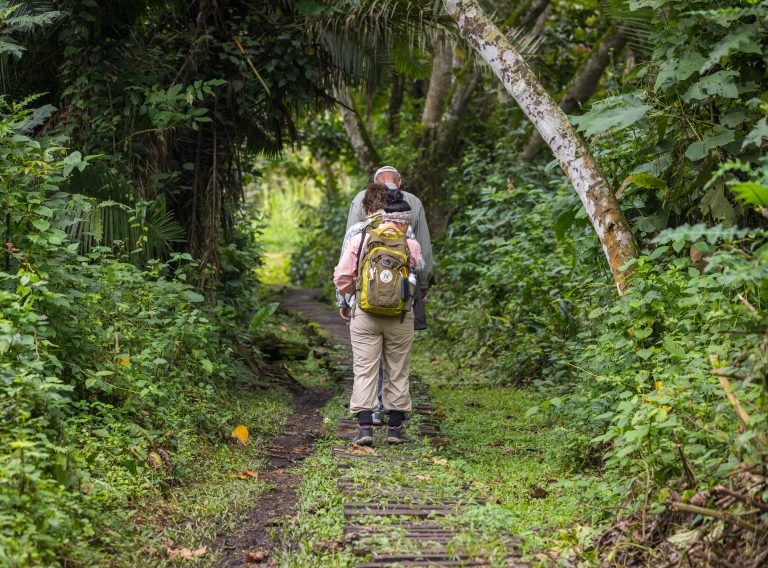
Murchison is a large park, so allow time for the ferry or bridge crossing relevant to your route, accommodation location and chosen activities. Ask about guided walks near the falls and current access before travel. Wildlife sightings depend on conditions; a good itinerary balances the river, savannah and time to travel between them.
Choose a lodge and activities with the Nile crossing and your entry gate in mind. The park is extensive, and driving times between the southern approach, Paraa and northern game-viewing areas can add up.
Bring sun protection for game drives and follow guide instructions near the river, where currents and wildlife make shore access unsafe in some places. Check ferry or bridge arrangements and activity departures close to your travel date.
Source: Uganda Wildlife Authority.
What to expect
Wildlife
- Mammal species
- 144
- Bird species
- 556
Elephants, giraffes, buffaloes, lions and antelope roam the savannah, while the Nile supports hippos, crocodiles and waterbirds.
Plants & vegetation
755 plant species recorded across the wider Murchison Falls Protected Area
Broad savannah and woodland meet riverine forest, papyrus and the lush banks of the Victoria Nile.
Published species totals vary by survey date and coverage. Mammal and bird counts are shown separately; they are not a complete count of every wildlife group.
Main attractions & activities
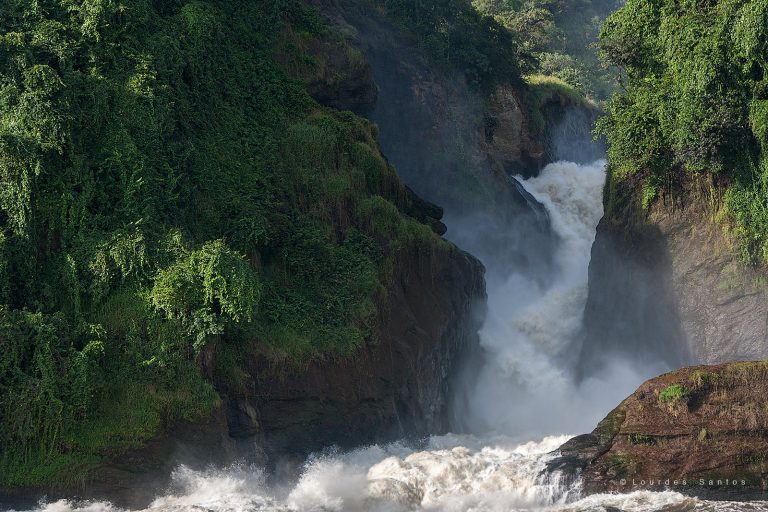
Murchison Falls
Experience Nile boat cruise and top-of-the-falls walk
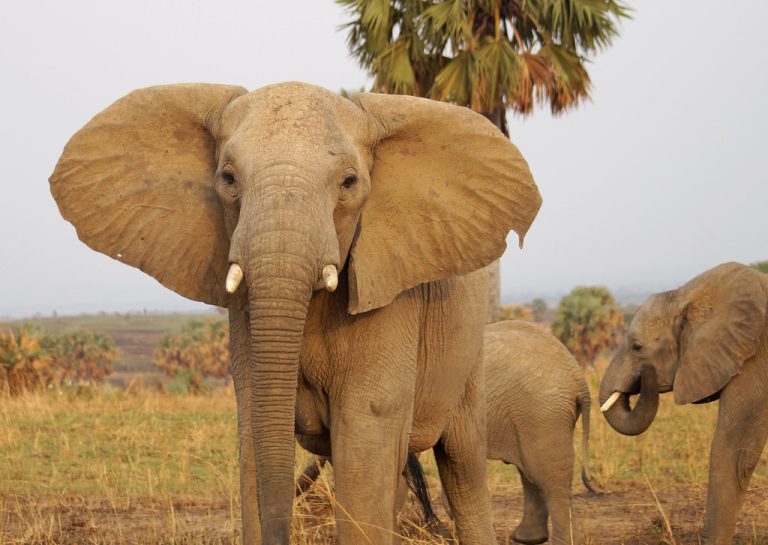
Northern savannah
Experience Guided game drive
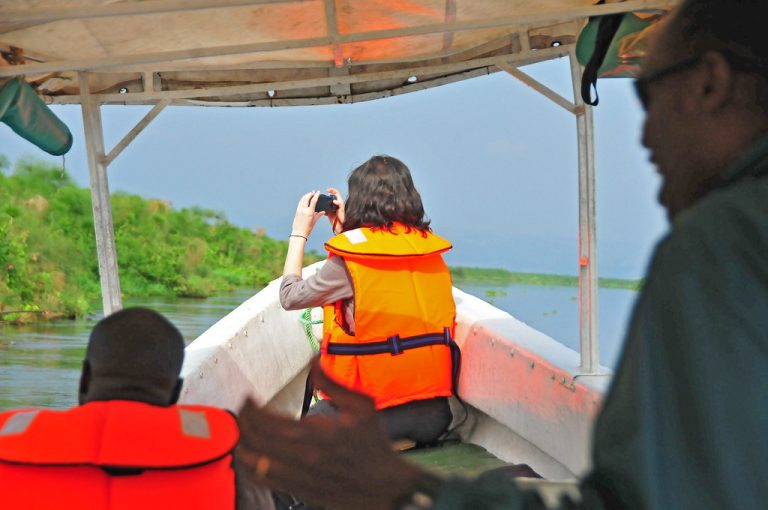
Nile Delta
Experience Boat trip and birdwatching
Activities & fees
| Activity | Permit or activity fee |
|---|---|
| Nile boat cruise | US$35 UWA activity fee (foreign non-resident) |
| Guided top-of-the-falls walk | US$30 UWA activity fee (foreign non-resident) |
| Savannah game drives | Price on request |
| Nile Delta birdwatching | US$30 UWA activity fee (foreign non-resident) |
These are published authority permit or activity fees for foreign non-resident adults where a rate is available, not complete safari-package prices. Rates can vary by visitor category and travel date; park entry, transport, guides, and operator services may be charged separately. Confirm current rates before booking with the Uganda Wildlife Authority or Rwanda Development Board.
Frequently Asked Questions
01 Why is Murchison Falls famous?
The Victoria Nile is forced through a narrow gorge about eight metres wide and drops around 45 metres, creating the park's signature waterfall. At Murchison Falls National Park, this question is best understood in the context of savannah and woodland divided by the Victoria Nile and the Murchison Falls gorge. The information already provided identifies the main point, while the exact experience can vary with location, season, weather, access and wildlife movement. This distinction matters when a visitor is deciding what to expect from a walk, drive or wildlife encounter. Use general descriptions to guide your choices, not as a promise of a specific sighting, route or activity outcome. Before you set out, ask a local guide what conditions are like and which details are confirmed for that day. Allow time for a briefing, the activity and return journey.
The Victoria Nile squeezes through a narrow gorge before dropping into the river below, creating a powerful spectacle of spray and sound. For a visitor asking “Why is Murchison Falls famous?,” planning at Murchison Falls National Park starts by matching accommodation, transport and activity times. The local consideration is plan river activities, game drives and park crossings around lodge location and departure times. Confirm the reporting point, expected duration, suitable clothing and equipment, and current permit, age, health or safety requirements with park staff or an authorized operator. Travel may take longer than a map suggests when roads are rough, trails are steep or sites lie in different sectors. Share mobility, fitness or health concerns before booking so recommendations can reflect the route you intend to take. Leave a flexible margin around the experience, since weather, wildlife movement and park operations can change.
Viewing the falls from the top and seeing the gorge from a boat are different experiences; ask about current access and safe routes. Responsible travel at Murchison Falls National Park means treating the landscape as a living habitat rather than a predictable attraction. Visitors should keep in mind river wildlife, savannah habitats and safe viewing near the Nile and waterfall. Follow ranger instructions, stay on approved trails and roads, give wildlife room, and never feed, call or crowd animals. For any community visit, choose a locally led experience, ask permission before taking photographs and respect guidance about what is appropriate to share. Check schedules, fees, permits and access with the relevant park authority shortly before departure, because details can change. A knowledgeable guide can explain conservation context and adjust plans to conditions, making a visit safer and more respectful.
02 Can I take a boat cruise in Murchison Falls National Park?
Yes. Nile boat trips are a popular way to view the river, falls and wildlife along the banks. Check current departure times and routes with your operator. At Murchison Falls National Park, this question is best understood in the context of savannah and woodland divided by the Victoria Nile and the Murchison Falls gorge. The information already provided identifies the main point, while the exact experience can vary with location, season, weather, access and wildlife movement. This distinction matters when a visitor is deciding what to expect from a walk, drive or wildlife encounter. Use general descriptions to guide your choices, not as a promise of a specific sighting, route or activity outcome. Before you set out, ask a local guide what conditions are like and which details are confirmed for that day. Allow time for a briefing, the activity and return journey.
Boat trips travel along the Nile, where hippos, crocodiles, waterbirds and animals on the riverbanks may be seen. For a visitor asking “Can I take a boat cruise in Murchison Falls National Park?,” planning at Murchison Falls National Park starts by matching accommodation, transport and activity times. The local consideration is plan river activities, game drives and park crossings around lodge location and departure times. Confirm the reporting point, expected duration, suitable clothing and equipment, and current permit, age, health or safety requirements with park staff or an authorized operator. Travel may take longer than a map suggests when roads are rough, trails are steep or sites lie in different sectors. Share mobility, fitness or health concerns before booking so recommendations can reflect the route you intend to take. Leave a flexible margin around the experience, since weather, wildlife movement and park operations can change.
Confirm whether your preferred trip runs toward the falls or another river section, and leave time for transfers between park areas. Responsible travel at Murchison Falls National Park means treating the landscape as a living habitat rather than a predictable attraction. Visitors should keep in mind river wildlife, savannah habitats and safe viewing near the Nile and waterfall. Follow ranger instructions, stay on approved trails and roads, give wildlife room, and never feed, call or crowd animals. For any community visit, choose a locally led experience, ask permission before taking photographs and respect guidance about what is appropriate to share. Check schedules, fees, permits and access with the relevant park authority shortly before departure, because details can change. A knowledgeable guide can explain conservation context and adjust plans to conditions, making a visit safer and more respectful.
03 What animals can I see in Murchison Falls?
Elephants, giraffes, buffalo, antelope, hippos and crocodiles occur in the park. Sightings vary, and a guide can help choose suitable areas and times. At Murchison Falls National Park, this question is best understood in the context of savannah and woodland divided by the Victoria Nile and the Murchison Falls gorge. The information already provided identifies the main point, while the exact experience can vary with location, season, weather, access and wildlife movement. This distinction matters when a visitor is deciding what to expect from a walk, drive or wildlife encounter. Use general descriptions to guide your choices, not as a promise of a specific sighting, route or activity outcome. Before you set out, ask a local guide what conditions are like and which details are confirmed for that day. Allow time for a briefing, the activity and return journey.
The park supports elephants, giraffes, buffalo, antelope, hippos and crocodiles, among many other species. For a visitor asking “What animals can I see in Murchison Falls?,” planning at Murchison Falls National Park starts by matching accommodation, transport and activity times. The local consideration is plan river activities, game drives and park crossings around lodge location and departure times. Confirm the reporting point, expected duration, suitable clothing and equipment, and current permit, age, health or safety requirements with park staff or an authorized operator. Travel may take longer than a map suggests when roads are rough, trails are steep or sites lie in different sectors. Share mobility, fitness or health concerns before booking so recommendations can reflect the route you intend to take. Leave a flexible margin around the experience, since weather, wildlife movement and park operations can change.
A game drive and a river activity reveal different habitats. A local guide can help plan routes, while sightings remain naturally unpredictable. Responsible travel at Murchison Falls National Park means treating the landscape as a living habitat rather than a predictable attraction. Visitors should keep in mind river wildlife, savannah habitats and safe viewing near the Nile and waterfall. Follow ranger instructions, stay on approved trails and roads, give wildlife room, and never feed, call or crowd animals. For any community visit, choose a locally led experience, ask permission before taking photographs and respect guidance about what is appropriate to share. Check schedules, fees, permits and access with the relevant park authority shortly before departure, because details can change. A knowledgeable guide can explain conservation context and adjust plans to conditions, making a visit safer and more respectful.
04 How many days should I spend in Murchison Falls National Park?
Two or three nights can provide time for a Nile boat trip and one or more game drives without rushing between areas. At Murchison Falls National Park, this question is best understood in the context of savannah and woodland divided by the Victoria Nile and the Murchison Falls gorge. The information already provided identifies the main point, while the exact experience can vary with location, season, weather, access and wildlife movement. This distinction matters when a visitor is deciding what to expect from a walk, drive or wildlife encounter. Use general descriptions to guide your choices, not as a promise of a specific sighting, route or activity outcome. Before you set out, ask a local guide what conditions are like and which details are confirmed for that day. Allow time for a briefing, the activity and return journey.
The park is large, and the best schedule depends on your lodge, entry gate, river crossing and chosen activities. For a visitor asking “How many days should I spend in Murchison Falls National Park?,” planning at Murchison Falls National Park starts by matching accommodation, transport and activity times. The local consideration is plan river activities, game drives and park crossings around lodge location and departure times. Confirm the reporting point, expected duration, suitable clothing and equipment, and current permit, age, health or safety requirements with park staff or an authorized operator. Travel may take longer than a map suggests when roads are rough, trails are steep or sites lie in different sectors. Share mobility, fitness or health concerns before booking so recommendations can reflect the route you intend to take. Leave a flexible margin around the experience, since weather, wildlife movement and park operations can change.
Coordinate activities and transfers with your operator, and leave flexibility for road conditions and wildlife viewing. Responsible travel at Murchison Falls National Park means treating the landscape as a living habitat rather than a predictable attraction. Visitors should keep in mind river wildlife, savannah habitats and safe viewing near the Nile and waterfall. Follow ranger instructions, stay on approved trails and roads, give wildlife room, and never feed, call or crowd animals. For any community visit, choose a locally led experience, ask permission before taking photographs and respect guidance about what is appropriate to share. Check schedules, fees, permits and access with the relevant park authority shortly before departure, because details can change. A knowledgeable guide can explain conservation context and adjust plans to conditions, making a visit safer and more respectful.
05 Can I see Murchison Falls from both the river and land?
Visitors can experience the falls area by boat on the Nile and from viewpoints reached by land, subject to current access. At Murchison Falls National Park, this question is best understood in the context of savannah and woodland divided by the Victoria Nile and the Murchison Falls gorge. The information already provided identifies the main point, while the exact experience can vary with location, season, weather, access and wildlife movement. This distinction matters when a visitor is deciding what to expect from a walk, drive or wildlife encounter. Use general descriptions to guide your choices, not as a promise of a specific sighting, route or activity outcome. Before you set out, ask a local guide what conditions are like and which details are confirmed for that day. Allow time for a briefing, the activity and return journey.
The river offers a view toward the gorge, while a guided visit near the top can reveal the falls from another angle. For a visitor asking “Can I see Murchison Falls from both the river and land?,” planning at Murchison Falls National Park starts by matching accommodation, transport and activity times. The local consideration is plan river activities, game drives and park crossings around lodge location and departure times. Confirm the reporting point, expected duration, suitable clothing and equipment, and current permit, age, health or safety requirements with park staff or an authorized operator. Travel may take longer than a map suggests when roads are rough, trails are steep or sites lie in different sectors. Share mobility, fitness or health concerns before booking so recommendations can reflect the route you intend to take. Leave a flexible margin around the experience, since weather, wildlife movement and park operations can change.
Ask your operator which routes are currently open and how to fit both experiences around departure times and park transfers. Responsible travel at Murchison Falls National Park means treating the landscape as a living habitat rather than a predictable attraction. Visitors should keep in mind river wildlife, savannah habitats and safe viewing near the Nile and waterfall. Follow ranger instructions, stay on approved trails and roads, give wildlife room, and never feed, call or crowd animals. For any community visit, choose a locally led experience, ask permission before taking photographs and respect guidance about what is appropriate to share. Check schedules, fees, permits and access with the relevant park authority shortly before departure, because details can change. A knowledgeable guide can explain conservation context and adjust plans to conditions, making a visit safer and more respectful.