Uganda
Bwindi Impenetrable National Park
Plan gorilla trekking in Uganda's Bwindi Impenetrable National Park, a UNESCO-listed rainforest rich in wildlife, birdlife and community-led experiences.
Plan a visit- Best time to travel
- June–September and December–February
- Size
- 331 km²
- Established
- 1991
Bwindi Impenetrable National Park in southwestern Uganda is a UNESCO-listed montane rainforest best known for guided mountain gorilla trekking. Its steep ridges and deep valleys shelter gorillas, forest elephants, other primates and rich Albertine Rift birdlife. A visit combines a demanding forest walk with an opportunity to learn why long-term habitat protection matters.
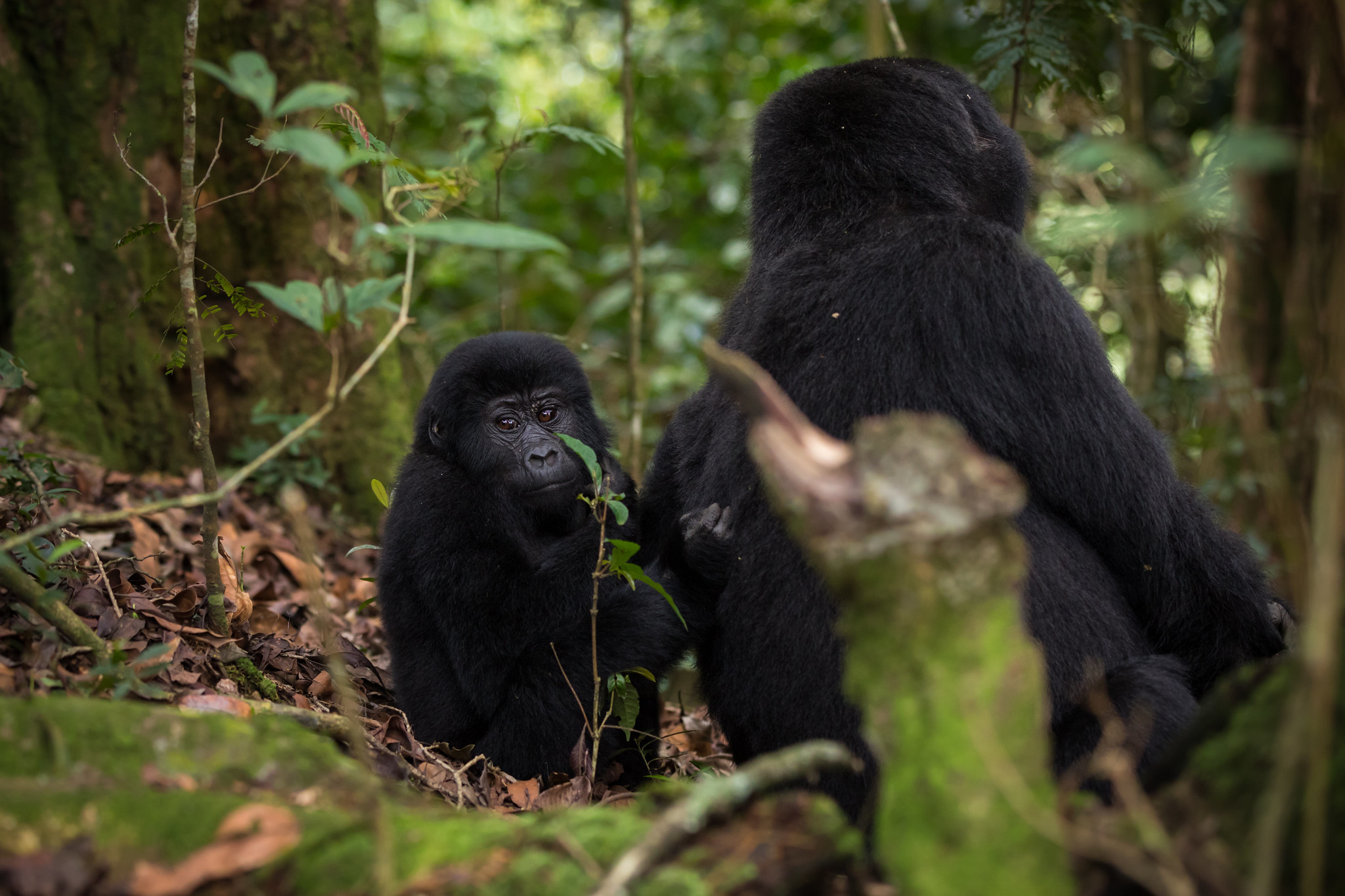
Gorilla trekking in Bwindi
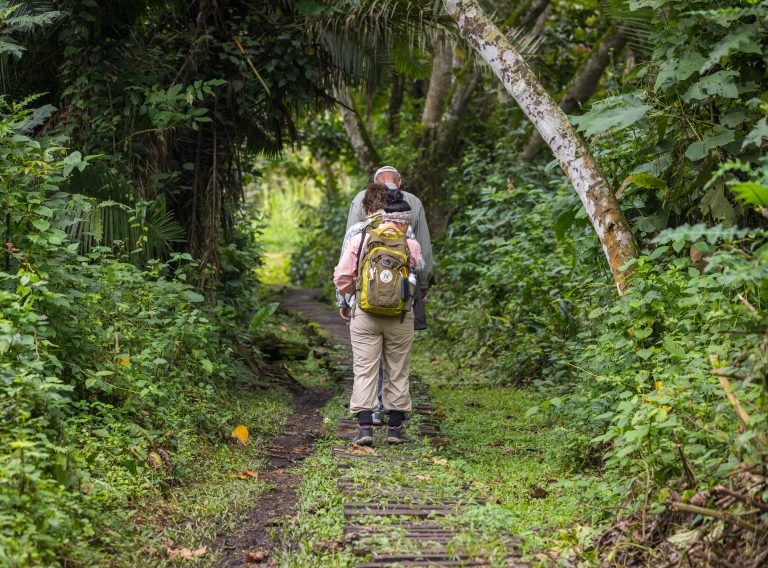
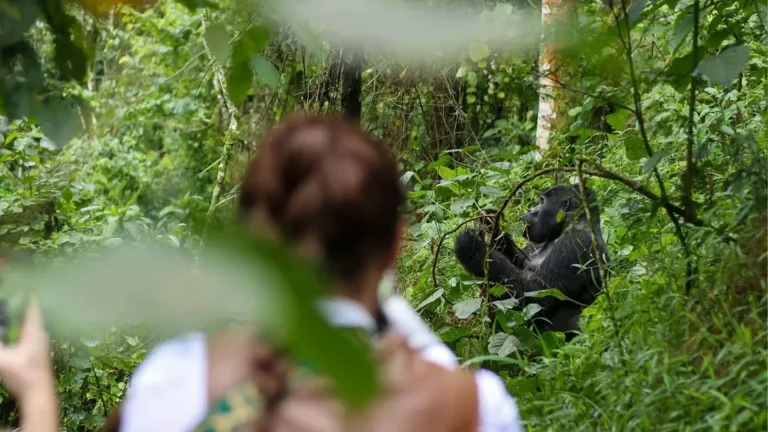
Ranger-led treks set out to find one of the park’s habituated gorilla families. The hike can last several hours, and its length depends on where the gorillas are that day, the terrain and weather. Bwindi has different trekking sectors, so match your permit and overnight stay before arranging transfers. Birdwatching, guided nature walks and locally led cultural experiences can round out a longer stay.
Because trekking sectors are spread across a large, mountainous area, the permit location matters when choosing where to stay. Confirm the meeting point with your operator and plan the transfer the day before rather than relying on a long early-morning drive.
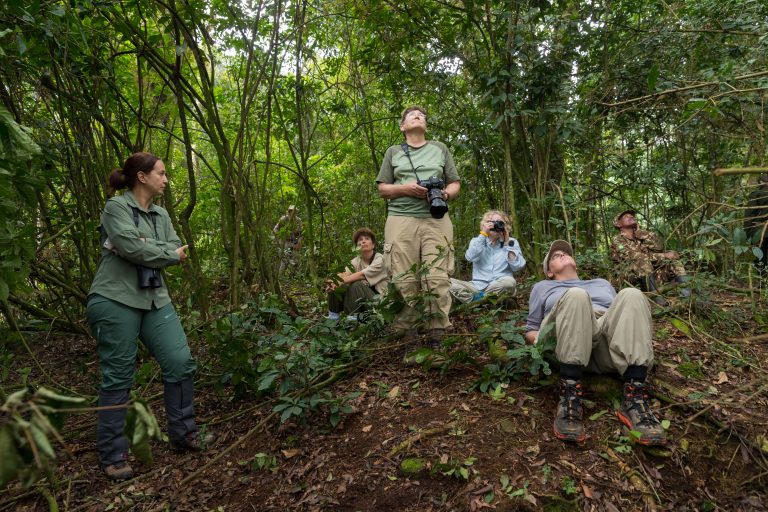
The forest is also worth experiencing beyond the gorillas. Its birdlife and varied vegetation reward a slower guided walk, while time in nearby communities can add useful context to conservation and everyday life around the park.
Plan a responsible visit
Book permits through an authorized operator or verify the current process with Uganda Wildlife Authority. Wear sturdy footwear and rain protection, follow ranger instructions and keep the required distance from gorillas. Do not visit if you feel unwell: protecting gorillas from human illness is part of responsible trekking.
Rain is possible throughout the year, and trails can be slippery even when the weather looks clear at the trailhead. A light waterproof layer, gaiters and gloves can make a steep forest hike more comfortable; ask your guide what conditions are like before setting out.
Permit rules, fees and availability can change. Check directly with Uganda Wildlife Authority or your licensed safari operator before paying, and leave room in your itinerary for the trek to take longer than expected.
What to expect
Wildlife
- Mammal species
- 120
- Bird species
- 350+
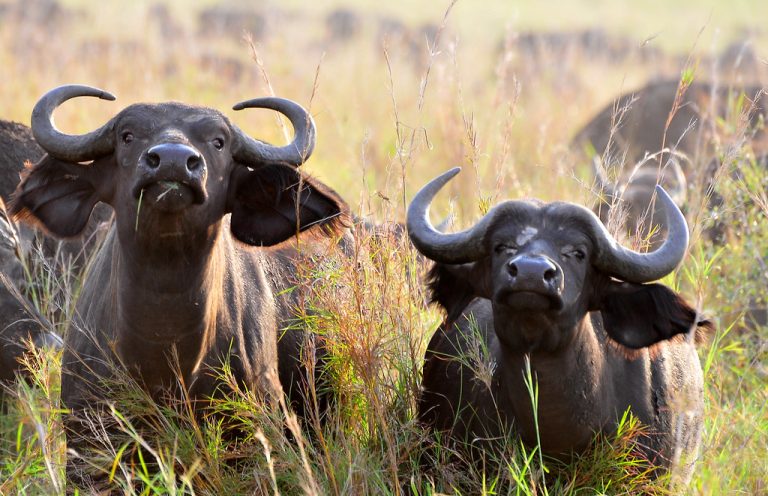
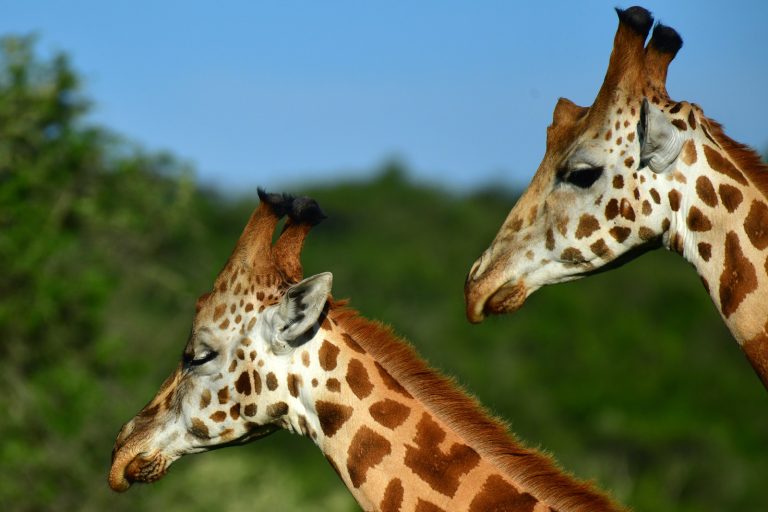
Mountain gorillas are the star attraction, alongside forest elephants, L’Hoest’s monkeys and a remarkable variety of Albertine Rift birds.
Plants & vegetation
1,000+ flowering plant species
A dense, ancient Afromontane rainforest with tangled vines, ferns, mosses and flowering plants.
Published species totals vary by survey date and coverage. Mammal and bird counts are shown separately; they are not a complete count of every wildlife group.
Main attractions & activities
Mountain gorillas
Experience Guided gorilla trekking
Bwindi forest trails
Experience Guided nature walks and birdwatching

Batwa heritage
Experience Community-led cultural experience
Activities & fees
| Activity | Permit or activity fee |
|---|---|
| Mountain gorilla trekking | US$800 permit (foreign non-resident) |
| Guided rainforest walks | US$30 UWA activity fee (foreign non-resident) |
| Albertine Rift birdwatching | US$30 UWA activity fee (foreign non-resident) |
| Batwa-led cultural experiences | USD $25 |
These are published authority permit or activity fees for foreign non-resident adults where a rate is available, not complete safari-package prices. Rates can vary by visitor category and travel date; park entry, transport, guides, and operator services may be charged separately. Confirm current rates before booking with the Uganda Wildlife Authority or Rwanda Development Board.
Frequently Asked Questions
01 What is Bwindi Impenetrable National Park famous for?
Bwindi is famous for protecting endangered mountain gorillas and for guided gorilla trekking in an ancient, biologically rich rainforest. At Bwindi Impenetrable National Park, this question is best understood in the context of steep, ancient montane rainforest, where mountain gorilla trekking takes place in separate sectors. The information already provided identifies the main point, while the exact experience can vary with location, season, weather, access and wildlife movement. This distinction matters when a visitor is deciding what to expect from a walk, drive or wildlife encounter. Use general descriptions to guide your choices, not as a promise of a specific sighting, route or activity outcome. Before you set out, ask a local guide what conditions are like and which details are confirmed for that day. Allow time for a briefing, the activity and return journey.
The forest is dense and the slopes are steep, so even short distances can take time. A ranger sets the pace and route based on the gorilla family's location. For a visitor asking “What is Bwindi Impenetrable National Park famous for?,” planning at Bwindi Impenetrable National Park starts by matching accommodation, transport and activity times. The local consideration is plan around the permit sector, ranger briefing, forest trail and a nearby overnight base. Confirm the reporting point, expected duration, suitable clothing and equipment, and current permit, age, health or safety requirements with park staff or an authorized operator. Travel may take longer than a map suggests when roads are rough, trails are steep or sites lie in different sectors. Share mobility, fitness or health concerns before booking so recommendations can reflect the route you intend to take. Leave a flexible margin around the experience, since weather, wildlife movement and park operations can change.
The experience is a guided wildlife trek, not a guaranteed close encounter. Visitors must follow all ranger instructions and observation limits. Responsible travel at Bwindi Impenetrable National Park means treating the landscape as a living habitat rather than a predictable attraction. Visitors should keep in mind gorilla conservation, forest habitat and locally led experiences around Buhoma and Nkuringo. Follow ranger instructions, stay on approved trails and roads, give wildlife room, and never feed, call or crowd animals. For any community visit, choose a locally led experience, ask permission before taking photographs and respect guidance about what is appropriate to share. Check schedules, fees, permits and access with the relevant park authority shortly before departure, because details can change. A knowledgeable guide can explain conservation context and adjust plans to conditions, making a visit safer and more respectful.
02 How difficult is gorilla trekking in Bwindi?
It can be strenuous because trails cross steep, often muddy forest terrain. Trek length varies, so tell your operator about mobility or fitness needs before booking. At Bwindi Impenetrable National Park, this question is best understood in the context of steep, ancient montane rainforest, where mountain gorilla trekking takes place in separate sectors. The information already provided identifies the main point, while the exact experience can vary with location, season, weather, access and wildlife movement. This distinction matters when a visitor is deciding what to expect from a walk, drive or wildlife encounter. Use general descriptions to guide your choices, not as a promise of a specific sighting, route or activity outcome. Before you set out, ask a local guide what conditions are like and which details are confirmed for that day. Allow time for a briefing, the activity and return journey.
Hiking difficulty varies with the sector, route, weather and where the gorillas are found. Mud and uneven ground can make the walk more demanding. For a visitor asking “How difficult is gorilla trekking in Bwindi?,” planning at Bwindi Impenetrable National Park starts by matching accommodation, transport and activity times. The local consideration is plan around the permit sector, ranger briefing, forest trail and a nearby overnight base. Confirm the reporting point, expected duration, suitable clothing and equipment, and current permit, age, health or safety requirements with park staff or an authorized operator. Travel may take longer than a map suggests when roads are rough, trails are steep or sites lie in different sectors. Share mobility, fitness or health concerns before booking so recommendations can reflect the route you intend to take. Leave a flexible margin around the experience, since weather, wildlife movement and park operations can change.
Porters may be available locally to help carry a daypack and assist on difficult sections. Ask your operator what support can be arranged. Responsible travel at Bwindi Impenetrable National Park means treating the landscape as a living habitat rather than a predictable attraction. Visitors should keep in mind gorilla conservation, forest habitat and locally led experiences around Buhoma and Nkuringo. Follow ranger instructions, stay on approved trails and roads, give wildlife room, and never feed, call or crowd animals. For any community visit, choose a locally led experience, ask permission before taking photographs and respect guidance about what is appropriate to share. Check schedules, fees, permits and access with the relevant park authority shortly before departure, because details can change. A knowledgeable guide can explain conservation context and adjust plans to conditions, making a visit safer and more respectful.
03 How do I choose a Bwindi trekking sector?
Secure permit availability first, then plan lodging and transport near the sector named on the permit. The sectors are separated by mountainous roads. At Bwindi Impenetrable National Park, this question is best understood in the context of steep, ancient montane rainforest, where mountain gorilla trekking takes place in separate sectors. The information already provided identifies the main point, while the exact experience can vary with location, season, weather, access and wildlife movement. This distinction matters when a visitor is deciding what to expect from a walk, drive or wildlife encounter. Use general descriptions to guide your choices, not as a promise of a specific sighting, route or activity outcome. Before you set out, ask a local guide what conditions are like and which details are confirmed for that day. Allow time for a briefing, the activity and return journey.
Bwindi's trekking sectors are separated by mountain roads, so a permit for one area may not be practical from lodging in another. For a visitor asking “How do I choose a Bwindi trekking sector?,” planning at Bwindi Impenetrable National Park starts by matching accommodation, transport and activity times. The local consideration is plan around the permit sector, ranger briefing, forest trail and a nearby overnight base. Confirm the reporting point, expected duration, suitable clothing and equipment, and current permit, age, health or safety requirements with park staff or an authorized operator. Travel may take longer than a map suggests when roads are rough, trails are steep or sites lie in different sectors. Share mobility, fitness or health concerns before booking so recommendations can reflect the route you intend to take. Leave a flexible margin around the experience, since weather, wildlife movement and park operations can change.
Compare the permit's reporting point with your accommodation and transfer time before booking. Confirm the final plan with your licensed operator. Responsible travel at Bwindi Impenetrable National Park means treating the landscape as a living habitat rather than a predictable attraction. Visitors should keep in mind gorilla conservation, forest habitat and locally led experiences around Buhoma and Nkuringo. Follow ranger instructions, stay on approved trails and roads, give wildlife room, and never feed, call or crowd animals. For any community visit, choose a locally led experience, ask permission before taking photographs and respect guidance about what is appropriate to share. Check schedules, fees, permits and access with the relevant park authority shortly before departure, because details can change. A knowledgeable guide can explain conservation context and adjust plans to conditions, making a visit safer and more respectful.
04 What should I pack for a Bwindi gorilla trek?
Wear sturdy hiking boots with good grip and bring a waterproof outer layer for rain and wet vegetation. At Bwindi Impenetrable National Park, this question is best understood in the context of steep, ancient montane rainforest, where mountain gorilla trekking takes place in separate sectors. The information already provided identifies the main point, while the exact experience can vary with location, season, weather, access and wildlife movement. This distinction matters when a visitor is deciding what to expect from a walk, drive or wildlife encounter. Use general descriptions to guide your choices, not as a promise of a specific sighting, route or activity outcome. Before you set out, ask a local guide what conditions are like and which details are confirmed for that day. Allow time for a briefing, the activity and return journey.
Long sleeves, trousers and garden-style gloves can help protect against branches and undergrowth; carry water and only essential items. For a visitor asking “What should I pack for a Bwindi gorilla trek?,” planning at Bwindi Impenetrable National Park starts by matching accommodation, transport and activity times. The local consideration is plan around the permit sector, ranger briefing, forest trail and a nearby overnight base. Confirm the reporting point, expected duration, suitable clothing and equipment, and current permit, age, health or safety requirements with park staff or an authorized operator. Travel may take longer than a map suggests when roads are rough, trails are steep or sites lie in different sectors. Share mobility, fitness or health concerns before booking so recommendations can reflect the route you intend to take. Leave a flexible margin around the experience, since weather, wildlife movement and park operations can change.
Ask your operator about current conditions and available porter support. Keep camera equipment secure and follow ranger instructions. Responsible travel at Bwindi Impenetrable National Park means treating the landscape as a living habitat rather than a predictable attraction. Visitors should keep in mind gorilla conservation, forest habitat and locally led experiences around Buhoma and Nkuringo. Follow ranger instructions, stay on approved trails and roads, give wildlife room, and never feed, call or crowd animals. For any community visit, choose a locally led experience, ask permission before taking photographs and respect guidance about what is appropriate to share. Check schedules, fees, permits and access with the relevant park authority shortly before departure, because details can change. A knowledgeable guide can explain conservation context and adjust plans to conditions, making a visit safer and more respectful.
05 Can I visit more than one Bwindi trekking sector?
Bwindi has several trekking sectors, but permits are issued for a specific area and reporting point. At Bwindi Impenetrable National Park, this question is best understood in the context of steep, ancient montane rainforest, where mountain gorilla trekking takes place in separate sectors. The information already provided identifies the main point, while the exact experience can vary with location, season, weather, access and wildlife movement. This distinction matters when a visitor is deciding what to expect from a walk, drive or wildlife encounter. Use general descriptions to guide your choices, not as a promise of a specific sighting, route or activity outcome. Before you set out, ask a local guide what conditions are like and which details are confirmed for that day. Allow time for a briefing, the activity and return journey.
It may be possible to visit another sector on a different day if permits, time and transport allow; mountain roads make transfers slow. For a visitor asking “Can I visit more than one Bwindi trekking sector?,” planning at Bwindi Impenetrable National Park starts by matching accommodation, transport and activity times. The local consideration is plan around the permit sector, ranger briefing, forest trail and a nearby overnight base. Confirm the reporting point, expected duration, suitable clothing and equipment, and current permit, age, health or safety requirements with park staff or an authorized operator. Travel may take longer than a map suggests when roads are rough, trails are steep or sites lie in different sectors. Share mobility, fitness or health concerns before booking so recommendations can reflect the route you intend to take. Leave a flexible margin around the experience, since weather, wildlife movement and park operations can change.
Choose your permits and lodging together, and confirm the itinerary with Uganda Wildlife Authority or your licensed operator. Responsible travel at Bwindi Impenetrable National Park means treating the landscape as a living habitat rather than a predictable attraction. Visitors should keep in mind gorilla conservation, forest habitat and locally led experiences around Buhoma and Nkuringo. Follow ranger instructions, stay on approved trails and roads, give wildlife room, and never feed, call or crowd animals. For any community visit, choose a locally led experience, ask permission before taking photographs and respect guidance about what is appropriate to share. Check schedules, fees, permits and access with the relevant park authority shortly before departure, because details can change. A knowledgeable guide can explain conservation context and adjust plans to conditions, making a visit safer and more respectful.