Uganda
Kibale National Park
Discover chimpanzee tracking in Kibale National Park, Uganda, a rich rainforest habitat known for its diversity of primates and forest birds.
Plan a visit- Best time to travel
- June–September and December–February
- Size
- 795 km²
- Established
- 1993
Kibale National Park in western Uganda is one of East Africa’s leading places to track wild chimpanzees. Its tropical forest, wetlands and woodland also support 13 primate species, making a guided walk here a focused way to experience Uganda’s forest wildlife. The nearby town of Fort Portal is a useful base for exploring the region.
Chimpanzee tracking and forest walks
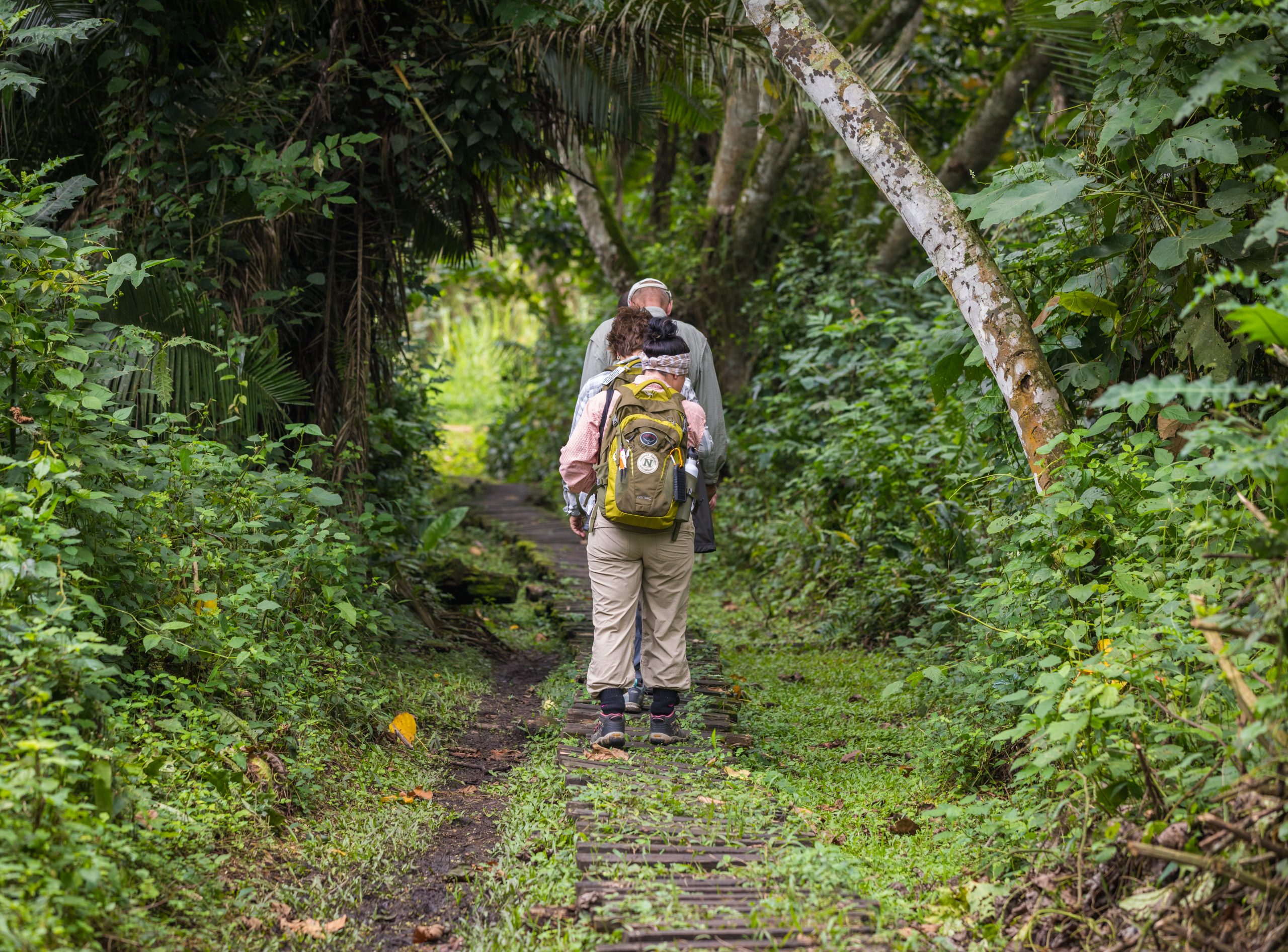
Guided tracking usually begins from the Kanyanchu visitor area. Rangers and trackers follow chimpanzee calls and signs through the forest; the route and time on foot vary with the group’s movements and trail conditions. Other primates include red colobus, black-and-white colobus and L’Hoest’s monkeys. Birders can look for forest species, while guided nature walks offer a slower introduction to the habitat.
Tracking is a walk through living forest, not a staged wildlife encounter. Chimpanzees move quickly through the canopy and along the forest floor, so visitors may walk for some time before trackers locate a group. Keep quiet, follow the guide and allow the animals space.
Kibale is not only about chimpanzees: several other primates use the forest, and the park is an important destination for forest birding. A knowledgeable guide can help identify calls and species while explaining how the forest changes between trail sections.
Permits and practical planning
Reserve chimpanzee permits in advance and confirm current start times, age rules and tracking conditions with Uganda Wildlife Authority. Wear closed, grippy footwear and bring rain protection. Kibale fits naturally into a western Uganda itinerary with Fort Portal, crater lakes or nearby savannah parks.
Build the tracking start time into your accommodation and transport plan. Staying near Fort Portal or the park entrance reduces pressure on the morning, while a local transfer can be arranged as part of a wider western Uganda route.
Permit availability and visitor requirements are set by the park authority and may change. Confirm your booked session, arrival time, minimum age and what to bring before travel; wear closed shoes that can handle mud and uneven ground.
Source: Uganda Wildlife Authority.
What to expect
Wildlife
- Mammal species
- 120+
- Bird species
- 370
Kibale is renowned for chimpanzees and other primates, including red colobus, L’Hoest’s and blue monkeys, as well as forest birds.
Plants & vegetation
351 tree species
Tropical rainforest, swamp forest and woodland create a varied habitat beneath a tall, leafy canopy.
Published species totals vary by survey date and coverage. Mammal and bird counts are shown separately; they are not a complete count of every wildlife group.
Main attractions & activities
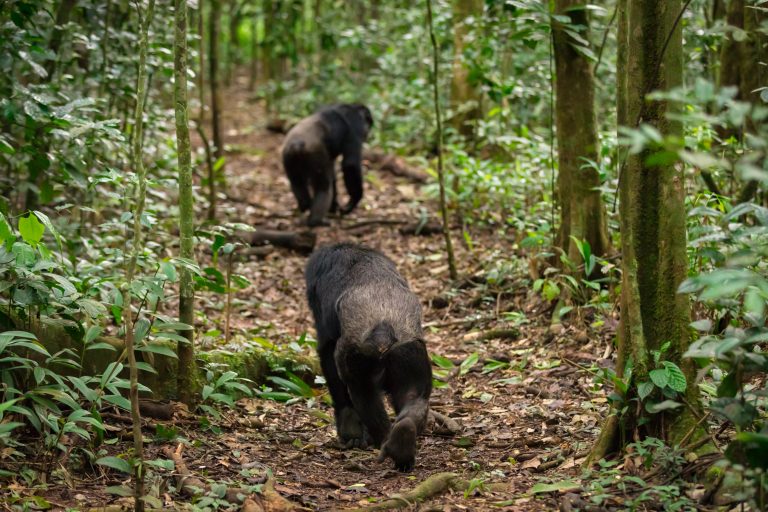
Chimpanzees
Experience Chimpanzee tracking or habituation experience
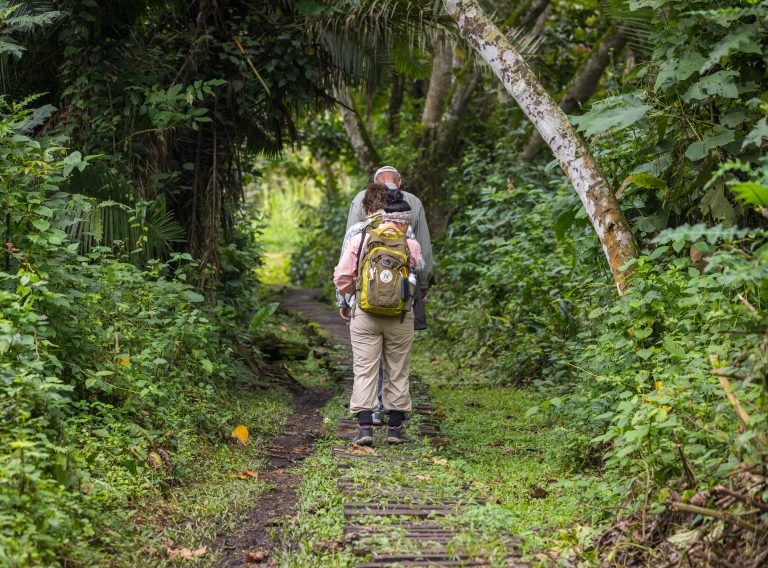
Kibale forest
Experience Guided primate and birding walks
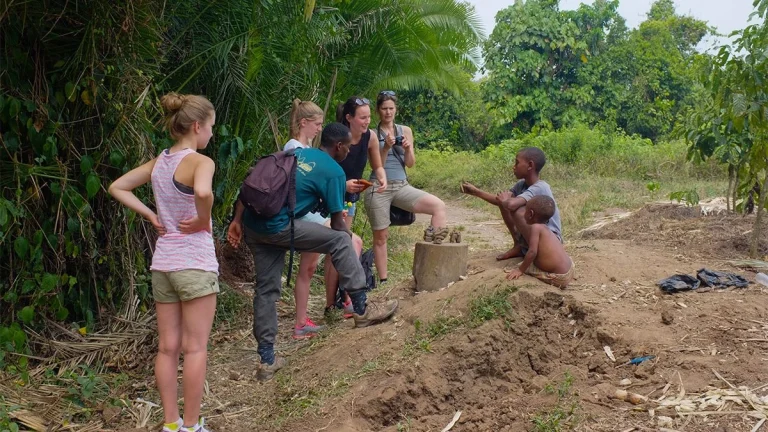
Bigodi Wetland Sanctuary
Experience Community-guided wetland walk
Activities & fees
| Activity | Permit or activity fee |
|---|---|
| Chimpanzee tracking | US$250 permit (foreign non-resident) |
| Chimpanzee habituation experience | US$300 permit (foreign non-resident) |
| Guided primate walks | US$30 UWA activity fee (foreign non-resident) |
| Forest birdwatching | US$30 UWA activity fee (foreign non-resident) |
These are published authority permit or activity fees for foreign non-resident adults where a rate is available, not complete safari-package prices. Rates can vary by visitor category and travel date; park entry, transport, guides, and operator services may be charged separately. Confirm current rates before booking with the Uganda Wildlife Authority or Rwanda Development Board.
Frequently Asked Questions
01 What is Kibale National Park best known for?
Kibale is best known for chimpanzee tracking and its unusually high diversity of forest primates. At Kibale National Park, this question is best understood in the context of tropical forest in western Uganda, known for chimpanzees and thirteen primate species. The information already provided identifies the main point, while the exact experience can vary with location, season, weather, access and wildlife movement. This distinction matters when a visitor is deciding what to expect from a walk, drive or wildlife encounter. Use general descriptions to guide your choices, not as a promise of a specific sighting, route or activity outcome. Before you set out, ask a local guide what conditions are like and which details are confirmed for that day. Allow time for a briefing, the activity and return journey.
The Kanyanchu forest walk also looks for other primates, including red colobus, black-and-white colobus and L'Hoest's monkeys. For a visitor asking “What is Kibale National Park best known for?,” planning at Kibale National Park starts by matching accommodation, transport and activity times. The local consideration is coordinate the Kanyanchu tracking start with accommodation near Fort Portal and onward transport. Confirm the reporting point, expected duration, suitable clothing and equipment, and current permit, age, health or safety requirements with park staff or an authorized operator. Travel may take longer than a map suggests when roads are rough, trails are steep or sites lie in different sectors. Share mobility, fitness or health concerns before booking so recommendations can reflect the route you intend to take. Leave a flexible margin around the experience, since weather, wildlife movement and park operations can change.
Kibale's forest trails are also valuable for birdwatching. A local guide can help identify calls and explain the forest habitat. Responsible travel at Kibale National Park means treating the landscape as a living habitat rather than a predictable attraction. Visitors should keep in mind forest primates, birdlife and the need to follow ranger guidance during a chimpanzee encounter. Follow ranger instructions, stay on approved trails and roads, give wildlife room, and never feed, call or crowd animals. For any community visit, choose a locally led experience, ask permission before taking photographs and respect guidance about what is appropriate to share. Check schedules, fees, permits and access with the relevant park authority shortly before departure, because details can change. A knowledgeable guide can explain conservation context and adjust plans to conditions, making a visit safer and more respectful.
02 How long does chimpanzee tracking take in Kibale?
Allow several hours. The trek depends on where the chimpanzees are moving and on the weather and terrain that day. At Kibale National Park, this question is best understood in the context of tropical forest in western Uganda, known for chimpanzees and thirteen primate species. The information already provided identifies the main point, while the exact experience can vary with location, season, weather, access and wildlife movement. This distinction matters when a visitor is deciding what to expect from a walk, drive or wildlife encounter. Use general descriptions to guide your choices, not as a promise of a specific sighting, route or activity outcome. Before you set out, ask a local guide what conditions are like and which details are confirmed for that day. Allow time for a briefing, the activity and return journey.
Chimpanzees move freely, so the length of a tracking walk depends on where the group is and how it moves that day. For a visitor asking “How long does chimpanzee tracking take in Kibale?,” planning at Kibale National Park starts by matching accommodation, transport and activity times. The local consideration is coordinate the Kanyanchu tracking start with accommodation near Fort Portal and onward transport. Confirm the reporting point, expected duration, suitable clothing and equipment, and current permit, age, health or safety requirements with park staff or an authorized operator. Travel may take longer than a map suggests when roads are rough, trails are steep or sites lie in different sectors. Share mobility, fitness or health concerns before booking so recommendations can reflect the route you intend to take. Leave a flexible margin around the experience, since weather, wildlife movement and park operations can change.
Allow time for registration, a ranger briefing and the return journey. Do not schedule a tight transfer immediately after the trek. Responsible travel at Kibale National Park means treating the landscape as a living habitat rather than a predictable attraction. Visitors should keep in mind forest primates, birdlife and the need to follow ranger guidance during a chimpanzee encounter. Follow ranger instructions, stay on approved trails and roads, give wildlife room, and never feed, call or crowd animals. For any community visit, choose a locally led experience, ask permission before taking photographs and respect guidance about what is appropriate to share. Check schedules, fees, permits and access with the relevant park authority shortly before departure, because details can change. A knowledgeable guide can explain conservation context and adjust plans to conditions, making a visit safer and more respectful.
03 Are chimpanzee sightings guaranteed?
No. Chimpanzees are wild and mobile, so sightings cannot be guaranteed. Follow the guide's instructions and keep a respectful distance if the group is found. At Kibale National Park, this question is best understood in the context of tropical forest in western Uganda, known for chimpanzees and thirteen primate species. The information already provided identifies the main point, while the exact experience can vary with location, season, weather, access and wildlife movement. This distinction matters when a visitor is deciding what to expect from a walk, drive or wildlife encounter. Use general descriptions to guide your choices, not as a promise of a specific sighting, route or activity outcome. Before you set out, ask a local guide what conditions are like and which details are confirmed for that day. Allow time for a briefing, the activity and return journey.
Trackers are skilled at locating chimpanzees, but wild animals can move out of view or remain difficult to observe. For a visitor asking “Are chimpanzee sightings guaranteed?,” planning at Kibale National Park starts by matching accommodation, transport and activity times. The local consideration is coordinate the Kanyanchu tracking start with accommodation near Fort Portal and onward transport. Confirm the reporting point, expected duration, suitable clothing and equipment, and current permit, age, health or safety requirements with park staff or an authorized operator. Travel may take longer than a map suggests when roads are rough, trails are steep or sites lie in different sectors. Share mobility, fitness or health concerns before booking so recommendations can reflect the route you intend to take. Leave a flexible margin around the experience, since weather, wildlife movement and park operations can change.
A respectful encounter depends on patience, quiet behavior and keeping the distance set by your guide. Responsible travel at Kibale National Park means treating the landscape as a living habitat rather than a predictable attraction. Visitors should keep in mind forest primates, birdlife and the need to follow ranger guidance during a chimpanzee encounter. Follow ranger instructions, stay on approved trails and roads, give wildlife room, and never feed, call or crowd animals. For any community visit, choose a locally led experience, ask permission before taking photographs and respect guidance about what is appropriate to share. Check schedules, fees, permits and access with the relevant park authority shortly before departure, because details can change. A knowledgeable guide can explain conservation context and adjust plans to conditions, making a visit safer and more respectful.
04 What other wildlife can I see in Kibale?
Kibale is especially known for its 13 primate species, including red colobus, black-and-white colobus and L'Hoest's monkeys. At Kibale National Park, this question is best understood in the context of tropical forest in western Uganda, known for chimpanzees and thirteen primate species. The information already provided identifies the main point, while the exact experience can vary with location, season, weather, access and wildlife movement. This distinction matters when a visitor is deciding what to expect from a walk, drive or wildlife encounter. Use general descriptions to guide your choices, not as a promise of a specific sighting, route or activity outcome. Before you set out, ask a local guide what conditions are like and which details are confirmed for that day. Allow time for a briefing, the activity and return journey.
The wider forest ecosystem also supports other mammals and diverse birdlife, although animals can be difficult to spot in dense vegetation. For a visitor asking “What other wildlife can I see in Kibale?,” planning at Kibale National Park starts by matching accommodation, transport and activity times. The local consideration is coordinate the Kanyanchu tracking start with accommodation near Fort Portal and onward transport. Confirm the reporting point, expected duration, suitable clothing and equipment, and current permit, age, health or safety requirements with park staff or an authorized operator. Travel may take longer than a map suggests when roads are rough, trails are steep or sites lie in different sectors. Share mobility, fitness or health concerns before booking so recommendations can reflect the route you intend to take. Leave a flexible margin around the experience, since weather, wildlife movement and park operations can change.
A guided walk helps visitors identify calls, tracks and canopy movement. Sightings vary and should not be treated as guaranteed. Responsible travel at Kibale National Park means treating the landscape as a living habitat rather than a predictable attraction. Visitors should keep in mind forest primates, birdlife and the need to follow ranger guidance during a chimpanzee encounter. Follow ranger instructions, stay on approved trails and roads, give wildlife room, and never feed, call or crowd animals. For any community visit, choose a locally led experience, ask permission before taking photographs and respect guidance about what is appropriate to share. Check schedules, fees, permits and access with the relevant park authority shortly before departure, because details can change. A knowledgeable guide can explain conservation context and adjust plans to conditions, making a visit safer and more respectful.
05 Where should I stay when visiting Kibale?
Fort Portal and accommodation near the park are common bases for visiting Kibale and the wider western Uganda region. At Kibale National Park, this question is best understood in the context of tropical forest in western Uganda, known for chimpanzees and thirteen primate species. The information already provided identifies the main point, while the exact experience can vary with location, season, weather, access and wildlife movement. This distinction matters when a visitor is deciding what to expect from a walk, drive or wildlife encounter. Use general descriptions to guide your choices, not as a promise of a specific sighting, route or activity outcome. Before you set out, ask a local guide what conditions are like and which details are confirmed for that day. Allow time for a briefing, the activity and return journey.
For an early tracking session, choose lodging with a realistic transfer to the Kanyanchu meeting area. For a visitor asking “Where should I stay when visiting Kibale?,” planning at Kibale National Park starts by matching accommodation, transport and activity times. The local consideration is coordinate the Kanyanchu tracking start with accommodation near Fort Portal and onward transport. Confirm the reporting point, expected duration, suitable clothing and equipment, and current permit, age, health or safety requirements with park staff or an authorized operator. Travel may take longer than a map suggests when roads are rough, trails are steep or sites lie in different sectors. Share mobility, fitness or health concerns before booking so recommendations can reflect the route you intend to take. Leave a flexible margin around the experience, since weather, wildlife movement and park operations can change.
Confirm your start time and reporting point first, then ask your operator to coordinate accommodation and transport around it. Responsible travel at Kibale National Park means treating the landscape as a living habitat rather than a predictable attraction. Visitors should keep in mind forest primates, birdlife and the need to follow ranger guidance during a chimpanzee encounter. Follow ranger instructions, stay on approved trails and roads, give wildlife room, and never feed, call or crowd animals. For any community visit, choose a locally led experience, ask permission before taking photographs and respect guidance about what is appropriate to share. Check schedules, fees, permits and access with the relevant park authority shortly before departure, because details can change. A knowledgeable guide can explain conservation context and adjust plans to conditions, making a visit safer and more respectful.