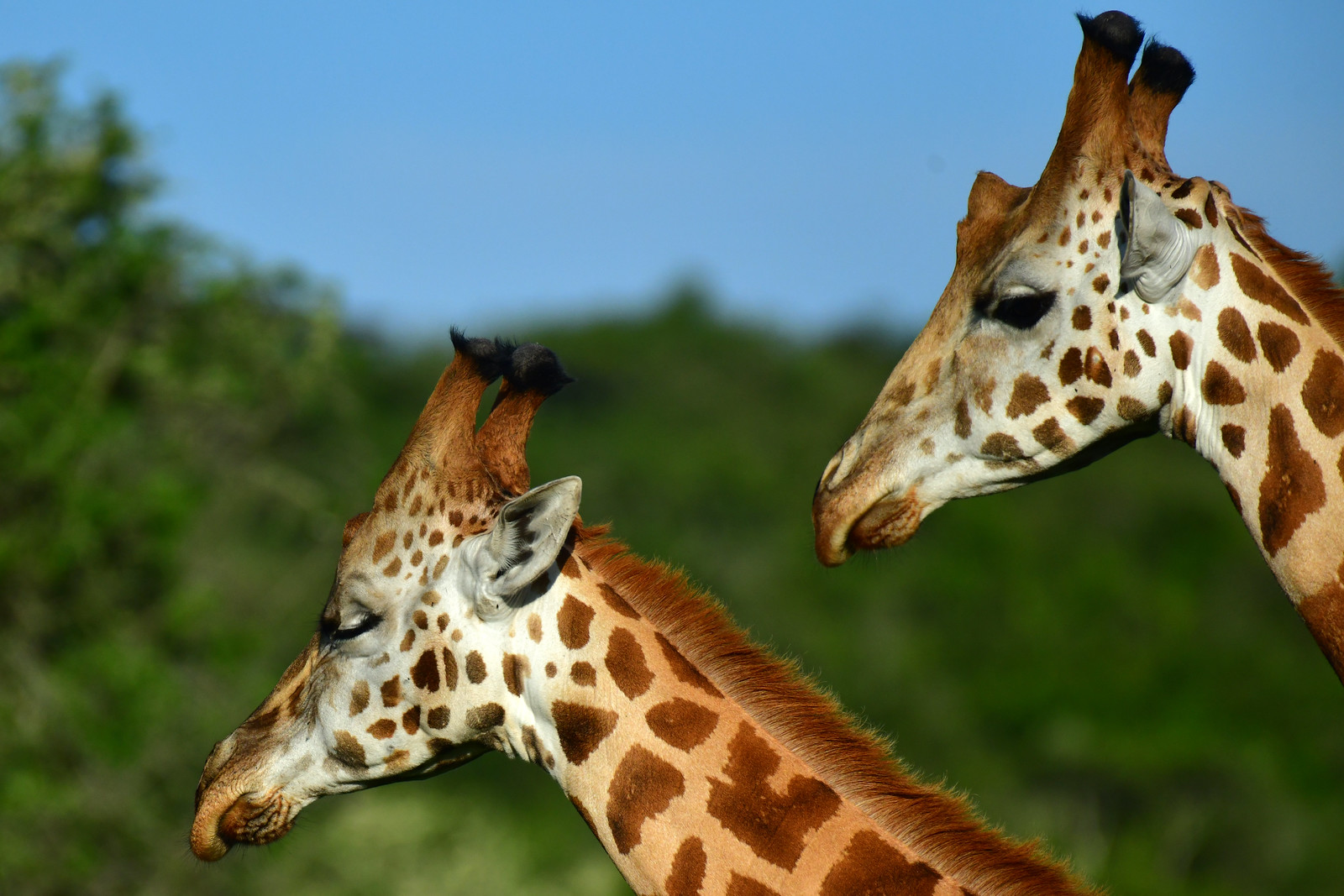
Uganda
Lake Mburo National Park
Plan a Lake Mburo National Park safari in Uganda for zebra, impala, lakeside birding and a mix of savannah, woodland and wetland habitats.
Plan a visit- Best time to travel
- June–August and December–February
- Size
- 370 km²
- Established
- 1983
Lake Mburo National Park is a compact savannah and wetland reserve in western Uganda, making it a convenient wildlife stop between Kampala and Uganda’s southwestern parks. Acacia woodland, open grassland, rocky outcrops, papyrus swamps and a chain of lakes create varied habitats in a relatively small area.
Wildlife and activities at Lake Mburo
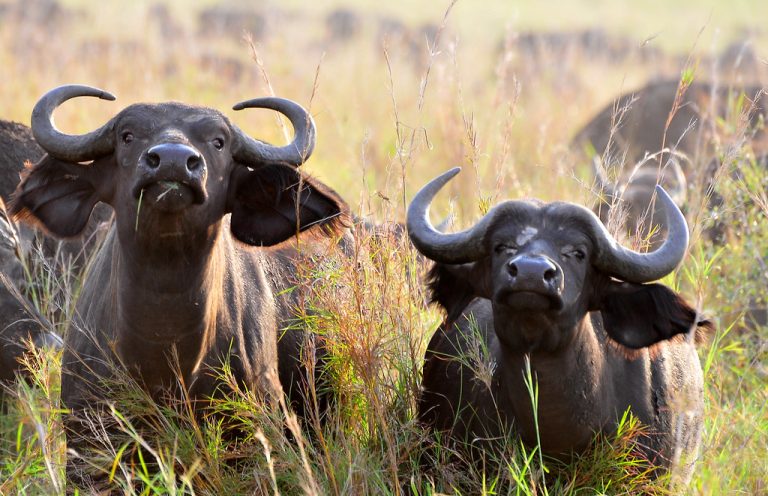
Zebra, impala and eland are among the park’s signature animals; buffalo, waterbuck, hippos and many waterbirds also use its grasslands and shorelines. Explore by guided game drive, boat trip or walking safari where available. A boat trip reveals the lake’s birdlife and aquatic wildlife, while a walk with an authorized guide offers a closer look at tracks, plants and smaller details often missed from a vehicle.
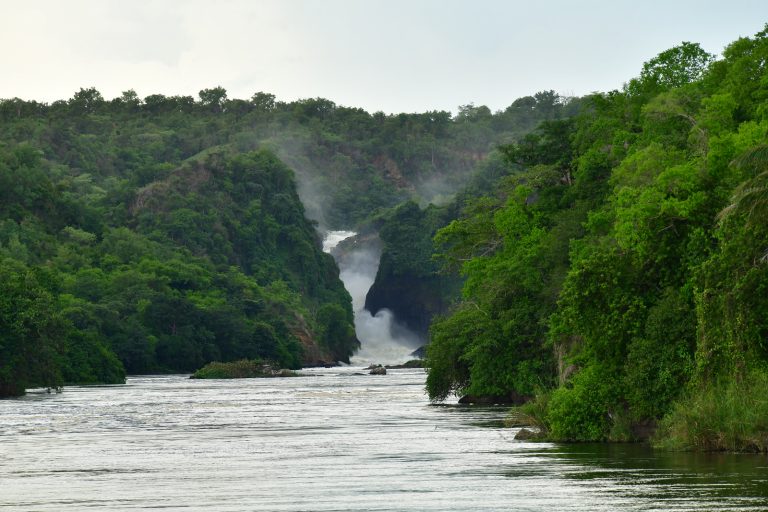
Lake Mburo’s connected lakes, marshes and woodland create important habitat for both land and water wildlife. The scenery changes over a short distance, so guided walks and boat trips can reveal details that are easy to miss on a vehicle-only visit.
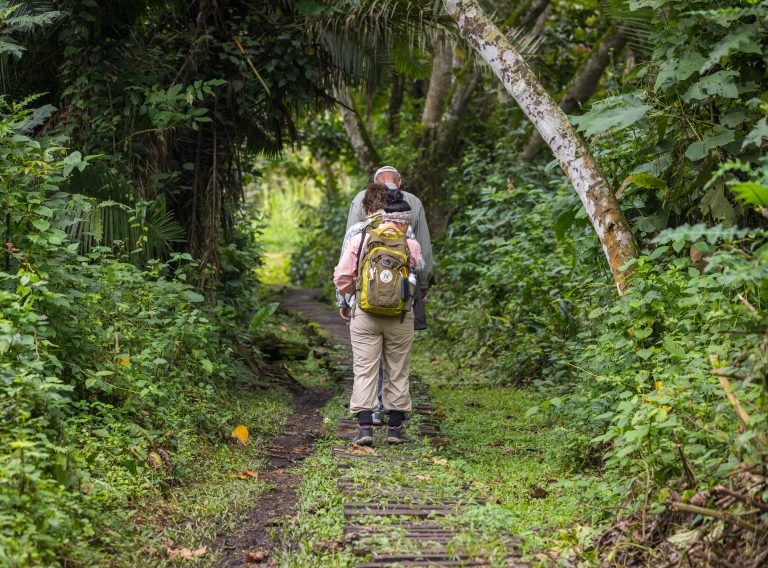
Walking safaris are a distinctive option here when arranged with an authorized guide. They focus on reading the landscape and animal signs on foot; always follow the guide’s safety instructions and stay within the areas open to visitors.
Good to know before you go
Lake Mburo works well as a short safari or as a first or final stop on a longer western Uganda route. Check which activities are operating for your travel dates and follow guide instructions around wildlife, especially near water. Birdwatchers may want to allow extra time around wetlands and woodland edges.
The park is a useful pause on the road between Kampala and the southwest, but exact journey times depend on traffic, weather and the gate you use. Plan arrival around your first activity and check the location of your lodge relative to the park entrance.
Birders can ask guides about recent activity around the lakes and papyrus edges. As with all wildlife areas, animal sightings vary, and responsible viewing means giving wildlife room and avoiding noise or feeding.
Source: Uganda Wildlife Authority.
What to expect
Wildlife
- Mammal species
- 68–69
- Bird species
- 350+
Look for zebras, impalas, elands, buffaloes, hippos and crocodiles, as well as abundant wetland and savannah birdlife.
Plants & vegetation
A verified park-wide plant species total is not published
Rolling acacia-dotted grassland, woodland, papyrus swamps and lakeshore habitats.
Published species totals vary by survey date and coverage. Mammal and bird counts are shown separately; they are not a complete count of every wildlife group.
Main attractions & activities
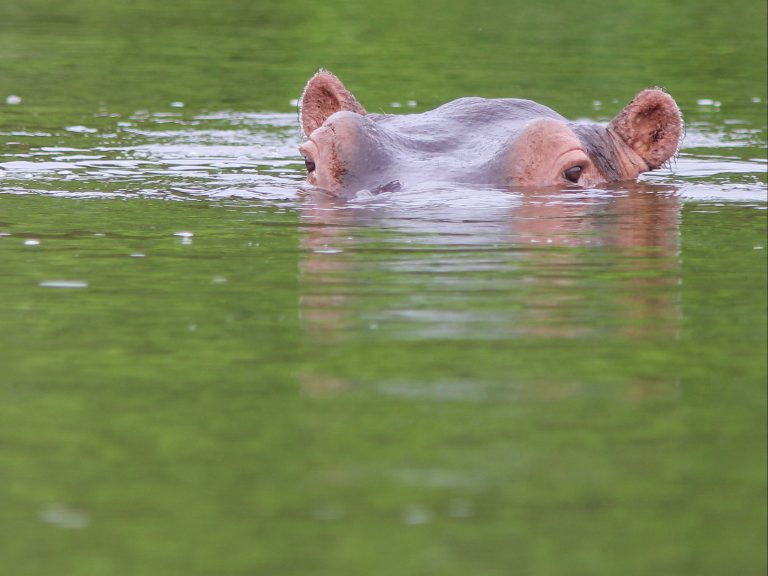
Lake Mburo
Experience Boat trip and lakeside wildlife viewing
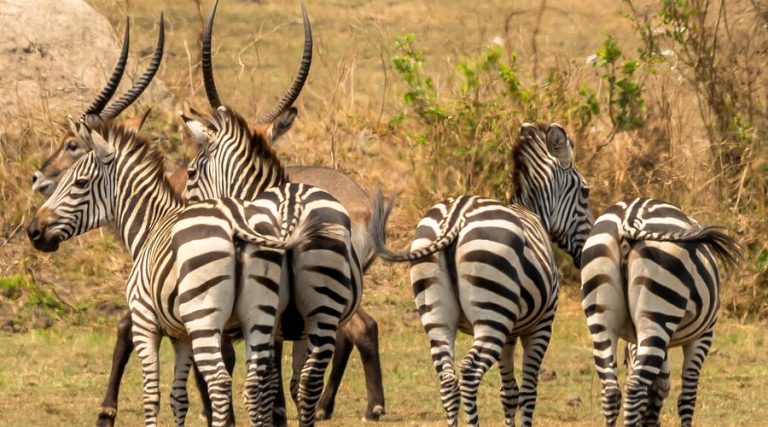
Open savannah
Experience Game drive or guided walking safari
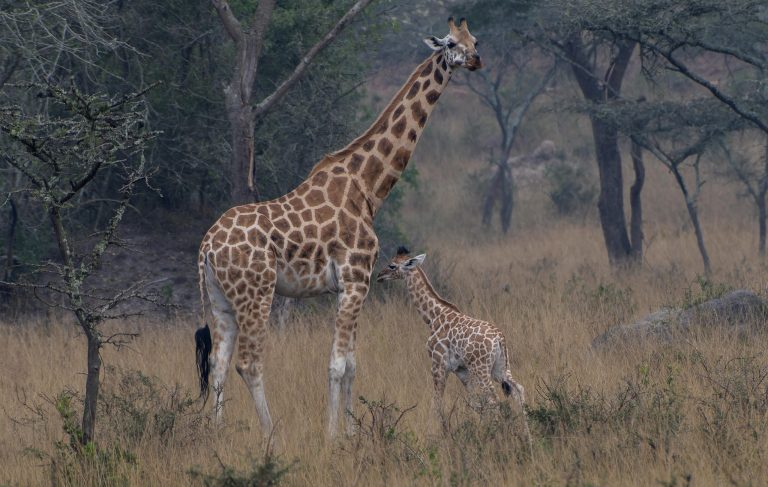
Acacia woodland
Experience Horseback safari where available
Activities & fees
| Activity | Permit or activity fee |
|---|---|
| Savannah game drives | Price on request |
| Lake boat trips | US$35 UWA activity fee (foreign non-resident) |
| Guided walking safaris | US$30 UWA activity fee (foreign non-resident) |
| Wetland birdwatching | US$30 UWA activity fee (foreign non-resident) |
These are published authority permit or activity fees for foreign non-resident adults where a rate is available, not complete safari-package prices. Rates can vary by visitor category and travel date; park entry, transport, guides, and operator services may be charged separately. Confirm current rates before booking with the Uganda Wildlife Authority or Rwanda Development Board.
Frequently Asked Questions
01 What is Lake Mburo National Park known for?
It is known for zebra, impala and eland, its accessible savannah setting, lake and wetland habitats, and activities including game drives, boating and guided walks. At Lake Mburo National Park, this question is best understood in the context of a compact mosaic of savannah, woodland, wetlands and lakes between Kampala and western Uganda. The information already provided identifies the main point, while the exact experience can vary with location, season, weather, access and wildlife movement. This distinction matters when a visitor is deciding what to expect from a walk, drive or wildlife encounter. Use general descriptions to guide your choices, not as a promise of a specific sighting, route or activity outcome. Before you set out, ask a local guide what conditions are like and which details are confirmed for that day. Allow time for a briefing, the activity and return journey.
The park is known for zebra, impala and eland, with buffalo, waterbuck, hippos and a range of waterbirds also present. For a visitor asking “What is Lake Mburo National Park known for?,” planning at Lake Mburo National Park starts by matching accommodation, transport and activity times. The local consideration is coordinate a game drive, boat trip or guided walk with the park gate and lodge location. Confirm the reporting point, expected duration, suitable clothing and equipment, and current permit, age, health or safety requirements with park staff or an authorized operator. Travel may take longer than a map suggests when roads are rough, trails are steep or sites lie in different sectors. Share mobility, fitness or health concerns before booking so recommendations can reflect the route you intend to take. Leave a flexible margin around the experience, since weather, wildlife movement and park operations can change.
Wildlife sightings change with habitat, time of day and season. A guide can choose a suitable route based on current conditions. Responsible travel at Lake Mburo National Park means treating the landscape as a living habitat rather than a predictable attraction. Visitors should keep in mind zebra, impala, eland, aquatic habitats and safe, guided wildlife viewing. Follow ranger instructions, stay on approved trails and roads, give wildlife room, and never feed, call or crowd animals. For any community visit, choose a locally led experience, ask permission before taking photographs and respect guidance about what is appropriate to share. Check schedules, fees, permits and access with the relevant park authority shortly before departure, because details can change. A knowledgeable guide can explain conservation context and adjust plans to conditions, making a visit safer and more respectful.
02 Can I take a boat safari at Lake Mburo?
Boat trips are a park experience, subject to current schedules and conditions. Confirm availability with your lodge or Uganda Wildlife Authority before travel. At Lake Mburo National Park, this question is best understood in the context of a compact mosaic of savannah, woodland, wetlands and lakes between Kampala and western Uganda. The information already provided identifies the main point, while the exact experience can vary with location, season, weather, access and wildlife movement. This distinction matters when a visitor is deciding what to expect from a walk, drive or wildlife encounter. Use general descriptions to guide your choices, not as a promise of a specific sighting, route or activity outcome. Before you set out, ask a local guide what conditions are like and which details are confirmed for that day. Allow time for a briefing, the activity and return journey.
A boat outing provides a different perspective from a game drive, focusing on the lake edge and animals using the water. For a visitor asking “Can I take a boat safari at Lake Mburo?,” planning at Lake Mburo National Park starts by matching accommodation, transport and activity times. The local consideration is coordinate a game drive, boat trip or guided walk with the park gate and lodge location. Confirm the reporting point, expected duration, suitable clothing and equipment, and current permit, age, health or safety requirements with park staff or an authorized operator. Travel may take longer than a map suggests when roads are rough, trails are steep or sites lie in different sectors. Share mobility, fitness or health concerns before booking so recommendations can reflect the route you intend to take. Leave a flexible margin around the experience, since weather, wildlife movement and park operations can change.
Schedules and access can vary, so confirm the departure point, timing and availability with your lodge or park authority. Responsible travel at Lake Mburo National Park means treating the landscape as a living habitat rather than a predictable attraction. Visitors should keep in mind zebra, impala, eland, aquatic habitats and safe, guided wildlife viewing. Follow ranger instructions, stay on approved trails and roads, give wildlife room, and never feed, call or crowd animals. For any community visit, choose a locally led experience, ask permission before taking photographs and respect guidance about what is appropriate to share. Check schedules, fees, permits and access with the relevant park authority shortly before departure, because details can change. A knowledgeable guide can explain conservation context and adjust plans to conditions, making a visit safer and more respectful.
03 Is Lake Mburo suitable for a short Uganda safari?
Yes. Its location on the route to southwestern Uganda makes it a practical short stay, though a longer visit allows time for more than one activity. At Lake Mburo National Park, this question is best understood in the context of a compact mosaic of savannah, woodland, wetlands and lakes between Kampala and western Uganda. The information already provided identifies the main point, while the exact experience can vary with location, season, weather, access and wildlife movement. This distinction matters when a visitor is deciding what to expect from a walk, drive or wildlife encounter. Use general descriptions to guide your choices, not as a promise of a specific sighting, route or activity outcome. Before you set out, ask a local guide what conditions are like and which details are confirmed for that day. Allow time for a briefing, the activity and return journey.
Its position between Kampala and the southwestern parks makes Lake Mburo a convenient stop on a road itinerary. For a visitor asking “Is Lake Mburo suitable for a short Uganda safari?,” planning at Lake Mburo National Park starts by matching accommodation, transport and activity times. The local consideration is coordinate a game drive, boat trip or guided walk with the park gate and lodge location. Confirm the reporting point, expected duration, suitable clothing and equipment, and current permit, age, health or safety requirements with park staff or an authorized operator. Travel may take longer than a map suggests when roads are rough, trails are steep or sites lie in different sectors. Share mobility, fitness or health concerns before booking so recommendations can reflect the route you intend to take. Leave a flexible margin around the experience, since weather, wildlife movement and park operations can change.
A short stay can include one or two activities; add nights if you want time for a drive, a boat trip and a guided walk. Responsible travel at Lake Mburo National Park means treating the landscape as a living habitat rather than a predictable attraction. Visitors should keep in mind zebra, impala, eland, aquatic habitats and safe, guided wildlife viewing. Follow ranger instructions, stay on approved trails and roads, give wildlife room, and never feed, call or crowd animals. For any community visit, choose a locally led experience, ask permission before taking photographs and respect guidance about what is appropriate to share. Check schedules, fees, permits and access with the relevant park authority shortly before departure, because details can change. A knowledgeable guide can explain conservation context and adjust plans to conditions, making a visit safer and more respectful.
04 What activities can I do in Lake Mburo National Park?
Visitors can explore by vehicle and, where operating, by boat on the lake or on a guided walking safari. At Lake Mburo National Park, this question is best understood in the context of a compact mosaic of savannah, woodland, wetlands and lakes between Kampala and western Uganda. The information already provided identifies the main point, while the exact experience can vary with location, season, weather, access and wildlife movement. This distinction matters when a visitor is deciding what to expect from a walk, drive or wildlife encounter. Use general descriptions to guide your choices, not as a promise of a specific sighting, route or activity outcome. Before you set out, ask a local guide what conditions are like and which details are confirmed for that day. Allow time for a briefing, the activity and return journey.
Each activity focuses on a different part of the park, from open savannah to shoreline, wetland and woodland habitats. For a visitor asking “What activities can I do in Lake Mburo National Park?,” planning at Lake Mburo National Park starts by matching accommodation, transport and activity times. The local consideration is coordinate a game drive, boat trip or guided walk with the park gate and lodge location. Confirm the reporting point, expected duration, suitable clothing and equipment, and current permit, age, health or safety requirements with park staff or an authorized operator. Travel may take longer than a map suggests when roads are rough, trails are steep or sites lie in different sectors. Share mobility, fitness or health concerns before booking so recommendations can reflect the route you intend to take. Leave a flexible margin around the experience, since weather, wildlife movement and park operations can change.
Confirm current schedules, safety requirements and guide availability with the park or your lodge before setting out. Responsible travel at Lake Mburo National Park means treating the landscape as a living habitat rather than a predictable attraction. Visitors should keep in mind zebra, impala, eland, aquatic habitats and safe, guided wildlife viewing. Follow ranger instructions, stay on approved trails and roads, give wildlife room, and never feed, call or crowd animals. For any community visit, choose a locally led experience, ask permission before taking photographs and respect guidance about what is appropriate to share. Check schedules, fees, permits and access with the relevant park authority shortly before departure, because details can change. A knowledgeable guide can explain conservation context and adjust plans to conditions, making a visit safer and more respectful.
05 What wildlife is Lake Mburo known for?
Zebra, impala and eland are among Lake Mburo's best-known animals; buffalo, waterbuck and hippos also occur. At Lake Mburo National Park, this question is best understood in the context of a compact mosaic of savannah, woodland, wetlands and lakes between Kampala and western Uganda. The information already provided identifies the main point, while the exact experience can vary with location, season, weather, access and wildlife movement. This distinction matters when a visitor is deciding what to expect from a walk, drive or wildlife encounter. Use general descriptions to guide your choices, not as a promise of a specific sighting, route or activity outcome. Before you set out, ask a local guide what conditions are like and which details are confirmed for that day. Allow time for a briefing, the activity and return journey.
Wetlands and lakes attract a variety of waterbirds, making the park appealing to visitors who enjoy birdwatching. For a visitor asking “What wildlife is Lake Mburo known for?,” planning at Lake Mburo National Park starts by matching accommodation, transport and activity times. The local consideration is coordinate a game drive, boat trip or guided walk with the park gate and lodge location. Confirm the reporting point, expected duration, suitable clothing and equipment, and current permit, age, health or safety requirements with park staff or an authorized operator. Travel may take longer than a map suggests when roads are rough, trails are steep or sites lie in different sectors. Share mobility, fitness or health concerns before booking so recommendations can reflect the route you intend to take. Leave a flexible margin around the experience, since weather, wildlife movement and park operations can change.
Animal activity changes with season and time of day. A guide can suggest suitable areas, but sightings cannot be promised. Responsible travel at Lake Mburo National Park means treating the landscape as a living habitat rather than a predictable attraction. Visitors should keep in mind zebra, impala, eland, aquatic habitats and safe, guided wildlife viewing. Follow ranger instructions, stay on approved trails and roads, give wildlife room, and never feed, call or crowd animals. For any community visit, choose a locally led experience, ask permission before taking photographs and respect guidance about what is appropriate to share. Check schedules, fees, permits and access with the relevant park authority shortly before departure, because details can change. A knowledgeable guide can explain conservation context and adjust plans to conditions, making a visit safer and more respectful.