Uganda
Kidepo Valley National Park
Explore Kidepo Valley National Park in remote northeastern Uganda for open savannah, dramatic mountain horizons and distinctive wildlife viewing.
Plan a visit- Best time to travel
- September–March for drier roads and wildlife viewing
- Size
- 1,442 km²
- Established
- 1962
Kidepo Valley National Park is a remote wilderness in northeastern Uganda’s Karamoja region. Open savannah, rugged mountain horizons and seasonal river valleys give it a very different character from Uganda’s forest parks. Visitors who make the journey can explore wide landscapes, seek out wildlife on guided drives and experience one of the country’s most distinctive birding areas.
Wildlife in the Narus Valley
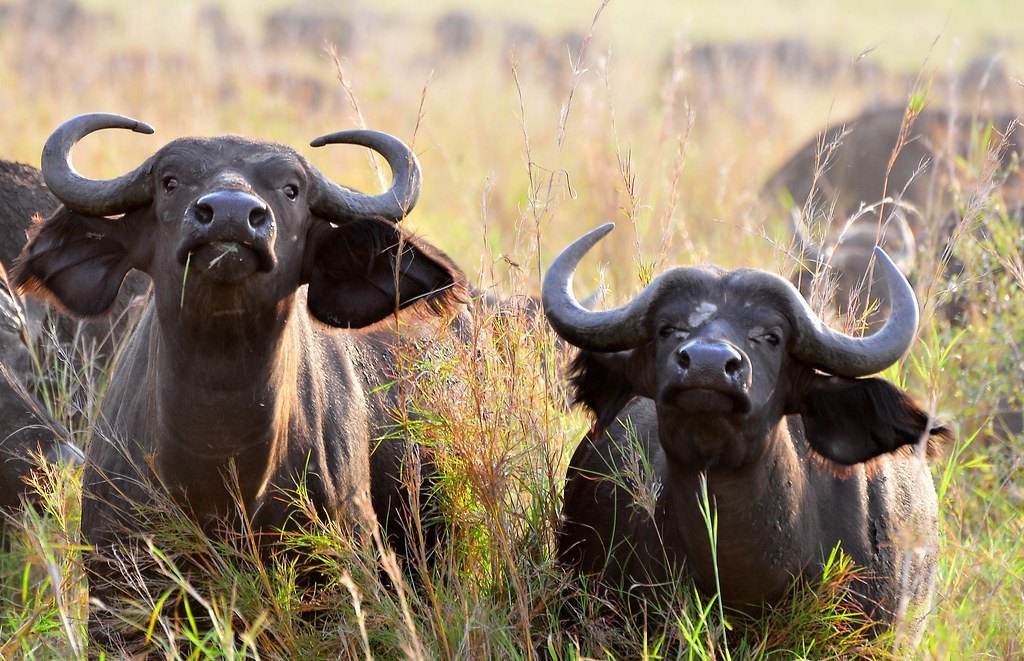
The Narus Valley is an important game-viewing area, particularly in the dry season when wildlife concentrates near remaining water. Elephants, buffalo, giraffes, antelope and predators inhabit the park, while ostriches are among the notable birds found here. Sightings depend on season, location and luck; a knowledgeable guide helps interpret tracks and animal behavior as well as find wildlife.
Game drives are most rewarding when they follow current conditions rather than a fixed checklist. Your guide can choose routes around recent wildlife movement, water and road conditions; even in a productive area, animals may be difficult to spot in tall grass or across a broad valley.
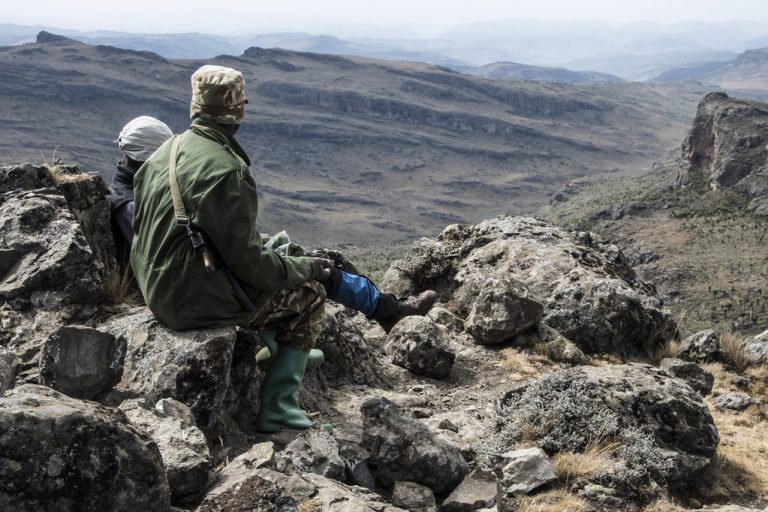
For birders, Kidepo’s location gives the park a distinctive mix of species, including birds associated with drier northern habitats. Open plains, rocky hills and distant ranges also make the scenery a major part of the experience, especially around early morning and late afternoon.
Getting to Kidepo
Kidepo lies far from Uganda’s main safari circuit. Travelers can discuss a road journey with planned overnight stops or a domestic flight with their safari operator. Allow more than a brief stop so game drives and the changing light have room in the itinerary. Ask before booking about current access, transfer and community-visit arrangements.
Allow enough time for the journey in both directions. A road itinerary can include a planned overnight stop, while flights save travel time but still require ground transfers and coordination with park activities.
Ask a reputable local operator about current route advice, accommodation and community experiences before confirming your plans. The remoteness is part of Kidepo’s appeal, but it also means visitors should plan fuel, transfers and contingency time carefully.
What to expect
Wildlife
- Mammal species
- 77+
- Bird species
- 476
The open valleys support elephants, buffaloes, giraffes, lions and cheetahs, with wildlife sightings varying by season and location.
Plants & vegetation
692 species recorded across the wider Kidepo Landscape
Open savannah, seasonal grasslands and dry-country woodland frame the Narus and Kidepo valleys.
Published species totals vary by survey date and coverage. Mammal and bird counts are shown separately; they are not a complete count of every wildlife group.
Main attractions & activities
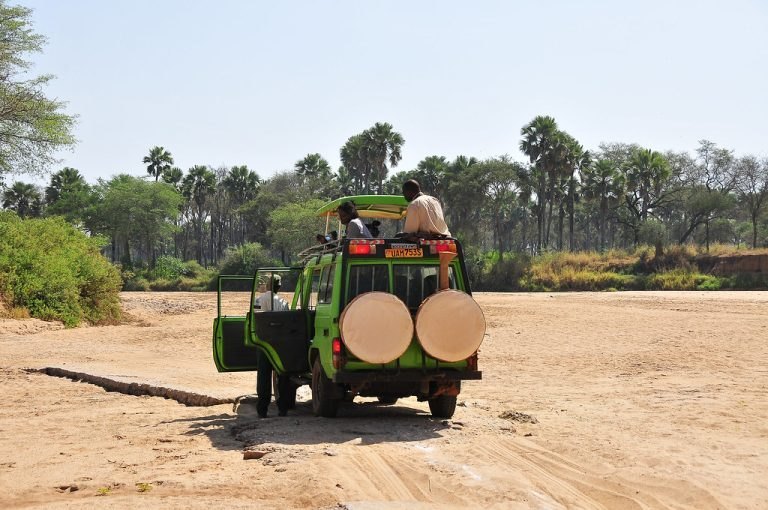
Narus Valley
Experience Savannah game drive
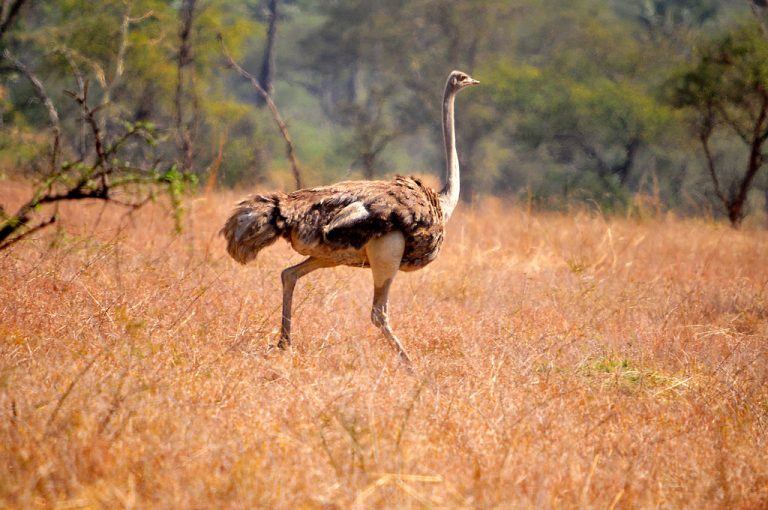
Kidepo Valley landscapes
Experience Scenic drive and wildlife viewing
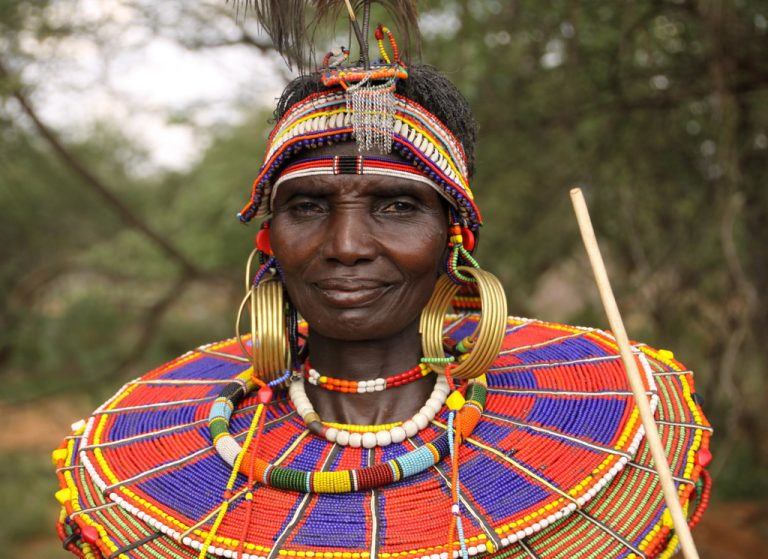
Karamojong culture
Experience Respectful, locally guided community visit
Activities & fees
| Activity | Permit or activity fee |
|---|---|
| Savannah game drives | Price on request |
| Narus Valley wildlife viewing | Price on request |
| Birdwatching | US$30 UWA activity fee (foreign non-resident) |
| Karamojong community visits | Price on request |
These are published authority permit or activity fees for foreign non-resident adults where a rate is available, not complete safari-package prices. Rates can vary by visitor category and travel date; park entry, transport, guides, and operator services may be charged separately. Confirm current rates before booking with the Uganda Wildlife Authority or Rwanda Development Board.
Frequently Asked Questions
01 What makes Kidepo Valley National Park special?
Its remote Karamoja setting, broad savannah views, seasonal valleys and wildlife create a quieter, more off-the-beaten-path Uganda safari. At Kidepo Valley National Park, this question is best understood in the context of remote savannah and seasonal valleys in the Karamoja region of northeastern Uganda. The information already provided identifies the main point, while the exact experience can vary with location, season, weather, access and wildlife movement. This distinction matters when a visitor is deciding what to expect from a walk, drive or wildlife encounter. Use general descriptions to guide your choices, not as a promise of a specific sighting, route or activity outcome. Before you set out, ask a local guide what conditions are like and which details are confirmed for that day. Allow time for a briefing, the activity and return journey.
Kidepo's remote Karamoja setting and broad, open scenery distinguish it from Uganda's more accessible safari parks. For a visitor asking “What makes Kidepo Valley National Park special?,” planning at Kidepo Valley National Park starts by matching accommodation, transport and activity times. The local consideration is plan road or air transfers, overnight stops and game drives around current access conditions. Confirm the reporting point, expected duration, suitable clothing and equipment, and current permit, age, health or safety requirements with park staff or an authorized operator. Travel may take longer than a map suggests when roads are rough, trails are steep or sites lie in different sectors. Share mobility, fitness or health concerns before booking so recommendations can reflect the route you intend to take. Leave a flexible margin around the experience, since weather, wildlife movement and park operations can change.
Its varied habitats support wildlife and bird species associated with northeastern Uganda. Game drives are best planned with a local guide. Responsible travel at Kidepo Valley National Park means treating the landscape as a living habitat rather than a predictable attraction. Visitors should keep in mind wildlife and birdlife shaped by seasonal water, open habitat and respectful community visits. Follow ranger instructions, stay on approved trails and roads, give wildlife room, and never feed, call or crowd animals. For any community visit, choose a locally led experience, ask permission before taking photographs and respect guidance about what is appropriate to share. Check schedules, fees, permits and access with the relevant park authority shortly before departure, because details can change. A knowledgeable guide can explain conservation context and adjust plans to conditions, making a visit safer and more respectful.
02 What animals can I see in Kidepo?
The park supports elephants, buffalo, giraffes, antelope and predators, as well as distinctive birdlife including ostriches. No wild-animal sighting is guaranteed. At Kidepo Valley National Park, this question is best understood in the context of remote savannah and seasonal valleys in the Karamoja region of northeastern Uganda. The information already provided identifies the main point, while the exact experience can vary with location, season, weather, access and wildlife movement. This distinction matters when a visitor is deciding what to expect from a walk, drive or wildlife encounter. Use general descriptions to guide your choices, not as a promise of a specific sighting, route or activity outcome. Before you set out, ask a local guide what conditions are like and which details are confirmed for that day. Allow time for a briefing, the activity and return journey.
Elephants, buffalo, giraffes, antelope and predators live in the park. Ostriches are among the distinctive birds recorded in Kidepo. For a visitor asking “What animals can I see in Kidepo?,” planning at Kidepo Valley National Park starts by matching accommodation, transport and activity times. The local consideration is plan road or air transfers, overnight stops and game drives around current access conditions. Confirm the reporting point, expected duration, suitable clothing and equipment, and current permit, age, health or safety requirements with park staff or an authorized operator. Travel may take longer than a map suggests when roads are rough, trails are steep or sites lie in different sectors. Share mobility, fitness or health concerns before booking so recommendations can reflect the route you intend to take. Leave a flexible margin around the experience, since weather, wildlife movement and park operations can change.
The Narus Valley can be productive when animals gather near seasonal water, but sightings depend on conditions and should never be promised. Responsible travel at Kidepo Valley National Park means treating the landscape as a living habitat rather than a predictable attraction. Visitors should keep in mind wildlife and birdlife shaped by seasonal water, open habitat and respectful community visits. Follow ranger instructions, stay on approved trails and roads, give wildlife room, and never feed, call or crowd animals. For any community visit, choose a locally led experience, ask permission before taking photographs and respect guidance about what is appropriate to share. Check schedules, fees, permits and access with the relevant park authority shortly before departure, because details can change. A knowledgeable guide can explain conservation context and adjust plans to conditions, making a visit safer and more respectful.
03 When is wildlife viewing best in Kidepo?
In the dry season, animals may gather near water in the Narus Valley. Wildlife viewing varies year to year, so ask a local guide about current conditions. At Kidepo Valley National Park, this question is best understood in the context of remote savannah and seasonal valleys in the Karamoja region of northeastern Uganda. The information already provided identifies the main point, while the exact experience can vary with location, season, weather, access and wildlife movement. This distinction matters when a visitor is deciding what to expect from a walk, drive or wildlife encounter. Use general descriptions to guide your choices, not as a promise of a specific sighting, route or activity outcome. Before you set out, ask a local guide what conditions are like and which details are confirmed for that day. Allow time for a briefing, the activity and return journey.
In the dry season, wildlife may concentrate around the Narus Valley's remaining water sources, improving the chances of viewing animals there. For a visitor asking “When is wildlife viewing best in Kidepo?,” planning at Kidepo Valley National Park starts by matching accommodation, transport and activity times. The local consideration is plan road or air transfers, overnight stops and game drives around current access conditions. Confirm the reporting point, expected duration, suitable clothing and equipment, and current permit, age, health or safety requirements with park staff or an authorized operator. Travel may take longer than a map suggests when roads are rough, trails are steep or sites lie in different sectors. Share mobility, fitness or health concerns before booking so recommendations can reflect the route you intend to take. Leave a flexible margin around the experience, since weather, wildlife movement and park operations can change.
Kidepo remains a seasonal wilderness rather than a zoo; ask your guide about recent rainfall, road conditions and wildlife movement. Responsible travel at Kidepo Valley National Park means treating the landscape as a living habitat rather than a predictable attraction. Visitors should keep in mind wildlife and birdlife shaped by seasonal water, open habitat and respectful community visits. Follow ranger instructions, stay on approved trails and roads, give wildlife room, and never feed, call or crowd animals. For any community visit, choose a locally led experience, ask permission before taking photographs and respect guidance about what is appropriate to share. Check schedules, fees, permits and access with the relevant park authority shortly before departure, because details can change. A knowledgeable guide can explain conservation context and adjust plans to conditions, making a visit safer and more respectful.
04 How many days should I spend in Kidepo Valley National Park?
Two or more nights gives time for game drives without making the long journey feel like a brief stop. At Kidepo Valley National Park, this question is best understood in the context of remote savannah and seasonal valleys in the Karamoja region of northeastern Uganda. The information already provided identifies the main point, while the exact experience can vary with location, season, weather, access and wildlife movement. This distinction matters when a visitor is deciding what to expect from a walk, drive or wildlife encounter. Use general descriptions to guide your choices, not as a promise of a specific sighting, route or activity outcome. Before you set out, ask a local guide what conditions are like and which details are confirmed for that day. Allow time for a briefing, the activity and return journey.
A longer stay can allow exploration of both the Narus and Kidepo valleys, depending on road access and current park guidance. For a visitor asking “How many days should I spend in Kidepo Valley National Park?,” planning at Kidepo Valley National Park starts by matching accommodation, transport and activity times. The local consideration is plan road or air transfers, overnight stops and game drives around current access conditions. Confirm the reporting point, expected duration, suitable clothing and equipment, and current permit, age, health or safety requirements with park staff or an authorized operator. Travel may take longer than a map suggests when roads are rough, trails are steep or sites lie in different sectors. Share mobility, fitness or health concerns before booking so recommendations can reflect the route you intend to take. Leave a flexible margin around the experience, since weather, wildlife movement and park operations can change.
Choose the length with your transfer method in mind; road journeys and flights have different schedules and contingency needs. Responsible travel at Kidepo Valley National Park means treating the landscape as a living habitat rather than a predictable attraction. Visitors should keep in mind wildlife and birdlife shaped by seasonal water, open habitat and respectful community visits. Follow ranger instructions, stay on approved trails and roads, give wildlife room, and never feed, call or crowd animals. For any community visit, choose a locally led experience, ask permission before taking photographs and respect guidance about what is appropriate to share. Check schedules, fees, permits and access with the relevant park authority shortly before departure, because details can change. A knowledgeable guide can explain conservation context and adjust plans to conditions, making a visit safer and more respectful.
05 How do I get to Kidepo Valley National Park?
Kidepo is remote in northeastern Uganda and is reached by a long road journey or by arranged domestic air transfer. At Kidepo Valley National Park, this question is best understood in the context of remote savannah and seasonal valleys in the Karamoja region of northeastern Uganda. The information already provided identifies the main point, while the exact experience can vary with location, season, weather, access and wildlife movement. This distinction matters when a visitor is deciding what to expect from a walk, drive or wildlife encounter. Use general descriptions to guide your choices, not as a promise of a specific sighting, route or activity outcome. Before you set out, ask a local guide what conditions are like and which details are confirmed for that day. Allow time for a briefing, the activity and return journey.
Road itineraries can include overnight stops, while flights still require coordination for airport pickup and ground transport. For a visitor asking “How do I get to Kidepo Valley National Park?,” planning at Kidepo Valley National Park starts by matching accommodation, transport and activity times. The local consideration is plan road or air transfers, overnight stops and game drives around current access conditions. Confirm the reporting point, expected duration, suitable clothing and equipment, and current permit, age, health or safety requirements with park staff or an authorized operator. Travel may take longer than a map suggests when roads are rough, trails are steep or sites lie in different sectors. Share mobility, fitness or health concerns before booking so recommendations can reflect the route you intend to take. Leave a flexible margin around the experience, since weather, wildlife movement and park operations can change.
Ask a reputable operator about current routes, flight schedules and local conditions before confirming your travel dates. Responsible travel at Kidepo Valley National Park means treating the landscape as a living habitat rather than a predictable attraction. Visitors should keep in mind wildlife and birdlife shaped by seasonal water, open habitat and respectful community visits. Follow ranger instructions, stay on approved trails and roads, give wildlife room, and never feed, call or crowd animals. For any community visit, choose a locally led experience, ask permission before taking photographs and respect guidance about what is appropriate to share. Check schedules, fees, permits and access with the relevant park authority shortly before departure, because details can change. A knowledgeable guide can explain conservation context and adjust plans to conditions, making a visit safer and more respectful.