
Uganda
Rwenzori Mountains National Park
Trek the Rwenzori Mountains in Uganda, a UNESCO World Heritage landscape of glaciers, alpine valleys, waterfalls and rare high-altitude flora.
Plan a visit- Best time to travel
- June–August and December–February
- Size
- 996 km²
- Established
- 1991
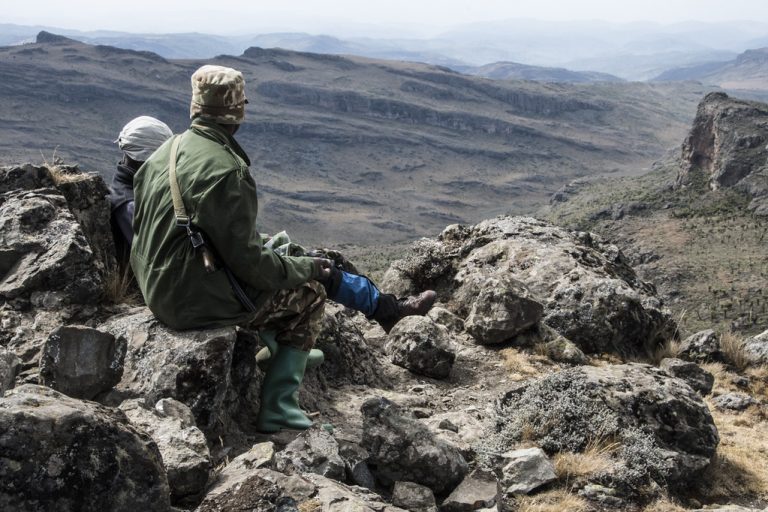
Rwenzori Mountains National Park in western Uganda protects a dramatic alpine landscape near the equator. Misty ridges, glaciers, lakes, waterfalls and unusual high-altitude vegetation distinguish the range from a typical African safari. Mount Stanley’s Margherita Peak reaches 5,109 metres, making it Africa’s third-highest summit. UNESCO inscribed the park as a World Heritage site for its natural beauty and biodiversity.
Guided Rwenzori mountain trekking
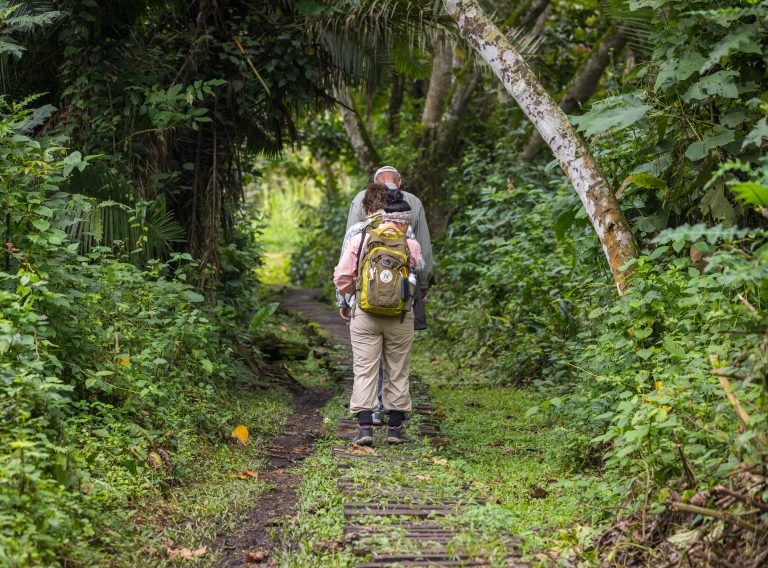
Multi-day routes pass through montane forest, bamboo, giant heather and Afro-alpine zones. The terrain, altitude and changeable weather make this a serious trekking destination rather than a casual day hike. Choose a route with an experienced operator, build in time to acclimatize, and confirm current trail conditions, equipment requirements and porter arrangements before booking.
Treks are commonly planned as multi-day expeditions, with itineraries chosen for the summit, available time and experience level. Longer routes allow a slower ascent through the mountain’s vegetation zones, while shorter lower-elevation walks offer scenery without the same commitment.
At altitude, cold, rain and exertion can make a route harder than its distance suggests. A qualified mountain crew can advise on pacing, equipment and acclimatization; be honest about your fitness and tell the operator about health concerns before booking.
Conservation and preparation
The Rwenzoris are an important water catchment and habitat for distinctive plants and wildlife, including forest elephants and primates. Stay on established trails and follow park crew guidance to reduce impact on fragile mountain environments. Visitors who prefer a gentler experience can ask locally about lower-elevation walks and viewpoints.
Reliable local guides, porters and park teams are central to a safe and respectful visit. Ask how your operator supports fair working conditions, manages waste and follows park rules, particularly on longer expeditions.
Not every visitor needs to attempt a high summit. Lower-elevation walks and viewpoints can still reveal the forests, rivers and mountain scenery. Confirm which routes are open and what gear is required for your chosen experience.
What to expect
Wildlife
- Mammal species
- 18
- Bird species
- 217
Forest and mountain habitats support Rwenzori turacos, chameleons, forest elephants and other high-altitude species.
Plants & vegetation
996 recorded plant species
Montane forest transitions into bamboo, heather and striking afro-alpine vegetation, including giant lobelias and groundsels.
Published species totals vary by survey date and coverage. Mammal and bird counts are shown separately; they are not a complete count of every wildlife group.
Main attractions & activities
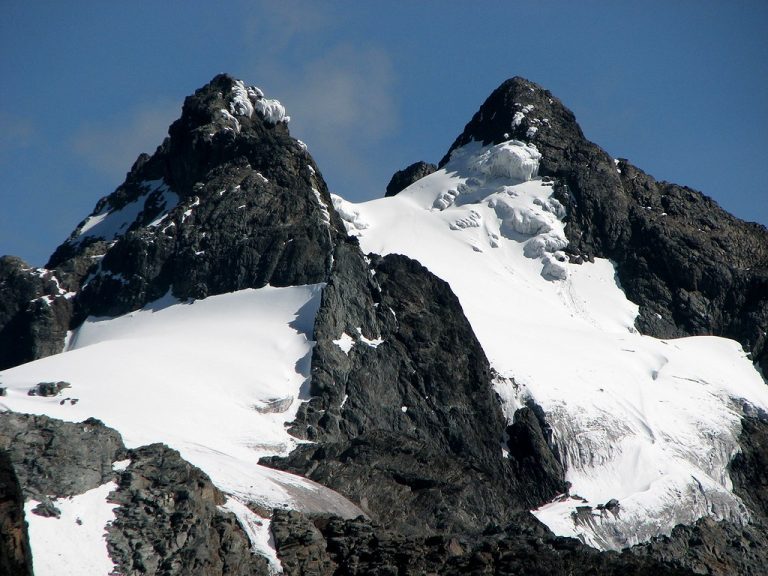
Rwenzori mountain range
Experience Guided multi-day mountain trek

Margherita Peak
Experience Technical high-altitude expedition with specialist guides

Lower mountain trails
Experience Nature walks and birdwatching
Activities & fees
| Activity | Permit or activity fee |
|---|---|
| Guided multi-day mountain treks | Price on request |
| Margherita Peak expeditions | Price on request |
| Lower-elevation nature walks | US$30 UWA activity fee (foreign non-resident) |
| Mountain birdwatching | US$30 UWA activity fee (foreign non-resident) |
These are published authority permit or activity fees for foreign non-resident adults where a rate is available, not complete safari-package prices. Rates can vary by visitor category and travel date; park entry, transport, guides, and operator services may be charged separately. Confirm current rates before booking with the Uganda Wildlife Authority or Rwanda Development Board.
Frequently Asked Questions
01 How high is the highest Rwenzori peak?
Margherita Peak on Mount Stanley is 5,109 metres high, the third-highest summit in Africa. At Rwenzori Mountains National Park, this question is best understood in the context of a high-altitude mountain range with glaciers, rivers, waterfalls and distinctive alpine plants. The information already provided identifies the main point, while the exact experience can vary with location, season, weather, access and wildlife movement. This distinction matters when a visitor is deciding what to expect from a walk, drive or wildlife encounter. Use general descriptions to guide your choices, not as a promise of a specific sighting, route or activity outcome. Before you set out, ask a local guide what conditions are like and which details are confirmed for that day. Allow time for a briefing, the activity and return journey.
Margherita Peak on Mount Stanley rises to 5,109 metres, making it Africa's third-highest summit. For a visitor asking “How high is the highest Rwenzori peak?,” planning at Rwenzori Mountains National Park starts by matching accommodation, transport and activity times. The local consideration is select a guided route with time for acclimatization, weather and multi-day mountain logistics. Confirm the reporting point, expected duration, suitable clothing and equipment, and current permit, age, health or safety requirements with park staff or an authorized operator. Travel may take longer than a map suggests when roads are rough, trails are steep or sites lie in different sectors. Share mobility, fitness or health concerns before booking so recommendations can reflect the route you intend to take. Leave a flexible margin around the experience, since weather, wildlife movement and park operations can change.
The park also protects glaciers, lakes, waterfalls and distinctive alpine vegetation that can be experienced on routes below the summit. Responsible travel at Rwenzori Mountains National Park means treating the landscape as a living habitat rather than a predictable attraction. Visitors should keep in mind World Heritage values, fragile high-elevation habitats and responsible trekking practices. Follow ranger instructions, stay on approved trails and roads, give wildlife room, and never feed, call or crowd animals. For any community visit, choose a locally led experience, ask permission before taking photographs and respect guidance about what is appropriate to share. Check schedules, fees, permits and access with the relevant park authority shortly before departure, because details can change. A knowledgeable guide can explain conservation context and adjust plans to conditions, making a visit safer and more respectful.
02 How long does a Rwenzori trek take?
Summit routes take multiple days, with duration depending on the route, pace and acclimatization plan. Confirm a suitable itinerary with an experienced mountain operator. At Rwenzori Mountains National Park, this question is best understood in the context of a high-altitude mountain range with glaciers, rivers, waterfalls and distinctive alpine plants. The information already provided identifies the main point, while the exact experience can vary with location, season, weather, access and wildlife movement. This distinction matters when a visitor is deciding what to expect from a walk, drive or wildlife encounter. Use general descriptions to guide your choices, not as a promise of a specific sighting, route or activity outcome. Before you set out, ask a local guide what conditions are like and which details are confirmed for that day. Allow time for a briefing, the activity and return journey.
Summit itineraries take multiple days, with route choice and pace affecting the total duration. For a visitor asking “How long does a Rwenzori trek take?,” planning at Rwenzori Mountains National Park starts by matching accommodation, transport and activity times. The local consideration is select a guided route with time for acclimatization, weather and multi-day mountain logistics. Confirm the reporting point, expected duration, suitable clothing and equipment, and current permit, age, health or safety requirements with park staff or an authorized operator. Travel may take longer than a map suggests when roads are rough, trails are steep or sites lie in different sectors. Share mobility, fitness or health concerns before booking so recommendations can reflect the route you intend to take. Leave a flexible margin around the experience, since weather, wildlife movement and park operations can change.
Build in time for acclimatization and weather delays. Your qualified operator should explain the daily plan before you commit. Responsible travel at Rwenzori Mountains National Park means treating the landscape as a living habitat rather than a predictable attraction. Visitors should keep in mind World Heritage values, fragile high-elevation habitats and responsible trekking practices. Follow ranger instructions, stay on approved trails and roads, give wildlife room, and never feed, call or crowd animals. For any community visit, choose a locally led experience, ask permission before taking photographs and respect guidance about what is appropriate to share. Check schedules, fees, permits and access with the relevant park authority shortly before departure, because details can change. A knowledgeable guide can explain conservation context and adjust plans to conditions, making a visit safer and more respectful.
03 Is the Rwenzori Mountains National Park a UNESCO site?
Yes. UNESCO inscribed Rwenzori Mountains National Park on the World Heritage List in 1994 for its exceptional natural values. At Rwenzori Mountains National Park, this question is best understood in the context of a high-altitude mountain range with glaciers, rivers, waterfalls and distinctive alpine plants. The information already provided identifies the main point, while the exact experience can vary with location, season, weather, access and wildlife movement. This distinction matters when a visitor is deciding what to expect from a walk, drive or wildlife encounter. Use general descriptions to guide your choices, not as a promise of a specific sighting, route or activity outcome. Before you set out, ask a local guide what conditions are like and which details are confirmed for that day. Allow time for a briefing, the activity and return journey.
UNESCO inscribed Rwenzori Mountains National Park on the World Heritage List in 1994 for its natural values. For a visitor asking “Is the Rwenzori Mountains National Park a UNESCO site?,” planning at Rwenzori Mountains National Park starts by matching accommodation, transport and activity times. The local consideration is select a guided route with time for acclimatization, weather and multi-day mountain logistics. Confirm the reporting point, expected duration, suitable clothing and equipment, and current permit, age, health or safety requirements with park staff or an authorized operator. Travel may take longer than a map suggests when roads are rough, trails are steep or sites lie in different sectors. Share mobility, fitness or health concerns before booking so recommendations can reflect the route you intend to take. Leave a flexible margin around the experience, since weather, wildlife movement and park operations can change.
The recognition reflects both exceptional scenery and biodiversity, including unusual high-altitude habitats and endemic plant life. Responsible travel at Rwenzori Mountains National Park means treating the landscape as a living habitat rather than a predictable attraction. Visitors should keep in mind World Heritage values, fragile high-elevation habitats and responsible trekking practices. Follow ranger instructions, stay on approved trails and roads, give wildlife room, and never feed, call or crowd animals. For any community visit, choose a locally led experience, ask permission before taking photographs and respect guidance about what is appropriate to share. Check schedules, fees, permits and access with the relevant park authority shortly before departure, because details can change. A knowledgeable guide can explain conservation context and adjust plans to conditions, making a visit safer and more respectful.
04 Do I need mountaineering experience to visit the Rwenzori?
A summit trek is a demanding multi-day mountain expedition involving altitude, changing weather and uneven terrain. At Rwenzori Mountains National Park, this question is best understood in the context of a high-altitude mountain range with glaciers, rivers, waterfalls and distinctive alpine plants. The information already provided identifies the main point, while the exact experience can vary with location, season, weather, access and wildlife movement. This distinction matters when a visitor is deciding what to expect from a walk, drive or wildlife encounter. Use general descriptions to guide your choices, not as a promise of a specific sighting, route or activity outcome. Before you set out, ask a local guide what conditions are like and which details are confirmed for that day. Allow time for a briefing, the activity and return journey.
Previous trekking experience can help, but the appropriate route depends on fitness, health and the advice of a qualified operator. For a visitor asking “Do I need mountaineering experience to visit the Rwenzori?,” planning at Rwenzori Mountains National Park starts by matching accommodation, transport and activity times. The local consideration is select a guided route with time for acclimatization, weather and multi-day mountain logistics. Confirm the reporting point, expected duration, suitable clothing and equipment, and current permit, age, health or safety requirements with park staff or an authorized operator. Travel may take longer than a map suggests when roads are rough, trails are steep or sites lie in different sectors. Share mobility, fitness or health concerns before booking so recommendations can reflect the route you intend to take. Leave a flexible margin around the experience, since weather, wildlife movement and park operations can change.
Visitors can ask about lower-elevation guided walks if they do not want to attempt a high summit route. Responsible travel at Rwenzori Mountains National Park means treating the landscape as a living habitat rather than a predictable attraction. Visitors should keep in mind World Heritage values, fragile high-elevation habitats and responsible trekking practices. Follow ranger instructions, stay on approved trails and roads, give wildlife room, and never feed, call or crowd animals. For any community visit, choose a locally led experience, ask permission before taking photographs and respect guidance about what is appropriate to share. Check schedules, fees, permits and access with the relevant park authority shortly before departure, because details can change. A knowledgeable guide can explain conservation context and adjust plans to conditions, making a visit safer and more respectful.
05 What should I pack for a Rwenzori trek?
Mountain weather can change quickly, so layered clothing, waterproof outerwear and sturdy, well-broken-in boots are important. At Rwenzori Mountains National Park, this question is best understood in the context of a high-altitude mountain range with glaciers, rivers, waterfalls and distinctive alpine plants. The information already provided identifies the main point, while the exact experience can vary with location, season, weather, access and wildlife movement. This distinction matters when a visitor is deciding what to expect from a walk, drive or wildlife encounter. Use general descriptions to guide your choices, not as a promise of a specific sighting, route or activity outcome. Before you set out, ask a local guide what conditions are like and which details are confirmed for that day. Allow time for a briefing, the activity and return journey.
Longer routes may require technical equipment, warm sleeping layers and personal items specified by your trekking operator. For a visitor asking “What should I pack for a Rwenzori trek?,” planning at Rwenzori Mountains National Park starts by matching accommodation, transport and activity times. The local consideration is select a guided route with time for acclimatization, weather and multi-day mountain logistics. Confirm the reporting point, expected duration, suitable clothing and equipment, and current permit, age, health or safety requirements with park staff or an authorized operator. Travel may take longer than a map suggests when roads are rough, trails are steep or sites lie in different sectors. Share mobility, fitness or health concerns before booking so recommendations can reflect the route you intend to take. Leave a flexible margin around the experience, since weather, wildlife movement and park operations can change.
Request a current gear list for your route and season, and ask what equipment the operator supplies before packing. Responsible travel at Rwenzori Mountains National Park means treating the landscape as a living habitat rather than a predictable attraction. Visitors should keep in mind World Heritage values, fragile high-elevation habitats and responsible trekking practices. Follow ranger instructions, stay on approved trails and roads, give wildlife room, and never feed, call or crowd animals. For any community visit, choose a locally led experience, ask permission before taking photographs and respect guidance about what is appropriate to share. Check schedules, fees, permits and access with the relevant park authority shortly before departure, because details can change. A knowledgeable guide can explain conservation context and adjust plans to conditions, making a visit safer and more respectful.