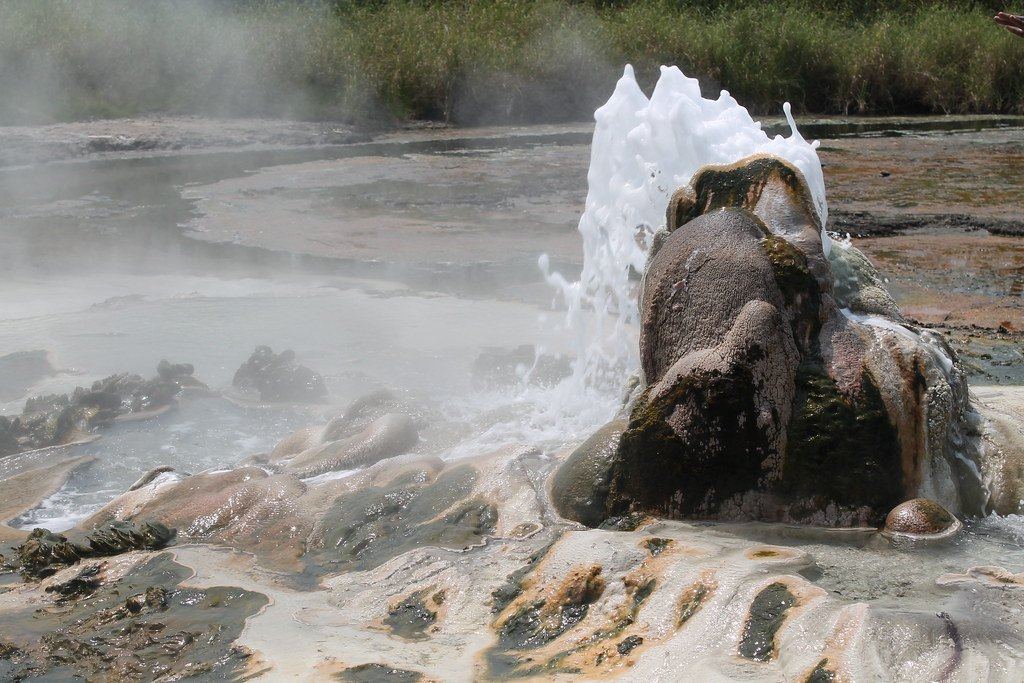
Uganda
Semuliki National Park
Explore Semuliki National Park in western Uganda for lowland rainforest, Congo Basin birdlife and the geothermal Sempaya Hot Springs.
Plan a visit- Best time to travel
- June–September and December–February
- Size
- 220 km²
- Established
- 1993
Semuliki National Park in western Uganda protects lowland tropical rainforest near the border with the Democratic Republic of the Congo. Its forests have strong ecological links to the Congo Basin, giving the park a different mix of plants and birds from Uganda’s highland forests. The Semuliki River, wetlands and forest trails add to the area’s varied habitats.
Sempaya Hot Springs and forest birding
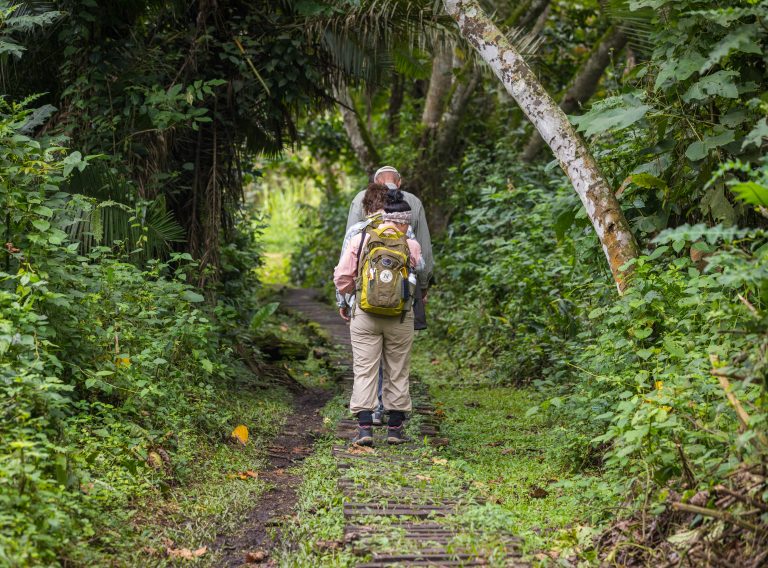
The Sempaya Hot Springs are a signature attraction: geothermal water and steam rise through the forest, offering a clear glimpse of the forces shaping the Albertine Rift. Guided forest walks are rewarding for birdwatchers seeking Central African forest species and for visitors interested in the park’s plants and smaller wildlife. Take a local guide and remain on designated paths, particularly around geothermal features.
Semuliki’s birdlife reflects its position at the meeting of East African and Congo Basin habitats. Patient walks with an experienced bird guide can reveal species that are difficult to find elsewhere in Uganda, though dense forest means many sightings are heard before they are seen.
Visitors may also encounter primates and other forest wildlife, but the experience is primarily about understanding a complex rainforest ecosystem. A guide can explain how the river, forest and wetlands fit together and why the park is ecologically distinct.
Visit the lowland rainforest
Semuliki is best explored at a relaxed pace. Warm, humid weather and seasonal rain can affect trails, so bring water and rain protection and check current conditions before setting out. The park can be paired with a stay near Fort Portal or a longer western Uganda itinerary.
Check trail and road conditions after heavy rain, and wear shoes suitable for wet, uneven ground. At the hot springs, remain in designated viewing areas and follow safety guidance; geothermal water is hot and should not be approached casually.
Fort Portal is a common base for a western Uganda circuit that may also include Kibale or crater lakes. Allow realistic transfer time and ask your operator about current guiding arrangements, opening times and any community experiences available during your visit.
Source: Uganda Wildlife Authority.
What to expect
Wildlife
- Mammal species
- 53
- Bird species
- 435
This lowland forest is notable for forest monkeys and a rich bird community, including species associated with the Congo Basin.
Plants & vegetation
336 tree species
Moist lowland tropical rainforest, riverine habitats and hot-spring clearings create a distinctive western-Uganda landscape.
Published species totals vary by survey date and coverage. Mammal and bird counts are shown separately; they are not a complete count of every wildlife group.
Main attractions & activities
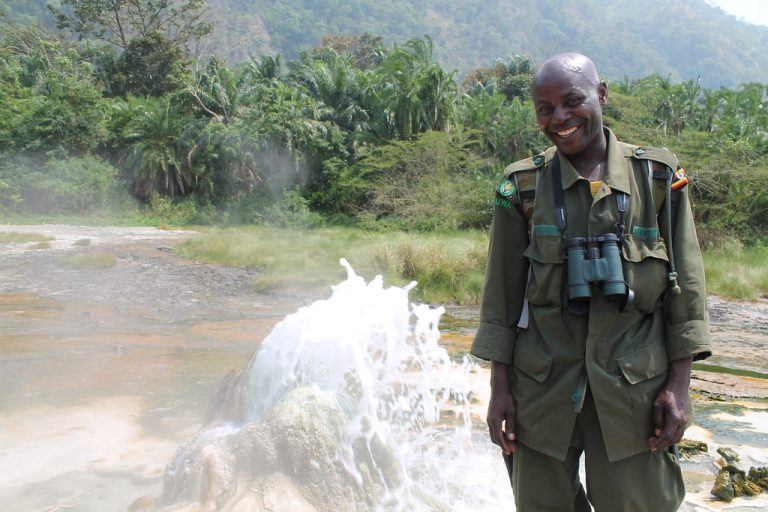
Sempaya Hot Springs
Experience Guided visit along forest trails
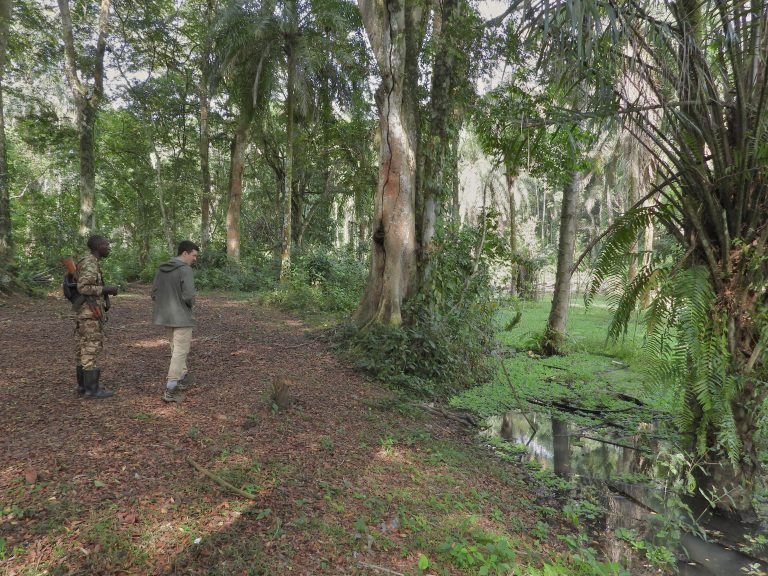
Semuliki forest
Experience Guided rainforest walk and birdwatching
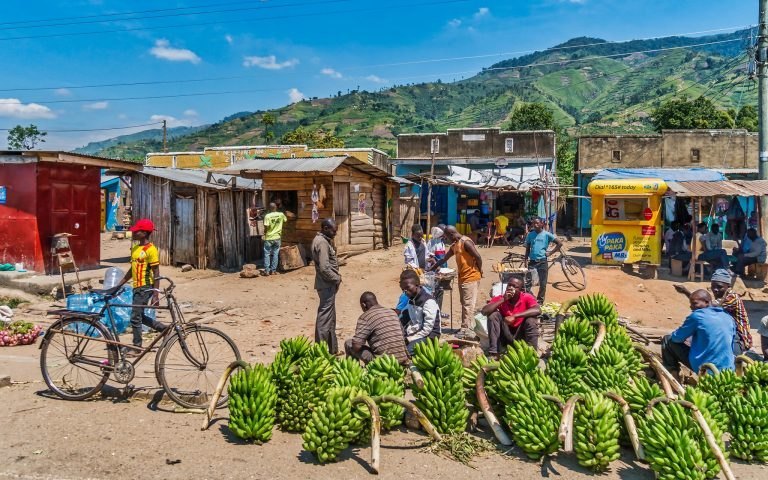
Local communities
Experience Community-led cultural experience
Activities & fees
| Activity | Permit or activity fee |
|---|---|
| Guided Sempaya Hot Springs visit | US$30 UWA activity fee (foreign non-resident) |
| Lowland rainforest walks | US$30 UWA activity fee (foreign non-resident) |
| Forest birdwatching | US$30 UWA activity fee (foreign non-resident) |
| Community-led cultural experiences | Price on request |
These are published authority permit or activity fees for foreign non-resident adults where a rate is available, not complete safari-package prices. Rates can vary by visitor category and travel date; park entry, transport, guides, and operator services may be charged separately. Confirm current rates before booking with the Uganda Wildlife Authority or Rwanda Development Board.
Frequently Asked Questions
01 What makes Semuliki National Park unique?
It protects rare lowland rainforest with strong Congo Basin affinities, making its forest ecology and birdlife distinct from many other Ugandan parks. At Semuliki National Park, this question is best understood in the context of lowland rainforest in western Uganda with strong ecological links to the Congo Basin. The information already provided identifies the main point, while the exact experience can vary with location, season, weather, access and wildlife movement. This distinction matters when a visitor is deciding what to expect from a walk, drive or wildlife encounter. Use general descriptions to guide your choices, not as a promise of a specific sighting, route or activity outcome. Before you set out, ask a local guide what conditions are like and which details are confirmed for that day. Allow time for a briefing, the activity and return journey.
Semuliki's lowland forest has strong ecological links to the Congo Basin, setting it apart from Uganda's highland forests. For a visitor asking “What makes Semuliki National Park unique?,” planning at Semuliki National Park starts by matching accommodation, transport and activity times. The local consideration is check forest trail and Sempaya access, local guide availability and wet-weather conditions. Confirm the reporting point, expected duration, suitable clothing and equipment, and current permit, age, health or safety requirements with park staff or an authorized operator. Travel may take longer than a map suggests when roads are rough, trails are steep or sites lie in different sectors. Share mobility, fitness or health concerns before booking so recommendations can reflect the route you intend to take. Leave a flexible margin around the experience, since weather, wildlife movement and park operations can change.
The park is also known for Sempaya Hot Springs and birdlife associated with Central African forest habitats. Responsible travel at Semuliki National Park means treating the landscape as a living habitat rather than a predictable attraction. Visitors should keep in mind lowland forest, rare birdlife, geothermal hot springs and safe designated viewing areas. Follow ranger instructions, stay on approved trails and roads, give wildlife room, and never feed, call or crowd animals. For any community visit, choose a locally led experience, ask permission before taking photographs and respect guidance about what is appropriate to share. Check schedules, fees, permits and access with the relevant park authority shortly before departure, because details can change. A knowledgeable guide can explain conservation context and adjust plans to conditions, making a visit safer and more respectful.
02 Can visitors see hot springs in Semuliki?
Yes. Sempaya Hot Springs are a well-known park attraction. Visit with a guide and follow current safety instructions around the geothermal sites. At Semuliki National Park, this question is best understood in the context of lowland rainforest in western Uganda with strong ecological links to the Congo Basin. The information already provided identifies the main point, while the exact experience can vary with location, season, weather, access and wildlife movement. This distinction matters when a visitor is deciding what to expect from a walk, drive or wildlife encounter. Use general descriptions to guide your choices, not as a promise of a specific sighting, route or activity outcome. Before you set out, ask a local guide what conditions are like and which details are confirmed for that day. Allow time for a briefing, the activity and return journey.
Sempaya is a geothermal attraction where hot water and steam emerge from the ground. View it only from designated safe areas. For a visitor asking “Can visitors see hot springs in Semuliki?,” planning at Semuliki National Park starts by matching accommodation, transport and activity times. The local consideration is check forest trail and Sempaya access, local guide availability and wet-weather conditions. Confirm the reporting point, expected duration, suitable clothing and equipment, and current permit, age, health or safety requirements with park staff or an authorized operator. Travel may take longer than a map suggests when roads are rough, trails are steep or sites lie in different sectors. Share mobility, fitness or health concerns before booking so recommendations can reflect the route you intend to take. Leave a flexible margin around the experience, since weather, wildlife movement and park operations can change.
A local guide can explain the site and current access conditions. Do not touch or approach boiling water. Responsible travel at Semuliki National Park means treating the landscape as a living habitat rather than a predictable attraction. Visitors should keep in mind lowland forest, rare birdlife, geothermal hot springs and safe designated viewing areas. Follow ranger instructions, stay on approved trails and roads, give wildlife room, and never feed, call or crowd animals. For any community visit, choose a locally led experience, ask permission before taking photographs and respect guidance about what is appropriate to share. Check schedules, fees, permits and access with the relevant park authority shortly before departure, because details can change. A knowledgeable guide can explain conservation context and adjust plans to conditions, making a visit safer and more respectful.
03 Is Semuliki good for birdwatching?
Yes. Its lowland forest habitat is especially interesting for birders looking for species associated with Central African forest and the Albertine Rift. At Semuliki National Park, this question is best understood in the context of lowland rainforest in western Uganda with strong ecological links to the Congo Basin. The information already provided identifies the main point, while the exact experience can vary with location, season, weather, access and wildlife movement. This distinction matters when a visitor is deciding what to expect from a walk, drive or wildlife encounter. Use general descriptions to guide your choices, not as a promise of a specific sighting, route or activity outcome. Before you set out, ask a local guide what conditions are like and which details are confirmed for that day. Allow time for a briefing, the activity and return journey.
The park is particularly interesting for birders looking for lowland forest species and birds associated with the Albertine Rift. For a visitor asking “Is Semuliki good for birdwatching?,” planning at Semuliki National Park starts by matching accommodation, transport and activity times. The local consideration is check forest trail and Sempaya access, local guide availability and wet-weather conditions. Confirm the reporting point, expected duration, suitable clothing and equipment, and current permit, age, health or safety requirements with park staff or an authorized operator. Travel may take longer than a map suggests when roads are rough, trails are steep or sites lie in different sectors. Share mobility, fitness or health concerns before booking so recommendations can reflect the route you intend to take. Leave a flexible margin around the experience, since weather, wildlife movement and park operations can change.
Dense vegetation can make birds easier to hear than see, so patience and an experienced guide are helpful. Responsible travel at Semuliki National Park means treating the landscape as a living habitat rather than a predictable attraction. Visitors should keep in mind lowland forest, rare birdlife, geothermal hot springs and safe designated viewing areas. Follow ranger instructions, stay on approved trails and roads, give wildlife room, and never feed, call or crowd animals. For any community visit, choose a locally led experience, ask permission before taking photographs and respect guidance about what is appropriate to share. Check schedules, fees, permits and access with the relevant park authority shortly before departure, because details can change. A knowledgeable guide can explain conservation context and adjust plans to conditions, making a visit safer and more respectful.
04 Do I need a guide to visit Semuliki National Park?
Guided walks are the best way to explore Semuliki's forest trails, birdlife and geothermal sites safely. At Semuliki National Park, this question is best understood in the context of lowland rainforest in western Uganda with strong ecological links to the Congo Basin. The information already provided identifies the main point, while the exact experience can vary with location, season, weather, access and wildlife movement. This distinction matters when a visitor is deciding what to expect from a walk, drive or wildlife encounter. Use general descriptions to guide your choices, not as a promise of a specific sighting, route or activity outcome. Before you set out, ask a local guide what conditions are like and which details are confirmed for that day. Allow time for a briefing, the activity and return journey.
A local guide can explain the park's lowland rainforest ecology and help visitors look for birds in dense vegetation. For a visitor asking “Do I need a guide to visit Semuliki National Park?,” planning at Semuliki National Park starts by matching accommodation, transport and activity times. The local consideration is check forest trail and Sempaya access, local guide availability and wet-weather conditions. Confirm the reporting point, expected duration, suitable clothing and equipment, and current permit, age, health or safety requirements with park staff or an authorized operator. Travel may take longer than a map suggests when roads are rough, trails are steep or sites lie in different sectors. Share mobility, fitness or health concerns before booking so recommendations can reflect the route you intend to take. Leave a flexible margin around the experience, since weather, wildlife movement and park operations can change.
Confirm current guide arrangements, trail access and safety advice with Uganda Wildlife Authority before your visit. Responsible travel at Semuliki National Park means treating the landscape as a living habitat rather than a predictable attraction. Visitors should keep in mind lowland forest, rare birdlife, geothermal hot springs and safe designated viewing areas. Follow ranger instructions, stay on approved trails and roads, give wildlife room, and never feed, call or crowd animals. For any community visit, choose a locally led experience, ask permission before taking photographs and respect guidance about what is appropriate to share. Check schedules, fees, permits and access with the relevant park authority shortly before departure, because details can change. A knowledgeable guide can explain conservation context and adjust plans to conditions, making a visit safer and more respectful.
05 What can I combine with a visit to Semuliki?
Semuliki can be included in a western Uganda itinerary with Fort Portal and nearby forest or crater-lake destinations. At Semuliki National Park, this question is best understood in the context of lowland rainforest in western Uganda with strong ecological links to the Congo Basin. The information already provided identifies the main point, while the exact experience can vary with location, season, weather, access and wildlife movement. This distinction matters when a visitor is deciding what to expect from a walk, drive or wildlife encounter. Use general descriptions to guide your choices, not as a promise of a specific sighting, route or activity outcome. Before you set out, ask a local guide what conditions are like and which details are confirmed for that day. Allow time for a briefing, the activity and return journey.
Transfer times vary with road and weather conditions, so avoid planning several distant activities into one day. For a visitor asking “What can I combine with a visit to Semuliki?,” planning at Semuliki National Park starts by matching accommodation, transport and activity times. The local consideration is check forest trail and Sempaya access, local guide availability and wet-weather conditions. Confirm the reporting point, expected duration, suitable clothing and equipment, and current permit, age, health or safety requirements with park staff or an authorized operator. Travel may take longer than a map suggests when roads are rough, trails are steep or sites lie in different sectors. Share mobility, fitness or health concerns before booking so recommendations can reflect the route you intend to take. Leave a flexible margin around the experience, since weather, wildlife movement and park operations can change.
Ask your operator to balance driving with time for guided walks and Sempaya Hot Springs. Responsible travel at Semuliki National Park means treating the landscape as a living habitat rather than a predictable attraction. Visitors should keep in mind lowland forest, rare birdlife, geothermal hot springs and safe designated viewing areas. Follow ranger instructions, stay on approved trails and roads, give wildlife room, and never feed, call or crowd animals. For any community visit, choose a locally led experience, ask permission before taking photographs and respect guidance about what is appropriate to share. Check schedules, fees, permits and access with the relevant park authority shortly before departure, because details can change. A knowledgeable guide can explain conservation context and adjust plans to conditions, making a visit safer and more respectful.