
For many discerning travelers, Rwanda evokes a singular, powerful image: the misty emerald slopes of Volcanoes National Park, where the magnificent mountain gorillas roam. Indeed, the privilege of observing these gentle giants in their natural habitat is an unparalleled experience, one that rightfully places Rwanda on the global safari map. However, to limit one’s perception of this remarkable nation to just gorilla trekking would be to overlook a vibrant, diverse tapestry of wildlife and ecosystems that truly define Rwanda as a premier East African safari destination. It is a country that has meticulously rebuilt its natural heritage, offering encounters that are as profound as they are varied.
As lead safari editor for Ripple Safaris, I’ve witnessed firsthand Rwanda’s incredible transformation and the expansion of its conservation efforts. Beyond the iconic gorillas, Rwanda presents a compelling narrative of ecological resurgence, from the reintroduction of apex predators in its eastern savannas to the preservation of ancient rainforests teeming with primates and endemic birds in its south. This guide aims to illuminate these lesser-known, yet equally captivating, facets of Rwanda’s wild heart, inviting you to discover a complete and enriching safari experience that extends far beyond the mist.
Rwanda’s Wildlife Story Beyond the Gorillas
Rwanda’s journey in conservation is nothing short of inspirational. Following the devastating events of the 1990s, the nation embarked on an ambitious path of recovery, prioritizing the protection and restoration of its natural resources. This commitment has not only secured the future of its mountain gorillas but has also revitalized other crucial ecosystems, transforming previously depleted areas into thriving wildlife sanctuaries.
The vision was clear: to showcase Rwanda as a holistic safari destination, capable of offering a diverse array of wildlife experiences. This strategic approach has yielded incredible results, with species returning to their ancestral lands and habitats flourishing under stringent protection. The narrative of Rwanda’s wildlife is one of resilience, dedicated conservation, and a profound respect for nature, making every encounter here particularly meaningful.
Akagera National Park: The Big Five Return
Nestled in eastern Rwanda, Akagera National Park stands as a testament to successful conservation and a remarkable comeback story. Once severely impacted by human encroachment and poaching, Akagera has undergone an extraordinary revival, meticulously managed by African Parks in partnership with the Rwanda Development Board. Today, it is the only place in Rwanda where you can embark on a traditional savanna safari, complete with the thrill of tracking the Big Five.
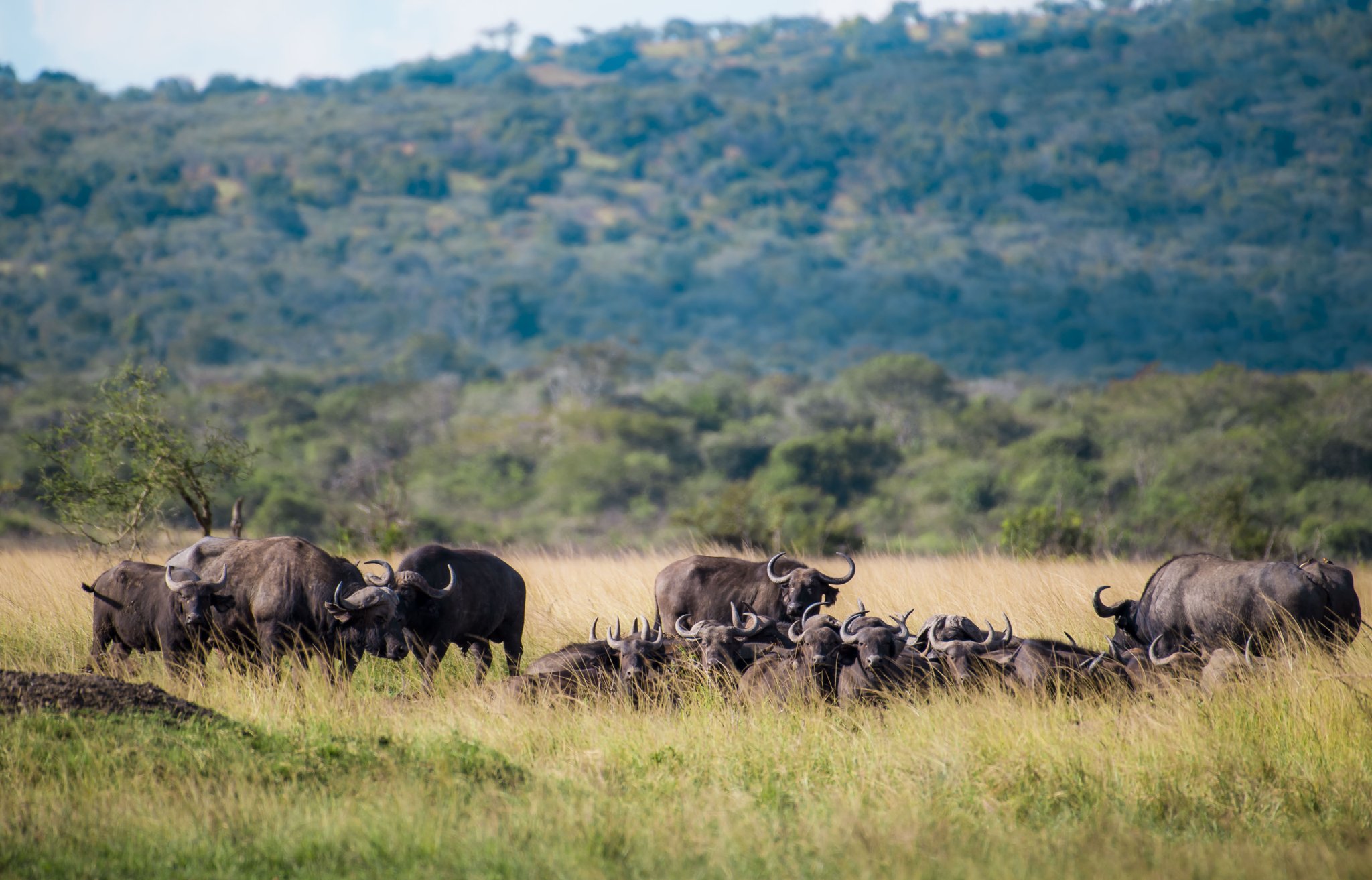
The reintroduction of lions in 2015 and black rhinos in 2017 marked pivotal moments, completing Akagera’s Big Five roster and solidifying its status as a fully-fledged safari destination. Visitors can now expect to encounter elephants, buffalo, leopards, and, with a bit of patience and luck, both lions and rhinos. The park’s diverse landscape, characterized by rolling hills, vast savannas, papyrus swamps, and a network of lakes, supports an astonishing array of wildlife beyond the Big Five.
- Game drives offer opportunities to spot zebras, giraffes, hippos, crocodiles, and various antelope species like topi, impala, and eland.
- Birdwatchers will find Akagera a paradise, home to over 500 species, including the elusive shoebill stork and numerous raptors.
- Boat trips on Lake Ihema provide a different perspective, allowing for close encounters with waterbirds, hippos, and crocodiles, often against a stunning sunset backdrop.
The park’s commitment to anti-poaching and community involvement has created a secure and thriving environment for its inhabitants. Every safari in Akagera directly contributes to these ongoing conservation efforts, making it an impactful and rewarding visit for any wildlife enthusiast.
Nyungwe Forest: Colobus Colonies and Chimps
Journeying south from Akagera, one enters the ancient, emerald realm of Nyungwe Forest National Park, one of Africa’s oldest and most biodiverse rainforests. This sprawling montane forest is a stark contrast to Akagera’s savannas, offering a completely different, yet equally captivating, wildlife experience. Nyungwe is renowned as a primate stronghold, harboring 13 different species, making it an essential stop for anyone fascinated by our closest relatives.
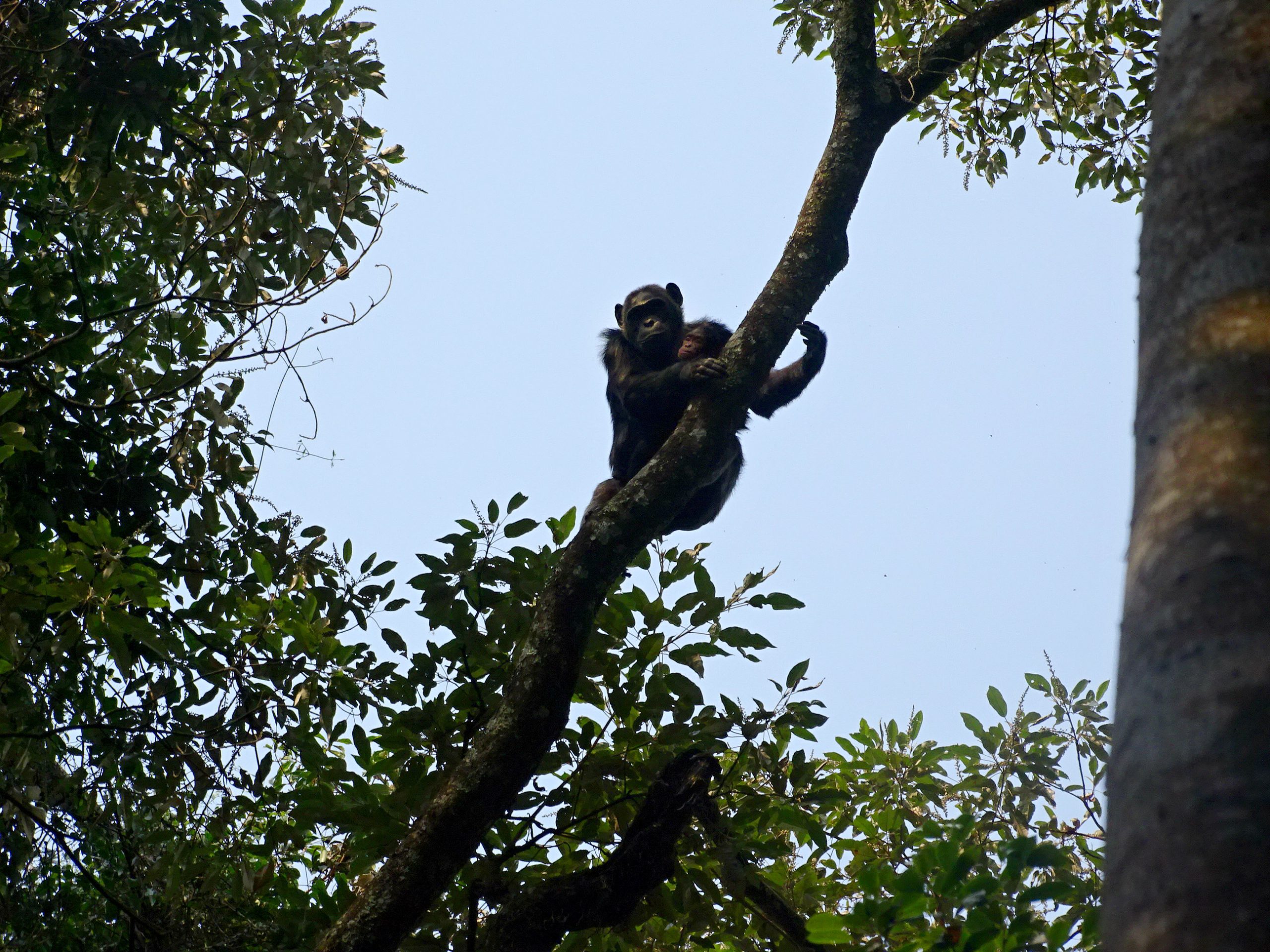
The undisputed stars of Nyungwe are its chimpanzees. Trekking through the dense forest to observe these intelligent and energetic primates is an exhilarating and often physically demanding adventure. Led by expert trackers, visitors spend an hour in the presence of a chimp community, witnessing their complex social interactions, grooming rituals, and playful antics. The raw, untamed nature of this encounter offers a profound connection to the wild.
Beyond the chimpanzees, Nyungwe is home to impressive troops of Ruwenzori colobus monkeys, often seen in groups of hundreds, moving gracefully through the forest canopy. Other primate species include L’Hoest’s monkeys, grey-cheeked mangabeys, and olive baboons, each contributing to the forest’s vibrant chorus. The sheer biodiversity extends to over 300 bird species, many of which are Albertine Rift endemics, making it a crucial site for serious birdwatchers. The forest’s dense undergrowth also harbors a fascinating array of orchids and butterflies, revealing new wonders with every step.
The Nyungwe Canopy Walk Experience
For a truly unique perspective on Nyungwe Forest’s incredible ecosystem, the Canopy Walkway is an absolute must-do. Suspended 70 meters above the forest floor and stretching 160 meters across a deep valley, this exhilarating aerial pathway offers unparalleled views of the rainforest canopy. It’s an opportunity to literally walk among the trees, observing the vibrant life that thrives at this elevated level.
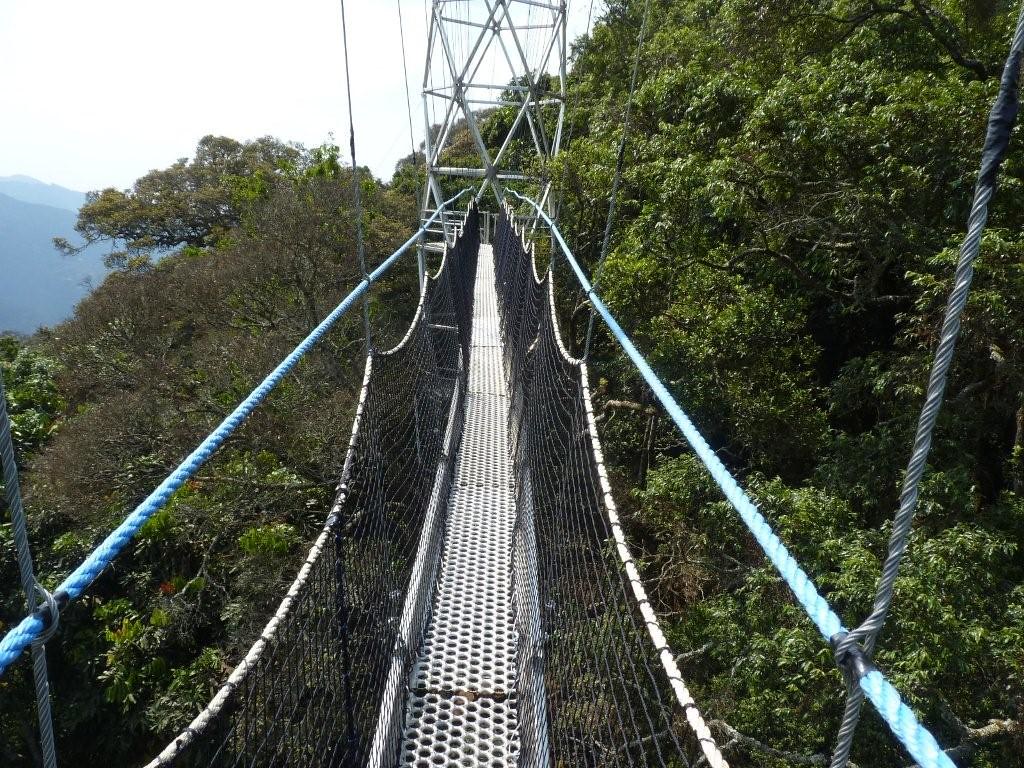
The experience begins with a guided trek through the forest, leading to the starting point of the walkway. As you traverse the sturdy, yet swaying, bridges, you’ll gain a newfound appreciation for the forest’s immense scale and intricate layers. From this vantage point, you might spot various monkey species, colorful birds flitting between branches, and even the occasional chameleon perfectly camouflaged against the foliage. The sounds of the forest, amplified by the height, create an immersive sensory experience.
It’s an ideal activity for those seeking a gentle adventure and a different perspective, offering breathtaking panoramic views that are simply unattainable from the forest floor. The Canopy Walk not only provides stunning photographic opportunities but also deepens one’s understanding of the forest’s ecological complexity, revealing a world often hidden from view.
Golden Monkeys in Volcanoes National Park
While this guide focuses on Rwanda beyond its iconic mountain gorillas, it would be remiss not to acknowledge another captivating primate found within Volcanoes National Park: the golden monkey. Often overshadowed by their larger, more famous neighbors, these vibrant, playful primates offer a delightful and accessible trekking experience. Their striking golden fur and inquisitive nature make them a favorite among visitors, providing a wonderful complement to any gorilla trek or as a standalone activity.
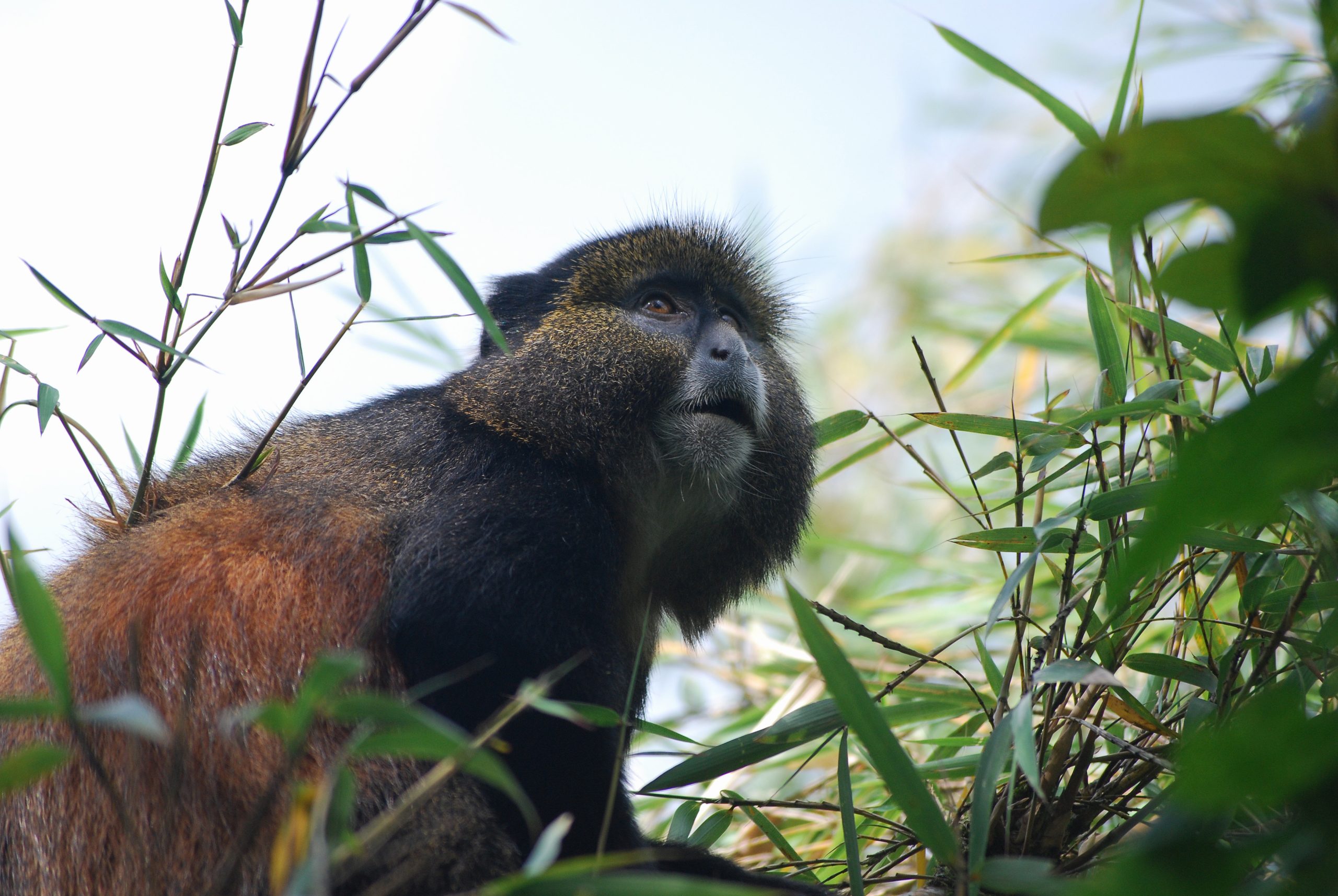
Golden monkey trekking involves a relatively less strenuous hike compared to gorilla trekking, leading visitors into the bamboo forests at the base of the Virunga volcanoes. These social creatures live in large troops and are habituated to human presence, allowing for fantastic viewing and photography opportunities. Witnessing their agility as they leap through the bamboo, foraging for shoots and interacting with one another, is a joyful experience. It’s a testament to Volcanoes National Park’s rich biodiversity, proving that even within its famed gorilla habitat, there are other remarkable wildlife encounters awaiting discovery.
Seasonal Considerations Across Rwanda’s Parks
Understanding the seasonal variations is crucial for planning an optimal wildlife safari in Rwanda, as conditions can significantly impact wildlife viewing and trekking experiences. Generally, Rwanda experiences two main seasons: the dry season and the wet season, each with its own advantages.
Dry Season (June to September, December to February)
This period is widely considered the best time for wildlife viewing across all parks. In Akagera, the sparse vegetation and concentrated water sources make animals easier to spot, and game drives are more comfortable with less dust. For primate trekking in Nyungwe and Volcanoes, the trails are drier and less slippery, making the hikes more manageable. The weather is generally sunny and pleasant, ideal for outdoor activities.
Wet Season (March to May, October to November)
While the wet season brings more challenging trekking conditions with muddy trails and occasional downpours, it also offers unique advantages. The landscapes are lush and vibrant, perfect for photography, and migratory birds are present, enhancing birdwatching opportunities. In Akagera, the scenery is incredibly green, though wildlife can be more dispersed. This period often sees fewer tourists, which can lead to a more intimate experience, and sometimes lower accommodation rates. For serious birders, the wet season can be particularly rewarding.
Ultimately, Rwanda is a year-round destination, but considering your priorities – ease of trekking, wildlife density, or lush scenery – will help you decide on the best time for your specific adventure. Ripple Safaris always advises consulting with our specialists to tailor your visit to your preferences and ensure the most rewarding experience.
Designing a Complete Rwanda Wildlife Circuit
Crafting a comprehensive Rwanda safari circuit allows you to experience the nation’s full spectrum of biodiversity, moving seamlessly from savanna to ancient rainforest and volcanic highlands. The beauty of Rwanda lies in its compact size and excellent infrastructure, making it remarkably easy to travel between its distinct ecological zones. A well-designed circuit typically begins or ends in Kigali, a vibrant and clean capital city that offers cultural insights before or after your wild adventures.
An ideal journey might start with a transfer to Akagera National Park in the east, where you can immerse yourself in the Big Five savanna experience for two to three days. This allows ample time for game drives, boat safaris, and perhaps a behind-the-scenes conservation tour. From Akagera, a scenic drive southwest leads you to Nyungwe Forest National Park. Here, dedicate another two to three days for chimpanzee trekking, the thrilling canopy walk, and perhaps a colobus monkey trek or birding excursions. The contrast between the open plains and the dense jungle is profound and enriching.
Finally, continue north to Volcanoes National Park for your gorilla trekking experience, complemented by a golden monkey trek. The relatively short distances between these parks, often just a few hours’ drive, mean less time spent in transit and more time enjoying the incredible wildlife. Such a circuit not only showcases Rwanda’s diverse ecosystems but also highlights its remarkable conservation achievements, leaving you with a holistic understanding of this extraordinary country’s natural heritage.
Frequently Asked Questions
Is Akagera National Park worth visiting if I’m only interested in gorillas?
While gorilla trekking is an unparalleled experience, Akagera National Park offers a completely different and highly complementary safari adventure. It provides the only opportunity in Rwanda to see the Big Five and experience a classic savanna landscape, a stark contrast to the misty rainforests of Volcanoes National Park.
Visiting Akagera allows for a well-rounded understanding of Rwanda’s diverse ecosystems and conservation success stories. It transforms a primate-focused trip into a comprehensive East African safari, showcasing the country’s full wildlife potential.
What is the best time of year to visit Akagera and Nyungwe?
The dry seasons, from June to September and December to February, are generally considered the best times to visit both Akagera and Nyungwe. During these months, rainfall is minimal, trails for primate trekking are drier and less slippery, and wildlife in Akagera tends to congregate around water sources, making sightings easier.
However, the wet seasons offer lush, vibrant landscapes and excellent birdwatching opportunities, especially for migratory species. While trekking can be more challenging, fewer tourists during these periods can provide a more intimate experience, and the scenery is incredibly picturesque.
Are chimpanzee treks in Nyungwe very strenuous?
Chimpanzee treks in Nyungwe Forest National Park can be moderately to very strenuous, depending on the location of the chimpanzee troops on any given day. The terrain is often steep, muddy, and involves navigating dense forest undergrowth, sometimes for several hours.
A good level of physical fitness is recommended, and comfortable hiking boots are essential. However, the reward of spending an hour observing these incredible primates in their natural habitat far outweighs the physical exertion, providing an unforgettable wilderness experience.
Can I see all of the Big Five in Akagera National Park?
Yes, Akagera National Park is Rwanda’s only Big Five safari destination, thanks to the successful reintroduction of lions in 2015 and black rhinos in 2017. While sightings are never guaranteed, the park offers excellent opportunities to spot elephants, buffalo, leopards, lions, and rhinos.
Patience and the expertise of your safari guide are key to maximizing your chances of encountering these magnificent animals. Game drives and boat safaris increase your viewing possibilities across the park’s diverse habitats.
How long should I allocate for a comprehensive Rwanda wildlife circuit?
For a truly comprehensive Rwanda wildlife circuit that includes Akagera National Park, Nyungwe Forest, and Volcanoes National Park (for gorillas and golden monkeys), we recommend allocating a minimum of 7 to 9 days. This allows for adequate time in each park to enjoy the primary activities without feeling rushed.
An ideal itinerary would typically involve 2-3 nights in Akagera, 2-3 nights in Nyungwe, and 2-3 nights in Volcanoes. This duration provides a balanced experience, incorporating game drives, primate trekking, and cultural insights, alongside travel time between destinations.
What unique birdwatching opportunities does Rwanda offer beyond its primates?
Rwanda is a birder’s paradise, boasting over 700 species, including many Albertine Rift endemics. Nyungwe Forest National Park is a particular hotspot, home to species like the Red-faced Barbet, Rwenzori Turaco, and the elusive African Green Broadbill, offering challenging yet rewarding forest birding.
Akagera National Park provides excellent savanna and wetland birding, with opportunities to spot the rare Shoebill stork, various raptors, and numerous waterbirds on its lakes. Even Volcanoes National Park, famed for its gorillas, harbors unique montane species, making Rwanda a top destination for any serious ornithologist.