Rwanda
Volcanoes National Park
Plan mountain gorilla trekking in Rwanda's Volcanoes National Park, with golden monkeys, Virunga volcano hikes and forest scenery.
Plan a visit- Best time to travel
- June–September and December–February
- Size
- 160 km²
- Established
- 1925
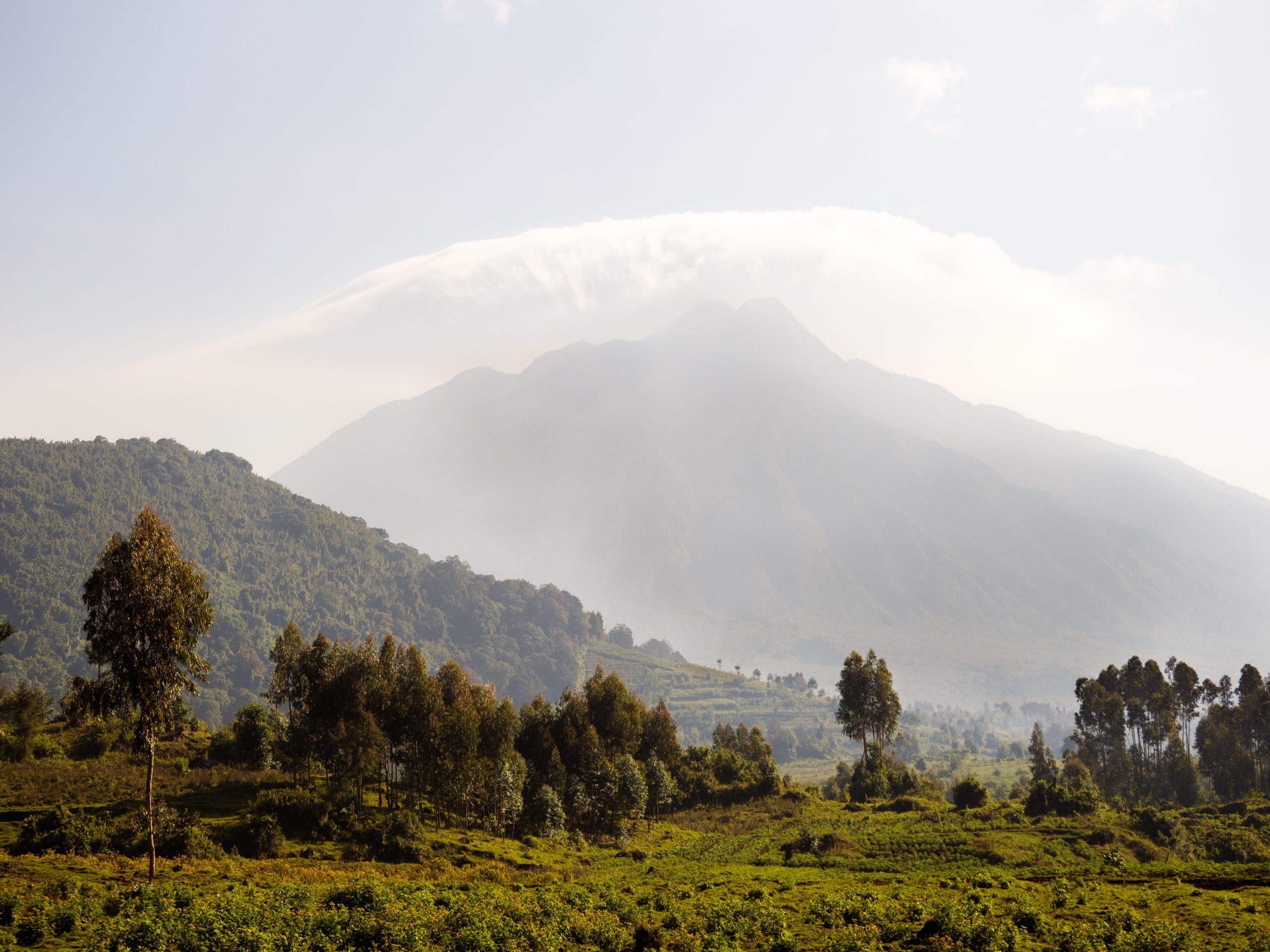
Volcanoes National Park in northwestern Rwanda protects forested slopes of the Virunga Massif, a chain of dormant volcanoes shared across national borders. Bamboo forest, montane woodland, grassland and volcanic peaks form the setting for Rwanda’s most recognized wildlife experience: guided mountain gorilla trekking.
Gorillas, golden monkeys and volcano hikes
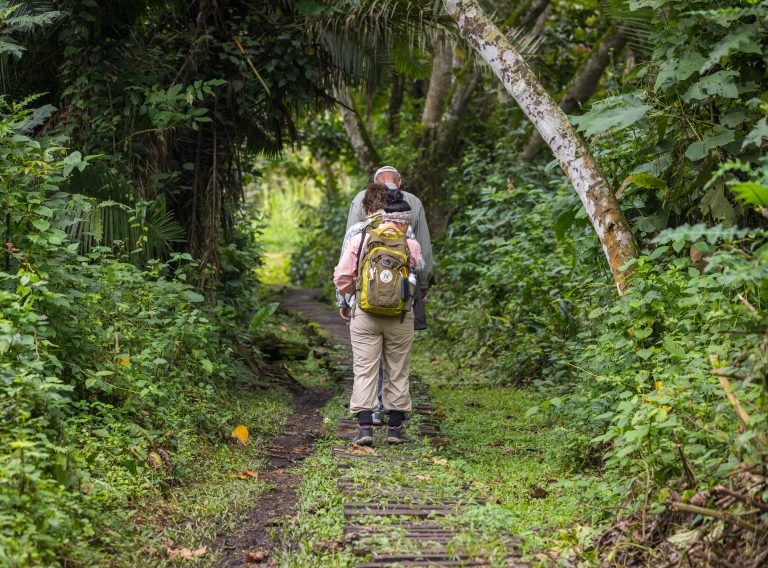
Ranger-led gorilla treks follow trackers into the forest to locate a habituated gorilla family. Hikes can be steep and their duration depends on where the animals are, so use sturdy footwear and allow flexibility. Golden monkey tracking is another primate experience. Depending on permits and conditions, travelers can also consider volcano hikes, birding, Musanze Caves and community-led cultural visits.
Ranger teams assign visitors to trekking groups and provide a briefing before the hike. Once a family is located, observation follows strict time and distance rules intended to limit disturbance and reduce disease risk. The trek can involve muddy slopes and dense vegetation, even when the weather in Musanze is clear.
Golden monkeys occupy a different habitat zone and make a lively complement to a gorilla trek. Birding and guided volcano hikes offer other ways to explore the Virunga landscape, with route availability dependent on permits, weather and park guidance.
Responsible planning in Volcanoes National Park
Arrange permits in advance through an authorized operator and verify current age, health and visitor requirements. Follow ranger instructions, keep the required distance from wildlife and avoid trekking when unwell. The nearby town of Musanze is a practical base for park activities; confirm meeting times and transfers before travel.
Musanze is the main base for park activities, while transfers from Kigali take several hours by road. Arrive in the area the day before an early trek, and confirm your permit meeting point and departure time with your operator.
Wear layers, sturdy hiking shoes and rain protection, and carry only what you can comfortably manage on a steep trail. Follow all ranger instructions around wildlife, and confirm current permit fees and rules directly before travel.
Source: Visit Rwanda.
What to expect
Wildlife
- Mammal species
- 115
- Bird species
- 187
Mountain gorillas and golden monkeys inhabit the bamboo and montane forests of the Virunga volcanoes.
Plants & vegetation
245 recorded plant species
The park rises through bamboo and montane forest into subalpine heath and afro-alpine vegetation.
Published species totals vary by survey date and coverage. Mammal and bird counts are shown separately; they are not a complete count of every wildlife group.
Main attractions & activities
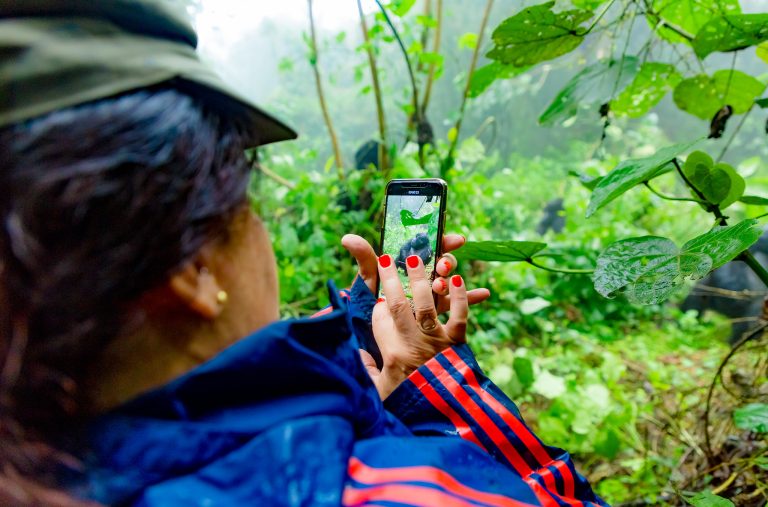
Mountain gorillas
Experience Guided gorilla trekking
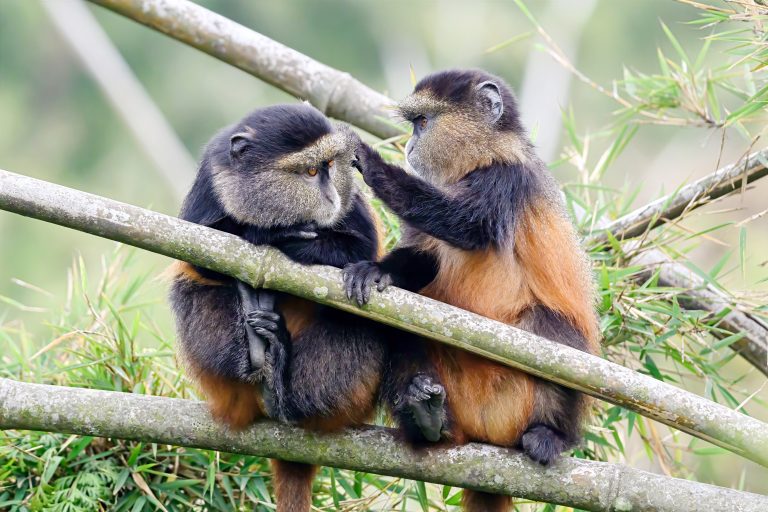
Golden monkeys
Experience Golden monkey tracking
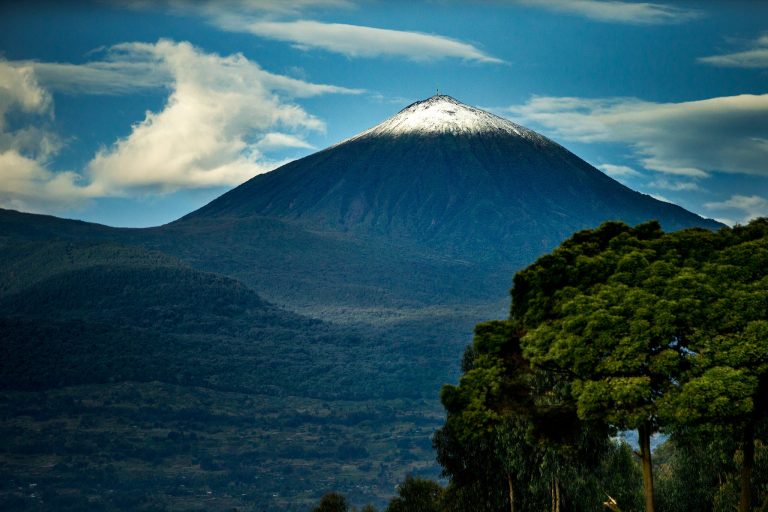
Virunga volcanoes
Experience Guided volcano hike or Dian Fossey tomb trail
Activities & fees
| Activity | Permit or activity fee |
|---|---|
| Mountain gorilla trekking | US$1,500 permit (foreigner) |
| Golden monkey tracking | US$100 permit (foreigner) |
| Guided Bosoke Virunga volcano hikes | US$75 permit (foreigner) |
| Guided Dian Fossey Tomb hikes | US$75 permit (foreigner) |
| Ellen DeGeneres Campus of the Dian Fossey Gorilla Fund Visit | USD $25 |
These are published authority permit or activity fees for foreign non-resident adults where a rate is available, not complete safari-package prices. Rates can vary by visitor category and travel date; park entry, transport, guides, and operator services may be charged separately. Confirm current rates before booking with the Uganda Wildlife Authority or Rwanda Development Board.
Frequently Asked Questions
01 Can I go gorilla trekking in Rwanda?
Yes. Volcanoes National Park offers guided mountain gorilla tracking, subject to a valid permit and current park requirements. At Volcanoes National Park, this question is best understood in the context of montane forest and bamboo slopes beneath the Virunga volcanoes in northwestern Rwanda. The information already provided identifies the main point, while the exact experience can vary with location, season, weather, access and wildlife movement. This distinction matters when a visitor is deciding what to expect from a walk, drive or wildlife encounter. Use general descriptions to guide your choices, not as a promise of a specific sighting, route or activity outcome. Before you set out, ask a local guide what conditions are like and which details are confirmed for that day. Allow time for a briefing, the activity and return journey.
Rwanda's Volcanoes National Park offers guided mountain gorilla tracking, subject to a permit and current park requirements. For a visitor asking “Can I go gorilla trekking in Rwanda?,” planning at Volcanoes National Park starts by matching accommodation, transport and activity times. The local consideration is confirm permits, Musanze reporting times, transfer plans and current trekking requirements. Confirm the reporting point, expected duration, suitable clothing and equipment, and current permit, age, health or safety requirements with park staff or an authorized operator. Travel may take longer than a map suggests when roads are rough, trails are steep or sites lie in different sectors. Share mobility, fitness or health concerns before booking so recommendations can reflect the route you intend to take. Leave a flexible margin around the experience, since weather, wildlife movement and park operations can change.
Permits are limited, so confirm dates and rules before booking flights or non-refundable accommodation. Responsible travel at Volcanoes National Park means treating the landscape as a living habitat rather than a predictable attraction. Visitors should keep in mind mountain gorillas, golden monkeys, ranger-led viewing and conservation of forest habitat. Follow ranger instructions, stay on approved trails and roads, give wildlife room, and never feed, call or crowd animals. For any community visit, choose a locally led experience, ask permission before taking photographs and respect guidance about what is appropriate to share. Check schedules, fees, permits and access with the relevant park authority shortly before departure, because details can change. A knowledgeable guide can explain conservation context and adjust plans to conditions, making a visit safer and more respectful.
02 What else can I do in Volcanoes National Park?
Options include golden monkey tracking, guided volcano hikes, birdwatching and visits to Musanze Caves or nearby cultural attractions. At Volcanoes National Park, this question is best understood in the context of montane forest and bamboo slopes beneath the Virunga volcanoes in northwestern Rwanda. The information already provided identifies the main point, while the exact experience can vary with location, season, weather, access and wildlife movement. This distinction matters when a visitor is deciding what to expect from a walk, drive or wildlife encounter. Use general descriptions to guide your choices, not as a promise of a specific sighting, route or activity outcome. Before you set out, ask a local guide what conditions are like and which details are confirmed for that day. Allow time for a briefing, the activity and return journey.
Golden monkey tracking, volcano hikes, birdwatching and visits to Musanze Caves are among other experiences in the area. For a visitor asking “What else can I do in Volcanoes National Park?,” planning at Volcanoes National Park starts by matching accommodation, transport and activity times. The local consideration is confirm permits, Musanze reporting times, transfer plans and current trekking requirements. Confirm the reporting point, expected duration, suitable clothing and equipment, and current permit, age, health or safety requirements with park staff or an authorized operator. Travel may take longer than a map suggests when roads are rough, trails are steep or sites lie in different sectors. Share mobility, fitness or health concerns before booking so recommendations can reflect the route you intend to take. Leave a flexible margin around the experience, since weather, wildlife movement and park operations can change.
Activity availability depends on permits, weather and park guidance. Ask an authorized operator to coordinate a realistic schedule. Responsible travel at Volcanoes National Park means treating the landscape as a living habitat rather than a predictable attraction. Visitors should keep in mind mountain gorillas, golden monkeys, ranger-led viewing and conservation of forest habitat. Follow ranger instructions, stay on approved trails and roads, give wildlife room, and never feed, call or crowd animals. For any community visit, choose a locally led experience, ask permission before taking photographs and respect guidance about what is appropriate to share. Check schedules, fees, permits and access with the relevant park authority shortly before departure, because details can change. A knowledgeable guide can explain conservation context and adjust plans to conditions, making a visit safer and more respectful.
03 How hard is gorilla trekking in Volcanoes National Park?
It can involve steep, muddy trails at altitude. Difficulty and duration vary with the gorilla group's location, so prepare for a hike and ask your operator about accessibility. At Volcanoes National Park, this question is best understood in the context of montane forest and bamboo slopes beneath the Virunga volcanoes in northwestern Rwanda. The information already provided identifies the main point, while the exact experience can vary with location, season, weather, access and wildlife movement. This distinction matters when a visitor is deciding what to expect from a walk, drive or wildlife encounter. Use general descriptions to guide your choices, not as a promise of a specific sighting, route or activity outcome. Before you set out, ask a local guide what conditions are like and which details are confirmed for that day. Allow time for a briefing, the activity and return journey.
The trek may involve steep, muddy trails and a long walk at altitude. Fitness needs vary with the route and gorilla location. For a visitor asking “How hard is gorilla trekking in Volcanoes National Park?,” planning at Volcanoes National Park starts by matching accommodation, transport and activity times. The local consideration is confirm permits, Musanze reporting times, transfer plans and current trekking requirements. Confirm the reporting point, expected duration, suitable clothing and equipment, and current permit, age, health or safety requirements with park staff or an authorized operator. Travel may take longer than a map suggests when roads are rough, trails are steep or sites lie in different sectors. Share mobility, fitness or health concerns before booking so recommendations can reflect the route you intend to take. Leave a flexible margin around the experience, since weather, wildlife movement and park operations can change.
Sturdy footwear, layered clothing and rain protection help. Tell your operator about mobility needs before booking. Responsible travel at Volcanoes National Park means treating the landscape as a living habitat rather than a predictable attraction. Visitors should keep in mind mountain gorillas, golden monkeys, ranger-led viewing and conservation of forest habitat. Follow ranger instructions, stay on approved trails and roads, give wildlife room, and never feed, call or crowd animals. For any community visit, choose a locally led experience, ask permission before taking photographs and respect guidance about what is appropriate to share. Check schedules, fees, permits and access with the relevant park authority shortly before departure, because details can change. A knowledgeable guide can explain conservation context and adjust plans to conditions, making a visit safer and more respectful.
04 How far is Volcanoes National Park from Kigali?
The park is in northwestern Rwanda, and visitors commonly travel by road from Kigali to the Musanze area. At Volcanoes National Park, this question is best understood in the context of montane forest and bamboo slopes beneath the Virunga volcanoes in northwestern Rwanda. The information already provided identifies the main point, while the exact experience can vary with location, season, weather, access and wildlife movement. This distinction matters when a visitor is deciding what to expect from a walk, drive or wildlife encounter. Use general descriptions to guide your choices, not as a promise of a specific sighting, route or activity outcome. Before you set out, ask a local guide what conditions are like and which details are confirmed for that day. Allow time for a briefing, the activity and return journey.
Allow several hours for the transfer and plan to arrive near the park the day before an early tracking activity. For a visitor asking “How far is Volcanoes National Park from Kigali?,” planning at Volcanoes National Park starts by matching accommodation, transport and activity times. The local consideration is confirm permits, Musanze reporting times, transfer plans and current trekking requirements. Confirm the reporting point, expected duration, suitable clothing and equipment, and current permit, age, health or safety requirements with park staff or an authorized operator. Travel may take longer than a map suggests when roads are rough, trails are steep or sites lie in different sectors. Share mobility, fitness or health concerns before booking so recommendations can reflect the route you intend to take. Leave a flexible margin around the experience, since weather, wildlife movement and park operations can change.
Road times depend on traffic and conditions. Confirm pickup, meeting point and permit check-in time with your operator. Responsible travel at Volcanoes National Park means treating the landscape as a living habitat rather than a predictable attraction. Visitors should keep in mind mountain gorillas, golden monkeys, ranger-led viewing and conservation of forest habitat. Follow ranger instructions, stay on approved trails and roads, give wildlife room, and never feed, call or crowd animals. For any community visit, choose a locally led experience, ask permission before taking photographs and respect guidance about what is appropriate to share. Check schedules, fees, permits and access with the relevant park authority shortly before departure, because details can change. A knowledgeable guide can explain conservation context and adjust plans to conditions, making a visit safer and more respectful.
05 What should I wear for gorilla trekking in Rwanda?
Sturdy hiking boots, long trousers and layered clothing help on steep, muddy forest trails. At Volcanoes National Park, this question is best understood in the context of montane forest and bamboo slopes beneath the Virunga volcanoes in northwestern Rwanda. The information already provided identifies the main point, while the exact experience can vary with location, season, weather, access and wildlife movement. This distinction matters when a visitor is deciding what to expect from a walk, drive or wildlife encounter. Use general descriptions to guide your choices, not as a promise of a specific sighting, route or activity outcome. Before you set out, ask a local guide what conditions are like and which details are confirmed for that day. Allow time for a briefing, the activity and return journey.
A lightweight waterproof layer and gloves can be useful where vegetation is wet or the route passes through brush. For a visitor asking “What should I wear for gorilla trekking in Rwanda?,” planning at Volcanoes National Park starts by matching accommodation, transport and activity times. The local consideration is confirm permits, Musanze reporting times, transfer plans and current trekking requirements. Confirm the reporting point, expected duration, suitable clothing and equipment, and current permit, age, health or safety requirements with park staff or an authorized operator. Travel may take longer than a map suggests when roads are rough, trails are steep or sites lie in different sectors. Share mobility, fitness or health concerns before booking so recommendations can reflect the route you intend to take. Leave a flexible margin around the experience, since weather, wildlife movement and park operations can change.
Pack water and only essential items, and check the latest park guidance before departure. Responsible travel at Volcanoes National Park means treating the landscape as a living habitat rather than a predictable attraction. Visitors should keep in mind mountain gorillas, golden monkeys, ranger-led viewing and conservation of forest habitat. Follow ranger instructions, stay on approved trails and roads, give wildlife room, and never feed, call or crowd animals. For any community visit, choose a locally led experience, ask permission before taking photographs and respect guidance about what is appropriate to share. Check schedules, fees, permits and access with the relevant park authority shortly before departure, because details can change. A knowledgeable guide can explain conservation context and adjust plans to conditions, making a visit safer and more respectful.