Quick Summary:
- Akagera National Park offers a unique East African savanna experience, distinct from its more famous counterparts, with a profound conservation success story.
- Optimal wildlife viewing, particularly for the Big Five, is typically during the dry season (June to September), when animals congregate around dwindling water sources.
- Access requires careful planning, with options ranging from guided tours to self-drive, though a seasoned guide is highly recommended for maximizing sightings and navigating the terrain.
- The park’s diverse ecosystems, from vast savannas to papyrus swamps and lakes, support an incredible variety of species, making boat safaris on Lake Ihema a crucial activity.
The Spirit and Scale of Akagera National Park
There are places on this continent that resonate with a different kind of wildness, a subtle hum beneath the roar of the more trodden paths. Akagera National Park, nestled in the eastern plains of Rwanda, is one such place. It’s not the vast, sprawling theater of the Serengeti, nor the towering drama of the Virungas; Akagera possesses an intimate grandeur, a profound sense of recovery and resilience that speaks volumes about dedicated conservation. For those who seek an authentic connection to Africa’s wild heart, unmarred by excessive crowds, Akagera presents itself as a revelation.
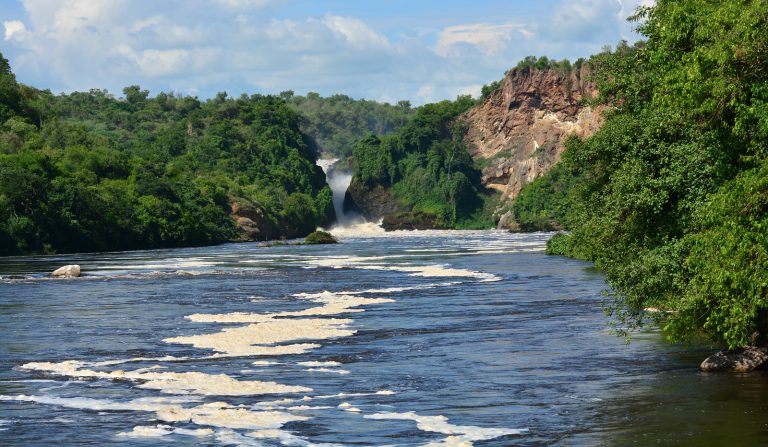
The park’s character is defined by its diverse landscapes: rolling hills of acacia and bush, interspersed with expansive savannas, and a complex network of lakes and papyrus swamps that form the eastern boundary along the Akagera River. This topographical mosaic provides an extraordinary backdrop for a safari, offering vistas that shift from open plains to dense thickets, then to the tranquil waters teeming with life. It’s a place where you can feel the pulse of the wild without the distractions, where every sighting feels earned, a reward for patience and keen observation.
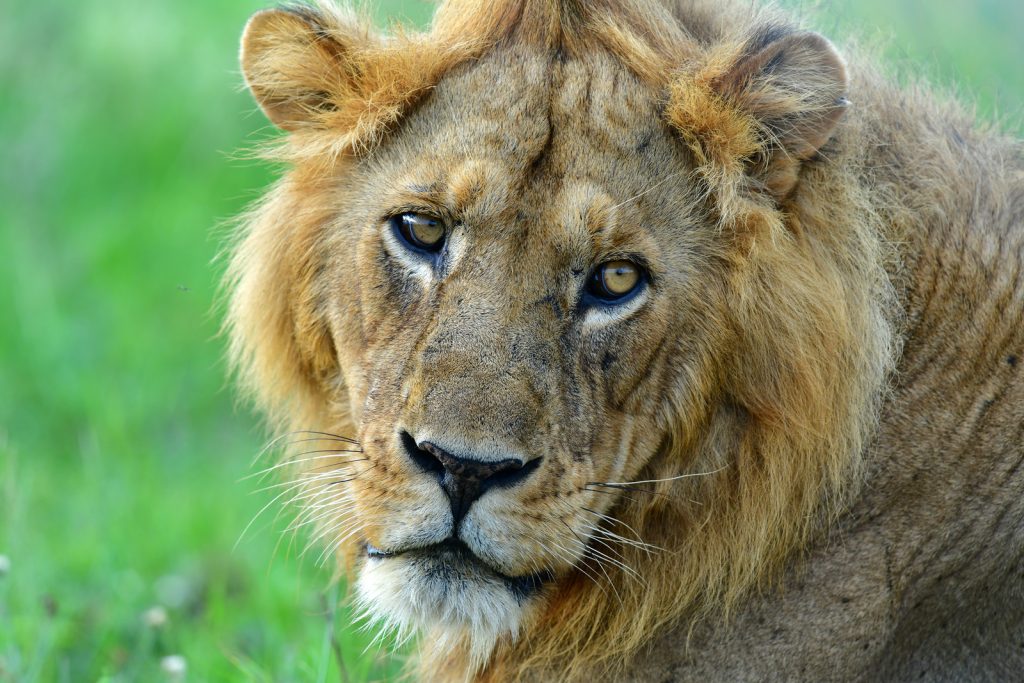
The story of Akagera is, in many ways, a testament to human endeavor and nature’s capacity for resurgence. Decimated in the aftermath of the Rwandan genocide, its wildlife populations severely depleted and much of its land encroached upon, the park has undergone a remarkable transformation. Through stringent anti-poaching measures, community engagement, and successful reintroductions of species like lions and black rhinos, Akagera has not only reclaimed its status as a Big Five destination but has also become a beacon of sustainable conservation. This history imbues every game drive with a deeper meaning, a sense of witnessing a true wilderness rebirth.
Expert Insight: “Akagera’s unique blend of savanna and wetlands means you’re never just on a ‘game drive.’ You’re constantly transitioning between ecosystems, offering completely different species interactions within a single outing. It demands a broader understanding of animal behavior and habitat preference than many other parks.”
Signature Wildlife and Ecosystem Highlights
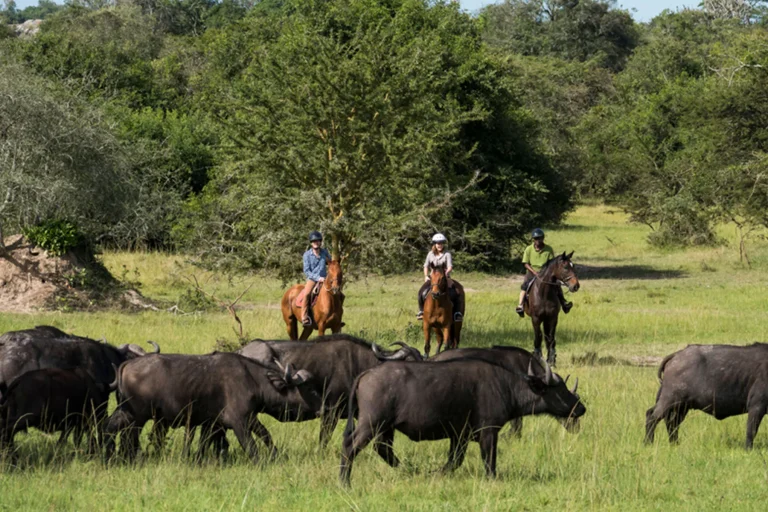
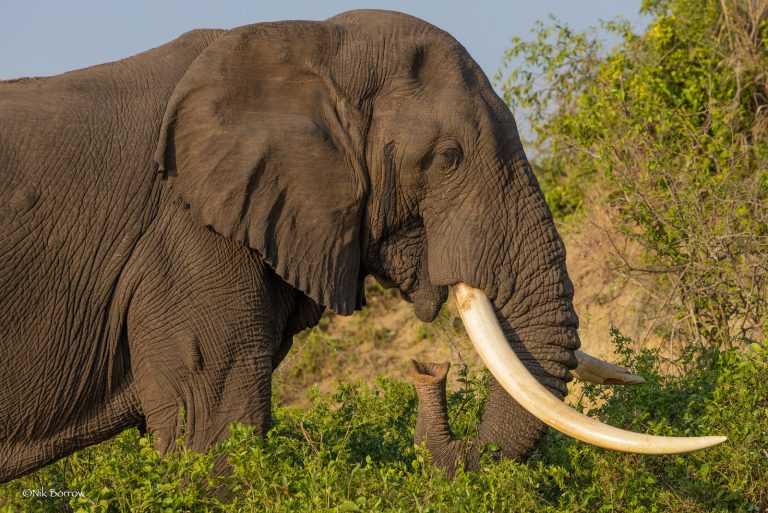
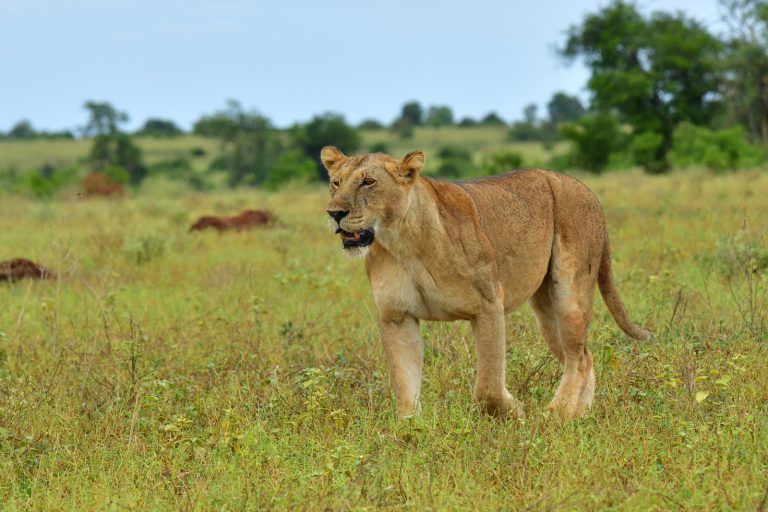
Akagera’s biodiversity is nothing short of spectacular, a direct result of its varied habitats. The park is home to the Big Five, a remarkable achievement given its recent history. Tracking lion prides across the open plains or spotting the elusive black rhino amidst the thickets requires a discerning eye and often, the patience that only a seasoned safari-goer truly appreciates. Elephant herds roam freely, their presence often announced by broken branches and fresh tracks, while buffalo wallow in the muddy fringes of the lakes.
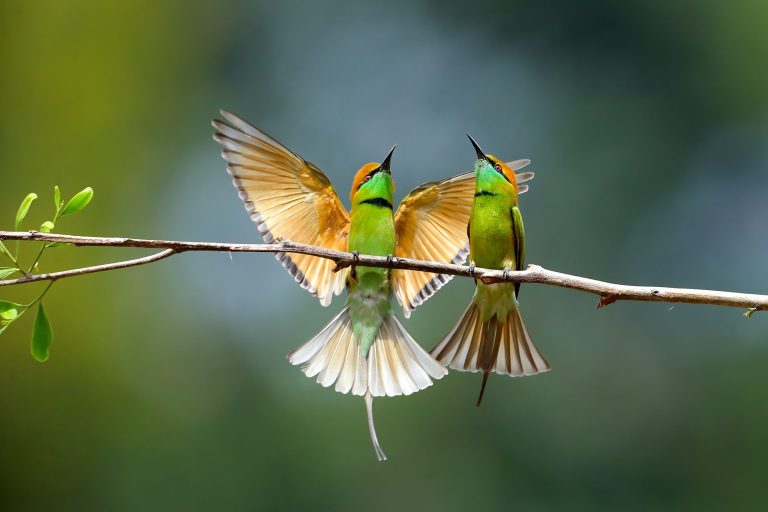
Beyond the charismatic megafauna, Akagera truly shines in its aquatic and avian life. The network of lakes, particularly Lake Ihema, is a vibrant hub of activity. Boat safaris here are non-negotiable, offering unparalleled opportunities to view hippos in their hundreds, crocodiles basking on sandy shores, and an astonishing array of waterbirds. Shoebill storks, papyrus gonoleks, and African fish eagles are just a few of the avian treasures that grace these waters, making Akagera a prime destination for birdwatchers.
The savanna areas host a strong population of plains game, including zebras, topi, impalas, and giraffes, providing a constant parade of grazers that in turn support the park’s predators. Leopard sightings, while always a challenge, are a distinct possibility, especially during night drives. For those with a keen interest in smaller, more unusual species, Akagera also offers glimpses of bushbucks, warthogs, and various mongoose species. The park’s management has invested heavily in monitoring and protecting these populations, leading to increasingly reliable sightings for those who know where and when to look.
Best Time to Visit: Seasonal Intelligence
Timing your visit to Akagera National Park is crucial for optimizing your safari experience, as the seasons significantly influence wildlife behavior and visibility. Generally, Rwanda experiences two main seasons: the dry season and the wet season, each offering distinct advantages.
The primary dry season, running from June to September, is widely considered the best time for traditional game viewing. During these months, vegetation is sparser, and animals congregate around the dwindling water sources of the lakes and rivers, making them easier to spot. This period is ideal for tracking the Big Five, and lion sighting rates, according to our Live Sightings Network data, can run at around 80% during this window. The roads are also in better condition, ensuring smoother game drives and access to more remote areas of the park. However, it can be quite dusty, and temperatures can climb, especially in the midday sun.
The short dry season, typically from mid-December to February, also offers excellent conditions, though it can be slightly warmer. The landscape remains relatively dry, and wildlife viewing is still very rewarding. The wet seasons, from October to November (short rains) and March to May (long rains), transform Akagera into a lush, verdant paradise. While game viewing can be more challenging due to thicker vegetation, these months are exceptional for birdwatching, as migratory species arrive, and resident birds are in their breeding plumage. The landscape is strikingly beautiful, and photography benefits from the softer light and vibrant greens. Roads can become muddy and impassable in heavy rains, potentially limiting access to certain areas, but the sense of renewal in the park is palpable.
- Dry Season (June – September, Mid-December – February): Best for general game viewing, Big Five tracking, and easier road conditions. Expect higher temperatures and dust.
- Wet Season (March – May, October – November): Ideal for birdwatching, lush landscapes, and fewer visitors. Roads can be challenging, and game spotting requires more patience.
Adventure Logistics and Access
Navigating Akagera National Park demands a certain level of preparedness and an understanding of its unique logistical considerations. The park is situated approximately 2.5 hours east of Kigali, making it a relatively accessible safari destination within Rwanda. The journey from Kigali typically involves well-maintained roads for the initial stretch, transitioning to gravel as you approach the park gates.
Access into the park is primarily through the southern gate, near the main headquarters, though a northern exit is available for those continuing their journey elsewhere. Once inside, the park’s network of roads, while generally well-maintained, can vary in condition, particularly during the wet season. A 4×4 vehicle is not merely recommended; it is essential for a comfortable and safe safari experience, allowing access to diverse game drive loops and ensuring you don’t get stuck. For self-drivers, a good GPS and a thorough understanding of park regulations are paramount, as the park is vast and navigating without prior knowledge can be daunting.
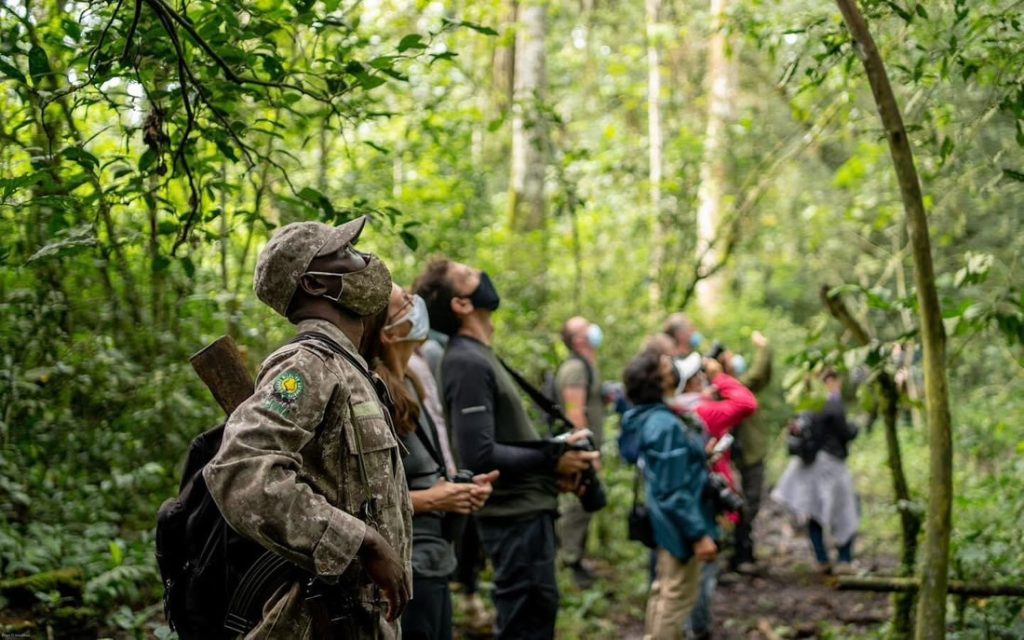
However, for the optimal experience, I strongly advocate for engaging a professional safari guide. A guide not only possesses an intimate knowledge of the park’s terrain and wildlife movements but also brings a wealth of ecological insight that enriches every sighting. Their ability to spot camouflaged animals, interpret tracks, and anticipate animal behavior significantly elevates the safari. Ripple Safaris, for instance, employs guides with years of field experience in Akagera, ensuring you receive unparalleled expertise and a seamless logistical flow from arrival to departure.
Pro Tip: “Never underestimate the value of a seasoned local guide in Akagera. They don’t just drive; they interpret the landscape, track the invisible, and connect you to the ecosystem in a way a map simply cannot. Their knowledge of the park’s current lion prides or rhino territories is invaluable.”
Lodge Perspectives and Authentic Stays
Accommodation within Akagera National Park is designed to complement its wild setting, offering a range of experiences from rustic immersion to understated luxury, all while maintaining a strong commitment to sustainability and conservation. Unlike some of the larger, more commercialized parks, Akagera’s lodges are fewer in number, ensuring a more exclusive and intimate stay.
The primary options typically include a high-end lodge offering exquisite comforts, often with stunning views over the lakes or savanna, and a more mid-range lodge or tented camp that provides an authentic bush experience without compromising on essential amenities. Each establishment is carefully integrated into the environment, designed to minimize impact while maximizing guest immersion in the natural surroundings. Expect solar power, responsible water usage, and often, locally sourced produce and staff from surrounding communities.
Choosing your lodge depends on the desired level of comfort and the specific experience you seek. The premium lodges offer services like private decks, plunge pools, and gourmet dining, perfect for those who appreciate refined relaxation after a day of intense game viewing. The more adventurous might prefer a tented camp, where the sounds of the bush are your lullaby, and the connection to nature feels more immediate. Regardless of choice, the focus is always on providing an authentic safari atmosphere, where evenings are spent under a canopy of stars, sharing stories of the day’s encounters around a crackling fire. Booking well in advance is advisable, especially during peak dry season, as the limited capacity ensures exclusivity but also means quick occupancy.
Pairing Akagera National Park with a Broader Safari
Akagera National Park, while a captivating destination in its own right, truly shines when integrated into a broader Rwandan or East African safari itinerary. Its unique savanna and wetland ecosystem offers a perfect counterpoint to Rwanda’s other world-renowned attractions, creating a diverse and comprehensive wildlife experience.
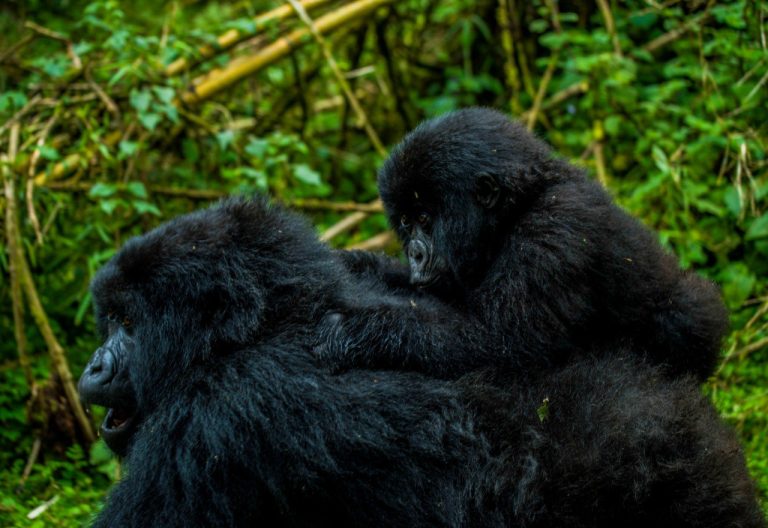
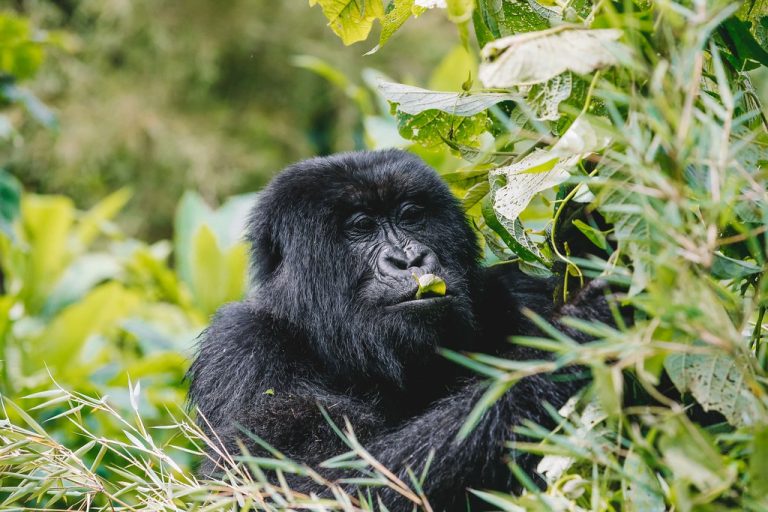
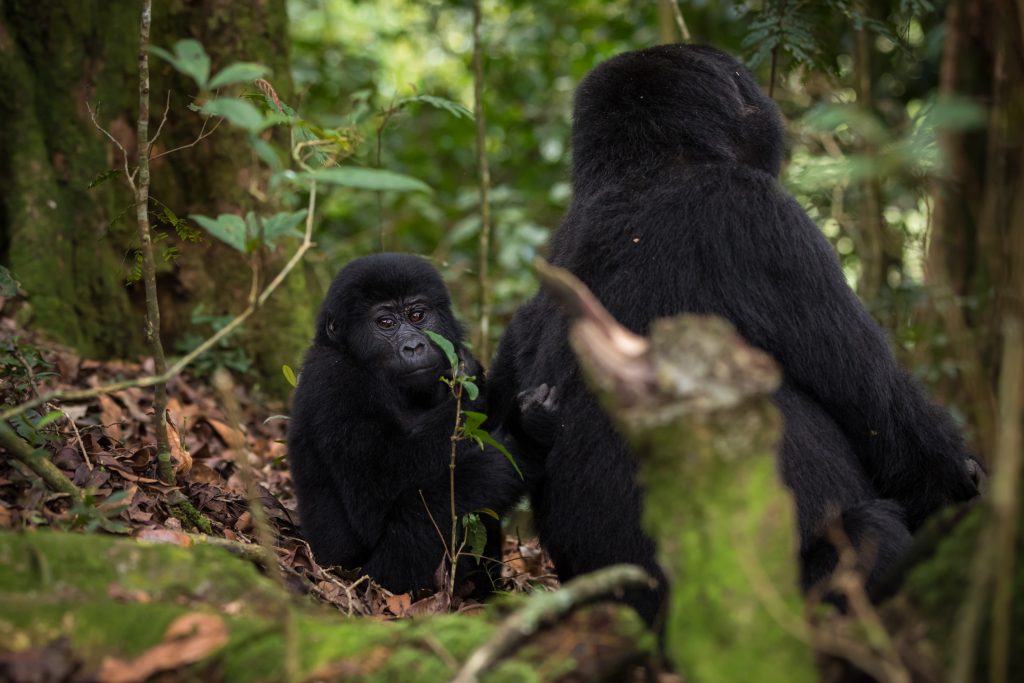
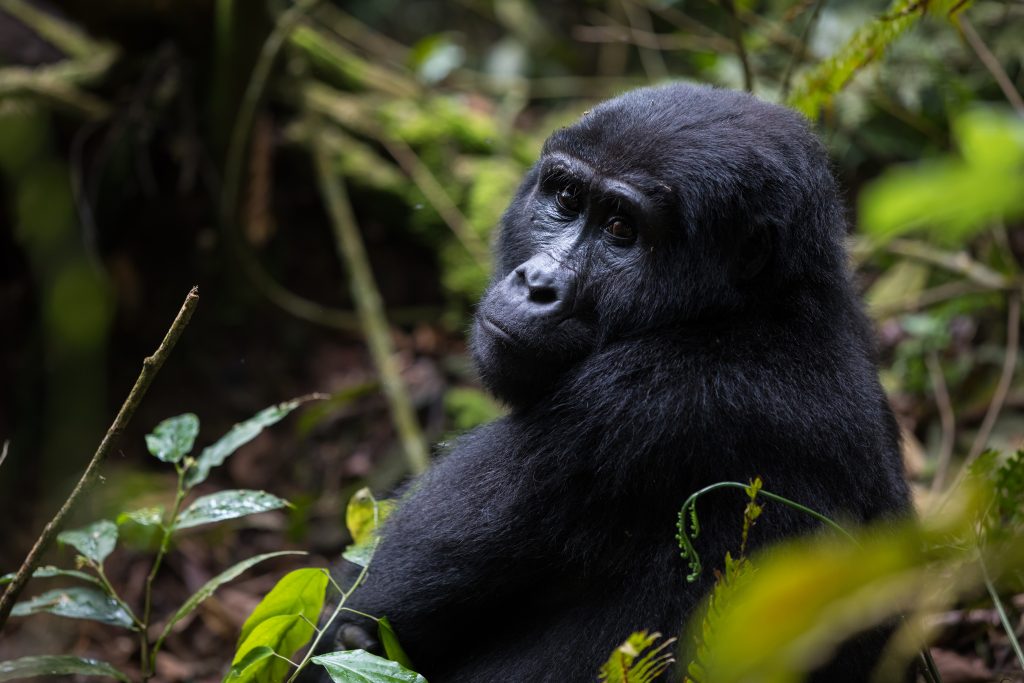
The most natural pairing for Akagera is, of course, with Rwanda’s iconic gorilla trekking experiences in Volcanoes National Park. Imagine tracking mountain gorillas through the misty Virunga mountains one day, then transitioning to the sun-drenched savannas of Akagera the next, searching for lions and rhinos. This combination showcases the incredible ecological diversity packed into a relatively small country, offering both primate encounters and classic Big Five safaris within a single trip. The contrast between the dense montane forest and the open plains is profound and deeply enriching.
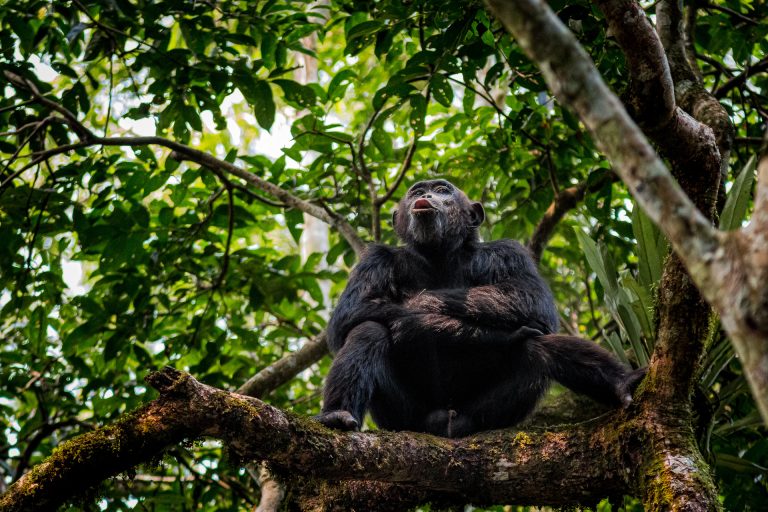
Furthermore, Akagera can be seamlessly combined with chimpanzee trekking in Nyungwe Forest National Park. A multi-faceted Rwandan safari could involve tracking chimps and exploring the canopy walkway in Nyungwe, then journeying north to Volcanoes for gorillas, culminating with a classic game drive and boat safari in Akagera. This progression allows for an unparalleled exploration of Rwanda’s natural heritage, moving from rainforest biodiversity to high-altitude primate habitats, and finally to the vibrant savanna. For those with more time, extending the journey into Uganda for further primate experiences or Kenya/Tanzania for the larger migrations offers an even grander East African tapestry, with Akagera serving as a tranquil, yet thrilling, opening chapter.
Essential Tips for Akagera National Park Travelers
Preparing for an Akagera safari requires attention to detail to ensure a comfortable, safe, and rewarding experience. First and foremost, pack appropriate clothing: light, breathable layers in neutral colors are best for game drives, helping you blend into the environment and remain comfortable in varying temperatures. A wide-brimmed hat, sunglasses, and strong insect repellent are indispensable. Even during the dry season, mosquitoes can be present, especially around water bodies, so long sleeves and trousers for evenings are wise.
Photography enthusiasts should bring telephoto lenses, as wildlife viewing distances can vary significantly. Binoculars are also a non-negotiable item, enhancing every sighting, from distant raptors to camouflaged predators. Remember to pack extra batteries and memory cards, as charging opportunities might be limited in some camps. Respect for wildlife is paramount: maintain a safe distance, avoid sudden movements or loud noises, and never attempt to feed animals. Your guide will provide specific instructions for each encounter.
Hydration is key, especially during the hotter months, so carry plenty of water. While lodges provide bottled water, consider bringing a reusable bottle to minimize plastic waste. A small first-aid kit with personal medications, pain relievers, and antiseptic wipes is always a good idea. Finally, embrace the unexpected. Akagera, like any true wilderness, holds its secrets, and some of the most memorable moments are often those unplanned, serendipitous encounters that reveal the true magic of Africa.
Frequently Asked Questions
Is Akagera National Park safe for visitors?
Yes, Akagera National Park is considered very safe for visitors. The park is meticulously managed by African Parks in partnership with the Rwanda Development Board, employing dedicated rangers and implementing robust anti-poaching and security measures.
Visitors are required to adhere to park rules, such as staying in their vehicles during game drives and not driving off-road, which further ensures safety. The local communities surrounding the park also benefit from tourism and are invested in its success and security.
What is the best way to see the Big Five in Akagera?
The best way to maximize your chances of seeing the Big Five in Akagera is to visit during the dry season (June to September or mid-December to February) and engage a professional safari guide.
Guides have real-time knowledge of animal movements and territories, significantly increasing the likelihood of spotting lions, rhinos, elephants, buffalo, and leopards. Combining morning and afternoon game drives with a boat safari on Lake Ihema also offers diverse viewing opportunities.
Can I do a self-drive safari in Akagera National Park?
Yes, self-drive safaris are permitted in Akagera National Park, offering a sense of independence for experienced travelers. You will need a reliable 4×4 vehicle, and it is highly recommended to rent a car equipped with a GPS and good ground clearance.
However, for optimal wildlife spotting and navigation, especially in the more remote areas or during the wet season, hiring a park guide to accompany you in your vehicle is strongly advised. This enhances both your safety and your chances of significant sightings.
What unique activities does Akagera offer besides game drives?
Beyond traditional game drives, Akagera National Park offers several unique activities that distinguish it from other safari destinations. A boat safari on Lake Ihema is a must-do, providing exceptional opportunities for viewing hippos, crocodiles, and a vast array of water birds, including the elusive shoebill stork.
Guided nature walks, fishing on Lake Shakani, and cultural experiences in the communities bordering the park also offer different perspectives. Night game drives, conducted by park rangers, provide a chance to spot nocturnal animals like civets, genets, and even leopards, adding another layer to the safari adventure.
How many days are recommended for an Akagera safari?
To fully appreciate the diverse ecosystems and maximize your chances of extensive wildlife sightings, a minimum of 2 to 3 full days is recommended for an Akagera safari. This allows for several game drives across different sectors of the park and at least one boat safari.
With three full days, you can explore both the northern and southern circuits thoroughly, participate in a night drive, and potentially enjoy a nature walk, ensuring a comprehensive and unhurried experience of this remarkable park.
What should I pack for an Akagera safari?
For an Akagera safari, essential packing includes light, breathable clothing in neutral colors (khaki, olive, brown) for game drives, along with a wide-brimmed hat, sunglasses, and strong insect repellent. Evenings can be cooler, so a light jacket or fleece is advisable.
Don’t forget sturdy closed-toe shoes, a good pair of binoculars, a camera with extra batteries and memory cards, and a small first-aid kit. Sunscreen, a reusable water bottle, and any personal medications are also crucial items to include.