
Meet the Golden Monkey: A Virunga Endemic
Stepping into the misty, emerald embrace of Mgahinga Gorilla National Park, one expects to be captivated by the iconic mountain gorillas. Yet, for the discerning wildlife enthusiast, a truly unparalleled encounter awaits with the charismatic golden monkey, Cercopithecus kandti. These exquisite primates, resplendent in their vibrant golden-orange fur, are not merely another species; they are a living jewel, an emblem of the unique biodiversity found only within the Virunga Volcanic Massif. Their playful energy and striking beauty often come as a delightful surprise, making them one of Africa’s most undersold, yet extraordinary, primate experiences.
Endemic to the high-altitude bamboo forests of the Virungas, golden monkeys possess an almost ethereal quality, their bright coats shimmering against the lush green backdrop. Unlike their more sedate gorilla neighbours, these monkeys are a whirlwind of activity, constantly foraging, grooming, and leaping through the dense canopy. Their social groups, often numbering over 50 individuals, create a dynamic spectacle, a constant ballet of movement and sound that truly immerses you in their world. Observing their intricate social interactions, from playful chases among juveniles to watchful gazes from dominant males, offers a profound insight into primate behaviour.
Their diet primarily consists of bamboo shoots, leaves, and fruits, which they expertly extract with nimble fingers. This specialized diet ties them inextricably to the bamboo zones of the Virunga volcanoes, making their habitat distinct and fragile. The golden monkey’s adaptation to these cool, damp, high-altitude environments is a testament to nature’s incredible ingenuity, a story whispered through every rustle in the bamboo and every flash of gold in the dappled sunlight. To witness them in their natural realm is to connect with a truly unique evolutionary success story, a species thriving in a landscape shaped by ancient volcanic forces.
Mgahinga vs Volcanoes National Park for Golden Monkeys
While Rwanda’s Volcanoes National Park is often cited as the primary destination for golden monkey trekking, Mgahinga Gorilla National Park in Uganda offers an equally compelling, arguably more intimate, and certainly less crowded experience. Both parks share the same contiguous Virunga ecosystem, meaning the habitat and the monkeys themselves are essentially identical. However, Mgahinga, being Uganda’s smallest national park, provides a sense of discovery, a feeling that you are truly uncovering a hidden gem.
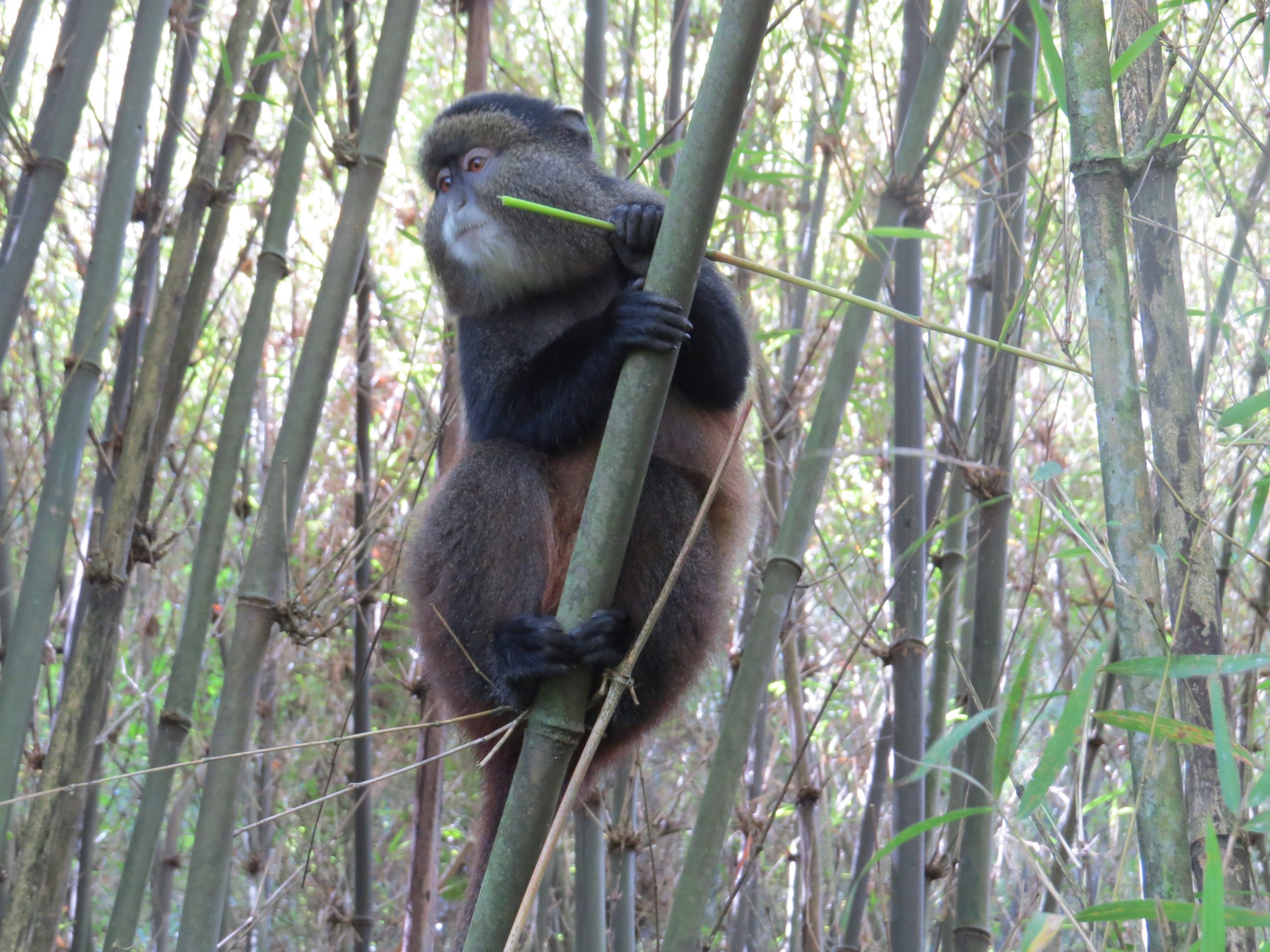
The habituated golden monkey troops in Mgahinga are robust and readily observed, often found in the lower bamboo zones, which can make for slightly less strenuous trekking compared to some of the higher reaches in Rwanda. What truly sets Mgahinga apart is its unique position as the only park where you can simultaneously track both mountain gorillas and golden monkeys – hence its evocative tagline, “where gold meets silver.” This dual opportunity provides an unparalleled primate safari, offering two distinct yet equally captivating encounters within a single, easily navigable location. The relative tranquility of Mgahinga, with fewer daily visitors, enhances the sense of being a privileged observer in an untouched wilderness.
Choosing Mgahinga for your golden monkey adventure means embracing a quieter, more focused exploration of this specific Virunga ecosystem. The park’s guides possess an in-depth understanding of the local monkey troops, often knowing individual personalities and group dynamics, enriching the trekking experience with their specialist knowledge. While Volcanoes National Park undoubtedly offers excellent golden monkey encounters, Mgahinga presents a compelling alternative for those seeking a more exclusive feel, the convenience of combining multiple primate experiences, and the charm of Uganda’s welcoming hospitality. It is a destination that rewards the curious and the adventurous with profound wildlife moments.
Trekking Conditions in the Virunga Foothills
Embarking on a golden monkey trek in Mgahinga’s Virunga foothills is an adventure that requires moderate physical fitness and a spirit of anticipation. The terrain is characterized by undulating volcanic slopes, often covered in dense bamboo forest and thick undergrowth. While golden monkeys typically inhabit the lower to mid-altitudes of the park, the trails can still be steep, uneven, and, especially during and after rainfall, muddy and slippery. Sturdy waterproof hiking boots with good ankle support are absolutely essential, along with gaiters to protect against mud and moisture.
The altitude in Mgahinga ranges from approximately 2,227m to 4,127m, and while golden monkey treks usually stay within the lower ranges, visitors should be prepared for thinner air than they might be accustomed to. The cool, damp climate of the montane forest necessitates layers of clothing, including a waterproof jacket, as sudden showers are not uncommon even during dry seasons. Trekking poles are highly recommended to aid balance and reduce strain on knees, particularly on descents. The guides and porters, who are intimately familiar with the forest, are invaluable companions, expertly navigating the paths and assisting trekkers where needed.
The actual duration of the trek to locate the golden monkeys can vary significantly, from just an hour to several hours, depending on the troop’s movements. Once found, trekkers are granted a precious hour to observe these captivating creatures. This hour, however, is often spent moving with the monkeys as they forage, requiring trekkers to maintain a certain pace over potentially challenging ground. Despite the physical demands, the reward of spending time with these vibrant primates, immersed in their natural habitat, far outweighs any exertion. The crisp mountain air, the symphony of forest sounds, and the thrill of discovery combine to create an unforgettable wilderness experience.
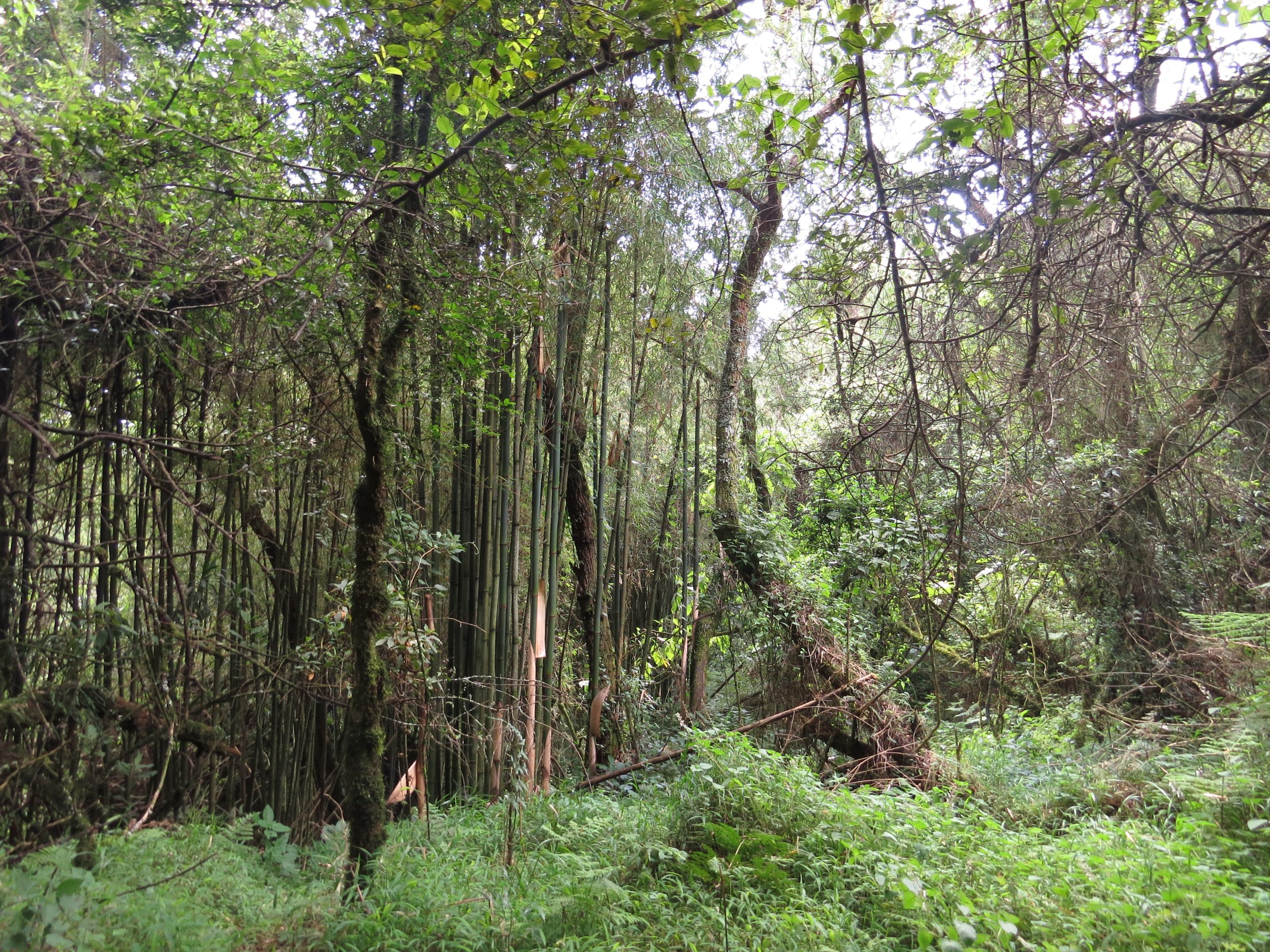
Photography: Colour, Movement, and Canopy Light
Photographing golden monkeys presents a unique and exhilarating challenge, one that tests a photographer’s agility, patience, and technical skill. Their vibrant, almost incandescent golden-orange fur is a visual feast, a striking contrast against the deep greens and browns of the bamboo forest. Capturing this colour accurately, while simultaneously freezing their incredibly fast and agile movements, requires careful consideration of equipment and technique. The forest canopy, while beautiful, creates dappled light conditions, often necessitating adjustments to ISO and aperture settings.
A fast telephoto zoom lens (e.g., 70-200mm or 100-400mm) is highly recommended, allowing flexibility to frame both close-up portraits and wider environmental shots as the monkeys move rapidly through the trees. A high ISO capability on your camera body will be crucial for maintaining fast shutter speeds (1/500s or higher) to avoid motion blur, especially in lower light conditions under the dense canopy. Don’t be afraid to push your ISO, as a sharp, well-exposed image with some noise is always preferable to a blurry one. Continuous autofocus modes (AI Servo on Canon, AF-C on Nikon/Sony) are essential for tracking their erratic movements.
Beyond technical settings, anticipating their movements and understanding their behaviour will greatly enhance your photographic success. Look for moments of interaction, grooming, or playful leaps. Be prepared for sudden bursts of activity, but also for fleeting moments of stillness when they pause to feed or survey their surroundings. The dense vegetation often creates natural frames, adding depth and context to your images. While the focus is on the monkeys, remember to capture the incredible Virunga backdrop, the texture of the bamboo, and the unique light of the montane forest, all of which tell a richer story of their habitat. The challenge of photographing these dynamic creatures only adds to the immense satisfaction of capturing their golden essence.
Combining Golden Monkeys With Gorilla Trekking
One of Mgahinga Gorilla National Park’s most compelling attributes, and a significant reason why it stands out among primate destinations, is the seamless opportunity to combine golden monkey trekking with mountain gorilla trekking. For the true primate enthusiast, this offers an unparalleled “double primate” experience, allowing you to witness two of Africa’s most iconic and endangered primates in their natural habitat within the same compact and incredibly biodiverse park. This unique synergy is what makes Mgahinga truly special, often referred to as the place “where gold meets silver.”
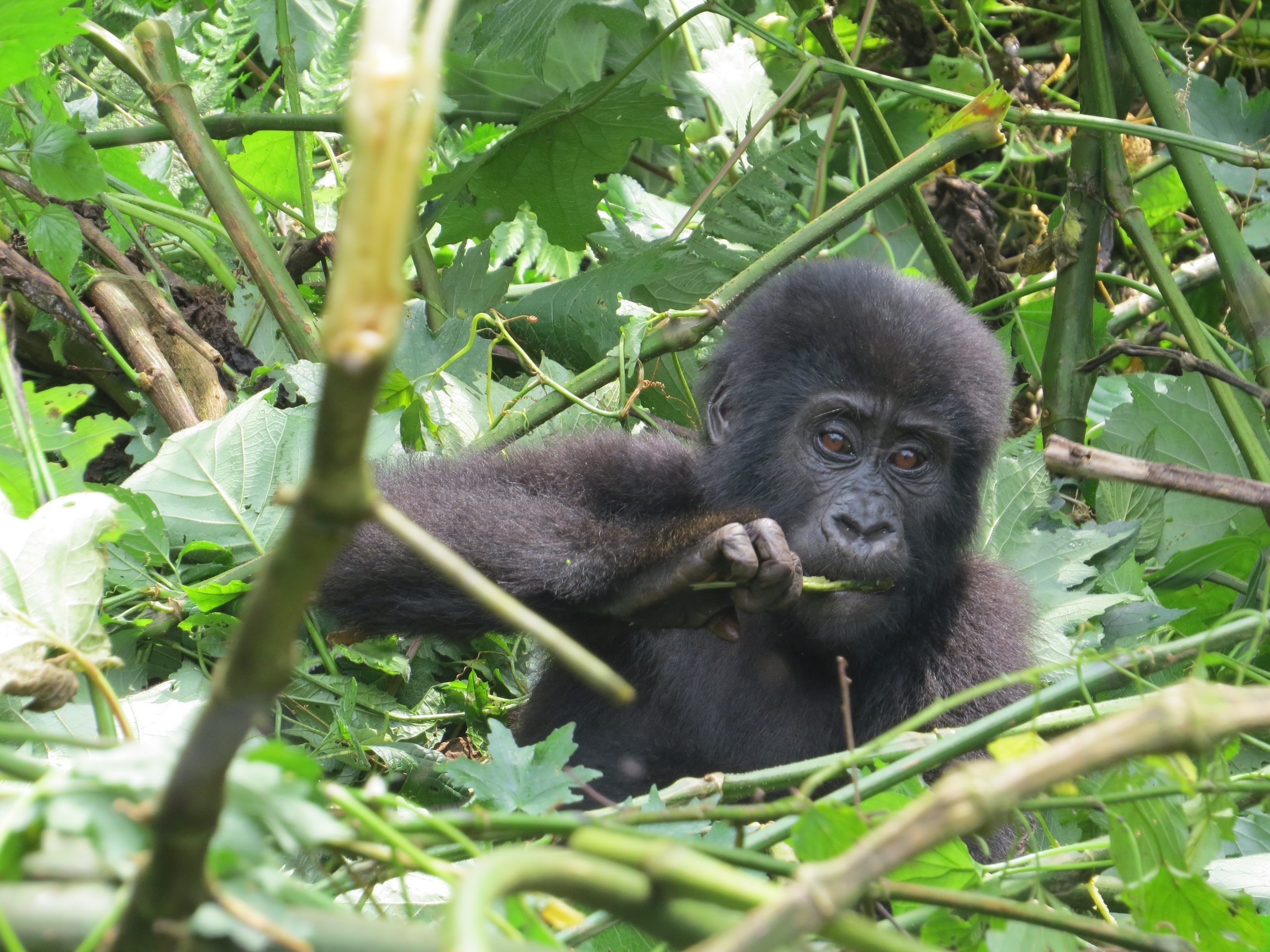
The logistics of combining these two extraordinary treks are surprisingly straightforward. Both activities depart from the same park headquarters, meaning minimal travel time between experiences. Typically, visitors choose to dedicate separate days to each trek, allowing for full immersion in both encounters without feeling rushed. Imagine spending one morning in the hushed presence of a mountain gorilla family, observing their gentle giants, and the next day being invigorated by the vibrant, acrobatic displays of a golden monkey troop. The contrast in their behaviours and the sheer diversity of experiences make for an incredibly rich and memorable safari.
Securing permits for both activities well in advance is crucial, especially during peak seasons, as both are highly sought after. While mountain gorilla permits are notoriously limited and expensive, golden monkey permits offer an accessible and equally rewarding primate encounter that complements the gorilla experience perfectly. Ripple Safaris often advises clients to consider this combination, as it truly maximizes the primate potential of a visit to Uganda. It’s an opportunity to appreciate the distinct ecological niches these two species occupy within the same breathtaking volcanic landscape, offering a holistic view of the Virunga’s incredible primate diversity that few other destinations can match.
Permits, Logistics, and Best Season
Understanding the practicalities of golden monkey trekking is key to a smooth and rewarding experience in Mgahinga. Permits are mandatory for golden monkey trekking, much like gorilla permits, and contribute directly to conservation efforts for this endangered species and their habitat. While significantly more affordable than gorilla permits, they should still be booked in advance, especially if you are traveling during the peak tourist seasons or planning to combine it with a gorilla trek. These permits grant you access to the park and the guided trekking experience, ensuring a controlled and sustainable interaction with the monkeys.
Logistically, Mgahinga Gorilla National Park is situated in the far southwestern corner of Uganda, bordering Rwanda and the Democratic Republic of Congo. The most common way to access the park is by road from Entebbe International Airport or Kampala, a journey that can take 8-10 hours. Alternatively, visitors can opt for a shorter drive from Kigali, Rwanda, crossing the border into Uganda, which is a popular and efficient route. Accommodation options range from budget-friendly guesthouses to more luxurious lodges located just outside the park boundaries, offering comfortable bases for your primate adventures.
Golden monkey trekking is possible year-round in Mgahinga due to its equatorial location and the monkeys’ non-migratory habits. However, the dry seasons, typically from June to September and December to February, are generally considered the best times to visit. During these months, the trails are less muddy and slippery, making for easier trekking conditions, and the weather is generally more predictable. The wet seasons (March-May and October-November) can bring heavier rainfall, but also offer lush, vibrant landscapes and fewer tourists, and the monkeys are still very much active and visible. Regardless of the season, the magic of encountering these golden gems remains undiminished.
What Most Visitors Miss at Mgahinga
Many visitors, understandably, come to Mgahinga with their sights set solely on mountain gorillas, and perhaps golden monkeys as a delightful add-on. However, to focus exclusively on these magnificent primates, while incredible, is to miss the broader tapestry of experiences that make Mgahinga Gorilla National Park a truly exceptional and often undersung destination. This small but mighty park is a crucible of biodiversity and cultural heritage, offering layers of discovery beyond its famous residents.
Beyond the primates, Mgahinga is a birdwatcher’s paradise, boasting over 115 bird species, including several Albertine Rift endemics. The vibrant Rwenzori Turaco, the Handsome Francolin, and the Dusky Crimsonwing are just a few of the avian treasures that flit through the forest canopy, adding a rich auditory dimension to the trekking experience. The park’s diverse habitats, from bamboo to montane forest, support a variety of smaller mammals too, such as forest elephants, buffaloes, and various antelopes, though these are more elusive. The sheer scenic beauty of the Virunga volcanoes themselves, often shrouded in mist or piercing clear blue skies, is a powerful draw that often goes underappreciated by those focused solely on the wildlife.
Furthermore, Mgahinga offers a profound cultural immersion through the Batwa Trail, an experience that allows visitors to learn about the ancient forest-dwelling Batwa pygmy people. This guided walk, led by Batwa community members, provides insights into their traditional way of life, their deep connection to the forest, and their ancestral hunting and gathering practices. It’s a poignant and educational journey that adds significant depth to a visit, highlighting the human element of conservation. To truly experience Mgahinga is to embrace its multi-faceted charm – its unique primates, its rich avifauna, its stunning landscapes, and its vibrant cultural heritage – making it a holistic African wilderness encounter that resonates long after you depart.
Frequently Asked Questions
What is the best time of year for golden monkey trekking?
Golden monkey trekking in Mgahinga is possible year-round due to the park’s equatorial climate and the monkeys’ non-migratory habits. However, the dry seasons, typically from June to September and December to February, are often preferred. During these months, rainfall is generally lower, resulting in less muddy and slippery trails, which can make trekking more comfortable and less physically demanding.
While the wet seasons (March-May and October-November) present more challenging trekking conditions due to heavier rains, they also offer a distinct advantage: the forest is incredibly lush and vibrant, and there are typically fewer tourists. This can lead to a more intimate and exclusive trekking experience, and photography can be enhanced by the soft, diffused light.
How physically demanding is a golden monkey trek?
A golden monkey trek is considered moderately demanding, requiring a reasonable level of physical fitness. The terrain involves walking on uneven, sometimes steep volcanic slopes, often through dense bamboo forests and thick undergrowth. Trails can be muddy and slippery, especially during or after rainfall, necessitating sturdy hiking boots and potentially trekking poles.
The duration of the trek to locate the monkeys can vary from one to several hours, depending on the troop’s movements. Once found, you spend an hour observing them, which may involve moving with them as they forage, adding to the physical exertion. The park’s altitude, ranging from around 2,227m, also means the air is thinner, which some visitors might find slightly challenging.
What is the typical duration of a golden monkey trekking experience?
The entire golden monkey trekking experience, from briefing to returning to the park headquarters, typically lasts between 3 to 5 hours. This duration includes the initial briefing by park rangers, the hike to locate the golden monkey troop, and the precious hour spent observing them.
The actual time spent hiking to find the monkeys can vary greatly, ranging from as little as 30 minutes to over three hours, depending on where the habituated troop is located on a given day. Once the monkeys are found, visitors are permitted one hour of direct observation, allowing ample time for photography and quiet contemplation of their playful behaviour.
Are golden monkeys dangerous or aggressive towards trekkers?
No, habituated golden monkeys are generally not dangerous or aggressive towards trekkers. They are accustomed to human presence and typically go about their natural behaviours without showing fear or hostility. Park rules and guide instructions are designed to ensure both the safety of visitors and the well-being of the monkeys, maintaining a respectful distance.
It is crucial to follow your guide’s instructions at all times, maintain a calm demeanour, and avoid sudden movements that might startle them. While they are wild animals, their primary focus is on foraging and social interaction within their troop, making encounters peaceful and truly memorable for observers.
What should I wear and bring for a golden monkey trek?
For a golden monkey trek, it is essential to wear sturdy, waterproof hiking boots with good ankle support, as trails can be muddy and uneven. Long trousers (tucked into socks to prevent insect bites), a long-sleeved shirt, and waterproof outerwear are highly recommended due to the cool, damp, and potentially rainy forest environment. Dressing in layers is advisable to adapt to changing temperatures.
Key items to bring include a small daypack, plenty of drinking water, snacks, a camera with extra batteries, and a rain cover for your equipment. Sunscreen, insect repellent, a hat, and gardening gloves (to protect hands from thorny vegetation) are also very useful. Trekking poles can provide significant assistance on slippery or steep sections of the trail.
Can I combine golden monkey trekking with other activities in Mgahinga?
Absolutely, Mgahinga Gorilla National Park is uniquely positioned for combining golden monkey trekking with other enriching activities. Its most famous combination is with mountain gorilla trekking, making it the only park where you can track both “gold” and “silver” primates. This offers an unparalleled primate safari within a single, easily accessible location, often done on consecutive days.
Beyond primates, visitors can also embark on the Batwa Trail, a cultural experience led by members of the indigenous Batwa community, offering insights into their traditional forest life. For the more adventurous, there are opportunities for volcano hiking, including ascents of Mount Muhabura, Mount Gahinga, or Mount Sabyinyo, providing breathtaking panoramic views of the Virunga Massif and its surrounding landscapes.