
Greetings, fellow adventurers and connoisseurs of the wild. As your seasoned guide from the heart of East Africa, I invite you to turn your gaze toward a jewel often overshadowed by its more famous counterparts: Uganda’s Queen Elizabeth National Park. While names like Serengeti and Maasai Mara resonate globally, QENP offers an equally profound, yet distinctly different, safari experience, a tapestry woven with unique ecological threads and an astonishing biodiversity that truly sets it apart.
Why Queen Elizabeth Stands Apart
Queen Elizabeth National Park, sprawling across nearly 2,000 square kilometers of Uganda’s Western Rift Valley floor, is not merely another wildlife destination; it is an ecological marvel. Unlike the vast, open plains that define many East African parks, QENP boasts an incredible diversity of habitats within its boundaries. Here, you’ll traverse classic savanna, dense papyrus swamps, lush riverine forests, and the dramatic backdrop of volcanic explosion craters, each ecosystem nurturing its own unique array of flora and fauna.
This park’s distinctiveness lies in its unique geographical position and the concentration of species it supports. It’s a place where you can begin your day tracking chimpanzees in a sunken forest gorge and end it cruising alongside hippos on a vast channel, all within a few hours’ drive. The dramatic Rwenzori Mountains, often snow-capped, loom majestically on the horizon, providing a breathtaking panorama that few other parks can rival. This combination of varied landscapes and prolific wildlife offers a multi-faceted safari experience that engages all the senses, promising surprises around every bend.
“Queen Elizabeth National Park isn’t just about seeing; it’s about experiencing the raw, untamed spirit of Africa in a way that feels deeply personal and profoundly authentic.”
Furthermore, QENP provides an exceptional opportunity to witness the delicate balance between human communities and wildlife. The park is surrounded by villages and agricultural lands, offering a glimpse into the complex co-existence that defines much of rural Africa. This interaction adds another layer of depth to your safari, reminding us of the vital conservation efforts underway to protect these precious ecosystems for generations to come. It’s a park that tells a story of resilience, adaptation, and unparalleled natural beauty.
The Tree-Climbing Lions of Ishasha
Perhaps no single phenomenon captures the imagination quite like the tree-climbing lions of the Ishasha sector. This southern reaches of Queen Elizabeth National Park is one of only two places in the world where this extraordinary behavior is consistently observed, the other being Lake Manyara in Tanzania. Imagine, if you will, driving through the savanna, scanning the grassland, only to look up into the branches of an ancient fig tree and find a pride of lions draped languidly across its limbs, their powerful forms silhouetted against the sky.
While the exact reasons for this unusual habit are still debated, prevailing theories suggest it’s a combination of factors: escaping the heat of the midday sun by catching cooler breezes, avoiding bothersome tsetse flies that thrive at ground level, or gaining a better vantage point to spot prey across the vast plains. Regardless of the precise motivation, witnessing these magnificent predators in such an uncharacteristic posture is an unforgettable sight. The Ishasha lions, with their distinctive dark manes on the males, have become iconic, drawing visitors from across the globe keen to capture this rare spectacle.
A safari through Ishasha is a patient endeavor, requiring keen eyes and a knowledgeable guide who understands the patterns and preferred trees of these elusive climbers. When you finally spot them, often with cubs playfully clambering amongst the branches, the moment is nothing short of magical. It’s a testament to the adaptability of nature and a stark reminder of the unique wonders that await those who venture off the beaten path. This singular experience alone makes the journey to Queen Elizabeth National Park immensely rewarding.
Kazinga Channel: Africa’s Best Boat Safari
If the Ishasha sector offers a unique land-based spectacle, then the Kazinga Channel presents an aquatic safari experience that, in my humble opinion, stands unrivaled in East Africa. This natural, 32-kilometer-long channel connects Lake Edward and Lake George, serving as a vibrant artery of life through the heart of Queen Elizabeth National Park. A boat safari here isn’t merely a cruise; it’s an immersion into one of the continent’s most densely populated aquatic ecosystems.
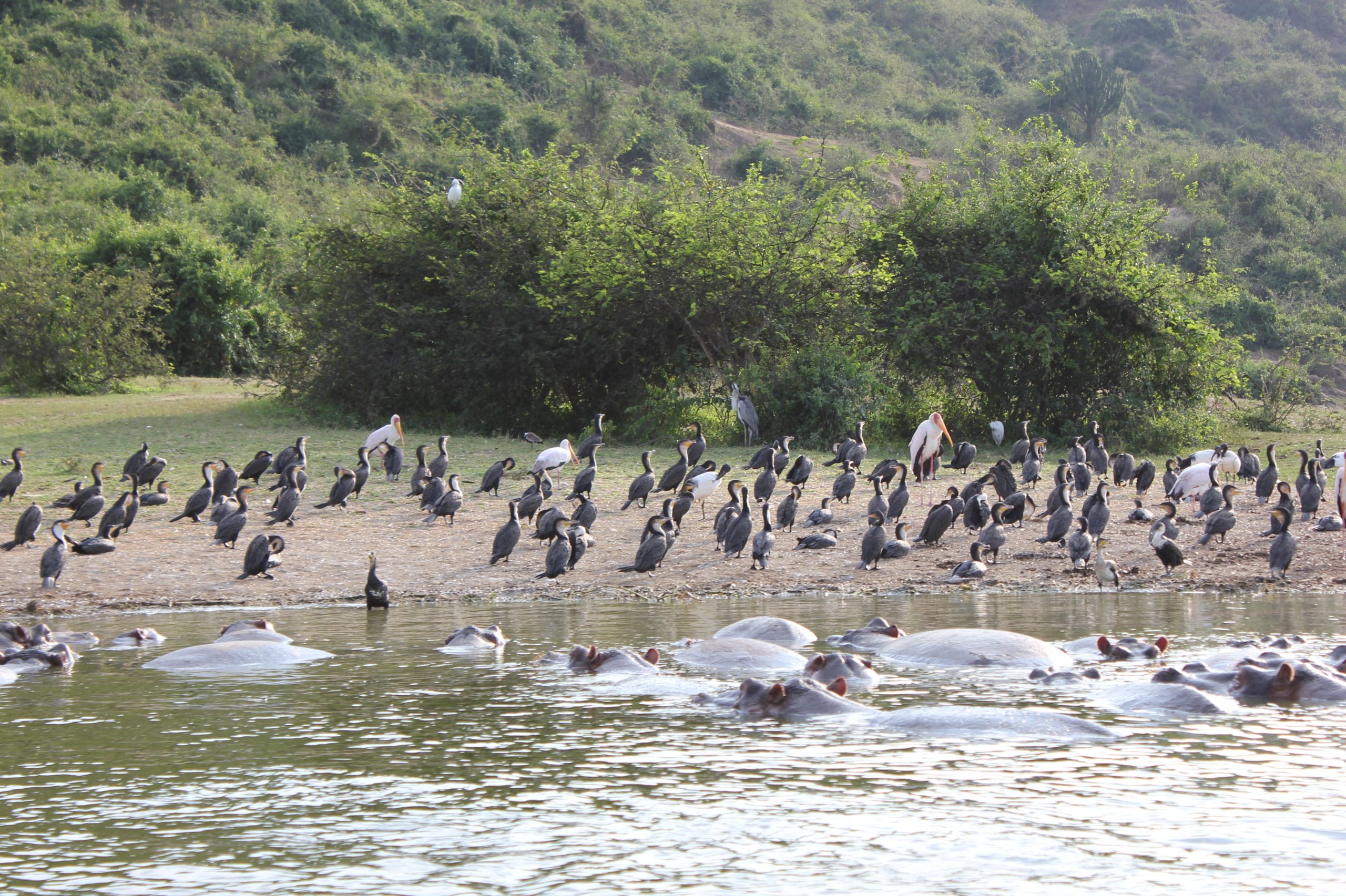
As your vessel glides silently along the channel’s calm waters, you’ll be greeted by a scene of staggering abundance. The shores teem with wildlife: colossal herds of African buffalo wallow in the shallows, their horns creating a formidable silhouette against the water. Elephants, often in large family groups, come to drink and bathe, their trunks spraying water with joyful abandon. But it is the sheer number of hippos and Nile crocodiles that truly defines the Kazinga experience. You’ll navigate past pods of hundreds of hippos, their grunts echoing across the water, and witness ancient crocodiles basking on the banks, their powerful jaws agape.
The Kazinga Channel is also a birder’s paradise, a topic we’ll delve into shortly, but even for the non-birder, the spectacle is captivating. Kingfishers dart past, fish eagles perch regally, and countless storks, pelicans, and cormorants line the banks. The proximity to the wildlife, often just meters away, allows for unparalleled photographic opportunities and an intimate connection with these magnificent creatures. It’s a leisurely yet thrilling journey, offering a perspective on the park’s ecosystem that is simply impossible to gain from a vehicle. Trust me, a Kazinga Channel boat safari is not just a highlight; it’s the pulsating heart of a Queen Elizabeth adventure.
Sector-by-Sector Wildlife Breakdown
Queen Elizabeth National Park’s expansive and varied terrain allows for distinct wildlife experiences across its different sectors. Understanding these nuances is key to appreciating the park’s full potential.
Kasenyi Plains: The Classic Safari Arena
The Kasenyi Plains, located in the northeastern part of the park, epitomize the classic African savanna safari. This area is characterized by vast grasslands, dotted with acacia trees and candelabra euphorbia. It is the primary hunting ground for the park’s lion prides and a fantastic place to spot leopards, especially during dawn and dusk drives. The plains are home to huge populations of Uganda kob, a type of antelope, which in turn attract predators. You’ll also encounter large herds of buffalo and elephants here, often moving between the plains and the Kazinga Channel for water. Game drives in Kasenyi are consistently rewarding, offering excellent chances for iconic predator-prey interactions.
Ishasha Sector: Home of the Tree-Climbers
As discussed, Ishasha in the south is famed for its tree-climbing lions. Beyond these arboreal felines, Ishasha’s open woodlands and savannas are also excellent for spotting other plains game. Here, you’ll frequently encounter topi, a striking antelope with a reddish-brown coat and distinctive dark patches on its legs and face, often found in large herds. Elephants and buffalo are also common, making Ishasha a robust safari destination even without the lions, though they are undoubtedly the main draw.
Kyambura Gorge: A Primate Haven
Nestled within the savanna, the dramatic Kyambura Gorge is a 100-meter-deep chasm carved by the Kyambura River. This verdant, sunken forest is a stark contrast to the surrounding plains and serves as a vital refuge for a community of habituated chimpanzees. Trekking into the gorge to find these intelligent primates is an exhilarating experience, offering a glimpse into their complex social structures and behaviors. Alongside chimps, you might encounter red-tailed monkeys, black-and-white colobus monkeys, and baboons, all thriving in this unique microclimate. The gorge’s steep walls and dense foliage create an intimate, almost prehistoric atmosphere.
Maramagambo Forest: Ancient Woods and Hidden Wonders
Maramagambo Forest, one of the largest forests in Uganda, lies to the southeast of the park and offers a completely different ecological experience. This dense rainforest is home to forest elephants, giant forest hogs, and a variety of primates, including L’Hoest’s monkeys and chimpanzees, though these are less habituated than those in Kyambura. The forest is also famous for its bat caves, where thousands of bats roost, attracting pythons that prey on them. Guided forest walks here reveal a world of rich biodiversity, unique flora, and the sounds of the jungle.
The Crater Lakes Region: Scenic Beauty and Flamingos
The northern part of the park is dotted with numerous explosion craters, remnants of ancient volcanic activity. These craters, some filled with water, create a stunning, undulating landscape. While not a primary game-viewing area for large mammals, the crater lakes offer breathtaking panoramic views and are home to diverse birdlife. Some of the saline lakes, like Lake Munyanyange, attract flocks of lesser flamingos, especially during certain seasons, adding a splash of vibrant pink to the landscape. It’s an excellent area for scenic drives and photography.
Birdlife: Over 600 Species
For the ardent birder, Queen Elizabeth National Park is nothing short of paradise. With a remarkable checklist exceeding 600 species, it boasts one of the highest biodiversity counts of any protected area in Africa. This incredible avian wealth is a direct result of the park’s diverse habitats, encompassing open savanna, dense forest, wetlands, and the aquatic environments of the Kazinga Channel and crater lakes.
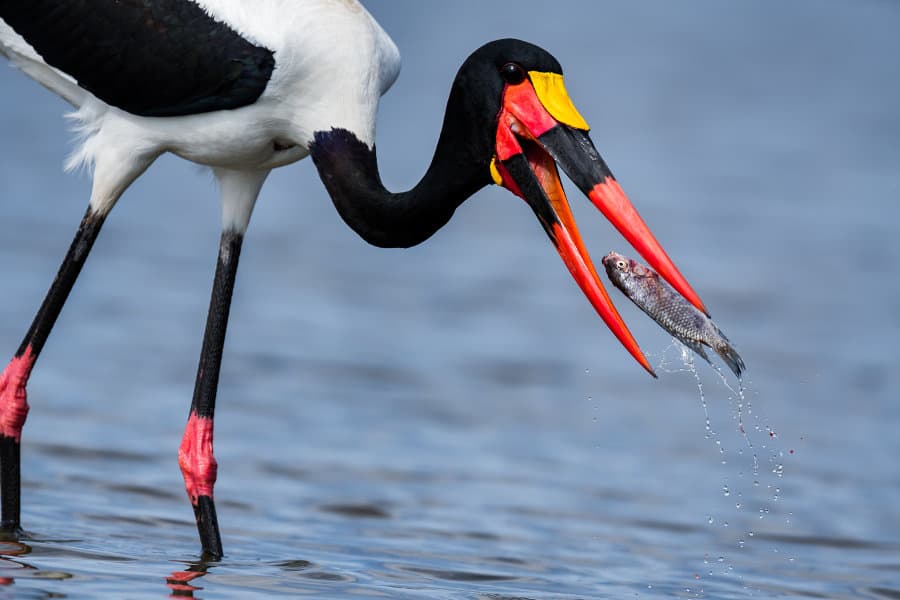
The Kazinga Channel, in particular, is a magnet for waterbirds. Here, you’ll encounter immense flocks of pelicans, cormorants, various storks, and a dazzling array of kingfishers, including the giant, pied, and malachite species. African fish eagles perch majestically, their calls echoing across the water. On the savanna, species like the martial eagle, grey crowned crane (Uganda’s national bird), black-headed gonolek, and various francolins are common sightings. The Maramagambo Forest and Kyambura Gorge provide sanctuary for forest dwellers such as the rare shoebill stork (though elusive), various hornbills, turacos, and a host of smaller, colorful passerines.
Even the casual observer will be captivated by the sheer variety and abundance of birdlife. From the vibrant plumage of sunbirds to the impressive wingspan of raptors soaring overhead, Queen Elizabeth offers unparalleled birding opportunities. Many of these species are resident, while others are migratory, swelling the numbers during certain times of the year. A dedicated birding guide can help you tick off an impressive list, making every moment a discovery. For those who appreciate the delicate beauty and intricate behaviors of birds, QENP delivers an unforgettable experience.
Best Time to Visit and Seasonal Patterns
Choosing the ideal time for your Queen Elizabeth National Park safari largely depends on your priorities, though the park offers excellent wildlife viewing year-round. Uganda experiences two main seasons: the dry season and the wet season.
The Dry Season (June to September & December to February)
This period is generally considered the prime time for wildlife viewing. The vegetation is sparser, making animals easier to spot as they congregate around predictable water sources, like the Kazinga Channel. Roads are typically in better condition, making travel smoother and more efficient. Game drives are often more productive, and the chances of seeing predators are higher as prey is more concentrated. However, this also means higher visitor numbers and potentially higher prices for accommodation. The air can be dusty, but the clear skies often provide excellent photographic light.
The Wet Season (March to May & October to November)
While the wet season brings more challenging road conditions and thicker vegetation, it also offers unique advantages. The landscape transforms into a lush, vibrant green, creating stunning photographic backdrops. This is the calving season for many antelope species, meaning you’ll witness adorable newborns and increased predator activity. For birdwatchers, the wet season is spectacular, as migratory birds arrive, swelling the park’s already impressive avian population. Visitor numbers are lower, offering a more intimate safari experience, and accommodation prices may be more favorable. Short, heavy showers are common, but they often give way to sunshine.
Ultimately, the “best” time is subjective. If guaranteed sightings of large mammals and easy travel are your priority, aim for the dry season. If you seek lush landscapes, exceptional birding, fewer crowds, and the magic of new life, the wet season holds its own charm. Ripple Safaris can help you weigh these factors to align with your personal safari aspirations.
Combining QENP With Gorilla Trekking
One of Uganda’s most compelling advantages as a safari destination is the ability to seamlessly combine a classic wildlife safari with the profound experience of gorilla trekking. Queen Elizabeth National Park is ideally situated for this, acting as a perfect complement to a journey to Bwindi Impenetrable National Park or Mgahinga Gorilla National Park, both renowned for their mountain gorilla populations.
After the exhilarating, yet physically demanding, experience of trekking through dense forest to spend an hour with a gorilla family, a safari in Queen Elizabeth offers a different pace and perspective. The contrast is striking: from the cool, misty, montane forests of the gorilla parks, you descend into the warmer, open savannas and wetlands of QENP. This transition allows you to witness an entirely new spectrum of wildlife, from the “Big Five” (with lions, leopards, and elephants readily seen, and buffalo in abundance) to the unique tree-climbing lions and the aquatic spectacle of the Kazinga Channel.
Geographically, the journey between these parks is manageable. A drive from Bwindi to Queen Elizabeth typically takes a few hours, often through scenic landscapes and local villages, providing further cultural insights. This combination creates a truly comprehensive Ugandan safari, allowing you to experience the country’s incredible biodiversity from its highest peaks to its sprawling plains. It’s a journey that moves from the intimate, silent encounter with our closest primate relatives to the grand, sweeping vistas of an East African wildlife spectacle, ensuring an unforgettable and richly varied adventure.
Frequently Asked Questions
What is the main wildlife attraction in Queen Elizabeth National Park?
The park is famous for its unique tree-climbing lions found in the Ishasha sector, a rare behavior consistently observed in only two places globally. Additionally, the Kazinga Channel boat safari is a major draw, offering incredible densities of hippos, crocodiles, and waterbirds.
Beyond these specific highlights, QENP boasts a remarkable diversity of large mammals, including elephants, buffalo, leopards, and numerous antelope species, making it a comprehensive wildlife destination.
Is Queen Elizabeth National Park suitable for first-time safari-goers?
Absolutely, QENP is an excellent choice for first-time safari-goers due to its diverse habitats and abundant wildlife. The variety of experiences, from game drives to boat safaris and chimpanzee trekking, provides a well-rounded introduction to African safaris.
Its accessibility and the high chances of spotting a wide range of animals make it a less overwhelming yet equally rewarding alternative to some of the larger, busier parks in East Africa.
How many days are recommended for a safari in Queen Elizabeth National Park?
To fully appreciate the park’s diverse offerings, a minimum of 2 to 3 full days is highly recommended. This allows sufficient time for game drives in different sectors, the essential Kazinga Channel boat safari, and potentially a chimpanzee trek in Kyambura Gorge.
Adding an extra day provides a more relaxed pace and increases opportunities for repeat game drives, birdwatching, or exploring other unique areas like the Maramagambo Forest.
Are there opportunities for chimpanzee trekking in Queen Elizabeth National Park?
Yes, Queen Elizabeth National Park offers excellent opportunities for chimpanzee trekking within the stunning Kyambura Gorge. This unique sunken forest is home to a habituated community of chimpanzees, providing an intimate encounter with these fascinating primates.
Permits are required and should be booked in advance, similar to gorilla trekking, to ensure availability and contribute to conservation efforts.
What types of accommodation are available in and around the park?
Queen Elizabeth National Park offers a range of accommodation options to suit various budgets and preferences, from luxurious safari lodges with stunning views to comfortable mid-range tented camps and more basic budget guesthouses. Many lodges are strategically located within the park or on its immediate borders, offering convenient access to wildlife viewing areas.
Some establishments provide direct views of the Kazinga Channel or the Rwenzori Mountains, enhancing the overall safari experience with their immersive settings and excellent service.
Is Queen Elizabeth National Park a good birding destination?
Queen Elizabeth National Park is, without a doubt, one of Africa’s premier birding destinations, boasting an incredible 600+ recorded bird species. Its diverse habitats, from wetlands and open savanna to forests and crater lakes, attract a vast array of avian life.
Birders can expect to see iconic species such as the African fish eagle, various kingfishers, pelicans, storks, and numerous raptors, making it a must-visit for any serious enthusiast.