
There are moments in the wild that transcend mere observation, transforming into profound connections. For many, this happens with the mountain gorillas of Uganda, a truly iconic encounter. Yet, nestled within the same breathtaking Virunga volcanic massif, a different kind of magic awaits, often overshadowed but no less spectacular: the golden monkeys of Mgahinga Gorilla National Park. These vibrant, playful primates offer an experience brimming with energy and colour, a captivating counterpoint to the gorillas’ serene majesty. As a lead safari editor, I find myself continually drawn back to the sheer exuberance of these creatures, advocating for their rightful place in the pantheon of Africa’s most extraordinary wildlife encounters.
Mgahinga, Uganda’s smallest national park, is a jewel box of biodiversity, a place where the borders of Uganda, Rwanda, and the Democratic Republic of Congo converge amidst a dramatic landscape of towering volcanoes. It is here, within the dense bamboo forests clinging to the volcanic slopes, that the golden monkey thrives, offering a trekking experience that is both accessible and deeply rewarding. Prepare to delve into the world of these magnificent primates, discovering why a golden monkey trek is not just an add-on, but an essential, unforgettable adventure.
Meet the Golden Monkey: A Virunga Endemic
Imagine a flash of brilliant gold and russet against the emerald backdrop of the Virunga bamboo forest, a long, elegant tail arcing through the canopy. This is the golden monkey (Cercopithecus mitis kandti), a truly spectacular primate whose striking appearance immediately sets it apart. Its vibrant, golden-orange fur, particularly prominent on its cheeks, back, and tail, is a natural masterpiece, perfectly adapted to camouflage within the dappled light of its bamboo-rich habitat. These monkeys are not merely beautiful; they are a vital thread in the ecological tapestry of this unique region.
The golden monkey holds a special place in the primate world as an endemic subspecies, found exclusively within the high-altitude bamboo and subalpine forests of the Albertine Rift, specifically across the Virunga Massif. This limited distribution makes every encounter with them feel profoundly significant, a privilege to witness a species found nowhere else on Earth. They are highly social creatures, living in groups that can range from a handful to over a hundred individuals, constantly communicating through a symphony of chirps, hoots, and chattering. Their lives revolve around the bamboo, which forms the bulk of their diet, providing both sustenance and shelter. Observing them deftly stripping bamboo shoots, their nimble fingers a blur of activity, is a testament to their specialized existence.
Their playful energy is infectious. Unlike the more deliberate movements of mountain gorillas, golden monkeys are perpetually in motion, leaping between branches with astonishing agility, chasing each other through the dense undergrowth, and often engaging in boisterous games. Juveniles, in particular, are a delight to watch, tumbling and wrestling with an abandon that reminds us of the sheer joy of life. This constant activity, combined with their stunning coloration, makes them a photographer’s dream and a naturalist’s fascination. Sadly, like their gorilla cousins, golden monkeys are an endangered species, facing threats from habitat loss and human encroachment. Trekking contributes directly to their conservation, reinforcing the value of their protection and sustaining the dedicated efforts to safeguard their future within these precious Virunga ecosystems.
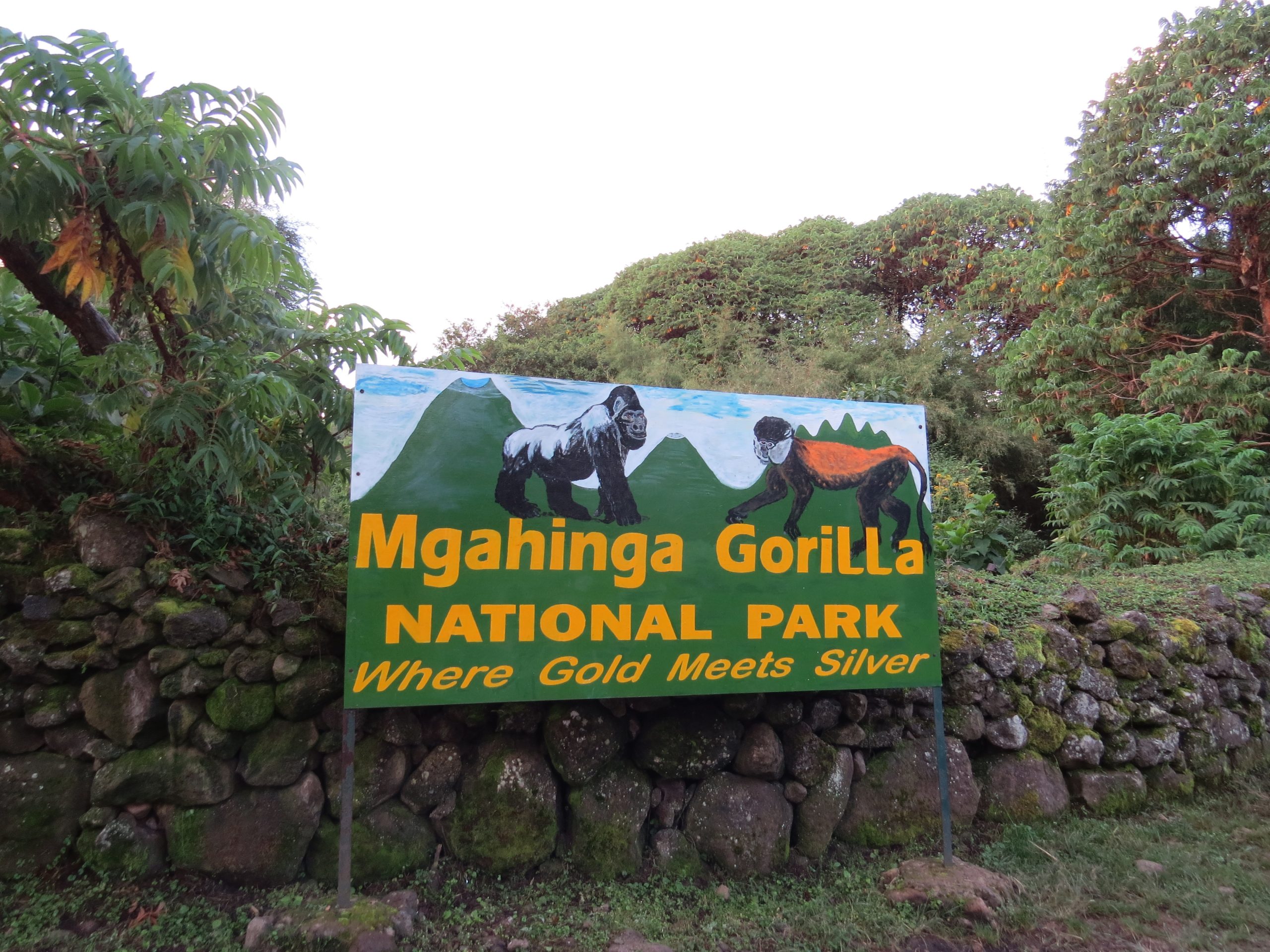
Mgahinga vs Volcanoes National Park for Golden Monkeys
While golden monkeys inhabit both Uganda’s Mgahinga Gorilla National Park and Rwanda’s Volcanoes National Park, the experience offered by each location possesses its own distinct flavour. Both parks are integral parts of the Virunga Massif, sharing a common geological heritage and a commitment to protecting these unique primates. However, for the discerning wildlife enthusiast, Mgahinga presents a compelling case, often providing a more intimate and less crowded encounter, enhancing the feeling of a truly wild expedition.
Volcanoes National Park in Rwanda, renowned for its gorilla trekking, also offers well-established golden monkey treks. These are typically efficient and often combine seamlessly with gorilla itineraries, drawing a significant number of visitors. The terrain is similar, characterized by bamboo forests on volcanic slopes, and the habituated groups there are equally captivating. However, Mgahinga, being a smaller park and perhaps less globally recognized for golden monkeys than its Rwandan counterpart, often means fewer concurrent trekking groups. This can translate into a more exclusive experience, where the sounds of the forest and the monkeys themselves are less diluted by human presence, fostering a deeper immersion into their natural world.
Uganda’s Mgahinga holds the unique distinction of being the only place in the country where one can trek for golden monkeys. This exclusivity within Uganda adds a certain allure, making it a truly special destination for those exploring the Pearl of Africa. Furthermore, Mgahinga is famed for its “three-in-one” appeal: mountain gorillas, golden monkeys, and the fascinating Batwa cultural trail. This allows visitors to experience a remarkable diversity of activities within a single, compact park, creating a holistic and incredibly rich safari narrative. While both parks offer exceptional golden monkey encounters, Mgahinga often provides a sense of discovery, a feeling of stepping off the beaten path into a truly wild and vibrant corner of the Virungas.
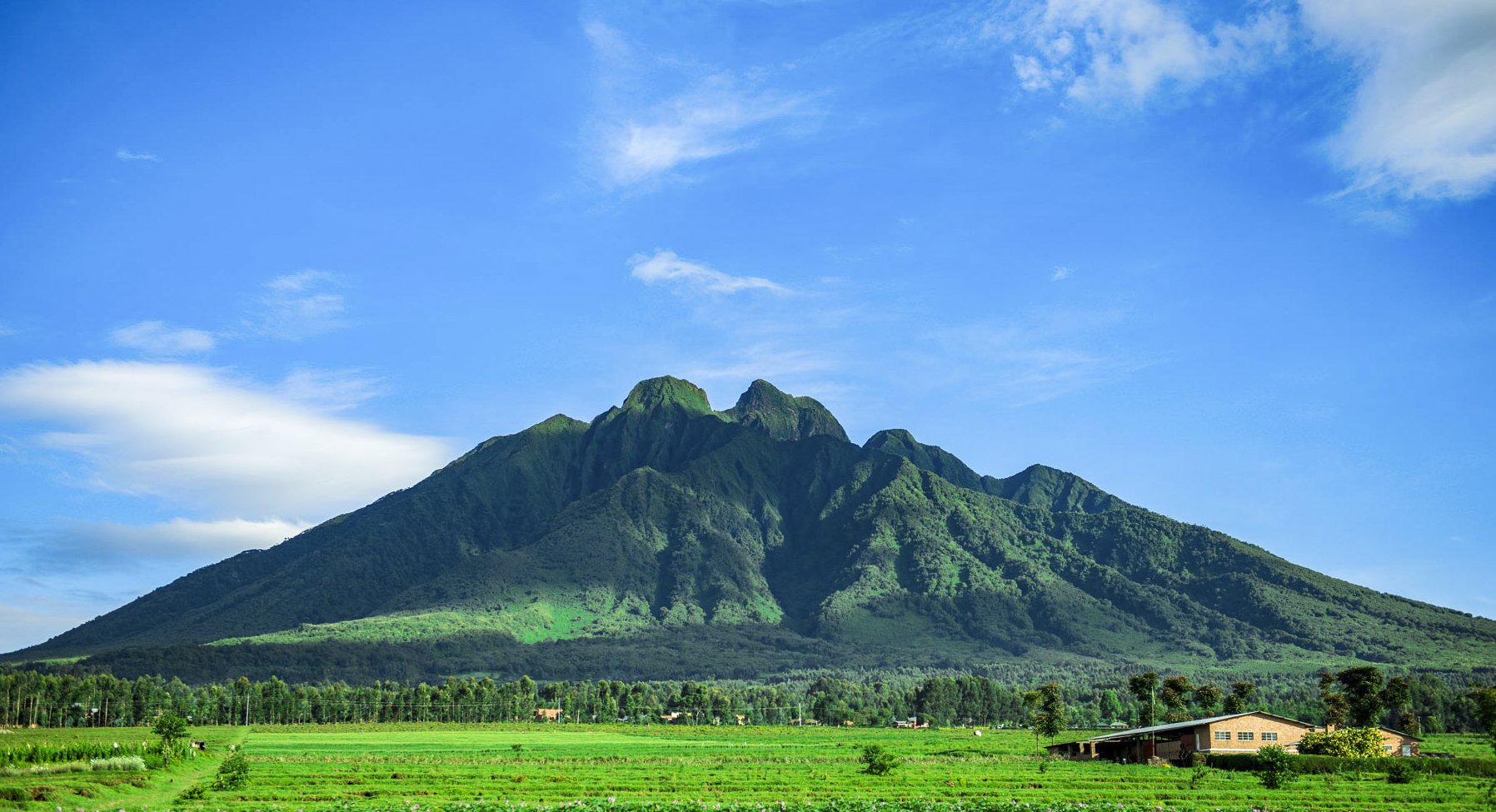
Trekking Conditions in the Virunga Foothills
Embarking on a golden monkey trek in Mgahinga means venturing into the Virunga foothills, a landscape of breathtaking beauty and unique ecological character. The terrain is primarily volcanic, characterized by fertile slopes carpeted in dense bamboo forests, interspersed with patches of montane rainforest. While generally considered less strenuous than gorilla trekking, it still requires a reasonable level of fitness and a spirit of adventure. The altitude can range from approximately 2,500 to 3,000 meters (8,200 to 9,800 feet) above sea level, so visitors should be prepared for thinner air, especially if coming from lower elevations.
The trek typically begins with a briefing at the park headquarters, where you’ll be assigned a guide and trackers. These expert local guides are invaluable, possessing an intimate knowledge of the forest and the monkeys’ movements. They will lead you along established trails, which can be muddy and slippery, particularly during the wet seasons. The path often winds through thick vegetation, requiring occasional ducking and weaving, but the guides work diligently to clear the way. The ascent is usually gradual, though some sections can be steeper, navigating the undulating volcanic landscape. Unlike gorillas, which tend to stay on the ground, golden monkeys are arboreal, meaning you’ll often be looking up into the canopy, following their agile movements through the bamboo.
Preparation is key to an enjoyable trek. Sturdy, waterproof hiking boots with good ankle support are essential for navigating the often-uneven and damp terrain. Long trousers and long-sleeved shirts are highly recommended to protect against stinging nettles, thorns, and insects. Rain gear, even during the dry season, is a wise precaution given the unpredictable mountain weather. Layers are crucial, as temperatures can fluctuate throughout the day, from cool mornings to warmer midday sun, and sudden drops if rain clouds gather. A small backpack with water, snacks, and a camera will complete your essential gear, ensuring you are comfortable and ready to fully immerse yourself in the golden monkeys’ dynamic world.
Photography: Colour, Movement, and Canopy Light
Photographing golden monkeys in Mgahinga presents a thrilling challenge and an immensely rewarding experience. These primates are a riot of colour and motion, making them incredibly photogenic, yet their environment and agility demand specific photographic considerations. The primary challenge lies in their constant movement and the often-dim, dappled light of the bamboo forest canopy. Fast shutter speeds are paramount to freeze their acrobatic leaps and quick dashes; anything less than 1/500th of a second often results in motion blur, missing the crisp detail of their golden fur and expressive faces.
Managing light is another critical aspect. The dense bamboo and forest canopy create a natural filter, resulting in uneven illumination. You’ll often find yourself shooting in shaded areas, with occasional bursts of sunlight piercing through. This necessitates a camera with good low-light performance and a willingness to increase your ISO settings. Don’t be afraid to push your ISO to capture the moment, as a slightly noisy but sharp image is always preferable to a blurry one. A wide aperture lens (f/2.8 or f/4) will help gather more light and create beautiful background blur, isolating your subject from the busy forest environment.
Patience and anticipation are virtues in golden monkey photography. While they are active, they do pause, often to feed or groom. These moments offer prime opportunities for capturing portraits or more static compositions. Pay attention to their behaviour: a sudden twitch of a tail or a glance in a particular direction can signal an impending movement. Ethical photography is also crucial; avoid using flash, which can disturb the monkeys, and maintain a respectful distance as advised by your guide. Focus on capturing their vibrant personalities, their interactions, and the stunning contrast of their golden coats against the lush green of their Virunga home. The resulting images will be not just photographs, but vivid memories of a truly dynamic wildlife encounter.
Combining Golden Monkeys With Gorilla Trekking
One of Mgahinga Gorilla National Park’s most compelling attributes is its unique position as the only park in Uganda where you can trek both mountain gorillas and golden monkeys. This singular advantage offers an unparalleled opportunity for a comprehensive primate safari, allowing visitors to experience two distinct yet equally captivating encounters within the same stunning landscape. For many, the chance to combine these treks within a single visit elevates Mgahinga from a mere destination to an indispensable highlight of any Ugandan safari.
The logistical ease of undertaking both treks in Mgahinga is a significant draw. With the park headquarters serving as the starting point for both activities, minimizing travel time between locations, it’s entirely feasible to experience these two incredible primate encounters within a few consecutive days. This allows for a deeper immersion into the Virunga ecosystem and an appreciation for the diverse primate life it supports. The experiences themselves beautifully complement each other: the profound, often quiet intensity of a gorilla encounter provides a stark contrast to the lively, acrobatic energy of the golden monkeys. Observing the gorillas’ powerful yet gentle demeanor, followed by the golden monkeys’ playful exuberance, offers a holistic view into the complex social structures and behaviours of these magnificent creatures.
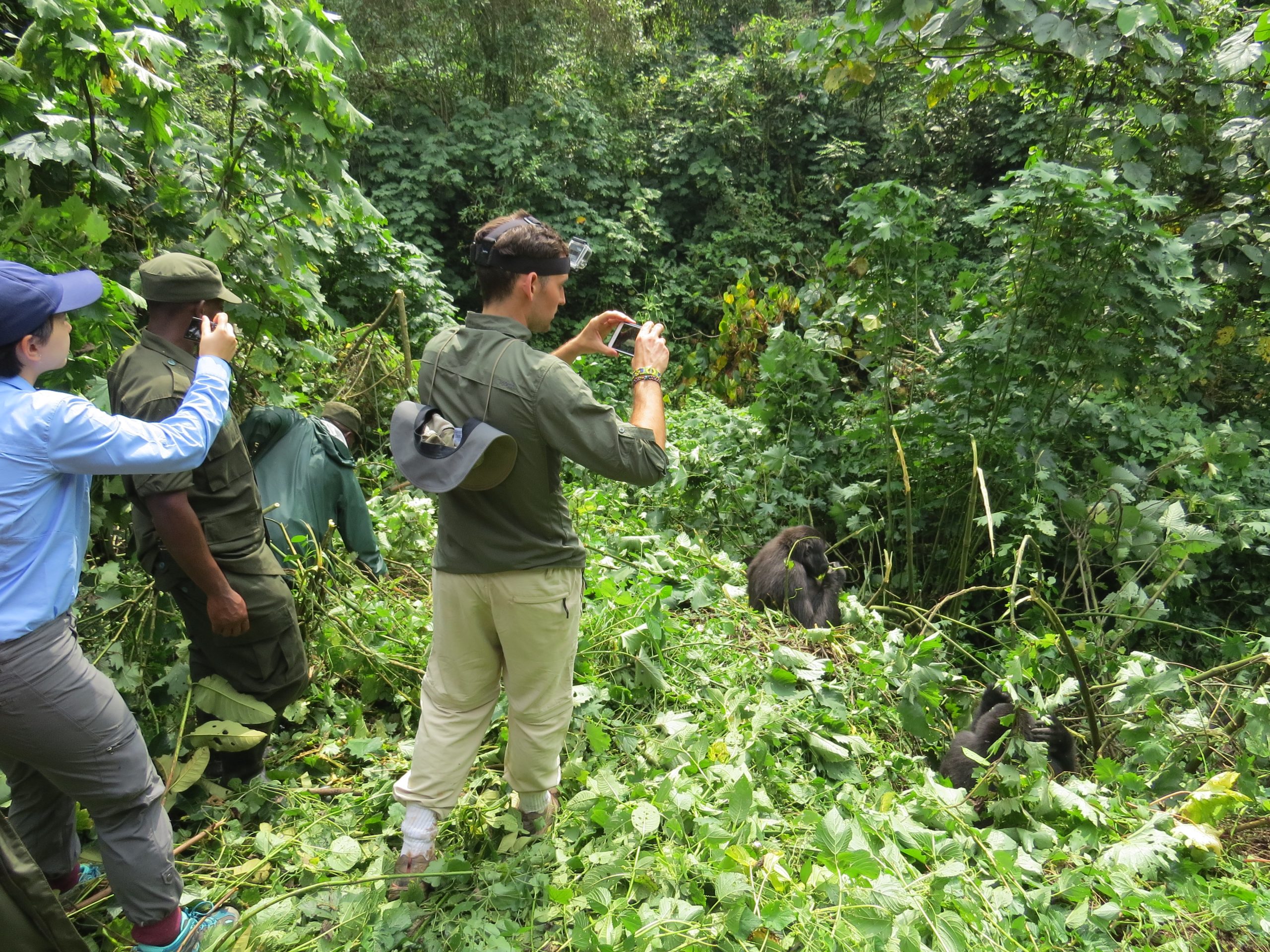
Planning to combine these treks requires careful consideration of permit availability. Both gorilla and golden monkey permits are limited, and booking well in advance, especially during peak seasons, is absolutely essential. Many visitors opt to do a gorilla trek first, which can be more physically demanding, and then follow it with the generally less strenuous golden monkey trek, allowing for a more relaxed pace afterwards. This strategic approach ensures you are well-rested and fully prepared to appreciate each unique moment. A combined itinerary in Mgahinga offers not just two wildlife sightings, but two distinct windows into the soul of the Virungas, creating a safari narrative that is rich, varied, and truly unforgettable.
Permits, Logistics, and Best Season
Successfully planning your golden monkey trek in Mgahinga hinges on understanding the permit system, logistical arrangements, and choosing the optimal time to visit. Golden monkey trekking permits are issued by the Uganda Wildlife Authority (UWA) and are significantly more affordable than gorilla permits, making them an excellent value addition to any safari. Currently, a golden monkey trekking permit costs $60 for foreign non-residents, $50 for foreign residents, and UGX 40,000 for East African citizens. This fee includes the services of a UWA guide and contributes directly to conservation efforts within the park.
Booking your permit in advance is highly recommended, especially if you plan to visit during the peak dry seasons or wish to combine your trek with gorilla permits. While golden monkey permits are generally easier to secure last-minute compared to gorilla permits, availability can fluctuate. You can book permits directly through UWA or, more conveniently, through a reputable tour operator like Ripple Safaris, who can handle all the logistical details, including transport, accommodation, and any necessary transfers. This streamlines your planning and ensures a smooth, stress-free experience from arrival to departure.
The best time for golden monkey trekking in Mgahinga generally aligns with Uganda’s two dry seasons: June to September and December to February. During these months, the trails are typically drier and less slippery, making for easier trekking conditions. The skies are often clearer, offering spectacular views of the Virunga volcanoes. However, the wet seasons (March-May and October-November) also have their advantages. The forest is incredibly lush and vibrant, and while trails can be muddier, fewer tourists mean an even more intimate experience. Rain showers are usually brief, and the forest comes alive with renewed vitality. Regardless of the season, packing appropriate gear, including waterproofs and sturdy footwear, is always advisable due to the unpredictable mountain weather.
What Most Visitors Miss at Mgahinga
While the allure of mountain gorillas and the vibrant spectacle of golden monkeys rightly draw visitors to Mgahinga Gorilla National Park, many inadvertently overlook the broader spectrum of experiences this compact yet incredibly rich park offers. Mgahinga is far more than just a primate sanctuary; it is a microcosm of the Virunga Massif’s diverse natural and cultural heritage, a place begging to be explored beyond its most famous inhabitants. To truly appreciate Mgahinga is to embrace its multi-faceted identity.
Perhaps the most significant missed opportunity is the chance to hike one of the park’s three magnificent volcanoes: Mount Muhabura, Mount Gahinga, or Mount Sabyinyo. Each offers a distinct challenge and reward, from the strenuous ascent of Muhabura to the unique peak of Sabyinyo, which literally straddles the borders of Uganda, Rwanda, and the DRC. These hikes provide unparalleled panoramic views of the entire Virunga range, the Albertine Rift Valley, and the distant Rwandan hills, offering a profound sense of scale and natural grandeur that is simply breathtaking. The ecological zones shift dramatically with altitude, revealing unique flora and fauna along the way, including elusive bird species.
Another often-missed gem is the Batwa Cultural Trail. This immersive experience offers a profound insight into the lives of the Batwa Pygmies, the indigenous ‘Keepers of the Forest,’ who once inhabited these very forests. Led by Batwa guides, you’ll walk through their ancestral lands, learning about their traditional hunting techniques, medicinal plants, fire-making skills, and ancient forest lore. It’s a poignant and educational journey, providing a crucial cultural dimension to your wildlife encounters and offering a different perspective on conservation and human-wildlife coexistence. Furthermore, Mgahinga is a fantastic birding destination, home to over 115 species, including several Albertine Rift endemics. The tranquil beauty of the park, its uncrowded trails, and the feeling of being in a truly wild, less-trodden corner of Africa are treasures that await those willing to look beyond the obvious.
Frequently Asked Questions
How long does a golden monkey trek typically last?
A golden monkey trek in Mgahinga typically lasts between 3 to 5 hours, including the time spent hiking to locate the monkeys and the one hour you are permitted to spend with them. The duration can vary based on the monkeys’ location and your group’s pace, as these agile primates can sometimes range quite widely.
The actual walking time to reach the golden monkeys can be anywhere from 30 minutes to a couple of hours each way. Guides communicate with trackers who have already located the habituated group, ensuring a relatively efficient search once you begin your hike into the bamboo forest.
What is the minimum age for golden monkey trekking?
The minimum age requirement for golden monkey trekking in Mgahinga Gorilla National Park is 12 years old. This age limit is in place to ensure children are mature enough to follow instructions, maintain quiet, and cope with the physical demands of the trek.
It also helps to minimize potential disturbances to the monkeys and ensures the safety and enjoyment of all participants in the trekking group. This is a consistent policy across primate trekking activities to protect both the wildlife and the visitors.
Is golden monkey trekking physically demanding?
Golden monkey trekking is generally considered less physically demanding than gorilla trekking, but it still requires a moderate level of fitness. The terrain involves walking on uneven, sometimes muddy volcanic slopes, and you will be at an altitude of around 2,500 to 3,000 meters.
While the hikes are typically shorter and less steep than some gorilla treks, you should be prepared for a few hours of walking through dense vegetation. Individuals with reasonable mobility and who can comfortably walk for several hours should find the trek manageable.
What should I wear and bring for the trek?
For a golden monkey trek, you should wear sturdy, waterproof hiking boots with good ankle support, long trousers, and a long-sleeved shirt to protect against scratches and insects. Layers are advisable as temperatures can change, and a waterproof rain jacket is essential due to unpredictable mountain weather.
Additionally, bring a small backpack containing sufficient drinking water, some energy-boosting snacks, and a camera with extra batteries. A hat, sunglasses, and insect repellent are also highly recommended to enhance your comfort during the trek.
Can I combine golden monkey trekking with gorilla trekking on the same day?
No, it is not possible to combine golden monkey trekking and gorilla trekking on the same day in Mgahinga. Both activities are significant undertakings, each requiring several hours of trekking and a dedicated hour with the primates.
Attempting both on one day would be physically exhausting and logistically unfeasible, as the park mandates specific start times for each activity. It is highly recommended to allocate separate days for each unique primate encounter to fully appreciate both experiences.
How far in advance should I book my golden monkey permit?
While golden monkey permits are generally easier to secure than gorilla permits, it is still advisable to book them at least 2-3 months in advance, especially if you are traveling during Uganda’s peak dry seasons (June-September and December-February). This foresight helps ensure availability for your preferred dates.
If you plan to combine golden monkey trekking with gorilla trekking or are traveling with a larger group, booking even further ahead, perhaps 4-6 months out, is highly recommended. This proactive approach guarantees your spot and allows for smoother overall safari planning.