
Stepping into Kibale Forest National Park is to enter a realm where the echoes of our closest living relatives resonate through the emerald canopy. Uganda, often hailed as the Pearl of Africa, offers unparalleled opportunities to encounter chimpanzees in their natural habitat, and Kibale stands as the undisputed epicenter of this profound experience. Unlike the often-serene, grounded encounters with mountain gorillas, chimpanzee trekking is a dynamic, high-energy immersion into the vibrant, complex lives of these intelligent primates. It’s an adventure that demands not just physical readiness, but an open mind to witness the intricate social tapestry and remarkable agility of our wild cousins as they navigate their arboreal world.
The allure of chimpanzee tracking lies in its unpredictability and the sheer exuberance of the experience. While gorillas offer a contemplative, almost reverent observation of powerful, calm family units, chimps present a spectacle of constant motion, vocalizations, and intricate social dramas playing out across the forest floor and high in the trees. Their boundless energy, swift movements, and diverse vocalizations create an entirely different rhythm of engagement. Prepare to be captivated by their tool use, their playful antics, and the raw, unscripted moments that define their daily existence, offering a window into the very essence of primate life.
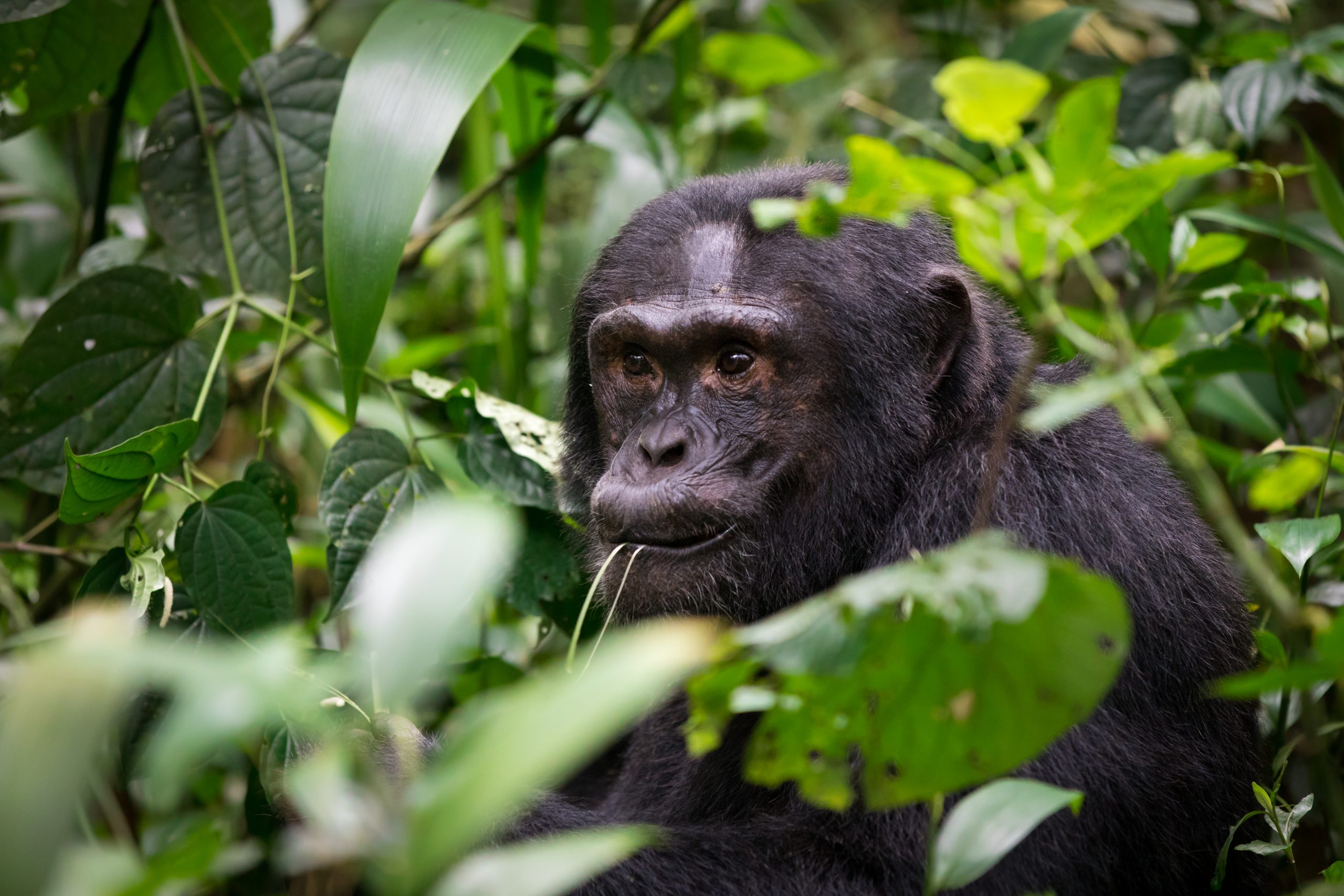
Why Kibale Is the Primate Capital of Africa
Kibale Forest National Park, nestled in western Uganda, is not merely a forest; it is a sprawling, biodiverse ecosystem renowned globally for its exceptional primate density and diversity. Covering approximately 795 square kilometers, this lush, evergreen rainforest boasts an astonishing 13 primate species, more than any other park in East Africa. From the striking red colobus and L’Hoest’s monkeys to the grey-cheeked mangabey and blue monkeys, the forest teems with life, creating a constant symphony of rustling leaves and distant calls.
At the heart of Kibale’s fame, however, are its chimpanzees. The park is home to one of Africa’s largest populations of these endangered great apes, estimated at over 1,500 individuals. This significant population, combined with decades of habituation efforts, has made Kibale the premier destination worldwide for chimpanzee tracking. The forest’s rich fruit-bearing trees, abundant insect life, and dense undergrowth provide an ideal habitat, ensuring a thriving community of chimps that are accustomed to human presence, allowing for respectful and close-up observations.
The success of chimpanzee conservation and tourism in Kibale is a testament to the dedication of researchers and park authorities. The Kanyanchu Primate Walk, the primary area for chimp trekking, benefits from long-term research by the Kibale Chimpanzee Project, which has been instrumental in habituating several communities. This scientific foundation not only aids conservation but also enhances the visitor experience, as guides are often intimately familiar with the individual chimps and their family dynamics, enriching every encounter with valuable insights into their behavior and social structures.
Chimpanzee Tracking vs Gorilla Trekking: Key Differences
While both chimpanzee tracking and gorilla trekking offer profound encounters with Africa’s great apes, the experiences are distinct and appeal to different aspects of a naturalist’s curiosity. Gorilla trekking, primarily in Bwindi Impenetrable and Mgahinga Gorilla National Parks, typically involves hiking to find a habituated family group of mountain gorillas. Once located, the interaction is often characterized by a sense of calm reverence; gorillas are largely terrestrial, and visitors observe them as they forage, rest, and interact on the forest floor, their immense power and gentle demeanor striking a profound chord. The encounter is generally more static, allowing for prolonged, steady observation.
Chimpanzee tracking in Kibale, by contrast, is a far more dynamic and physically engaging pursuit. Chimpanzees are highly arboreal, spending a significant portion of their day high in the canopy, feeding, grooming, and playing. This means that tracking them often involves following their rapid movements through dense undergrowth, looking up into the trees, and keeping pace with their swift progression. Their vocalizations are a constant feature – excited hoots, pant-hoots, and drumming on buttress roots signal their presence and communicate complex messages within their community, creating an immersive, auditory experience that is less common with gorillas.
The social structure also plays a role in the experience. Gorilla families are cohesive units, often led by a dominant silverback, offering a clear hierarchy to observe. Chimpanzee communities, however, operate on a fission-fusion dynamic, where individuals and subgroups constantly split and merge throughout the day. This means you might encounter a large, boisterous group one moment, and a smaller, quieter foraging party the next. This fluidity adds an element of surprise and ensures that no two chimp treks are ever quite the same, providing a more unpredictable and exhilarating adventure for those seeking an active engagement with the wild.

Trail Conditions and Physical Demands
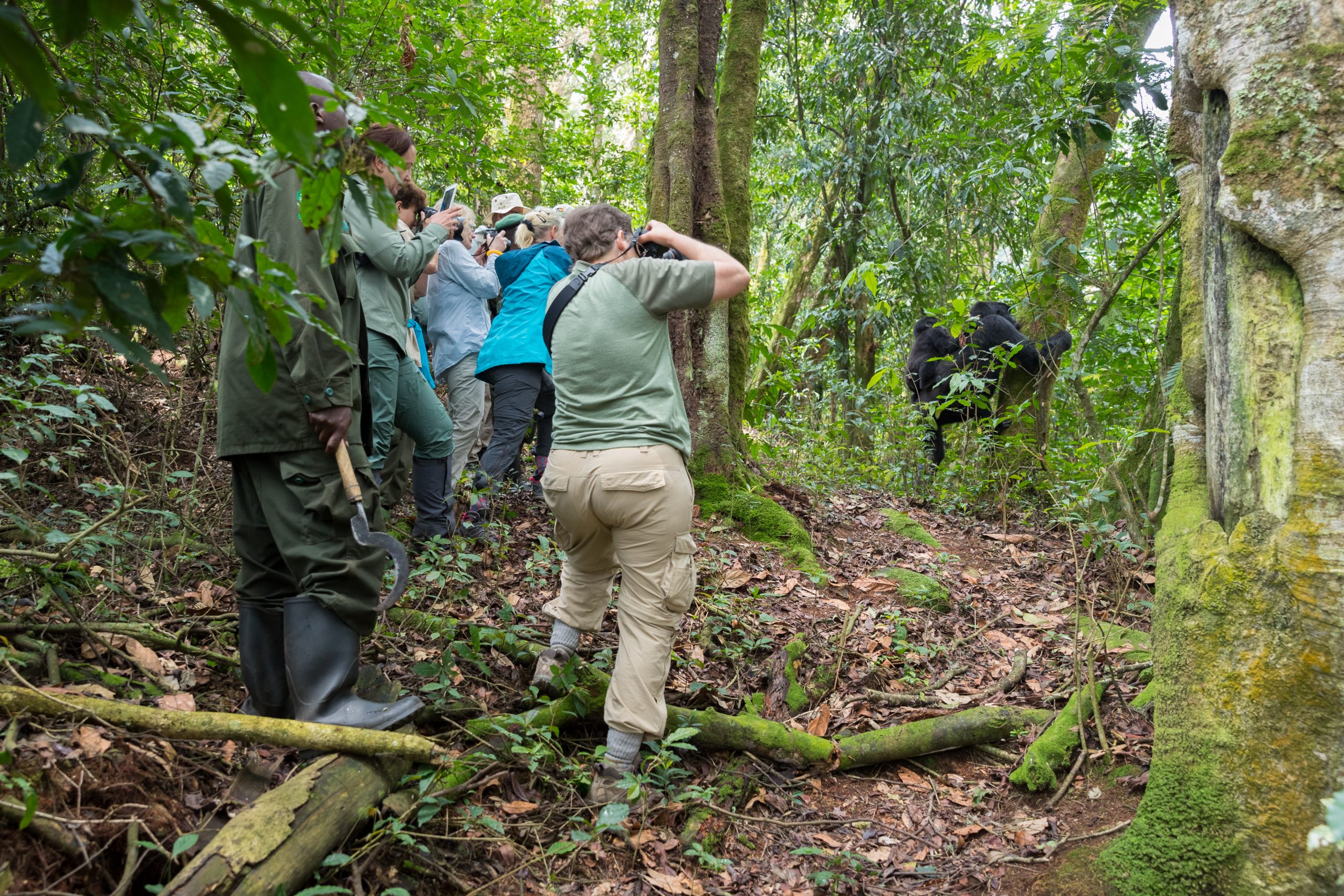
Embarking on a chimpanzee trekking adventure in Kibale Forest National Park requires a reasonable level of physical fitness and an adventurous spirit. The trails within Kibale are generally well-maintained but can be challenging, particularly during the wet seasons. You will be hiking through dense rainforest, which means uneven terrain, slippery mud paths, and occasional steep ascents and descents are to be expected. The forest floor is often covered in leaf litter, roots, and rocks, demanding careful foot placement and sturdy footwear.
A typical chimpanzee trek can last anywhere from 2 to 5 hours, though it is not uncommon for encounters to extend even longer, depending on the chimps’ movements and location. The duration is heavily influenced by where the chimpanzees nested the previous night and how far they have traveled by the time your group sets out. You will spend a significant portion of this time on your feet, navigating through thick vegetation, occasionally off-trail, as guides expertly follow fresh tracks and calls. It is a pursuit that often feels like a true wilderness expedition rather than a leisurely walk.
While the physical demands are noticeable, they are generally manageable for anyone with a moderate fitness level. Regular walking, hiking, or light cardio exercise in the months leading up to your trip will greatly enhance your enjoyment. Remember that the reward for your efforts is an unparalleled hour spent observing these magnificent primates up close, an experience that quickly overshadows any physical discomfort. The sheer thrill of locating the chimps and spending time in their presence makes every step worthwhile, transforming a challenging hike into an unforgettable journey of discovery.
Habituated Groups and Tracking Dynamics
The success of chimpanzee tracking in Kibale hinges on the concept of habituation – a long, patient process by which wild chimpanzee communities gradually become accustomed to the presence of human observers without altering their natural behaviors. In Kibale, several communities have undergone this rigorous process, allowing visitors to approach within a respectful distance, typically around 8-10 meters, to observe them. This habituation is critical, ensuring both the safety of the trekkers and the well-being of the chimps, minimizing stress and maintaining their wild integrity.
Your trekking experience begins early in the morning with a briefing from park rangers at the Kanyanchu Visitor Centre. Here, you’ll be assigned to a small group, typically no more than six individuals, and introduced to your expert guide and armed ranger. These guides are not merely escorts; they are highly skilled naturalists, intimately familiar with the forest and the specific chimpanzee communities. They possess an uncanny ability to interpret subtle signs – broken branches, fresh droppings, discarded fruit skins, and, most importantly, the distinctive calls – to locate the chimps.
The tracking dynamics involve a combination of patient listening, keen observation, and sometimes, swift movement. Trackers often head out before dawn to locate the chimps’ night nests or follow their early morning movements, radioing their location to the trekking groups. Once the chimps are located, the real magic begins. You’ll spend an exhilarating hour observing them as they feed, groom, play, and interact. This hour is strictly enforced to minimize disturbance, offering a concentrated window into their complex social lives. The experience is a thrilling blend of anticipation, pursuit, and profound connection with the wild, orchestrated by the expertise of your tracking team.
Best Time to Visit Kibale
Choosing the optimal time for chimpanzee trekking in Kibale Forest National Park can significantly enhance your experience, though encounters are possible year-round. Uganda experiences two main seasons: the dry season and the wet season, each offering distinct advantages and considerations for your visit. Understanding these patterns will help you plan your adventure to align with your preferences for weather, trail conditions, and overall wildlife viewing opportunities.
The dry seasons, running from June to September and December to February, are generally considered the most favorable times for chimpanzee trekking. During these months, rainfall is minimal, leading to drier, less muddy trails that are easier to navigate. The forest undergrowth is also less dense, which can sometimes improve visibility, making it slightly easier to spot chimps high in the canopy. Moreover, the drier conditions mean fewer mosquitoes and other biting insects, contributing to a more comfortable trekking experience. These periods are also popular for overall wildlife safaris in Uganda, so expect more visitors.
Conversely, the wet seasons, from March to May and October to November, present a different set of conditions. While trails can become significantly muddier and more challenging, and rain showers are frequent, there are distinct advantages. The forest is incredibly lush and vibrant, bursting with life, and photographic opportunities are often enhanced by the softer light. Critically, during these “shoulder” seasons, fruit trees are often abundant, meaning the chimpanzees may not need to travel as far to find food, potentially leading to shorter trekking times to locate them. Furthermore, visitor numbers are lower, offering a more intimate and less crowded experience in the forest. Ultimately, Kibale’s robust chimp population ensures a high success rate for sightings regardless of the season, so your choice might depend more on your tolerance for rain and mud versus your desire for fewer fellow trekkers.
Pairing Kibale With Other Uganda Wildlife
Uganda’s compact size and incredible biodiversity make it an ideal destination for combining various wildlife experiences, and a chimpanzee trekking adventure in Kibale is perfectly complemented by visits to other iconic national parks. The synergy between these destinations allows for a comprehensive exploration of the country’s natural wonders, creating a truly unforgettable safari. Integrating Kibale into a broader Ugandan itinerary enriches your understanding of East African ecosystems and the diverse primate and mammalian life they support.
Perhaps the most natural pairing is with gorilla trekking in either Bwindi Impenetrable or Mgahinga Gorilla National Park. These parks are located in southwestern Uganda, a manageable drive from Kibale, allowing you to experience both of Africa’s great apes within a single journey. The contrast between the energetic chimpanzee encounters and the serene gorilla observations provides a holistic primate experience that is unparalleled globally. Many travelers opt for this ‘Great Ape Safari,’ making Uganda the undisputed primate capital of the world.
Beyond primates, Kibale is also strategically located near Queen Elizabeth National Park, one of Uganda’s most diverse savanna parks. Just a short drive away, Queen Elizabeth offers classic African safari experiences, including game drives to spot lions (including the famous tree-climbing lions of Ishasha), elephants, buffalo, and various antelope species. A boat cruise on the Kazinga Channel, connecting Lake Edward and Lake George, provides exceptional birdwatching and opportunities to see hippos, crocodiles, and elephants at the water’s edge. For those seeking even more diversity, Murchison Falls National Park to the north offers the dramatic spectacle of the Nile River thundering through a narrow gorge, alongside excellent game viewing and boat safaris. Ripple Safaris expertly crafts itineraries that seamlessly weave these incredible experiences together, ensuring a rich and varied exploration of Uganda’s natural treasures.
Packing and Permit Essentials
Proper preparation is key to a comfortable and rewarding chimpanzee trekking experience in Kibale. The rainforest environment demands specific gear to ensure you are protected from the elements and can navigate the terrain effectively. Prioritizing practical, durable items will significantly enhance your time in the forest, allowing you to focus on the incredible wildlife rather than discomfort.
For clothing, long-sleeved shirts and trousers are essential to protect against scratches, insect bites, and stinging nettles. Opt for neutral, earthy colors like olive, brown, or khaki to blend into the forest environment. Lightweight, quick-drying fabrics are highly recommended, as the forest can be humid and you might encounter rain. A waterproof rain jacket or poncho is non-negotiable, even during the dry season, as tropical showers can occur unexpectedly. Sturdy, waterproof hiking boots with good ankle support are paramount for navigating muddy, uneven trails. Gaiters can be very useful to keep mud and insects out of your boots and off your lower legs.
Other essential items include a small daypack to carry water, snacks, a camera, binoculars, and any personal medications. Insect repellent, a wide-brimmed hat, and sunscreen are also advisable. While guides carry first-aid kits, it’s always wise to have a small personal kit. Regarding permits, chimpanzee trekking permits for Kibale Forest National Park are highly sought after and must be booked well in advance, especially during peak seasons. As of 2026, a permit typically costs around USD $250 per person per trek. These permits are issued by the Uganda Wildlife Authority (UWA) and are often secured through your tour operator. Booking early ensures your desired trekking date and allows for proper planning, guaranteeing your opportunity to meet Kibale’s magnificent chimpanzees.
Frequently Asked Questions
How close can I get to the chimpanzees during the trek?
Park regulations stipulate that visitors must maintain a minimum distance of 8-10 meters (approximately 25-30 feet) from the chimpanzees. This rule is crucial for both visitor safety and the well-being of the chimps, minimizing the transmission of human diseases to these susceptible primates.
However, it’s important to understand that chimpanzees are wild animals and may sometimes move closer out of curiosity or as they navigate their habitat. In such instances, your guide will instruct you on how to react appropriately, ensuring a respectful and safe encounter for all.
What is the success rate for seeing chimpanzees in Kibale?
Kibale Forest National Park boasts an exceptionally high success rate for chimpanzee sightings, often cited as over 95%. This is largely due to the park’s dense population of habituated chimpanzees and the expertise of the dedicated tracking teams.
While sightings are almost guaranteed, the duration and quality of the observation can vary depending on the chimps’ movements, weather conditions, and the specific group encountered. Some days offer prolonged, intimate views, while others might involve more active tracking and fleeting glimpses.
Are there any age restrictions for chimpanzee trekking?
Yes, the minimum age requirement for chimpanzee trekking in Kibale Forest National Park is 15 years old. This regulation is in place to ensure that all participants can cope with the physical demands of the trek and adhere to the strict behavioral guidelines around the chimps.
The trek can be physically challenging, involving long hikes over uneven and potentially muddy terrain, which might not be suitable for younger children. The minimum age also helps maintain a quiet and respectful atmosphere during the crucial observation hour.
What should I do if a chimpanzee approaches me?
If a chimpanzee approaches you, the most important rule is to remain calm, avoid sudden movements, and follow your guide’s instructions immediately. Do not attempt to touch, feed, or provoke the chimpanzee in any way, as this can be dangerous and detrimental to their habituation.
Often, they are simply passing by or displaying natural curiosity. Your guide is highly experienced in interpreting their behavior and will ensure your safety by guiding you on how to maintain a respectful distance or move if necessary.
Can I do chimpanzee habituation experience instead of trekking?
Yes, Kibale offers a unique Chimpanzee Habituation Experience (CHEX) which provides a full day with a chimpanzee community. Unlike the standard one-hour trek, CHEX allows participants to spend up to four hours observing and learning about the chimps alongside researchers and trackers.
This immersive experience offers a deeper insight into chimpanzee behavior, feeding patterns, and social dynamics, starting from their morning nests until they build new ones for the night. It is ideal for those seeking a more profound and extended engagement with the chimps.
What is the best time of day for chimpanzee trekking?
Chimpanzee trekking typically begins in the morning, with briefings at the Kanyanchu Visitor Centre starting around 7:00 AM. The morning treks are generally preferred as chimpanzees are most active during the cooler hours of the early day, foraging and moving more frequently.
While there are also afternoon treks, the morning offers a higher chance of witnessing dynamic behaviors as the chimps emerge from their night nests. Both sessions, however, provide a high likelihood of successful sightings due to the chimps’ predictable daily routines.