Quick Summary:
- Lake Mburo National Park offers an intimate, accessible safari experience distinct from Uganda’s larger parks, ideal for discerning travelers seeking tranquility.
- The park is renowned for its high density of zebras, impalas, elands, and exceptional birdlife, best explored through varied activities like walking safaris, boat trips, and game drives.
- Optimal viewing conditions are found during the dry seasons (June-August and December-February), though the wet seasons present lush landscapes and excellent birding opportunities.
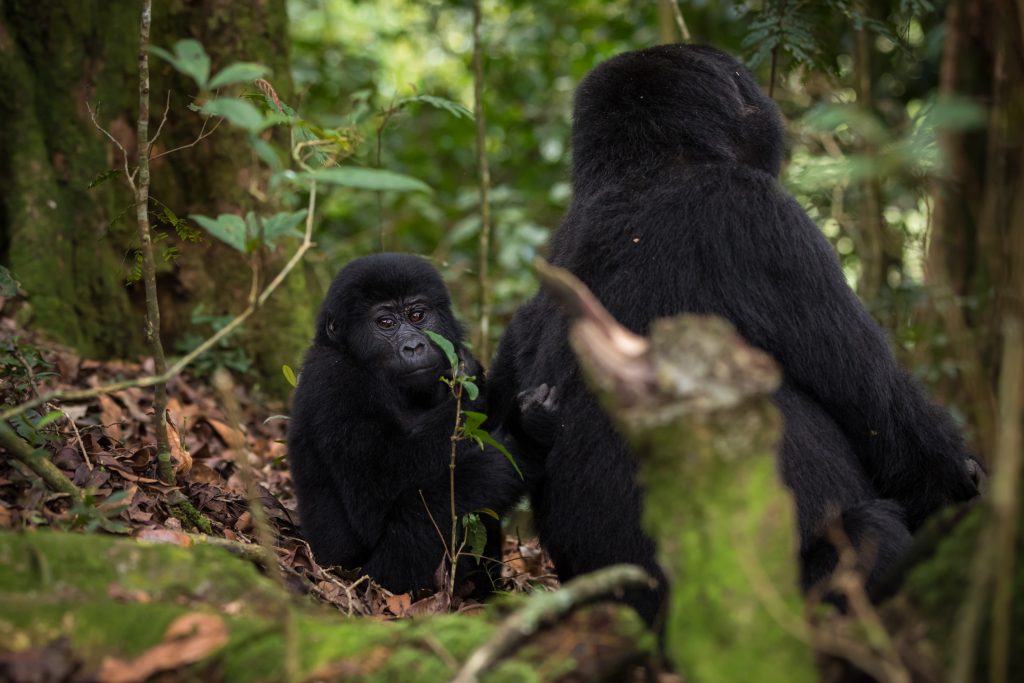
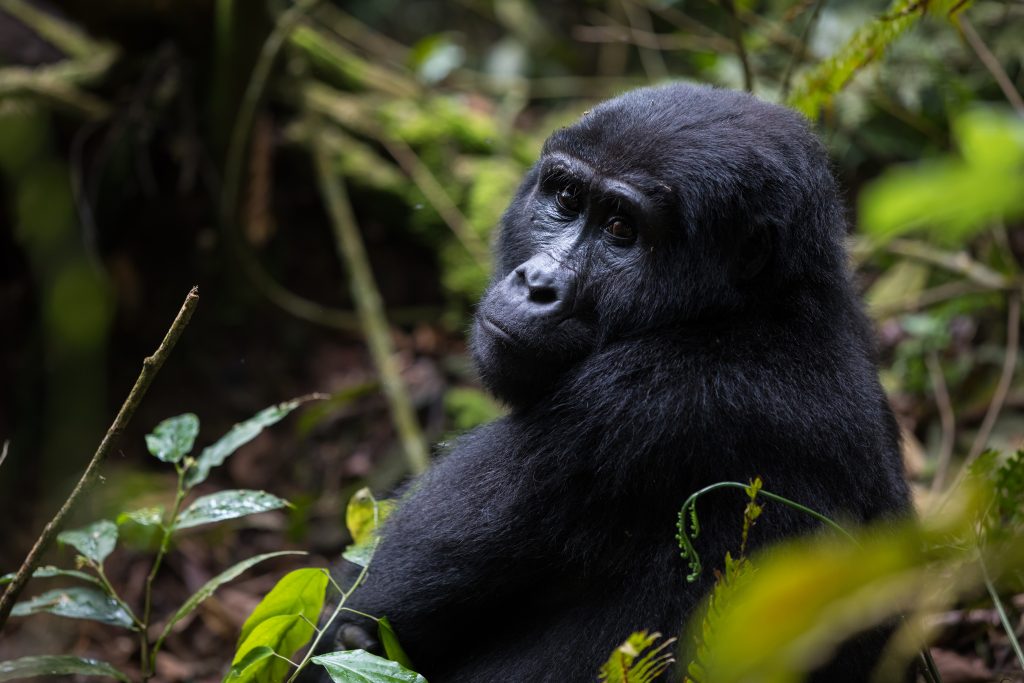
- Its strategic location makes it a perfect stopover or complementary destination for safaris heading to or from southwestern Uganda’s gorilla trekking regions.
The Spirit and Scale of Lake Mburo National Park
There are places on this continent that whisper their stories rather than shout them, and Lake Mburo National Park is unequivocally one of them. Nestled in the heart of Uganda, this park defies the typical grand-scale safari narrative, offering instead an intimate, almost personal encounter with the African wilderness. It’s not about vast migrations or the largest herds; it’s about the exquisite detail, the subtle interplay of light on a zebra’s stripes, the quiet rustle of an impala through the acacia, and the profound sense of peace that permeates its undulating savannahs and shimmering lakes.
My years in the field have taught me that true safari gems are often found in these less-trodden corners. Lake Mburo, though one of Uganda’s smaller national parks, punches well above its weight in terms of ecological diversity and visitor experience. Its unique mosaic of acacia woodland, open savannah, wetlands, and five interconnected lakes creates a rich tapestry of habitats, supporting a surprising array of life. This isn’t a park where you rush from sighting to sighting; it’s a place where you slow down, absorb the atmosphere, and truly connect with nature on a deeper level. The scale allows for an intensity of observation that larger, more sprawling parks often cannot provide, making every sighting feel like a personal discovery.
Expert Insight: “Lake Mburo offers a rare blend of accessibility and authentic wilderness. Its compact size means you spend less time driving between locations and more time immersed in the experience, making it ideal for those who appreciate quality over sheer quantity of ground covered.”
Signature Wildlife and Ecosystem Highlights
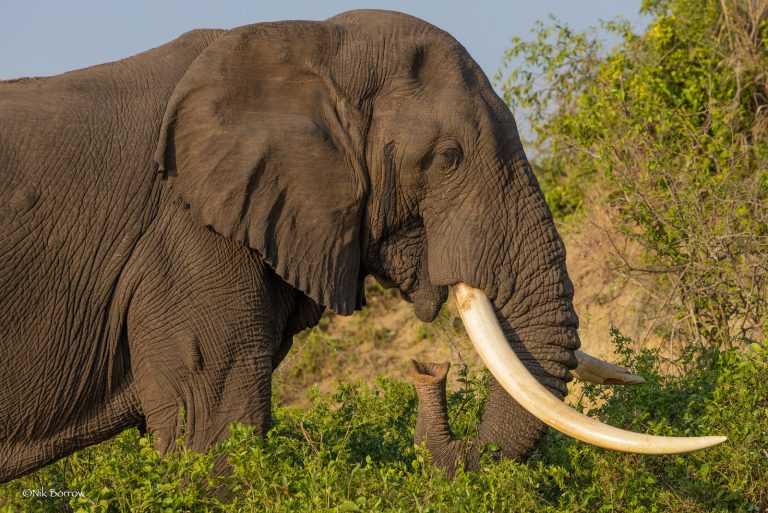
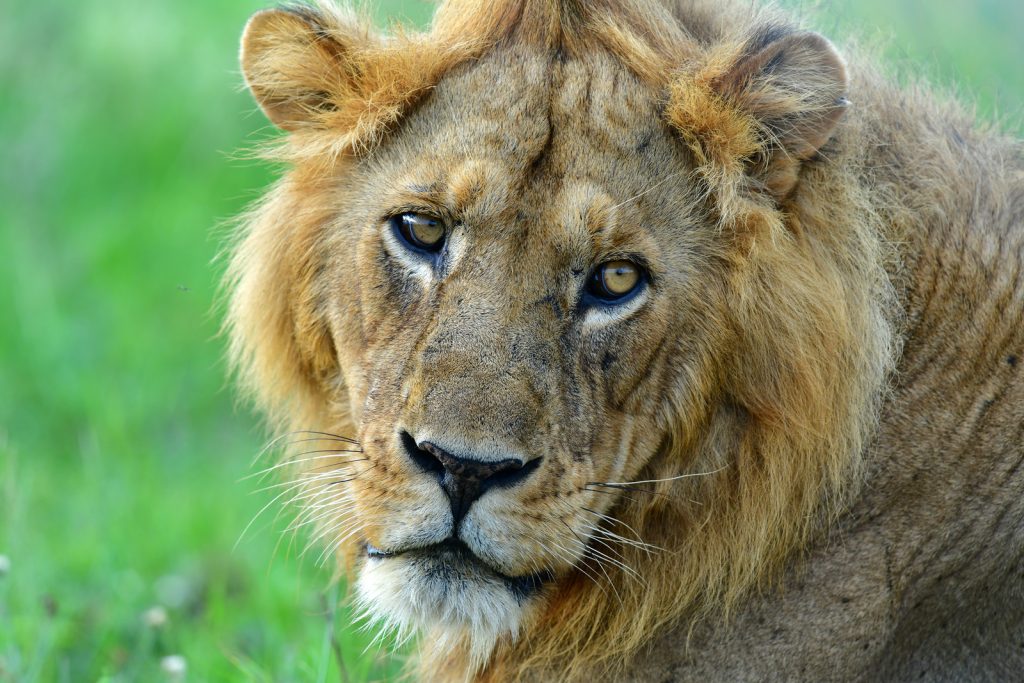
While Lake Mburo may not boast the full “Big Five” – it lacks elephants and lions are extremely rare – it compensates with an impressive roster of species that thrive in its unique environment. The park is famously home to Uganda’s only population of impalas, their elegant forms a constant, graceful presence across the savannah. You’ll also encounter the largest herds of zebras in Uganda, their striking patterns a photographer’s dream against the golden grasslands. Elands, the largest of Africa’s antelopes, move with surprising stealth, and their sheer size is always a spectacle.
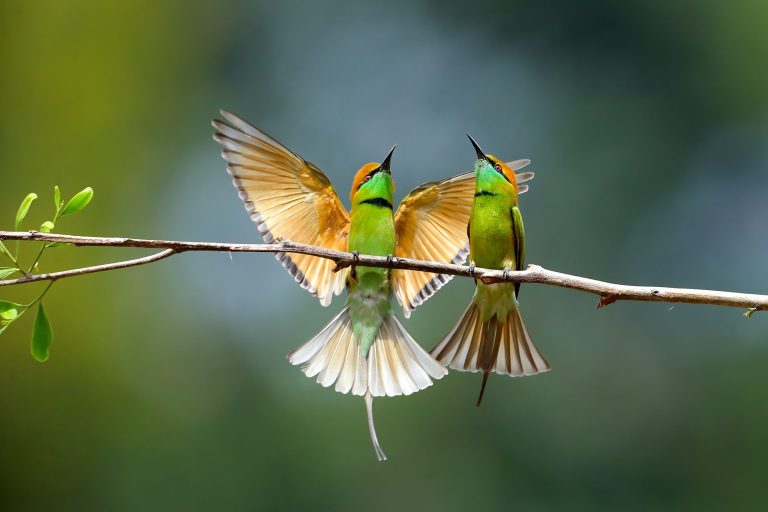
Beyond the plains game, the wetlands and lakes are teeming with life. Hippos are abundant, their grunts echoing across the water, and crocodiles bask lazily on the banks. The park’s birdlife is phenomenal, with over 350 species recorded, including the elusive African Finfoot, various raptors, and a dazzling array of waterbirds. For a birder, Lake Mburo is nothing short of paradise. Recently, Rothschild’s giraffes were reintroduced, adding another magnificent dimension to the park’s already rich biodiversity. Spotting these gentle giants stretching their necks to browse the high acacia leaves is a truly memorable experience, a testament to ongoing conservation efforts.
- Witness Uganda’s largest zebra populations in extensive herds.
- Encounter the graceful impalas, unique to this park within Uganda.
- Spot large elands and the recently reintroduced Rothschild’s giraffes.
- Observe hippos and crocodiles during boat safaris on Lake Mburo.
- Marvel at over 350 bird species, including wetland and savannah specialists.
Best Time to Visit: Seasonal Intelligence
Understanding the rhythm of the seasons is paramount to maximizing any safari experience, and Lake Mburo is no exception. Generally, Uganda experiences two primary dry seasons and two wet seasons, each offering distinct advantages. The long dry season runs from June to August, and a shorter dry spell occurs from December to February. During these periods, the vegetation thins out, and animals congregate around the permanent water sources, making wildlife spotting significantly easier and more predictable. Game drives become particularly rewarding as visibility improves across the savannah, and the chances of seeing a wide variety of species in close proximity to the lake shores increase dramatically.
Conversely, the wet seasons, from March to May and September to November, transform the park into a lush, vibrant landscape. While game viewing can be more challenging due to thicker foliage and dispersed animals, these months offer a different kind of beauty. The migratory birds return, making it an exceptional time for birdwatchers, and the freshly washed skies and verdant scenery provide stunning photographic opportunities. The air is clear, the dust settles, and the newborns add an extra layer of charm to the plains. Road conditions, however, can be more challenging, requiring robust 4×4 vehicles and experienced drivers, a standard provision for any Ripple Safaris expedition.
Adventure Logistics and Access
One of Lake Mburo’s most compelling attributes is its accessibility. Situated strategically along the main Kampala-Mbarara highway, it serves as an excellent first or last stop on a broader Ugandan safari circuit, particularly for those heading to or from the gorilla trekking regions of Bwindi Impenetrable National Park or Mgahinga Gorilla National Park. The drive from Kampala typically takes around 4-5 hours, making it a manageable journey even for a short visit. The park’s main entry points are well-maintained, and the internal road network, while sometimes rugged, is navigable with proper safari vehicles.
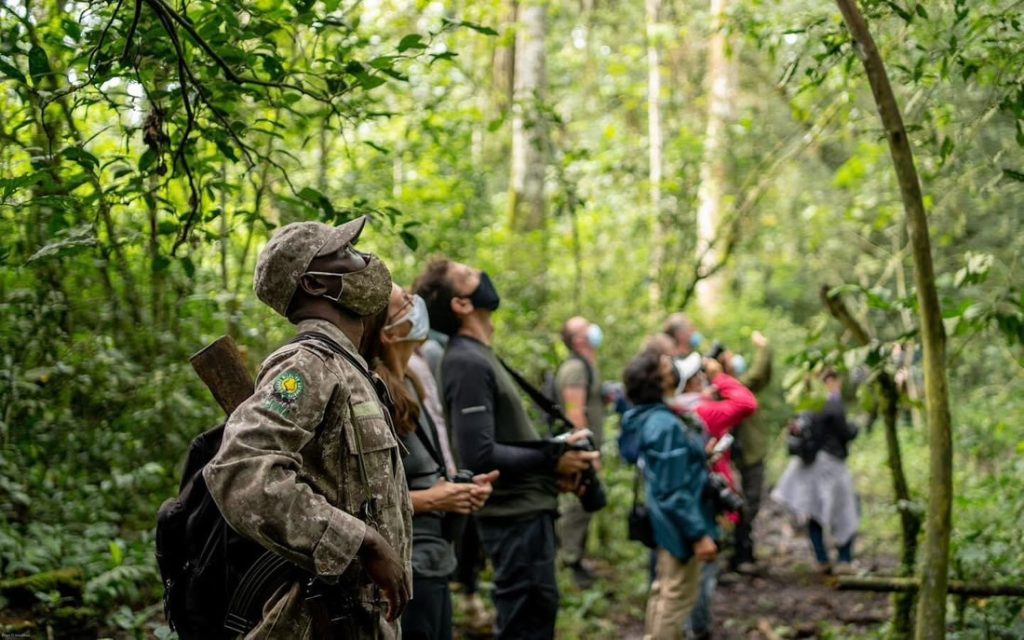
Beyond traditional game drives, Lake Mburo offers a remarkable array of activities that truly set it apart. Walking safaris, accompanied by an armed ranger, allow you to experience the bush on foot, feeling the earth beneath your boots and observing smaller creatures and flora often missed from a vehicle. This immersive experience offers a profound connection to the landscape. Boat trips on Lake Mburo itself are a highlight, providing unparalleled views of hippos, crocodiles, and an incredible diversity of waterbirds. Furthermore, the park is one of the few in Uganda where you can enjoy horseback riding safaris or even mountain biking, offering unique perspectives on the wildlife and scenery. These varied options ensure that every traveler can find an activity that resonates with their spirit of adventure.
Pro Tip: “Always opt for a guided walking safari in Lake Mburo. The intimacy of being on foot, guided by an expert ranger who can interpret tracks, scents, and subtle bush signs, elevates the experience far beyond what a vehicle can offer. It’s a sensory immersion unlike any other.”
Lodge Perspectives and Authentic Stays
The accommodation options within and around Lake Mburo National Park reflect its boutique nature, leaning towards intimate, eco-friendly lodges that blend seamlessly with the environment. Unlike the sprawling, high-capacity hotels found near some larger parks, Lake Mburo’s lodges prioritize comfort, authenticity, and a deep connection to nature. Expect tented camps and bandas designed to minimize environmental impact while maximizing the guest experience. Many lodges offer stunning views over the savannah or the lake, allowing for continuous wildlife observation right from your veranda.
These establishments often emphasize sustainable practices, employing local staff and sourcing produce from nearby communities, contributing directly to the region’s conservation and economic well-being. The atmosphere is generally relaxed and personal, with excellent service and a focus on traditional Ugandan hospitality. Whether you choose a luxurious tented camp with all the amenities or a more rustic, charming banda, the emphasis is on an authentic safari stay that complements the park’s understated elegance. Dining experiences often feature fresh, locally inspired cuisine, enjoyed under the vast African sky, accompanied by the sounds of the bush.
Pairing Lake Mburo National Park with a Broader Safari
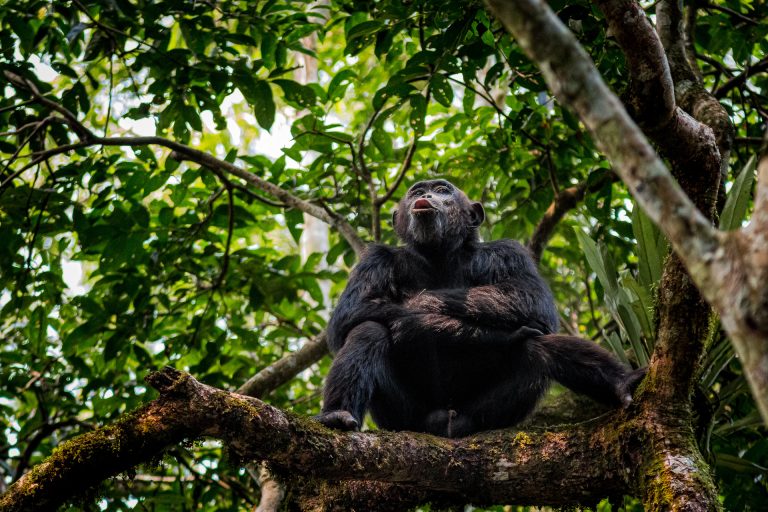
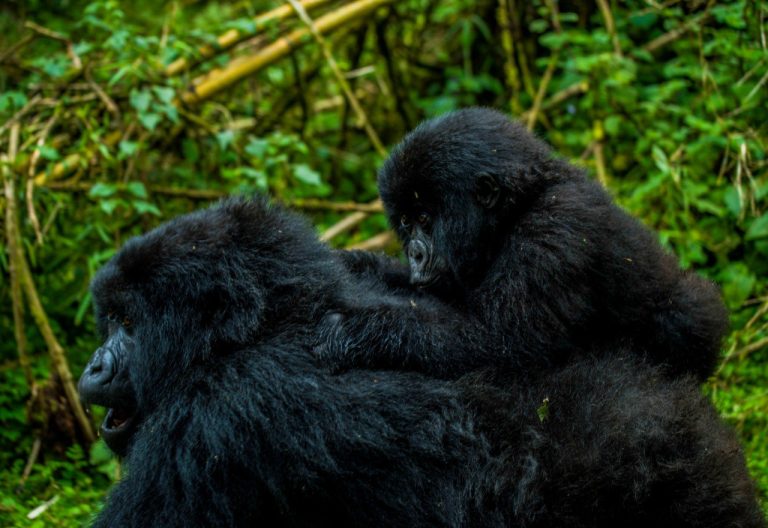
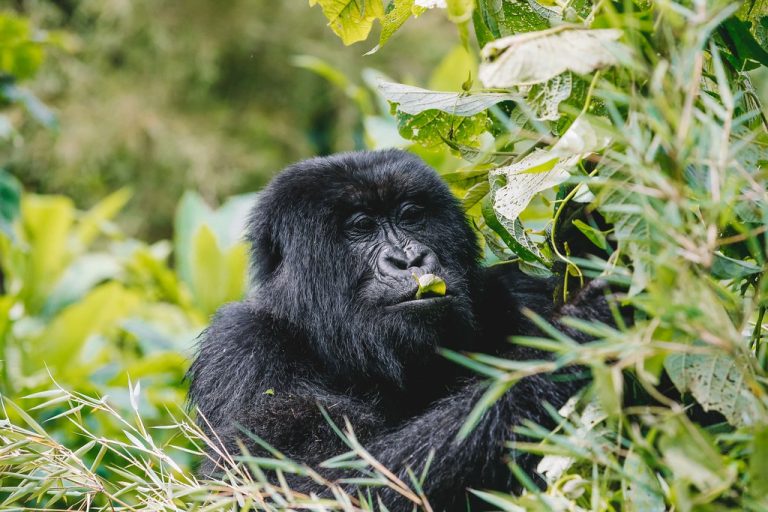
Lake Mburo’s geographical position makes it an ideal component for a multi-destination Ugandan safari, acting as a perfect “soft landing” or “gentle farewell” to your adventure. Its proximity to Kampala and Entebbe means it can easily be incorporated at the beginning or end of a longer itinerary without significant logistical challenges. Many travelers choose to visit Lake Mburo as a refreshing stopover on their way to the iconic gorilla trekking experiences in Bwindi Impenetrable National Park or the chimpanzee tracking in Kibale Forest National Park.
Pairing Lake Mburo with these more intensive primate experiences offers a wonderful contrast. After the challenging hikes of the rainforests, the open savannahs and tranquil waters of Mburo provide a relaxing change of pace, allowing for different types of wildlife viewing and activities. It also complements safaris to Queen Elizabeth National Park, offering a different ecological perspective and a chance to see species not as prominent elsewhere. This strategic inclusion allows for a comprehensive understanding of Uganda’s diverse landscapes and wildlife, ensuring a well-rounded and deeply enriching safari journey through the Pearl of Africa.
Essential Tips for Lake Mburo National Park Travelers
To truly appreciate Lake Mburo, a few key considerations will enhance your experience. Firstly, embrace the slower pace. This park rewards patience and observation, so allow yourself to simply sit, watch, and listen. Secondly, pack for versatility: light layers for warm days, a warm jacket for cooler evenings, and sturdy closed-toe shoes for walking safaris are indispensable. Don’t forget insect repellent, sunscreen, a wide-brimmed hat, and good binoculars – the latter will transform your birding and distant wildlife viewing.
Engage with your guide. Their local knowledge and tracking skills are invaluable, unlocking hidden details and animal behaviors you might otherwise miss. Lake Mburo offers exceptional opportunities for photography, especially with its unique light and open landscapes, so ensure your camera gear is ready for action. Finally, remember that conservation is paramount. Adhere to park rules, maintain a respectful distance from wildlife, and leave no trace behind. Your responsible tourism directly supports the preservation of this incredible ecosystem and its inhabitants for future generations to enjoy.
Frequently Asked Questions
What makes Lake Mburo National Park unique compared to other Ugandan parks?
Lake Mburo National Park is unique for its intimate scale, diverse landscape featuring five interconnected lakes, and the opportunity for walking, cycling, and horseback riding safaris. It is also the only park in Uganda where you can consistently see impalas and has the largest population of zebras.
Unlike larger parks focused on the “Big Five,” Mburo excels in offering a more personal and active safari experience, allowing visitors to connect with nature on a different level through various non-traditional safari activities.
Can I see the “Big Five” in Lake Mburo National Park?
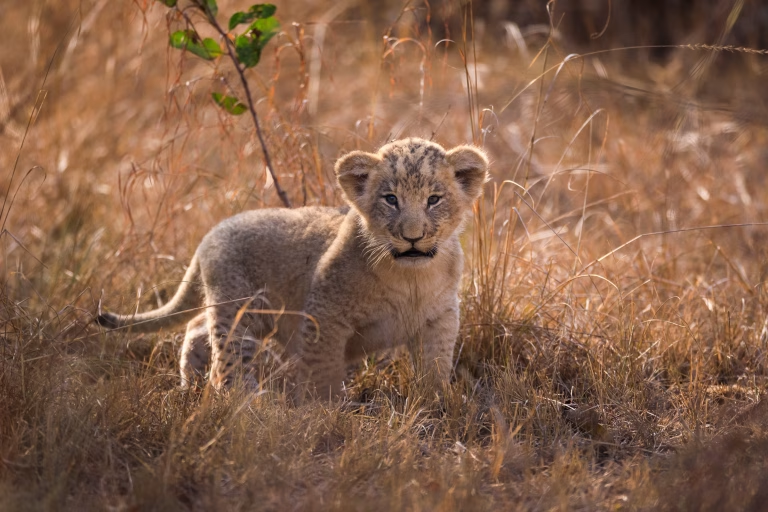
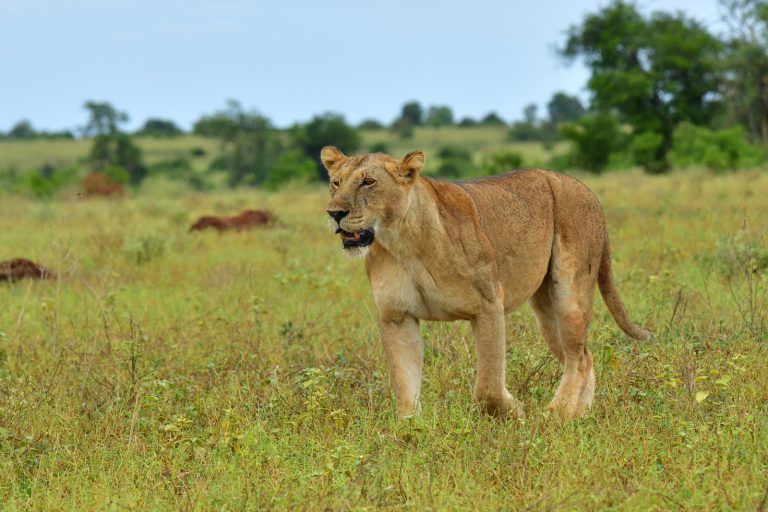
No, Lake Mburo National Park does not reliably offer “Big Five” sightings. The park is home to leopards and buffalo, but elephants are absent, and lions are extremely rare, having been historically hunted out and only occasionally sighted.
Instead, the park boasts a high density of zebras, impalas, elands, hippos, crocodiles, and a rich diversity of birdlife, offering a unique and rewarding safari experience focused on these abundant species.
What activities are available in Lake Mburo National Park?
Lake Mburo National Park offers a diverse range of activities beyond traditional game drives, including boat safaris on Lake Mburo, guided walking safaris, horseback riding, and mountain biking. These activities provide unique perspectives and close encounters with the wildlife and landscape.
Birdwatching is also a premier activity, particularly during boat trips and walking safaris, where enthusiasts can spot a wide array of waterbirds and savannah species.
Is Lake Mburo National Park suitable for a family safari?
Yes, Lake Mburo National Park is highly suitable for family safaris, offering a gentle introduction to the African wilderness with its accessible wildlife viewing and diverse, engaging activities. The park’s smaller size and varied options like boat trips and walking safaris (for older children) can keep all ages entertained.
The absence of large, dangerous predators like elephants and a very low density of lions can also make it feel like a safer and less intimidating environment for families with younger children, while still providing ample wildlife excitement.
How long should I plan to stay in Lake Mburo National Park?
A stay of 1 to 2 nights is generally recommended to fully experience Lake Mburo National Park. This allows enough time to enjoy a game drive, a boat safari, and either a walking safari, horseback riding, or cycling, providing a comprehensive overview of the park’s offerings.
Many travelers incorporate Lake Mburo as a convenient and rewarding stopover for one night when traveling between Kampala and the gorilla trekking regions in southwestern Uganda.
What should I pack for a safari to Lake Mburo National Park?
For a safari to Lake Mburo National Park, essential packing includes light, breathable clothing in neutral colors, a warm jacket or fleece for cool evenings, and comfortable walking shoes for activities like walking safaris. Sun protection such as a hat, sunglasses, and sunscreen is crucial.
Don’t forget insect repellent, a good pair of binoculars for wildlife and bird viewing, a camera with extra batteries, and any personal medications. A small daypack for excursions is also very useful.