
Why Queen Elizabeth Stands Apart
Queen Elizabeth National Park, often simply referred to as QENP, is not merely another entry on Africa’s vast safari map; it is a microcosm of East Africa’s astonishing biodiversity, yet it possesses a distinct character that sets it apart from its more celebrated counterparts like the Serengeti or Maasai Mara. While those iconic plains boast immense migrations, QENP offers an intimate, incredibly diverse experience across a tapestry of landscapes – from sprawling savannahs and dense forests to fertile wetlands and volcanic craters. This remarkable ecological variety supports an unparalleled density of wildlife, all within a relatively compact area, making every game drive and boat safari a journey through multiple ecosystems.
Unlike parks solely focused on one or two flagship species, Queen Elizabeth presents a holistic wildlife encounter. Here, the thrill of tracking elusive leopards through acacia woodlands is complemented by the sheer spectacle of hundreds of hippos grunting in the Kazinga Channel, or the unique sight of lions lounging in fig trees. It’s a park that rewards the patient observer with a constant stream of new discoveries, offering an authentic, less-trodden path into the heart of African wilderness. The absence of mass tourism, compared to some larger parks, ensures a more personal and immersive safari, allowing for deeper connections with nature and truly uncrowded viewing opportunities.
The park’s location, straddling the equator in southwestern Uganda, also contributes to its unique appeal, bridging the savannahs of East Africa with the rainforests of Central Africa. This geographical nexus results in a fascinating blend of species, where iconic savannah dwellers coexist with forest primates. It’s a place where the dramatic Rwenzori Mountains provide a breathtaking backdrop to the plains, and where ancient volcanic activity has shaped a landscape dotted with crater lakes, each with its own story. This exceptional combination of landscape, biodiversity, and authentic safari experience firmly establishes Queen Elizabeth National Park as a premier destination for the discerning wildlife enthusiast.
The Tree-Climbing Lions of Ishasha
Among the many wonders of Queen Elizabeth National Park, the tree-climbing lions of the Ishasha sector stand out as one of Africa’s most intriguing and sought-after wildlife spectacles. This unique behavior, predominantly observed here and in Tanzania’s Lake Manyara, involves adult lions, both male and female, regularly ascending the branches of large fig and acacia trees to rest and escape the heat of the day. It’s a sight that consistently captivates even the most seasoned safari-goer, offering a rare glimpse into the adaptability and enigmatic habits of these magnificent predators.
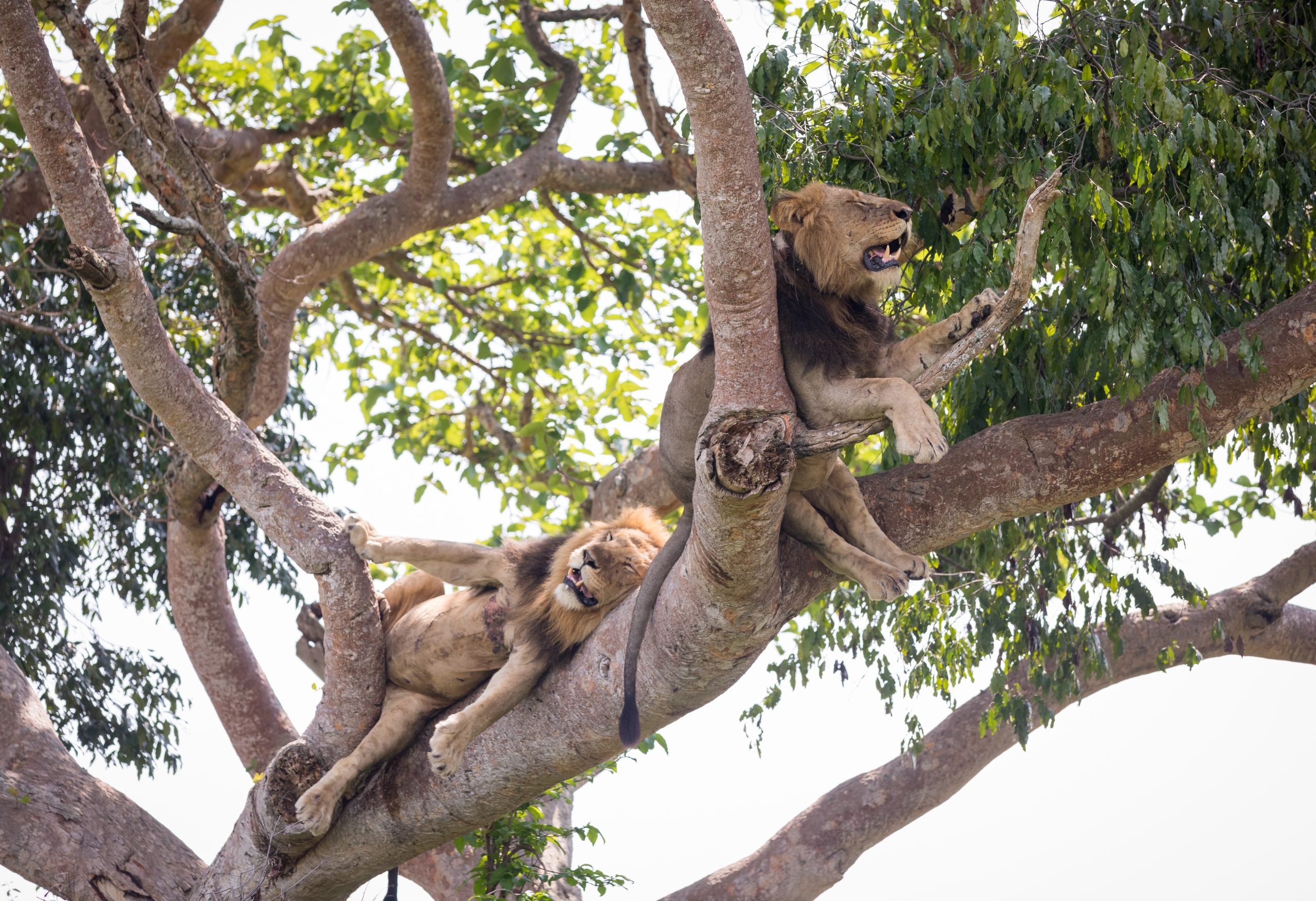
The reasons behind this unusual behavior are still debated among scientists, though several theories prevail. Many believe the lions climb to escape the irritating bites of tsetse flies, which are less prevalent higher up in the trees. Others suggest it’s a strategy to cool down in the often-intense midday sun, benefiting from the gentle breezes and shade offered by the canopy. Furthermore, the elevated vantage point provides a strategic overview of the vast plains below, allowing them to spot potential prey like the abundant Uganda kobs more easily. Regardless of the exact motivation, witnessing a pride of lions draped elegantly over thick branches, often in deep slumber, is an unforgettable experience.
The Ishasha sector, located in the remote southern reaches of QENP, is characterized by its expansive savannahs dotted with these iconic fig trees, creating the perfect habitat for these arboreal felines. Game drives through Ishasha are specifically focused on locating these elusive climbers, requiring keen eyes and the expertise of local guides who understand their habits and preferred resting spots. The thrill of scanning the tree lines, then suddenly spotting a tawny silhouette against the sky, is a highlight of any Ugandan safari and a testament to the park’s extraordinary biodiversity.
Kazinga Channel: Africa’s Best Boat Safari
The Kazinga Channel, a natural 32-kilometer-long waterway connecting Lake Edward and Lake George, is unequivocally the pulsating heart of Queen Elizabeth National Park and the setting for what many consider Africa’s finest boat safari. This iconic channel teems with an astonishing concentration of wildlife, providing an unparalleled opportunity for close-up encounters with some of the continent’s most iconic species from the comfort of a specialized vessel. The tranquil waters, flanked by verdant banks, create a natural stage for observing the intricate dynamics of the park’s aquatic and terrestrial inhabitants.
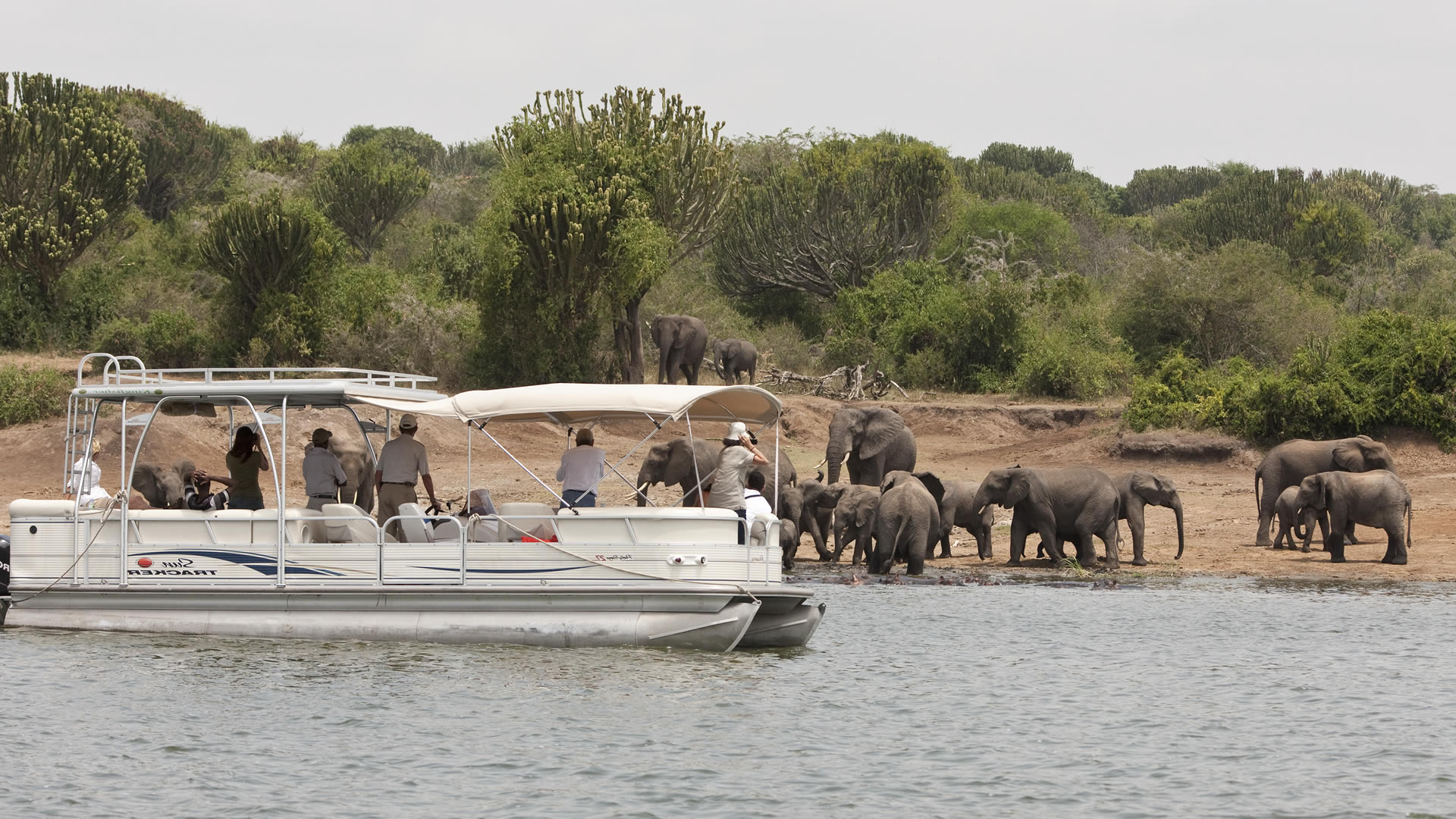
A typical boat cruise along the Kazinga Channel is a sensory feast, offering incredible photographic opportunities. The banks are home to one of the world’s largest concentrations of hippos, often seen in vast pods, their snorts and grunts echoing across the water. Alongside them, immense Nile crocodiles bask lazily in the sun, their ancient eyes scanning for prey. Elephants often descend to the water’s edge to drink and bathe, their colossal forms silhouetted against the sky, while buffalo herds graze peacefully nearby. These intimate sightings, often just meters away, provide a perspective on wildlife that is simply not possible from a vehicle.
Beyond the megafauna, the channel is a paradise for birdwatchers, boasting an incredible array of resident and migratory species. The banks and surrounding papyrus reeds are alive with vibrant plumage and melodious calls. Kingfishers dart across the water, African fish eagles perch majestically, and pelicans glide gracefully. The boat safari offers a unique, unhurried pace, allowing guests to absorb the sights and sounds of this vibrant ecosystem fully. It’s an essential experience, offering a different dimension to the safari and showcasing the sheer abundance of life that thrives within Queen Elizabeth National Park.
Sector-by-Sector Wildlife Breakdown
Queen Elizabeth National Park’s remarkable biodiversity is largely due to its varied habitats, which are best understood by exploring its distinct sectors, each offering a unique wildlife experience. The northern Mweya Peninsula, nestled between Lake Edward and the Kazinga Channel, is characterized by its savannah grasslands and acacia woodlands. This area is excellent for general game viewing, with good chances of encountering elephants, buffalo, Uganda kobs, warthogs, and various antelope species. Predators like lions and leopards are also frequently sighted here, especially during early morning and late afternoon game drives when they are most active.
To the east, the Kyambura Gorge, often referred to as the “Valley of Apes,” presents a stark contrast with its dense riverine forest. This sunken forest, a deep chasm carved by the Kyambura River, is renowned for its habituated chimpanzee population, offering thrilling chimpanzee trekking experiences. Beyond the chimps, the gorge is home to other primates such as black-and-white colobus monkeys, red-tailed monkeys, and vervet monkeys, as well as a rich diversity of birdlife. The descent into the gorge and the trek through its humid canopy provide a truly immersive jungle adventure, a stark departure from the open savannah.
The southern Ishasha sector, as previously highlighted, is the domain of the iconic tree-climbing lions. Its sprawling savannahs and fig tree-lined rivers also support large herds of Uganda kobs, a primary food source for the lions, alongside elephants and buffalo. The remote and wild feel of Ishasha adds to its allure, making it a favorite for those seeking a more rugged and adventurous safari. West of the Mweya Peninsula, the remote Maramagambo Forest offers further primate viewing opportunities, including chimpanzees, and is known for its bat caves, which attract pythons that prey on the bats.
Finally, the Katwe area, located north of the Kazinga Channel, is famous for its historic salt lake, Lake Katwe, where traditional salt mining has been practiced for centuries. While not a primary wildlife viewing area in the conventional sense, it offers a fascinating cultural insight into local life and the challenges faced by communities living alongside the park. The surrounding explosion craters, remnants of ancient volcanic activity, add a dramatic geological dimension to the landscape, some holding water and attracting various bird species. Each sector of QENP truly offers a distinct flavor of Uganda’s wild heart, ensuring a comprehensive and unforgettable safari.
Birdlife: Over 600 Species
For ornithologists and casual birdwatchers alike, Queen Elizabeth National Park is nothing short of a paradise, boasting an astounding avian checklist of over 600 species. This makes it one of the most biodiverse birding destinations in Africa, a testament to its varied habitats ranging from open savannah and dense forest to extensive wetlands and crater lakes. The sheer number and variety of birds found within its boundaries are truly remarkable, offering a constant spectacle of color, song, and fascinating behaviors.
The Kazinga Channel is a prime birding hotspot, where a boat safari reveals a staggering array of waterbirds. Here, you can expect to see huge flocks of pelicans and cormorants, majestic African fish eagles soaring overhead, and a vibrant display of kingfishers – including the giant, pied, and malachite varieties. The papyrus swamps along the channel and around Lake George are home to specialized species like the elusive Shoebill stork, a highly sought-after sighting, and various warblers and weavers building intricate nests.
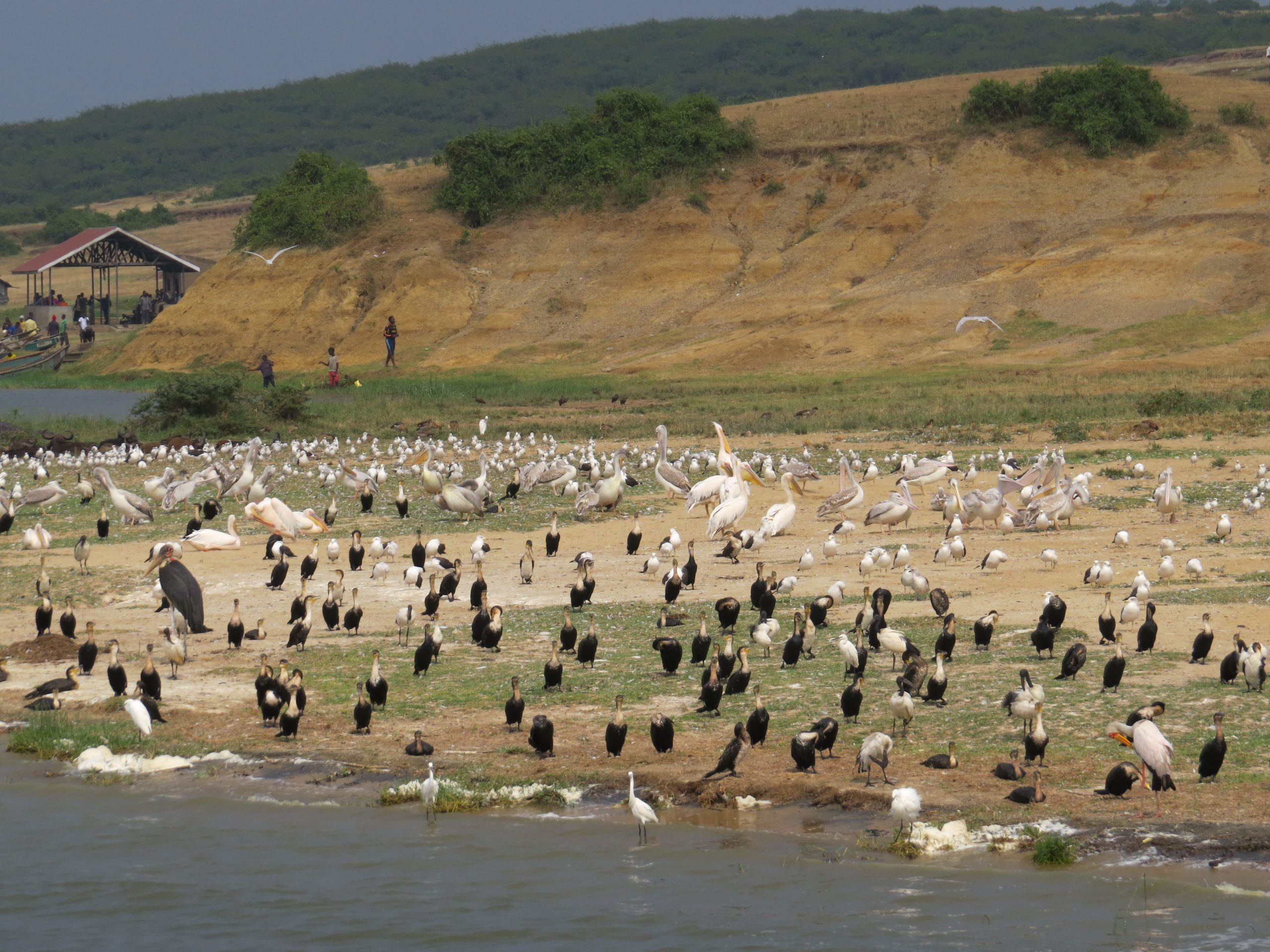
Away from the water, the savannahs and woodlands teem with raptors such as martial eagles and long-crested eagles, alongside ground hornbills, various bustards, and vibrant bee-eaters. The forested areas, particularly Kyambura Gorge and Maramagambo Forest, host a different suite of species, including forest hornbills, barbets, and a myriad of colourful sunbirds and tinkerbirds. The park’s equatorial location means it supports both resident species and a significant number of migratory birds from Europe and Asia, particularly during the wet season, further enhancing its avian diversity. Ripple Safaris often includes dedicated birding guides to help enthusiasts tick off their wish lists, ensuring no rare gem is missed.
The crater lakes, such as those in the Bunyaruguru area, provide unique micro-habitats, attracting flamingos (when conditions are right) and a range of waders and ducks. Observing these feathered inhabitants provides a deeper understanding of the park’s ecological health and its capacity to support such a rich tapestry of life. Whether you are a seasoned birder with a target list or simply enjoy the beauty of nature, the birdlife of Queen Elizabeth National Park will undoubtedly leave an indelible impression.
Best Time to Visit and Seasonal Patterns
Determining the “best” time to visit Queen Elizabeth National Park largely depends on your safari priorities, though Uganda’s equatorial climate generally offers good wildlife viewing year-round. However, understanding the seasonal patterns can significantly enhance your experience, influencing everything from game viewing success to photographic opportunities and overall comfort. The park experiences two main dry seasons and two wet seasons, each bringing its own distinct advantages and considerations for travelers.
The long dry season, typically running from June to September, is widely considered the prime time for wildlife viewing. During these months, vegetation is sparser, making animals easier to spot as they congregate around predictable water sources like the Kazinga Channel and permanent swamps. Roads are generally in better condition, facilitating smoother game drives, and the risk of malaria is lower. This period is excellent for seeing large herds of elephants and buffalo, and predators are often more visible near water. However, it is also the peak tourist season, meaning higher prices and potentially more visitors, though QENP rarely feels crowded.
Another shorter dry spell occurs from December to February, offering similar advantages with excellent game viewing conditions. This period is also popular, especially around the Christmas and New Year holidays. Conversely, the wet seasons – from March to May (long rains) and October to November (short rains) – present a different, yet equally rewarding, safari experience. While some roads can become challenging, the landscape transforms into a lush, vibrant green, offering stunning photographic backdrops. This is the best time for birdwatching, as migratory species arrive, and many resident birds are in breeding plumage. Additionally, it’s the season for newborn animals, a heartwarming sight, and generally offers lower prices and fewer tourists, providing a more exclusive feel.
Ultimately, the choice of when to visit Queen Elizabeth National Park comes down to personal preference. For guaranteed wildlife sightings and comfortable travel, the dry seasons are ideal. For birding enthusiasts, lush landscapes, and a more intimate experience with fewer crowds, the wet seasons hold their own unique charm. Regardless of the timing, the park’s abundant wildlife and diverse ecosystems ensure a memorable safari experience.
Combining QENP With Gorilla Trekking
For many visitors to Uganda, the ultimate safari dream involves combining the classic savannah wildlife experience with the extraordinary encounter of mountain gorilla trekking. Queen Elizabeth National Park’s strategic location makes it an ideal complement to a gorilla safari, creating a comprehensive itinerary that showcases Uganda’s unparalleled biodiversity. The park is situated within a reasonable driving distance of both Bwindi Impenetrable National Park and Mgahinga Gorilla National Park, the two primary destinations for gorilla trekking in Uganda.
Typically, travelers will first immerse themselves in the diverse ecosystems of Queen Elizabeth National Park, enjoying game drives, the Kazinga Channel boat safari, and perhaps chimpanzee trekking in Kyambura Gorge. After experiencing the open plains and abundant wildlife, the journey continues south to the misty, ancient forests of Bwindi or Mgahinga. This transition from savannah to dense rainforest highlights the dramatic ecological shifts within Uganda, offering a stark yet beautiful contrast in landscapes and wildlife encounters.
The combination allows for a “Big Five” (or rather, a “Big Seven” if you include gorillas and chimpanzees) experience that few other countries can offer within such proximity. After the adrenaline-pumping, often physically demanding, gorilla trek, returning to the relatively relaxed pace of QENP for further game viewing or simply enjoying the lodge amenities can be a welcome change. This pairing not only maximizes the wildlife viewing opportunities but also provides a deeper appreciation for Uganda’s conservation efforts and its role as a biodiversity hotspot.
Planning this combined safari requires careful consideration of logistics, including permits for gorilla trekking, which must be secured well in advance. Expert safari planners, understanding the nuances of travel between these parks, can craft seamless itineraries that optimize both the wildlife experiences and the travel time. This synergistic approach to exploring Uganda ensures an unforgettable adventure, leaving visitors with a profound appreciation for Africa’s natural wonders.
Frequently Asked Questions
What are the chances of seeing the tree-climbing lions in Ishasha?
While sightings are never guaranteed in the wild, the chances of seeing the tree-climbing lions in Ishasha are remarkably high, especially with experienced local guides. These lions have specific trees they favor for resting, and guides are adept at tracking their movements and knowing their preferred spots.
It often requires patience and a keen eye, as they can blend remarkably well with the tree branches, but most visitors who dedicate a game drive to the Ishasha sector are rewarded with this unique spectacle.
Is Queen Elizabeth National Park suitable for families with children?
Absolutely, Queen Elizabeth National Park is an excellent choice for families, offering a wide array of activities that appeal to all ages. Game drives are thrilling for children, and the Kazinga Channel boat safari is a relaxed and highly rewarding experience with guaranteed animal sightings.
Many lodges are family-friendly, offering comfortable accommodations and sometimes even special children’s programs. The park’s diverse wildlife, from elephants to hippos and various primates, ensures there’s always something exciting to see and learn about.
How accessible is Queen Elizabeth National Park?
Queen Elizabeth National Park is relatively accessible, with well-maintained roads connecting it to other major Ugandan destinations. It can be reached by road from Kampala, a journey that typically takes 6-7 hours, or from Bwindi Impenetrable National Park in about 3-4 hours.
For those preferring to fly, scheduled charter flights are available to airstrips within or near the park, such as Mweya and Kasese, significantly reducing travel time from Entebbe International Airport.
What unique activities are available in QENP beyond game drives?
Beyond traditional game drives, QENP offers several unique experiences that set it apart. The Kazinga Channel boat safari is a must-do, providing unparalleled close-up wildlife viewing from the water.
Chimpanzee trekking in Kyambura Gorge or Maramagambo Forest offers an immersive primate encounter, while cultural visits to the local salt mines at Lake Katwe provide insight into traditional livelihoods. Hot air balloon safaris are also available for a breathtaking aerial perspective of the park.
What should I pack for a safari in Queen Elizabeth National Park?
Essential packing for a QENP safari includes lightweight, neutral-colored clothing for game drives, a wide-brimmed hat, sunglasses, and high-factor sunscreen. Comfortable walking shoes are crucial, especially if you plan on chimpanzee trekking.
Don’t forget insect repellent, a good camera with extra batteries and memory cards, binoculars for enhanced wildlife viewing, and a small daypack for excursions. A light jacket or fleece is recommended for cooler mornings and evenings.
Are there any health precautions I should be aware of?
Yes, several health precautions are advisable for travel to Queen Elizabeth National Park. Malaria is present, so antimalarial medication is strongly recommended, along with using insect repellent and sleeping under mosquito nets.
It’s also wise to ensure your routine vaccinations are up to date and to consult your doctor about recommended vaccinations for Uganda, such as Yellow Fever (proof of vaccination is often required for entry). Always drink bottled or purified water to avoid stomach upsets.
https://shorturl.fm/ooFoE