Uganda: Africa’s Most Diverse Safari Destination
For the discerning traveler seeking a truly comprehensive African safari, Uganda emerges as a destination without peer. Often referred to as the “Pearl of Africa,” this verdant nation uniquely combines the thrill of tracking great apes through dense montane forests with the classic savannah drama of the Big Five, all while boasting an avian diversity that captivates even the most seasoned birder. Unlike many East African destinations that specialize in either primates or plains game, Uganda masterfully delivers both, offering an unparalleled multi-ecosystem experience within a single, cohesive journey.
Our approach to safari architecture in Uganda is rooted in this intrinsic diversity. We recognize that the country’s varied landscapes—from the misty peaks of the Virungas to the sprawling plains of Murchison Falls and the ancient rainforests of Kibale—are not merely backdrops but active participants in the safari narrative. This confluence of habitats allows for a dynamic itinerary that transitions seamlessly between intimate, forest-based encounters and expansive, open-air game viewing, creating a safari experience that is both profound and exhilaratingly varied.
The strategic routing and careful allocation of time are paramount to unlocking Uganda’s full potential. It’s about more than just checking off a list; it’s about understanding the ecological connections and the distinct rhythm of each region. A complete Uganda safari is an immersion into a vibrant ecosystem where every turn reveals a new facet of Africa’s wild heart, promising an adventure that resonates long after you’ve returned home.
Gorillas and Chimps: The Primate Circuit
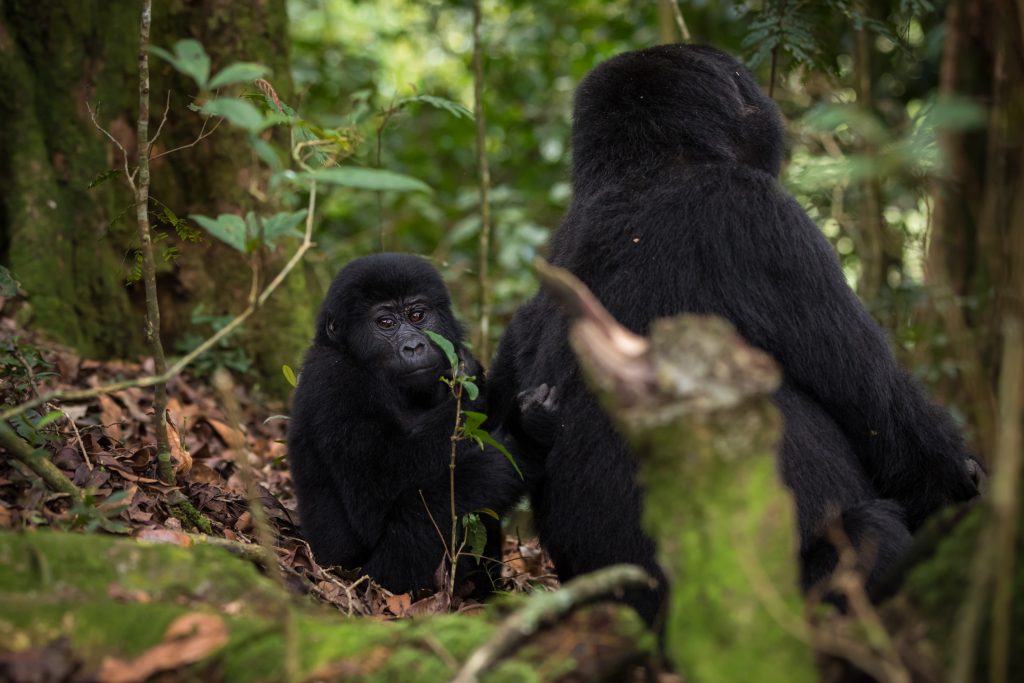
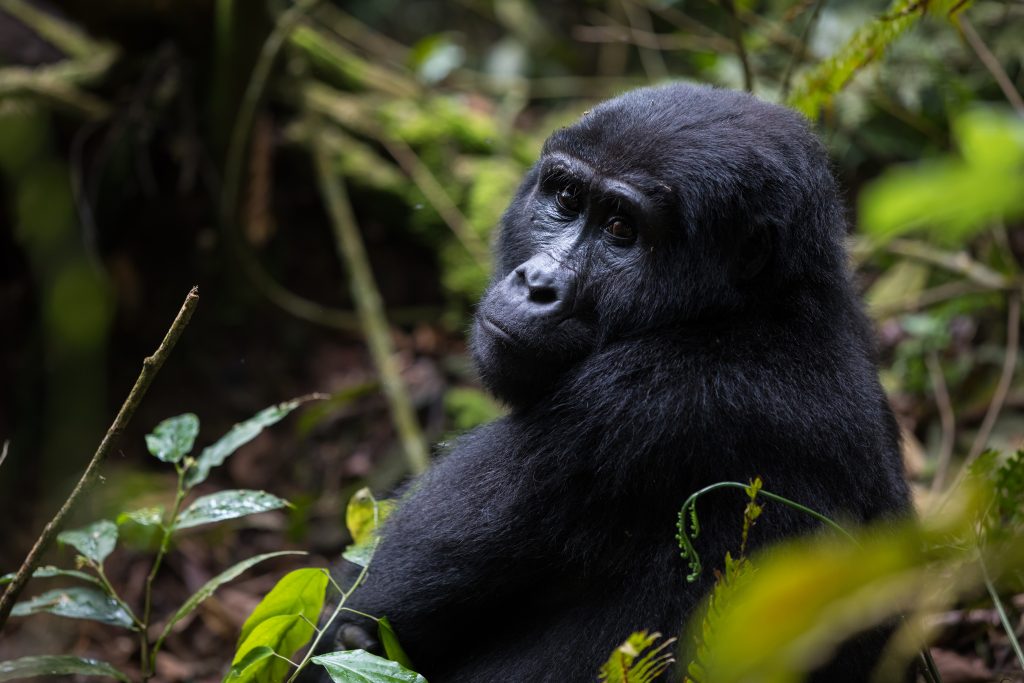
The primate encounters in Uganda stand as the undeniable crown jewel of any comprehensive safari here. The opportunity to trek both mountain gorillas and chimpanzees within the same journey is a privilege afforded by few other places on Earth. Our focus begins in the southwestern highlands, specifically Bwindi Impenetrable National Park or Mgahinga Gorilla National Park, where the majestic mountain gorillas reside amidst a labyrinth of ancient trees and mist-shrouded slopes.
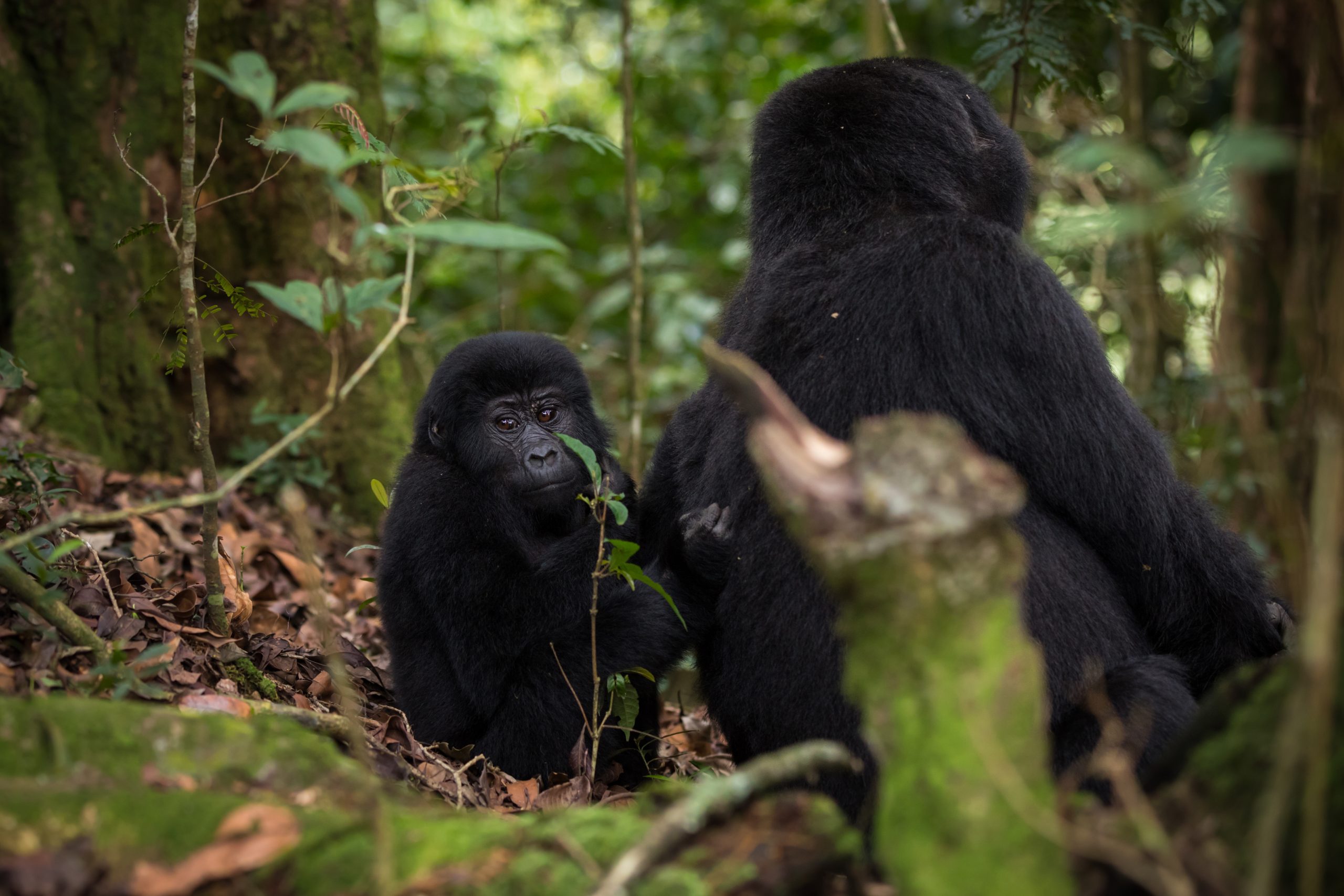
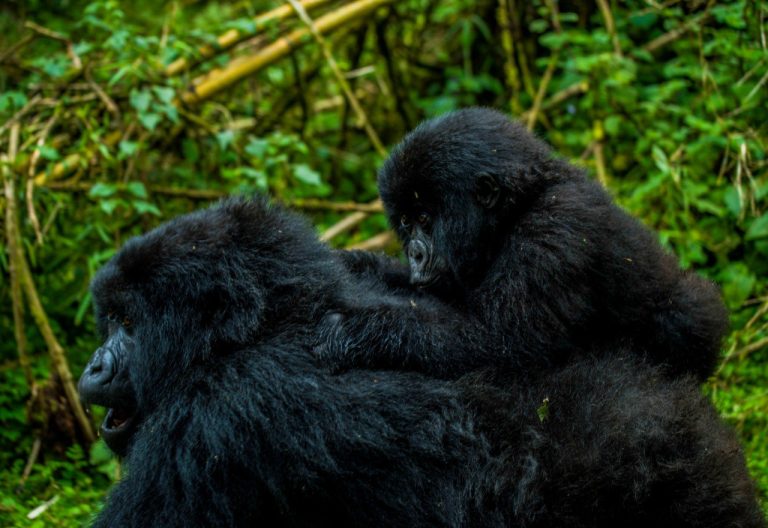
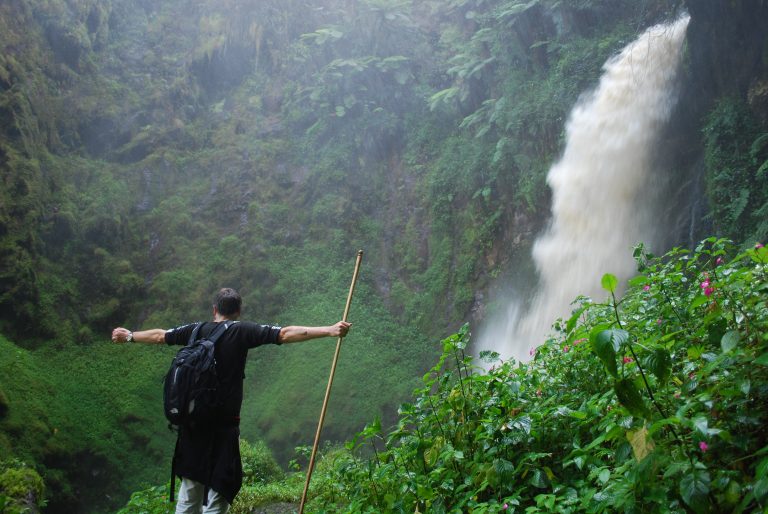
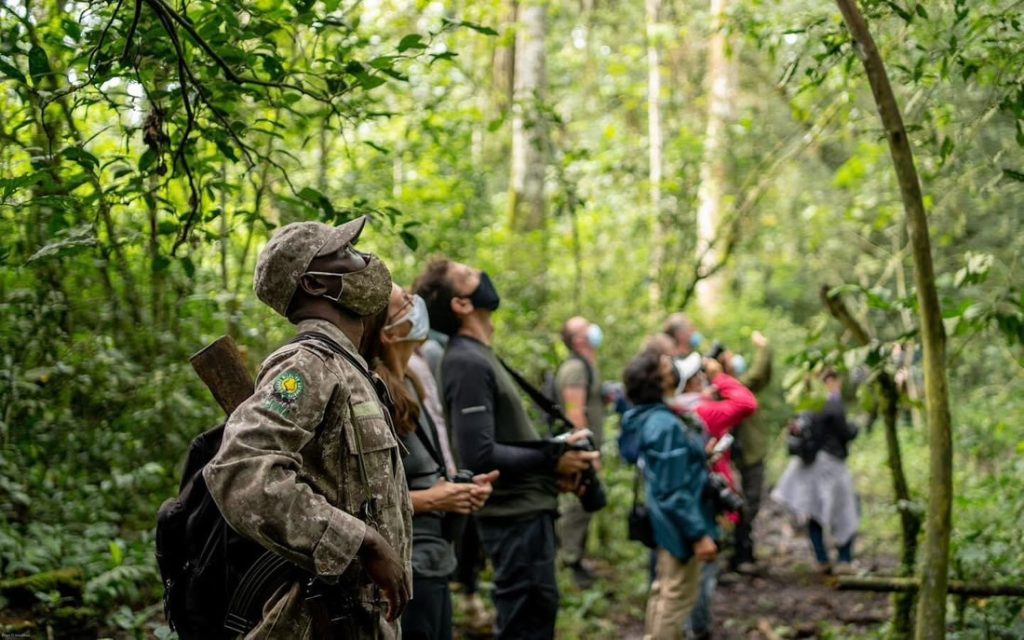
Gorilla trekking is not merely an activity; it is a profound, almost spiritual experience. The trek itself, guided by expert rangers, can be physically demanding, traversing steep, muddy terrain, yet the reward of spending an hour in the silent, awe-struck presence of a gorilla family is immeasurable. Observing these magnificent creatures in their natural habitat—watching a silverback assert his dominance, a mother cradle her infant, or juveniles playfully tumble—offers an intimate connection to the wild that transcends typical wildlife viewing.
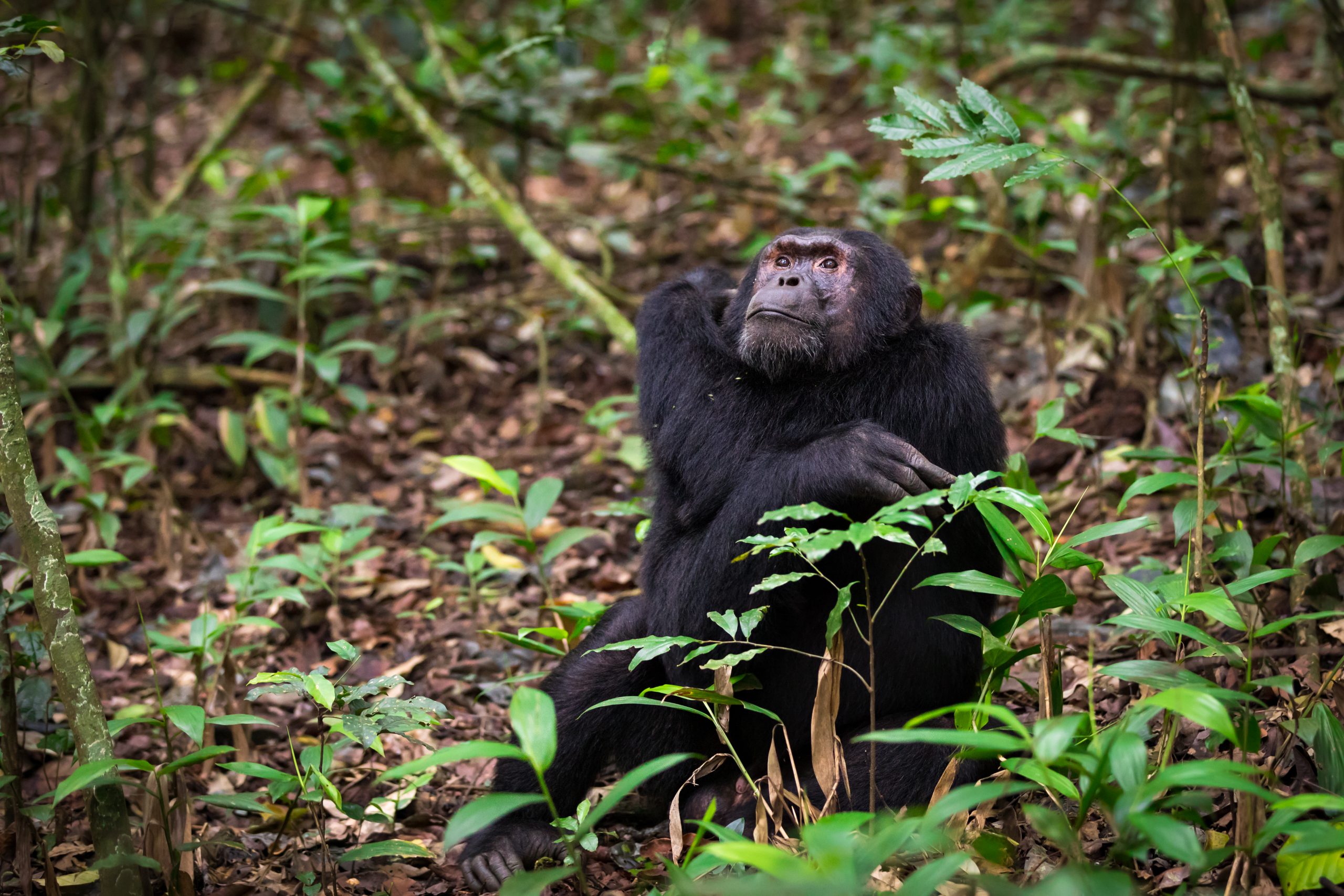
Complementing this, the chimpanzee trekking in Kibale Forest National Park provides a stark yet equally captivating contrast. Kibale, renowned as the “Primate Capital of the World,” hosts one of Africa’s largest populations of habituated chimpanzees. Here, the experience is often more dynamic and fast-paced, as you follow the energetic chimps through the forest canopy, listening to their calls and observing their complex social interactions. The intelligence and expressiveness of our closest relatives are undeniably compelling, adding another layer of depth to Uganda’s primate offerings.
- Mountain Gorilla Trekking: An intimate, often silent encounter in Bwindi or Mgahinga.
- Chimpanzee Tracking: A dynamic, vocal pursuit through the canopies of Kibale.
- Primate Habituation Experience: Extended time with researchers, offering deeper insight.
These primate encounters are meticulously woven into the safari fabric, ensuring optimal timing for permit availability and seamless transitions between these unique forest environments and the open savannahs that await.
Savannah Wildlife: QENP and Murchison Falls
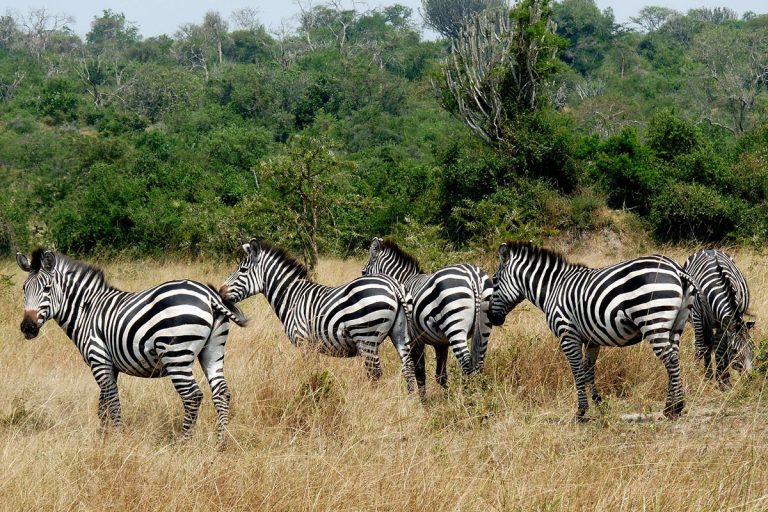
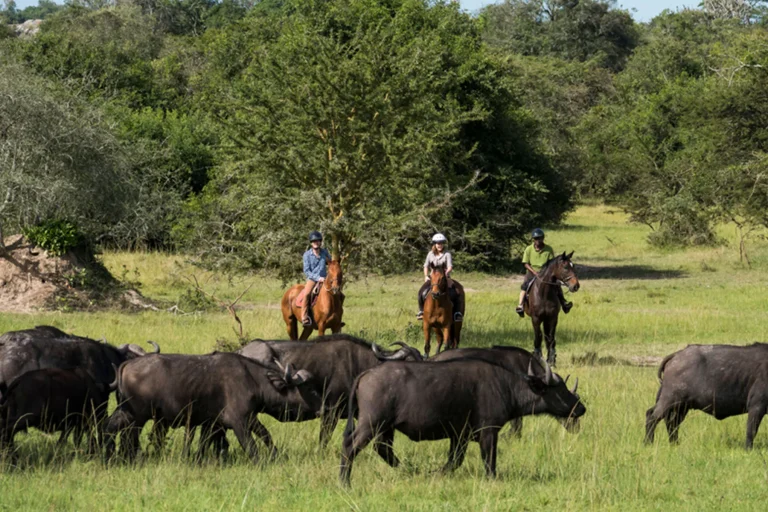
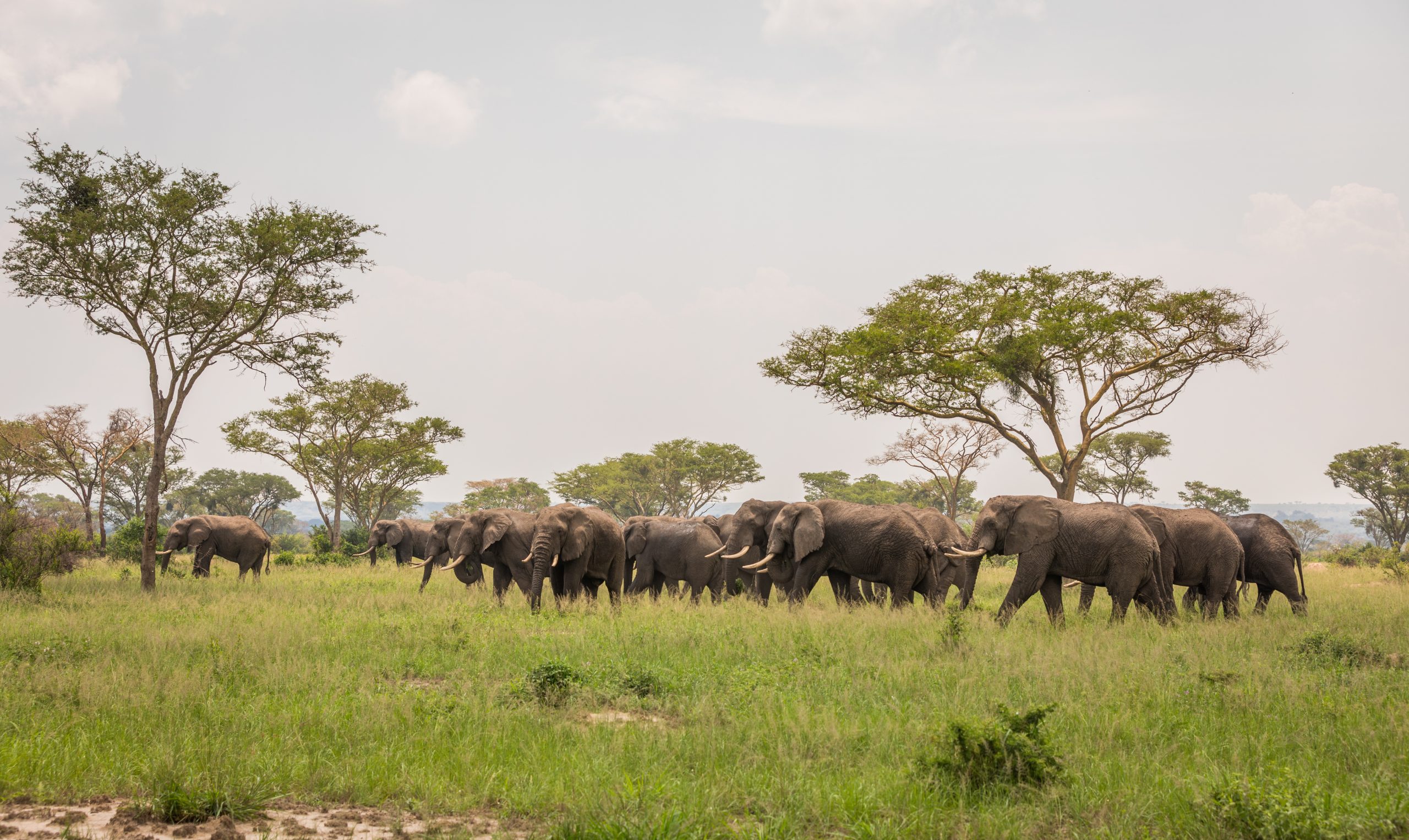
While Uganda’s primates draw global attention, its savannah ecosystems are equally compelling, offering classic Big Five encounters and expansive landscapes that rival those found anywhere on the continent. Queen Elizabeth National Park (QENP) and Murchison Falls National Park stand as the pillars of Uganda’s plains game viewing, each offering distinct yet complementary experiences.
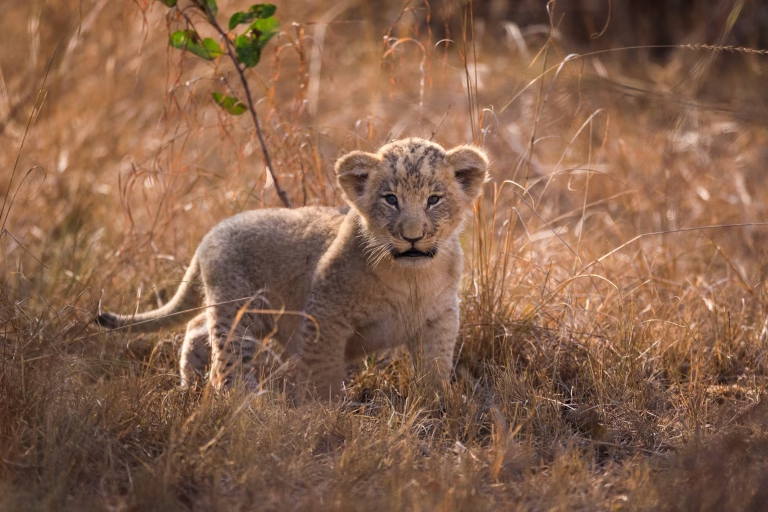
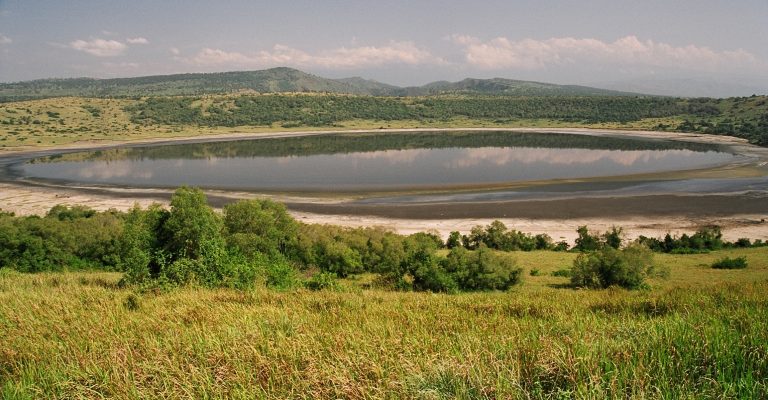
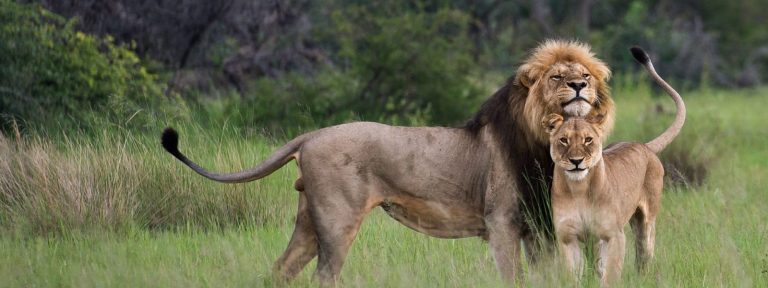
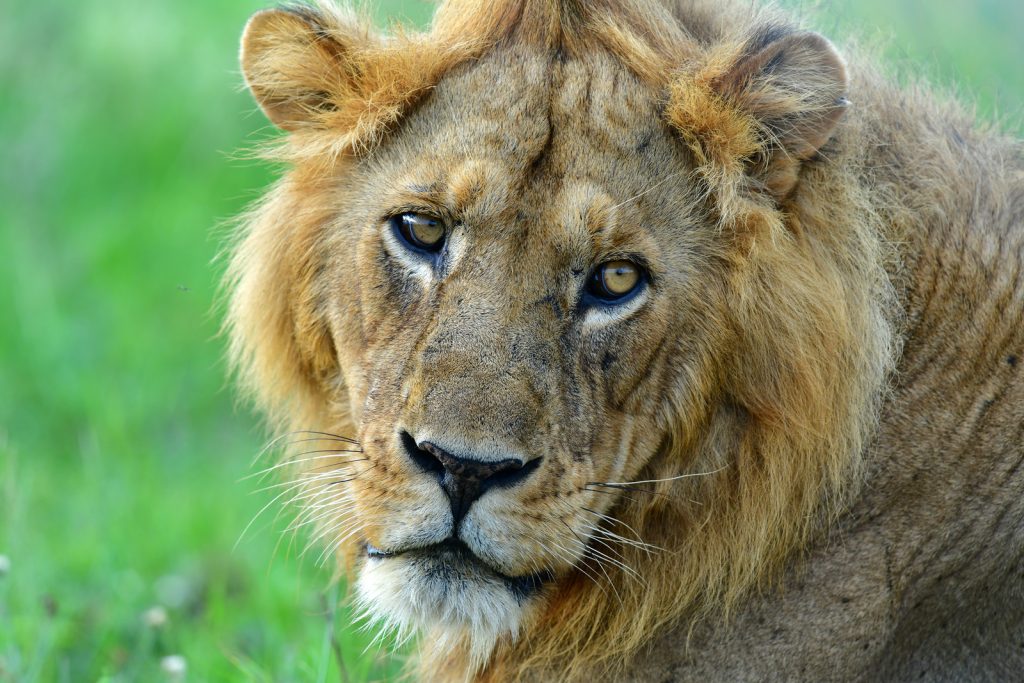
Queen Elizabeth National Park, straddling the equator, is a landscape of diverse habitats, from the open savannahs of the Kasenyi plains to the dense papyrus swamps and crater lakes. It is famously home to the tree-climbing lions of Ishasha, a unique adaptation that adds an intriguing dimension to lion tracking. Beyond lions, the park teems with elephants, buffalo, leopards, hyenas, and a vast array of antelopes. A boat safari along the Kazinga Channel, connecting Lake Edward and Lake George, is a highlight, offering unparalleled views of hippos, crocodiles, and an astonishing concentration of waterbirds, all against a backdrop of local fishing communities.
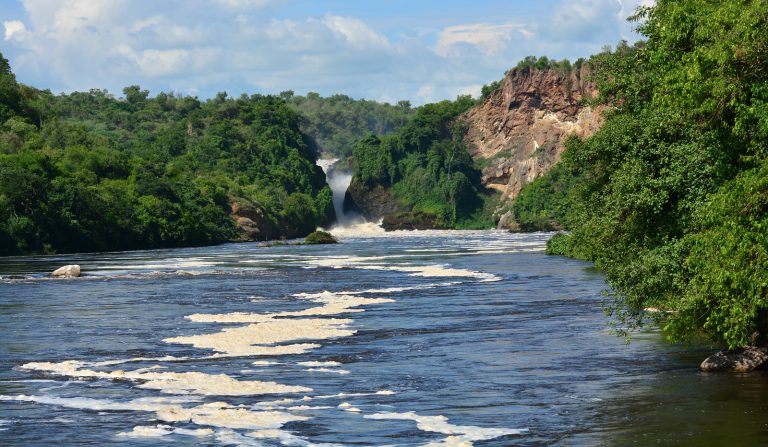
Further north, Murchison Falls National Park is Uganda’s largest and arguably most spectacular conservation area. Its defining feature, the mighty Murchison Falls, where the Nile River funnels through a mere seven-meter gorge before plummeting 43 meters, is a sight of immense power and beauty. Game drives across the northern bank reveal extensive savannahs, home to elephants, buffalo, giraffes, lions, leopards, and numerous antelopes. A boat cruise to the base of the falls provides a different perspective, showcasing the riverine wildlife and the sheer force of nature. While rhinos are typically tracked at the Ziwa Rhino Sanctuary en route, completing the Big Five experience, the sheer scale and untamed feel of Murchison are unforgettable.
The contrast between the intimate forest treks and the expansive savannah drives is what truly defines Uganda’s safari excellence. It’s a journey from the quiet contemplation of a gorilla family to the exhilarating pursuit of a leopard across the plains, each moment contributing to a richer understanding of African wildlife.
Connecting the Parks: Route and Transfer Options
Seamless connectivity between Uganda’s diverse ecosystems is crucial for a complete safari experience. The logistical architecture of your journey dictates the pace, comfort, and ultimately, the depth of your immersion. We meticulously design routes that optimize travel time while maximizing scenic beauty and opportunities for incidental wildlife viewing.
Uganda offers a blend of road and air transfer options. For those prioritizing efficiency and comfort, scheduled or private charter flights connect major parks like Kidepo Valley (though less common for a combined primate/Big Five trip), Murchison Falls, Queen Elizabeth, and Bwindi. Flying dramatically reduces travel time, allowing for more time on game drives or primate treks and less time on the road. This is particularly valuable when traversing the longer distances between the northern savannahs and the southwestern forests.
However, road transfers, conducted in robust 4×4 safari vehicles with experienced driver-guides, offer their own distinct advantages. They provide an intimate connection with the Ugandan landscape, allowing for spontaneous stops, village interactions, and the opportunity to witness daily life unfolding outside the park gates. The journey itself becomes part of the adventure, revealing the country’s varied topography and cultural tapestry. A common route might begin with a drive to Kibale, then continue south to Queen Elizabeth, before culminating in Bwindi, with optional stops at Ziwa Rhino Sanctuary or Lake Mburo National Park.
The choice between flying and driving often depends on budget, time constraints, and personal preference for immersion versus speed. Our expertise at Ripple Safaris lies in crafting a balanced itinerary that leverages the strengths of both, ensuring that transitions are not merely functional but contribute positively to the overall safari narrative.
How Many Days You Really Need
Determining the ideal duration for a complete Uganda safari is a critical aspect of planning, directly impacting the depth and breadth of your experience. While it’s tempting to condense a trip, a truly comprehensive journey combining primates, Big Five, and birding demands a thoughtful allocation of time to avoid feeling rushed and to allow for genuine immersion.
For a robust exploration that genuinely covers the core highlights—gorilla trekking, chimpanzee tracking, and significant savannah game viewing in at least two major parks—we recommend a minimum of 11 to 14 days on the ground. This timeframe allows for a logical flow between destinations, accounting for transfer times and ensuring sufficient opportunities for multiple game drives, boat safaris, and the profound primate encounters.
An itinerary of this length typically allocates two full days for gorilla trekking (including travel to/from the lodge), one to two days for chimpanzee tracking or habituation, and at least two to three days each for Queen Elizabeth and Murchison Falls National Parks. This structure provides ample opportunity to absorb the unique atmosphere of each location, to track various species without haste, and to allow for the unexpected delights that are inherent to any safari. For those wishing to delve deeper into specific interests, such as intensive birding, or to include additional parks like Kidepo Valley National Park or Lake Mburo for a broader spectrum of wildlife, an extended journey of 16 to 21 days would be more appropriate, offering a truly unhurried and exhaustive exploration of Uganda’s natural wonders.
Birding Across Ecosystems
Uganda is, without exaggeration, an ornithological paradise, a claim substantiated by its incredible diversity of habitats and an astounding bird list exceeding 1,000 species. For those with a keen interest in avian life, a complete Uganda safari is as much a birding expedition as it is a wildlife adventure, seamlessly integrating unparalleled opportunities for both.
The country’s varied ecosystems each host a distinct avifauna. The dense, ancient forests of Bwindi and Kibale are strongholds for Albertine Rift endemics, offering the chance to spot sought-after species like the Green Broadbill, African Green Pigeons, and a plethora of turacos, sunbirds, and warblers. Here, the thrill of tracking primates is often accompanied by the vibrant calls and fleeting glimpses of forest specialists.
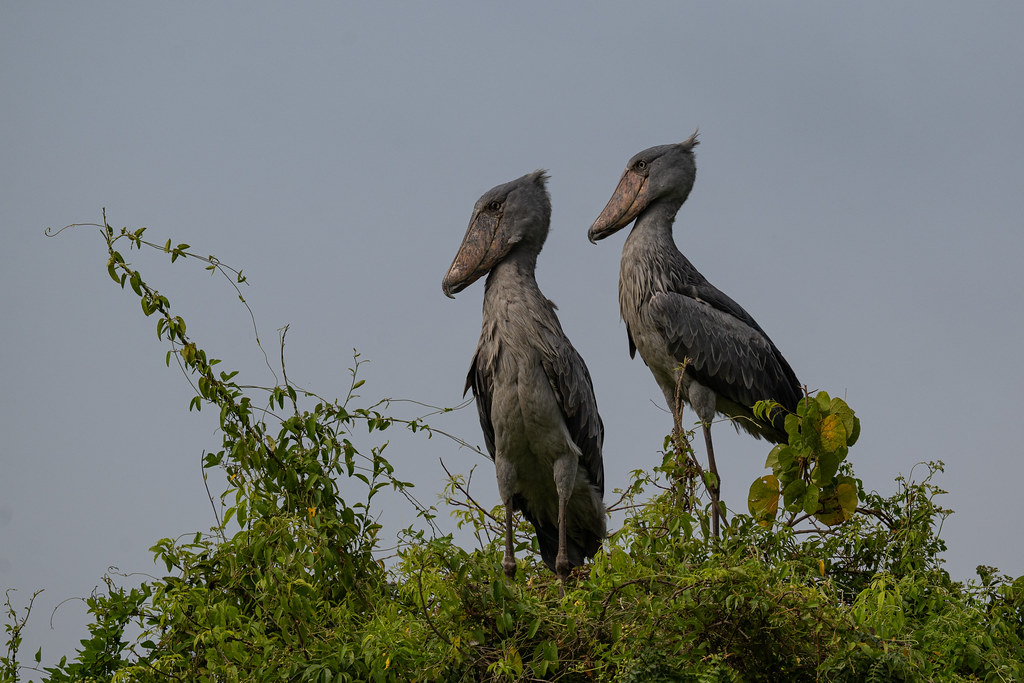
Transitioning to the savannahs of Queen Elizabeth and Murchison Falls National Parks, the birding landscape shifts dramatically. Open grasslands and acacia woodlands are home to raptors, ground hornbills, various bustards, and vibrant rollers. The water bodies, particularly the Kazinga Channel and the Nile River, are magnets for waterbirds, including African Fish Eagles, various storks, pelicans, and kingfishers. However, the undisputed star of Uganda’s wetlands is the prehistoric-looking Shoebill, a highly sought-after species found in papyrus swamps like Mabamba Bay Wetland near Entebbe, often included as an introductory or concluding highlight to a comprehensive safari.
Integrating birding into a multi-faceted safari requires an experienced guide who understands the intricate relationship between habitats and species, ensuring that even amidst the pursuit of larger mammals, the rich avian tapestry is never overlooked. It transforms a safari into a multi-sensory experience, where the calls of the wild are as captivating as the sights.
Designing Your Complete Uganda Safari
Crafting a complete Uganda safari that perfectly balances primate encounters, Big Five game viewing, and exceptional birding is an art, not a mere booking exercise. It demands a deep understanding of the country’s geography, ecological nuances, logistical challenges, and the seasonal rhythms that influence wildlife behavior. Our philosophy centers on creating bespoke journeys that reflect individual interests, pace preferences, and desired levels of immersion.
The foundation of a well-designed safari begins with your priorities. Do you envision an extended period with chimpanzees, or is a single gorilla trek sufficient? Are you focused on ticking off specific Big Five species, or is the overall savannah experience more important? By understanding these core desires, we can strategically allocate days and select lodges that best align with your vision. This often involves intricate planning around gorilla and chimpanzee permit availability, which are limited and require advance booking.
Beyond the major wildlife components, we integrate elements that enhance the overall journey: cultural interactions with local communities, visits to conservation projects, or moments of quiet reflection in stunning natural settings. The choice of accommodation, from intimate tented camps to luxurious lodges, also plays a crucial role in shaping the safari’s character. With Ripple Safaris, you’re not just booking an itinerary; you’re collaborating with experienced safari architects to build a seamless, enriching, and profoundly personal exploration of Uganda’s unparalleled wilderness.
Our expertise ensures that every transfer, every activity, and every moment contributes to a cohesive and unforgettable narrative, delivering an authentic and deeply rewarding experience of the Pearl of Africa.
Frequently Asked Questions
What is the best time of year for a complete Uganda safari?
The dry seasons, from June to September and December to February, are generally considered the best times for a comprehensive Uganda safari. During these months, rainfall is minimal, making forest trails for primate trekking less challenging and savannah roads more accessible for game drives.
Wildlife viewing in the savannah parks is often enhanced as animals congregate around fewer water sources. However, Uganda is an equatorial country, so rain can occur at any time, and the ‘shoulder seasons’ can offer excellent value and fewer crowds.
How physically demanding are the primate trekking experiences?
Gorilla and chimpanzee trekking can be moderately to highly demanding, depending on the location of the primate groups on any given day. Treks can range from 30 minutes to over 8 hours, involving walking through dense forest, over uneven terrain, and up steep slopes.
A reasonable level of fitness is recommended, and comfortable, sturdy hiking boots are essential. Porters are available for hire at the start of the treks to assist with carrying bags and offering a helping hand, which also provides income to local communities.
Are gorilla and chimpanzee permits difficult to obtain?
Yes, gorilla and chimpanzee permits are highly sought after and limited in number to protect the primates and their habitats. Gorilla permits, especially, often need to be booked many months, sometimes even a year, in advance, particularly for peak season travel.
It is crucial to secure your permits before finalizing other safari arrangements. Working with an experienced safari operator like Ripple Safaris is highly advisable, as we manage the permit booking process on your behalf, ensuring availability and smooth integration into your itinerary.
What kind of clothing and gear should I pack for this diverse safari?
Given the diverse ecosystems, packing layers is key. For primate trekking, sturdy waterproof hiking boots, long trousers, long-sleeved shirts (to protect against thorns and insects), gardening gloves, and a waterproof jacket are essential. Bright colors should be avoided in the forest.
For savannah game drives, comfortable, neutral-colored clothing is best, along with a wide-brimmed hat, sunglasses, and insect repellent. A good pair of binoculars and a camera with a telephoto lens are indispensable for both wildlife and birding photography.
Is Uganda a safe destination for international travelers?
Uganda is generally considered a safe and welcoming destination for international tourists, with a stable political environment. The tourism industry is well-developed, and parks and lodges have good security measures in place to ensure visitor safety.
As with any international travel, it’s always wise to exercise standard precautions, such as safeguarding valuables and being aware of your surroundings, especially in urban areas. Your safari operator will provide comprehensive safety briefings and ensure you are accompanied by professional guides throughout your journey.