
Uganda, often hailed as the Pearl of Africa, is a land of unparalleled biodiversity, a vibrant tapestry woven from lush forests, sprawling savannas, majestic mountains, and life-giving wetlands. For the discerning birder, this East African gem isn’t just another destination; it is Africa’s undeniable leader, a sanctuary where over half of the continent’s avian species thrive. As a seasoned naturalist and guide, I’ve had the privilege of witnessing countless moments of avian wonder across Uganda, and I can confidently say that its birding potential remains largely unmatched, offering an intimate encounter with a staggering diversity that few other places on Earth can rival. Prepare to be captivated by a world where every rustle in the canopy, every ripple on the water, and every distant call holds the promise of a truly extraordinary sighting.
Why Uganda Leads Africa for Birding
Uganda’s pre-eminence in African birding stems from a unique convergence of biogeographical zones, making it an ecological crossroads where species from various habitats meet. The country straddles the equator, encompassing savanna, afro-montane forests, semi-arid regions, and vast wetlands, including the mighty Nile River system and the expansive Lake Victoria. This incredible diversity of ecosystems within a relatively compact geographical area creates an astonishing avian richness. With an official checklist boasting over 1,090 recorded bird species – more than 50% of Africa’s total and approximately 11% of the world’s – Uganda offers an unparalleled concentration of birdlife, from tiny sunbirds to colossal raptors.
Furthermore, Uganda is a stronghold for many highly sought-after species, including a significant number of Albertine Rift endemics found nowhere else on Earth. The country also provides crucial habitats for numerous migratory species, swelling its bird population during specific seasons. The accessibility of these diverse habitats, often within a day’s drive of each other, allows birders to experience a wide array of avian communities without extensive travel, maximizing observation opportunities. Our expert guides possess an intimate knowledge of these terrains and the subtle cues of their feathered inhabitants, transforming each safari into a masterclass in ornithological discovery.
The Shoebill Stork: Uganda’s Most Wanted Bird
Among the pantheon of Uganda’s avian treasures, one species stands out as the undisputed king of the wish list for nearly every birder: the enigmatic Shoebill Stork (Balaeniceps rex). This prehistoric-looking giant, with its massive, shoe-shaped bill and piercing stare, is a creature of immense fascination and rarity. Its elusive nature and specialized wetland habitat make sightings a true privilege, and Uganda offers some of the most reliable opportunities to observe this magnificent bird in its natural environment.
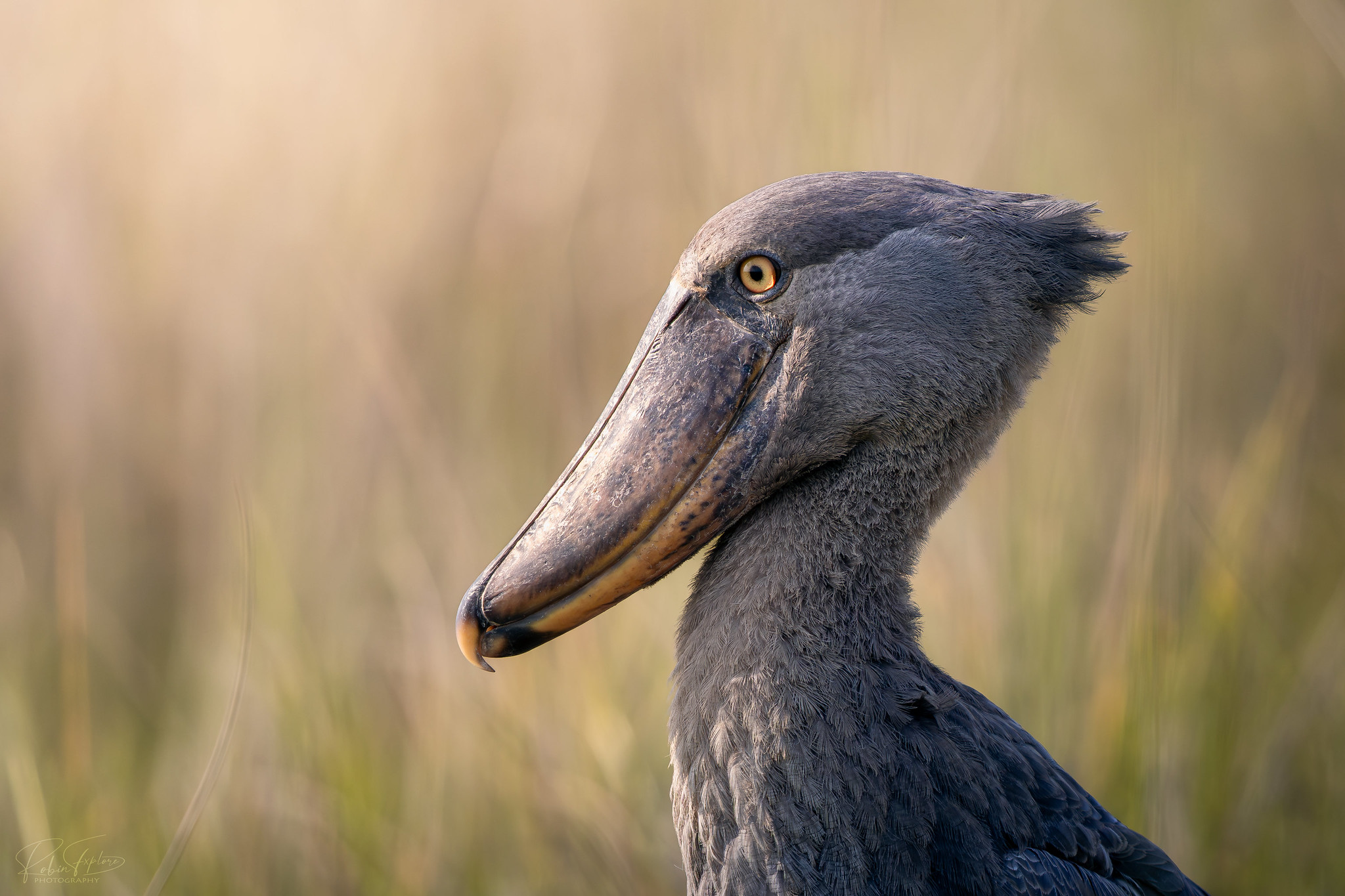
The Shoebill is a solitary hunter, preferring shallow, oxygen-depleted swamps where fish are forced to the surface. Key locations for successful Shoebill encounters include the Mabamba Bay Wetland on the shores of Lake Victoria, a Ramsar site renowned for its high success rates, often exceeding 85%. Other prime habitats include the delta areas of Murchison Falls National Park and the remote wetlands of Queen Elizabeth National Park, particularly around Lake Edward. Observing a Shoebill patiently stalking its prey, its immense bill poised for a lightning-fast strike, is an unforgettable experience, a testament to the ancient adaptations of the avian world. These encounters are not merely about ticking a box; they are about connecting with a truly unique and vulnerable species, reminding us of the critical importance of wetland conservation.
Bwindi and the Albertine Rift Specials
No birding safari in Uganda is complete without venturing into the impenetrable depths of Bwindi Impenetrable National Park, a UNESCO World Heritage Site renowned not only for its mountain gorillas but also as a veritable hotspot for Albertine Rift endemics. This ancient Afromontane forest, characterized by its dense undergrowth and mist-shrouded canopies, is a biodiversity marvel. The Albertine Rift, a chain of mountains and forests stretching along Uganda’s western border, harbors more endemic vertebrate species than any other region in mainland Africa, and a significant portion of these are birds.
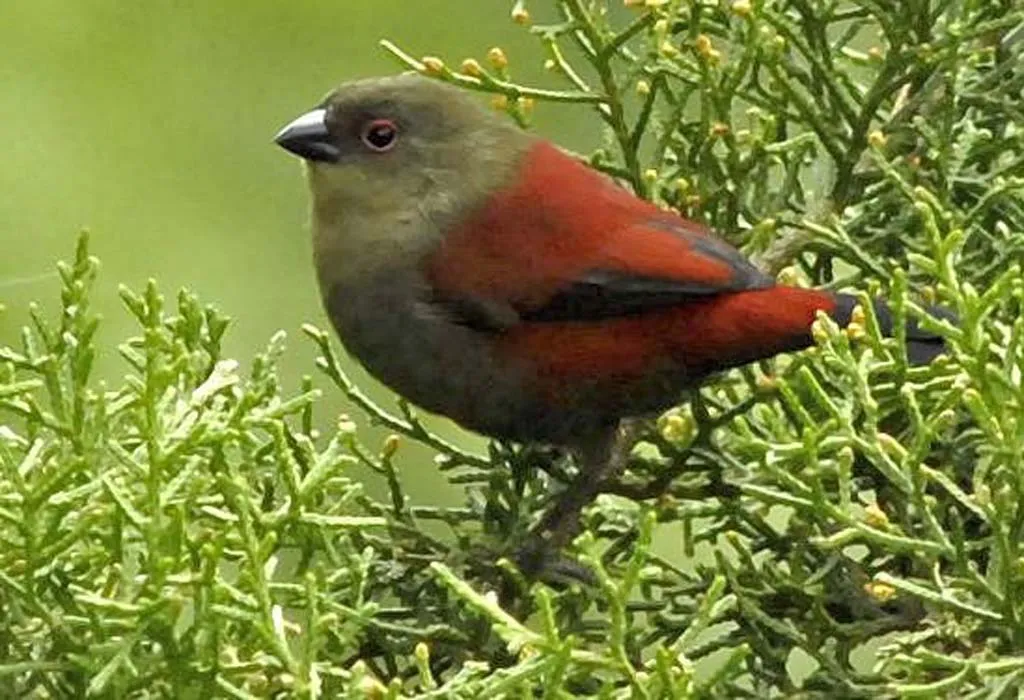
Birders flock to Bwindi’s various sectors, such as Ruhija and Buhoma, to seek out species like the striking Green Broadbill, a jewel of the forest understory, or the elusive African Green Broadbill. Other highly coveted endemics include the Handsome Francolin, Regal Sunbird, Kivu Ground Thrush, Grauer’s Rush Warbler, and the strange, localized Shelley’s Crimsonwing. The sheer effort required to navigate Bwindi’s challenging terrain is richly rewarded by the sight of these unique birds, often found amidst the same pristine habitats as the mountain gorillas. Integrating a gorilla trekking experience with dedicated birding days in Bwindi offers a holistic immersion into one of Africa’s most biodiverse and breathtaking ecosystems, providing memories that will last a lifetime.
Queen Elizabeth and Murchison for Wetland Birds
Moving from the dense montane forests, Uganda’s vast savannas and extensive wetland systems in Queen Elizabeth National Park and Murchison Falls National Park offer a dramatic shift in avian communities, specializing in a phenomenal array of waterbirds and savanna species. Queen Elizabeth, with its diverse habitats ranging from open savanna to humid forests and numerous crater lakes, boasts one of the highest bird counts of any protected area in Africa, exceeding 600 species.
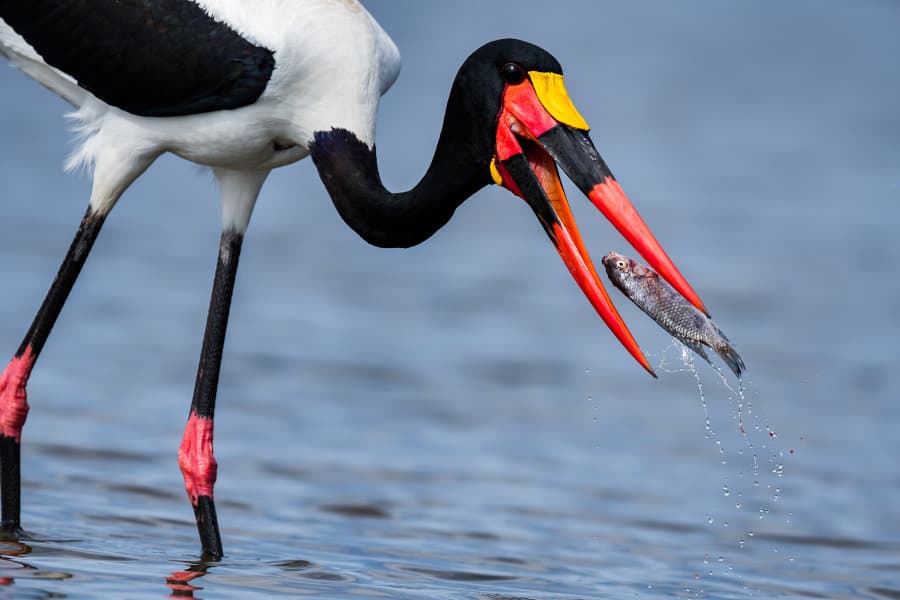
The Kazinga Channel, which connects Lake Edward and Lake George, is a true birder’s paradise. A boat safari here reveals incredible concentrations of African Skimmers, various species of kingfishers (Pied, Malachite, Giant), African Fish Eagles, pelicans, cormorants, and storks, often numbering in the thousands. Murchison Falls National Park, bisected by the mighty Nile River, offers equally spectacular wetland birding. The delta where the Nile flows into Lake Albert is another prime location for the Shoebill, alongside Saddle-billed Storks, Goliath Herons, and a plethora of migratory waders. The savanna grasslands of both parks also host an impressive array of raptors, bustards, and francolins, making every game drive a dual opportunity for both big game and fantastic bird sightings. The sheer scale and spectacle of birdlife in these parks are truly awe-inspiring, showcasing the incredible productivity of Uganda’s aquatic environments.
Kibale and Semuliki for Forest Species
For those seeking the deep forest specialists, Kibale National Park and Semuliki National Park present distinct yet equally rewarding opportunities. Kibale, famed as the “Primate Capital of the World” for its chimpanzee trekking, is also a crucial birding destination, protecting one of Africa’s most ancient and diverse rainforests. The park’s extensive forest cover supports a rich avifauna, including many species difficult to find elsewhere. The highlight for many birders here is the quest for the dazzling Green-breasted Pitta, a notoriously shy and stunningly colorful bird that requires patience and a skilled guide to locate.
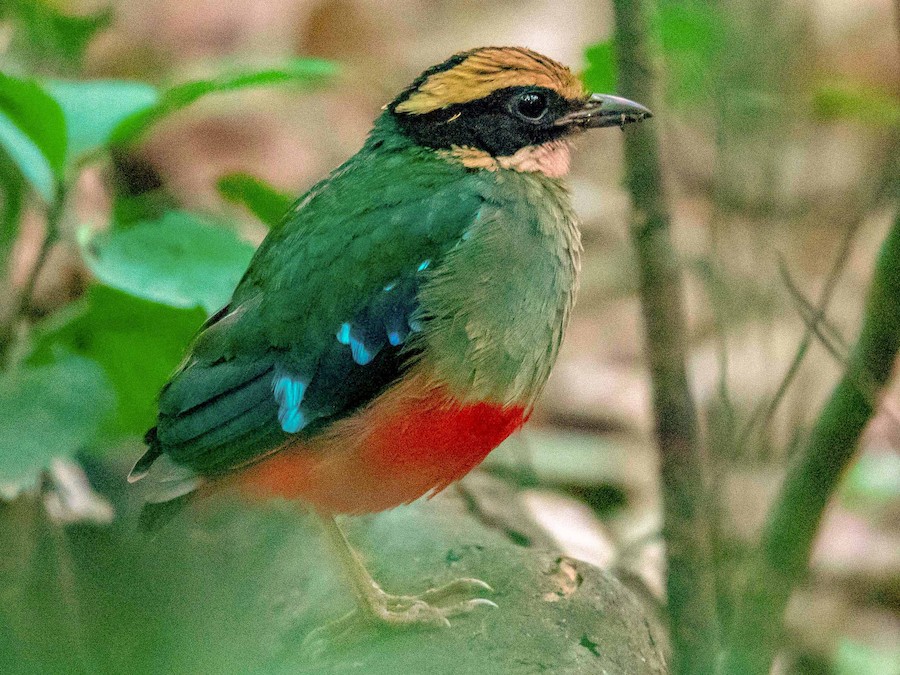
Other Kibale specials include various turacos, hornbills, and barbets, such as the Great Blue Turaco, African Pitta, and the White-naped Pigeon. Semuliki National Park, lying in the western arm of the Great Rift Valley, represents a unique extension of the Ituri Forest from the Congo Basin into East Africa. This lowland rainforest habitat means it hosts numerous Central African species not found in other Ugandan parks. Semuliki is a must for species like the Congo Serpent Eagle, Long-tailed Hawk, and the elusive Spot-breasted Ibis. The park also boasts a remarkable diversity of hornbills, including the Black-wattled Hornbill and the Red-billed Dwarf Hornbill, making it a truly distinct and vital component of any comprehensive Ugandan birding itinerary. The atmospheric forest walks in both parks, accompanied by the calls of unseen birds, create an immersive experience unlike any other.
Best Time and Seasonal Bird Movements
Uganda is a fantastic birding destination year-round, but specific seasons offer distinct advantages depending on your target species and preferences. Generally, the dry seasons are considered optimal for birding. These run from December to February and again from June to August. During these periods, rainfall is minimal, making forest trails more accessible and driving conditions better. Water levels in swamps and rivers are lower, concentrating birds around remaining water sources and making them easier to spot. Furthermore, many resident species are actively breeding during these dry months, displaying vibrant breeding plumages and engaging in conspicuous courtship rituals.
Conversely, the wet seasons, typically from March to May and September to November, bring their own unique rewards. While some roads may be challenging, these months are characterized by the arrival of numerous Palearctic and intra-African migratory birds, significantly swelling the species count. The forests are lush, and many resident species are also breeding, offering excellent opportunities for observing nesting behavior and fledglings. The “shoulder seasons” at the start or end of the dry periods often combine the best of both worlds – fewer tourists, good bird activity, and manageable weather. Ultimately, the “best” time depends on your specific avian targets and tolerance for varying weather conditions, but with an expert Ripple Safaris guide, incredible birding is always achievable.
Building a Birding Safari Itinerary
Crafting the perfect birding safari in Uganda involves a careful balance of diverse habitats, target species, and logistical considerations. While I cannot provide a day-by-day itinerary, the key is to design a journey that efficiently connects the country’s prime birding hotspots. A well-rounded safari typically begins by targeting the iconic Shoebill in the wetlands near Entebbe or Murchison Falls. From there, one might venture west to the Albertine Rift, spending ample time in Bwindi for its endemics and the optional gorilla trekking, then moving north through Queen Elizabeth for its savanna and waterbird spectacle.
Integrating Kibale and Semuliki into the itinerary allows for a deep dive into forest birding, capturing species unique to these ecosystems. The beauty of Uganda is its ability to seamlessly combine world-class birding with other iconic wildlife experiences, such as chimpanzee tracking and traditional game drives for elephants, lions, and leopards. An expert birding guide is absolutely indispensable, possessing not only the knowledge to identify the myriad species by sight and call but also the skill to navigate the terrain and interpret avian behavior. The duration of your safari will dictate how many regions you can explore comprehensively, but even a two-week trip can yield an astonishing species list, proving Uganda’s status as a truly exceptional birding paradise.
Frequently Asked Questions
What is the total number of bird species found in Uganda?
Uganda boasts an astonishingly rich avifauna, with over 1,090 recorded bird species. This remarkable figure represents more than 50% of all bird species found on the African continent, underscoring its unparalleled biodiversity.
This high species count is attributed to Uganda’s unique position at the convergence of several major biogeographical zones, including savanna, lowland rainforest, and montane ecosystems, providing a vast array of habitats for diverse avian communities.
Are Shoebill sightings guaranteed in Uganda?
While no wildlife sighting can ever be 100% guaranteed due to the unpredictable nature of wild animals, Uganda offers some of the most reliable Shoebill Stork sightings in Africa. Locations like Mabamba Bay Wetland consistently report high success rates, often exceeding 85% with experienced guides.
The success depends heavily on the expertise of your local guide, who understands the Shoebill’s preferred habitats and behaviors. Patience and multiple attempts in known hotspots significantly increase your chances of encountering this magnificent and elusive bird.
What special equipment is recommended for a birding safari in Uganda?
Essential equipment for a Ugandan birding safari includes a good pair of binoculars (8×42 or 10×42 are ideal) and a spotting scope with a sturdy tripod for distant observations, especially of waterbirds and raptors.
Additionally, a reliable field guide specific to East Africa, a camera with a telephoto lens for photography, and comfortable, sturdy walking shoes for forest trails are highly recommended. Don’t forget a waterproof bag for electronics and lightweight, neutral-colored clothing.
Can I combine birding with gorilla trekking in Uganda?
Absolutely, combining birding with gorilla trekking is one of the most popular and rewarding aspects of a Ugandan safari. Bwindi Impenetrable National Park, home to both mountain gorillas and a significant number of Albertine Rift endemics, is the perfect place for this integration.
Many birders dedicate specific days to intense birding within Bwindi’s various sectors, then allocate a separate day for the unforgettable gorilla trekking experience. This allows for a comprehensive exploration of the forest’s unique biodiversity, catering to both primate and avian interests.
What are the main challenges for birders in Uganda’s forests?
Birding in Uganda’s dense forests, such as Bwindi or Kibale, presents unique challenges primarily due to the thick vegetation, which can make spotting difficult, and the often steep, muddy trails, requiring a good level of physical fitness.
Additionally, forest birds can be highly elusive and often remain high in the canopy, making the expertise of a local guide invaluable for identifying species by their calls and locating them within the dense foliage. Humidity and insects can also be factors, so appropriate clothing and repellent are crucial.
Is Uganda safe for birding tourists?
Uganda is generally considered a safe and welcoming destination for tourists, including birders. The national parks and major tourist areas are well-protected, and the local communities are accustomed to visitors, often benefiting directly from tourism.
As with any travel, it’s always wise to exercise standard precautions, such as keeping valuables secure and following the advice of your safari operator and guides. Reputable companies like Ripple Safaris prioritize client safety, ensuring all logistical arrangements and activities adhere to the highest security standards.