Imagine a force so immense it carves its way through a mere seven-meter gorge, unleashing the full might of the Nile River in a spectacular, thundering cascade. This is Murchison Falls, the pulsating heart of Uganda’s largest and oldest national park. Beyond the sheer power of the waterfall itself lies a vast, vibrant wilderness teeming with life, a landscape where savannah meets riverine forest, and the Big Five roam freely. This guide invites you to explore Murchison’s unparalleled contrasts, from the raw energy of the falls to the serene majesty of its wildlife, preparing you for an adventure into one of Africa’s most compelling safari destinations.
Murchison Falls National Park offers an immersive experience that transcends the ordinary safari. It’s a place where every dawn brings a new discovery, where the ancient rhythms of nature are palpable, and where the untamed spirit of Africa truly thrives. We delve into the core experiences that define a Murchison safari, providing insights to help you navigate this extraordinary realm and connect with its wild essence.
The Power and Scale of Murchison Falls
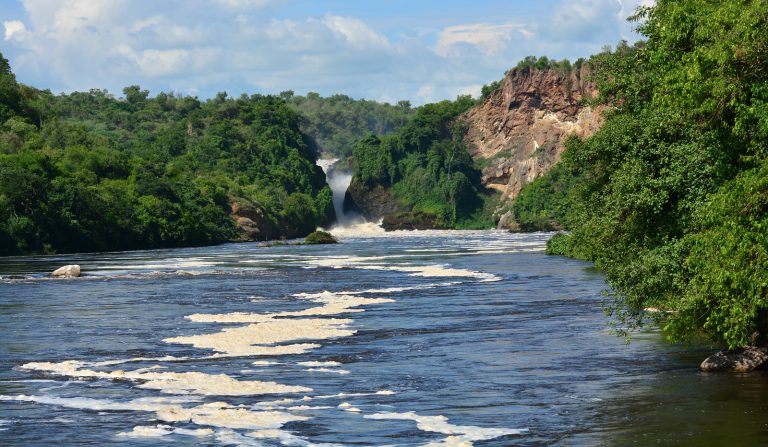
The very name of Murchison Falls conjures images of raw, untamed power, and the reality far exceeds any expectation. Here, the mighty River Nile, having traversed thousands of kilometers from its source, compresses itself into an impossibly narrow chasm, just seven meters wide, before plunging 43 meters down into the Albertine Rift Valley. The sheer volume of water—an estimated 300 cubic meters per second—forces its way through this geological bottleneck, creating an explosive roar that echoes across the landscape and a perpetual mist that paints rainbows in the sunlight.
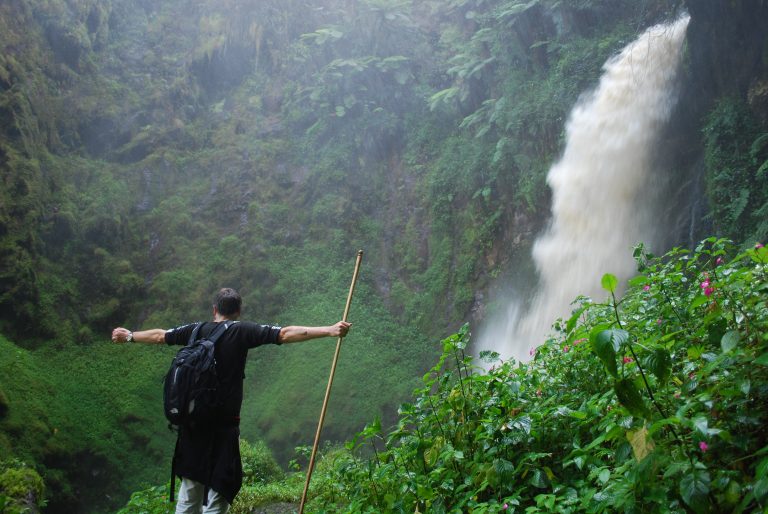
Standing at the top of the falls, you don’t just see the power; you feel it vibrating through the earth beneath your feet. The ground trembles slightly, and the air is charged with energy. This dramatic spectacle is not merely a sight but an immersive sensory experience, a testament to nature’s formidable strength and an awe-inspiring reminder of the planet’s dynamic forces. The geological history etched into the rock faces tells a story of millennia, of water patiently carving its path through ancient strata, culminating in this magnificent display.
The Murchison Falls itself is a crucial element in the park’s ecosystem, acting as a natural barrier that separates the aquatic life upstream from that downstream, contributing to the unique biodiversity found throughout the park. It’s a focal point, drawing both human visitors and wildlife to its vicinity, creating a vibrant hub of activity that embodies the spirit of Uganda’s wilderness.
Game Drives: Delta and Buligi Sectors
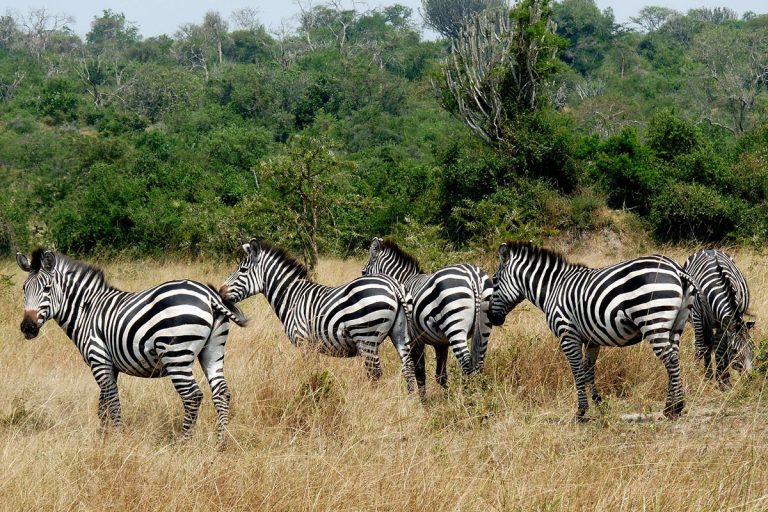
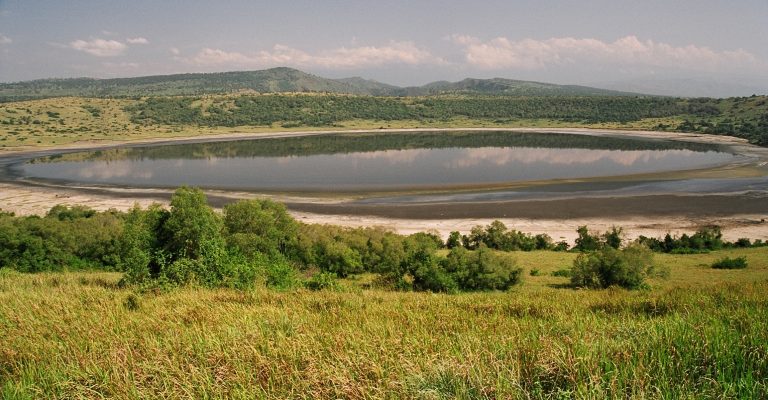
The vast savannah plains of Murchison Falls National Park offer some of Uganda’s most rewarding game viewing opportunities, primarily concentrated in the Delta and Buligi sectors north of the Nile. These expansive grasslands, interspersed with acacia woodlands and riverine thickets, provide a perfect habitat for a diverse array of wildlife, making every game drive an unpredictable adventure into the wild heart of Africa. Early morning and late afternoon drives are particularly productive, as predators are most active and the light bathes the landscape in a golden glow.
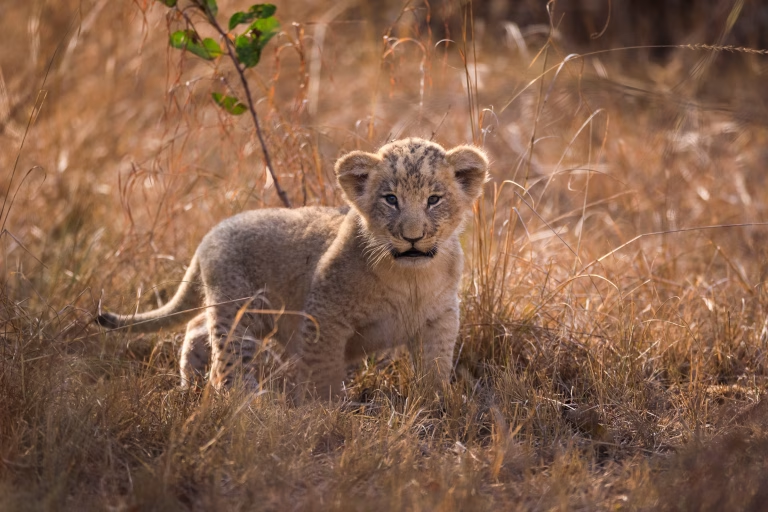
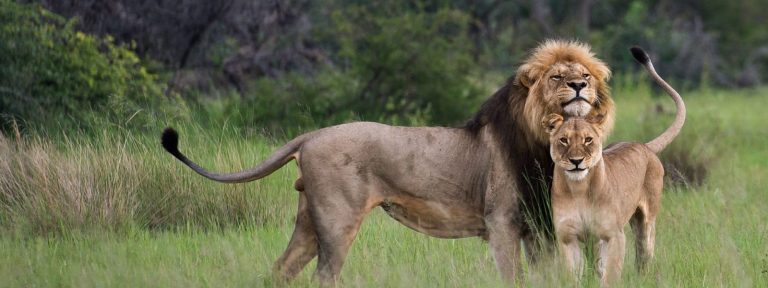
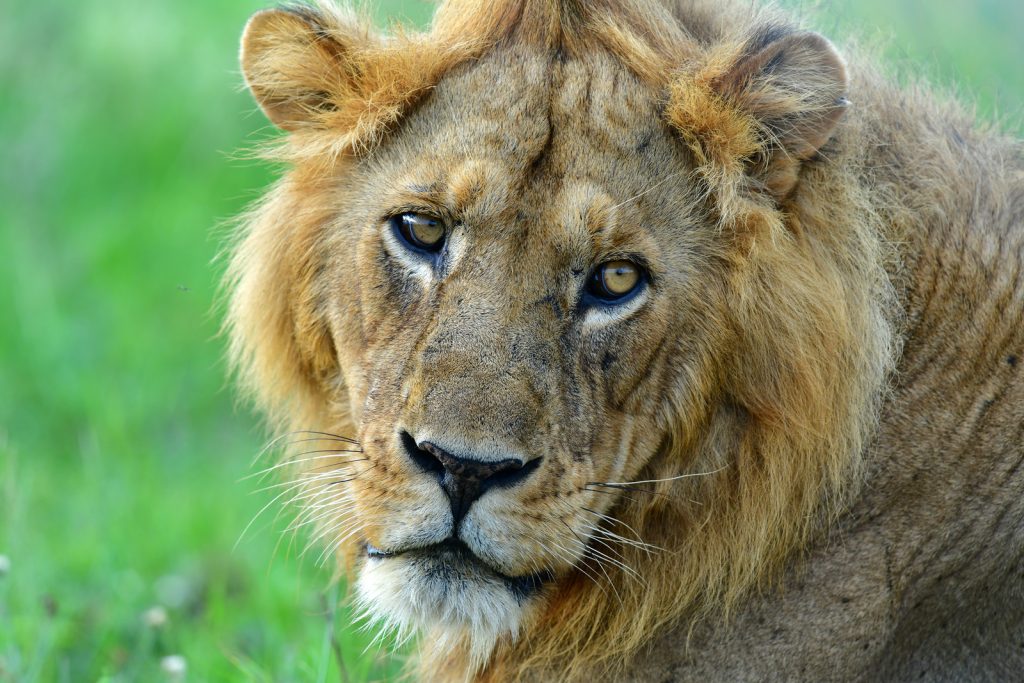
The Buligi sector, stretching towards Lake Albert, is renowned for its excellent predator sightings. Here, lions are frequently encountered, often resting under acacia trees or stalking their prey across the open plains. Leopards, though more elusive, are also present, their camouflaged forms occasionally spotted draped over branches. Herds of elephants, majestic and ponderous, move gracefully through the grasslands, while Cape buffalo graze in large numbers, their formidable presence undeniable. Giraffes, with their elegant long necks, browse on the taller trees, providing iconic safari photographic moments.
Further west, the Delta sector, where the Nile empties into Lake Albert, presents a slightly different ecosystem. This area is characterized by its palm-lined grasslands and extensive wetlands, attracting a wealth of water-dependent species. It’s an excellent place to spot the rare Shoebill Stork, alongside various antelopes like the Uganda kob, Jackson’s hartebeest, and oribi. The confluence of the river and lake creates a unique environment, often resulting in spectacular concentrations of wildlife, particularly during the dry season when animals gather around water sources. Expert guides, intimately familiar with the park’s intricacies, are essential for tracking these magnificent creatures and interpreting their behaviors, transforming a simple drive into an educational and thrilling expedition.
The Nile Boat Trip to the Falls Base
While the view from the top of Murchison Falls is undeniably spectacular, a boat trip up the Nile to the base of the falls offers an entirely different, equally captivating perspective. This three-hour cruise, departing from Paraa, is arguably one of Africa’s most iconic water-based safari experiences, immersing you in the heart of the park’s aquatic ecosystem and bringing you face-to-face with its vibrant riverine life. The journey upstream is a leisurely exploration, allowing for incredible photographic opportunities and close encounters with a myriad of species.
As the boat glides along the tranquil waters of the Nile, you’ll witness an astonishing concentration of hippos, their massive forms submerged in the shallows, occasionally surfacing with a snort or a yawn. Crocodiles, ancient and formidable, bask lazily on sandbanks, their prehistoric eyes scanning the surroundings. The riverbanks are a canvas of activity, with elephants coming down to drink and bathe, buffalo wallowing in muddy pools, and a kaleidoscope of birdlife flitting amongst the reeds and trees. Skimmers, kingfishers, African fish eagles, and saddle-billed storks are just a few of the avian wonders you might encounter, making it a birdwatcher’s paradise even before reaching the main event.
The climax of the journey is the approach to the falls. The roar, initially a distant rumble, grows steadily louder, building anticipation. As the boat draws closer, the sheer scale and power of the waterfall become overwhelmingly apparent. The mist from the crashing water envelops you, and the force of the Nile, funneling through the narrow gorge, is a truly humbling sight. Viewing Murchison Falls from its base provides an intimate appreciation for its majesty, feeling the spray on your face and witnessing the raw energy of the world’s most powerful waterfall up close. It’s a moment that stays with you long after you’ve returned to shore, a profound connection to the untamed spirit of Uganda.
Elephant Country: Uganda’s Largest Herds
Murchison Falls National Park stands as a vital sanctuary for African elephants, boasting Uganda’s largest population of these magnificent pachyderms. The park’s diverse habitats, from the open savannahs of the north to the dense woodlands and riverine forests, provide an ideal environment for these intelligent and social creatures to thrive. Witnessing a large herd of elephants moving gracefully across the plains, their ancient wisdom etched into their eyes, is a truly profound safari experience that encapsulates the essence of the African wilderness.
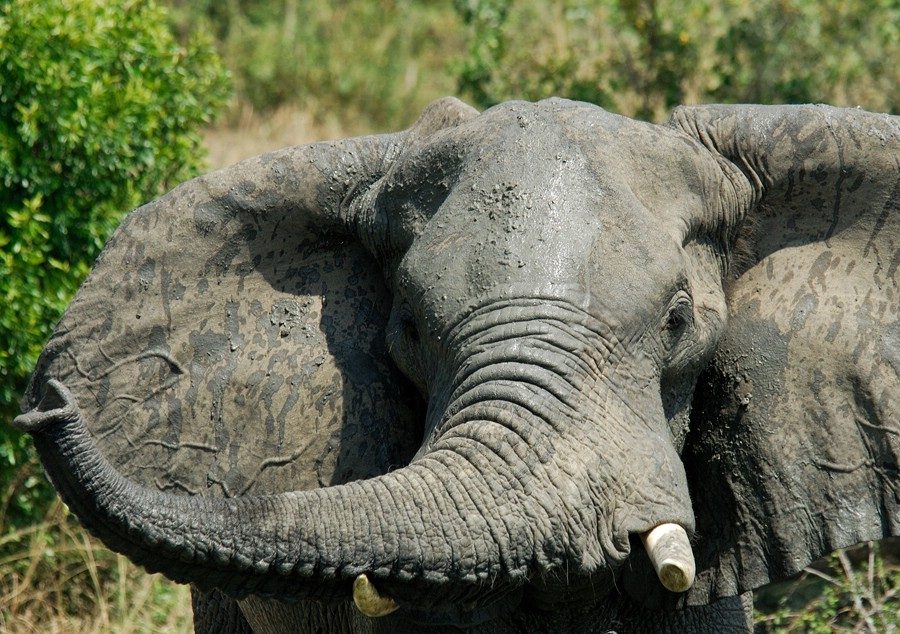
Game drives in the Buligi and Delta sectors frequently yield sightings of these gentle giants. You might observe matriarchal herds, comprising mothers, calves, and sub-adults, foraging for grasses and leaves, their intricate social bonds evident in their interactions. Bulls, often solitary or in small bachelor groups, can be seen traversing the landscape, sometimes engaging in impressive displays of strength. The Nile River itself plays a crucial role in sustaining these herds, providing a constant source of water for drinking and bathing, and often offering spectacular scenes of elephants cooling off in the shallows.
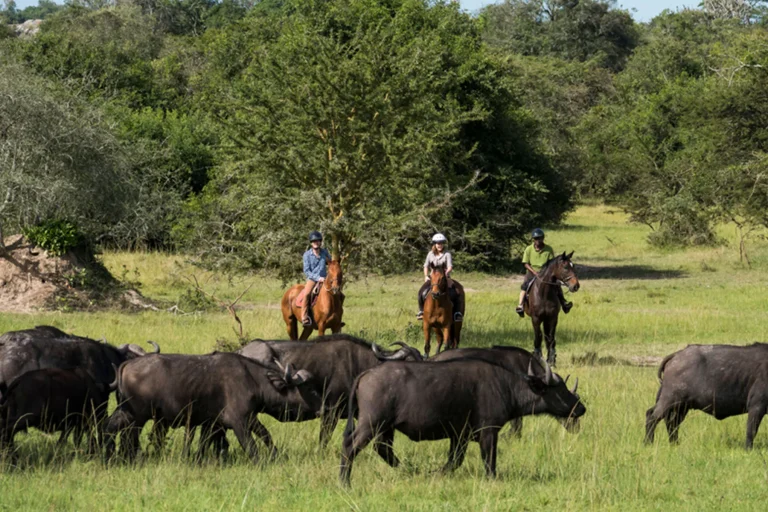
The recovery of Murchison’s elephant population, after periods of severe poaching, is a testament to dedicated conservation efforts and the resilience of nature. Today, the park is a stronghold for these iconic animals, offering unparalleled opportunities to observe them in their natural habitat. Beyond elephants, Murchison is also prime territory for substantial herds of Cape buffalo, another member of the Big Five, whose imposing presence adds to the grandeur of the park’s large mammal population. Their interactions with other wildlife, and their sheer numbers, contribute significantly to the park’s reputation as a premier destination for big game viewing.
Chimpanzee Tracking in Budongo Forest
While Murchison Falls National Park is celebrated for its savannah wildlife and the mighty Nile, an equally compelling primate experience awaits within the park’s southern reaches: chimpanzee tracking in the ancient Budongo Forest. As East Africa’s largest mahogany forest, Budongo offers a stark contrast to the open plains, providing a dense, verdant canopy that is home to a significant population of our closest relatives. This immersive forest trek allows for an intimate encounter with chimpanzees, offering a profound insight into their complex social structures and fascinating behaviors.
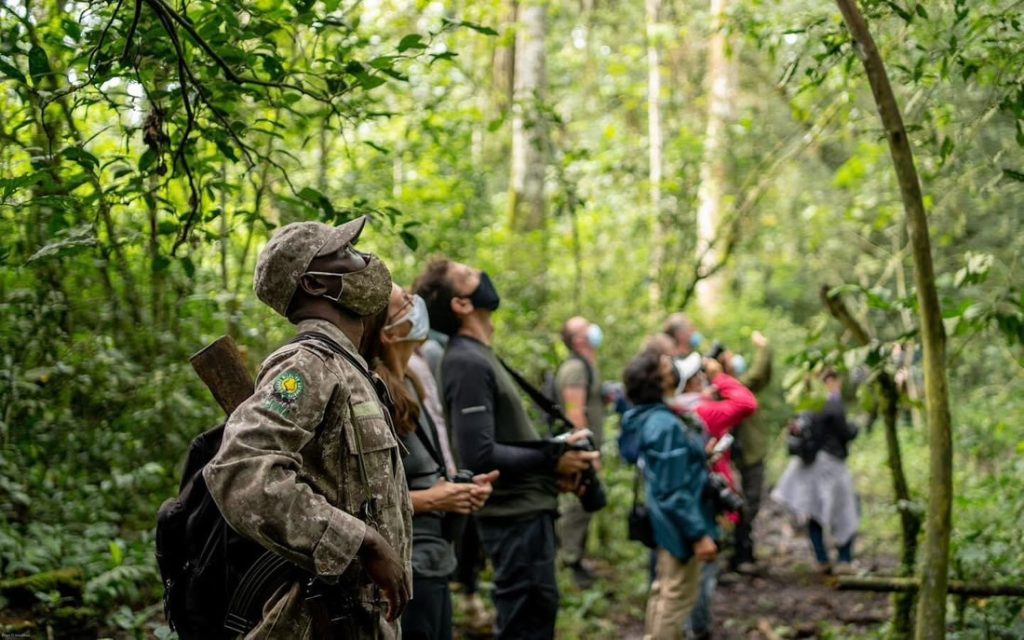
The chimpanzee tracking experience typically begins with a briefing at the Kaniyo Pabidi or Busingiro eco-tourism sites, where experienced guides provide insights into chimpanzee etiquette and the forest’s ecosystem. Venturing into the forest, you follow trails guided by the sounds of the chimps – their hoots, calls, and drum-like bangs on tree buttresses. The trek can be challenging, involving navigating uneven terrain and dense undergrowth, but the reward of finding a chimpanzee community is immeasurable. Watching them groom each other, play, feed, and interact within their natural habitat is a truly captivating and humbling experience.
Budongo Forest is not solely about chimpanzees; it is a biodiversity hotspot in its own right. Beyond the chimps, the forest teems with other primate species, including black-and-white colobus monkeys, red-tailed monkeys, and blue monkeys, adding to the richness of the tracking experience. The forest floor and canopy are also home to an incredible array of birds, butterflies, and smaller mammals, making every step through this ancient woodland an opportunity for discovery. This chimpanzee tracking adventure complements the traditional game drives and boat trips, offering a holistic view of Murchison Falls National Park’s diverse ecosystems and its incredible wildlife.
Shoebill Stork and Birding Excellence
For dedicated ornithologists and casual birdwatchers alike, Murchison Falls National Park is a veritable paradise, boasting an impressive checklist of over 450 bird species. Among these, one stands out as a true avian celebrity: the elusive and prehistoric-looking Shoebill Stork. This magnificent bird, with its enormous, shoe-shaped bill and piercing gaze, is a highly sought-after sighting, and Murchison Falls offers some of the best opportunities in Africa to encounter it in its natural habitat.
The papyrus swamps and shallow waters of the Albert Delta are the prime locations for spotting the Shoebill. A specialized boat trip into these quiet, reedy waterways, often undertaken in the early morning, provides the best chance. The Shoebill is a solitary and patient hunter, often remaining motionless for long periods, waiting for fish to surface. Its incredible camouflage and stillness make it a challenge to spot, adding to the thrill of a successful sighting. Observing this unique creature in its natural environment is a highlight for many visitors, a testament to the park’s untouched wilderness.
Beyond the Shoebill, Murchison’s diverse landscapes support a phenomenal variety of avian life. The open savannahs are home to ground hornbills, Secretary birds, and various raptors like the martial eagle. The riverine forests and acacia woodlands teem with vibrant species such as the red-throated bee-eater, grey crowned crane, and various kingfishers. The Nile itself is a haven for waterbirds, from African fish eagles soaring overhead to goliath herons wading in the shallows. Whether you’re an experienced birder with a life list or simply appreciate the beauty of feathered creatures, Murchison Falls National Park delivers an exceptional and diverse birding experience, revealing another layer of its rich biodiversity.
Getting There and Lodge Options
Accessing the wild heart of Murchison Falls National Park is an adventure in itself, with options catering to different preferences and budgets. The most common route is a scenic road trip from Kampala or Entebbe, a journey that typically takes 5-6 hours. This drive allows you to witness the changing Ugandan landscape, passing through rural villages and lush countryside. For those seeking a quicker and more convenient option, domestic flights operate from Entebbe International Airport to airstrips within or near the park, such as Pakuba or Chobe, significantly reducing travel time and offering breathtaking aerial views of the Nile and surrounding wilderness.
Once inside the park, a range of accommodation options awaits, each offering a unique experience. Lodges are primarily situated on both the north and south banks of the Nile, with the river serving as a natural divide. The north bank, being closer to the prime game viewing areas of the Buligi and Delta sectors, often provides easier access for early morning game drives. Here, you’ll find a mix of luxury tented camps and comfortable lodges, many offering stunning views of the river and its wildlife. These include establishments that provide an authentic safari atmosphere with modern comforts, often featuring swimming pools, spacious dining areas, and private verandas.
The south bank, while requiring a ferry crossing to access the northern game areas, is home to the Budongo Forest and its chimpanzee tracking opportunities, as well as several excellent lodges. These accommodations range from opulent, high-end retreats offering exquisite service and amenities to more mid-range options that provide excellent value without compromising on comfort or location. Ripple Safaris can assist in tailoring the perfect lodge choice to match your style, budget, and desired safari activities, ensuring your stay enhances your overall Murchison Falls experience. Whether you prefer the rustic charm of a tented camp or the refined luxury of a lodge, Murchison provides a comfortable base from which to explore its untamed wonders.
Frequently Asked Questions
What is the best time of year to visit Murchison Falls National Park?
The dry seasons, from December to February and June to September, are generally considered the best times to visit Murchison Falls National Park. During these months, the vegetation is less dense, making wildlife spotting easier, and animals tend to congregate around water sources like the Nile River.
While the dry season offers optimal game viewing, the wet seasons (March to May and October to November) bring lush green landscapes and are excellent for birdwatching, with migratory birds present. Travel during these periods might involve occasional muddy roads, but the park remains accessible and offers a different kind of beauty.
Can I see the Big Five in Murchison Falls National Park?
Murchison Falls National Park offers excellent opportunities to spot four of the Big Five: lions, leopards, elephants, and buffalo. These iconic species are regularly encountered during game drives in the park’s northern sectors, particularly in Buligi and the Delta.
For the fifth member, the rhinoceros, you would need to visit the Ziwa Rhino and Wildlife Ranch, a sanctuary located en route to Murchison Falls. A stop here allows for a full Big Five experience, completing your comprehensive Ugandan safari adventure.
How long should I plan to stay at Murchison Falls for a comprehensive safari?
For a comprehensive and unhurried Murchison Falls safari, a stay of at least 3 to 4 nights is highly recommended. This duration allows ample time for multiple game drives, the iconic boat trip to the falls, and a chimpanzee tracking excursion in Budongo Forest without feeling rushed.
A longer stay provides flexibility to revisit favorite game viewing areas, enjoy relaxing moments at your lodge, and fully absorb the tranquility and wildness of the park. It also accounts for potential delays or unexpected wildlife sightings that might extend activity times.
Is Murchison Falls National Park suitable for families with children?
Yes, Murchison Falls National Park is an excellent safari destination for families with children, offering a wide range of engaging activities. Game drives are thrilling for all ages, and the boat trip to the falls is particularly captivating, with abundant hippos, crocodiles, and birds to spot.
Many lodges are family-friendly, offering amenities like swimming pools and spacious family rooms. For chimpanzee tracking, there might be age restrictions (typically 15 years old), but other activities are generally suitable for younger adventurers, creating lasting memories for the whole family.
What kind of clothing and gear should I pack for a Murchison Falls safari?
For a Murchison Falls safari, pack lightweight, breathable clothing in neutral colors (khaki, olive green, brown) to blend in with the environment and minimize insect attraction. Long sleeves and trousers are advisable for evenings to protect against mosquitoes, along with a wide-brimmed hat for sun protection during the day.
Essential gear includes sturdy, comfortable walking shoes or boots, binoculars for wildlife viewing, a good camera with extra batteries, and insect repellent. Don’t forget sunscreen, sunglasses, a small backpack for day trips, and a light jacket or fleece for cooler mornings and evenings.
Are there opportunities for walking safaris or cultural experiences?
While traditional walking safaris within the main game viewing areas are generally not permitted for safety reasons, guided nature walks are available in specific areas like the top of Murchison Falls and within the Budongo Forest. These walks offer a chance to appreciate the smaller flora and fauna and the unique ecosystems up close.
For cultural immersion, visits to local communities surrounding the park can often be arranged. These experiences provide insight into the lives and traditions of the local people, offering a different perspective on Uganda beyond its wildlife and contributing to community-based tourism initiatives.