
For many, the mention of Rwanda immediately conjures images of the magnificent mountain gorillas, shrouded in the misty forests of Volcanoes National Park. Indeed, the privilege of observing these gentle giants in their natural habitat is an unparalleled experience, a true jewel in Africa’s crown. However, to limit one’s perception of Rwanda to merely gorilla trekking would be to overlook an extraordinary tapestry of biodiversity and conservation success stories that are rapidly redefining the nation’s standing as a premier wildlife destination. Rwanda is a country that has meticulously cultivated its natural heritage, offering discerning travelers an incredibly diverse and rewarding safari experience that extends far beyond the iconic primates.
As a seasoned safari specialist, I’ve witnessed Rwanda’s remarkable transformation firsthand. It’s a nation that has not only healed from its past but has channeled immense dedication into ecological restoration and sustainable tourism. This commitment has led to the flourishing of ecosystems previously thought to be diminished, bringing back a vibrant array of wildlife to its national parks. From the sprawling savannas of Akagera, teeming with the Big Five, to the ancient, emerald canopies of Nyungwe Forest, home to chimpanzees and a dizzying array of other primates, Rwanda invites exploration into its deeper, wilder heart. This guide aims to illuminate these lesser-known, yet equally captivating, facets of a Rwandan safari, encouraging a more comprehensive and enriching journey through the Land of a Thousand Hills.
Rwanda’s Wildlife Story Beyond the Gorillas
Rwanda’s narrative in the realm of wildlife conservation is nothing short of inspirational. Following years of ecological degradation and conflict, the country embarked on an ambitious journey to restore its natural patrimony. This commitment has manifested in robust anti-poaching measures, community involvement, and strategic reintroductions of key species, fundamentally altering the landscape of its national parks. While the mountain gorillas remain a powerful emblem, they are now part of a much broader, richer ecological story that speaks volumes about the nation’s resolve and vision.
The foresight applied to conservation in Rwanda has ensured that its protected areas are not merely sanctuaries but thriving, dynamic ecosystems. This diligent stewardship has allowed for the dramatic resurgence of wildlife populations, providing exceptional opportunities for visitors to witness a full spectrum of African fauna in meticulously managed environments. The ease of travel within Rwanda, coupled with its commitment to high-value, low-impact tourism, positions it uniquely as a destination where diverse wildlife encounters are not only possible but seamlessly integrated into a single, cohesive safari circuit. It is this evolving narrative, beyond the mist-shrouded peaks, that truly defines the modern Rwandan safari experience.
Akagera National Park: The Big Five Return
Akagera National Park stands as a testament to Rwanda’s unparalleled conservation efforts, a remarkable comeback story that has seen the park transform from a depleted landscape into a thriving Big Five destination. Located in eastern Rwanda, along the border with Tanzania, Akagera offers a striking contrast to the country’s mountainous west. Here, rolling savannas, acacia woodlands, and a network of lakes and papyrus swamps create a diverse habitat, supporting an incredible array of wildlife that once faced local extinction.
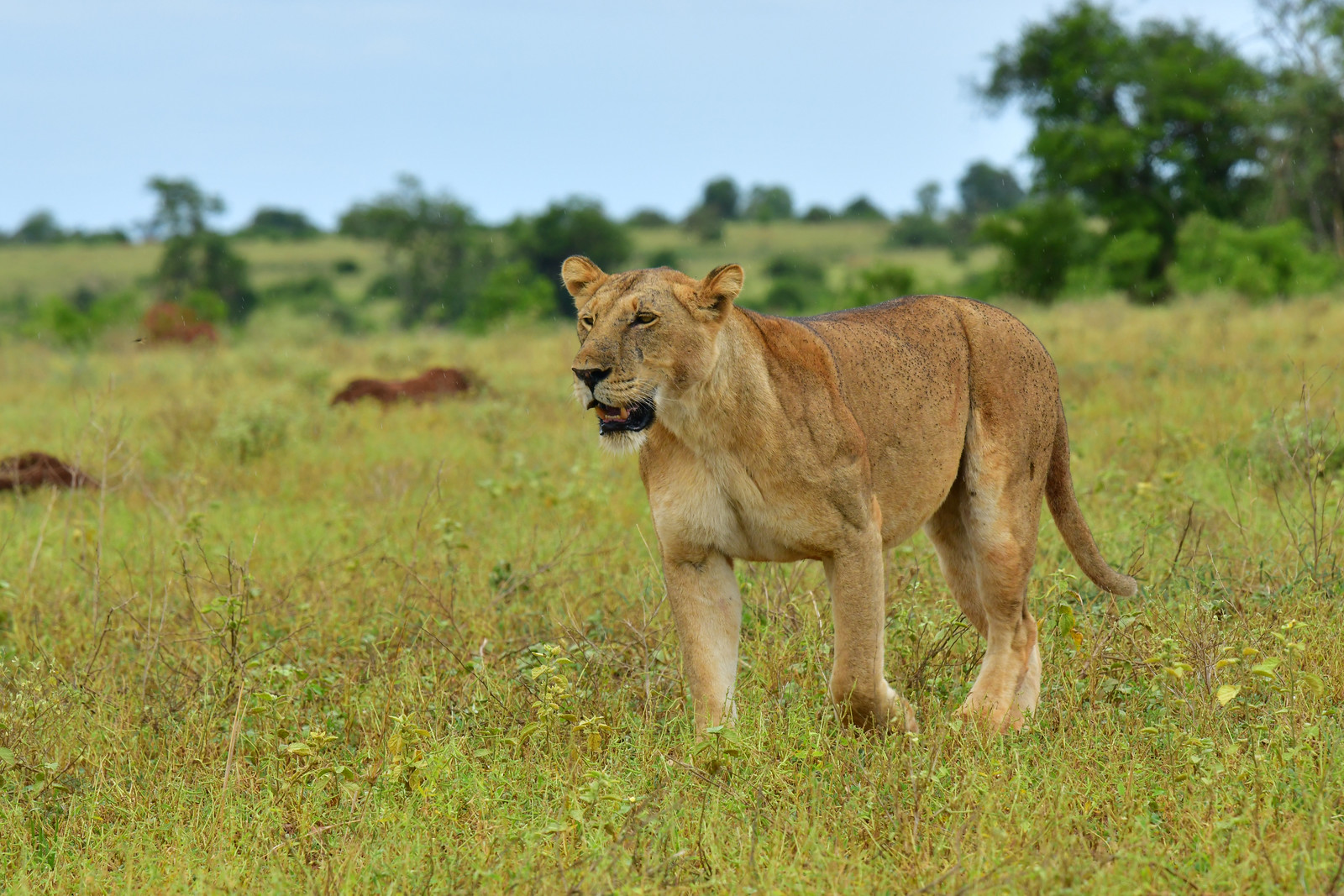
The crowning achievement in Akagera has been the successful reintroduction of lions in 2015 and black rhinos in 2017, completing the park’s Big Five roster. These pivotal reintroductions, coupled with rigorous protection and monitoring, have allowed these iconic species to flourish once more. Today, visitors can embark on thrilling game drives, encountering not only lions and rhinos but also significant populations of elephants, buffalo, and leopards, often elusive but always a prized sighting. The park’s diverse topography means that game viewing is dynamic, with different areas revealing distinct animal communities.
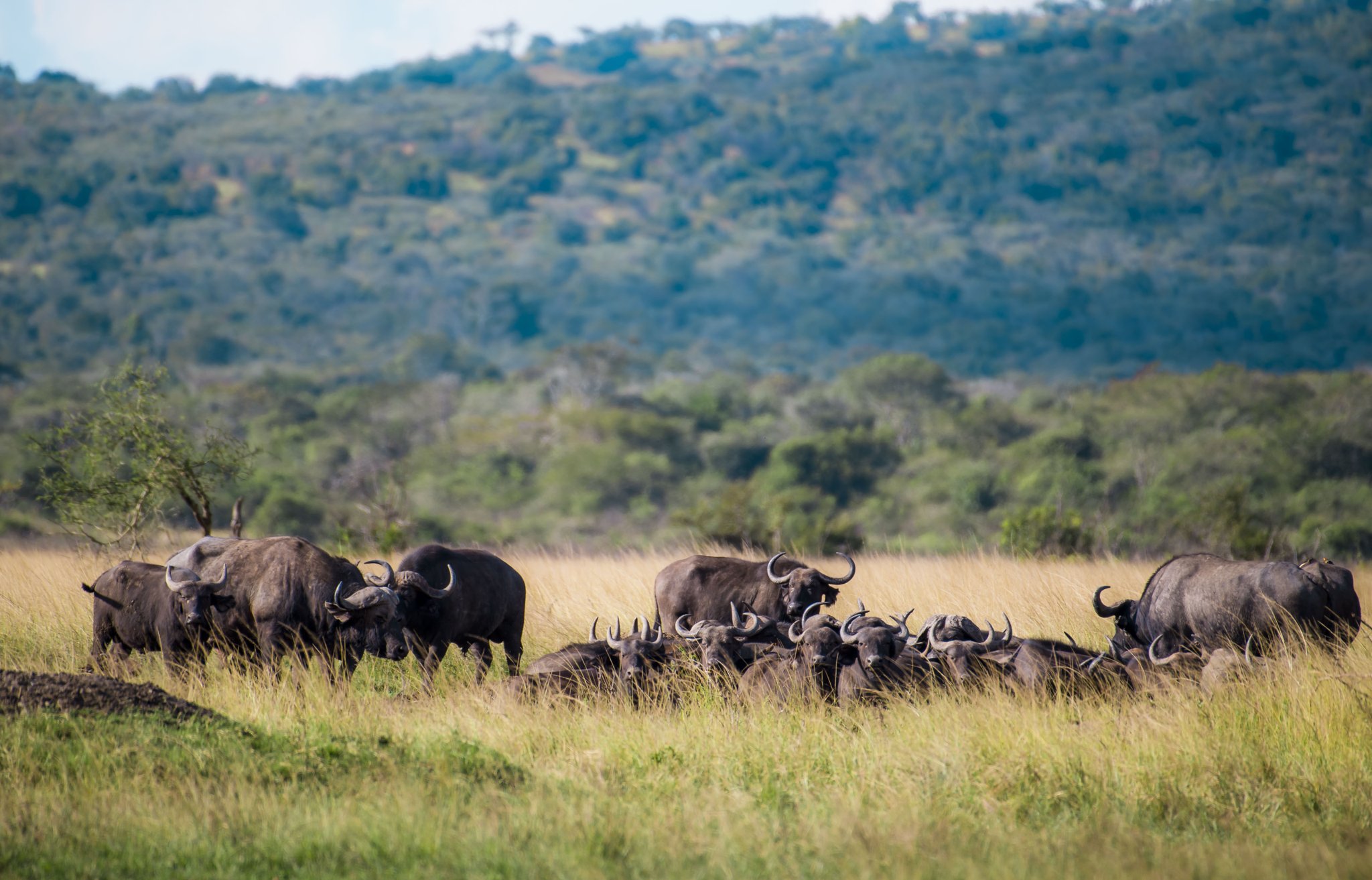
Beyond the Big Five, Akagera teems with other fascinating species. Large herds of giraffes gracefully traverse the plains, while various antelope species such as impala, topi, eland, and roan add to the savanna spectacle. The park’s numerous lakes and wetlands are a haven for hippos and crocodiles, frequently spotted basking on the shores or submerged in the cool waters. A boat safari on Lake Ihema offers a unique perspective, bringing you closer to these aquatic giants and providing exceptional birdwatching opportunities, with over 500 species recorded, including the elusive shoebill stork. Akagera is a vibrant, living example of how dedicated conservation can truly restore an ecosystem to its former glory, offering a classic East African safari experience within Rwanda’s compact borders.
Nyungwe Forest: Colobus Colonies and Chimps
Journeying southwest from Kigali, the landscape dramatically shifts as you approach Nyungwe Forest National Park, an ancient montane rainforest of unparalleled biodiversity. This vast, emerald expanse, one of Africa’s oldest and best-preserved rainforests, is a critical biodiversity hotspot, renowned for its incredible primate diversity. While Volcanoes National Park claims the mountain gorillas, Nyungwe is the undisputed realm of the chimpanzee, offering one of the most immersive chimpanzee tracking experiences on the continent.
Trekking for chimpanzees in Nyungwe is an exhilarating adventure, typically beginning at dawn. Accompanied by experienced trackers, you delve deep into the dense forest, guided by their calls and fresh signs of their presence. The trek can be physically demanding, navigating steep, often muddy terrain, but the reward of spending time with these intelligent and highly social primates in their natural habitat is profoundly moving. Observing them forage, groom, play, and interact with each other offers a fascinating glimpse into our closest relatives’ complex lives, a truly humbling encounter that resonates long after you leave the forest.
Beyond the captivating chimpanzees, Nyungwe is perhaps most famous for its enormous troops of Ruwenzori colobus monkeys, often numbering in the hundreds. Witnessing these striking black and white primates leap through the canopy in such large numbers is a spectacle unique to Nyungwe. The forest is also home to at least 12 other primate species, including L’Hoest’s monkeys, blue monkeys, red-tailed monkeys, and grey-cheeked mangabeys, making it a primate enthusiast’s paradise. The sheer density of life, from vibrant orchids and ferns to an astonishing array of birdlife, underscores Nyungwe’s status as a biological treasure, offering a sensory overload of sights and sounds.
The Nyungwe Canopy Walk Experience
For those seeking a truly unique perspective of Nyungwe Forest’s incredible biodiversity, the Canopy Walkway offers an unforgettable experience. Suspended 70 meters (230 feet) above the forest floor and stretching 160 meters (525 feet) across a deep valley, this exhilarating aerial pathway provides an unparalleled vantage point into the rainforest’s upper layers. It’s an opportunity to literally walk among the treetops, gaining a bird’s-eye view of an ecosystem rarely seen from the ground.
The experience begins with a guided walk through the forest, leading to the start of the walkway. As you step onto the sturdy suspension bridge, the sensation of height and the expansive views are immediate. The air is filled with the calls of unseen birds and the rustling of leaves, creating an immersive sensory journey. From this elevated position, you can often spot various primate species moving through the canopy below or at eye-level, a perspective that is simply impossible from the forest floor. The Canopy Walk is not just an adventure; it’s an educational journey, offering insights into the forest’s multi-layered structure and the intricate relationships between its inhabitants.
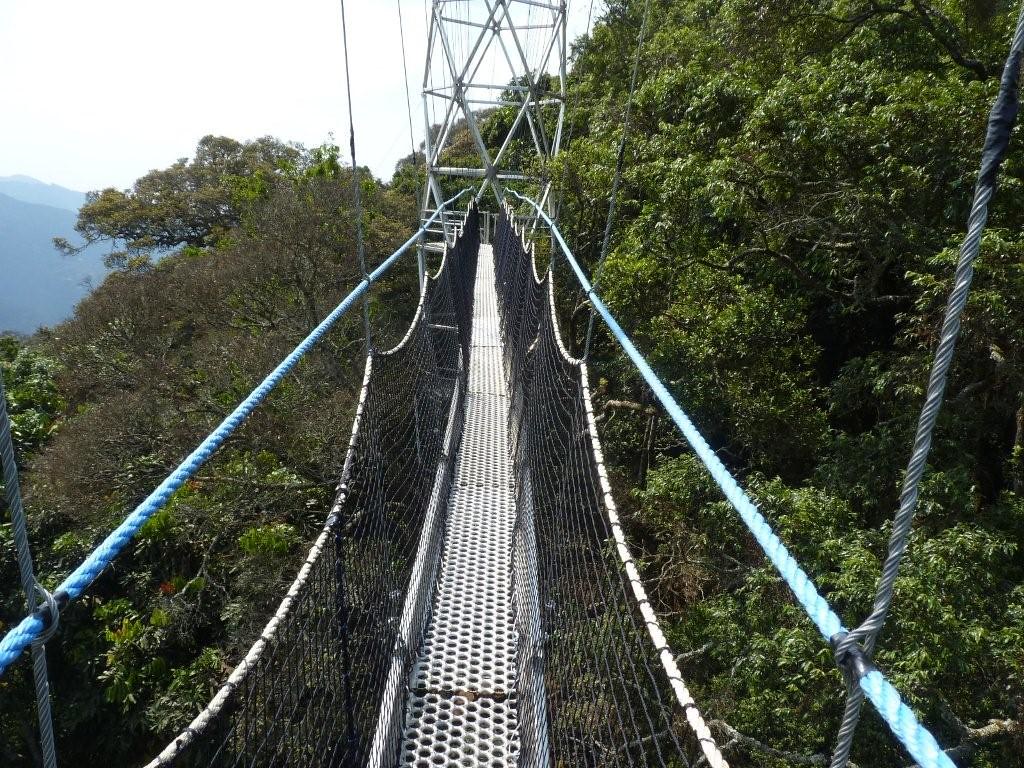
While the walk itself is safe and well-maintained, it does require a reasonable level of physical fitness for the approach hike and a comfortable disposition for heights. The panoramic vistas across the endless green canopy are breathtaking, especially on clear days, extending to the distant hills. It’s a chance to appreciate the sheer scale and majesty of this ancient forest, making it a must-do activity for any visitor to Nyungwe, adding an adventurous and visually spectacular dimension to your primate tracking adventures.
Golden Monkeys in Volcanoes National Park
While Volcanoes National Park is undeniably synonymous with mountain gorillas, it offers another captivating primate encounter that often complements the more intensive gorilla trek: tracking the vibrant golden monkeys. These beautiful, playful primates are endemic to the Virunga volcanic mountains, and their bright golden-orange fur contrasting with the lush green bamboo forests makes for incredibly picturesque sightings. A golden monkey trek provides a distinct and equally rewarding experience, often less physically demanding than gorilla trekking but equally enchanting.
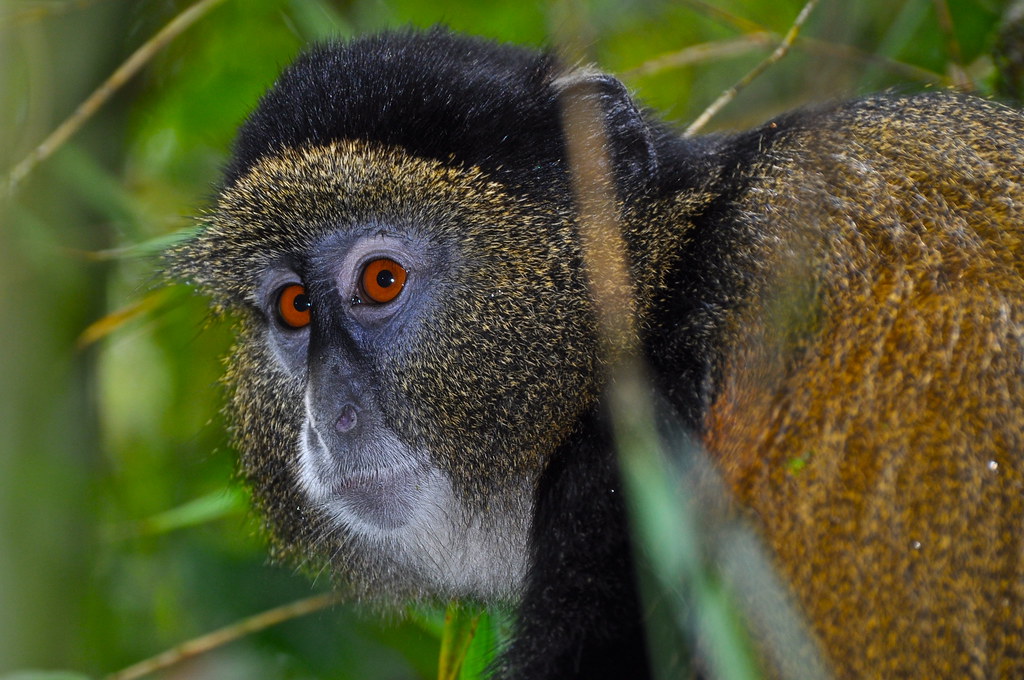
Golden monkey tracking typically involves a shorter hike through the lower slopes of the volcanoes, primarily through bamboo forests, which are their preferred habitat. The treks are generally more active and dynamic, as the monkeys are incredibly agile and fast-moving, often seen leaping between bamboo stalks and foraging for bamboo shoots, fruits, and insects. Unlike the more somber and reflective atmosphere of a gorilla encounter, golden monkey treks are often characterized by a lively and energetic ambiance, offering fantastic photographic opportunities as they scamper and play.
Two habituated troops of golden monkeys are available for tracking in Volcanoes National Park, making encounters highly reliable. The experience offers a wonderful contrast to the gorilla trek, providing another layer to Rwanda’s primate diversity. For those who have already experienced gorillas, or for travelers seeking a more active and visually striking primate interaction, the golden monkeys are an absolute delight. They underscore the rich biodiversity of Volcanoes National Park beyond its most famous residents, reinforcing Rwanda’s status as a primate paradise.
Seasonal Considerations Across Rwanda’s Parks
Understanding the seasonal nuances is crucial for designing a complete Rwanda wildlife circuit that maximizes your experience across Akagera, Nyungwe, and Volcanoes National Park. Rwanda experiences two main seasons: the dry season and the wet season, each offering distinct advantages and considerations for safari-goers.
The long dry season, running from June to September, is generally considered the peak time for wildlife viewing. In Akagera, animals congregate around the dwindling water sources, making them easier to spot during game drives. The vegetation is sparser, improving visibility. For trekking in Nyungwe and Volcanoes, the trails are drier and less slippery, making the hikes for chimpanzees, gorillas, and golden monkeys more manageable. The shorter dry season in December to February also offers excellent conditions, especially around the festive period, but can be busier.
Conversely, the wet seasons – the long rains from March to May and the short rains from October to November – bring a different kind of beauty and experience. The landscapes transform into lush, vibrant green tapestries, offering stunning photographic opportunities. This is also the best time for birdwatching, as migratory birds arrive, and resident species are often in breeding plumage. While trekking trails can be muddier and more challenging, the rain showers are often short-lived, and the forest comes alive with renewed vitality. Furthermore, the wet season typically sees fewer tourists, which can translate to a more intimate experience and potentially lower accommodation rates. Ultimately, Rwanda is a year-round destination, but aligning your visit with specific seasonal preferences can significantly enhance your safari adventure.
Designing a Complete Rwanda Wildlife Circuit
Crafting a comprehensive Rwandan safari circuit that encompasses the diverse offerings of Akagera, Nyungwe, and Volcanoes National Park allows for an unparalleled exploration of this captivating nation. The beauty of Rwanda lies in its compact size and excellent infrastructure, making it surprisingly easy to transition between vastly different ecosystems. A well-planned itinerary will seamlessly weave together savanna adventures, rainforest primate encounters, and the iconic gorilla experience, painting a holistic picture of Rwanda’s natural wonders.
A logical flow for such a circuit often begins with an arrival into Kigali, a vibrant and immaculately clean capital city worth exploring for a day or two. From Kigali, an eastward journey to Akagera National Park introduces you to the classic East African savanna, where game drives and boat safaris reveal the Big Five and a multitude of plains game. After immersing yourself in Akagera’s open landscapes, a return to Kigali or a direct transfer to Nyungwe Forest National Park in the southwest allows for a dramatic shift in scenery and wildlife focus. Here, the ancient rainforest awaits, offering thrilling chimpanzee tracking and the exhilarating Canopy Walk, providing a deep dive into the country’s rich primate and avian life.
The final leg of this grand circuit naturally leads north to Volcanoes National Park. While gorilla trekking remains the pinnacle here, do not overlook the energetic golden monkey treks, which provide a wonderful contrast. This thoughtful progression, moving from savanna to montane rainforest and then to volcanic cloud forest, showcases the incredible ecological diversity that Rwanda packs into its small geographical footprint. When planning such a nuanced journey, the expertise of a specialist operator like Ripple Safaris becomes invaluable, ensuring seamless logistics and an optimized experience that truly uncovers the depth of Rwanda’s wildlife treasures. This integrated approach not only maximizes your wildlife encounters but also offers a profound appreciation for Rwanda’s extraordinary conservation success story.
Frequently Asked Questions
Is Akagera National Park worth visiting if I’m already doing gorilla trekking?
Absolutely, Akagera National Park offers a completely different safari experience from gorilla trekking and is highly recommended for a comprehensive Rwandan wildlife circuit. It presents a classic savanna environment with the Big Five and a rich array of plains game, providing a vital contrast to the primate-focused activities in the west.
The reintroduction of lions and rhinos has made Akagera a true Big Five destination, and game drives or boat safaris here offer excellent opportunities to see elephants, buffalo, leopards, hippos, and crocodiles. It beautifully diversifies your wildlife encounters beyond the mist-shrouded forests.
How challenging is chimpanzee trekking in Nyungwe Forest?
Chimpanzee trekking in Nyungwe Forest can be physically demanding, requiring a good level of fitness. The terrain is often steep, muddy, and dense, with treks lasting anywhere from 3 to 8 hours depending on the chimpanzees’ location.
However, the challenge is part of the adventure, and the reward of spending time with these intelligent primates in their natural habitat is immense. Porters are available to assist with bags and provide support on difficult sections, making the experience more accessible.
What is the best time of year to visit Akagera and Nyungwe?
The long dry season, from June to September, is generally considered ideal for both parks. In Akagera, animals gather around water sources, making game viewing easier, and the vegetation is less dense.
For Nyungwe, the trails are drier and less slippery, making chimpanzee trekking and the canopy walk more comfortable. However, the wet seasons (March-May, October-November) offer lush landscapes, excellent birdwatching, and fewer tourists, providing a different but equally rewarding experience.
Can I combine a visit to Akagera, Nyungwe, and Volcanoes National Park?
Yes, combining these three national parks is highly recommended and forms the ultimate Rwandan wildlife circuit. Rwanda’s compact size and well-maintained roads allow for relatively easy transfers between these distinct ecosystems.
A typical itinerary might start in Akagera for savanna wildlife, move to Nyungwe for chimpanzees and forest exploration, and conclude in Volcanoes for gorillas and golden monkeys. This progression offers an incredible diversity of experiences within a single trip.
Are there other primates to see in Nyungwe Forest besides chimpanzees?
Nyungwe Forest is renowned for its exceptional primate diversity, boasting over 13 species. While chimpanzees are a highlight, the park is also home to incredibly large troops of Ruwenzori colobus monkeys, often numbering in the hundreds, providing spectacular sightings.
Other notable species include L’Hoest’s monkeys, blue monkeys, red-tailed monkeys, grey-cheeked mangabeys, and vervet monkeys, among others. The forest offers a truly immersive experience for primate enthusiasts, with many species frequently encountered during forest walks.
What should I pack for a safari covering Akagera and Nyungwe?
For Akagera, pack light, neutral-colored clothing suitable for warm savanna conditions, a wide-brimmed hat, sunglasses, and good quality insect repellent. Binoculars are essential for game viewing, and a camera with a good zoom lens is highly recommended.
For Nyungwe, you’ll need sturdy waterproof hiking boots, long trousers and sleeves to protect against scratches and insects, a waterproof jacket, and gaiters if trekking during the wet season. A small backpack, water bottle, and a headlamp are also useful additions for forest excursions.