
Prepare yourself for an adventure into Uganda’s largest and oldest conservation area, a realm where the raw power of nature meets an abundance of thriving wildlife. Murchison Falls National Park is not merely a destination; it is an experience, a journey into the heart of untamed Africa where the mighty Nile River carves its dramatic path. This guide is crafted for the discerning explorer, those who seek genuine wilderness encounters far from the well-trodden paths, promising an unforgettable safari into one of the continent’s most dynamic ecosystems.
Imagine standing at the precipice of the world’s most powerful waterfall, feeling the earth tremble beneath your feet as millions of litres of water are forced through a mere seven-metre gorge. Then, picture yourself traversing vast savannahs, witnessing colossal herds of elephants, prides of lions surveying their domain, and the elusive leopard disappearing into the golden light. Murchison Falls encapsulates these profound contrasts, offering a safari narrative that is both exhilarating and deeply moving, a true testament to nature’s enduring grandeur.
The Power and Scale of Murchison Falls
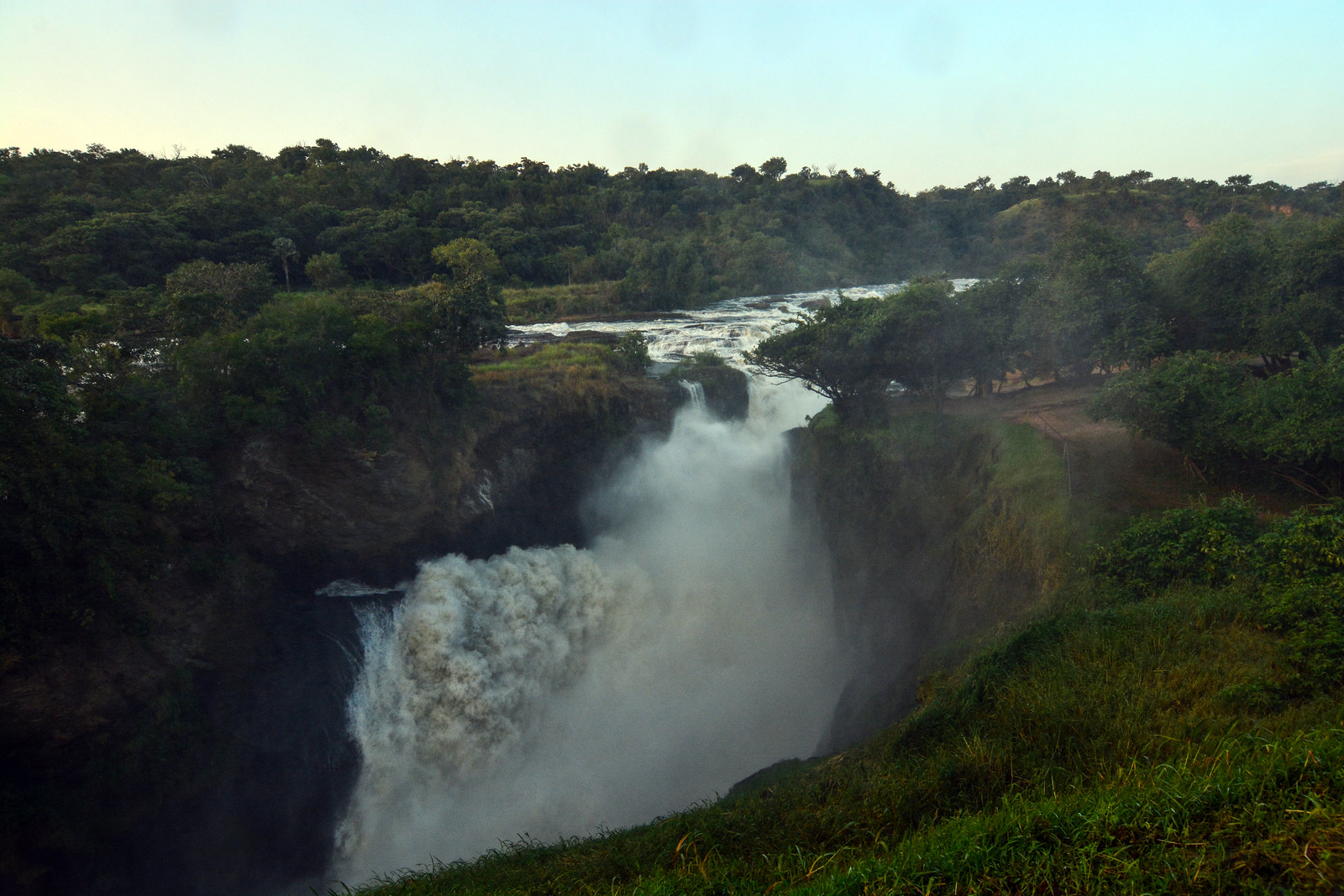
At the very heart of Murchison Falls National Park lies its namesake, a geological marvel that defies imagination. Here, the magnificent River Nile, on its epic journey northwards, channels its entire volume through a narrow gorge, just seven metres wide, before plummeting 43 metres down with an astounding roar. The sheer force of this natural spectacle is palpable; the ground vibrates, a perpetual mist hangs in the air, and rainbows dance in the spray, creating an ethereal atmosphere that has captivated explorers for centuries.
This is not just a waterfall; it is a visceral demonstration of the planet’s raw energy. Standing at the top of the falls, gazing down into the churning cauldron below, one truly understands why Sir Samuel Baker, the first European explorer to witness it in 1864, declared it “the most magnificent waterfall of the Nile.” The scale is immense, not only in the water’s power but in the way this geological feature shapes the entire park’s ecology. It is the lifeblood, the central artery around which all other life revolves, creating a dynamic environment that supports an incredible diversity of flora and fauna.
Game Drives: Delta and Buligi Sectors
The northern bank of Murchison Falls National Park, particularly the Buligi and Delta sectors, offers some of the most rewarding game drive experiences in all of Africa. These expansive savannahs, interspersed with acacia woodlands and riverine vegetation, provide an ideal habitat for a remarkable array of wildlife. Early morning game drives here are nothing short of spectacular, as the golden light bathes the landscape and predators are still active, often visible before the heat of the day drives them to seek shade.
Expect to encounter vast herds of Rothschild’s giraffes, their elegant forms silhouetted against the horizon, alongside robust Cape buffalo, Uganda kobs, and the striking Jackson’s hartebeest. The true thrill, however, lies in tracking the park’s formidable predators. Lions are frequently sighted, sometimes resting openly on the plains or stalking their prey. Leopards, ever elusive, require a keen eye and a patient guide, but their presence is a constant reminder of the wildness of this place. While rhinoceros are not found within the park itself, a visit to Ziwa Rhino and Wildlife Ranch en route can complete your Big Five quest, making Murchison a pivotal part of a comprehensive Ugandan safari.
The Nile Boat Trip to the Falls Base
No visit to Murchison Falls is complete without embarking on the iconic boat trip up the Nile River to the base of the falls. This leisurely cruise offers a completely different perspective of the park’s wildlife and its dramatic landscapes, providing an intimate encounter with the aquatic and semi-aquatic inhabitants of the river. The journey begins from Paraa landing site, slowly navigating upstream against the powerful current, building anticipation with every bend in the river.
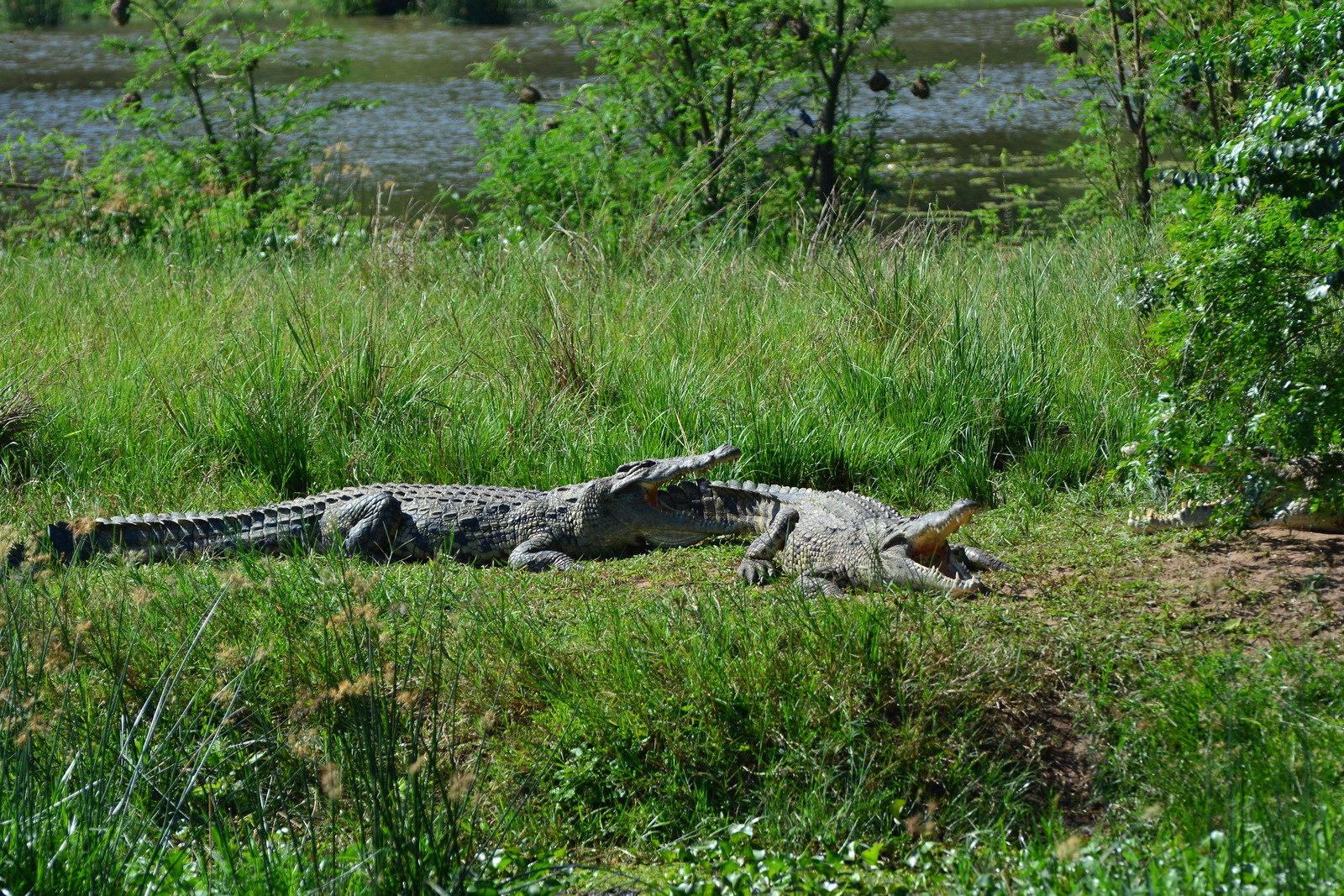
Along the banks, a vibrant tapestry of life unfolds. You’ll witness enormous pods of hippos, their grunts echoing across the water, and colossal Nile crocodiles basking lethargically on sandbanks, ancient and formidable. Elephants and buffalo frequently gather at the water’s edge to drink and cool off, offering incredible photographic opportunities. The birdlife is equally captivating, with African fish eagles soaring overhead, colourful kingfishers darting by, and various storks and egrets wading in the shallows. As you approach the falls, the roar grows louder, the spray becomes visible, and the sheer power of the Nile cascading through the gorge is an awe-inspiring grand finale, a true highlight of any safari.
Elephant Country: Uganda’s Largest Herds
Murchison Falls National Park is synonymous with elephants, boasting Uganda’s largest population of these magnificent pachyderms. The park’s diverse habitats, from the open savannahs of the northern bank to the dense woodlands and riverine forests, provide ample foraging grounds and water sources, allowing these gentle giants to thrive. Encounters with elephants here are frequent and often spectacular, offering a profound insight into their complex social structures and intelligent behaviours.
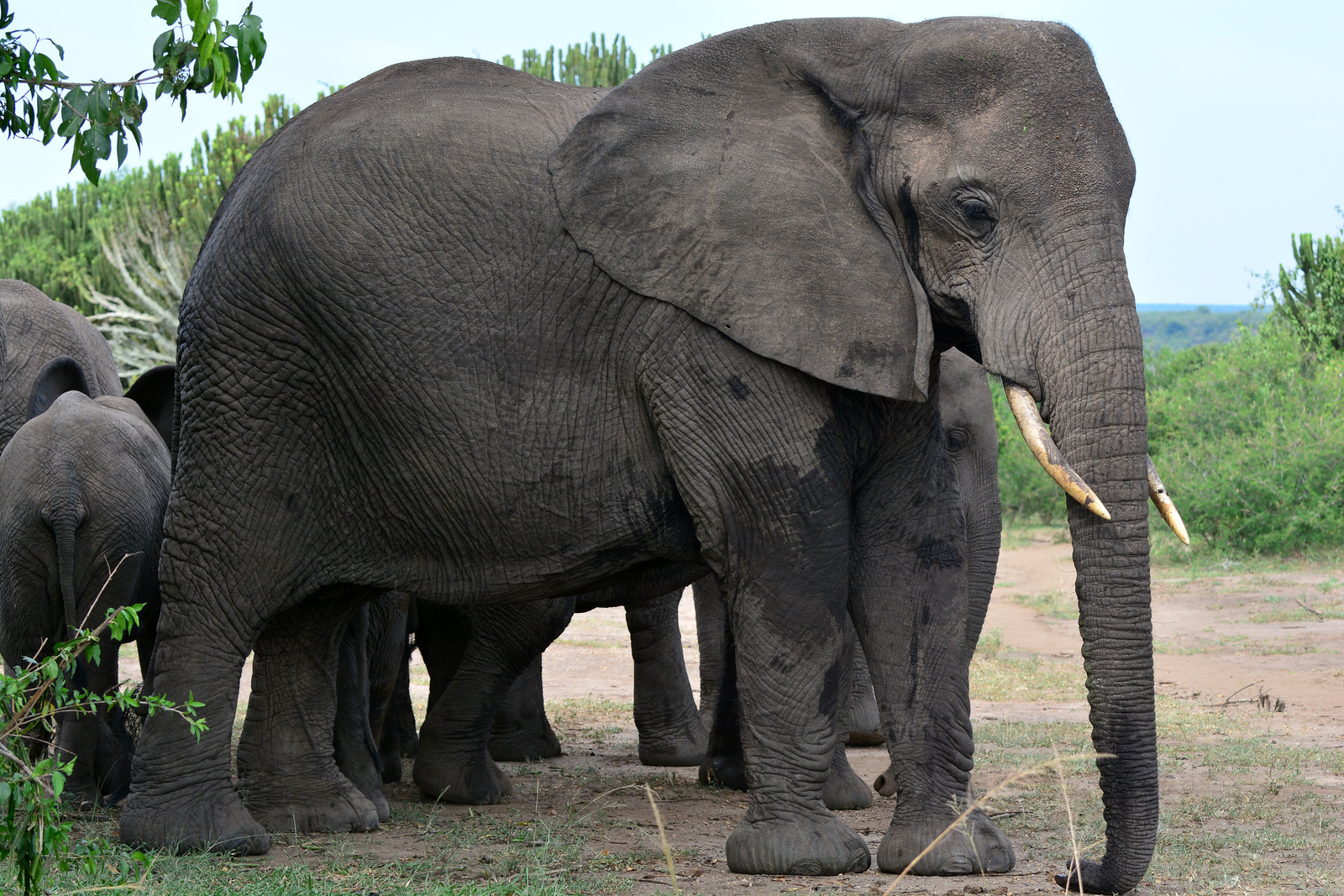
During game drives, you will often find entire herds, ranging from matriarchs leading their families to solitary bulls, moving gracefully across the plains or congregating near watering holes. Witnessing a herd of elephants, with calves playfully interacting and adults demonstrating their deep familial bonds, is a deeply moving experience that underscores the raw, untouched wilderness of Murchison. Their sheer presence, their immense size and quiet dignity, reminds visitors of the vital role these creatures play in shaping the African landscape and the incredible conservation success story that Murchison represents.
Chimpanzee Tracking in Budongo Forest
Beyond the savannahs and the river, Murchison Falls National Park extends into the ancient, sprawling Budongo Forest, a pristine natural wonderland that offers a thrilling opportunity for chimpanzee tracking. This vast mahogany forest is home to a significant population of habituated chimpanzees, making it one of the premier locations in Uganda to encounter our closest primate relatives in their natural habitat. The experience here is immersive and deeply rewarding, a stark contrast to the open plains.
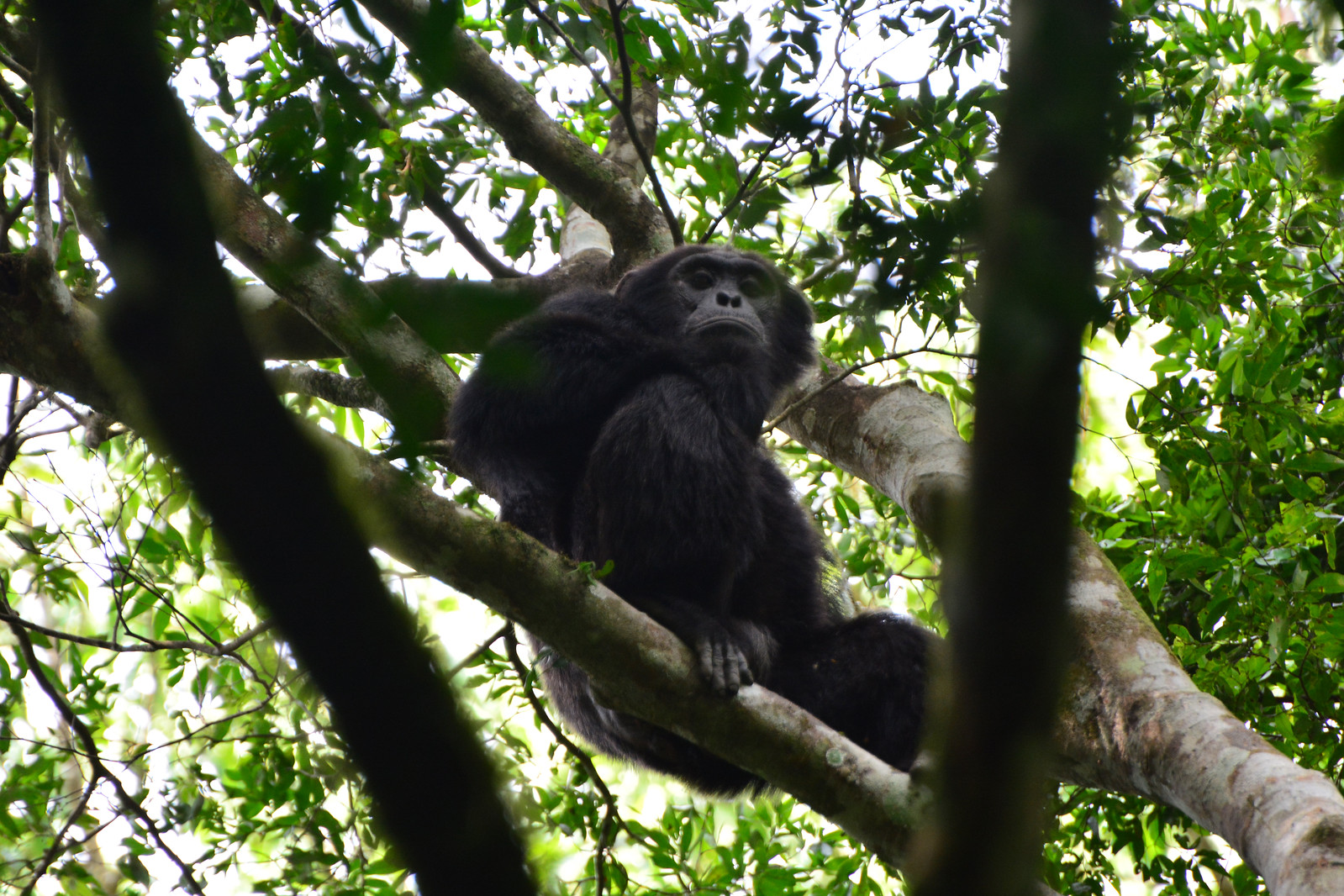
Trekking through the dense forest, guided by experienced rangers, is an adventure in itself, with the sounds of the jungle enveloping you. The moment you locate a chimpanzee community, the forest comes alive with their calls, their playful antics, and their surprisingly human-like expressions. Observing them forage, groom, and interact provides an unparalleled glimpse into their complex social lives. This chimpanzee tracking experience complements the big game viewing perfectly, adding another rich layer to the comprehensive wildlife tapestry of Murchison Falls National Park.
Shoebill Stork and Birding Excellence
For the avid birder, Murchison Falls National Park is nothing short of paradise, offering an exceptional diversity of avian life, including one of Africa’s most sought-after and enigmatic species: the shoebill stork. This prehistoric-looking bird, with its massive, shoe-shaped bill, is a true marvel of evolution, perfectly adapted to its preferred habitat of papyrus swamps and shallow floodplains, particularly around the Albert Delta where the Nile flows into Lake Albert.
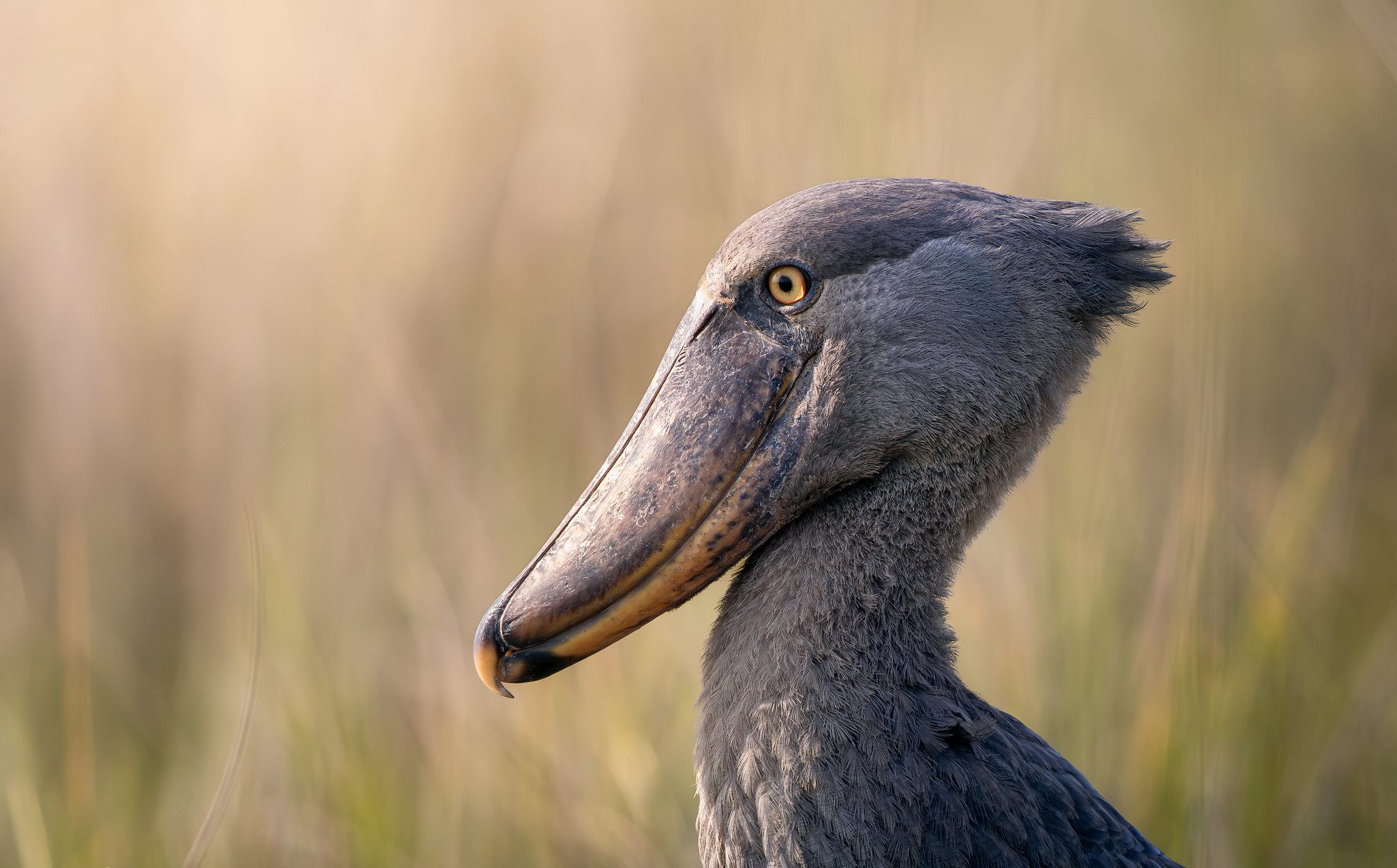
Spotting a shoebill requires patience and a dedicated boat trip into the remote swampy areas, but the reward of seeing this magnificent creature standing motionless, awaiting its prey, is immense. Beyond the shoebill, the park boasts over 450 bird species, including numerous waterbirds, raptors, and savannah dwellers. You can expect to see Goliath herons, saddle-billed storks, grey crowned cranes, elusive African skimmers, and a vibrant array of bee-eaters and kingfishers. The varied ecosystems within Murchison ensure that every game drive and boat trip presents new and exciting birding opportunities, making it a top-tier destination for ornithologists and casual observers alike.
Getting There and Lodge Options
Reaching Murchison Falls National Park is an adventure in itself, typically involving a scenic road journey from Kampala, taking approximately 5-6 hours. The drive offers glimpses into rural Ugandan life and the changing landscapes. For those seeking a quicker or more luxurious approach, scheduled or private charter flights are available from Entebbe International Airport directly to several airstrips within or near the park, significantly reducing travel time and offering breathtaking aerial views.
The park offers a wide spectrum of accommodation options, catering to various preferences and budgets, ensuring every traveler finds their perfect base. Luxury lodges provide opulent comforts, often with stunning views of the Nile or the savannah, offering amenities like swimming pools, gourmet dining, and private balconies. Mid-range lodges strike a balance between comfort and affordability, providing well-appointed rooms and excellent service. For the truly adventurous or budget-conscious, there are also more rustic tented camps and bandas, offering a closer connection to nature without sacrificing essential comforts. Regardless of your choice, staying within or very close to the park allows for early morning starts for game drives, maximizing your wildlife viewing opportunities. Our team at Ripple Safaris can assist in navigating these choices to craft your ideal wilderness escape.
Frequently Asked Questions
What is the best time of year to visit Murchison Falls National Park?
The dry seasons, from December to February and June to September, are generally considered the best times for wildlife viewing in Murchison Falls. During these months, vegetation is less dense, and animals congregate around permanent water sources, making them easier to spot.
While the wet seasons (March-May, October-November) offer lush landscapes and fewer tourists, some roads can become challenging, though birdwatching is often exceptional during these periods due to migratory species.
Can I see the Big Five in Murchison Falls National Park?
Murchison Falls National Park is home to four of the Big Five: lions, leopards, elephants, and buffalo, which are regularly sighted during game drives and boat safaris. The park boasts Uganda’s largest elephant population and healthy numbers of buffalo.
While rhinos are not present within the park itself, a visit to Ziwa Rhino and Wildlife Ranch on your journey to or from Murchison provides the opportunity to track white rhinos on foot, completing your Big Five experience in Uganda.
What’s the difference between the boat trip to the falls and the delta cruise?
The boat trip to the falls travels upstream on the Nile to the base of Murchison Falls, focusing on the dramatic waterfall and the abundant wildlife along the riverbanks, including hippos, crocodiles, and various bird species. This journey offers a close-up view of the immense power of the Nile.
The delta cruise, conversely, travels downstream towards Lake Albert, exploring the quieter, swampier areas of the Nile Delta. This cruise is renowned for its exceptional birding opportunities, particularly for spotting the elusive shoebill stork and other rare waterbirds.
Is it safe to visit Murchison Falls National Park?
Yes, Murchison Falls National Park is considered a safe destination for tourists. Uganda Wildlife Authority (UWA) rangers maintain a strong presence, ensuring the safety of both wildlife and visitors within the park boundaries.
As with any wilderness travel, it’s essential to follow your guide’s instructions, stay within designated areas, and adhere to park rules regarding wildlife encounters to ensure a safe and enjoyable experience.
What should I pack for a safari in Murchison Falls?
For a Murchison Falls safari, pack light, breathable clothing in neutral colours (khaki, olive green) to blend into the environment and avoid attracting insects. Include long-sleeved shirts and trousers for protection against sun and mosquitoes, especially in the evenings.
Don’t forget a wide-brimmed hat, sunglasses, high-factor sunscreen, insect repellent, a good pair of walking shoes or boots for any trekking, and a waterproof jacket for unexpected showers. Binoculars, a camera with extra batteries, and a small daypack are also essential for game drives and boat trips.
How long should I plan to stay in Murchison Falls National Park?
To fully appreciate Murchison Falls National Park and experience its diverse offerings, a stay of at least 3 to 4 days is highly recommended. This allows sufficient time for multiple game drives on the northern bank, the iconic boat trip to the falls, and potentially a chimpanzee tracking excursion in Budongo Forest.
A longer stay provides a more relaxed pace, allowing for deeper immersion in the wilderness and better chances to spot elusive wildlife. It also offers flexibility for unexpected sightings or enjoying the lodge amenities between activities.