
Uganda: Africa’s Most Diverse Safari Destination
Uganda, often dubbed the “Pearl of Africa,” stands as a testament to unparalleled biodiversity, offering a safari experience unlike any other on the continent. Its unique geographical position, straddling the equator and encompassing a remarkable array of ecosystems from ancient rainforests to sprawling savannahs and vast wetlands, cultivates an astonishing variety of wildlife. This ecological richness allows for a truly comprehensive safari, presenting the rare opportunity to encounter both the great apes of the forest and the iconic Big Five of the plains within a single, meticulously planned journey.
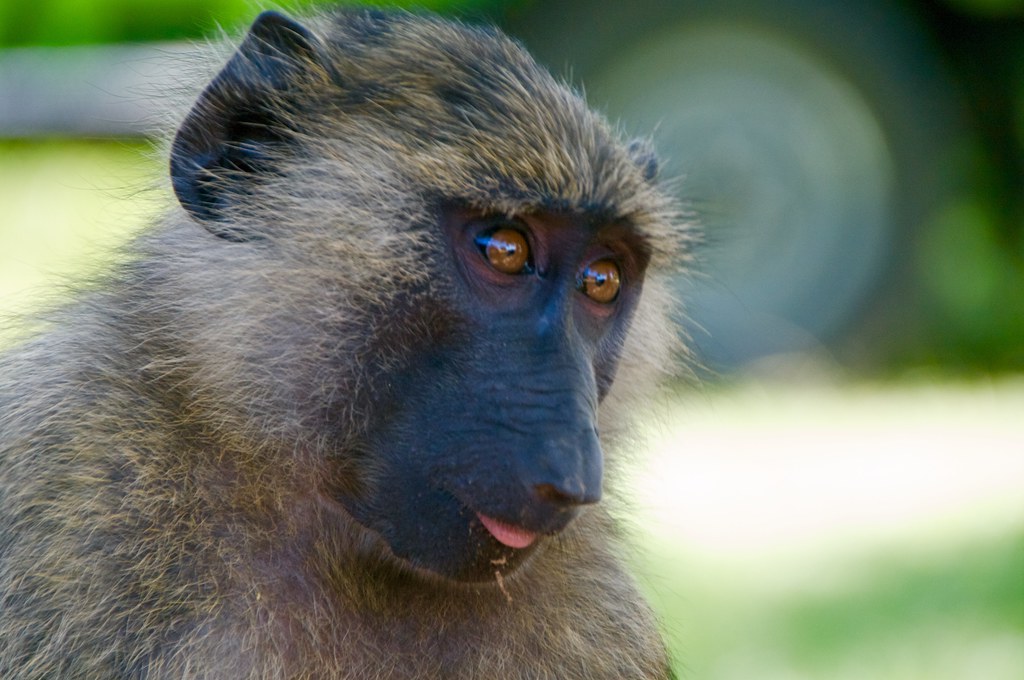
Unlike its East African neighbors, primarily celebrated for their vast savannah migrations, Uganda presents a profound duality. Here, the thrill of tracking mountain gorillas and chimpanzees through dense, emerald jungles seamlessly transitions into the classic safari drama of lion prides, towering elephants, and elusive leopards. This intricate tapestry of habitats not only supports a broader spectrum of species but also provides a more intimate and varied encounter with Africa’s wild heart, appealing to the discerning traveler who seeks depth and diversity over a singular focus.
The nation’s commitment to conservation, combined with its relatively less-traveled status compared to some other safari giants, ensures a more authentic and often more exclusive experience. From the misty peaks of the Virunga Mountains to the roaring Murchison Falls, Uganda invites exploration into landscapes that feel both ancient and vibrantly alive. It is a destination that rewards patience and curiosity, revealing layer upon layer of natural wonder to those who venture into its diverse realms.
Gorillas and Chimps: The Primate Circuit
No complete Ugandan safari would be truly comprehensive without venturing into the dense, emerald heartlands that shelter our closest relatives. The primate circuit is undeniably the crown jewel of Uganda’s offerings, primarily centered around two extraordinary experiences: mountain gorilla trekking in Bwindi Impenetrable National Park and chimpanzee tracking in Kibale Forest National Park. These encounters are not merely wildlife sightings; they are profound, humbling interactions that transcend typical safari observations, offering a rare glimpse into the complex social lives of these magnificent apes.
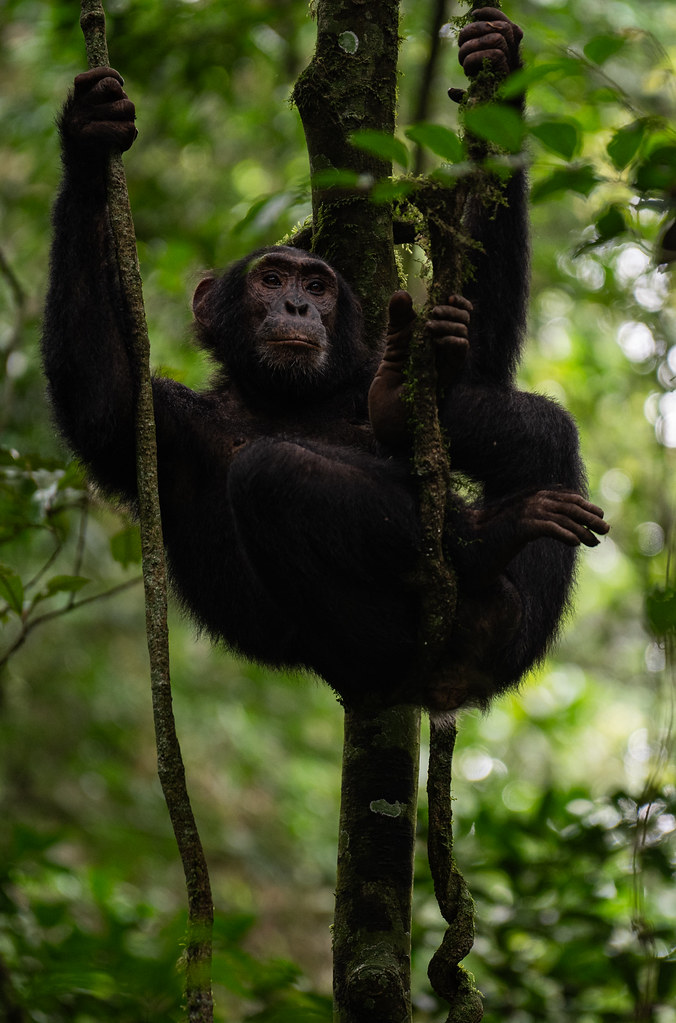
Bwindi Impenetrable, a UNESCO World Heritage Site, is home to over half of the world’s remaining mountain gorilla population. The trek itself is an adventure, navigating steep, often muddy terrain through ancient rainforest, guided by expert trackers who interpret subtle signs of the gorillas’ presence. The moment of discovery, spending a precious hour observing a gorilla family in their natural habitat – watching infants play, silverbacks assert their dominance, and mothers tenderly groom their young – is an emotionally charged experience that leaves an indelible mark on the soul. Securing permits well in advance is paramount, as their availability is strictly limited to protect these critically endangered creatures.
Complementing the gorilla experience is the dynamic and often boisterous chimpanzee tracking in Kibale Forest. Known as the “Primate Capital of the World,” Kibale boasts an incredibly high density of chimpanzees, along with twelve other primate species. Tracking chimps is a more energetic pursuit, as these intelligent apes move quickly through the canopy, their calls echoing through the forest. Witnessing their intricate social structures, tool use, and expressive behaviors offers a fascinating counterpoint to the more serene gorilla encounters. Both primate experiences, while distinct, underscore Uganda’s unparalleled significance in primate conservation and its ability to offer truly immersive wildlife interactions.
Savannah Wildlife: QENP and Murchison Falls
Beyond the mystical forests and their primate inhabitants, Uganda unfolds into vast savannahs and dramatic landscapes teeming with the classic Big Five and a plethora of other plains game. Queen Elizabeth National Park (QENP) and Murchison Falls National Park stand as the quintessential destinations for experiencing this traditional African safari spectacle, each offering distinct yet equally captivating wildlife viewing opportunities.
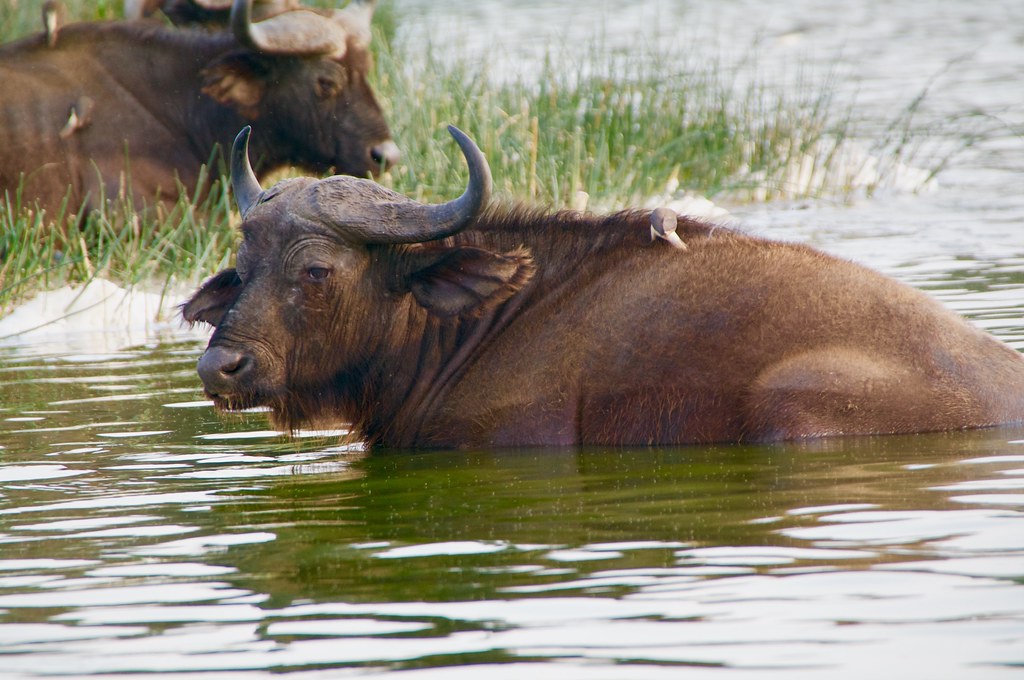
Queen Elizabeth National Park, situated in the southwest, is a mosaic of habitats including savannah, wetlands, and lowland forests, supporting an incredibly diverse ecosystem. It is famed for its tree-climbing lions in the Ishasha sector, a truly unique behavior thought to be an adaptation to avoid biting flies or to escape the heat. Game drives here reveal herds of elephants, buffalo, various antelopes, and often leopards. A highlight is the boat safari along the Kazinga Channel, which connects Lake Edward and Lake George. This tranquil cruise offers unparalleled views of hippos in their hundreds, crocodiles basking on the banks, and an astonishing array of water birds, providing a different perspective on the park’s vibrant wildlife.
Further north, Murchison Falls National Park is Uganda’s largest and arguably most spectacular conservation area. The park is bisected by the mighty River Nile, which plunges 43 meters through a narrow gorge, creating the powerful Murchison Falls – a truly awe-inspiring natural wonder. Game drives on the northern bank offer excellent chances to spot lions, giraffes (Rothschild’s sub-species), elephants, buffalo, and various antelopes. A boat trip upriver to the base of the falls provides dramatic views of the cascade, along with opportunities to see hippos, crocodiles, and waterbirds. For those pursuing the Big Five, a visit to the Ziwa Rhino Sanctuary en route to or from Murchison Falls completes the quest, offering a chance to track white rhinos on foot – a crucial and successful conservation effort to reintroduce rhinos to Uganda.
Connecting the Parks: Route and Transfer Options
The geographical spread of Uganda’s key safari destinations, while contributing to its diversity, necessitates careful consideration of routing and transfer logistics. A complete safari combining primates and savannah wildlife requires traversing significant distances, making efficient and comfortable travel paramount to maximizing the experience and minimizing fatigue. The journey itself, however, is an integral part of the adventure, offering glimpses into rural Ugandan life, varied landscapes, and unexpected wildlife sightings along the way.
Most comprehensive safaris typically begin with an arrival into Entebbe International Airport (EBB). From there, the routing often follows a circuitous path, moving from the central regions towards the southwest for the primate encounters, and then potentially northwards for the savannah parks. Ground transfers via comfortable 4×4 safari vehicles are the most common and often preferred method of travel. These drives, while sometimes long, are incredibly scenic, passing through bustling towns, verdant farmlands, and remote villages, providing a rich cultural immersion that flying over misses.
For those seeking to reduce travel time, particularly between distant parks, internal charter flights are an excellent option. A flight from Entebbe or Kajjansi to airstrips near Bwindi (Kihihi) or Queen Elizabeth National Park (Kasese) can significantly cut down on driving hours, allowing for more time on game drives or primate treks. Similarly, flights can connect Queen Elizabeth to Murchison Falls, or Murchison Falls back to Entebbe. A hybrid approach, combining scenic drives with strategic flights, often provides the best balance of efficiency and immersive experience, allowing travelers to appreciate both the journey and the destination without feeling rushed or overly fatigued. Careful planning with an experienced safari architect is crucial to optimize these connections.
How Many Days You Really Need
Designing a complete Ugandan safari that genuinely combines the unparalleled thrill of primate trekking with the classic grandeur of savannah wildlife, alongside dedicated birding opportunities, is an endeavor that demands a considered allocation of time. Attempting to cram too much into too few days inevitably leads to a rushed, superficial experience, undermining the very essence of a safari designed for depth and immersion. To truly appreciate Uganda’s multifaceted beauty, a minimum of 10 to 12 days is highly recommended, with an optimal duration extending to 14 days or more.
A 10-day itinerary, while feasible, would represent a fast-paced journey, allowing perhaps one gorilla trek, one chimp trek, and a visit to one major savannah park. This duration often means less time for relaxation between activities, reduced opportunities for secondary game drives or specialized birding excursions, and longer travel days that can feel demanding. It is an option for those with limited time, but it requires a very selective approach to park choices and activities.
For a truly enriching and comprehensive experience, 14 days offers a far more comfortable and rewarding pace. This allows for two primate encounters (e.g., gorilla and chimp, or two gorilla treks in different sectors), ample time in both Queen Elizabeth and Murchison Falls National Parks for multiple game drives and boat safaris, and dedicated moments for birdwatching. The extra days also build in buffer time for unexpected delays, allow for deeper exploration of specific areas, and provide much-needed relaxation, ensuring you return home invigorated rather than exhausted. This extended duration allows for a more fluid itinerary, accommodating varied interests and ensuring that each distinct ecosystem and its inhabitants can be fully appreciated without the constant pressure of moving on.
Birding Across Ecosystems
Uganda is not merely a destination for primate and Big Five enthusiasts; it is, in fact, a paradise for birdwatchers, boasting over 1,080 recorded bird species – more than half of Africa’s total and 10% of the world’s known species. A complete Ugandan safari naturally integrates this phenomenal avian diversity, as different ecosystems visited for primates and savannah wildlife also serve as critical habitats for a vast array of resident and migratory birds. This multi-ecosystem approach ensures that birding becomes an inherent and enriching layer of the entire safari experience.
The ancient rainforests of Bwindi Impenetrable and Kibale Forest National Parks, while renowned for their apes, are also prime locations for Albertine Rift endemics. Here, dedicated birding walks can reveal species such as the Green Broadbill, African Pitta, Great Blue Turaco, and various forest hornbills. The sheer number and vibrant colors of these forest dwellers provide a captivating backdrop to the primate treks, adding another dimension to the jungle immersion. Even during gorilla and chimp tracking, the calls and flashes of exotic birds are a constant, delightful presence.
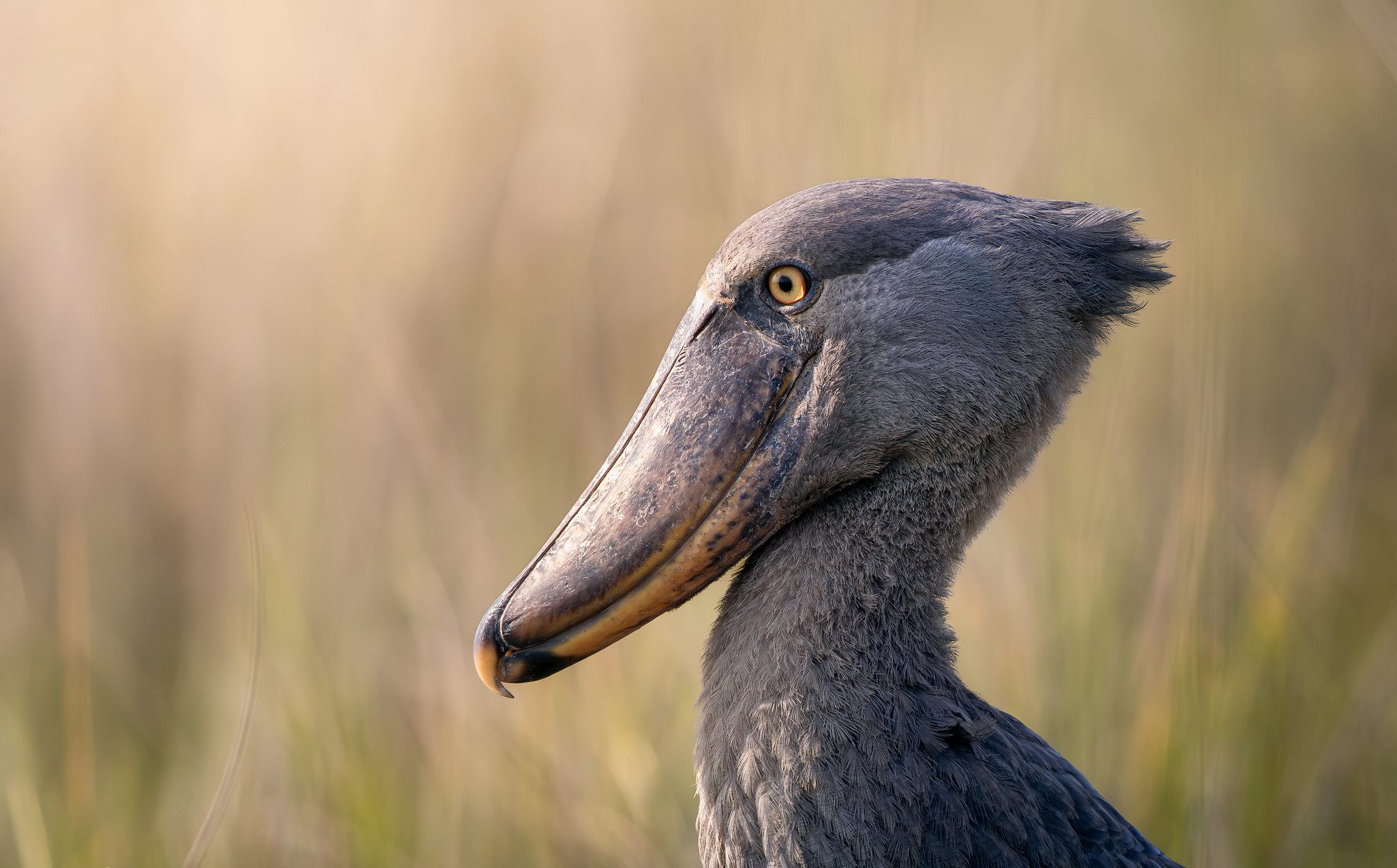
Transitioning to the savannahs of Queen Elizabeth and Murchison Falls National Parks, the avian landscape shifts dramatically. Open grasslands and acacia woodlands host raptors like the Martial Eagle and various vultures, while water bodies like the Kazinga Channel and the Nile River are teeming with pelicans, storks, egrets, and kingfishers. The elusive Shoebill stork, a prehistoric-looking wading bird, is a highly sought-after species and can often be found in the wetlands around Murchison Falls or Mabamba Swamp near Entebbe. Even casual game drives offer abundant opportunities for bird photography and identification, as species like the Grey Crowned Crane (Uganda’s national bird), various bee-eaters, and rollers add splashes of color to the open plains. This integrated birding perspective truly completes the natural history narrative of a Ugandan saf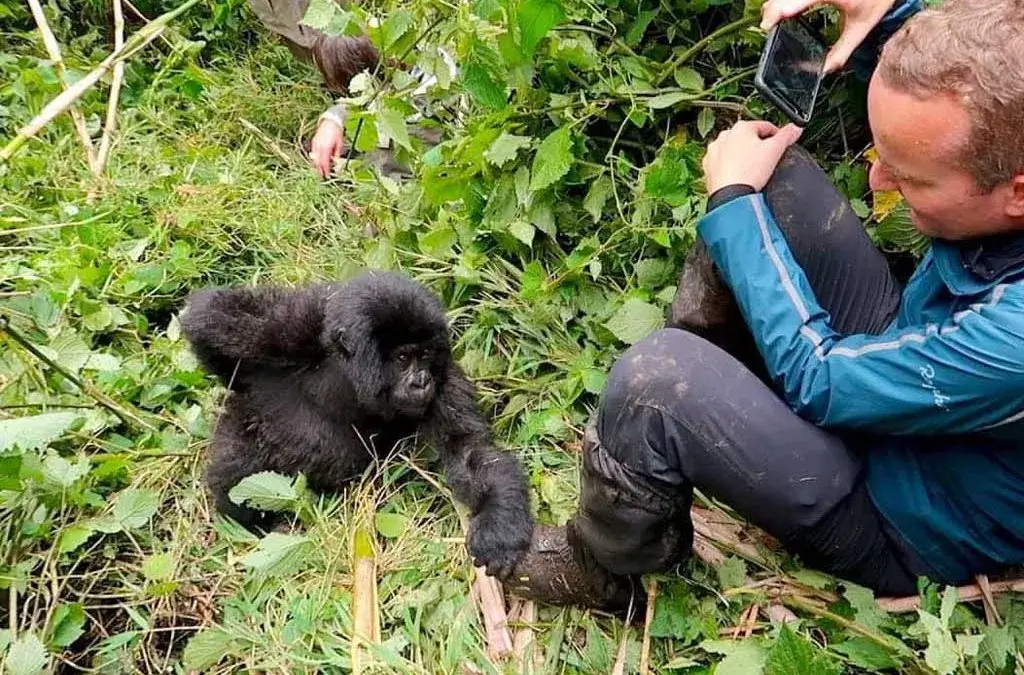 ari.
ari.
Designing Your Complete Uganda Safari
Crafting a comprehensive Ugandan safari, one that seamlessly weaves together the profound encounters with primates, the thrilling pursuit of the Big Five, and the vibrant spectacle of its birdlife, requires a meticulous approach and an intimate understanding of the destination. It’s not simply about stringing together park visits, but about creating a coherent narrative, balancing activity with relaxation, and optimizing logistics to ensure a truly enriching and memorable journey. This is where the expertise of an experienced safari architect becomes invaluable.
The initial step involves a deep dive into your interests, priorities, and desired pace. Are you aiming for two gorilla treks or one? Is tracking the Shoebill a non-negotiable? How much time do you wish to dedicate to classic game viewing versus forest exploration? These questions guide the foundational structure of your itinerary. Consideration must be given to the seasonality, as weather patterns can influence road conditions and wildlife viewing, though Uganda is largely a year-round destination.
Logistics, often the most complex aspect, are carefully managed. This includes securing highly sought-after gorilla and chimpanzee permits well in advance, coordinating comfortable ground transfers, and advising on strategic internal flights to minimize travel fatigue. Accommodation choices, ranging from rustic tented camps to luxurious lodges, are selected not only for their comfort but also for their prime locations and immersive qualities. At Ripple Safaris, our philosophy is to design a safari that feels less like a pre-packaged tour and more like a bespoke expedition, reflecting your unique safari aspirations. We focus on crafting a journey where every element, from the flow of activities to the choice of guides, contributes to an unparalleled exploration of Uganda’s wild heart.
Frequently Asked Questions
What is the best time of year for a complete Uganda safari?
The dry seasons, from June to August and December to February, are generally considered the best times for a comprehensive Uganda safari. During these months, rainfall is minimal, making forest trails for primate trekking less slippery and savannah roads more accessible for game drives.
Wildlife viewing in the savannah parks is often excellent as animals congregate around water sources, and vegetation is less dense. However, Uganda is an equatorial country, so rain can occur at any time, and the “shoulder” seasons can offer fewer crowds and lush landscapes.
How physically demanding are the primate treks?
Primate treks, especially for gorillas, can be physically demanding, ranging from moderately challenging to very strenuous. Treks can last anywhere from 1 to 8 hours, involving steep ascents and descents through dense, often muddy, forest terrain at high altitudes.
A good level of fitness is essential, including the ability to walk for several hours over uneven ground. Porters are available for hire to assist with bags and offer a helping hand, which is highly recommended for added comfort and support during the trek.
Are gorilla and chimpanzee permits difficult to obtain?
Yes, gorilla and chimpanzee permits are highly sought after and limited, making them difficult to obtain, especially for peak season travel. Gorilla permits, in particular, must be booked many months, sometimes even a year, in advance to guarantee availability.
Working with a reputable safari operator is crucial, as they can secure these permits on your behalf and advise on the best timing. Without a confirmed permit, you cannot participate in the trekking experience, so early planning is absolutely vital.
What is the typical group size for game drives and primate treks?
For game drives in the savannah parks, you will typically be in a private safari vehicle with your traveling companions and a dedicated guide, offering a very personalized experience. Group sizes are usually small, accommodating 2 to 6 people comfortably.
Primate treks, however, are conducted in small groups for conservation purposes. Gorilla trekking groups are strictly limited to 8 visitors per habituated family per day, while chimpanzee tracking groups are also kept small, usually around 6-8 people, ensuring minimal disturbance to the apes.
What essential items should I pack for a complete Uganda safari?
For a complete Uganda safari, essential packing includes sturdy hiking boots, long trousers and sleeves for forest treks, waterproof outerwear, and insect repellent. Neutral-colored clothing is recommended for savannah game drives, along with a wide-brimmed hat and sunscreen.
Don’t forget a good quality camera with extra batteries and memory cards, binoculars for birding and wildlife viewing, and a small backpack for daily essentials. Additionally, bring any personal medications, a basic first-aid kit, and consider a portable power bank for electronics.
Is Uganda a safe destination for tourists?
Uganda is generally considered a safe and welcoming destination for tourists, with a stable political environment and a reputation for friendly hospitality. The national parks and tourist areas are well-managed and protected, with experienced guides and rangers ensuring visitor safety.
As with any travel, it’s always wise to exercise standard precautions, such as safeguarding valuables and being aware of your surroundings, especially in urban areas. Reputable safari operators prioritize client safety through experienced drivers, well-maintained vehicles, and adherence to established protocols.