
Imagine a dawn breaking over the emerald canopy of Kibale Forest, a symphony of unseen life stirring as the first rays of sunlight filter through ancient trees. This isn’t just a fleeting glimpse into the wild; it’s an invitation to immerse yourself in the complex, captivating world of our closest primate relatives – the chimpanzees. Uganda, a land of unparalleled biodiversity, offers a unique opportunity for this profound connection through its Chimpanzee Habituation Experience.
For the discerning wildlife enthusiast and the dedicated nature photographer, this experience transcends standard tracking. It’s an extended journey into the daily lives of a chimpanzee community, a privilege to observe their raw, unscripted existence from dawn till dusk. Here, time stretches, allowing for a deeper understanding, a more intimate connection, and a treasure trove of moments that redefine what it means to witness wild nature.
Join us as we delve into the intricacies of this extraordinary adventure, exploring what sets it apart and why it remains one of Africa’s most compelling wildlife encounters.
Habituation vs Standard Tracking: What Changes
The distinction between a standard chimpanzee tracking excursion and the habituation experience is profound, largely defined by time and intent. A standard trek typically allocates a precious hour with a chimpanzee community once located, offering a thrilling but often hurried introduction to their world. While undeniably exhilarating, this limited window often leaves one yearning for more, for the chance to truly observe rather than merely spot.

The Chimpanzee Habituation Experience, by contrast, is an extended immersion, granting participants a remarkable four to six hours with the chimps. This extended period is not merely about longer viewing; it’s about participating, albeit passively, in the ongoing process of habituating a wild chimpanzee community to human presence for conservation and research purposes. It allows for a gradual unfolding of their daily routines, from the moment they descend from their nests at first light to their eventual ascent for evening slumber.
This prolonged exposure transforms the encounter. Instead of a frantic search for a quick photo, you become an observer within their environment, witnessing natural behaviours unfold without the pressure of time. The chimps, accustomed to the presence of researchers and a few respectful human visitors, often exhibit more relaxed and authentic interactions, offering insights into their intricate social structures, foraging habits, and communication methods that are simply not possible during a brief visit.
The Full Day With Wild Chimpanzees
Your day begins long before the sun crests the horizon, typically around 6:00 AM, at the Kanyanchu Visitor’s Centre in Kibale National Park. After a comprehensive briefing by the Uganda Wildlife Authority (UWA) rangers and habituation guides, you embark on your journey into the dense forest. This early start is crucial, as it allows you to join the chimpanzees as they awaken from their night nests, a truly magical and rarely witnessed spectacle.
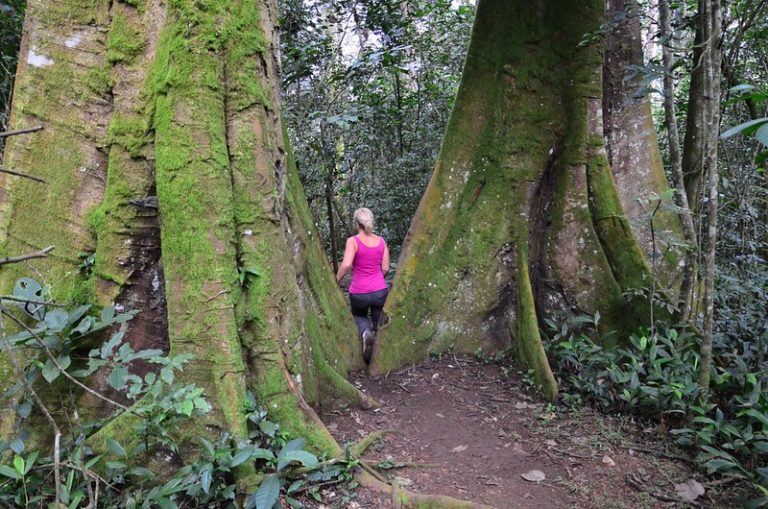
Accompanied by experienced guides and often a team of researchers or trackers, you trek through the verdant, often challenging terrain of Kibale. The forest comes alive with the sounds of birds, monkeys, and insects, creating an immersive backdrop to your quest. The guides, intimately familiar with the chimpanzee communities and their preferred territories, skillfully interpret subtle signs – broken branches, discarded fruit, distant calls – to lead you to their location.
Once contact is made, the real experience begins. For the next four to six hours, you will follow the chimpanzees through their natural habitat. You might observe them foraging for fruits and leaves, engaging in boisterous play, meticulously grooming one another, or simply resting in the dappled sunlight. The extended duration allows for moments of quiet contemplation, where you can simply sit and absorb the presence of these incredible beings, watching their complex lives unfold with minimal human interference. It’s a profound privilege to be part of their world, even for a day.
Behavioural Insights You Will Only See Up Close
The extended duration of the habituation experience unlocks a treasure trove of behavioural insights that remain elusive during shorter encounters. With ample time, you are privy to the nuanced complexities of chimpanzee society, observing interactions that paint a vivid picture of their intelligence, emotional depth, and intricate social bonds. You might witness the tender care of a mother grooming her infant, patiently teaching it to forage or climb, a powerful testament to their familial ties.
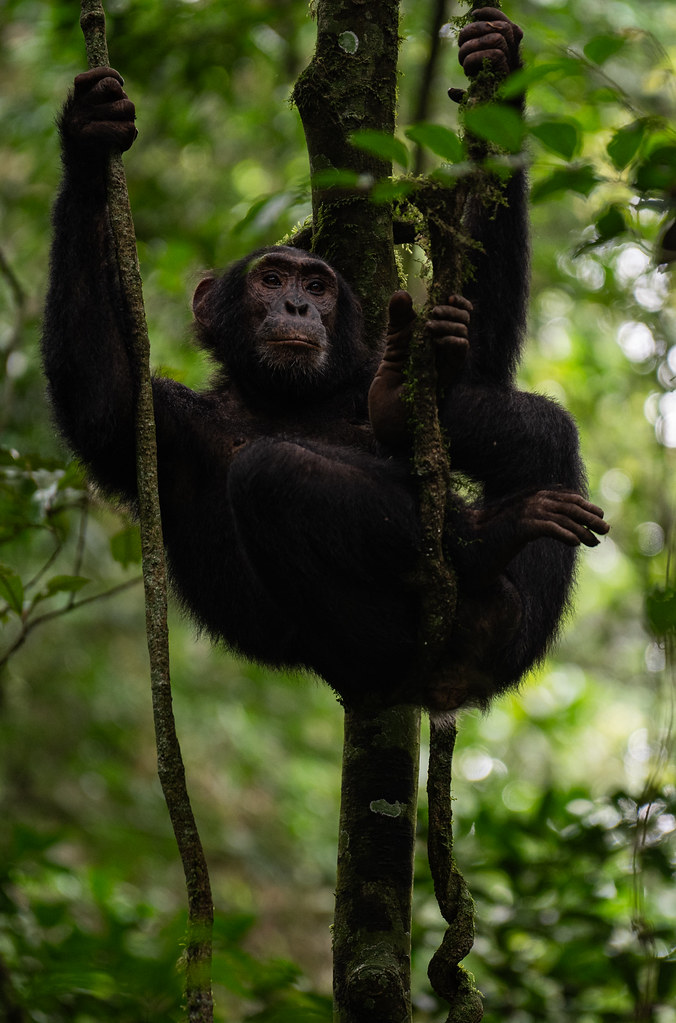
Dominance displays among the adult males are a common sight, from impressive pant-hoots echoing through the forest to dramatic tree-shaking and charging. These displays, while sometimes intimidating, are crucial for maintaining group hierarchy and cohesion. Conversely, you’ll also observe moments of profound reconciliation, where former adversaries engage in comforting embraces, highlighting the sophisticated social fabric that underpins their community life.
Foraging strategies become apparent as you watch them meticulously select fruits, leaves, and even insects, occasionally employing simple tools like leaf-sponges to extract water or sap. The sheer variety of their diet and their adaptability to changing seasons is fascinating. Furthermore, the playful antics of juvenile chimpanzees, chasing, tumbling, and mock-fighting, offer a glimpse into the learning and development crucial for their survival. These sustained observations transform the chimps from mere animals into distinct personalities, each with their own role and story within the group.
Photography Opportunities and Light Conditions
For the serious wildlife photographer, the Chimpanzee Habituation Experience is an unparalleled opportunity. The extended time with the chimps dramatically increases the chances of capturing those elusive, compelling shots that tell a deeper story. Unlike the rush of a one-hour trek, you have the luxury of waiting for the perfect light, anticipating a specific behaviour, or composing a more thoughtful image as the chimps move through their environment.
However, photographing chimpanzees in their natural habitat presents unique challenges. The dense forest canopy often results in low light conditions, requiring cameras with excellent high ISO performance and fast lenses (f/2.8 or wider is highly recommended). Their dark fur against the dappled light can also be tricky for exposure, demanding quick adjustments and a keen eye for contrast. Flash photography is strictly forbidden, both to avoid disturbing the animals and to maintain the natural integrity of the scene.
The key to successful photography during habituation lies in patience and observation. Focus on capturing their expressions, their interactions, and their place within the lush forest. Eye-level shots often yield the most intimate and powerful images. Consider bringing a monopod for stability in low light, and always have extra batteries and memory cards. The habituation experience allows you to move beyond simple documentary shots to truly artistic and evocative portrayals of these magnificent primates, offering a chance to capture sequences of behaviour that reveal their complex lives in detail.
Physical and Mental Preparation
Embarking on a chimpanzee habituation experience requires a reasonable level of physical fitness and a significant degree of mental preparedness. The trek itself can be demanding, involving several hours of walking through dense, often muddy, and uneven forest terrain. You might encounter steep ascents and descents, slippery paths, and thick undergrowth. A good pair of waterproof, ankle-supporting hiking boots is absolutely essential, along with long trousers and long-sleeved shirts to protect against scratches, insects, and stinging nettles.
Beyond the physical demands, mental preparation is equally crucial. Patience is paramount. While the extended time increases your chances of incredible sightings, wild animals are unpredictable. There will be moments of intense activity and moments of quiet waiting. Embrace the silence, listen to the forest, and be prepared for the unexpected. Maintaining a respectful distance and adhering strictly to your guide’s instructions is not just about safety, but about ensuring the well-being of the chimpanzees and the integrity of the habituation process.
Essential packing includes a small backpack with at least 2-3 litres of water, high-energy snacks, rain gear (a lightweight waterproof jacket and trousers or poncho), insect repellent, sunscreen, and a wide-brimmed hat. Gloves can be useful for gripping vegetation. Mentally, approach the experience with an open mind, a sense of wonder, and a deep respect for the wild. This combination will ensure you get the most out of this truly immersive encounter.
How to Book and What to Expect
Booking your Chimpanzee Habituation Experience permit is the first and most critical step, as permits are highly limited to ensure minimal impact on the chimpanzee communities. Permits should be secured well in advance, ideally six months to a year, especially if you plan to travel during peak seasons. These permits are issued by the Uganda Wildlife Authority (UWA) and are typically arranged through a reputable tour operator. Ripple Safaris, with its deep local knowledge and commitment to responsible tourism, specializes in crafting seamless and enriching habituation experiences, handling all permit logistics on your behalf.
Upon arrival at the Kanyanchu Visitor’s Centre, you will receive a comprehensive briefing from UWA rangers and your dedicated habituation guides. This briefing covers the history of the habituation project, the specific chimpanzee community you will be visiting, safety protocols, and the strict rules of engagement to ensure both your safety and the well-being of the chimpanzees. Group sizes are intentionally kept small, usually four to six participants, to minimize disturbance and maximize your intimate viewing experience.
What to expect from the encounter itself is a day of profound immersion. You will trek into the forest, following the signs and calls of the chimpanzees, often for an hour or more before contact is made. Once you locate the community, you will spend the next four to six hours observing them as they go about their daily lives. This is not a guaranteed show; it is an authentic encounter with wild animals, and their behaviour is entirely natural and unscripted. Your guides will be on hand to interpret behaviours and answer questions, enriching your understanding of every moment.
Is It Worth the Extra Cost?
The Chimpanzee Habituation Experience permit carries a higher cost than a standard chimpanzee tracking permit, a difference that often prompts the question: is it truly worth the investment? For those seeking a deeper, more profound connection with these incredible primates, the answer is an unequivocal yes. The value derived from the extended time with the chimpanzees far outweighs the additional expense, transforming a memorable wildlife sighting into a truly transformative encounter.
The extended duration, typically four to six hours, provides an unparalleled opportunity for observation. Instead of a hurried hour, you gain the luxury of witnessing a full spectrum of chimpanzee behaviours: intricate social dynamics, complex foraging strategies, tender mother-infant interactions, and powerful displays of dominance. This prolonged exposure allows for a nuanced understanding of their intelligence and emotional lives that simply cannot be achieved in a shorter timeframe.
Furthermore, for wildlife photographers, the habituation experience is invaluable. The extra hours in the field significantly increase your chances of capturing truly exceptional images, allowing for better light, composition, and the anticipation of unique behavioural moments. The permit fees also contribute directly to critical conservation efforts, funding anti-poaching initiatives, habitat protection, and community development programs that are vital for the long-term survival of these endangered species. For serious enthusiasts, researchers, and photographers, the habituation experience is not merely an activity; it’s an investment in an intimate, educational, and deeply rewarding wildlife journey.
Frequently Asked Questions
What is the best time of year for a Chimpanzee Habituation Experience?
Uganda’s dry seasons, generally from June to September and December to February, are often considered ideal for a chimpanzee habituation experience. During these months, the forest trails are typically drier and less challenging to navigate, potentially offering clearer visibility and making the trek more comfortable.
However, the wet seasons (March-May and October-November) can also be rewarding, as the forest is incredibly lush and vibrant, often with fewer visitors. Chimpanzees are present year-round, so the best time ultimately depends on your personal preference for weather conditions and crowd levels.
How physically demanding is the chimpanzee habituation trek?
The habituation trek can be moderately to highly demanding, requiring participants to walk for several hours through dense, often hilly, and sometimes muddy terrain within Kibale Forest. A good level of physical fitness and stamina is certainly recommended to fully enjoy and keep up with the experience.
Participants should be prepared for varying conditions, including potential rain and humidity. Wearing sturdy, waterproof hiking boots, long trousers, and bringing a walking stick are highly advisable to navigate the forest paths comfortably and safely throughout the day.
What is the maximum group size for a habituation experience?
To minimize disturbance to the chimpanzees and ensure a high-quality, intimate experience for all participants, habituation groups are kept very small. Typically, a group will consist of only four to six individuals, accompanied by their guides and often a tracker or researcher.
This small group size allows for more personal interaction with the guides, better opportunities for observation, and significantly reduces the impact on the chimpanzees’ natural behavior, making the encounter feel more authentic and less intrusive.
Can children participate in the Chimpanzee Habituation Experience?
The minimum age requirement for participating in the Chimpanzee Habituation Experience in Uganda is typically 15 years old. This age limit is enforced due to the extended duration of the activity, which can be physically taxing and requires sustained patience and quiet observation.
The experience demands a level of maturity, stamina, and understanding of strict behavioral guidelines that younger children might find challenging to maintain throughout a full day of trekking and observation in the forest environment.
What essential items should I pack for the habituation experience?
Essential packing includes sturdy, waterproof hiking boots that offer good ankle support, long-sleeved shirts and trousers to protect against scratches and insects, and a lightweight waterproof jacket or poncho. You’ll also need a small backpack for water, high-energy snacks, and personal items.
Don’t forget insect repellent, sunscreen, a wide-brimmed hat, and any necessary personal medications. For photographers, extra batteries, sufficient memory cards, and protective gear for your camera from moisture and dust are highly recommended.
How does my permit fee contribute to conservation?
A substantial portion of your chimpanzee habituation permit fee directly supports the Uganda Wildlife Authority (UWA) in their vital conservation efforts. These funds are channeled into anti-poaching patrols, habitat protection initiatives, and the ongoing monitoring and research of chimpanzee communities within Kibale National Park.
Furthermore, a percentage of the revenue is often reinvested into community development projects surrounding the park. This creates a direct link between tourism and local livelihoods, fostering a sense of ownership and support for conservation among the communities living alongside these incredible primates.
What are the ethical guidelines for observing chimpanzees?
Ethical guidelines are strictly enforced to protect the chimpanzees and ensure a respectful encounter. Key rules include maintaining a minimum distance of at least 7 meters (21 feet) from the chimps, avoiding direct eye contact, and refraining from making sudden movements or loud noises that could alarm them.
It is absolutely forbidden to feed the chimpanzees, leave any litter behind, or attempt to touch them. Flash photography is also prohibited as it can disturb their natural behavior. Always follow your guide’s instructions precisely, as their priority is the well-being of the chimpanzees and the safety of the visitors.