- Volcanoes National Park offers a more accessible, often quicker, and highly luxurious gorilla trekking experience in a dramatic volcanic landscape.
- Bwindi Impenetrable National Park provides a rugged, immersive, and often more budget-friendly gorilla safari, renowned for its dense forest and diverse trekking sectors.
- Permit acquisition and seasonal timing are critical for both destinations, with dry seasons generally offering easier trekking conditions.
- Both parks promise unforgettable encounters with mountain gorillas, but your choice depends on desired luxury, trekking intensity, and broader safari ambitions.
The Spirit and Scale of Volcanoes National Park
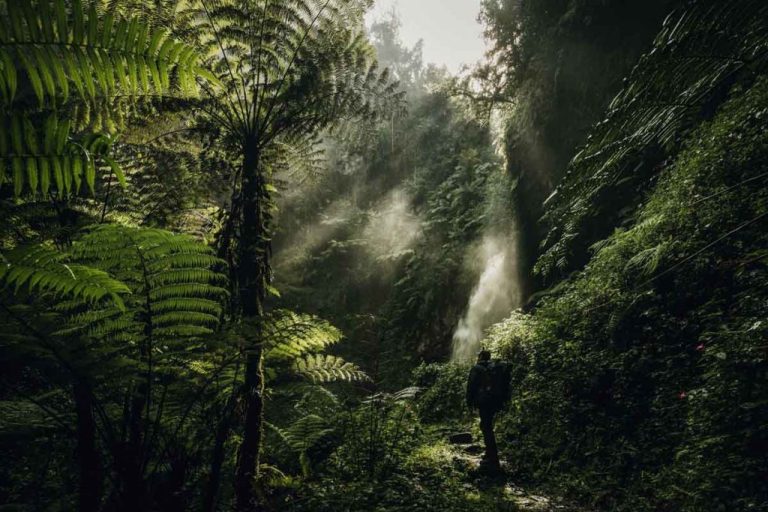
There’s a palpable mystique that hangs heavy in the air around Volcanoes National Park, a land sculpted by ancient geological forces and perpetually shrouded in a delicate, often ethereal mist. Unlike the dense, sprawling jungle of Bwindi, Volcanoes presents a more immediate, dramatic landscape. Here, the Virunga Mountains rise like colossal sentinels, their peaks often obscured by cloud, creating a backdrop that feels both primeval and profoundly sacred. This isn’t just a park; it’s a living monument to conservation, a place where Dian Fossey walked and worked, leaving an indelible legacy that continues to protect its most famous inhabitants.
The very scale of Volcanoes, while smaller than Bwindi, offers a concentrated intensity. The treks, while still challenging, often feel more contained within the distinct volcanic slopes and bamboo forests. The experience here is frequently characterized by a sense of intimacy with the environment, an almost spiritual connection to the land and the magnificent creatures it harbors. When considering gorilla tours Rwanda, the atmosphere of Volcanoes National Park stands in stark contrast to the sheer, untamed wilderness of its Ugandan counterpart, offering a distinct flavor of Africa gorilla trek that appeals to those seeking a blend of adventure and refined immersion.
Expert Insight: “Volcanoes National Park, with its proximity to Kigali and well-developed infrastructure, often provides a more streamlined and comfortable trekking experience. The volcanic slopes, while challenging, tend to be less muddy than Bwindi’s dense rainforest, especially during the drier months, which can be a significant factor for some trekkers.”
Signature Wildlife and Ecosystem Highlights
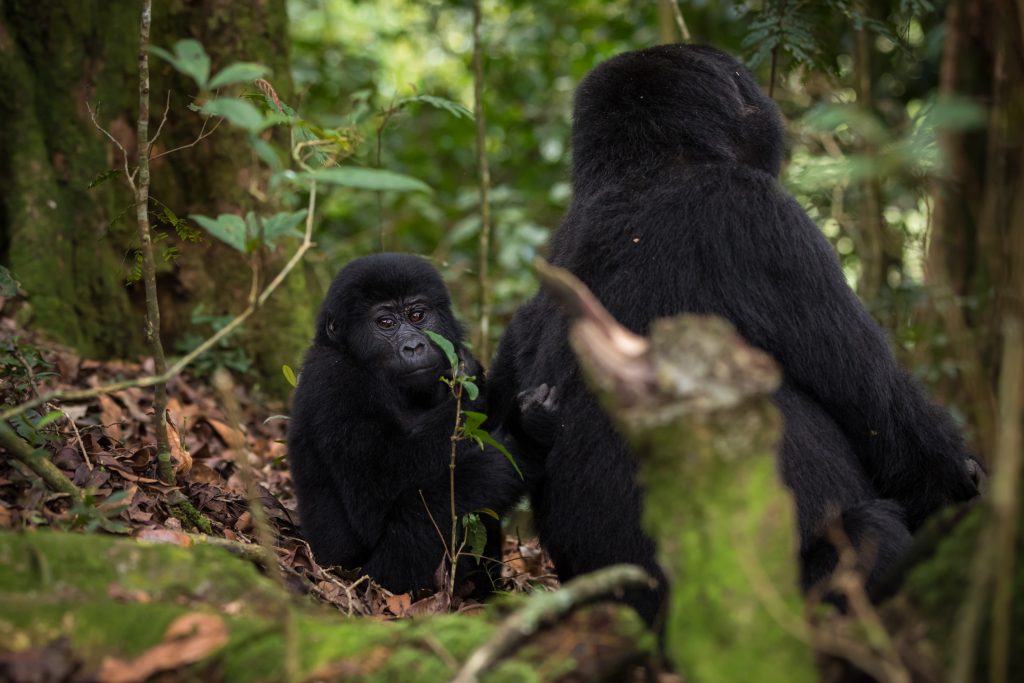
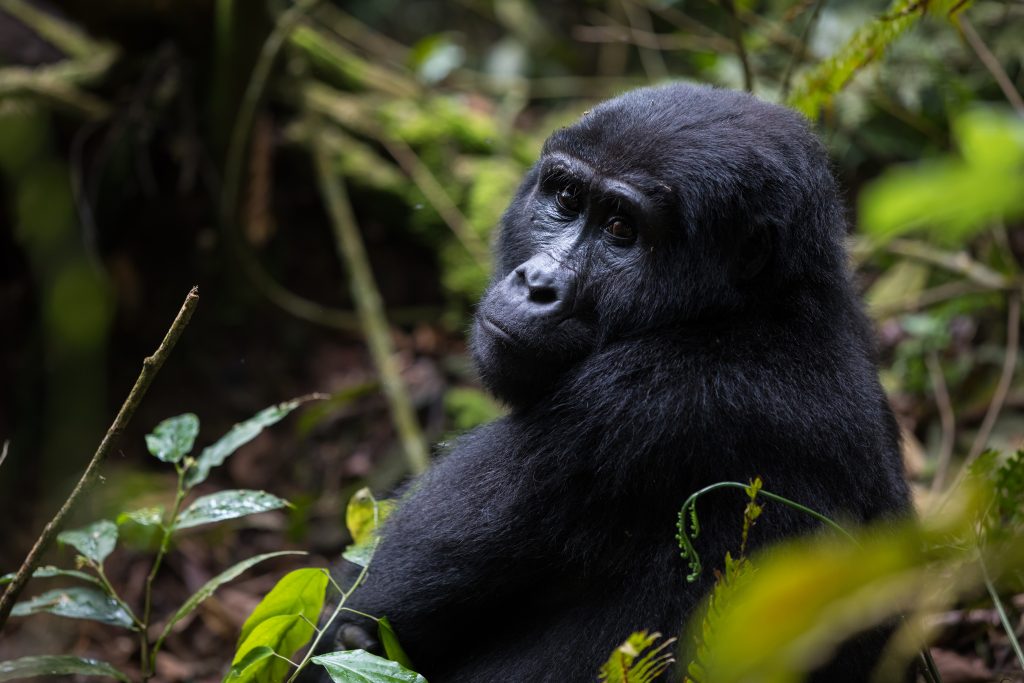
While the mountain gorillas are undoubtedly the crown jewels of Volcanoes National Park, the ecosystem itself is a vibrant tapestry of life. Beyond the iconic silverbacks and their families, the park is home to a thriving population of golden monkeys, endemic to the Virunga Mountains. A dedicated golden monkey tracking experience offers a delightful contrast to the gorilla trek, providing an opportunity to observe these playful primates leaping through the bamboo groves, their golden fur a striking splash of color against the verdant backdrop.
The park’s diverse altitudinal zones support a rich array of flora and fauna. Birdwatchers will find themselves in paradise, with numerous Albertine Rift endemics to spot. The upper slopes feature Afro-alpine moorland, while lower down, bamboo forests give way to montane rainforest. This ecological variety, compressed into a relatively accessible area, means that even short hikes can yield unexpected wildlife sightings. While Bwindi boasts a greater overall biodiversity, Volcanoes offers a specialized experience, focusing on these critically endangered primates and the unique habitat that sustains them, making it a pivotal destination for any serious Africa gorilla trek enthusiast.
Best Time to Visit: Seasonal Intelligence
Understanding the seasonal nuances is paramount for planning any gorilla safari, whether it’s a Bwindi gorilla safari or a journey into Volcanoes National Park. Both destinations experience distinct dry and wet seasons, each offering different advantages and challenges. For Volcanoes, the long dry season runs from June to September, and a shorter one from December to February. During these periods, the trails are generally firmer, less muddy, and the dense vegetation is somewhat less impenetrable, making for easier trekking conditions and better photographic opportunities as the light can be clearer.
Conversely, the wet seasons (March to May and October to November) bring lush, vibrant landscapes and fewer tourists, which can translate into a more private trekking experience. However, the trails become significantly muddier and more challenging, requiring greater physical exertion and appropriate gear. Rain can be persistent, though often short-lived. For those considering gorilla trekking in Uganda/Rwanda, it’s a trade-off: comfort and ease versus solitude and potentially more dramatic, misty encounters. Our experience at Ripple Safaris suggests that while dry seasons are popular, the wet seasons offer a unique, atmospheric charm for the intrepid traveler willing to embrace the elements.
Adventure Logistics and Access
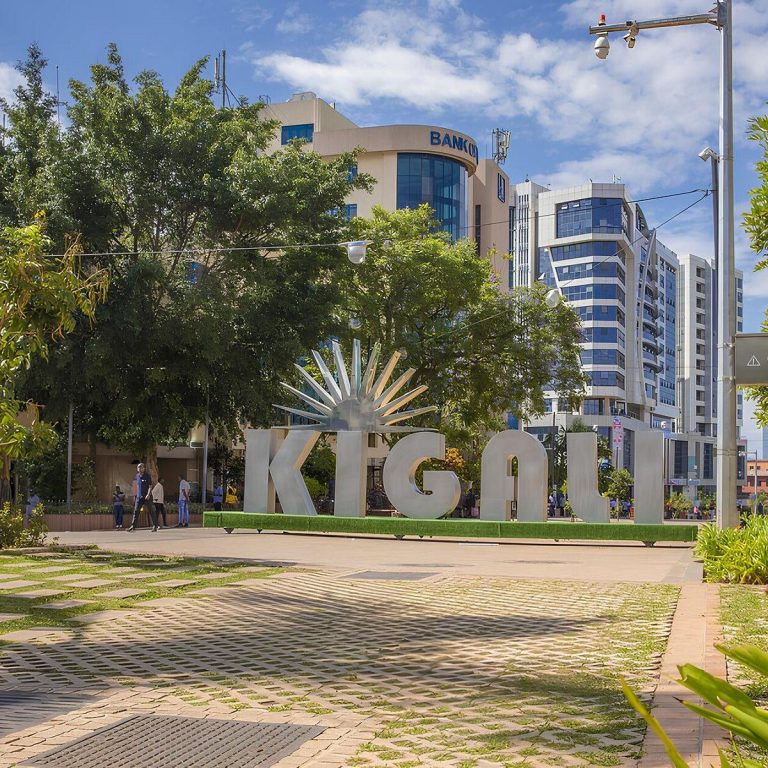
The logistical considerations for an Africa gorilla trek can significantly influence your choice between Volcanoes and Bwindi. Volcanoes National Park benefits immensely from its relatively close proximity to Kigali International Airport (KGL), a comfortable 2.5 to 3-hour drive on excellent roads. This ease of access means you can often arrive in Rwanda, transfer to a lodge near the park, and be ready for your gorilla trek the very next morning, minimizing travel time and maximizing your safari experience. The park headquarters at Kinigi is the central hub for all trekking activities, and its efficient operation is a hallmark of Rwanda gorilla trekking tours.
In contrast, accessing Bwindi Impenetrable National Park for a Bwindi gorilla trek typically involves a longer journey. From Entebbe International Airport (EBB) in Uganda, it’s an 8-10 hour drive to the various trekking sectors, or a shorter but more expensive domestic flight to a nearby airstrip, followed by a road transfer. This difference in accessibility is a key factor for many travelers. While both require securing gorilla permits Uganda or Rwanda well in advance – often 6-12 months out – the daily logistics within Volcanoes tend to feel more streamlined and less arduous, a significant advantage for those with limited time or seeking a more comfortable overall experience.
Pro Tip: “Regardless of your chosen park, securing your gorilla permits Uganda or Rwanda early is non-negotiable. These permits are limited and high in demand. For gorilla tours Rwanda, the process is generally straightforward through authorized operators, but the same urgency applies. Don’t wait until the last minute.”
Lodge Perspectives and Authentic Stays
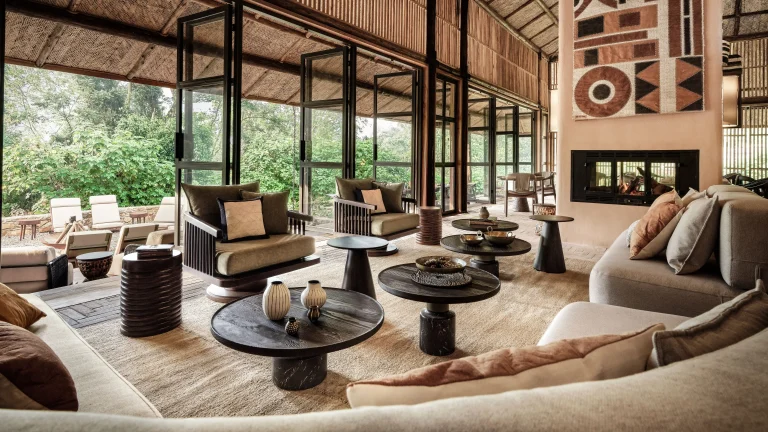
The accommodation landscape around Volcanoes National Park caters to a discerning clientele, often emphasizing luxury, sustainability, and unparalleled views of the Virunga volcanoes. From ultra-exclusive lodges offering private butler service and bespoke experiences to charming mid-range options, there’s a strong focus on high-end comfort and integrating with the natural surroundings. Many lodges are strategically positioned to provide stunning vistas, allowing guests to soak in the dramatic scenery even when not on a trek. The quality of service, cuisine, and attention to detail at these establishments is consistently high, reflecting Rwanda’s commitment to premium tourism.
While Bwindi also offers a range of accommodations, including some truly exceptional luxury lodges, the overall feel can be more rustic and deeply embedded in the dense forest. The remoteness of Bwindi’s various sectors means that lodges often prioritize a sense of secluded immersion, sometimes with less emphasis on the opulent amenities found in Volcanoes’ higher-tier offerings. The choice between the two often comes down to personal preference: do you seek the refined elegance and breathtaking panoramas of Volcanoes, or the raw, untamed immersion that characterizes many Bwindi gorilla safari lodges? Both offer unique charm, but the ‘luxury’ quotient is often perceived as higher and more consistent in Rwanda.
Pairing Volcanoes National Park with a Broader Safari
Choosing between Volcanoes and Bwindi doesn’t necessarily mean an exclusive decision; often, the best Africa gorilla trek experience can involve combining elements. Volcanoes National Park is an ideal anchor for a broader Rwandan exploration. After your gorilla trek, you might consider extending your journey to Nyungwe Forest National Park for chimpanzee tracking Uganda, experiencing a different primate encounter amidst ancient rainforests. Alternatively, a visit to Akagera National Park offers a classic savannah safari, completing a “Big Five” experience within Rwanda’s borders.
For those with more time and a desire for a comprehensive East African adventure, pairing Volcanoes with a safari in Uganda opens up incredible possibilities. Imagine the thrill of gorilla trekking in Rwanda, followed by Uganda wildlife safaris that include game drives in Queen Elizabeth National Park, or additional chimp tracking Uganda in Kibale Forest. This cross-border approach allows you to compare and contrast the unique offerings of both nations, from the diverse landscapes of Uganda to the pristine, efficient operations of Rwanda. Such gorilla and wildlife safari combinations are where a seasoned Uganda gorilla tour operator truly shines, crafting seamless gorilla safari packages Uganda that blend these extraordinary destinations into an unforgettable journey.
Essential Tips for Volcanoes National Park Travelers
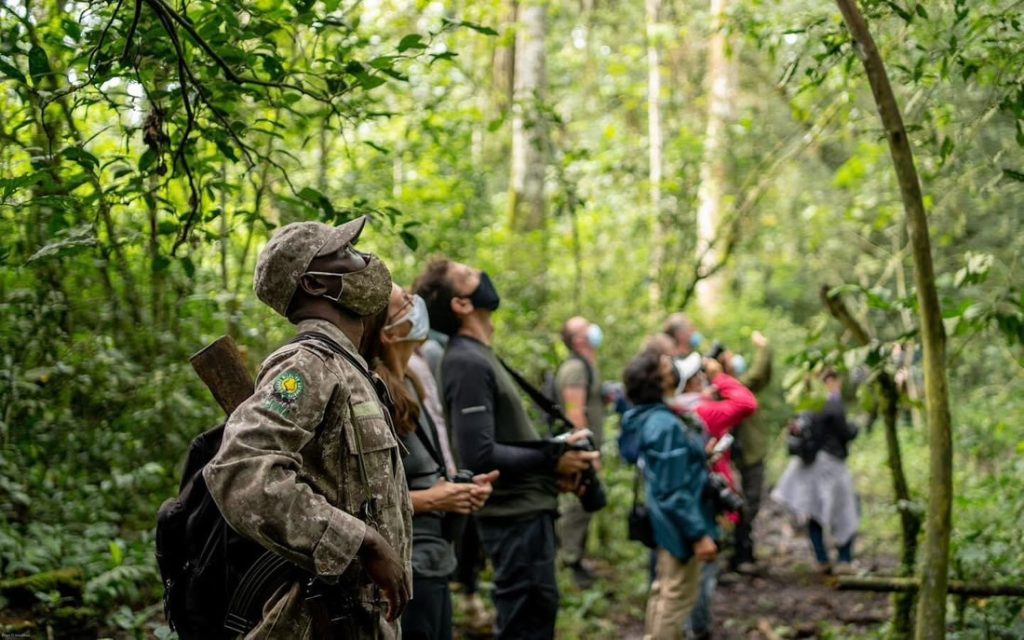
Preparing for your Africa gorilla trek in Volcanoes National Park requires a blend of physical readiness and practical considerations. Firstly, physical fitness is key; while some treks are shorter, others can be steep and arduous, lasting several hours. Regular exercise in the months leading up to your trip will significantly enhance your enjoyment. Secondly, packing the right gear is crucial: sturdy waterproof hiking boots, long trousers and sleeves to protect against stinging nettles, gardening gloves for gripping vegetation, and a waterproof jacket are all indispensable. A small daypack, plenty of water, and high-energy snacks are also recommended.
Culturally, remember that Rwanda is a country with a strong sense of community and respect. Engaging a porter, while not mandatory, is highly recommended. Not only do they assist with your daypack, but it also provides vital income to local communities, making a direct positive impact. When you encounter the gorillas, follow your guide’s instructions precisely: maintain a respectful distance, keep your voice low, and avoid sudden movements. The hour spent with these magnificent creatures is often described as life-changing, a profound connection to the wild that few experiences can match. Embrace the journey, and allow yourself to be fully present in this extraordinary environment.
Frequently Asked Questions
What is the main difference between gorilla trekking in Uganda and Rwanda?
The primary difference lies in accessibility, cost, and the overall trekking environment. Rwanda’s Volcanoes National Park is generally more accessible from Kigali, offers a slightly more luxurious experience, and gorilla permits Rwanda are more expensive at $1,500.
Gorilla trekking Uganda, particularly in Bwindi, often involves longer travel times, a more rugged and immersive jungle experience, and gorilla permits Uganda are more affordable at $800, making it a popular choice for value-conscious travelers.
How much does a gorilla permit Uganda cost compared to Rwanda?
A gorilla permit Uganda currently costs $800 for foreign non-residents, making it significantly more budget-friendly than Rwanda. This price grants you one hour with a habituated gorilla family in either Bwindi Impenetrable National Park or Mgahinga Gorilla National Park.
In contrast, a permit for Rwanda gorilla trekking tour in Volcanoes National Park costs $1,500 for foreign non-residents. Both permits are crucial for your gorilla safari packages Uganda or Rwanda and should be booked well in advance.
Is Bwindi gorilla safari more challenging than Volcanoes National Park?
Generally, a Bwindi gorilla trek is often considered more physically demanding due to the park’s dense, impenetrable forest and varied terrain. Treks can be longer and involve navigating through thicker vegetation and steeper slopes.
While Volcanoes National Park also presents challenging treks, the volcanic slopes can sometimes be more open and less muddy, especially during dry seasons, potentially offering a slightly less strenuous experience on average, but this can vary greatly by gorilla family and weather.
Can I combine gorilla trekking Uganda trips with chimpanzee tracking?
Absolutely, combining gorilla trekking with chimpanzee tracking is a highly recommended and popular option for Uganda safari packages. After your Bwindi gorilla trek, you can travel to Kibale Forest National Park for world-class chimp tracking Uganda, offering a fascinating contrast in primate behavior and habitat.
Many Uganda gorilla tour operator packages are designed to include both experiences, providing a comprehensive primate safari. This combination allows you to witness two of Africa’s most iconic primate species in their natural environments.
What is the best way to book a gorilla and wildlife safari?
The best way to book a gorilla and wildlife safari is through an experienced and reputable tour operator specializing in East Africa. They can assist with securing your highly sought-after gorilla permit Uganda or Rwanda, arranging transfers, accommodation, and crafting a tailored itinerary that fits your interests and budget.
An expert operator ensures seamless logistics and provides invaluable local knowledge, maximizing your chances of a successful and enjoyable trip, especially when planning complex gorilla and wildlife safari combinations across multiple parks or countries.
What should I expect regarding the Uganda gorilla permit price and availability?
The Uganda gorilla permit price is currently $800 per person for a single trek, a fee that directly contributes to conservation efforts. Permits are in high demand and limited to only 8 trekkers per gorilla family per day, ensuring minimal disturbance to the gorillas.
Availability can fluctuate significantly, with peak seasons (June-September, December-February) often selling out 6-12 months in advance. It is crucial to book your permit as early as possible through a trusted tour operator to secure your desired trekking dates and sector.