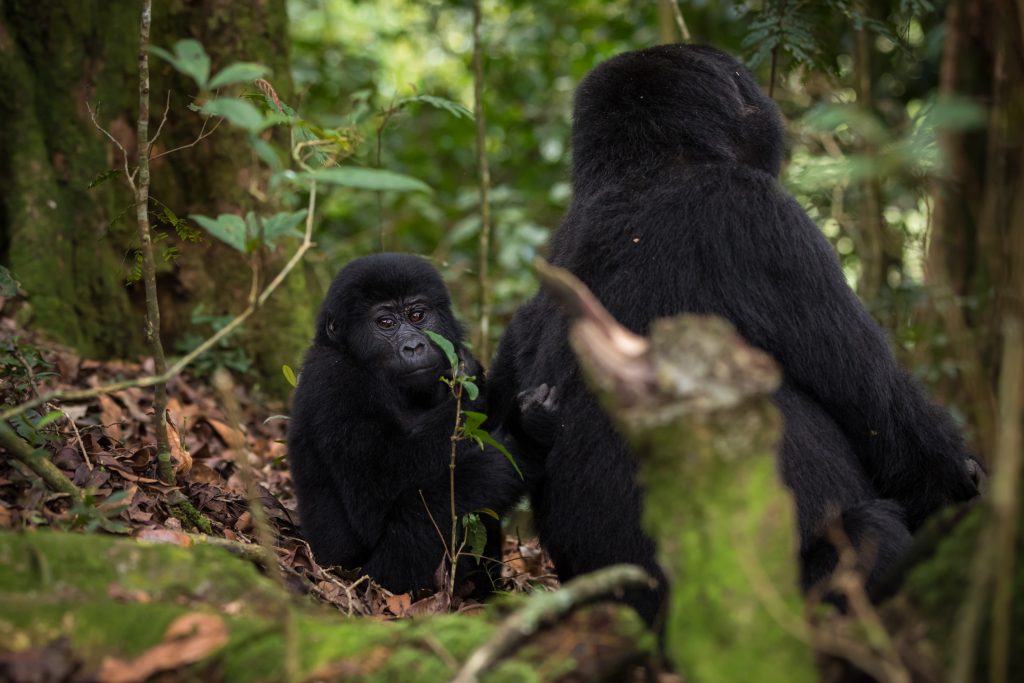
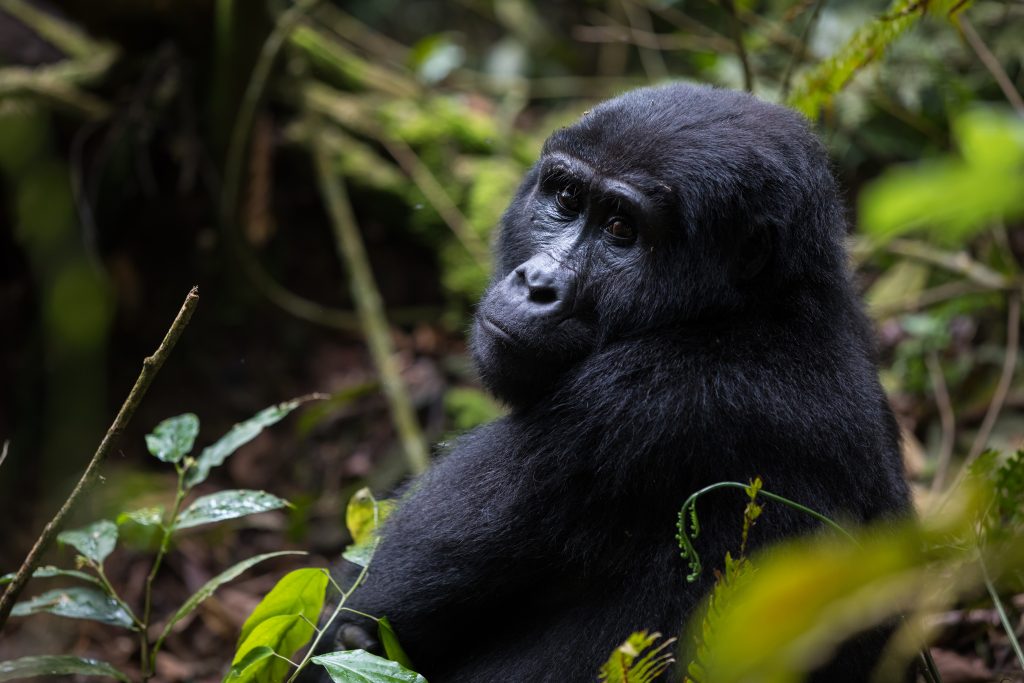
- Bwindi Impenetrable Forest offers an unparalleled, intimate encounter with mountain gorillas in their natural, dense habitat.
- Optimal trekking conditions are found during the drier seasons (June-August, December-February), though the forest is accessible year-round.
- Logistics demand careful planning for permits, specialized gear, and robust local support to navigate the challenging terrain.
- Beyond gorillas, Bwindi boasts exceptional biodiversity, including over 120 mammal species and 350 bird species, requiring a keen eye and patience.
The Spirit and Scale of Bwindi Impenetrable Forest National Park
Stepping into Bwindi Impenetrable Forest National Park is not merely entering a park; it is a profound immersion into one of Africa’s most ancient and biologically diverse ecosystems. This UNESCO World Heritage site, cradled in the southwestern corner of Uganda, truly lives up to its name. The canopy, a dense, verdant tapestry, filters the equatorial light into ethereal shafts, illuminating a landscape sculpted by millennia of growth and decay. The air itself feels alive, thick with the scent of damp earth, decaying leaves, and the distant calls of unseen creatures.
The spirit of Bwindi is one of raw, untamed wilderness, a place where nature reigns supreme and human presence is a privilege, not a right. Its scale is deceptive; while not the largest of Africa’s protected areas, its sheer density and rugged topography make it feel boundless. This is a place that demands respect, patience, and a willingness to surrender to its rhythms. The impenetrable moniker speaks to the sheer challenge of traversing its slopes, a challenge that ultimately amplifies the profound reward of what lies within.
For the discerning adventurer, Bwindi offers a safari experience unlike any other—one that transcends the typical savanna game drive. Here, the pursuit is not of vast herds across open plains, but of intimate, life-altering encounters within a primeval forest. It is a journey into the very heart of Africa’s ecological heritage, a place where the echoes of time resonate with every rustle of leaves and every distant primate call.
Signature Wildlife and Ecosystem Highlights
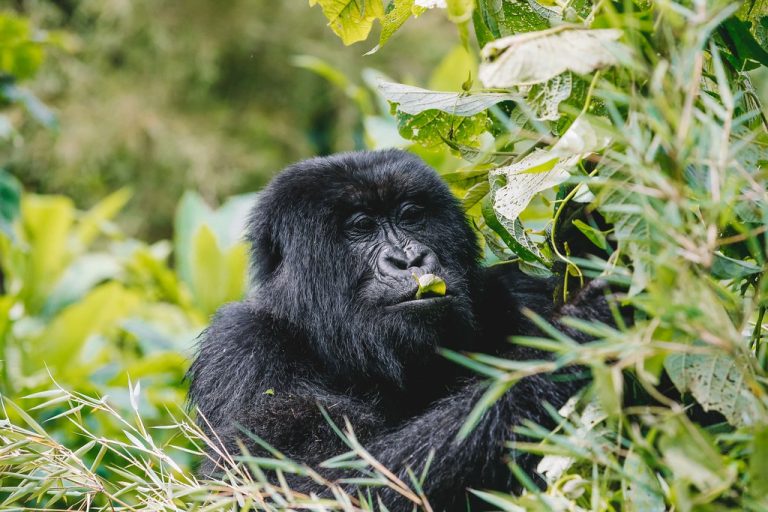
Bwindi Impenetrable Forest National Park is globally renowned as a sanctuary for roughly half of the world’s remaining mountain gorilla population, making encounters with these magnificent primates its undisputed highlight. Yet, to focus solely on the gorillas would be to overlook an entire universe of biodiversity that thrives within this ancient forest. This ecosystem is a vibrant tapestry, harboring an astonishing array of life, many species endemic to the Albertine Rift Valley.
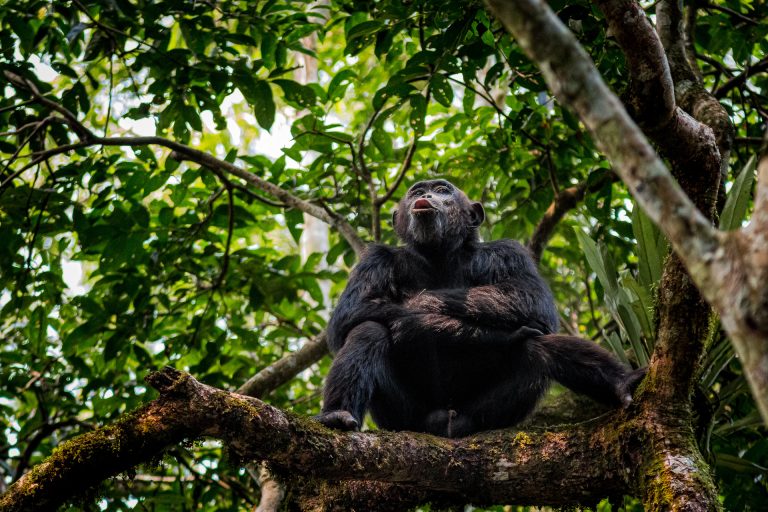
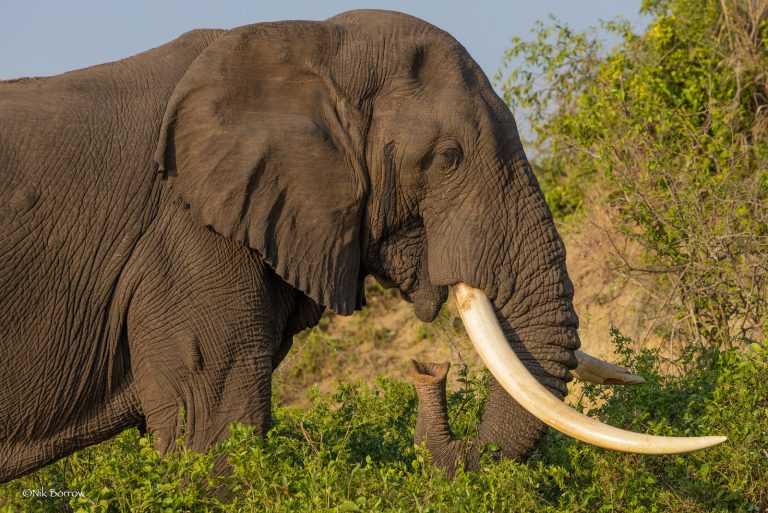
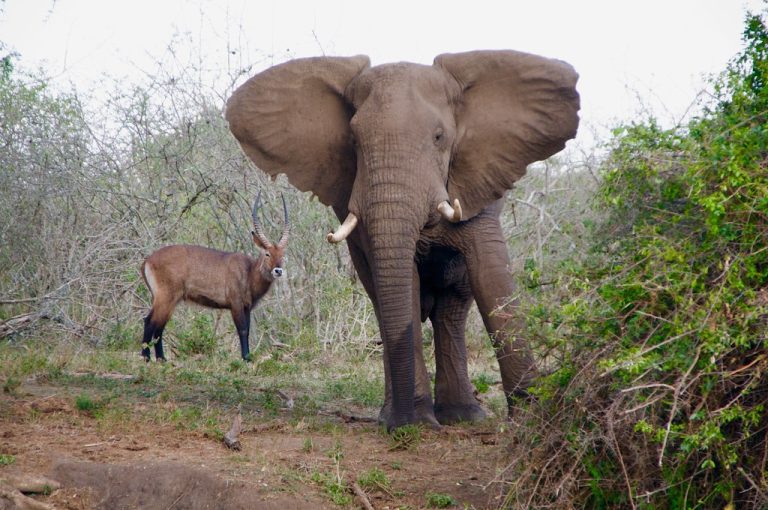
Beyond the gentle giants, Bwindi is a critical habitat for over 120 species of mammals, including ten species of primates alone. Keep a keen eye and ear for chimpanzees, black-and-white colobus monkeys, L’Hoest’s monkeys, and baboons, whose playful antics or territorial calls often punctuate the forest’s quietude. While elusive, forest elephants, giant forest hogs, and various antelope species like the bushbuck and duiker also roam these dense thickets, their presence often indicated by tracks or distant rustling.
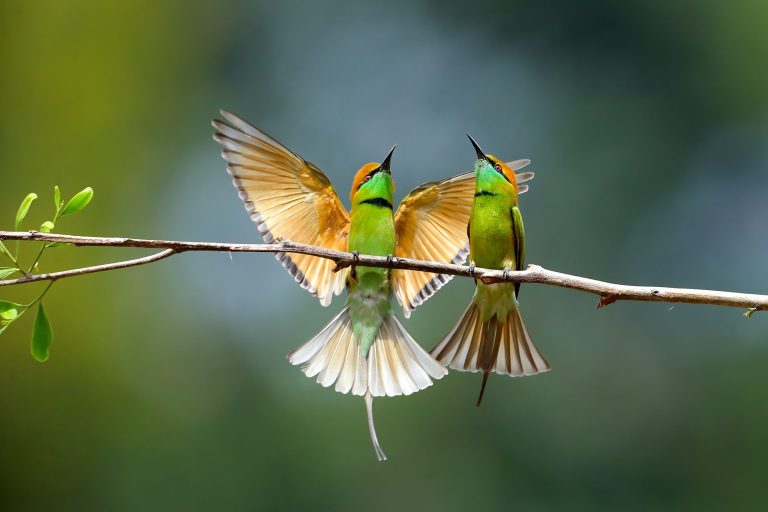
Ornithologists consider Bwindi a paradise, boasting over 350 species of birds, with 23 Albertine Rift endemics. Species such as the African Green Broadbill, Grauer’s Rush Warbler, and Shelley’s Crimsonwing offer exceptional sightings for serious birders. The forest floor itself is a micro-ecosystem, home to countless insects, amphibians, and reptiles, each playing a vital role in this intricate natural balance. Understanding this broader ecological context enriches the gorilla trekking experience, transforming it from a singular event into an appreciation of a truly thriving, complex wilderness.
Expert Insight: “In Bwindi, patience is your most valuable tool. The forest does not reveal its secrets easily. A keen eye, a quiet step, and the willingness to simply observe the smaller details—the fungi, the insects, the subtle shifts in foliage—will deepen your appreciation for this complex ecosystem far beyond the main event.”
Best Time to Visit: Seasonal Intelligence
Navigating the intricacies of Bwindi Impenetrable Forest requires an understanding of its seasonal rhythms, which directly influence trekking conditions and wildlife visibility. While gorilla trekking is a year-round activity, certain periods offer distinct advantages for the luxury traveler seeking optimal comfort and experience.
The primary dry seasons, running from June to August and December to February, are generally considered the best times to visit. During these months, rainfall is significantly reduced, leading to drier, less slippery trails, and easier navigation through the dense undergrowth. The forest floor becomes firmer, making the ascent and descent less strenuous, and the chance of a clear, sunny day for photography is higher. This period also often sees gorillas at slightly higher altitudes, as they range more freely in search of food. However, “dry” in a rainforest is relative; expect occasional showers regardless of the season, and always be prepared for mud.
Conversely, the wet seasons, from March to May and September to November, bring heavier rains. While challenging, these months offer their own unique appeal. The forest bursts with vibrant new growth, and the air is exceptionally fresh and clean. Photography takes on a dramatic, misty quality. Crucially, during the wet seasons, gorillas often descend to lower altitudes, finding abundant food closer to the valley floors, which can sometimes result in shorter trekking times. Permits during these periods can also be slightly easier to secure, though booking well in advance remains paramount, regardless of the season. For the intrepid and flexible traveler, the wet season can offer a more intimate and less crowded experience, with the added benefit of a lusher, more dynamic landscape.
Adventure Logistics and Access
Accessing Bwindi Impenetrable Forest National Park, a remote wilderness, requires meticulous planning and a robust logistical framework. The journey itself is an integral part of the adventure, typically involving a combination of air and road travel to reach the park’s various sectors. Most international travelers will arrive at Entebbe International Airport (EBB) in Uganda.
From Entebbe, the most efficient and comfortable option is a scheduled or private charter flight to one of the regional airstrips serving Bwindi, such as Kihihi or Kisoro. These flights drastically cut down travel time compared to the overland journey, which can take 8-10 hours on often challenging roads. Upon arrival at the airstrip, a pre-arranged 4×4 vehicle will transfer you to your chosen lodge, navigating the final stretch of winding, sometimes rugged, forest roads. It is imperative that these transfers are coordinated by experienced operators like Ripple Safaris, ensuring reliable vehicles and knowledgeable drivers who understand the local terrain and conditions.
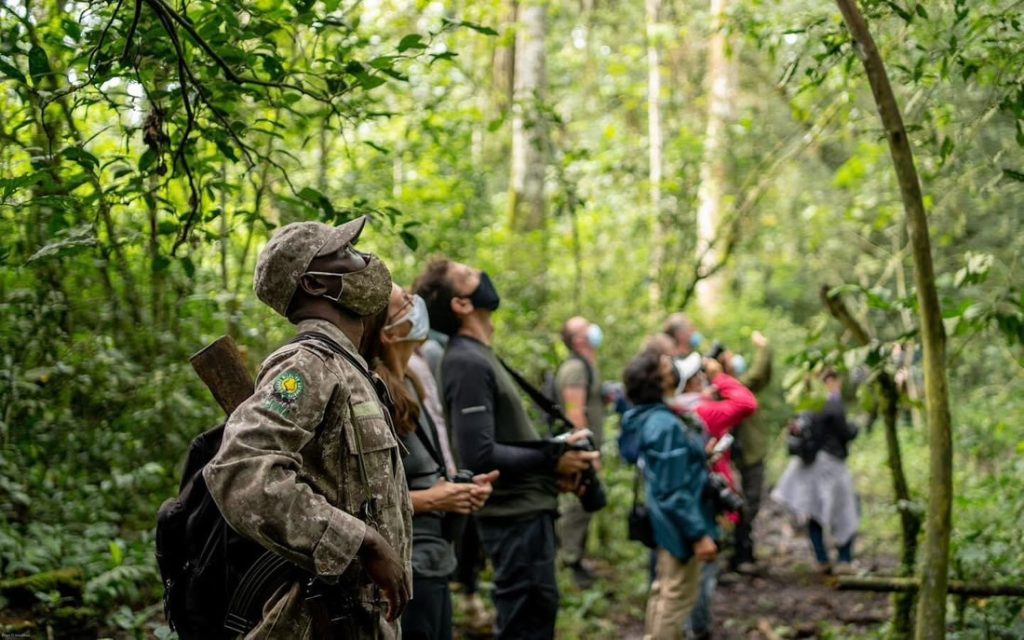
Gorilla trekking permits are the cornerstone of any Bwindi expedition. These must be secured well in advance, often 6-12 months prior to your desired trekking date, due to limited availability. Each of Bwindi’s four sectors—Buhoma, Ruhija, Rushaga, and Nkuringo—offers a unique experience, with varying terrain difficulty and group sizes. Understanding these distinctions and matching them to your physical capabilities and preferences is crucial. Your expedition leader will ensure all permits are in order and that you are assigned to a suitable gorilla family. Beyond permits, essential gear includes sturdy waterproof hiking boots, rain gear, gaiters, gloves, a small daypack, and plenty of water. Porters are readily available and highly recommended; their assistance not only eases your burden but also directly supports local communities.
Lodge Perspectives and Authentic Stays
The accommodation options around Bwindi Impenetrable Forest National Park are designed to complement the immersive nature of the gorilla trekking experience, blending luxury with a deep respect for the surrounding wilderness. Unlike the expansive, open-air lodges of the savanna, Bwindi’s lodges are often nestled discreetly within or on the fringes of the forest, offering unparalleled proximity to nature and a sense of secluded tranquility.
These establishments range from intimate, eco-conscious camps to more opulent, full-service lodges, each providing a unique perspective on the forest. Common features include individually designed cottages or bandas, often constructed from local materials and featuring private verandas that open directly onto the forest canopy. The emphasis is on comfort, warm hospitality, and a connection to the environment, without sacrificing essential amenities.
Many lodges offer fireplaces for chilly evenings, fine dining experiences featuring locally sourced ingredients, and communal areas designed for sharing trekking stories. Some even provide in-house massage services, a welcome luxury after a strenuous day on the trails. The choice of lodge often dictates the trekking sector you will be based in, so it’s important to align your accommodation preference with your permit allocation. Regardless of the specific choice, these authentic stays provide a crucial haven, allowing guests to relax, reflect, and recharge amidst the profound beauty of Bwindi, ensuring the entire journey remains cohesive and deeply rewarding.
Pro Tip: “When selecting your Bwindi accommodation, consider its proximity to your assigned trekking sector. While transfers are arranged, minimizing travel time on trekking day allows for a more relaxed morning and conserves energy for the main event. Some lodges offer direct forest access, enhancing the immersion.”
Pairing Bwindi Impenetrable Forest National Park with a Broader Safari
While Bwindi offers an utterly unique and profound safari experience, its location in southwestern Uganda makes it an ideal anchor for a more comprehensive exploration of East Africa’s diverse landscapes and wildlife. A well-crafted itinerary can seamlessly integrate the dense, mystical environment of Bwindi with the classic savanna spectacles, providing a safari narrative that is rich in contrast and unparalleled in its scope.
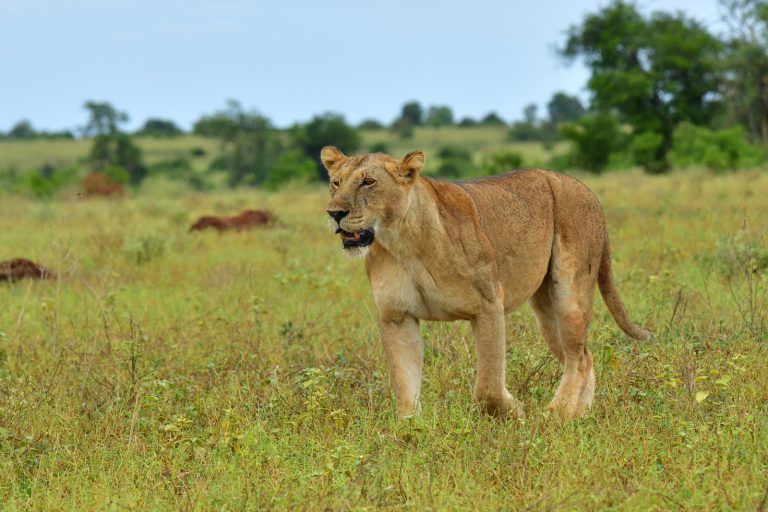
One of the most popular and rewarding pairings is with Queen Elizabeth National Park, located a relatively short drive north of Bwindi. This park offers a stark contrast with its open savannas, crater lakes, and the famous tree-climbing lions of Ishasha. A boat safari on the Kazinga Channel, connecting Lake Edward and Lake George, provides exceptional opportunities for viewing hippos, crocodiles, and a vast array of waterbirds. The transition from the humid, challenging terrain of Bwindi to the expansive vistas and concentrated game viewing of Queen Elizabeth creates a truly dynamic safari.
Further extending the journey, Murchison Falls National Park in the north presents another magnificent contrast, renowned for its powerful waterfalls, large elephant herds, and abundant Rothschild’s giraffes. For those with a deeper interest in primate tracking, Kibale Forest National Park, home to the highest concentration of chimpanzees in East Africa, can be integrated. Combining these destinations allows for a holistic appreciation of Uganda’s incredible biodiversity, moving from the intimate, arduous trek in Bwindi to the broader, more traditional safari encounters. Such a multi-faceted expedition caters to the discerning traveler who seeks not just wildlife sightings, but a profound understanding of Africa’s varied ecosystems.
Essential Tips for Bwindi Impenetrable Forest National Park Travelers
Embarking on a gorilla trekking adventure in Bwindi requires more than just a permit; it demands preparation, respect for the environment, and an understanding of the unique challenges and rewards ahead. Here are some essential tips to ensure your expedition is as successful and comfortable as possible.
- Physical Preparation: Bwindi’s terrain is rugged, often steep, and can be muddy. Regular exercise, particularly hiking or brisk walking, in the months leading up to your trip will significantly enhance your enjoyment and endurance.
- Appropriate Gear: Invest in sturdy, waterproof hiking boots with good ankle support. Long-sleeved shirts and trousers are crucial to protect against thorns, nettles, and insects. Bring rain gear (jacket and trousers), gaiters to keep debris out of your boots, and gardening gloves to protect your hands when gripping vegetation.
- Hydration and Snacks: Carry at least 2-3 liters of water per person. Energy-boosting snacks like granola bars or dried fruit are also highly recommended to sustain you during the trek.
- Porter Support: Hiring a porter is strongly encouraged. Not only do they assist with carrying your daypack and navigating challenging sections of the trail, but it also provides vital income and support to local communities.
- Health Precautions: Consult your doctor about necessary vaccinations and malaria prophylaxis well in advance. Carry any personal medications. A basic first-aid kit with blister plasters, pain relievers, and insect repellent is also advisable.
- Photography Etiquette: While cameras are permitted, flashes are strictly prohibited around gorillas. Be mindful of your fellow trekkers and the gorillas, ensuring your photography does not disrupt their natural behavior or the group’s experience.
- Respect the Rules: Follow your guides’ instructions implicitly. Maintain the recommended distance from the gorillas, avoid direct eye contact, and never attempt to feed them. Minimizing noise and movement ensures a stress-free experience for the gorilla family.
Frequently Asked Questions
What is the minimum age for gorilla trekking in Bwindi?
The minimum age for gorilla trekking in Bwindi Impenetrable Forest National Park is strictly 15 years old. This regulation is in place to ensure the safety of both the trekkers and the gorillas, as younger individuals may struggle with the physical demands of the trek or maintain the necessary calm and quiet around the primates.
The challenging terrain and the need for mature behavior around wild animals necessitate this age restriction, which is enforced by the Uganda Wildlife Authority. There are no exceptions to this rule, so families with younger children should plan alternative activities or consider other safari destinations.
How difficult is the gorilla trek in Bwindi?
The gorilla trek in Bwindi is generally considered moderately to highly strenuous, depending on the specific gorilla family assigned and the prevailing weather conditions. Treks can range from 30 minutes to over 8 hours, involving steep ascents and descents through dense, muddy, and often slippery terrain.
A good level of physical fitness is essential, and trekkers should be prepared for unpredictable conditions. While challenging, the reward of spending an hour with a gorilla family in their natural habitat is universally described as an unforgettable and deeply moving experience that far outweighs the physical exertion.
What should I wear for gorilla trekking?
For gorilla trekking, you should wear sturdy, waterproof hiking boots with good ankle support, long-sleeved shirts, and long trousers to protect against scratches, insect bites, and nettles. It is also highly recommended to bring rain gear (a waterproof jacket and trousers) as rain can occur at any time in the rainforest.
Additionally, gardening gloves can protect your hands when gripping vegetation, and gaiters are useful to prevent mud and debris from entering your boots. Layers are advisable as temperatures can vary, and a wide-brimmed hat offers sun protection when outside the dense canopy.
Are gorilla trekking permits included in safari costs?
Gorilla trekking permits are typically a separate and significant cost that is not automatically included in the base price of a safari package. They must be purchased in advance through the Uganda Wildlife Authority or a licensed tour operator.
While your safari outfitter will handle the permit acquisition as part of their service, the permit fee itself is an additional expense that needs to be budgeted for. Always confirm with your tour operator whether permit costs are factored into your quoted price or if they are listed as an add-on.
What is the best way to support local communities in Bwindi?
Supporting local communities around Bwindi can be achieved through several impactful ways, most directly by hiring porters and purchasing local crafts. Porters are often former poachers or community members who now earn a sustainable income, directly benefiting their families and fostering a positive relationship with conservation efforts.
Additionally, staying at community-owned lodges or those that actively engage in community projects, visiting local schools or cultural centers, and buying authentic handmade souvenirs contribute directly to the economic well-being of the people living near the park. These actions help ensure that the benefits of tourism are shared, creating a vested interest in protecting the gorillas and their habitat.
What other wildlife can be seen in Bwindi besides gorillas?
While mountain gorillas are the star attraction, Bwindi Impenetrable Forest National Park is teeming with a remarkable diversity of other wildlife. The park is home to over 120 species of mammals, including ten other primate species such as chimpanzees, L’Hoest’s monkeys, red-tailed monkeys, and black-and-white colobus monkeys.
Forest elephants, giant forest hogs, and various antelopes like duikers are also present, though they are much more elusive due to the dense vegetation. Birdwatchers will be particularly delighted, as Bwindi boasts over 350 bird species, including 23 Albertine Rift endemics, making it a prime destination for ornithological pursuits.
How much time should I allocate for a Bwindi gorilla safari?
For a dedicated Bwindi gorilla safari, it is recommended to allocate a minimum of 3 to 4 days. This allows for travel to and from the park, one full day for the gorilla trek itself, and a buffer day for relaxation or to explore other local activities such as community visits or nature walks.
If you plan to combine Bwindi with other Ugandan parks like Queen Elizabeth or Kibale, the overall safari duration would naturally extend to 7-10 days or more, depending on the number of destinations and desired activities. This timeframe ensures a comprehensive and unhurried experience.