Unveiling the Apex: Your Definitive 2026 Guide to Transformative Gorilla Trekking
As the Lead Safari Expert for Ripple Safaris, I stand at the forefront of conservation and immersive wildlife experiences. The opportunity to encounter mountain gorillas in their natural habitat is not merely a trip; it is a profound journey, a privilege that reshapes one’s understanding of our planet’s delicate ecosystems. In 2026, the landscapes of Uganda and Rwanda continue to offer unparalleled access to these magnificent primates, but a deeper understanding of the intricate factors at play will elevate your experience from remarkable to truly transformative. This comprehensive guide delves into the multi-faceted dimensions of gorilla trekking, providing an authoritative perspective essential for any discerning adventurer.
Conservation Outlook
The plight of the mountain gorilla (Gorilla beringei beringei) stands as one of the most compelling conservation success stories of our era, yet the battle is far from over. Once teetering on the brink of extinction with only a few hundred individuals, concerted international efforts and the dedication of local communities have seen their numbers steadily rise, offering a beacon of hope for critically endangered species globally. This recovery is largely attributable to the highly regulated permit system, where every dollar invested directly funnels into robust anti-poaching initiatives, diligent habitat protection, and vital community development programs that foster symbiotic relationships between humans and wildlife.
The ongoing vigilance against poaching remains paramount, particularly in mitigating the risks posed by snares intended for other forest dwellers but which inadvertently injure gorillas. Beyond direct threats, the encroachment of human populations, driven by agricultural expansion and resource extraction, perpetually fragments critical habitats, isolating gorilla groups and hindering genetic diversity. Therefore, conservation strategies are not merely reactive but proactive, focusing on establishing ecological corridors and fostering transboundary cooperation across the Virunga Massif, linking protected areas in Rwanda, Uganda, and the Democratic Republic of Congo. This integrated approach acknowledges that gorillas transcend political boundaries, demanding a unified front for their long-term survival.
Moreover, the increasing frequency of human-wildlife interaction, particularly as gorilla populations expand, introduces complex challenges such as disease transmission. Gorillas share over 98% of their DNA with humans, making them susceptible to common ailments like influenza, which can be devastating to a small, isolated population. Strict rules regarding visitor health and maintaining safe distances are critical preventative measures, meticulously enforced by park authorities to safeguard these vulnerable primates.
Beyond direct protection, sustainable tourism itself has become an indispensable conservation tool. By providing direct economic benefits to local communities through employment as rangers, porters, and guides, and by channeling revenue into local infrastructure, responsible trekking fosters a profound appreciation for the gorillas and their forest homes. This economic incentive transforms local populations from potential threats into invaluable partners in conservation, underpinning the long-term viability of these protected areas.
The ethical imperative of responsible tourism dictates that every trekker becomes an active participant in this ongoing conservation narrative. Adhering to guidelines, understanding the impact of one’s presence, and choosing reputable safari operators who prioritize conservation are not optional but fundamental responsibilities. The journey to see gorillas is, therefore, an investment in their future, a testament to humanity’s capacity for stewardship and an opportunity to witness conservation in action.
Looking ahead, the commitment to scientific research, including genetic monitoring and behavioral studies, will remain pivotal in adapting conservation strategies to evolving environmental pressures and climate change. Protecting the montane forests, which are vital carbon sinks and water sources, extends benefits far beyond the gorillas themselves, highlighting their role as flagship species for broader ecosystem health.
Evolution of Primates
To truly appreciate the mountain gorilla, one must contextualize its existence within the grand tapestry of primate evolution, a journey spanning millions of years. Our shared lineage traces back to a common ancestor, with the Hominidae family diverging into various branches, ultimately leading to modern humans, chimpanzees, bonobos, and gorillas. The genus Gorilla itself evolved as a distinct entity, splitting from the common ancestor with chimpanzees and humans approximately 7 to 9 million years ago. Within this genus, the mountain gorilla, Gorilla beringei beringei, represents a fascinating subspecies, uniquely adapted to its high-altitude, montane forest environment.
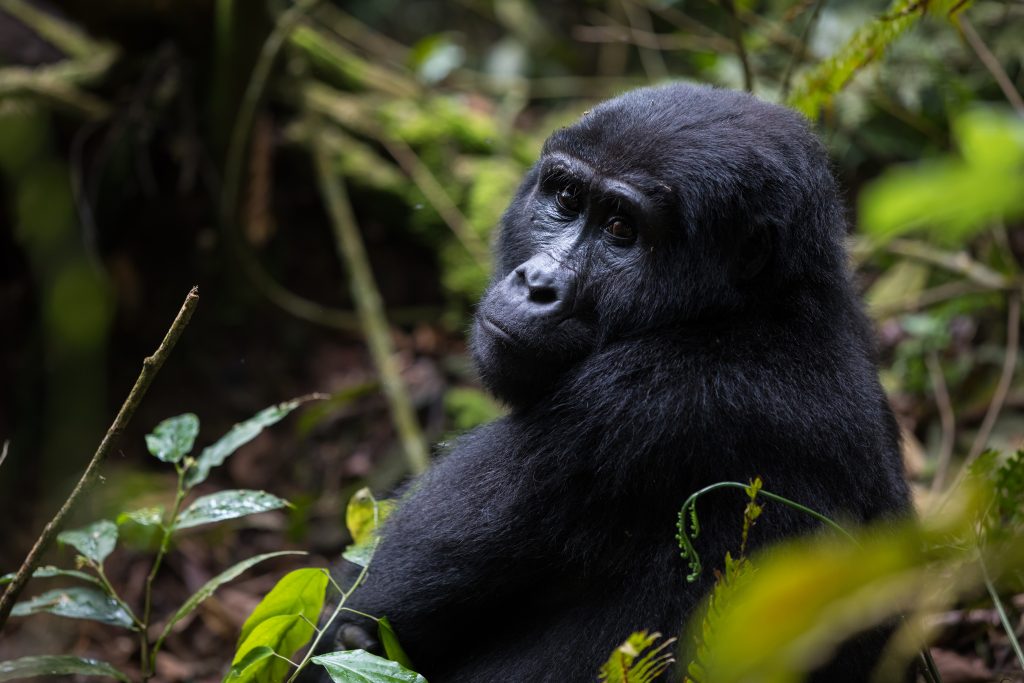
These magnificent great apes possess a suite of physiological adaptations that enable their survival in the often cold and damp conditions of their cloud forest homes. Their thick, shaggy fur, noticeably denser and longer than that of their lowland counterparts, provides essential insulation against the chilling temperatures and frequent rainfall. This evolutionary trait is a prime example of natural selection shaping a species to thrive in a specific, demanding niche, distinguishing them even from other gorilla subspecies found at lower altitudes.
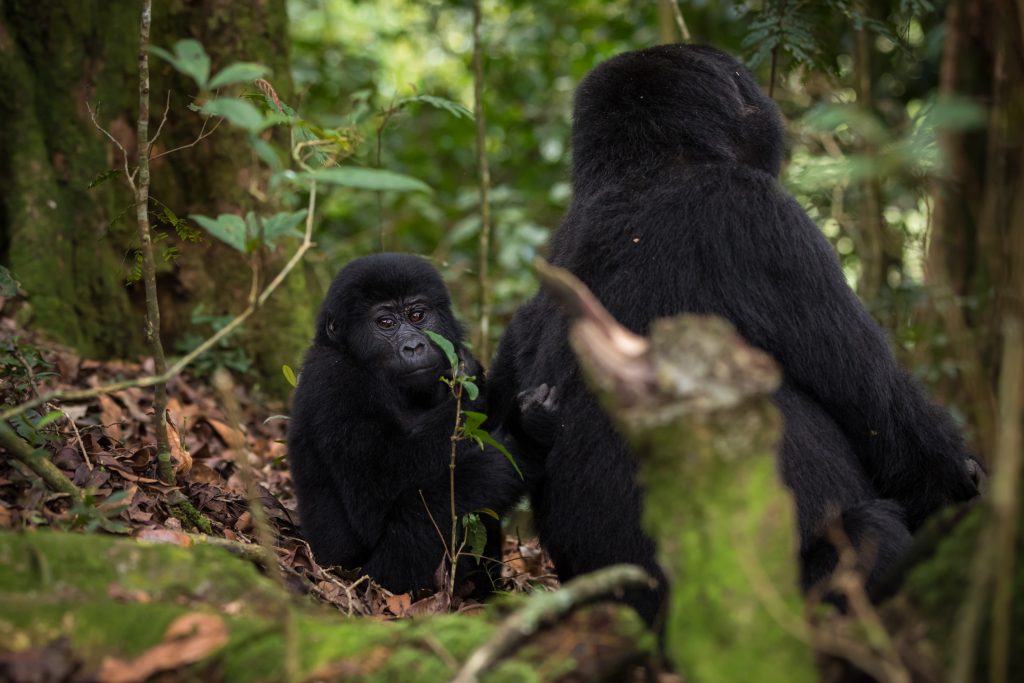
Their diet, predominantly herbivorous, consists of a vast array of forest vegetation, including leaves, stems, bamboo shoots, and roots, with occasional fruit. This specialized diet necessitates a robust digestive system and strong dentition, adapted for processing fibrous plant material. The sheer volume of vegetation consumed daily underscores their significant role as ecosystem engineers, helping to disperse seeds and maintain forest health through their foraging patterns. Their intimate knowledge of seasonal plant availability is passed down through generations, a critical survival skill.
Mountain gorillas exhibit complex social structures, living in family groups typically led by a dominant silverback male, often accompanied by several adult females, their offspring, and sometimes a few subordinate males. This social cohesion is crucial for protection against predators, although their primary threat is human-related, and for the rearing of young, which requires significant parental investment. The silverback’s impressive strength and assertive demeanor serve to defend his family from rival groups or perceived threats, ensuring the safety and propagation of his lineage.
Their cognitive abilities, though distinct from human intelligence, are undeniably sophisticated, encompassing problem-solving skills, intricate communication through vocalizations and body language, and a capacity for learning. While not typically described as tool users in the same extensive manner as chimpanzees, observations of gorillas employing simple aids like sticks to test water depth or as leverage illustrate their adaptive intelligence. This cognitive depth contributes to the compelling nature of a gorilla encounter, allowing for a palpable sense of connection and understanding despite the species barrier.
Genetic studies confirm our close evolutionary relationship, highlighting that understanding gorilla biology and behavior can offer profound insights into our own primate heritage. Their existence serves as a living testament to the powerful forces of evolution and the incredible biodiversity that still graces our planet. Recognizing this deep connection fosters a greater sense of responsibility for their preservation, reinforcing the idea that protecting them is, in essence, protecting a part of our shared evolutionary story.
Permit Strategic Logistics
Navigating the intricacies of gorilla trekking permits is the foundational step in planning this extraordinary expedition, and understanding the strategic nuances involved is paramount for securing your place. In 2026, the landscape for permit acquisition continues to evolve, with key distinctions between Uganda and Rwanda impacting both cost and availability. As of this year, the price of a gorilla permit in Rwanda remains a premium at $1,500 per person, reflecting their strategic positioning as a high-value, low-volume destination. In stark contrast, Uganda presents itself as the undisputed champion of “value,” with permits significantly more accessible, making it the preferred choice for many discerning travelers seeking the same profound experience without the elevated price tag.
The process of obtaining these highly sought-after permits requires meticulous planning and foresight. It is not uncommon for permits to sell out 6 to 12 months in advance, particularly for peak dry seasons. This necessitates early booking through a reputable safari operator, who can navigate the booking systems of the Uganda Wildlife Authority (UWA) or the Rwanda Development Board (RDB). These authorities are the sole custodians of permit allocation, and their systems ensure controlled access, which is fundamental to minimizing human impact on gorilla families and their fragile habitats.
While the permit fee itself covers the privilege of one hour with a gorilla family and contributes directly to conservation efforts, it is crucial to understand what this cost includes. Typically, the permit covers the park entry fee for the duration of the trek and the services of the expert park rangers and trackers who guide your group. However, it usually does not include transportation to the park, accommodation, porter fees, or specialized gear. A clear understanding of these inclusions and exclusions is vital for accurate budget planning.
For those seeking a less crowded experience, Uganda offers the tantalizing prospect of “secret gorilla trekking sectors beyond Bwindi & Volcanoes,” as highlighted by recent insights. While explicit locations are often kept discreet to preserve their pristine nature, these less-frequented areas promise breathtaking landscapes and genuinely unforgettable encounters with fewer tourists. Exploring these options requires an experienced operator with profound local knowledge and connections, who can advise on the subtle differences in terrain, trek duration, and the unique gorilla families found within them.
The strategic decision between Uganda and Rwanda often hinges on personal preferences regarding trek duration, accessibility, and the overall safari itinerary. Rwanda treks, while pricier, are often shorter due to the habituated families being more accessible on the lower slopes of the Virunga Volcanoes. Uganda, particularly Bwindi Impenetrable National Park, offers a more rugged and varied trekking experience, with potentially longer treks through denser forest, adding to the sense of adventure and immersion. Both destinations, however, deliver the awe-inspiring, transformative encounter that is the hallmark of gorilla trekking.
Ultimately, the permit is more than a ticket; it is an investment in the survival of one of our closest relatives, a direct contribution to the preservation of irreplaceable biodiversity, and the key to unlocking an experience that transcends mere tourism, offering a rare glimpse into the heart of wild Africa. Strategic planning ensures not just the successful acquisition of a permit but also aligns your journey with the highest ethical and conservation standards.
Wildlife Psychology & Tracking Secrets
Understanding the intricate psychology of mountain gorillas and the nuanced secrets of expert tracking is central to a successful and respectful encounter. The habituation process, which allows humans to approach these wild animals, is a delicate and lengthy endeavor, taking several years. It involves a gradual, non-threatening exposure to human presence, carefully managed by experienced park rangers. This process aims to ensure that gorilla families become accustomed to human observers without losing their wild instincts or natural behaviors. It’s a fine balance, designed to facilitate research and responsible tourism while prioritizing the gorillas’ well-being.
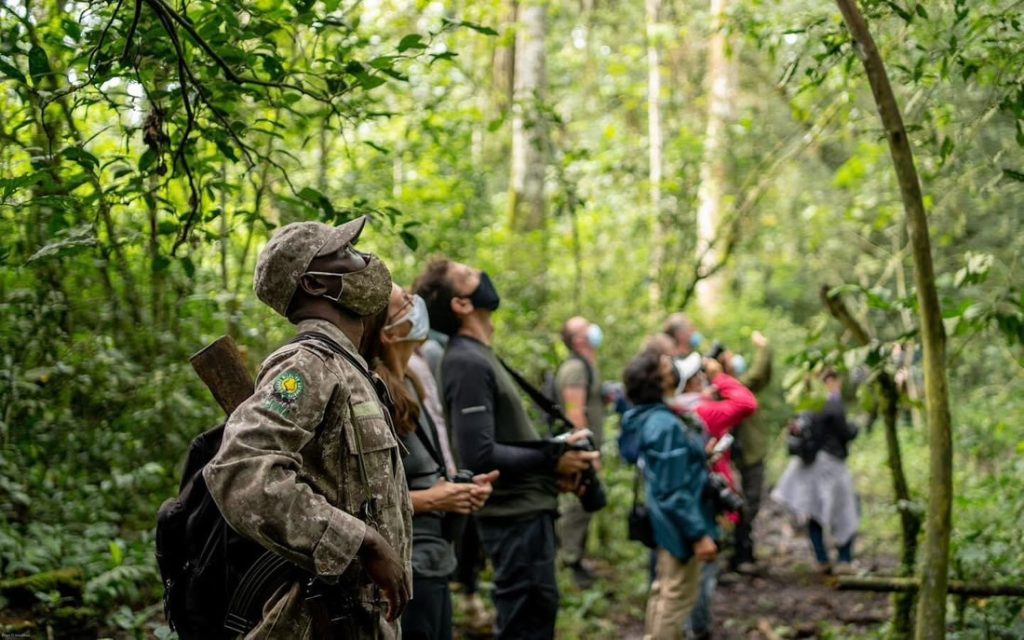
During a trek, the role of the expert tracker is paramount. These individuals possess an encyclopedic knowledge of the forest, honed over decades of living within and observing the ecosystem. They interpret subtle signs: a freshly broken branch indicates recent feeding, a distinct scent trail signals a silverback’s passage, and specific vocalizations might pinpoint a family’s location or mood. This intimate understanding of the gorillas’ daily routines, preferred feeding grounds, and intricate social dynamics allows them to predict movements and locate families efficiently, minimizing disturbance.
Gorilla behavior is remarkably complex, characterized by a rich repertoire of vocalizations, gestures, and body language. A low rumble might signify contentment, while a sharp bark could indicate alarm. A silverback’s chest-beat is a powerful display of dominance, but often a bluff, meant to intimidate rather than injure. Understanding these cues is essential for both tracker and trekker to maintain a safe and respectful distance of at least 7 meters (23 feet). Crossing this boundary can cause stress to the gorillas and is strictly prohibited, underscoring the non-intrusive nature of the encounter.
Safety protocols are meticulously enforced, not only for human visitors but, more critically, for the gorillas. Trackers and rangers carry light arms primarily for deterrent purposes against potential threats like poachers, rather than for use against the gorillas themselves. Visitors receive thorough briefings on how to behave if a gorilla approaches too closely or exhibits agitated behavior—remaining calm, lowering one’s gaze, and avoiding direct eye contact are key responses that signal submission and prevent escalation. These techniques are rooted in an understanding of gorilla social etiquette and psychology.
The psychological impact of human presence, however minimal, is a constant consideration. Park authorities and conservationists continuously monitor habituated groups for any signs of behavioral changes or undue stress. The limited number of permits issued daily, allowing only one hour of observation per group, is a testament to this careful management. This brief, focused encounter is designed to provide an enriching experience for visitors while ensuring the gorillas maintain their natural daily routines with minimal disruption.
Ultimately, a successful gorilla encounter isn’t just about finding the animals; it’s about engaging in a silent dialogue of observation, respect, and mutual understanding. It’s about witnessing their intricate social interactions, their playful juveniles, their protective silverbacks, and their serene moments of foraging. This requires patience, keen observation, and an unwavering commitment to the ethical guidelines established by wildlife experts. The true “tracking secret” is a deep reverence for these magnificent creatures and their wild domain, guided by those who understand them best.
Micro-Climatic Habitat Diversity
The extraordinary privilege of trekking for mountain gorillas is intrinsically linked to the unique micro-climatic habitat diversity of their montane forest homes. These environments, found primarily in Uganda’s Bwindi Impenetrable National Park and Mgahinga Gorilla National Park, and Rwanda’s Volcanoes National Park, are characterized by their high altitude, dense vegetation, and specific atmospheric conditions that create distinct ecological niches. The term “impenetrable” for Bwindi is no exaggeration; it describes a primeval Afromontane forest, one of Africa’s oldest, boasting an astounding biodiversity that supports a thriving gorilla population.
Within these national parks, the habitat transitions across various altitudinal zones, each with its own micro-climate and vegetation composition. Lower slopes might be dominated by dense broadleaf forest, rich in the herbaceous plants that form the bulk of a gorilla’s diet. As one ascends, this gives way to bamboo zones, particularly prominent in the Virunga Volcanoes, where bamboo shoots become a seasonal delicacy for gorillas. Further up, the vegetation can thin into sub-alpine or ericaceous zones, characterized by heather and giant lobelias, though gorillas typically prefer the richer mid-altitudinal forests.
The heavy rainfall, characteristic of these montane regions, feeds an intricate network of streams and rivers, contributing to the lushness of the vegetation. This high humidity and frequent precipitation also contribute to the “impenetrable” nature of the undergrowth, making trekking a physically demanding but immensely rewarding endeavor. The consistent moisture ensures a year-round supply of plant life, which, while varying seasonally, prevents gorillas from needing extensive migrations for food resources.
The “secret gorilla trekking sectors” in Uganda, whispered about among seasoned safari experts, often represent areas with subtle yet significant micro-climatic distinctions. These might include less-visited extensions of existing parks or newly habituated areas within the broader forest landscape. Such locations can offer slightly different vegetation profiles, affecting gorilla foraging patterns and potentially influencing their daily movements. For instance, a sector with a higher concentration of a particular seasonal fruit might draw families there, creating unique viewing opportunities away from the more frequented zones.
The dense forest canopy in all these habitats creates a shaded, humid environment that acts as a natural air conditioner, regulating temperatures and providing shelter from the sun’s intensity. This intricate layered ecosystem supports not only the gorillas but a vast array of other endemic species, from colorful birds and rare butterflies to forest elephants and various primate species, highlighting the ecological significance of these protected areas as biodiversity hotspots.
Understanding this micro-climatic diversity is crucial for appreciating the challenges and triumphs of gorilla conservation. Each specific habitat type presents unique considerations for tracking, research, and protection strategies. The health and integrity of these diverse forest ecosystems are directly proportional to the long-term survival of the mountain gorillas, making their preservation a holistic undertaking that extends far beyond a single species.
Seasonal Migration Nuances
While mountain gorillas do not undertake vast seasonal migrations in the traditional sense like wildebeest or zebras, their movements within their defined home ranges are subtly yet profoundly influenced by seasonal changes in micro-climates and food availability. These nuances are critical for understanding gorilla behavior, predicting trekking conditions, and optimizing your visit for the most rewarding experience. The dry seasons, typically from June to September and December to February, are generally considered the “best time to visit Uganda for gorilla trekking,” offering distinct advantages.
During the dry months, the forest floor tends to be less muddy, and the dense undergrowth slightly less impenetrable, making trekking conditions physically less demanding. Trails are firmer, and the risk of slipping is reduced, which can be a significant factor on the steep slopes of the Virunga Volcanoes or within Bwindi’s rugged terrain. Furthermore, clearer skies can often lead to improved visibility for photography and a more comfortable trekking experience overall, with less chance of persistent rain.
Conversely, the wet or rainy seasons, generally from March to May and October to November, present a different set of opportunities and considerations. While trails can become significantly muddier and more challenging, and rain showers are frequent, these periods also bring a lush resurgence of vegetation. This abundance of fresh forage often means that gorilla families do not need to travel as far to find food, sometimes leading them to remain on lower, more accessible slopes. This can, paradoxically, result in shorter trekking durations compared to the dry season, where families might venture higher or deeper into the forest.
The subtle “migration” of gorillas often involves shifting their foraging grounds based on the fruiting and flowering cycles of various plant species. For instance, certain bamboo shoots are seasonal delicacies, and families will gravitate towards areas where these are abundant. Similarly, the availability of specific berries or succulent leaves will influence their daily routes. Expert trackers understand these cycles intimately, using this knowledge to anticipate gorilla movements and locate families more efficiently, regardless of the season.
From a photographic perspective, the wet season’s diffused light, often filtered through cloud cover or mist, can create a softer, more evocative ambiance, ideal for capturing the gorillas’ serene expressions without harsh shadows. The vibrant greens of the refreshed vegetation also add a dramatic backdrop. However, it requires careful protection of camera equipment from moisture. The dry season, with its clearer light, offers different opportunities, though mid-day sun can create strong contrasts in the dense forest.
Ultimately, the choice of season often depends on personal preference and priorities. Those prioritizing easier trekking conditions and more predictable weather might opt for the dry seasons. Adventurers who embrace the challenge of a more rugged trek, potentially shorter gorilla encounters due to proximity, and the unique photographic opportunities of a lush, vibrant forest might find the wet seasons equally rewarding. Regardless of the time of year, the forest’s micro-climates ensure a constant, dynamic environment that influences every aspect of the gorilla’s daily life and, by extension, your trekking experience.
Professional Photography Technique
Capturing the profound essence of a mountain gorilla encounter through professional photography demands a blend of technical mastery, artistic vision, and unwavering respect for the subjects and their environment. The dense, often low-light conditions of the montane forest present unique challenges that require specific equipment choices and strategic camera settings to yield truly impactful images. Your lens selection is paramount: a versatile telephoto zoom (e.g., 70-200mm or 100-400mm) is often ideal, allowing for both intimate portraits and broader environmental shots while maintaining a respectful distance. A fast aperture (f/2.8 or f/4) is crucial for isolating the gorillas from their busy background and performing well in the dim, dappled light.
Camera settings must be dynamically adjusted to the rapidly changing light. Pushing your ISO (sensitivity) higher is often necessary to achieve a fast enough shutter speed (e.g., 1/250th to 1/500th of a second) to freeze movement, especially with playful juveniles or foraging adults. Modern full-frame cameras excel in low-light performance, producing clean images even at ISOs of 3200 or 6400. Aperture priority mode, allowing you to control depth of field, is often preferred, with the camera adjusting shutter speed automatically. Metering modes, such as spot metering, can help expose correctly for the dark gorillas against potentially brighter foliage.
Composition is key to conveying emotion and narrative. Rather than merely documenting their presence, strive to capture their personalities, their interactions, and their profound connection to their habitat. Look for eye contact, a mother cradling her infant, or a silverback in a contemplative pose. Utilize leading lines from branches or the interplay of light and shadow to frame your subjects. Don’t solely focus on tight portraits; wider shots that include the lush forest context can be equally powerful, illustrating the gorillas’ magnificent home.
Ethical photography is non-negotiable. The use of flash is strictly prohibited, as it can startle and disorient the gorillas, disrupting their natural behavior. Minimize noise from your camera (e.g., turn off audible autofocus confirmations) and remain as unobtrusive as possible. Your primary goal is to observe and document respectfully, not to interfere. Anticipation is a valuable skill; watch for behavioral cues that might indicate an impending action, allowing you to pre-focus and compose, ready for a candid moment.
Post-processing can significantly enhance your forest photography. Adjustments to white balance to counteract the green cast, careful lifting of shadows to reveal detail, and subtle enhancements to contrast and clarity can bring your images to life. Avoid over-saturating colors; instead, aim for a natural rendition that reflects the actual conditions. Learning to recover detail from underexposed areas without introducing excessive noise is a vital skill for this environment.
Beyond the technicalities, remember the true purpose of your photography: to document a transformative experience and to share the compelling story of these incredible animals. Don’t be so consumed by your camera that you forget to simply observe and absorb the moment without a lens. Allow yourself to put the camera down occasionally and simply be present with the gorillas; those memories are often the most vivid and cherished, supplementing the visual narrative you meticulously craft.
Cultural Heritage Integration
The majestic montane forests inhabited by mountain gorillas are not merely ecological preserves; they are also landscapes steeped in rich cultural heritage, inextricably linked to the lives of indigenous communities. For centuries, groups such as the Batwa in Uganda have coexisted with the forest, drawing sustenance and spiritual connection from its depths. Their traditional knowledge of medicinal plants, forest rhythms, and wildlife behavior is invaluable, representing a profound understanding of this complex ecosystem, a knowledge base that predates formal conservation efforts.
However, the establishment of national parks and protected areas, while vital for gorilla conservation, often came at a significant cost to these communities, leading to displacement and the loss of traditional lands and livelihoods. This historical context underscores a critical challenge in modern conservation: how to protect wildlife effectively while respecting the rights and ensuring the well-being of the people who have historically called these areas home. Sustainable conservation, therefore, necessitates genuine cultural heritage integration, moving beyond mere tolerance to active partnership.
Today, many conservation programs actively seek to involve local communities as key stakeholders. This often manifests in direct employment opportunities: Batwa and other local community members serve as highly skilled trackers, park rangers, and porters, directly benefiting from the tourism economy generated by gorilla trekking. Their intimate knowledge of the forest makes them indispensable, and their presence ensures that cultural wisdom continues to be passed down and valued within the conservation framework.
Beyond direct employment, cultural heritage integration extends to fostering community-based tourism initiatives. Visitors often have the opportunity to engage with Batwa communities, learning about their traditional hunting techniques (now non-consumptive demonstrations), their music, dances, and their ancient way of life. These cultural experiences, when managed ethically and with the full consent and control of the communities themselves, provide alternative income streams and help preserve unique cultural identities that might otherwise fade in the face of modernization.
The ethical traveler understands that their journey to see gorillas is part of a larger socio-economic and cultural tapestry. Choosing operators who demonstrably invest in community projects—such as schools, healthcare clinics, and sustainable agriculture initiatives—contributes directly to the holistic well-being of the region. This support helps to mitigate human-wildlife conflict by offering viable alternatives to forest resource extraction, thereby reducing pressure on gorilla habitats.
Preserving traditional knowledge and integrating local perspectives into conservation strategies is not just socially responsible; it is ecologically intelligent. Indigenous communities often possess insights into ecosystem dynamics that Western science is only beginning to understand. Their historical sustainable practices offer lessons for contemporary resource management. Thus, the future of gorilla conservation is increasingly seen as a collaborative endeavor, where the survival of the great apes is intertwined with the cultural survival and economic empowerment of the people who share their forest homes.
Future Regional Investment
The long-term viability and expanded accessibility of gorilla trekking are critically dependent on astute future regional investment, strategically channeled into sustainable infrastructure, cross-border conservation, and community empowerment. A key area for development is sustainable tourism infrastructure, which includes improving access roads to park gates, upgrading accommodation options that blend seamlessly with the natural environment, and enhancing visitor centers. These investments are designed to handle growing visitor numbers responsibly, minimizing environmental impact while maximizing the quality of the visitor experience.
Crucially, future investment will heavily focus on strengthening cross-border conservation initiatives, particularly within the Virunga Massif, which spans Uganda, Rwanda, and the Democratic Republic of Congo. This region is a shared sanctuary for mountain gorillas, necessitating harmonized conservation policies, coordinated anti-poaching efforts, and joint research projects. Collaborative funding from international NGOs, governmental bodies, and private donors will be essential for managing this vast, complex ecosystem as a single unit, ensuring gorilla populations can move freely and maintain genetic diversity across national boundaries.
Technological advancements are poised to play an increasingly significant role in future conservation strategies. This includes investment in drone technology for monitoring remote areas, satellite imagery for tracking deforestation, and advanced communication systems for anti-poaching units. Furthermore, genetic analysis tools can help conservationists understand population health and relatedness, guiding breeding programs if ever necessary and informing strategies to enhance resilience against disease. These tools provide invaluable data for adaptive management and more effective resource deployment.
Investment in local education and the creation of alternative, sustainable livelihoods for communities surrounding the parks is a proactive strategy to reduce pressure on forest resources. Programs focusing on ecotourism training, sustainable agriculture, craft production, and micro-enterprises empower local residents, providing economic alternatives to poaching or illegal logging. Education, particularly for the youth, instills a deeper appreciation for conservation and fosters the next generation of park rangers, guides, and conservation leaders.
The potential for responsibly opening new “secret” trekking sectors, particularly in Uganda, represents a significant investment opportunity. As current habituated groups reach their visitor capacity, identifying and carefully habituating new groups in less-explored areas can distribute tourist impact, create fresh revenue streams for new communities, and offer unique, uncrowded experiences. However, such expansion must be approached with extreme caution, prioritizing gorilla well-being and ecological integrity above all else, ensuring that the development aligns with strict conservation protocols.
Finally, attracting and securing long-term funding from international partnerships and conservation organizations remains paramount. The ongoing operational costs of running national parks, funding anti-poaching patrols, veterinary care for gorillas, and community outreach are substantial. Future investment must cultivate a sustainable funding model that is less susceptible to political fluctuations and global economic shifts, guaranteeing the continuous protection of mountain gorillas and their irreplaceable habitats for generations to come. This vision positions gorilla trekking not just as a safari activity but as a cornerstone of regional sustainable development and global biodiversity preservation.
—
Frequently Asked Questions
What is the primary difference in the trekking experience between Uganda and Rwanda?
The primary distinction often lies in the trekking intensity and the overall landscape. Rwanda’s Volcanoes National Park, while offering a similar transformative encounter, often features treks that are generally shorter due to the topography of the Virunga Massif, where gorilla families tend to range on the more accessible lower slopes. This can make for a less strenuous experience, though challenges can still arise depending on the family’s location on a given day.
Uganda, particularly Bwindi Impenetrable National Park, presents a more rugged and often longer trekking adventure through dense, ancient Afromontane forest. The terrain can be steeper and more challenging, requiring a higher level of fitness. However, this deeper immersion into a truly primeval wilderness adds to the sense of adventure and discovery, with the reward of encountering gorillas in an unparalleled natural setting. Both countries provide an hour with the gorillas, but the journey to reach them can differ significantly.
How does the cost of a gorilla permit contribute to conservation?
The cost of a gorilla trekking permit is arguably one of the most direct and effective forms of conservation funding in existence. A substantial portion of the permit fee is directly allocated to critical conservation initiatives, including funding anti-poaching patrols that protect gorillas from snares and human interference. These funds also support continuous habitat monitoring and protection efforts, ensuring the integrity of the gorillas’ forest homes against encroachment and illegal activities.
Furthermore, a significant percentage of the permit revenue is channeled into community development programs in the areas surrounding the national parks. This investment helps to build schools, healthcare facilities, and sustainable livelihood projects for local populations. By demonstrating the tangible economic benefits of gorilla conservation, these programs foster a sense of ownership and partnership among communities, transforming them into vital allies in the long-term protection of mountain gorillas and their habitats. Your permit is an investment in their future.
Are there truly “secret” gorilla trekking spots, and what are their benefits?
Yes, while official tourism focuses on established sectors within Bwindi and Volcanoes National Park, there are indeed less-publicized or “secret” gorilla trekking sectors, predominantly found in Uganda. These areas might be newer habituation sites or sections of the broader forest ecosystem that see significantly fewer tourists. The primary benefit of these spots is the opportunity for a more intimate and exclusive encounter with the gorillas, free from the higher visitor numbers of more popular sectors, enhancing the sense of wilderness immersion.
These less-frequented areas also offer unique ecological insights and sometimes different trekking experiences due to variations in micro-climates and vegetation. For the discerning traveler seeking to go beyond the conventional, they represent a chance to witness gorillas in a setting that feels truly untouched. Accessing these requires working with expert safari operators like Ripple Safaris who possess deep local knowledge and connections to guide you to these special, carefully managed locations, ensuring both your experience and the gorillas’ welfare are prioritized.
What physical fitness level is required for gorilla trekking, especially in 2026?
While specific fitness requirements can vary depending on the chosen park and the gorilla family’s location on any given day, a good to moderate level of physical fitness is generally recommended for gorilla trekking in 2026. Treks can range from 2 to 8 hours (or even longer on rare occasions) through challenging terrain, which includes steep slopes, dense vegetation, and potentially muddy conditions. The ability to walk for extended periods, navigate uneven ground, and tolerate high humidity at altitude is crucial for a comfortable experience.
Preparing for your trek should involve regular cardiovascular exercise, such as hiking or brisk walking, in the months leading up to your trip. While Rwanda treks can sometimes be shorter, Uganda’s Bwindi often demands greater stamina. Porters are available for hire at the park gates, offering invaluable assistance with carrying daypacks and even providing a helping hand on steeper sections, making the experience more accessible for those who might find the terrain challenging. Ultimately, the more prepared you are, the more you can focus on the extraordinary encounter rather than the physical exertion.
How does responsible tourism specifically impact the long-term survival of mountain gorillas?
Responsible tourism is a cornerstone of mountain gorilla survival because it provides the primary economic incentive for their protection. The revenue generated from gorilla permits and related tourism services directly funds anti-poaching patrols, ongoing scientific research, and essential veterinary care for the gorillas. Without this significant financial input, the immense costs associated with protecting vast tracts of remote forest and their inhabitants would be difficult to sustain, making the gorillas vulnerable to a multitude of threats.
Beyond direct financial contributions, responsible tourism fosters a global awareness and appreciation for these critically endangered primates. Each visitor becomes an ambassador, spreading the message of conservation and encouraging further support. Furthermore, when communities directly benefit from tourism through employment, provision of goods and services, and community development projects, their vested interest in protecting the gorillas increases, reducing human-wildlife conflict and promoting harmonious coexistence. This holistic approach ensures that the gorillas are valued assets, integral to both the local economy and global biodiversity.