Quick Summary:
- While Kibale Forest is unparalleled for dedicated chimpanzee tracking, Queen Elizabeth National Park offers a profoundly diverse safari experience, including a unique, albeit more challenging, chimp tracking opportunity in Kyambura Gorge.
- QENP boasts an extraordinary range of ecosystems—savannah, wetlands, crater lakes, and forest—supporting an incredible density of wildlife, from tree-climbing lions to vast herds of elephants and buffalo.
- Combining Queen Elizabeth National Park with a Bwindi gorilla safari provides an ultimate Uganda wildlife safari, showcasing the country’s prime primate and big game offerings.
- Expert logistics and seasonal intelligence are crucial to maximizing your experience, especially when planning for specific wildlife encounters or combining activities like gorilla trekking Uganda.
The Spirit and Scale of Queen Elizabeth National Park
Having navigated the intricate network of Africa’s wild spaces for decades, I’ve learned that true gems often hide in plain sight, overshadowed by more aggressively marketed counterparts. Queen Elizabeth National Park, sprawling across the Albertine Rift Valley in southwestern Uganda, is precisely one such place. While the safari world often champions Kibale Forest for its undisputed supremacy in chimpanzee tracking Uganda, to compare it directly with Queen Elizabeth solely on that metric is to miss the profound, multifaceted wilderness experience QENP offers. This park isn’t just a destination; it’s a symphony of landscapes, a living tapestry woven from savannah plains, humid forests, volcanic craters, and the life-giving waters of the Kazinga Channel.
The atmosphere here is palpable—a primal hum that resonates from the ancient land. Early mornings are often shrouded in a mist that clings to the acacia trees, lifting to reveal herds of Uganda kob grazing peacefully against a backdrop of distant volcanic cones. Evenings bring the resonant roar of a lion, a sound that cuts through the twilight with an authority unmatched. This park doesn’t just present wildlife; it immerses you in their world, demanding your full attention and rewarding it with encounters that etch themselves into memory. It’s a testament to Uganda’s rich biodiversity, a place where every turn in the dusty track or bend in the waterway promises a new discovery.
Expert Insight: “Many travelers fixate on a single species. While dedicated chimp tracking Uganda in Kibale is extraordinary, Queen Elizabeth’s true genius lies in its sheer ecological diversity. It’s a masterclass in comprehensive wildlife viewing, not a specialist’s niche.”
Unlike some parks that feel manicured, Queen Elizabeth retains a rugged authenticity. The tracks are often challenging, the weather can be unpredictable, and the wildlife, though abundant, is truly wild. This is where a seasoned guide becomes invaluable, interpreting the subtle signs of the bush, tracking elusive leopards, and positioning you for those perfect photographic moments. It’s an adventure, not a mere sightseeing tour, and it prepares you for the deep immersion that defines the best Uganda wildlife safaris.
Signature Wildlife and Ecosystem Highlights
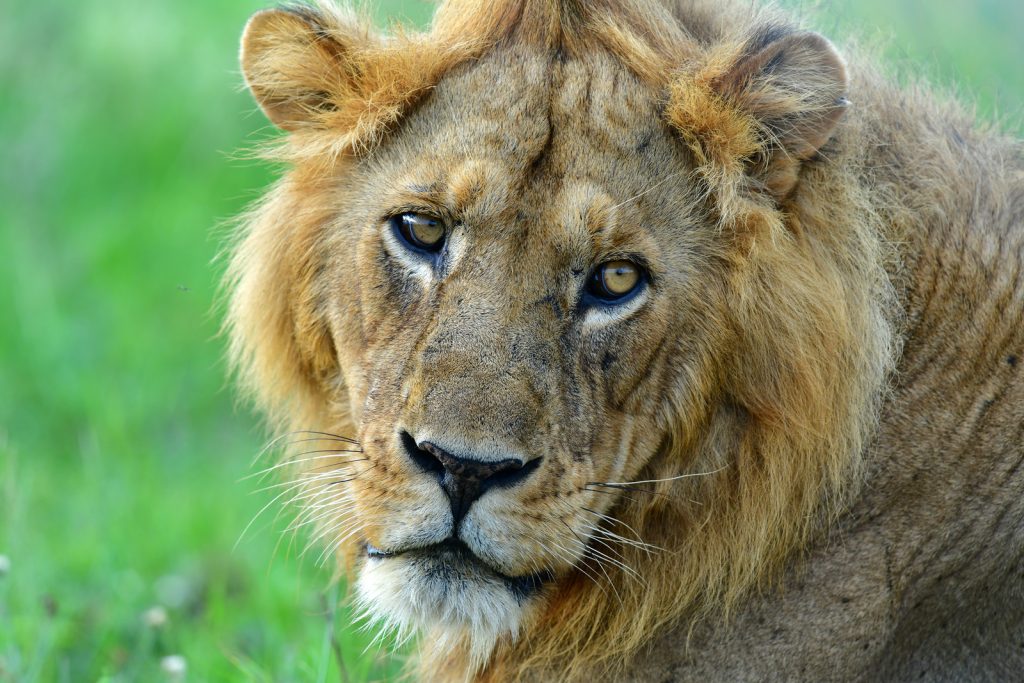
Queen Elizabeth National Park’s reputation as a premier Uganda wildlife safari destination is built on its incredible biodiversity. While chimpanzee tracking Uganda is a highlight for many, particularly in the dramatic Kyambura Gorge, the park’s offerings extend far beyond. The Ishasha sector, in the park’s south, is globally renowned for its tree-climbing lions, a truly iconic sight. Witnessing these majestic predators draped effortlessly across fig tree branches, surveying their domain, is an experience that transcends the ordinary. This unique adaptation is thought to be a response to tsetse flies on the ground or a way to escape the midday heat, offering unparalleled photographic opportunities.
The Kazinga Channel, connecting Lake Edward and Lake George, is the park’s lifeline and a magnet for wildlife. A boat safari here is non-negotiable. You’ll glide past colossal Nile crocodiles basking on the banks, immense pods of hippos grunting in the water, and an astonishing array of birdlife—over 600 species recorded, making it a birder’s paradise. Elephants, buffalo, and various antelope species gather at the water’s edge, offering continuous, close-up viewing. It’s a dynamic ecosystem, constantly shifting with the movements of its inhabitants.
- Tree-Climbing Lions: Exclusive to the Ishasha sector, a truly unique predator behavior.
- Kazinga Channel Boat Safari: Unrivaled access to hippos, crocodiles, and diverse water birds.
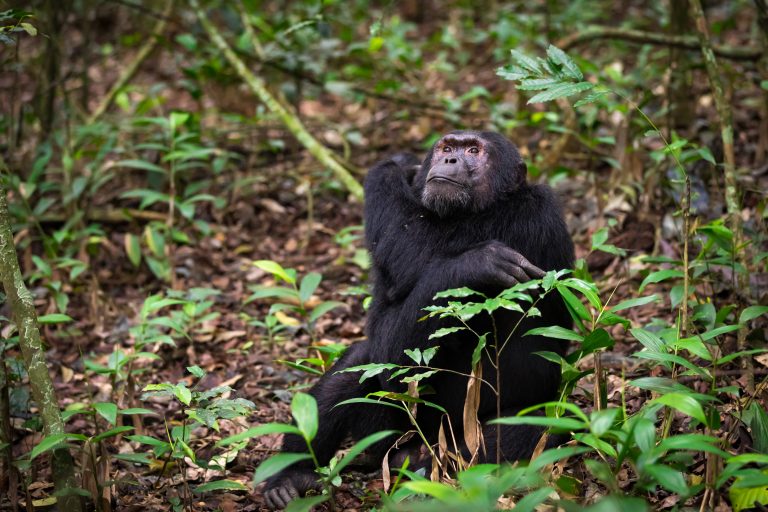
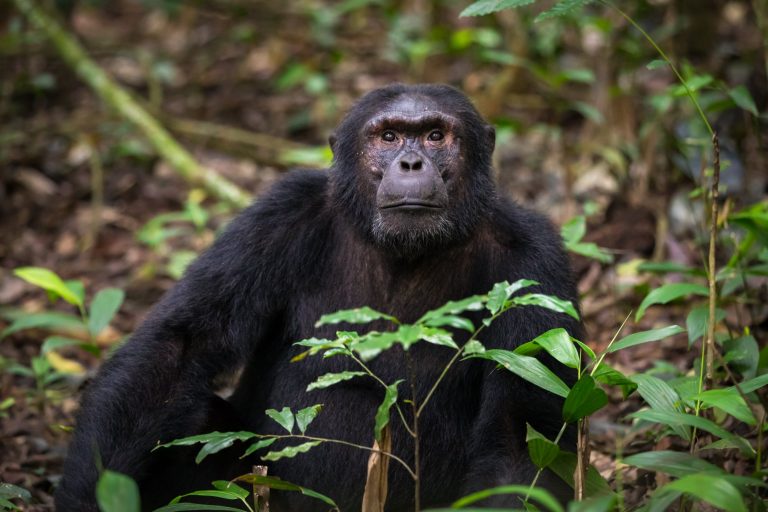
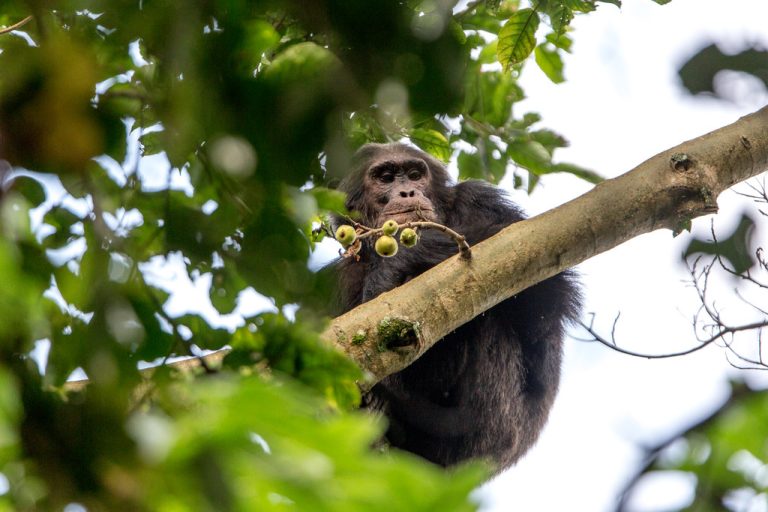
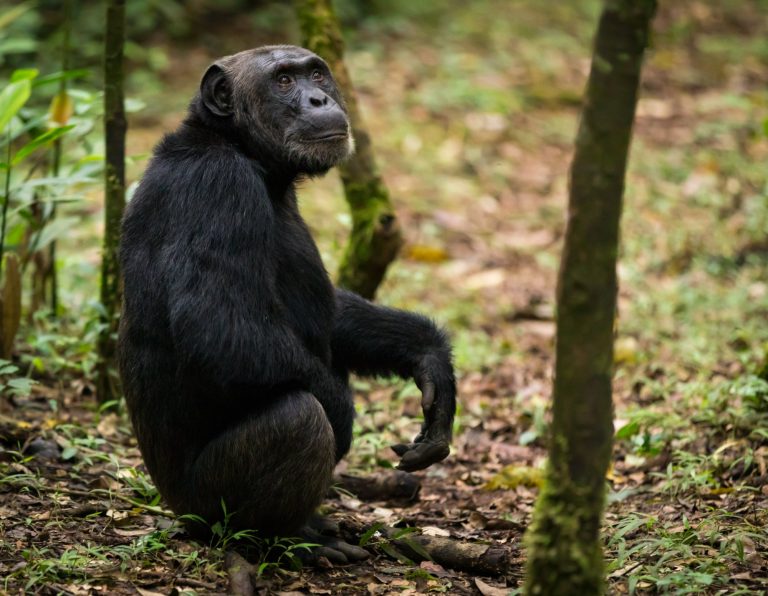
- Kyambura Gorge Chimpanzees: A challenging but rewarding chimp tracking Uganda experience in a sunken forest.
- Leopards and Hyenas: Nocturnal hunters, often spotted by keen-eyed guides at dawn or dusk.
- Elephant and Buffalo Herds: Abundant across the savannah plains, providing classic African safari scenes.
Beyond the iconic species, the park’s diverse habitats—from the open savannahs of the Kasenyi plains to the dense Maramagambo Forest and the numerous crater lakes—support a rich tapestry of life. You might spot elusive giant forest hogs, various mongoose species, and a host of primates including vervet monkeys, red-tailed monkeys, and black-and-white colobus monkeys. The sheer variety ensures that every game drive and nature walk reveals something new, cementing Queen Elizabeth as an indispensable part of any comprehensive Uganda wildlife safari.
Best Time to Visit: Seasonal Intelligence
Understanding the seasonal rhythms of Queen Elizabeth National Park is paramount to optimizing your safari experience, whether your focus is on general game viewing, birding, or chimpanzee tracking Uganda. Uganda experiences two primary dry seasons: January to February and June to September. These periods are generally considered the best for a Uganda wildlife safari. During the dry months, the vegetation is thinner, making wildlife easier to spot as animals congregate around fewer water sources. Game drives are often more productive, and the chances of seeing predators are higher.
However, the wet seasons, from March to May and October to December, offer their own unique advantages. While some tracks can become challenging, the landscape transforms into a lush, vibrant green. This is also the prime time for birdwatching, as migratory species arrive, and resident birds are in their breeding plumage. For those interested in chimp tracking Uganda, the wet season can mean more readily available food sources within the forest, potentially leading to less strenuous tracking, though the trails themselves will be muddier. It’s a trade-off between ease of access and the beauty of a revitalized ecosystem.
Pro Tip: “For a balanced experience, consider the shoulder seasons—late February or early October. You often benefit from fewer crowds, slightly greener landscapes, and still excellent wildlife viewing conditions before the full intensity of the wet or dry season sets in.”
When planning your Uganda safari packages, always discuss the seasonal implications with your tour operator, especially if you have specific wildlife priorities. For instance, combining a Bwindi gorilla safari with QENP during the dry season ensures optimal conditions for both the challenging mountain gorilla treks and the open savannah game drives. Conversely, if birding is a primary interest, embracing the wet season can be incredibly rewarding, despite the logistical challenges it may present.
Adventure Logistics and Access
Navigating Queen Elizabeth National Park requires a blend of planning and adaptability, typical of any authentic African expedition. The park is accessible by both road and air, catering to different travel styles and budgets. For those embarking on a comprehensive Uganda wildlife safari, a road transfer from Kampala or Entebbe typically takes 6-8 hours, offering a scenic journey through rural Uganda. This option allows for flexibility and the opportunity to witness the country’s vibrant daily life en route. Ripple Safaris, for instance, meticulously plans these transfers, ensuring comfort and safety.
Alternatively, scheduled or chartered flights operate into Kasese Airstrip or Mweya Airstrip, significantly reducing travel time to approximately 1-2 hours from Entebbe. While more expensive, flying maximizes your time within the park, allowing for quicker immersion into game drives and activities like chimp tracking Uganda in Kyambura Gorge. Once inside the park, a robust 4×4 vehicle is essential for navigating the varied terrain, especially during the wet seasons. Expert guides, intimately familiar with the park’s vast network of tracks and animal movements, are indispensable for maximizing sightings and ensuring a seamless experience.
Permits for activities such as game drives, boat safaris, and chimpanzee tracking Uganda are managed by the Uganda Wildlife Authority (UWA). While general park entry fees are straightforward, specific activity permits, particularly for chimpanzee tracking, should be booked well in advance, especially during peak season. This foresight is even more critical for activities like gorilla trekking Uganda, where gorilla permits Uganda are highly limited and often booked out months ahead. Understanding these logistical nuances is key to a stress-free and rewarding adventure.
Lodge Perspectives and Authentic Stays
The choice of accommodation in Queen Elizabeth National Park profoundly shapes your safari experience, moving beyond mere lodging to become an integral part of the adventure. The park and its surrounding areas offer a spectrum of options, from luxurious tented camps to more rustic, authentic lodges, each designed to blend seamlessly with the natural environment. What truly defines a superior stay here is not just comfort, but the immersive connection it provides to the wilderness.
High-end lodges often feature spacious canvas tents or cottages with private verandas, offering breathtaking views of the plains or the Kazinga Channel. Waking to the sounds of the bush, perhaps an elephant trumpeting in the distance or the calls of exotic birds, is an unparalleled joy. These establishments typically provide exceptional service, gourmet dining, and often include expert guides for private game drives, enhancing your chances of spotting key species or experiencing a unique Uganda wildlife safari moment.
Mid-range and budget-friendly options, while less opulent, still offer comfortable and clean accommodations with genuine hospitality. Many are strategically located to provide easy access to key areas like the Kasenyi plains for game drives or the Kyambura Gorge for chimpanzee tracking Uganda. The focus here is often on communal areas, fostering a sense of camaraderie among travelers sharing their daily safari tales. Regardless of the price point, the best lodges prioritize sustainability and community engagement, ensuring your visit contributes positively to the local environment and its people.
When selecting your lodge, consider its proximity to the activities you prioritize. If your primary goal is the tree-climbing lions, an Ishasha-based lodge is ideal. For general game viewing and the Kazinga Channel boat safari, the Mweya peninsula offers excellent choices. Always inquire about what’s included in the rate—some lodges offer all-inclusive packages, while others charge separately for activities and park fees. This foresight helps in budgeting for your comprehensive Uganda safari packages.
Pairing Queen Elizabeth National Park with a Broader Safari
While Queen Elizabeth National Park stands strong as a diverse safari destination, its true potential is often unlocked when integrated into a broader East African itinerary. For the ultimate primate and big game experience, few combinations rival pairing QENP with a Bwindi gorilla safari. After the thrill of a chimp tracking Uganda expedition in Kyambura Gorge and the diverse wildlife of QENP, the profound encounter with mountain gorillas in Bwindi Impenetrable National Park elevates the entire journey to an iconic status. The transition from savannah to dense montane forest offers a striking contrast, showcasing Uganda’s unparalleled ecological richness.
A typical itinerary might see you starting with game drives and a boat safari in Queen Elizabeth, perhaps including a morning of chimpanzee tracking. From there, a scenic drive south towards Bwindi prepares you for the highlight of any gorilla trekking Uganda trip. Securing gorilla permits Uganda well in advance is absolutely critical, as these are limited and highly sought after. The experience of standing mere meters from a silverback gorilla is often described as life-changing, a profound connection to our closest relatives in their natural habitat. This pairing offers the quintessential gorilla and wildlife safari.
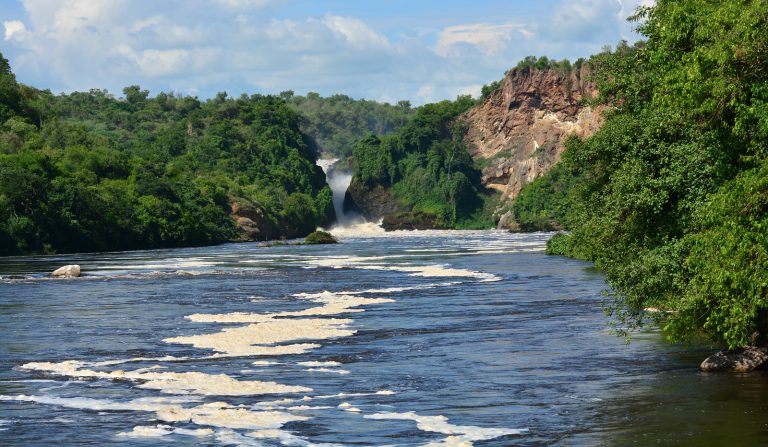
Furthermore, for those considering a more extensive East African adventure, Queen Elizabeth National Park can be a natural segue into a Rwanda gorilla trekking tour, although most travelers focus on Uganda’s offerings for a cohesive experience. If time permits, adding Murchison Falls National Park to your Uganda safari packages would introduce you to the sheer power of the Nile River and Uganda’s largest national park, offering a different suite of wildlife encounters. Such comprehensive gorilla trekking Uganda trips are meticulously crafted to ensure seamless transitions and maximum immersion, providing an unparalleled Africa gorilla trek experience that showcases the best of the region’s natural wonders.
Essential Tips for Queen Elizabeth National Park Travelers
Preparing for a safari in Queen Elizabeth National Park, much like any serious expedition, requires forethought and attention to detail. Firstly, prioritize your health and safety. Consult your doctor about necessary vaccinations, particularly for yellow fever, and discuss malaria prophylaxis. Carry a comprehensive first-aid kit, including any personal medications. Hydration is key in the African bush, so ensure you have access to plenty of water, especially during game drives and tracking activities.
Regarding packing, think practical and layered. Neutral-colored clothing (khakis, greens, browns) is advisable to blend in with the environment and avoid attracting insects. Long sleeves and trousers protect against sun and bites, even in warm weather. A wide-brimmed hat, sunglasses, and high-SPF sunscreen are non-negotiable. For photography enthusiasts, bring extra batteries, memory cards, and a lens cloth; the dust can be pervasive. Binoculars are essential for birding and distant wildlife spotting, enhancing every game drive and boat safari.
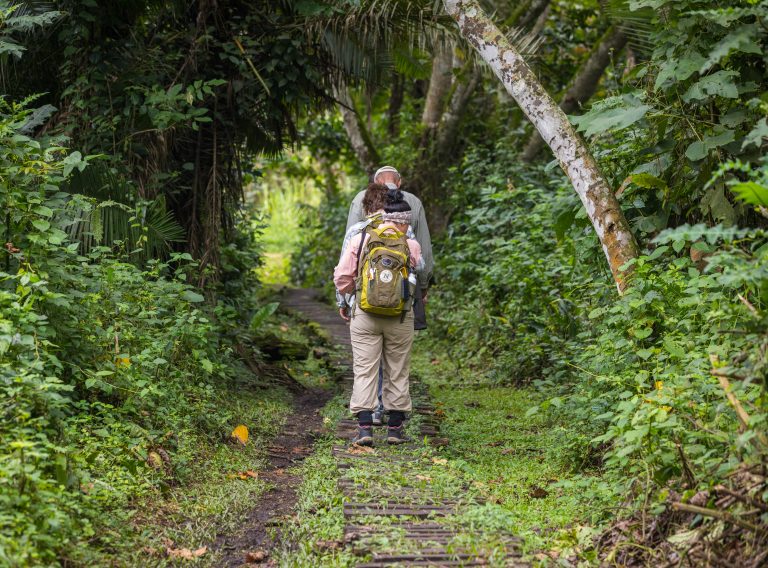
Always respect park rules and your guide’s instructions. Wildlife is unpredictable, and maintaining a safe distance is crucial. Do not feed animals or attempt to interact with them. For activities like chimpanzee tracking Uganda or a Bwindi gorilla trek, a certain level of physical fitness is required, so prepare accordingly. Finally, embrace the unexpected. The wild is full of surprises, and often the most memorable moments are those you never anticipated. Be patient, observe closely, and allow the magic of Queen Elizabeth National Park to unfold before you.
Frequently Asked Questions
Is Queen Elizabeth National Park good for chimpanzee tracking compared to Kibale Forest?
While Kibale Forest National Park is globally renowned for offering the most reliable and immersive chimpanzee tracking Uganda experience, Queen Elizabeth National Park also provides a unique opportunity in Kyambura Gorge. This sunken forest offers a challenging yet incredibly rewarding tracking experience, often with stunning scenery.
However, the chimpanzee population in Kyambura is smaller and the terrain more demanding, meaning sightings can be less consistent than in Kibale. Most experts recommend Kibale for a dedicated chimp tracking focus, while QENP offers it as part of a much broader Uganda wildlife safari.
What is the best way to combine Queen Elizabeth National Park with gorilla trekking?
The most effective way to combine Queen Elizabeth National Park with gorilla trekking is to pair it with a Bwindi gorilla safari. After experiencing the diverse wildlife and potentially chimp tracking Uganda in QENP, you would travel south to Bwindi Impenetrable National Park for your unforgettable encounter with mountain gorillas.
This combination offers a comprehensive gorilla and wildlife safari, showcasing Uganda’s rich biodiversity from savannah plains to dense montane forests. It’s advisable to book your gorilla permits Uganda several months in advance, as they are limited and in high demand for any gorilla trekking Uganda trips.
What are the unique wildlife highlights of Queen Elizabeth National Park?
Queen Elizabeth National Park is famous for its tree-climbing lions in the Ishasha sector, a truly unique phenomenon where lions lounge in fig trees. Another major highlight is the Kazinga Channel, offering exceptional boat safaris with close-up views of hippos, crocodiles, elephants, and an incredible array of birdlife.
Beyond these, the park boasts large herds of buffalo and Uganda kob, various antelope species, leopards, and a rich primate population, making it a fantastic destination for a diverse Uganda wildlife safari. It truly offers a comprehensive African safari experience.
How much does a gorilla permit cost in Uganda, and how do I obtain one?
The Uganda gorilla permit price is currently $800 per person for foreign non-residents. This permit is essential for any gorilla trekking Uganda experience, granting you one hour with a habituated gorilla family in Bwindi Impenetrable or Mgahinga Gorilla National Park.
Permits should be secured through the Uganda Wildlife Authority (UWA) or, more commonly and conveniently, through a reputable Uganda gorilla tour operator. Due to high demand, especially for a Bwindi gorilla trek, it’s crucial to book your permit at least 3-6 months in advance, or even further ahead for peak season travel.
Is Queen Elizabeth National Park suitable for a first-time African safari?
Absolutely, Queen Elizabeth National Park is an excellent choice for a first-time African safari, offering a diverse and accessible introduction to Uganda’s incredible wildlife. Its varied landscapes, abundant game, and range of activities—from classic game drives to boat safaris and optional chimpanzee tracking Uganda—provide a comprehensive experience.
The park’s infrastructure is well-developed, with various accommodation options and experienced guides, making it comfortable and rewarding for newcomers. It also serves as a perfect stepping stone for those considering an Africa gorilla trek or further exploration of East Africa.
What are the advantages of choosing Uganda for a gorilla safari over Rwanda?
Uganda offers a compelling alternative to Rwanda for gorilla safaris, primarily due to its more accessible gorilla permit Uganda price, which is currently $800 compared to Rwanda’s $1500 for a Rwanda gorilla trekking tour. This significant cost difference allows travelers to allocate more of their budget to extending their overall Uganda wildlife safaris.
Additionally, Uganda boasts two gorilla trekking locations (Bwindi and Mgahinga) and offers a wider array of complementary activities, such as diverse wildlife viewing in Queen Elizabeth National Park and exceptional chimp tracking Uganda in Kibale. This makes Uganda safari packages often more comprehensive and value-driven for an Africa gorilla trek.