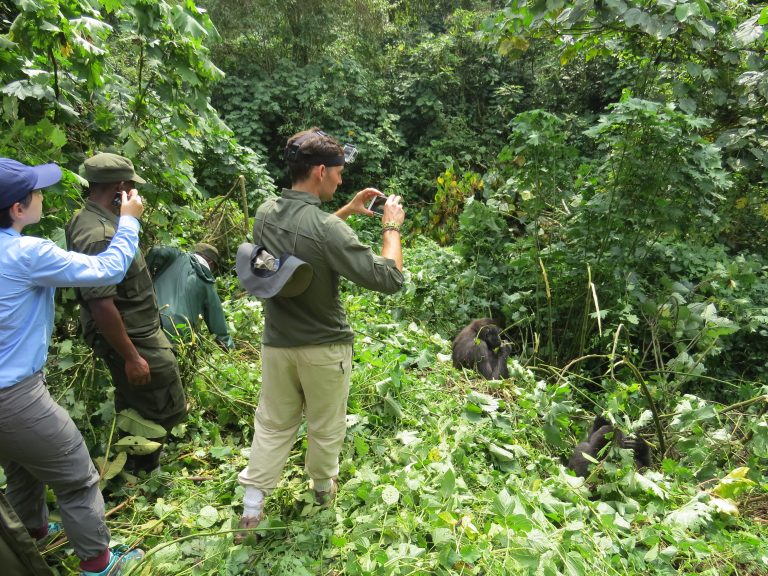
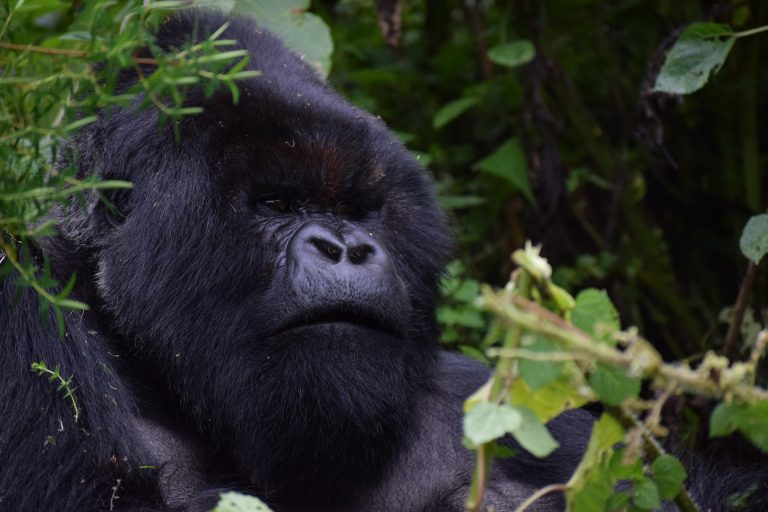
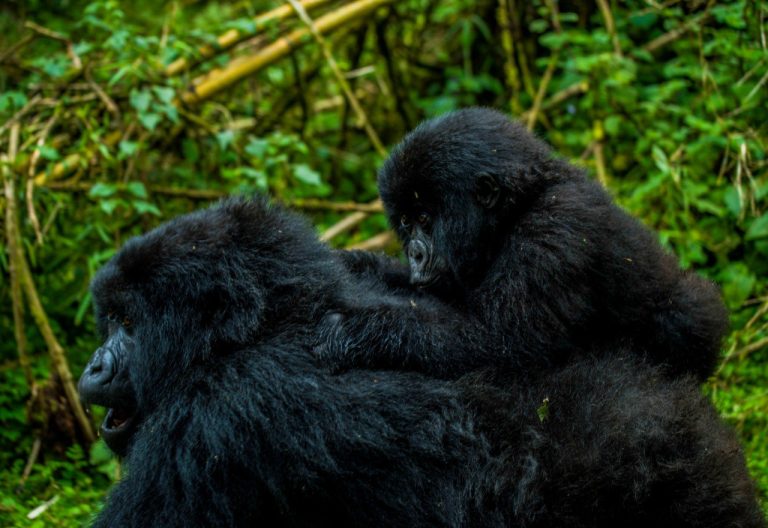
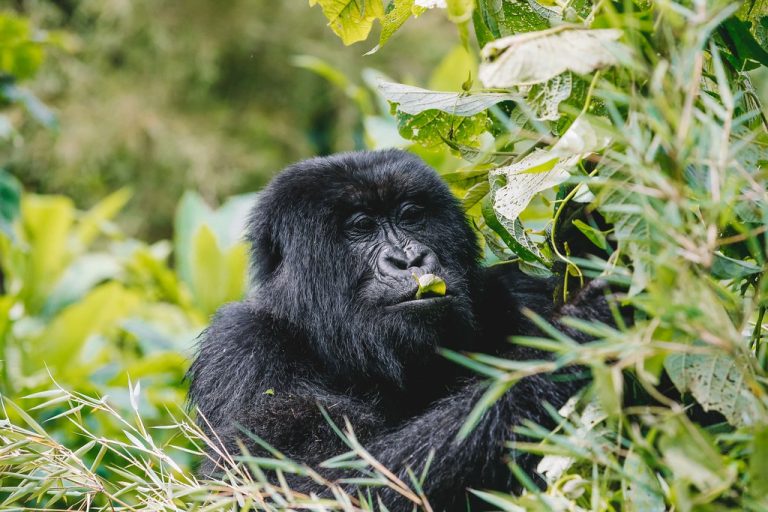
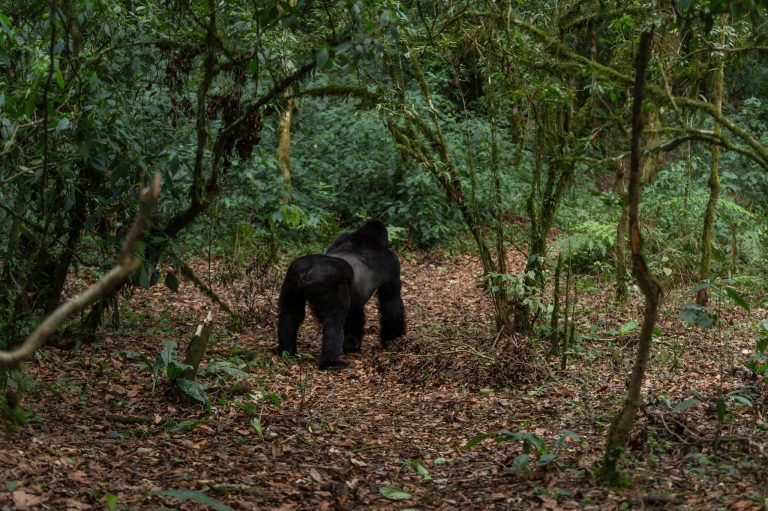
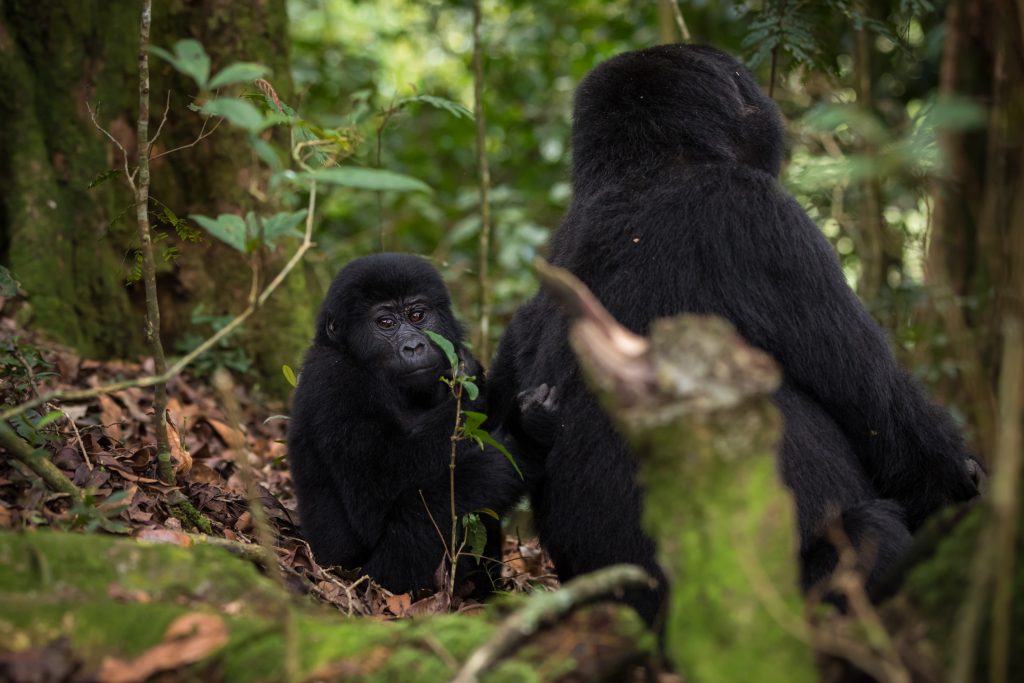
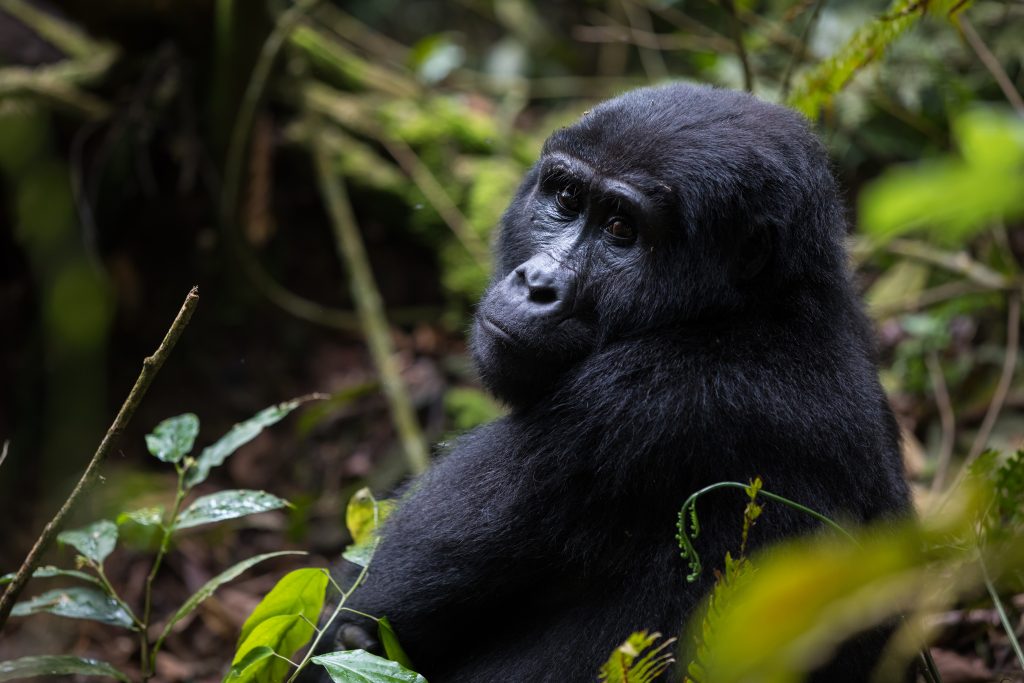
Rwanda, the Land of a Thousand Hills, has rightfully earned its global renown for the mesmerizing mountain gorillas inhabiting the misty slopes of Volcanoes National Park. This iconic experience is undoubtedly a profound privilege, a truly life-altering encounter with one of our closest relatives in their natural habitat. However, to confine Rwanda’s safari narrative solely to these gentle giants would be to overlook a vibrant tapestry of biodiversity that truly distinguishes this remarkable East African nation. Beyond the captivating gaze of a silverback, Rwanda offers an astonishing array of wildlife experiences, from the classic savanna spectacles of Akagera National Park to the ancient, primate-rich rainforests of Nyungwe. As seasoned safari specialists, we encourage a deeper exploration, revealing a country that is not merely a gorilla trekking destination, but a comprehensive wildlife haven, meticulously conserved and ready to be discovered.
This article serves as your authoritative guide to the lesser-heralded, yet equally spectacular, facets of Rwanda’s natural world. We delve into the dramatic comeback stories, the hidden wonders, and the unique adventures that await those who venture beyond the well-trodden gorilla trails. Prepare to redefine your understanding of Rwandan wildlife, to envision a journey that encompasses the full spectrum of its ecological treasures, promising an experience as diverse as it is unforgettable.
Rwanda’s Wildlife Story Beyond the Gorillas
For many years, the global perception of Rwanda’s wildlife was almost exclusively tied to its mountain gorillas. This focus, while understandable given the species’ critical conservation status and the extraordinary trekking experience, inadvertently overshadowed the country’s broader ecological narrative. Yet, Rwanda boasts a remarkable variety of ecosystems, from expansive savannas and wetlands in the east to dense montane rainforests in the south and west. This geographical diversity supports an impressive range of flora and fauna, making it a compact yet incredibly rich destination for wildlife enthusiasts.
The conservation efforts in Rwanda extend far beyond the protection of gorillas. The nation has embarked on an ambitious journey to restore and protect all its natural heritage, demonstrating an unwavering commitment to ecological recovery and sustainable tourism. This dedication has led to inspiring success stories, particularly in Akagera National Park, where the reintroduction of apex predators has revitalized the savanna ecosystem. Similarly, Nyungwe Forest National Park stands as a testament to the preservation of ancient rainforests, providing a sanctuary for numerous primate species, unique birds, and endemic plants. Together, these parks paint a comprehensive picture of Rwanda’s thriving biodiversity, inviting travelers to witness a conservation success story unfolding across diverse landscapes.
Akagera National Park: The Big Five Return
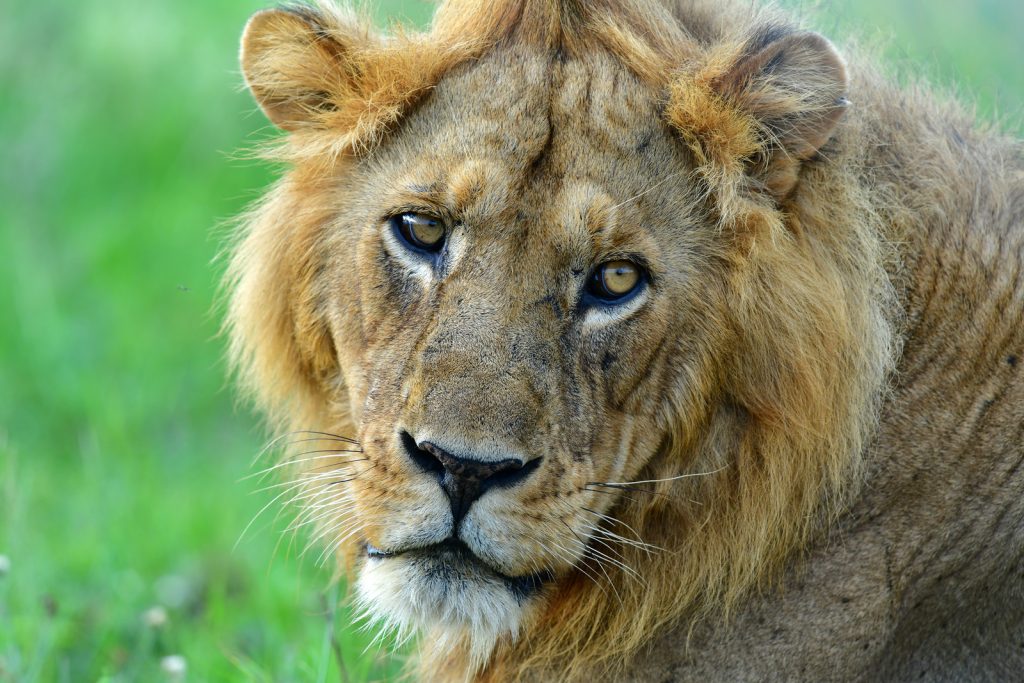
Akagera National Park, situated in eastern Rwanda along the Tanzanian border, represents one of Africa’s most compelling conservation success stories. Once severely depleted by human encroachment and poaching following the 1994 genocide, the park has undergone a remarkable transformation, meticulously managed by African Parks in partnership with the Rwanda Development Board. This collaborative effort has seen the triumphant reintroduction of lions in 2015 and black rhinos in 2017, completing Akagera’s Big Five ensemble and firmly re-establishing it as a premier savanna safari destination.
Today, Akagera offers a classic East African safari experience, albeit on a more intimate scale. Visitors can embark on exhilarating game drives across its rolling plains, acacia woodlands, and papyrus swamps, encountering elephants, buffalo, leopards, and a thriving population of various antelope species such as topi, eland, and impala. The park’s diverse habitats also support a rich avian life, with over 500 bird species, including the elusive shoebill stork. Beyond terrestrial game drives, boat safaris on Lake Ihema provide a unique perspective, allowing for close encounters with hippos, crocodiles, and an array of waterbirds. Akagera is a testament to what dedicated conservation can achieve, offering a truly rewarding Big Five safari experience that complements Rwanda’s primate offerings perfectly.
- Morning and afternoon game drives for classic safari viewing.
- Boat safaris on Lake Ihema, revealing hippos, crocodiles, and diverse birdlife.
- Night drives offering a chance to spot nocturnal species like civets, genets, and perhaps even a leopard.
- Walking safaris for a more immersive experience with smaller wildlife and flora.
Nyungwe Forest: Colobus Colonies and Chimps
Venturing south-west from the savannas of Akagera, one encounters the ancient, emerald expanse of Nyungwe Forest National Park. This vast montane rainforest, one of Africa’s oldest, is a biodiversity hotspot of unparalleled significance. Nyungwe is particularly renowned for its exceptional primate diversity, boasting 13 different species, making it a primate enthusiast’s dream destination. While chimpanzee trekking is the undisputed highlight, the forest offers much more, including the mesmerizing sight of large troops of Ruwenzori colobus monkeys, often seen moving through the canopy in groups of hundreds.
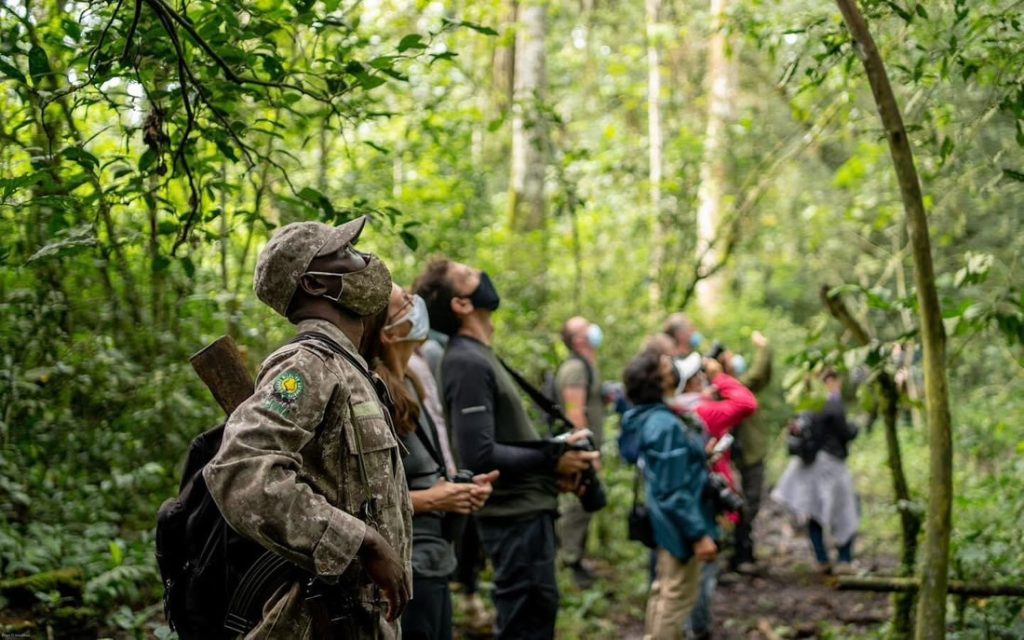
Chimpanzee trekking in Nyungwe provides a thrilling and immersive experience, distinct from gorilla encounters. These highly intelligent and energetic primates offer a dynamic spectacle as they forage, play, and interact within the dense forest. The treks can be challenging, requiring a good level of fitness, but the reward of observing these fascinating creatures in their natural habitat is immense. Beyond the chimps, Nyungwe is home to other unique primates like L’Hoest’s monkeys, grey-cheeked mangabeys, and owl-faced monkeys. The park also hosts over 300 bird species, many of which are Albertine Rift endemics, making it a prime location for serious birdwatchers. The sheer scale and ancient beauty of Nyungwe offer a profound connection to nature, a world away from the savanna plains.
“Nyungwe Forest is not just a park; it’s a living, breathing ancient cathedral. The air itself feels alive with the calls of unseen birds and the rustle of monkeys in the canopy. It’s a testament to Rwanda’s commitment to preserving its irreplaceable natural heritage.”
The Nyungwe Canopy Walk Experience
For those seeking a truly unique perspective of Nyungwe’s majestic rainforest, the Canopy Walkway offers an unforgettable adventure. Suspended high above the forest floor, this metallic bridge stretches 160 meters long and reaches a dizzying height of 70 meters at its highest point. It provides an unparalleled opportunity to observe the forest’s upper canopy ecosystem, offering breathtaking panoramic views and a chance to spot primates and birds that are typically hidden from ground level.
The walk itself is part of a guided forest trail, typically lasting a few hours, and is an accessible experience for most visitors, though those with a fear of heights might find it exhilaratingly challenging. From this elevated vantage point, one can appreciate the sheer scale of the ancient trees, the intricate layers of the forest, and the vibrant life that thrives within the canopy. It’s a fantastic photographic opportunity and a chance to gain a deeper understanding of the forest’s ecology. The Canopy Walk is a powerful reminder of the intricate beauty and immense biodiversity contained within Nyungwe, adding another dimension to Rwanda’s diverse safari offerings.
Golden Monkeys in Volcanoes National Park
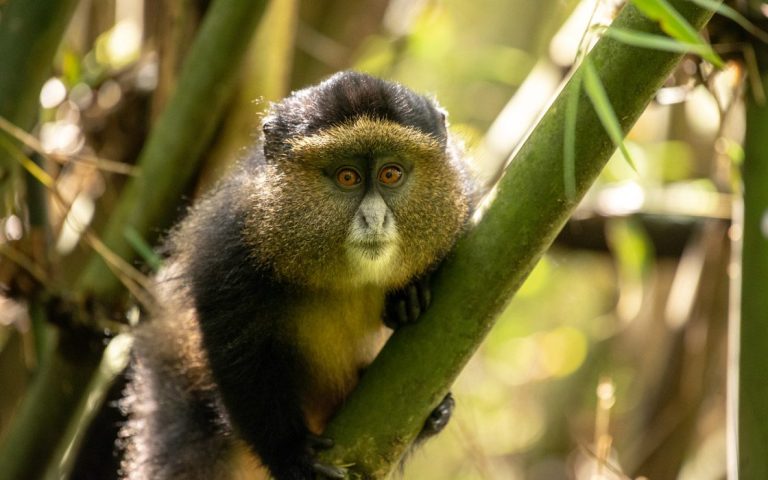
While Volcanoes National Park is globally synonymous with mountain gorillas, it also offers another captivating primate trekking experience: encounters with the vibrant golden monkeys. These striking primates, with their distinctive golden-orange fur, are an endemic subspecies found only in the Virunga Mountains, which span Rwanda, Uganda, and the Democratic Republic of Congo. Trekking to see golden monkeys provides a lighter, yet equally enchanting, forest adventure compared to gorilla trekking, often serving as an excellent complementary activity.
Golden monkey treks are typically less strenuous than gorilla treks, as the monkeys tend to inhabit the bamboo forests at the base of the volcanoes. They are incredibly active and playful, offering fantastic photographic opportunities as they leap through the bamboo groves. Observing their social dynamics, their foraging habits, and their vibrant colors against the lush green backdrop is a truly delightful experience. This activity underscores the rich primate diversity within Volcanoes National Park itself, proving that even within its famed gorilla sanctuary, other unique wildlife encounters await.
Seasonal Considerations Across Rwanda’s Parks
Understanding Rwanda’s climate and seasonal variations is crucial for planning an optimal wildlife safari, as conditions can significantly influence visibility, trekking difficulty, and overall experience across different parks. Generally, Rwanda experiences two main dry seasons and two rainy seasons, with temperatures remaining relatively consistent year-round due to its proximity to the equator and high altitude.
The long dry season, from June to September, is often considered the best time for gorilla and chimpanzee trekking. The trails are drier and less slippery, making the treks more manageable. Wildlife viewing in Akagera National Park is also excellent during this period, as animals congregate around dwindling water sources, making them easier to spot. The short dry season, from December to February, offers similar advantages, though it can be slightly warmer.
The long rainy season, from March to May, and the short rainy season, from October to November, bring lush greenery to the landscapes, making them incredibly beautiful. While trekking can be more challenging due to muddy trails, these periods offer unique advantages. For birdwatchers, the rainy seasons are particularly rewarding as migratory birds arrive, and resident species are often more active. Photography can also be spectacular with dramatic skies and vibrant foliage. Moreover, during the low season, parks are generally less crowded, potentially offering a more intimate experience. Ripple Safaris can provide tailored advice based on your priorities and the specific activities you wish to undertake.
Designing a Complete Rwanda Wildlife Circuit
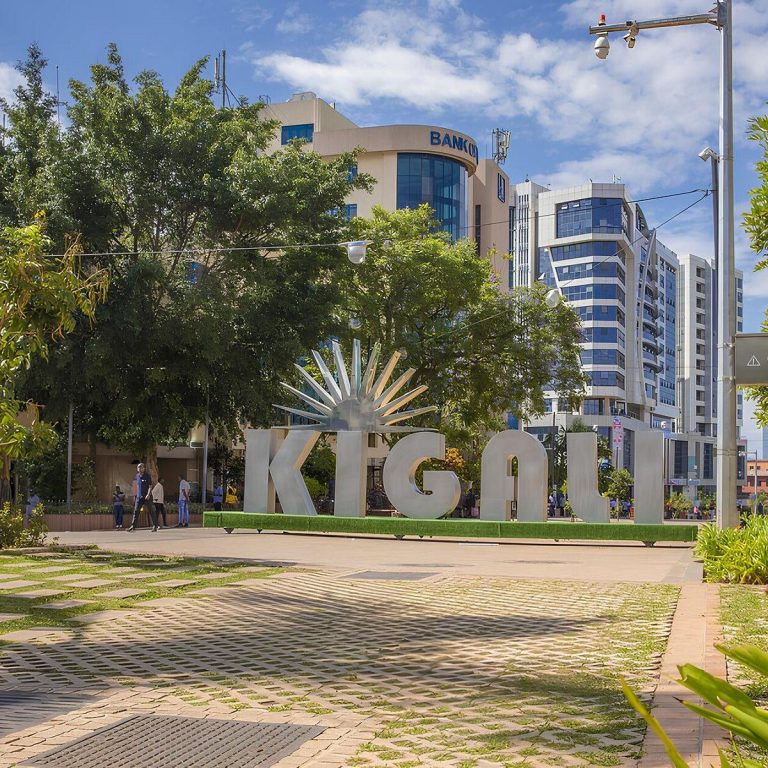
Crafting a comprehensive Rwanda wildlife circuit allows travelers to experience the full spectrum of the country’s natural wonders, moving seamlessly from savanna to montane rainforest. A well-designed itinerary typically begins with an arrival in Kigali, a clean and vibrant capital that offers cultural insights and a poignant history. From Kigali, the journey can logically extend to Akagera National Park in the east, providing a thrilling introduction to Africa’s Big Five and classic savanna safaris. This segment typically involves two to three days to allow for multiple game drives and a boat safari, maximizing wildlife viewing opportunities.
Following the Akagera experience, the journey can then pivot south-west towards Nyungwe Forest National Park. The drive itself showcases Rwanda’s stunning hilly landscapes and agricultural terraces. In Nyungwe, visitors can dedicate several days to chimpanzee trekking, the exhilarating Canopy Walk, and potentially other primate or birding excursions. Finally, the circuit culminates in Volcanoes National Park in the north-west, where the iconic gorilla trekking awaits, complemented by golden monkey treks. This geographical progression minimizes travel time between distinct ecological zones, ensuring a rich and varied safari that highlights Rwanda’s remarkable biodiversity far beyond its famous gorillas. It is a testament to Rwanda’s compact nature that such a diverse range of experiences can be woven into a single, cohesive adventure.
Frequently Asked Questions
Is Rwanda safe for solo travelers and families?
Rwanda is widely regarded as one of Africa’s safest countries, with a low crime rate and a strong emphasis on public order. Solo travelers, including women, generally feel very secure, and the local population is welcoming and helpful.
For families, Rwanda offers a unique and educational experience, though some activities like gorilla trekking have age restrictions (typically 15 years and above). Akagera National Park and the Nyungwe Canopy Walk are generally suitable for children, with appropriate supervision.
What is the best way to travel between Rwanda’s national parks?
The most common and recommended way to travel between Rwanda’s national parks is by private vehicle with a professional driver-guide. This offers flexibility, comfort, and the opportunity to enjoy the scenic landscapes between destinations.
For those seeking quicker transfers, domestic flights are available between Kigali and certain hubs near the parks, though road travel often allows for a more immersive experience of the country’s beautiful terrain.
Are there any cultural experiences available in conjunction with wildlife safaris?
Absolutely, Rwanda offers rich cultural experiences that can be seamlessly integrated into a wildlife safari. Many communities around the national parks have developed initiatives that allow visitors to engage with local traditions, crafts, and daily life.
These can include visits to cultural villages, traditional dance performances, artisan workshops, or community walks, providing valuable insights into Rwandan heritage and contributing directly to local livelihoods.
What level of physical fitness is required for chimpanzee trekking in Nyungwe?
Chimpanzee trekking in Nyungwe Forest National Park can be physically demanding, often involving treks through dense, uneven terrain, and potentially steep slopes. Treks can range from a few hours to a full day, depending on the chimpanzees’ location.
A moderate to good level of fitness is recommended to fully enjoy the experience. Comfortable hiking boots, long trousers, and long-sleeved shirts are essential to protect against scratches and insects.
How does Akagera National Park’s Big Five experience compare to other African safari destinations?
Akagera National Park offers a compelling Big Five experience with a unique Rwandan twist, showcasing a remarkable conservation success story. While perhaps not as vast or dense with game as some of the larger, more established parks in East Africa, it provides an intimate and highly rewarding safari.
The park’s diverse landscapes, including wetlands and savannas, combined with excellent birdwatching opportunities and boat safaris, create a distinct and memorable experience that complements Rwanda’s primate offerings perfectly.
What is the typical duration recommended for a comprehensive Rwanda wildlife safari?
For a truly comprehensive Rwanda wildlife safari that includes Akagera, Nyungwe, and Volcanoes National Park (with both gorilla and golden monkey trekking), a duration of 8 to 12 days is generally recommended. This allows for adequate time in each park without feeling rushed.
Such a timeframe ensures you can fully immerse yourself in the diverse experiences, account for travel time between parks, and enjoy a relaxed pace, maximizing your chances for wildlife encounters and cultural engagement.