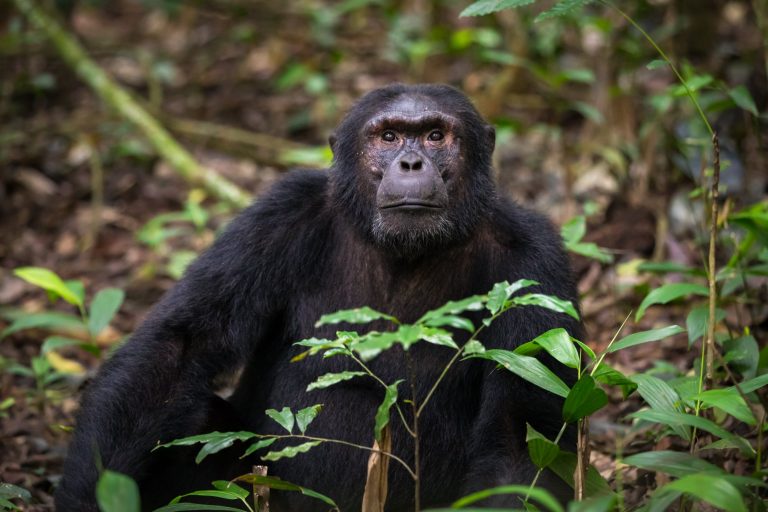
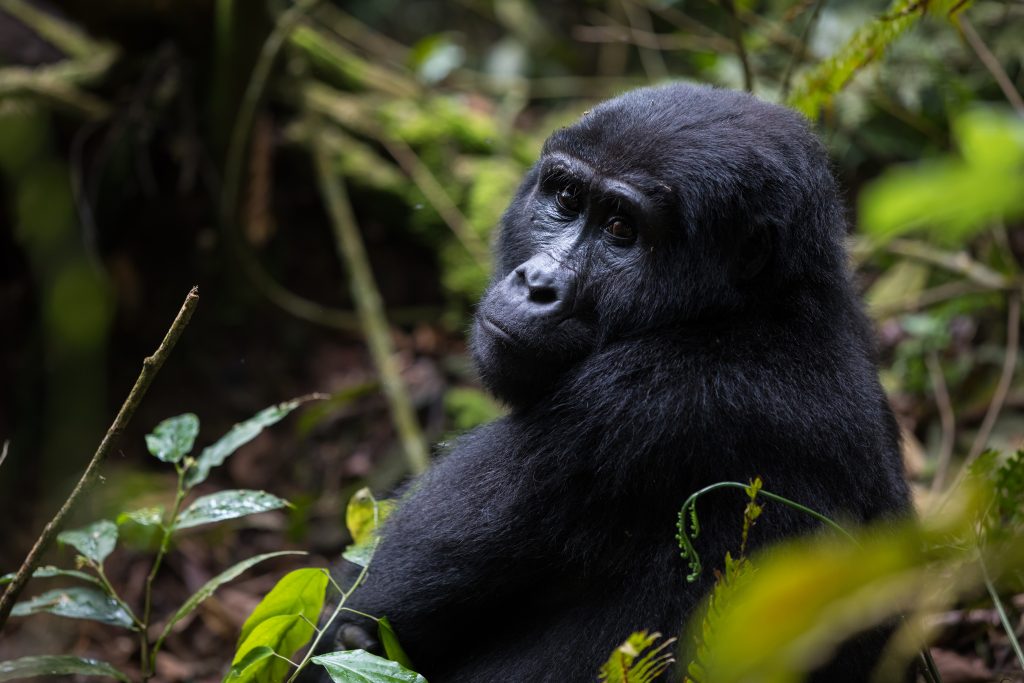
Deep within the emerald heart of Uganda, a profound connection awaits those willing to venture beyond the conventional safari. While the thrill of encountering chimpanzees on a standard trek is undeniable, the Chimpanzee Habituation Experience (CHEX) offers an entirely different stratum of engagement – an immersion that transcends observation, inviting you into the very fabric of a wild chimpanzee community’s daily life. This is not merely a wildlife viewing; it is an extended communion, a privilege reserved for a select few who seek an unparalleled understanding of our closest living relatives.
Uganda’s Kibale National Park, often hailed as the “Primate Capital of the World,” is the primary stage for this extraordinary encounter. Here, amidst the ancient trees and vibrant biodiversity, researchers and dedicated guides work tirelessly to habituate chimpanzee communities, gently accustoming them to human presence without altering their natural behaviours. The result is an experience of remarkable depth and intimacy, where the barriers between human and wild seem to dissolve, leaving behind only shared space and profound respect.
Habituation vs Standard Tracking: What Changes
The fundamental distinction between a standard chimpanzee trek and the habituation experience lies in two critical elements: time and intent. A standard chimpanzee trek typically grants visitors one hour of observation once the chimps are located. This hour is a breathtaking sprint, a flurry of activity as you scramble to witness and photograph as much as possible before your time elapses. It offers an exhilarating glimpse into their world, a snapshot of their dynamic lives.
The Chimpanzee Habituation Experience, however, extends this encounter to a full day, from dawn until the chimps build their nests for the night. This extended duration transforms the entire dynamic. Instead of a hurried observation, you become a silent, unobtrusive guest, present as they awaken, forage, groom, play, interact, and eventually settle. The intent shifts from a brief sighting to a deep, prolonged engagement, allowing for a far more nuanced understanding of their complex social structures and individual personalities.
This prolonged exposure is precisely what “habituation” entails. The chimpanzees you encounter on a CHEX trek are still wild, but they have gradually become accustomed to the presence of humans, primarily for research and conservation monitoring. This process minimizes their flight response, enabling you to witness natural behaviours that might otherwise be hidden. The chimps are less reactive to your presence, allowing for authentic, unscripted moments that are the hallmark of this truly premium encounter.
The Full Day With Wild Chimpanzees
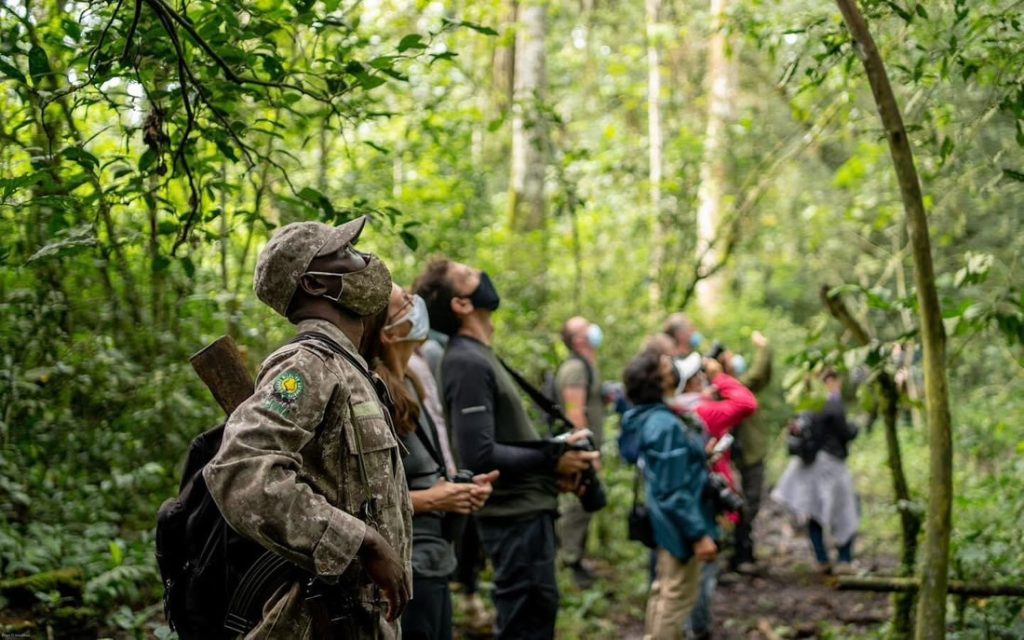
Your day begins long before the sun paints the sky, typically around 6:00 to 6:30 AM, with a crucial briefing at the Kanyanchu Visitor’s Centre in Kibale National Park. Here, you’ll meet your expert guides and researchers, who will provide invaluable insights into the chimpanzee community you are about to join. The air hums with anticipation as you receive instructions on forest etiquette and safety protocols, preparing you for the immersive journey ahead.
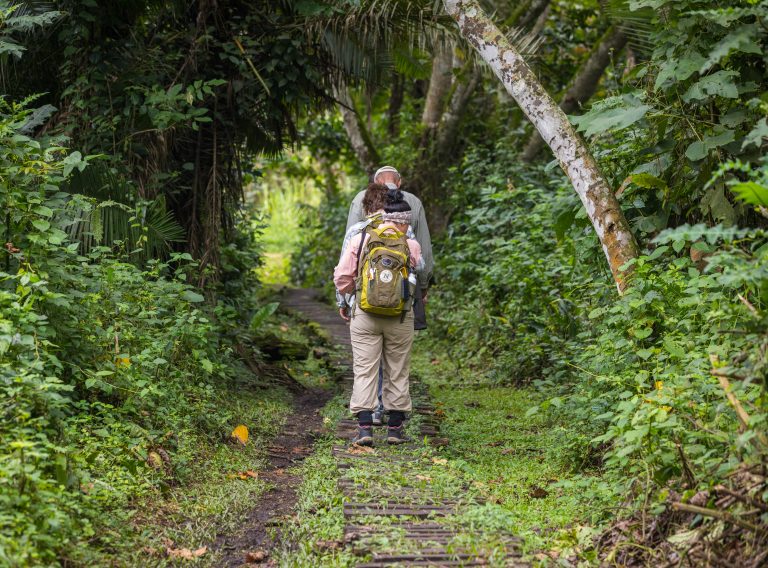
From the briefing point, the trek into the forest commences. Unlike standard treks where the chimps may have already been located, on a habituation experience, you are actively involved in the tracking from the very beginning. This often involves following fresh tracks, listening intently for calls, and deciphering subtle signs in the dense undergrowth. The early morning hours are particularly magical, as the forest awakens around you, alive with the sounds of myriad birds and other creatures.
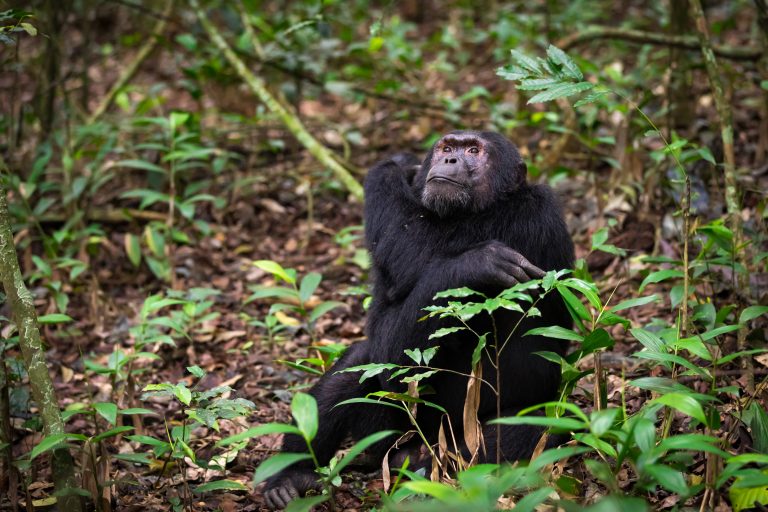
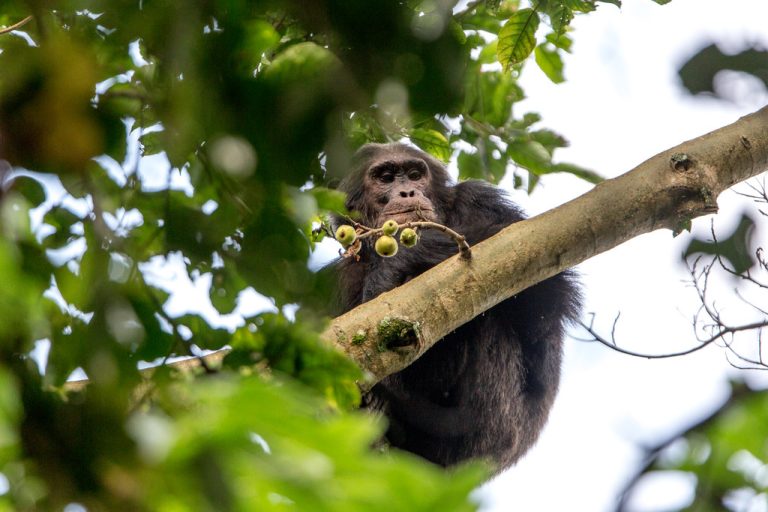
Once the chimpanzees are found, the true immersion begins. You will spend the entire day with them, moving as they move, pausing as they rest. You’ll witness them descending from their night nests, stretching and vocalizing as the new day dawns. As they embark on their daily foraging routes, you’ll observe their intricate methods of finding food, their preferences for certain fruits, and their skilled use of tools. The extended time means you are privy to a continuous narrative, watching stories unfold in real-time, from playful squabbles among juveniles to tender moments of maternal care, and even tense territorial displays between dominant males.
The day culminates as the sun begins to dip below the horizon, and the chimpanzees prepare their nests for the night. Watching them meticulously weave branches and leaves into comfortable sleeping platforms, high in the canopy, is a poignant and unforgettable end to a day spent deep within their world. This full-day experience offers a profound understanding of their daily rhythms, their social hierarchy, and the intricate web of life that defines their existence.
Behavioural Insights You Will Only See Up Close
The extended duration of the Chimpanzee Habituation Experience unlocks a realm of behavioural insights that are simply not possible during a shorter visit. With a full day, you move beyond mere sightings to truly observe the nuances of chimpanzee society and individual personalities. You’ll witness the intricate dance of their social hierarchy, understanding who holds power, who is submissive, and how alliances are formed and broken. The subtle gestures, vocalizations, and facial expressions that convey complex messages within the community become clearer over time.
You might observe specific individuals demonstrating tool use, whether it’s using a stick to extract insects from crevices or a leaf to sop up water. These moments, often fleeting, require patience and extended observation to truly appreciate. Maternal care is another highlight; watching a mother chimp patiently teach her infant foraging skills, or gently grooming her offspring, offers a deeply moving glimpse into their family bonds. The sheer diversity of their diet, from fruits and leaves to insects and even small mammals, is revealed as you track their foraging patterns throughout the day.
Furthermore, the habituation experience allows you to witness sequences of behaviour rather than isolated events. You might see the build-up to a territorial patrol, the tension and eventual resolution of a conflict, or the sustained play of juveniles that evolves into mock fighting. Each chimp possesses a distinct personality – some are boisterous, others shy, some dominant, others more aloof. Over hours, these individual traits become apparent, forging a deeper, more personal connection to the community you are observing. It’s an unparalleled opportunity to witness the full spectrum of their sophisticated intelligence and emotional depth.
Photography Opportunities and Light Conditions
For the serious wildlife photographer, the Chimpanzee Habituation Experience is an unparalleled gift. While photographing chimps in their natural, dense forest habitat presents significant challenges, the extended time frame and the chimps’ habituated nature dramatically increase your chances of capturing truly exceptional images. The forest canopy creates a mosaic of light and shadow, often requiring photographers to work with high ISO settings and fast lenses to freeze motion in low light.
The early morning and late afternoon hours, when the chimps are most active and the light is often softer, provide the most magical photographic conditions. Golden rays filtering through the leaves can create stunning backlighting, highlighting the chimps’ fur and expressions. Crucially, the full day allows for patience. Instead of rushing to get a shot, you can wait for the perfect moment: a chimp making eye contact, a mother cradling her infant, or a dramatic display of dominance. You can experiment with different angles and compositions as the chimps move through their environment.
Given the chimps’ constant movement and the dense vegetation, a fast prime lens (e.g., 300mm f/2.8 or 400mm f/4) or a versatile telephoto zoom lens (e.g., 70-200mm f/2.8 or 100-400mm) is highly recommended. A camera body with excellent low-light performance and fast autofocus will be invaluable. Remember to bring extra batteries and plenty of memory cards. While the conditions can be demanding, the rewards are immense, offering a portfolio of images that truly tell the story of a day spent intimately with our closest primate relatives.
Physical and Mental Preparation
Embarking on a Chimpanzee Habituation Experience requires a reasonable level of physical fitness and a significant degree of mental preparedness. The terrain in Kibale National Park is undulating, often muddy, and densely vegetated. You will be trekking for many hours, sometimes off-trail, through thick undergrowth, navigating roots, and potentially crossing small streams. A good level of cardiovascular fitness and strong, stable ankles are highly beneficial to fully enjoy the experience without undue discomfort.
Mentally, patience is your most valuable asset. Wildlife, by its very nature, is unpredictable. There will be periods of intense observation, but also times of quiet waiting, tracking, and moving through dense forest where chimps might be momentarily out of sight. Maintaining a quiet, respectful demeanor throughout the day is crucial, as is adhering strictly to your guide’s instructions. The ability to remain focused and observant for extended periods, even when tired, will greatly enhance your experience.
Essential gear includes sturdy, waterproof hiking boots with good ankle support, long-sleeved shirts and trousers to protect against scratches and insect bites, a lightweight rain jacket, and a small daypack. Don’t forget a wide-brimmed hat, sunglasses, plenty of water, high-energy snacks, insect repellent, and any personal medications. A pair of binoculars can enhance distant observations. Preparing both your body and mind will ensure you can fully immerse yourself in this incredible journey, allowing the wonder of the forest and its inhabitants to truly captivate you.
How to Book and What to Expect
Booking your Chimpanzee Habituation Experience is a critical step that requires foresight and planning, as permits are highly limited to minimize impact on the chimpanzee communities. Permits for 2026 are priced at USD 300 per person for international non-residents and USD 250 for foreign residents. These permits must be secured well in advance, often six months to a year ahead, especially if you plan to travel during peak seasons. Failure to book early almost guarantees disappointment.
The most reliable way to secure your permit and organize the logistics of your trip is through a reputable safari operator. Companies like Ripple Safaris specialize in crafting these unique experiences, handling permit acquisition, accommodation, transportation, and expert guiding. Their local knowledge and established connections are invaluable in ensuring a smooth and memorable journey. Once your permit is confirmed, you can expect a detailed itinerary and packing list from your operator, ensuring you are fully prepared.
On the day of the experience, after the early morning briefing, you will be assigned to a small group, typically no more than six individuals, accompanied by Uganda Wildlife Authority (UWA) rangers and habituation researchers. While the day is long, the rewards are immeasurable. Expect to walk varying distances, sometimes on established trails, sometimes through dense bush. The exact duration of the chimp encounter depends entirely on the chimps themselves – their movements, their feeding patterns, and their resting periods. Embrace the unpredictability; it is an inherent part of the wild experience. Your guides will prioritize your safety and the well-being of the chimpanzees at all times, ensuring an ethical and unforgettable encounter.
Is It Worth the Extra Cost?
The question of whether the Chimpanzee Habituation Experience is worth the additional investment compared to a standard trek is one that many prospective travelers ponder. With a permit costing USD 300 compared to the lower price point for a one-hour trek, it represents a significant financial commitment. However, for a specific type of traveler, the answer is an unequivocal yes, the value far exceeds the monetary difference.
For serious wildlife enthusiasts, conservationists, researchers, and dedicated photographers, the CHEX offers an unparalleled depth of engagement. The extended time allows for a true immersion into the daily lives of chimpanzees, witnessing their complex social dynamics, individual personalities, and a broader spectrum of natural behaviours that are simply not observable in a single hour. This isn’t just a viewing; it’s an educational journey, a chance to truly understand and appreciate our closest genetic relatives on a profound level.
The photographic opportunities alone can justify the cost for many. The extended hours provide countless chances to capture that perfect shot, with varying light conditions and diverse behaviours. Moreover, by participating in the habituation experience, you are directly contributing to the ongoing conservation efforts and research that protect these magnificent creatures and their vital forest habitats. For those who seek more than just a fleeting glimpse, who desire a deep, meaningful connection with the wild, the Chimpanzee Habituation Experience is not merely an expense, but an investment in an unforgettable, life-altering adventure.
Frequently Asked Questions
What is the best time of year for a Chimpanzee Habituation Experience?
The Chimpanzee Habituation Experience is available year-round in Kibale National Park, but the dry seasons (June to September and December to February) are generally considered the best. During these months, the forest trails are less muddy and slippery, making trekking more manageable.
While the dry season offers easier navigation, the wet seasons (March to May and October to November) can also be rewarding, as the forest is lush, and food is abundant, potentially leading to more concentrated chimp activity. However, be prepared for heavier rains and more challenging trekking conditions.
How many people are in a habituation group?
To ensure minimal disturbance to the chimpanzees and to maximize the quality of the visitor experience, habituation groups are kept very small. Typically, a group will consist of no more than six visitors, accompanied by expert guides and researchers.
This small group size allows for a more intimate and less intrusive encounter, ensuring that everyone has excellent viewing opportunities and can ask questions without overwhelming the environment. It also helps maintain the quiet atmosphere essential for observing natural chimp behaviors.
What essential gear should I bring for the habituation experience?
Essential gear includes sturdy, waterproof hiking boots with good ankle support, long-sleeved shirts and trousers to protect against insects and scratches, and a lightweight rain jacket or poncho. A small daypack for essentials, a wide-brimmed hat, and sunglasses are also highly recommended.
Additionally, bring plenty of water (at least 2-3 liters), high-energy snacks, insect repellent, and any personal medications. For photographers, extra batteries and memory cards are crucial, as is a camera with good low-light capabilities and a versatile telephoto lens.
Are there any age restrictions for the Chimpanzee Habituation Experience?
Yes, participants in the Chimpanzee Habituation Experience must be at least 15 years old. This age restriction is in place for safety reasons, due to the demanding nature of the full-day trek and the need for participants to maintain quiet and follow instructions diligently.
The long hours and potentially challenging terrain require a certain level of maturity and physical endurance that younger children may not possess. This ensures a safe and respectful environment for both the visitors and the wild chimpanzees.
What if we don’t find the chimpanzees during the habituation experience?
While sightings are highly probable due to the extensive knowledge of the guides and researchers about the chimp communities, wildlife encounters can never be absolutely guaranteed. The guides employ sophisticated tracking methods and have a deep understanding of chimp behavior to maximize your chances.
In the extremely rare event that chimps are not found, which is almost unheard of for habituation experiences given the full-day effort, the experience would still involve a deep forest trek and invaluable insights from your guides. However, it is important to manage expectations and understand that you are entering a wild, unpredictable environment.
How physically demanding is the full-day habituation trek?
The Chimpanzee Habituation Experience is considered moderately to highly physically demanding, requiring a good level of fitness. You will be trekking for many hours, potentially up to 8-10 hours, through varied and often challenging terrain, including steep slopes, dense vegetation, and muddy paths.
Participants should be prepared for a full day of walking, sometimes off-trail, and should be able to navigate uneven surfaces. While guides will set a comfortable pace, stamina and endurance are important to fully enjoy the immersive experience.
What are the rules of engagement when observing the chimpanzees?
Strict rules are in place to protect both the chimpanzees and visitors. You must maintain a minimum distance of 8-10 meters from the chimps at all times, never approaching them unless instructed by your guide. Keep your voice low, avoid sudden movements, and never eat or drink near the chimps to prevent habituation to human food.
Flash photography is strictly prohibited, and you must never litter or leave anything behind in the forest. If you feel unwell, especially with a cold or flu, it’s crucial to inform your guide, as chimpanzees are susceptible to human diseases. Following these guidelines ensures a respectful and safe encounter for everyone.