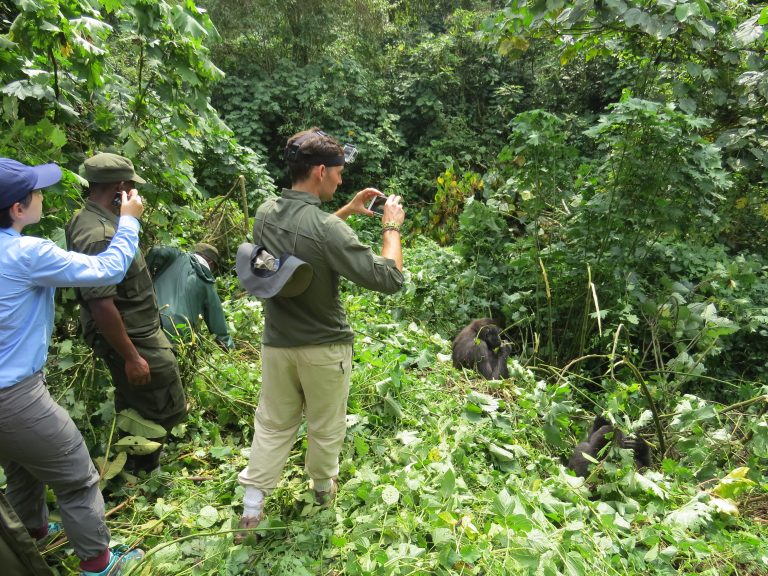
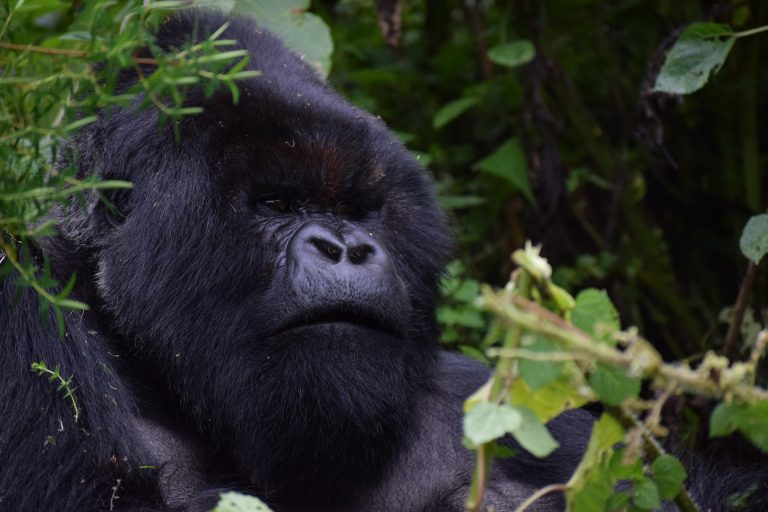
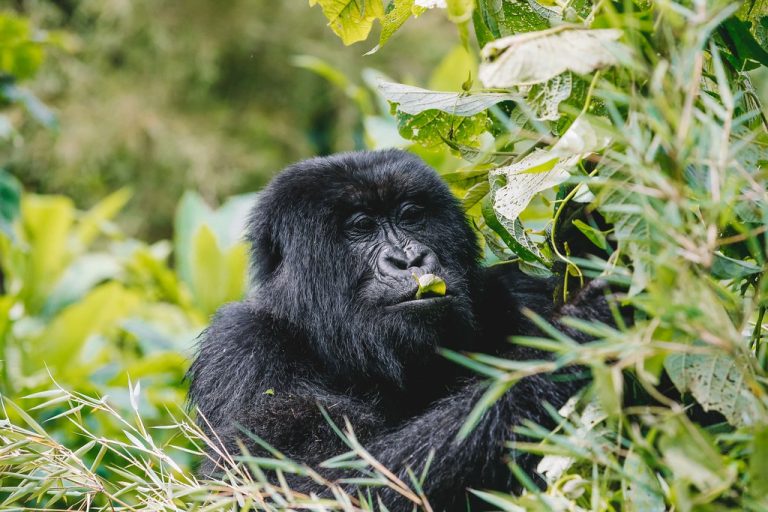
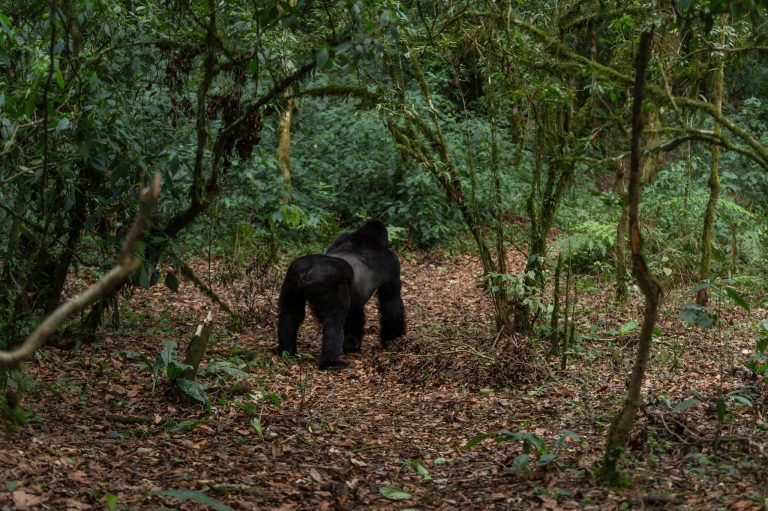
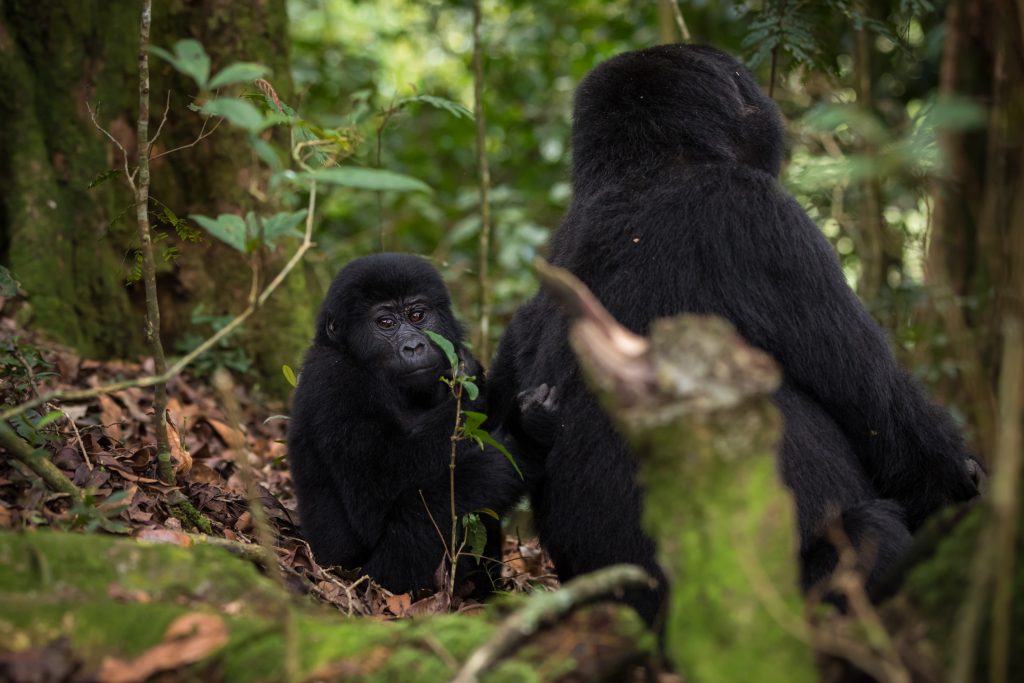
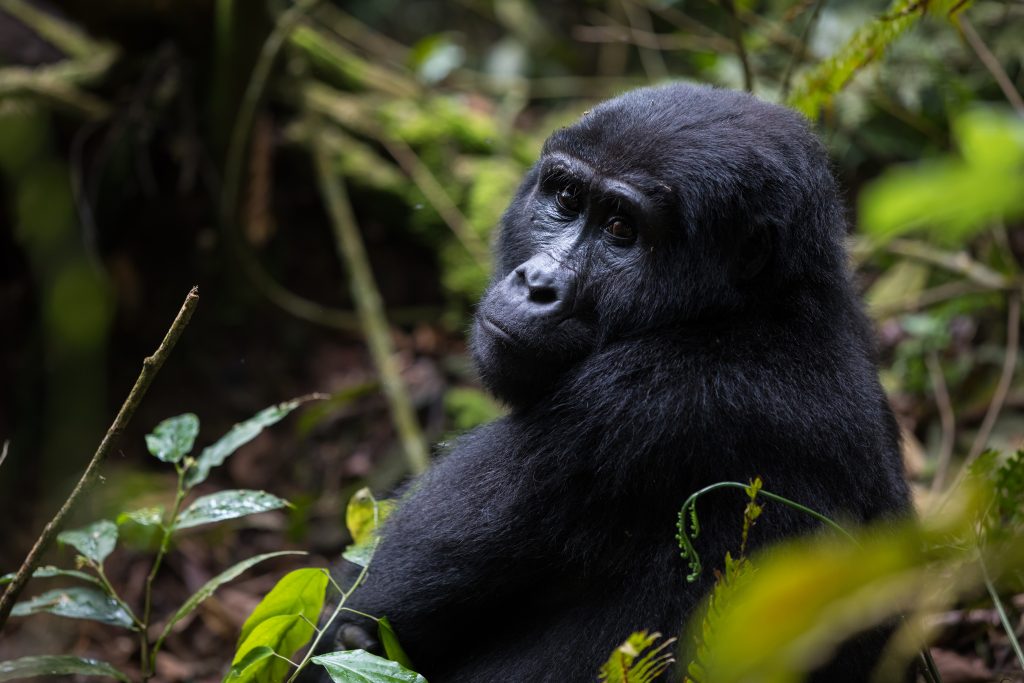
The air hung thick and humid, a primal perfume of damp earth, decaying leaves, and the subtle, metallic tang of the forest’s breath. Overhead, the canopy, a colossal, interwoven tapestry of ancient trees and climbing vines, filtered the morning light into dappled emeralds and golds. Our boots squelched rhythmically in the mud, each sound amplified in the hushed, verdant cathedral, a testament to the recent rains. Ahead, the tracker, a silhouette against the shifting light, moved with an almost preternatural ease, his machete occasionally whispering through a tangle of lianas. Then, a rustle – not the wind, but something deliberate, heavy. A broken branch. A deep, resonant exhalation that seemed to vibrate through the very soil beneath our feet. Through a parting of giant lobelia, a charcoal-black silhouette emerged, a silent sentinel in its ancient domain. The silverback, immense and undeniably powerful, met our gaze with an intelligence that transcended species. This is not merely a safari; it is an immersion, a profound encounter with a species that mirrors our own complexities, deep within the heart of Africa’s last true wildernesses.
What Travelers Misread Before Arrival
Many individuals arrive in Uganda or Rwanda with a preconceived notion of what a gorilla trek entails, often influenced by polished documentaries or curated photographs. The reality, however, is far more visceral and demanding. This is not a zoo exhibit, nor is it a guaranteed, pristine photo opportunity without effort. The gorillas are wild, untamed beings, and their movements dictate the experience entirely. They are not static; they forage, rest, play, and travel across vast, challenging terrains, often requiring trekkers to follow suit through dense undergrowth and up steep inclines. The forest itself is a living entity, unpredictable and often unyielding, presenting obstacles that can test even seasoned hikers.
Furthermore, the habituation process, while allowing for human proximity, does not domesticate these magnificent primates. Their natural behaviours persist, from the subtle nuances of their social interactions to the sudden, powerful displays of a silverback asserting dominance. Understanding that you are a visitor in their world, on their terms, is paramount. The focus should shift from a checklist item to an opportunity for profound observation and respect. This mental preparedness, acknowledging the wildness and the effort required, significantly enhances the appreciation of the eventual encounter.
Terrain, Altitude, and Fitness
The landscapes of Bwindi Impenetrable National Park in Uganda and Volcanoes National Park in Rwanda, while breathtakingly beautiful, are formidable. Trekkers will navigate through dense primary rainforest, characterized by steep slopes, deep ravines, and often, thick mud. The undergrowth can be incredibly dense, requiring rangers to sometimes cut paths with machetes as you advance. Expect uneven footing, slippery roots, and hidden obstacles beneath the foliage. The altitude also plays a significant role; Bwindi’s elevations range from 1,160 to 2,607 meters (3,806 to 8,553 feet), while Volcanoes National Park sits even higher, between 2,500 to 4,507 meters (8,200 to 14,787 feet). For those unaccustomed to such heights, even moderate exertion can feel more strenuous due to the thinner air.
A reasonable level of physical fitness is not merely recommended; it is essential. While some gorilla families might be found relatively close to trailheads, others can require several hours of strenuous hiking, often uphill, through challenging conditions. Regular cardiovascular exercise, such as brisk walking, jogging, or cycling, in the months leading up to your trek will be invaluable. Focus on strengthening your legs and core. While porters are available to assist with carrying bags and even offer a helping hand on difficult sections, they are not a substitute for personal preparedness. The more capable you are, the more you can truly immerse yourself in the journey rather than struggling through it.
Permits and Route Planning
Securing a gorilla trekking permit is the absolute cornerstone of your experience, and it is a process that demands foresight and timely action. These permits are strictly limited to ensure minimal impact on the gorilla families and their habitat, with only a handful issued per family per day. In Uganda, permits typically cost USD $800, while in Rwanda, they are significantly higher at USD $1,500. This disparity often influences a traveler’s choice, though both offer unparalleled encounters. Permits are non-transferable and non-refundable, underscoring the importance of firm travel plans.
Booking permits well in advance, ideally six months to a year, especially for peak seasons (June-September and December-February), is not merely advisable but critical. Without a confirmed permit, access to the parks for gorilla trekking is impossible. Once permits are secured, the park authorities, often on the morning of the trek, assign specific gorilla families to groups of eight trekkers. This allocation considers factors like the trekkers’ fitness levels and the recent known locations of the gorilla families. While you can express preferences, the final decision rests with the park, ensuring fair distribution and optimal viewing opportunities. This system also dictates your starting point, as different families inhabit various sectors of the expansive parks. A reputable safari operator, such as Ripple Safaris, can manage this complex permit acquisition and advise on the best timing.
Habitat and Animal Behaviour
The mountain gorillas of Uganda and Rwanda inhabit a unique ecological niche: the Afromontane cloud forests, characterized by their high altitude, dense vegetation, and frequent mist. These forests are rich in biodiversity, providing an abundance of food sources like bamboo shoots, wild celery, thistles, and various fruits and leaves that form the bulk of a gorilla’s diet. Understanding this habitat is key to appreciating their behaviour. Gorillas are largely terrestrial, though juveniles are adept climbers. They live in cohesive family groups led by a dominant silverback, whose role is to protect the family, make decisions about movement, and mediate disputes.
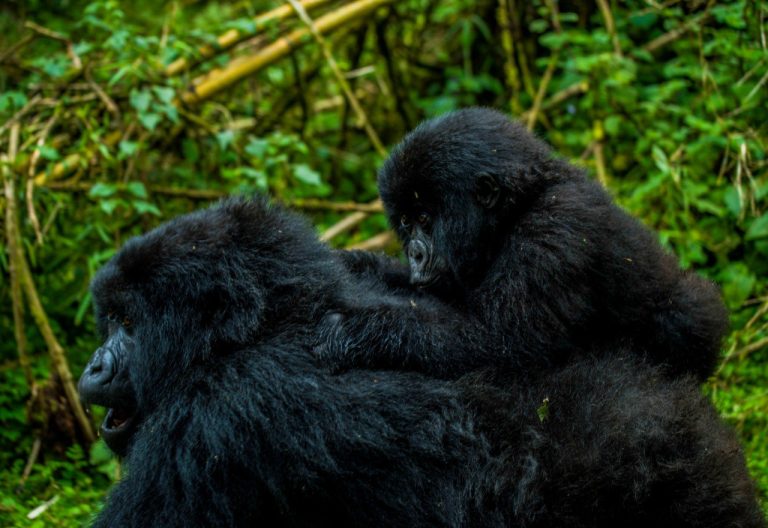
Observing their behaviour is a lesson in subtle communication and powerful displays. You will witness them foraging peacefully, the younger gorillas engaging in boisterous play, and mothers tenderly caring for their infants. The silverback often rests, ever vigilant, occasionally issuing a low rumble or a chest-beat to assert his presence. It is crucial to maintain a respectful distance (the mandated 7 meters, though sometimes the gorillas themselves approach closer) and to remain quiet, observing their natural rhythms. Any sudden movements or loud noises can be perceived as a threat. The hour spent with them is a window into a complex social world, a privilege that demands reverence and minimal intrusion.
What to Pack That Actually Matters
Beyond the obvious essentials, certain items significantly enhance comfort and safety during a gorilla trek, often overlooked until the moment of need. First, waterproof gear is paramount: a sturdy, breathable rain jacket and trousers are non-negotiable, even in the dry season, as mountain weather is notoriously fickle, and the forest canopy perpetually drips. Secondly, gaiters are incredibly useful for preventing mud, thorns, and biting insects from entering your boots and socks, offering an unexpected layer of protection. A small, waterproof daypack is essential to carry your water, packed lunch, camera, and any extra layers.
Footwear deserves special attention. Robust, waterproof hiking boots with good ankle support and aggressive tread are vital for navigating slippery, uneven terrain. Avoid new boots; ensure they are well broken-in to prevent blisters. Long-sleeved shirts and trousers, preferably in neutral colors, protect against stinging nettles, scratches, and insects. Don’t forget gardening gloves; these are invaluable for gripping onto vegetation for support without fear of thorns or nettles. Finally, a good insect repellent, a wide-brimmed hat, and plenty of water are often underestimated but crucial for a comfortable and safe experience in this demanding environment.
Guide and Ranger Etiquette
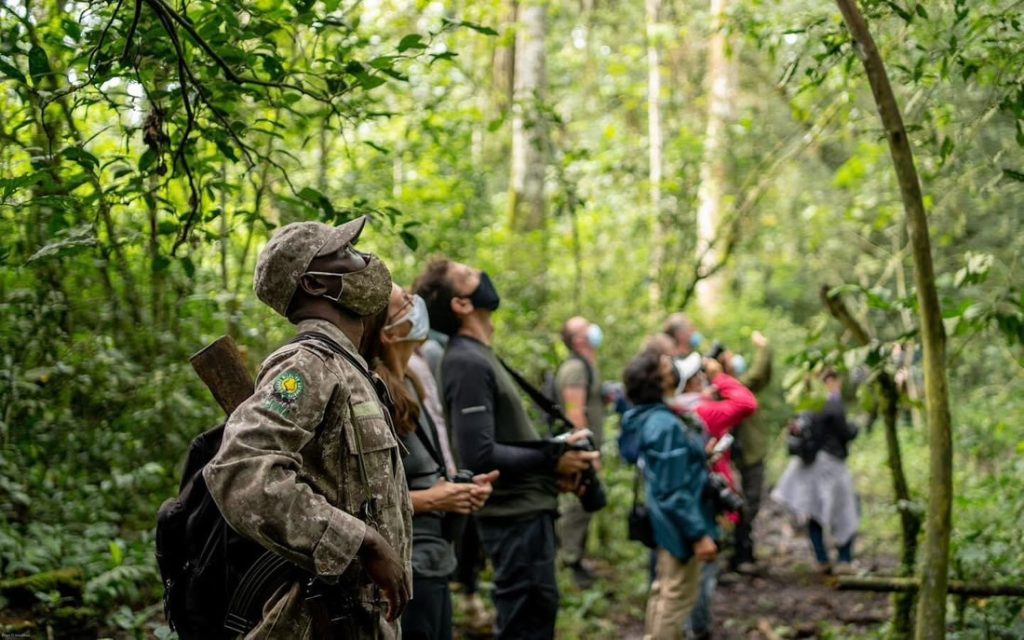
The guides and trackers who lead these expeditions are not merely escorts; they are custodians of the forest, intimately familiar with its every nuance and the individual gorilla families. Their knowledge, honed over years, is encyclopedic, encompassing gorilla behaviour, local flora and fauna, and the safest routes through the challenging terrain. It is imperative to listen intently to their briefings before the trek and to follow their instructions without question once in the forest. They understand the gorillas’ moods and movements far better than any visitor and prioritize both your safety and the well-being of the primates.
During the encounter, maintain silence or speak in hushed tones. Avoid pointing directly at the gorillas, making sudden movements, or trying to attract their attention. If a gorilla approaches you, remain calm, lower your gaze, and follow the guide’s instructions, which typically involve slowly backing away or simply standing still. The 7-meter distance rule is strictly enforced to prevent disease transmission and habituation beyond what is healthy for the gorillas. Tipping guides, trackers, and porters is customary and greatly appreciated for their tireless efforts. This gesture acknowledges their hard work and the invaluable service they provide in making these extraordinary encounters possible.
Planning Errors to Avoid
One of the most common planning errors is underestimating the physical demands of the trek. Many travelers assume that because they are generally active, they are fit enough for mountain gorilla trekking. However, the unique combination of high altitude, steep inclines, dense vegetation, and unpredictable mud can quickly exhaust even fit individuals. Failing to engage in preparatory cardiovascular and strength training can lead to a less enjoyable, and sometimes even truncated, experience.
Another significant mistake is neglecting to book permits far enough in advance. The limited number of permits means that last-minute bookings, especially for desired dates or peak seasons, are almost impossible. This can lead to disappointment or force travelers into less ideal trekking dates. Furthermore, under-packing or over-packing are both detrimental. Forgetting essential waterproof gear or sturdy boots can lead to discomfort or even injury, while carrying excessive, unnecessary items adds to the physical burden. Lastly, failing to secure adequate travel insurance that covers emergency evacuation is a critical oversight. The remote nature of these parks means medical assistance can be distant, and evacuation costs can be substantial.
Frequently Asked Questions
What is the best time of year for gorilla trekking in Uganda and Rwanda?
The dry seasons, generally June to September and December to February, are often considered the best times for gorilla trekking. During these months, the trails are less muddy and slippery, making the trek physically less demanding. Visibility is also typically clearer, which can enhance photographic opportunities.
However, trekking is possible year-round, and the ‘wet’ seasons (March-May and October-November) offer their own advantages, such as fewer tourists and lush, vibrant forest scenery. While rain is more likely, it often comes in short, heavy bursts, and the gorillas are equally active regardless of the weather.
Are there any age restrictions for gorilla trekking?
Yes, there is a strict minimum age limit of 15 years for gorilla trekking in both Uganda and Rwanda. This regulation is in place for several reasons, primarily to ensure the safety of both the trekkers and the gorillas.
The trek itself can be physically demanding and long, and younger children may struggle with the terrain, duration, or maintaining the necessary quiet and calm around the gorillas. It also minimizes the risk of disease transmission, as younger individuals might be more prone to bringing illnesses into the forest environment.
What is the policy on photography and videography during the gorilla encounter?
Photography and videography are generally permitted during the one-hour encounter with the gorillas, but with strict guidelines. Flash photography is absolutely forbidden, as it can startle and agitate the gorillas, potentially leading to aggressive behaviour. Ensure your camera’s flash is turned off before entering the gorilla’s presence.
It is recommended to use a camera with good low-light performance and a decent zoom lens to capture clear shots from the mandated 7-meter distance. Always prioritize observing the gorillas with your own eyes over constantly looking through a lens, and be mindful not to let your equipment distract you from the profound experience.
What happens if our group doesn’t find the gorillas?
While extremely rare, it is theoretically possible for a group not to find the gorillas on a given day, though the success rate for finding them is over 95%. Park rangers and trackers typically set out at dawn to locate the gorilla families, using their extensive knowledge of the terrain and gorilla habits. They communicate their findings to your trekking group.
In the highly unlikely event that gorillas are not found after a full day of trekking, some parks offer a partial refund of the permit fee, though policies can vary. However, the dedication of the tracking teams is such that they usually persevere until the gorillas are located, often requiring a long and arduous day in the forest.
Is there a difference between gorilla trekking and gorilla habituation?
Yes, there is a significant difference between standard gorilla trekking and gorilla habituation experiences, primarily offered in Uganda. Standard trekking involves spending one hour with a habituated gorilla family that is accustomed to human presence. Groups are limited to eight trekkers, and the focus is on respectful observation.
Gorilla habituation, on the other hand, allows trekkers to spend up to four hours with a semi-habituated gorilla family. This experience is more intensive, often involving participation in the habituation process alongside researchers and rangers. Permits for habituation are significantly more expensive and even more limited, offering a deeper, longer immersion into their world.
How much should I budget for tipping the guides, trackers, and porters?
Tipping is an important aspect of gorilla trekking, as it directly supports the local communities and acknowledges the hard work of the trekking teams. While specific amounts are discretionary, general guidelines suggest around USD $10-15 per porter, USD $15-20 for the main tracker, and USD $20-25 for the head guide per trekking group.
It’s best to carry small denominations of US dollars or local currency for tipping. You can pool tips with your group members and present them at the end of the trek. This gesture is a meaningful way to show appreciation for their crucial role in facilitating your unforgettable encounter.