
For the ardent wildlife enthusiast, the pursuit of genuine immersion often transcends the fleeting glance. In Uganda’s emerald heart, specifically within the ancient, whispering canopies of Kibale National Park, lies an experience designed for those who seek more than just a sighting: the Chimpanzee Habituation Experience. This isn’t merely a trek; it’s an extended foray into the complex, captivating world of our closest wild relatives, offering an unparalleled window into their daily lives.
Imagine spending not just an hour, but an entire morning or even a full day, observing a community of wild chimpanzees. This is the promise of habituation – a journey into the forest where the boundaries between observer and observed subtly blur, revealing the intricate tapestry of primate society. As your lead safari editor for Ripple Safaris, I’m here to guide you through the depths of this extraordinary opportunity, detailing what makes it a pinnacle experience for serious wildlife lovers and photographers alike.
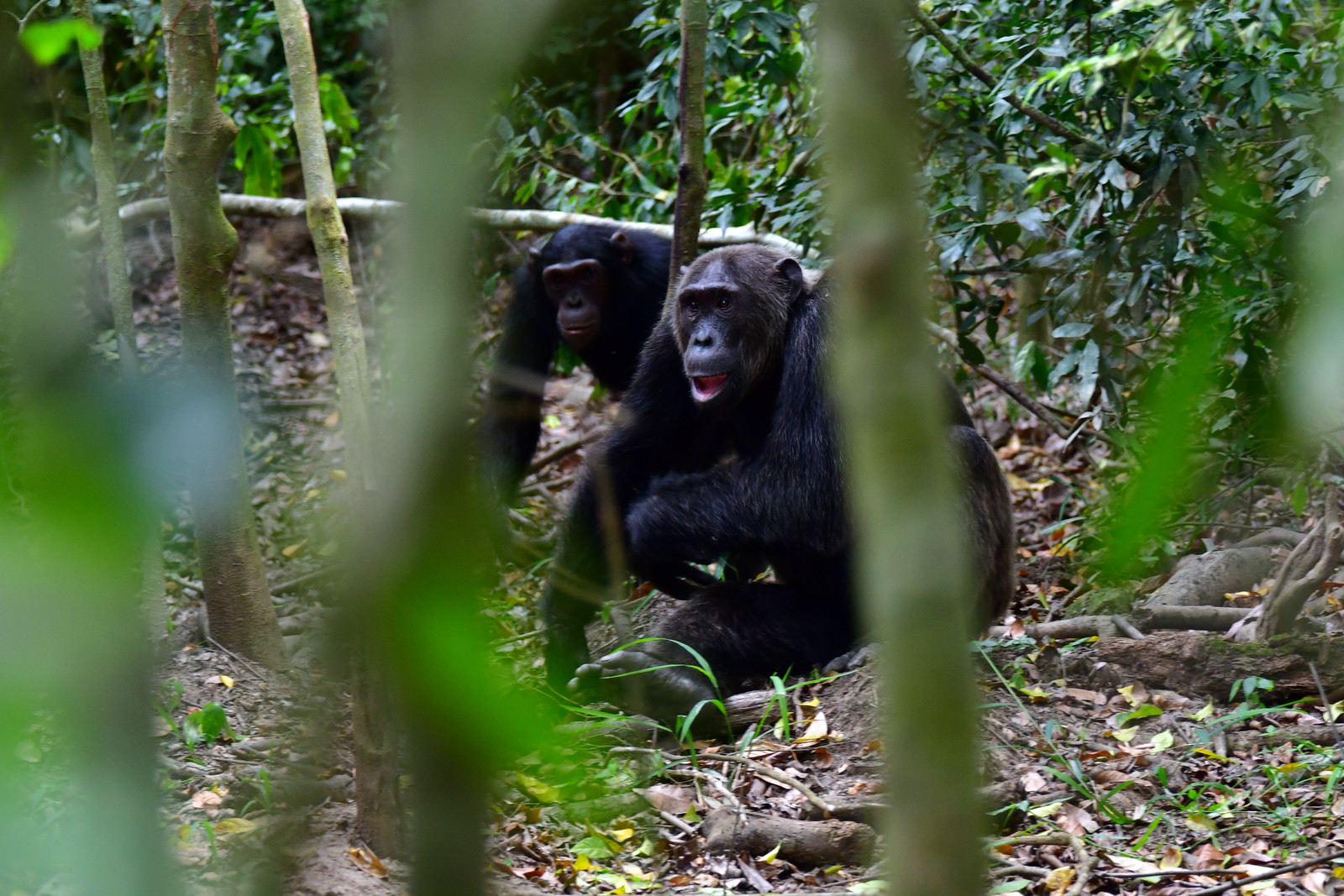
Habituation vs Standard Tracking: What Changes
To truly appreciate the habituation experience, it’s essential to understand its distinction from the more common chimpanzee tracking. Standard tracking typically involves locating a habituated community and spending a precious, intense hour in their presence. This hour is often exhilarating, a flurry of activity as you scramble to keep pace and capture glimpses of their dynamic lives. The chimps, while accustomed to human presence, are still very much on the move, and your time with them is a concentrated burst of observation.
The Chimpanzee Habituation Experience, however, is a different cadence entirely. It’s a full-day immersion, spanning typically four to six hours, sometimes even longer, from their nest departure at dawn until they build new nests for the evening. The fundamental change lies in the extended duration and the nature of the interaction. You’re not just observing a snapshot; you’re witnessing a significant portion of their daily rhythm unfold. This prolonged exposure allows for a deeper, more nuanced understanding of their individual personalities, social structures, and the subtle intricacies of their communication.
The chimpanzees involved in habituation are communities undergoing a gradual process of becoming accustomed to human observers. This means their initial reactions might be more reserved, requiring greater patience, but the reward is immense. The guides and researchers involved aim to minimize disturbance while maximizing observational potential, fostering an environment where the chimps’ natural behaviours are displayed with less inhibition. This isn’t about “taming” them; it’s about allowing them to accept your presence as a neutral, non-threatening element in their vast forest home, leading to a much richer and less hurried encounter.
The Full Day With Wild Chimpanzees
The day begins before dawn, often with a pre-trek briefing, setting the tone for a profound adventure. You’ll enter the forest with experienced guides and researchers, tracking the chimpanzees from their nests. This early start is crucial, as it allows you to witness the very first stirrings of the chimpanzee community as they descend from their sleeping nests, stretch, and begin their day’s foraging. It’s a privilege to be present for these intimate, unhurried moments, a stark contrast to the often more frantic pace of standard tracking.
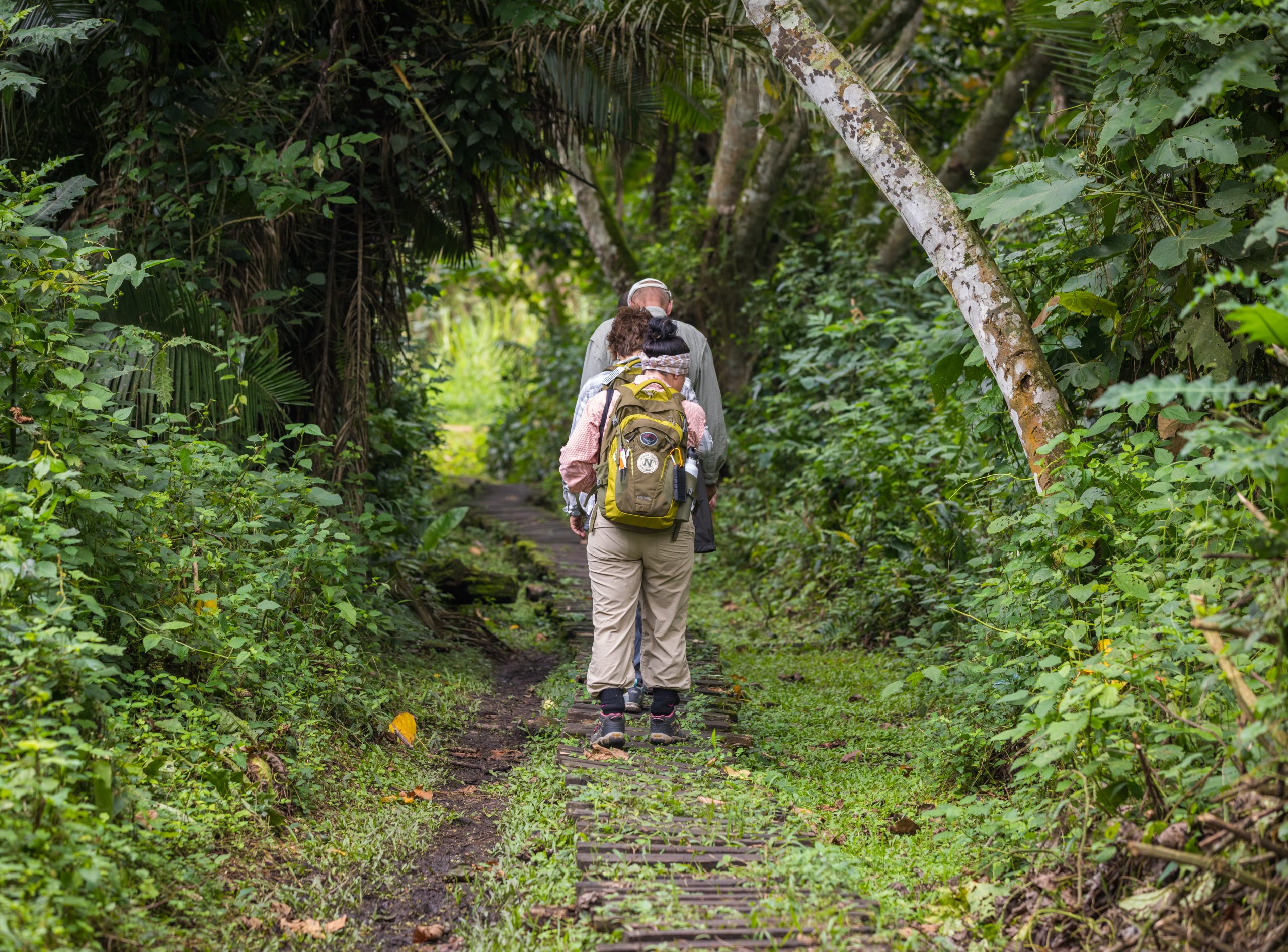
Over the course of the next several hours, you will move with the chimps as they navigate their forest territory. This might involve following them through dense undergrowth, sitting quietly as they feed on figs high in the canopy, or observing their playful antics on the forest floor. You’ll witness their complex social interactions: grooming rituals that cement bonds, dominance displays that maintain hierarchy, and the tender care mothers provide their young. The extended time means you’re not pressured to rush; you can truly absorb the atmosphere, the sounds, and the sights of the forest coming alive around these incredible primates.
Unlike the standard trek, where an hour can feel fleeting, the habituation experience allows for long periods of stationary observation. You might spend an hour watching a mother chimp patiently teaching her infant how to crack nuts, or observe a group of males strategizing a hunt. This sustained presence enables a far more intimate understanding of their individual roles within the community and the intricate web of relationships that define their society. It’s a journey into their world, guided by the rhythms of their daily lives, providing a depth of experience that is truly unparalleled.
Behavioural Insights You Will Only See Up Close
The extended duration of the habituation experience unlocks a treasure trove of behavioural insights that are simply impossible to glean during a standard, shorter encounter. With more time, you move beyond mere identification to genuine observation of complex sequences of behaviour. You might witness an entire grooming session from start to finish, observing the subtle power dynamics at play as individuals request and offer grooming, reinforcing social bonds and hierarchies.
Furthermore, the habituation process itself fosters an environment where the chimpanzees are less reactive to human presence, allowing their natural behaviours to unfold more authentically. You could observe sophisticated tool use – perhaps a chimp carefully selecting a stick to extract insects from a log, or using leaves to sop up water. Their communication, a rich tapestry of vocalizations, facial expressions, and body language, becomes more discernible. You begin to differentiate between alarm calls, greeting hoots, and playful barks, understanding the context and nuance of their complex language.
One of the most profound aspects is witnessing the intricate social politics. You might see a subordinate chimp subtly appeasing a dominant one, or a group of younger males forming alliances. Maternal care, often a highlight, can be observed in its full, tender glory, from nursing to playful interactions and protective vigilance. These are not isolated incidents but parts of an ongoing narrative, and the habituation experience provides the privilege of reading several chapters of that story, offering a profound appreciation for their intelligence, emotional depth, and striking similarities to our own species.
Photography Opportunities and Light Conditions
For the serious wildlife photographer, the Chimpanzee Habituation Experience is an unparalleled canvas. The extended time with the chimps, often four to six hours, translates directly into exponentially more opportunities for that elusive, perfect shot. Instead of a frantic hour trying to capture fleeting moments, you have the luxury of patience, waiting for the ideal light, the perfect angle, or a particularly compelling behavioural sequence to unfold. This allows for a much greater chance of capturing intimate portraits, dynamic action shots, and storytelling images that truly convey the essence of their lives.
Light conditions within Kibale Forest are notoriously challenging but also incredibly rewarding. The dense canopy creates a dappled, often low-light environment, demanding fast lenses (f/2.8 or f/4) and cameras with excellent high-ISO performance. However, this same dappled light can create dramatic, ethereal effects, highlighting a chimp’s face or the texture of its fur as a shaft of sunlight penetrates the foliage. Early mornings and late afternoons, when the chimps are most active, often offer the softest, most flattering light, and the habituation experience capitalizes on these prime hours.
Photographers should come prepared with a telephoto lens (e.g., 70-200mm, 100-400mm, or similar) to maintain a respectful distance while still getting frame-filling shots. A monopod can be invaluable for stability in low light and for reducing fatigue during long periods of waiting. Ethical photography is paramount: absolutely no flash photography, maintaining the guide’s instructed distance, and moving slowly and quietly are non-negotiable rules. The goal is to capture their world without disturbing it, and the habituation experience provides the time and context to do just that, yielding images of extraordinary depth and authenticity.
Physical and Mental Preparation
Embarking on a Chimpanzee Habituation Experience requires a reasonable level of physical and mental preparedness to fully enjoy and appreciate the journey. Physically, you should be able to comfortably walk for several hours over uneven, sometimes muddy, and often hilly terrain. Kibale Forest is dense, and while the pace is often dictated by the chimps’ movements, there can be periods of strenuous hiking through thick vegetation. A good level of cardiovascular fitness and sturdy, waterproof hiking boots are essential. Long sleeves and trousers are highly recommended to protect against scratches and insect bites, along with a lightweight rain jacket, as forest weather can be unpredictable.
Mentally, patience is your greatest asset. Unlike a standard game drive where sightings might be immediate, finding and then observing chimpanzees for an extended period requires a calm, observant demeanor. There will be periods of quiet waiting, perhaps in humid conditions, or moments when the chimps move quickly through dense foliage, testing your resolve. An open mind and a deep respect for the wild nature of these animals are crucial. Understanding that you are entering their home on their terms will enhance your appreciation for every moment.
Equally important is a sense of wonder and a willingness to be fully present. The habituation experience is not merely about ticking off a bucket list item; it’s about connecting with nature on a profound level. Bringing enough water, a few energy-boosting snacks, insect repellent, and personal medications is always wise. The emotional impact of spending so much time with chimpanzees can be profound, a truly humbling and inspiring experience that stays with you long after you leave the forest.
How to Book and What to Expect
Booking a Chimpanzee Habituation Experience in Uganda, particularly in Kibale National Park, requires foresight and careful planning due to the limited number of permits issued daily. These permits are significantly fewer than those for standard chimpanzee tracking, ensuring minimal human impact and a more intimate experience. It is highly advisable to book your permit at least six months to a year in advance, especially if you plan to travel during peak safari seasons (June to September and December to February).
The most straightforward and reliable way to secure your permit and organize the logistics of your visit is through a reputable safari operator. Ripple Safaris, for instance, specializes in crafting immersive primate encounters and can handle all aspects of your booking, from permit acquisition to accommodation and transport. Their expertise ensures that the process is seamless, allowing you to focus solely on the anticipation of your adventure. Upon arrival at Kibale, you will receive a comprehensive briefing from Uganda Wildlife Authority rangers and your guide, covering the rules of engagement, safety protocols, and what to expect during your trek.
Expect to be part of a very small group, typically no more than four to six participants, accompanied by armed rangers and knowledgeable guides. The experience is guided by the chimps’ movements and behaviour; there’s no fixed itinerary beyond locating the group and spending the designated hours observing them. This means flexibility and a readiness for the unpredictable nature of wild encounters are key. The guides are adept at reading chimpanzee behaviour and ensuring both your safety and the well-being of the primates, providing an educational and respectful journey into their captivating world.
Is It Worth the Extra Cost?
The Chimpanzee Habituation Experience undeniably comes with a higher price tag than standard chimpanzee tracking permits. This often leads prospective travelers to ponder whether the additional investment is truly justified. For the discerning wildlife enthusiast, the answer is a resounding yes, and here’s why the value far outweighs the cost.
Firstly, the extended duration itself is a game-changer. Instead of a single, exhilarating hour, you are granted four to six hours, sometimes more, to observe the chimpanzees. This allows for a deeper immersion into their daily lives, witnessing a broader spectrum of behaviours, from feeding and grooming to complex social interactions and even hunting. You’re not just seeing them; you’re observing their narrative unfold, which is an infinitely richer experience.
Secondly, the habituation process itself contributes significantly to the cost. It’s an intensive, long-term effort by researchers and rangers to gradually accustom specific chimpanzee communities to human presence without altering their wild behaviours. The permit fees directly support these vital conservation efforts, funding park management, anti-poaching initiatives, and community development projects that are crucial for the long-term survival of these endangered primates and their habitat. Therefore, your investment is a direct contribution to conservation.
Finally, for photographers, the extended time translates into unparalleled opportunities for capturing stunning, intimate images. The luxury of patience, waiting for the perfect light or the most compelling behaviour, is invaluable. The smaller group sizes also contribute to a more exclusive and less intrusive experience. When weighing the cost, consider it an investment in an extraordinary, once-in-a-lifetime wildlife encounter that offers profound educational value, exceptional photographic potential, and a direct impact on conservation – an experience that truly transcends the ordinary safari.
Frequently Asked Questions
What is the best time of year for a chimpanzee habituation experience?
The best time to undertake a chimpanzee habituation experience in Kibale National Park is during Uganda’s two dry seasons: from June to September and from December to February. During these months, the forest trails are generally drier and less slippery, making trekking more comfortable and accessible.
While the dry season offers easier trekking conditions, chimpanzees can be tracked year-round. The “shoulder seasons” (March-May and October-November) can also be rewarding, as there are fewer visitors and the forest is lush and vibrant, though rain showers are more frequent.
What physical fitness level is required for the habituation trek?
A moderate level of physical fitness is generally recommended for the chimpanzee habituation experience. Participants should be able to walk for several hours, often up to six, over varied terrain which can include steep inclines, muddy paths, and dense forest undergrowth.
While the pace is often dictated by the chimps’ movements, periods of strenuous hiking are possible. Regular walking or light exercise in the weeks leading up to your trip will significantly enhance your enjoyment and comfort during the trek.
Are there age restrictions for participating in the habituation experience?
Yes, there is an age restriction for participating in the chimpanzee habituation experience in Uganda. Participants must be at least 15 years old to obtain a permit and join the trek.
This age limit is in place to ensure that all participants can understand and adhere to the safety guidelines, maintain the necessary patience and quietness, and physically cope with the demands of the extended forest trek.
What specific items should I bring on the habituation trek?
For the habituation trek, you should bring sturdy, waterproof hiking boots, long trousers and long-sleeved shirts to protect against scratches and insects, and a lightweight rain jacket. A small backpack containing at least 2-3 liters of water, energy snacks, and any personal medications is also essential.
Additionally, consider bringing insect repellent, sunscreen, a wide-brimmed hat, and a camera with extra batteries and memory cards. Binoculars can also enhance your viewing experience, especially when chimps are high in the canopy.
How does the habituation experience contribute to chimpanzee conservation?
The chimpanzee habituation experience plays a crucial role in conservation by generating significant revenue through permit fees. These funds are directly channeled back into the Uganda Wildlife Authority (UWA) for park management, anti-poaching efforts, habitat protection, and community development projects surrounding the park.
Furthermore, the presence of tourists and researchers provides an economic incentive for local communities to support conservation initiatives, as they benefit directly from tourism. The habituation process itself also allows for long-term study and monitoring of chimpanzee populations, contributing vital data to conservation science.
Is it guaranteed that I will see chimpanzees during the habituation experience?
While the chimpanzee habituation experience offers a very high likelihood of seeing chimpanzees, it is important to remember that these are wild animals in their natural habitat, and therefore, sightings cannot be 100% guaranteed. The experienced trackers and guides have an intimate knowledge of the forest and the chimp communities, greatly increasing your chances.
The extended duration of the habituation trek, typically four to six hours, significantly enhances the probability of not just finding the chimps but also observing them for extended periods. Patience and the expertise of your guides are key to a successful and rewarding encounter.