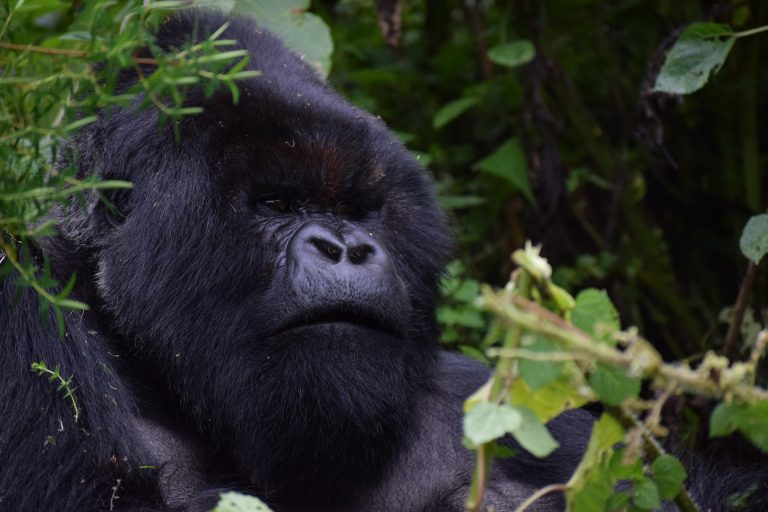
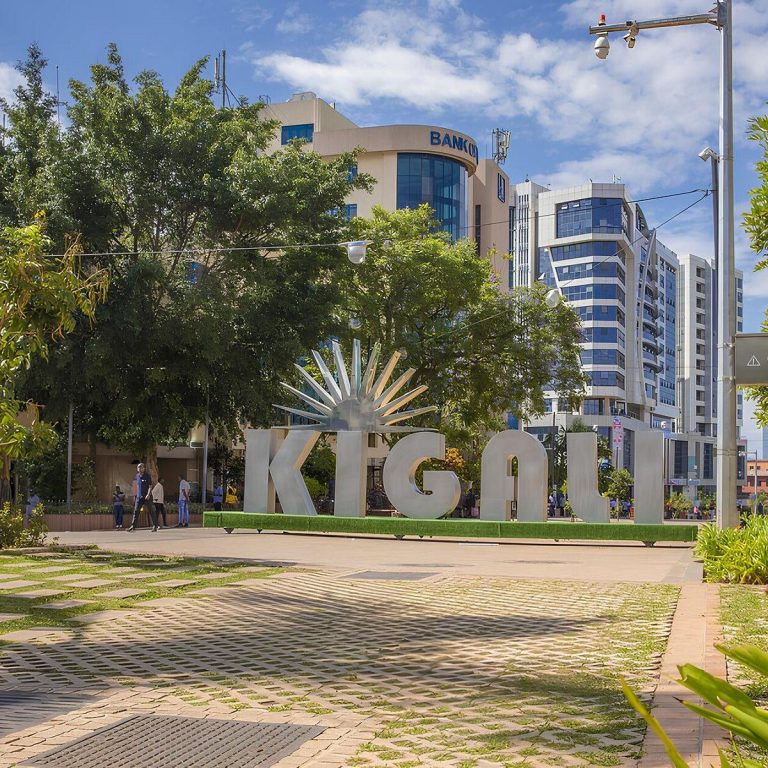
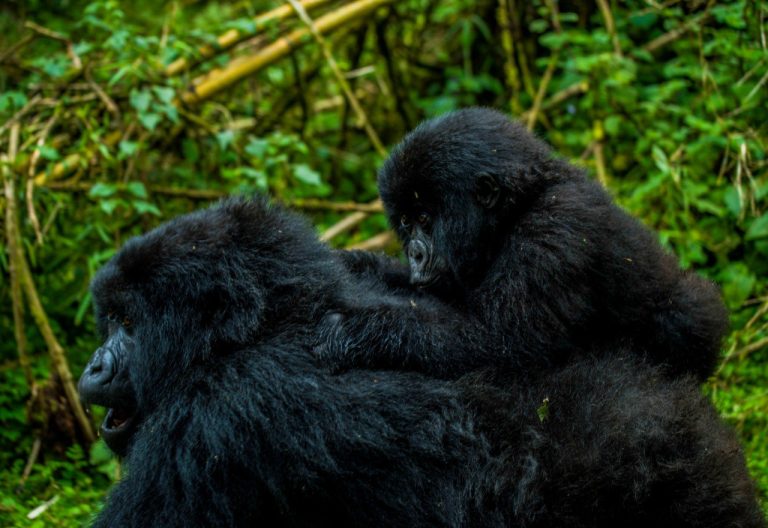
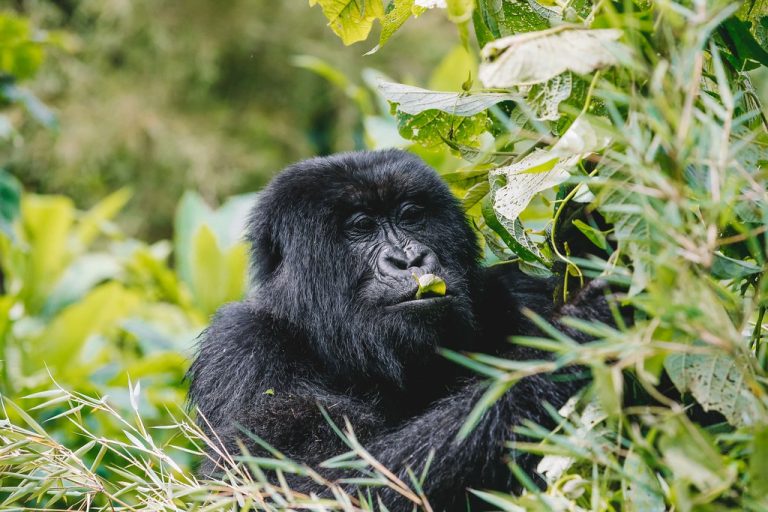
- A 1-day Bwindi gorilla trek is feasible from Kigali for those extremely time-constrained, focusing solely on the gorilla encounter.
- A 2-day itinerary offers a more relaxed pace, allowing for travel to and from Bwindi and the full gorilla trekking experience without excessive rush.
- A 3-day Bwindi gorilla safari provides optimal immersion, enabling deeper engagement with the local Batwa community, birdwatching, or simply savoring the forest’s atmosphere.
- Choosing the right duration depends on your overall Uganda safari packages, budget, and desire for a comprehensive experience beyond just the trek itself.
The Spirit and Scale of Bwindi Impenetrable Forest National Park
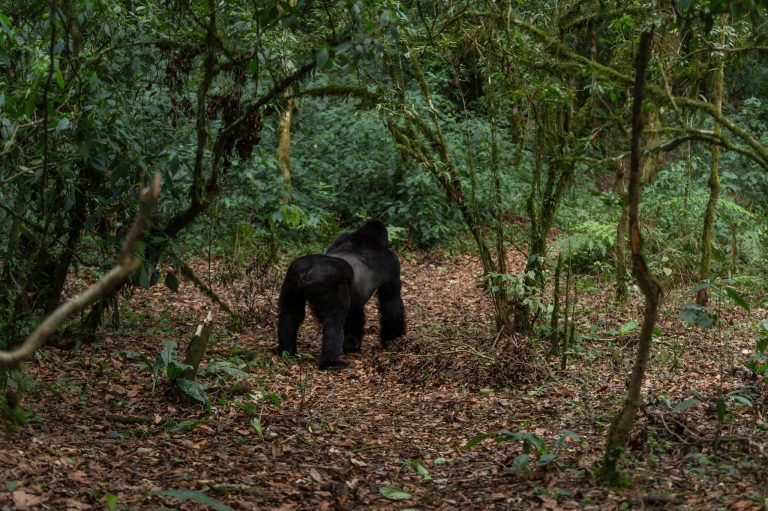
There are places on this planet that demand your full attention, places that whisper ancient secrets and challenge your perception of wilderness. Bwindi Impenetrable Forest National Park is unequivocally one of them. This isn’t just another park; it’s a primordial labyrinth of emerald canopies, mist-shrouded valleys, and an ecological density that beggars belief. As a seasoned expedition leader, I’ve traversed many wild frontiers, but Bwindi consistently stands apart. It’s a UNESCO World Heritage site, not merely for its mountain gorillas, but for its unparalleled biodiversity, a living museum of evolution.
The sheer scale of Bwindi, covering over 321 square kilometers of montane and lowland forest, is daunting yet exhilarating. Its name, “Impenetrable,” is no exaggeration; the dense undergrowth, steep slopes, and tangled vines create a natural fortress, protecting one of Africa’s most precious treasures. This formidable terrain is precisely what makes Bwindi Impenetrable Forest National Park such a unique destination for gorilla trekking Uganda. The effort required to navigate its depths only heightens the reward of encountering the majestic mountain gorillas in their natural habitat. Your choice of a 1-day, 2-day, or 3-day itinerary here isn’t just about time; it’s about how deeply you wish to plunge into this extraordinary world.
Signature Wildlife and Ecosystem Highlights
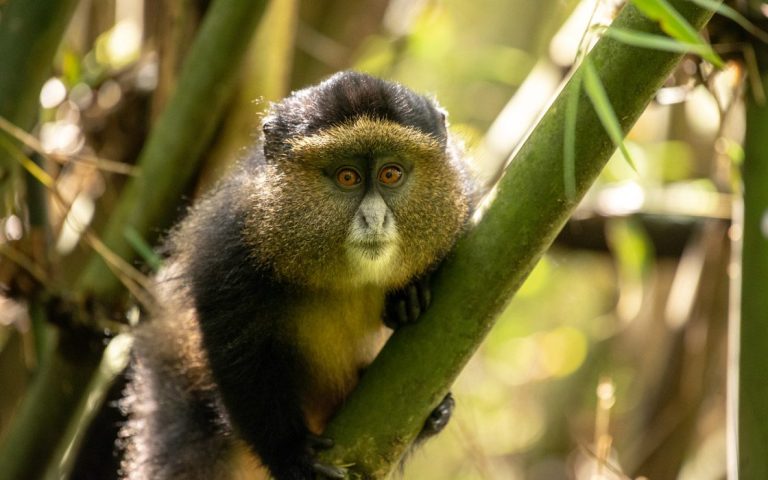
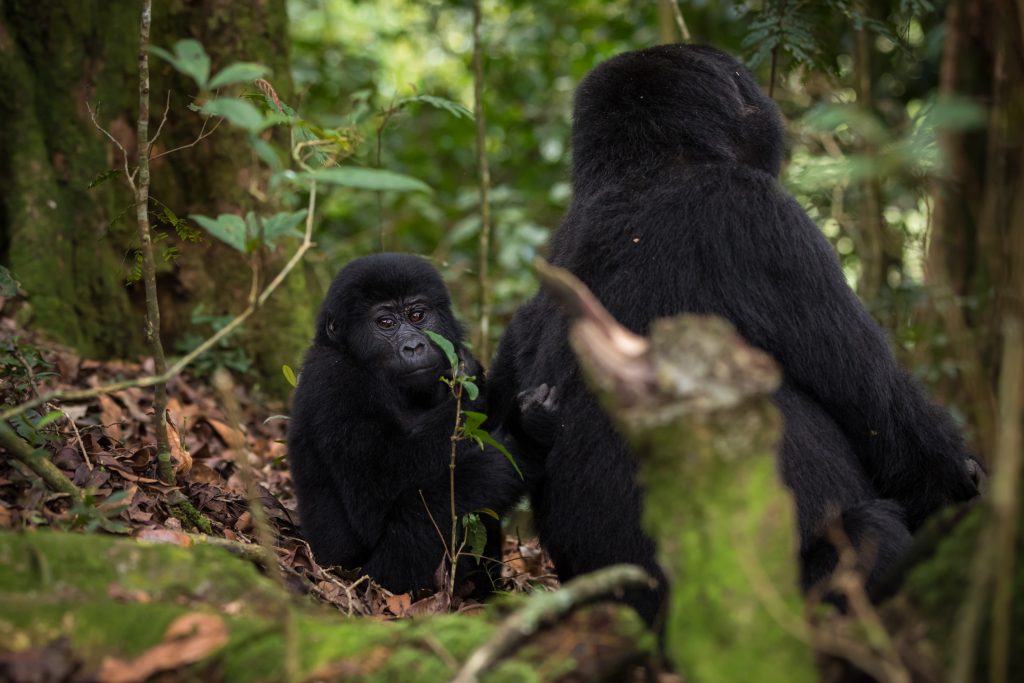
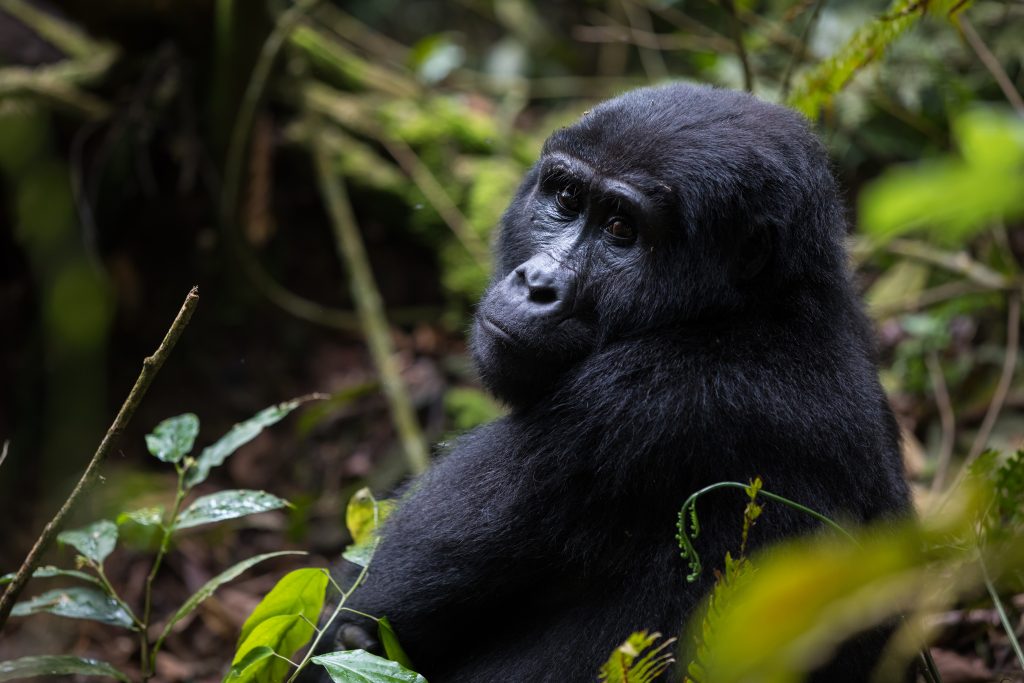
While the mountain gorillas are undoubtedly the crown jewels of Bwindi, to focus solely on them would be to miss the broader, intricate tapestry of life that thrives within this ancient forest. Bwindi boasts an astounding diversity, making it a hotspot for any serious wildlife enthusiast embarking on a Uganda wildlife safari. Beyond the approximately half of the world’s remaining mountain gorilla population, the park is home to 120 mammal species, including several other primates like chimpanzees, black-and-white colobus monkeys, L’Hoest’s monkeys, and baboons.
For those with a keen eye and a patient spirit, Bwindi offers some of the most rewarding birdwatching in Africa, with over 350 species recorded, 23 of which are endemic to the Albertine Rift. Imagine spotting the African Green Broadbill or the Grauer’s Rush Warbler amidst the dense foliage. This rich ecosystem supports a delicate balance, where every creature plays a vital role. A longer stay, perhaps a 2-day or 3-day Bwindi gorilla safari, allows for more than just the gorilla encounter; it opens opportunities for guided forest walks, cultural visits, and a chance to truly absorb the sounds and sights of this vibrant jungle, offering a more complete Uganda wildlife safari experience.
Expert Insight: “Many travelers arrive focused solely on the gorillas, and rightly so. However, I always encourage clients to embrace Bwindi’s broader ecosystem. The forest floor teems with life – duikers, forest elephants (rarely seen but present), and an incredible array of insects and plants. Taking an extra day allows you to appreciate this entire, interconnected world, not just its most famous residents.”
Best Time to Visit: Seasonal Intelligence
Understanding Bwindi’s seasons is paramount to planning your gorilla trekking Uganda trips, especially when deciding on the optimal itinerary length. The park experiences two main seasons: dry and wet. The dry seasons, typically from June to August and December to February, are generally considered the best times to visit. During these months, the forest trails are less muddy and slippery, making the trek physically less demanding. This can be particularly relevant if you’re attempting a more condensed 1-day Bwindi gorilla trek, where efficiency is key.
However, the wet seasons (March to May and September to November) have their own distinct advantages. While the trails can be challenging, the forest is at its most vibrant, lush, and verdant. Photography opportunities are often enhanced by the soft light and dramatic mists. Moreover, during the wet season, gorilla families tend to stay on lower slopes, potentially leading to shorter trekking times. The gorilla permit Uganda price remains constant regardless of the season, but accommodation rates can sometimes be more flexible during the low season. For those planning a 2-day or 3-day itinerary, the wet season can offer a more profound sense of immersion into the ‘impenetrable’ nature of the forest, embracing the elements as part of the adventure.
Adventure Logistics and Access
Navigating the logistics of a gorilla trekking in Uganda/Rwanda experience, particularly in Bwindi, is crucial, and the choice between a 1-day, 2-day, or 3-day itinerary heavily influences this. Bwindi is divided into four main sectors: Buhoma, Ruhija, Rushaga, and Nkuringo. Each sector has its own gorilla families and specific entry points, which dictates permit availability and accommodation options.
- The 1-Day Trek: A 1-day Bwindi gorilla trek is an intense, high-octane experience, typically only viable for those starting from Kigali, Rwanda. The journey from Kigali to the southern sectors of Bwindi (Rushaga or Nkuringo) can take 4-5 hours each way. This means an extremely early start from Kigali, a full day of trekking, and a late return. While possible, it leaves little room for error, rest, or appreciating anything beyond the gorilla encounter itself. Ripple Safaris offers a specialized 1 Day Bwindi Gorilla Trekking Experience From Kigali for those with severe time constraints.
- The 2-Day Itinerary: This is arguably the most popular and balanced option. It allows for arrival at your chosen Bwindi sector the day before the trek, a full day for the gorilla encounter, and departure the following morning. This reduces travel fatigue significantly and permits a more relaxed evening at your lodge, allowing you to prepare mentally and physically for the trek. It’s an excellent choice for integrating Bwindi into broader Uganda safari packages.
- The 3-Day Itinerary: This option offers the most comprehensive Bwindi experience. With an extra day, you can engage in activities like cultural visits to the Batwa pygmy community, guided nature walks to waterfalls, or even a second gorilla trek (requiring another gorilla permit Uganda). It provides ample time for relaxation, reflection, and deeper immersion into the local culture and forest environment. For those truly seeking to absorb the essence of this “Impenetrable Forest,” a 3-day gorilla safari packages Uganda is highly recommended.
Regardless of your chosen duration, securing your gorilla permit Uganda well in advance is non-negotiable, as permits are limited. The Uganda gorilla permit price is a significant factor in trip planning, currently standing at $800 per person. Compare this with gorilla tours Rwanda where permits are considerably higher. This makes Uganda a more accessible option for many, and a key consideration when planning an Africa gorilla trek.
Lodge Perspectives and Authentic Stays
The choice of accommodation in Bwindi is intrinsically linked to your chosen itinerary length and the sector you’ll be trekking from. Unlike some safari destinations with vast, open plains, Bwindi’s lodges are nestled close to the forest edge, offering an intimate connection with nature. For a 1-day Bwindi gorilla trek, especially one originating from Kigali, your overnight stay will be brief, likely just a few hours of sleep before the pre-dawn start. In such cases, proximity to the park gate is paramount, sacrificing extensive amenities for convenience.
With a 2-day itinerary, you have the luxury of selecting a lodge that not only provides comfort but also enhances your overall experience. Many lodges offer stunning views, excellent food, and a chance to unwind after your trek. Some even have cultural performances or short nature walks on their grounds. A 3-day stay, however, truly allows you to settle in. You can enjoy the full range of lodge facilities, engage with the local staff, and soak in the tranquil atmosphere. This extended period might also allow you to explore different sectors of the park if you’re keen on a second trek or specific birding opportunities, making your Uganda gorilla tour operator choice even more critical for seamless logistics.
Pro Tip: “When selecting your lodge, consider its location relative to your assigned trekking sector. While some lodges offer transfers, minimizing travel time on the morning of your trek is always advisable. For a 1-day dash, proximity is everything. For a 3-day immersion, you can afford to prioritize ambiance and amenities slightly further afield, as long as transfers are well-managed.”
Pairing Bwindi Impenetrable Forest National Park with a Broader Safari
Integrating your Bwindi experience into a larger Uganda wildlife safari is where the decision on itinerary length truly comes into its own. A 1-day Bwindi gorilla trek, while intense, serves as an excellent standalone experience for those with limited time or as a quick add-on to a Rwanda gorilla trekking tour, given its proximity to the Rwandan border. It’s a focused mission: see the gorillas, then move on.
However, for a truly enriching gorilla and wildlife safari, a 2-day or 3-day Bwindi itinerary allows for seamless integration with other Ugandan highlights. Imagine combining your gorilla encounter with chimpanzee tracking Uganda in Kibale Forest National Park, or a classic big game safari in Queen Elizabeth National Park. This creates a diverse and comprehensive exploration of Uganda’s incredible biodiversity. For instance, after your gorilla trek, you could drive north to Ishasha in Queen Elizabeth to seek out the tree-climbing lions, or continue to Kibale for your chimp tracking Uganda adventure. Such pairings elevate the journey from a single wildlife encounter to a grand tapestry of African wilderness, making your overall Uganda safari packages exceptionally memorable. When considering the broader picture of gorilla trekking in Uganda/Rwanda, it’s worth exploring the nuances between the two countries, which we’ve detailed in our expert briefing: Navigating the Mist: Your 2026 Expert Briefing on Uganda vs. Rwanda for Gorilla Encounters.
The flexibility of a longer stay in Bwindi also means you can incorporate cultural interactions with local communities, gaining insights into their way of life and the conservation efforts surrounding the gorillas. This holistic approach is what transforms a simple trip into an profound expedition, a hallmark of the experiences Ripple Safaris strives to provide. Whether you’re focused on chimpanzee Uganda tours or seeking the ultimate Africa gorilla trek, a well-planned itinerary ensures you capture the essence of Uganda’s wild heart.
Essential Tips for Bwindi Impenetrable Forest National Park Travelers
Embarking on a Bwindi gorilla safari, regardless of its duration, requires careful preparation. Here are a few indispensable tips from the field:
- Physical Preparation: Gorilla trekking can be physically demanding. Ensure you are reasonably fit. Even a 1-day trek demands stamina. Regular walks or hikes in the months leading up to your trip will make a significant difference.
- Packing Essentials: Waterproof hiking boots (broken in!), gaiters, rain gear (jacket and trousers), long-sleeved shirts and trousers (to protect against stinging nettles and insects), a small backpack, plenty of water, snacks, sunscreen, insect repellent, and a wide-brimmed hat are crucial. Don’t forget a good camera with extra batteries.
- Porters: Hire a porter! They are invaluable for carrying your pack, offering a steadying hand on slippery slopes, and directly supporting the local community. This small expense greatly enhances your experience and provides vital income.
- Walking Sticks: Provided at the briefing point, these are essential for stability on the steep and uneven terrain.
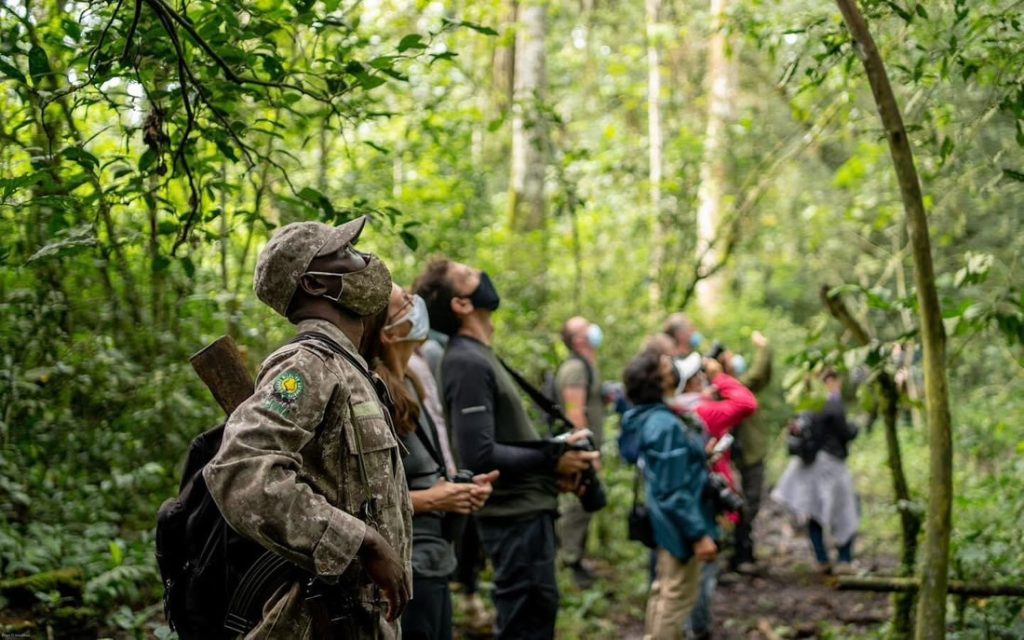
- Permits and Briefing: Always carry your gorilla permit Uganda and passport. Attend the mandatory morning briefing where you’ll be assigned a gorilla family and receive crucial safety instructions.
- Health Precautions: Consult your doctor regarding necessary vaccinations (Yellow Fever is often mandatory) and malaria prophylaxis. Carry any personal medications.
- Respect the Gorillas: Maintain the stipulated distance (usually 7 meters), avoid direct eye contact, and follow your guide’s instructions implicitly. Flash photography is strictly forbidden.
These tips are applicable whether you’re rushing through a 1-day encounter or luxuriating in a 3-day immersion. The wilderness demands respect and preparation, and in return, it offers an experience that will etch itself into your memory forever.
Frequently Asked Questions
What is the main difference between a 1-day, 2-day, and 3-day Bwindi gorilla trek?
The primary difference lies in the travel logistics and the depth of immersion. A 1-day trek is a strenuous, quick turnaround, typically from Kigali, focused solely on the gorilla encounter with minimal time for anything else.
A 2-day itinerary allows for a more relaxed pace, with an overnight stay before and after the trek, reducing travel fatigue. A 3-day option provides ample time for additional activities, cultural experiences, or a second trek, offering the most comprehensive Bwindi gorilla safari.
Is a 1-day Bwindi gorilla trek from Kigali practical?
Yes, a 1-day Bwindi gorilla trek from Kigali is practical but demanding. It involves an extremely early start (around 3 AM) from Kigali, a 4-5 hour drive to Bwindi’s southern sectors, the gorilla trek, and then a late return to Kigali.
This option is best suited for travelers with very limited time or those combining it with a Rwanda gorilla trekking tour, who prioritize seeing the gorillas above all else and are prepared for a long, intense day.
What is the Uganda gorilla permit price and how far in advance should I book?
The current Uganda gorilla permit price is $800 per person for foreign non-residents. This fee contributes significantly to conservation efforts and community development around the park.
It is highly recommended to book your gorilla permits Uganda at least 6-12 months in advance, especially if you plan to travel during peak season or have specific dates in mind, as permits are limited and demand is high.
Can I combine gorilla trekking in Uganda with chimpanzee tracking Uganda?
Absolutely, combining gorilla trekking in Uganda with chimpanzee tracking Uganda is a popular and highly recommended option for a comprehensive primate safari. Kibale Forest National Park is Uganda’s premier destination for chimpanzee tracking, located a scenic drive north of Bwindi.
This pairing creates an incredible Uganda wildlife safari, allowing you to experience two distinct primate encounters. A 2-day or 3-day Bwindi itinerary provides the necessary buffer for travel between these parks, enhancing your overall Uganda safari packages.
What other activities can I do in Bwindi with a 3-day itinerary?
With a 3-day itinerary for your Bwindi gorilla safari, you have excellent opportunities for deeper exploration. Beyond the gorilla trek, you can engage in cultural encounters with the local Batwa (Pygmy) community, learning about their traditional forest life and dances.
Other activities include guided nature walks to discover Bwindi’s rich birdlife and diverse plant species, visiting local waterfalls, or even a second gorilla trek if permits allow and you desire another encounter, making it a truly immersive Africa gorilla trek.
How does a Bwindi gorilla safari compare to gorilla tours Rwanda?
Bwindi gorilla safaris offer a more rugged, ‘impenetrable’ forest experience at a lower permit cost ($800 vs. $1500 in Rwanda). Uganda generally provides a more extended safari circuit, allowing for diverse wildlife and chimpanzee tracking Uganda experiences.
Gorilla tours Rwanda, primarily in Volcanoes National Park, are often perceived as more luxurious and logistically simpler due to shorter driving distances from Kigali, but come at a premium price. Both offer incredible Africa gorilla trek experiences, but cater to slightly different preferences and budgets.