
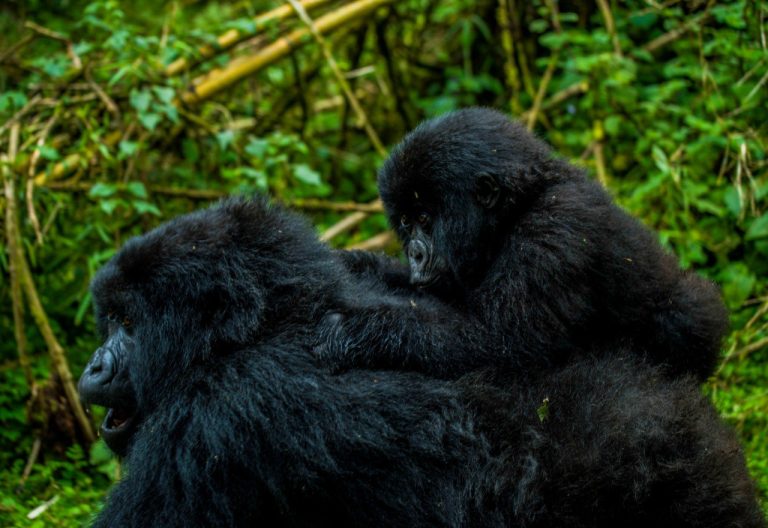
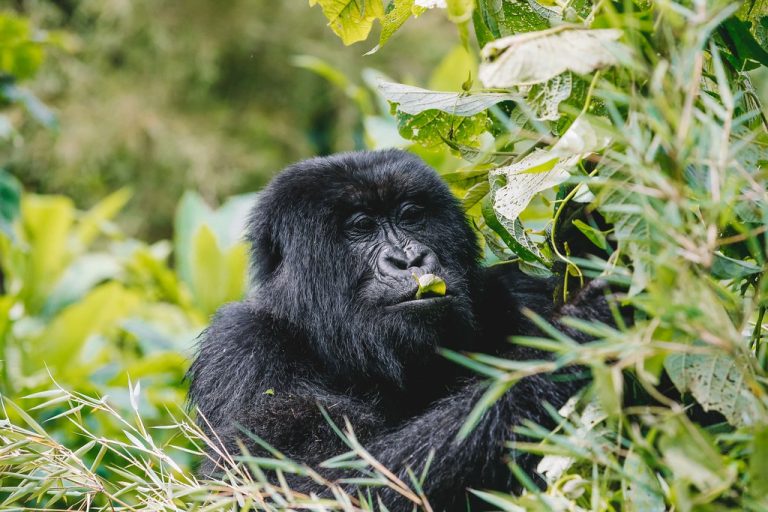
For discerning travelers, the whisper of a gorilla trek isn’t just an item on a bucket list; it’s an awakening, a profound connection with one of Earth’s most majestic and vulnerable creatures. The decision of where to undertake this pilgrimage, however, is far from trivial. It’s not merely a matter of geography, but of experience, philosophy, and ultimately, what kind of memory you wish to carry home. As the lead editorial strategist and safari expert for Ripple Safaris, I’ve witnessed firsthand how this choice shapes the entire journey, transforming a dream into a specific, indelible reality. While both Uganda and Rwanda offer truly life-altering encounters with mountain gorillas, they present distinct paths, each catering to different aspirations and practical considerations. Understanding these nuances is paramount to curating your perfect 2026 safari.
This isn’t a simple ‘better or worse’ debate. Instead, it’s about aligning your personal values, your budget, your desire for luxury or rugged authenticity, and your broader safari ambitions with what each nation uniquely provides. The stakes are high; these permits are precious, and the encounter is fleeting, yet eternally etched in the soul. Let us embark on a journey through the intricate tapestry of these two remarkable gorilla havens, dissecting their offerings so you can make an informed choice that resonates deeply with your travel philosophy.
The Real Difference Between Uganda and Rwanda Experiences
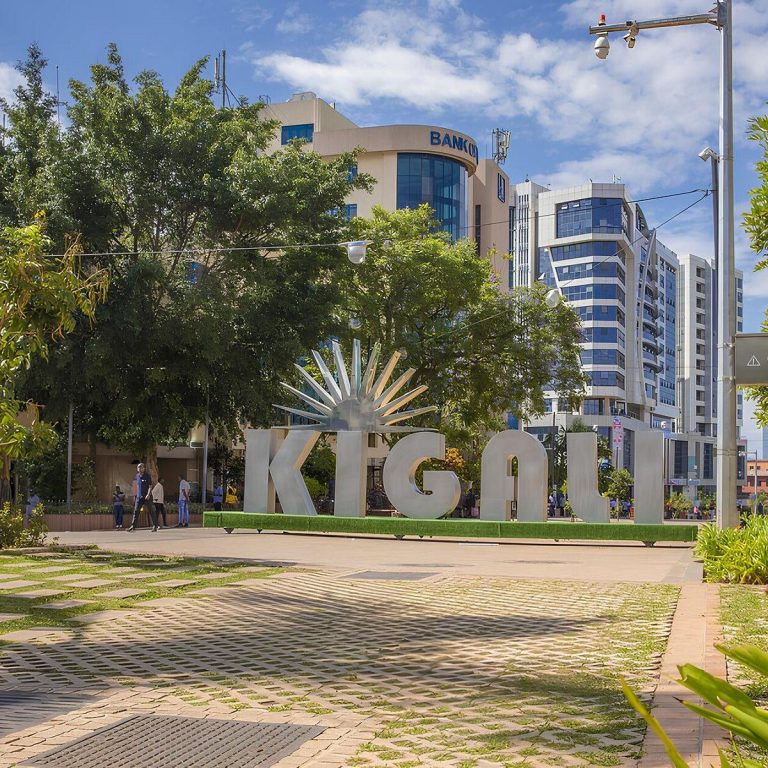
The fundamental distinction between gorilla trekking in Uganda and Rwanda lies less in the gorillas themselves – which are, after all, the same magnificent species – and more in the surrounding experience and the overarching tourism philosophies of each nation. Rwanda, post-genocide, made a deliberate strategic choice to position itself as a high-end, luxury ecotourism destination. This vision is evident from the moment you land at Kigali International Airport, with its immaculate infrastructure and efficient processing. The drive to Volcanoes National Park, the primary gorilla trekking location, is typically smooth, often on well-maintained roads that lead to boutique lodges emphasizing comfort, exclusivity, and impeccable service. The experience here is curated, seamless, and designed for those who appreciate refined elegance alongside their wild adventures.
Uganda, on the other hand, embraces a more rugged, authentic, and arguably more ‘African’ safari experience. While infrastructure has certainly improved, the journey to Bwindi Impenetrable Forest or Mgahinga Gorilla National Park often involves longer drives, traversing diverse landscapes that can range from paved highways to unpaved, winding tracks. The lodges, while comfortable and often beautifully integrated into the natural environment, tend to lean towards a more rustic charm, emphasizing immersion in the wilderness rather than overt luxury. This isn’t to say Uganda lacks high-end options, but the overall ethos feels less polished and more grounded. It’s an adventure that often demands a little more resilience and patience from the traveler, rewarding them with a deeper sense of accomplishment and a raw, untamed connection to the environment. The atmosphere in Uganda often feels less exclusive, more community-driven, offering a broader glimpse into daily life alongside the extraordinary wildlife encounters.
Cost, Value, and Permit Trade-Offs
When planning a gorilla trek, the permit cost invariably becomes a central discussion point, and here, Uganda and Rwanda present their most significant numerical divergence. As of 2026, a gorilla trekking permit in Rwanda costs a substantial USD $1,500 per person for a one-hour encounter with a habituated gorilla family. This price reflects Rwanda’s high-value, low-impact tourism strategy, where fewer visitors pay a premium, thereby contributing significantly to conservation efforts and local communities. The value proposition here is one of exclusivity, streamlined logistics, and the peace of mind that comes with knowing you are directly supporting a highly impactful conservation model. For many, the higher price tag translates into a perceived higher standard of service and a less crowded experience, making it a compelling choice for those whose budgets allow for this premium.
Uganda offers a more accessible entry point with its standard gorilla trekking permit priced at USD $800 per person for the same one-hour observation period. This considerable difference makes Uganda an attractive option for travelers who are budget-conscious but unwilling to compromise on the quality of the gorilla encounter itself. However, Uganda also offers a truly unique and unparalleled experience: the Gorilla Habituation Permit, priced at USD $1,500 – matching Rwanda’s standard permit cost. This special permit allows participants to spend up to four hours with a semi-habituated gorilla family, accompanied by researchers. This extended duration offers an extraordinary opportunity for deeper observation, photography, and a more intimate understanding of gorilla behavior, making it an invaluable option for serious enthusiasts and photographers. The trade-off in Uganda often involves accepting longer travel times and perhaps slightly less refined amenities at some lodge levels, but the monetary savings on the standard permit, or the profound depth of the habituation experience, often outweighs these considerations for many.
Landscape, Access, and Travel Fatigue
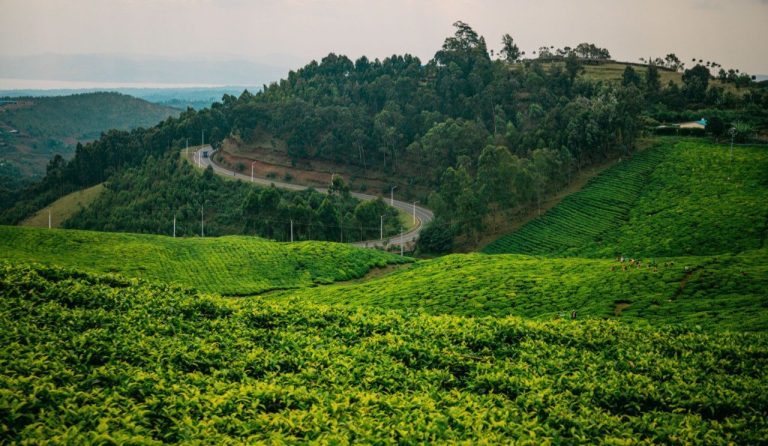
The journey to the gorillas themselves is an integral part of the safari experience, and the logistics vary considerably between the two nations, directly impacting travel fatigue. In Rwanda, Volcanoes National Park is remarkably accessible from Kigali International Airport (KGL). A scenic drive of approximately 2.5 to 3 hours on generally good roads brings you directly to the park’s vicinity, where numerous high-end lodges are nestled. This ease of access means you can often arrive, spend a night, trek the next morning, and potentially even depart or continue your journey within a relatively short timeframe, minimizing travel days and maximizing your time on safari. For those with limited time or seeking to avoid extensive road travel, Rwanda’s compact geography and efficient infrastructure are significant advantages.
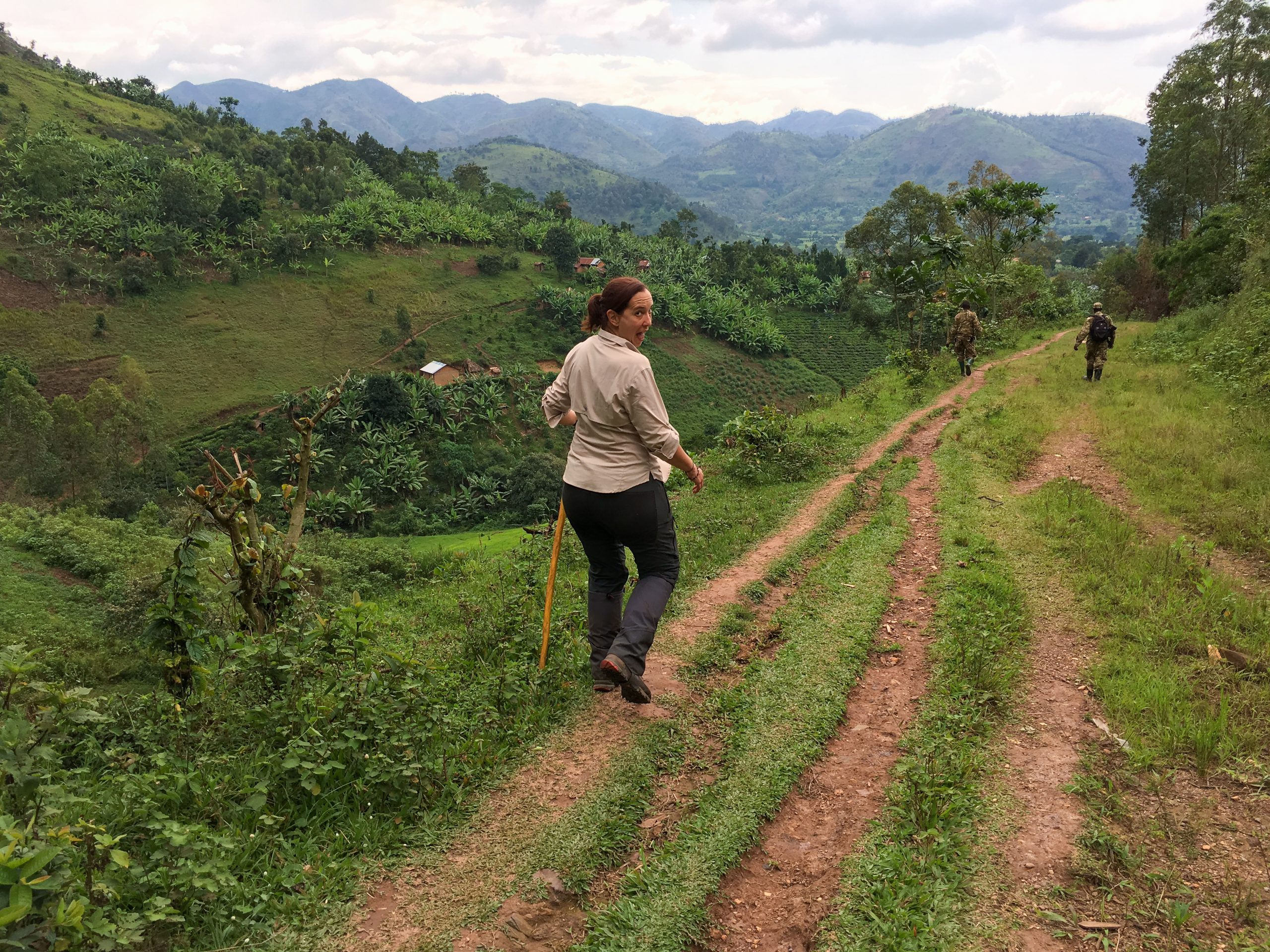
Uganda, by contrast, demands a more robust commitment to travel. Bwindi Impenetrable Forest and Mgahinga Gorilla National Park are located in the southwestern corner of the country, a considerable distance from Entebbe International Airport (EBB). The drive typically takes between 8 to 10 hours, often involving stretches of challenging, unpaved roads. While these drives offer incredible insights into rural Ugandan life and stunning landscapes, they can be arduous and contribute significantly to travel fatigue, especially for those prone to motion sickness or with tight schedules. To mitigate this, many travelers opt for domestic flights from Entebbe to airstrips nearer the parks, such as Kihihi or Kisoro. While this reduces travel time to a few hours, it adds to the overall cost and requires coordinating with ground transfers upon arrival. The choice between a long overland journey and an internal flight in Uganda is a key planning decision, balancing budget, time, and comfort levels, and it’s one Ripple Safaris helps our clients navigate strategically.
Wildlife Density and Broader Safari Pairings
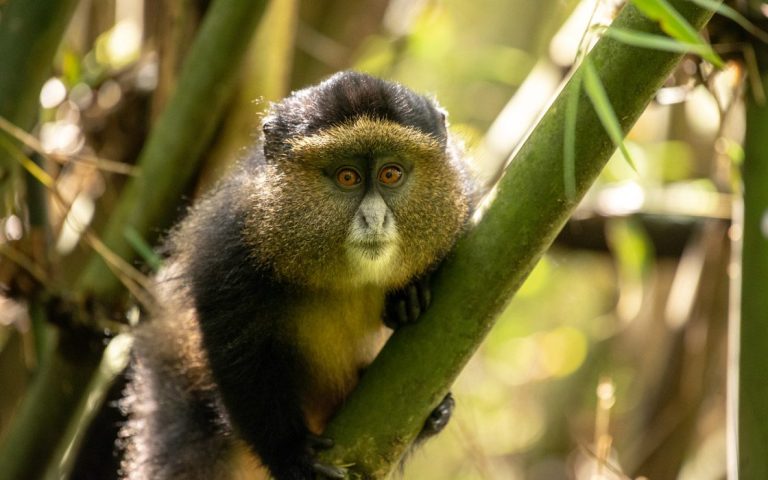
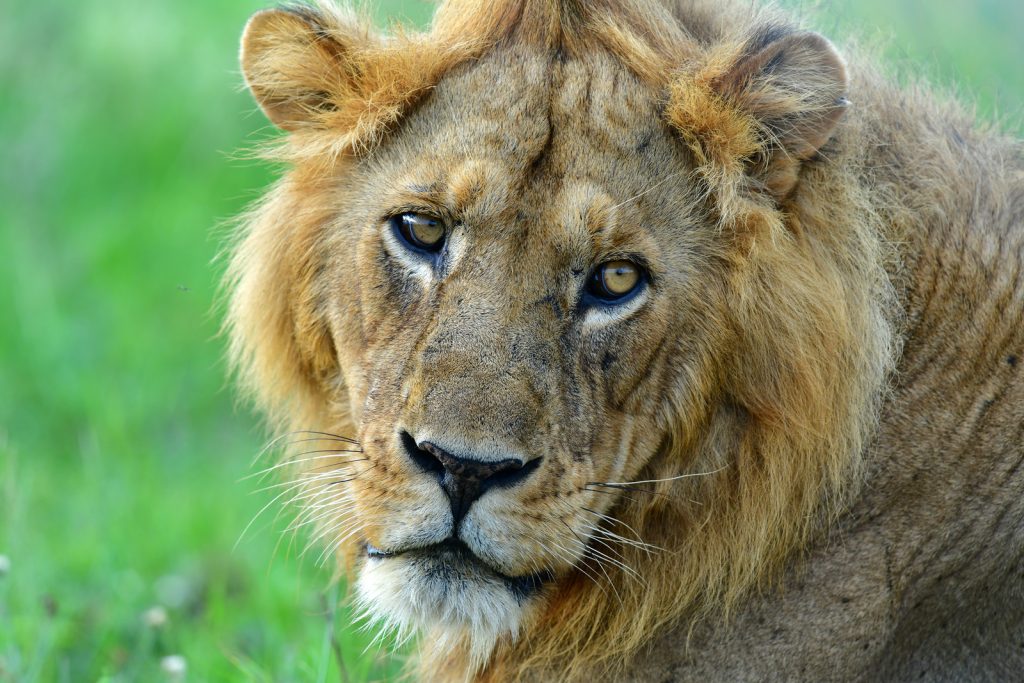
While the focus remains on the mountain gorillas, the broader wildlife tapestry and potential safari extensions are crucial for many travelers. This is where Uganda truly shines with its incredible biodiversity and a wider array of national parks, offering a more comprehensive safari experience beyond gorilla trekking. Uganda boasts several major national parks, including Queen Elizabeth National Park, renowned for its tree-climbing lions and diverse antelope species; Murchison Falls National Park, famous for its powerful waterfall and excellent river safaris; and Kibale National Park, often hailed as the primate capital of the world, offering world-class chimpanzee trekking. The sheer variety means a Ugandan safari can easily combine gorillas with a traditional ‘Big Five’ experience (though rhinos are in a sanctuary), excellent birdwatching, and other primate encounters, creating a multi-faceted adventure for those with more time.
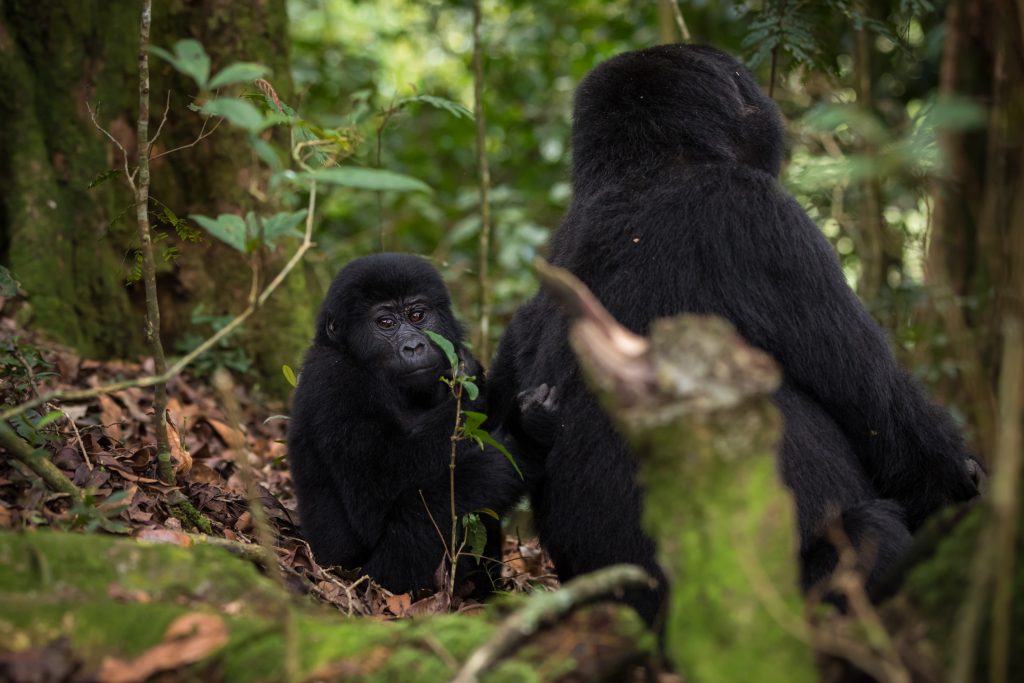
Rwanda, while smaller in scale, also offers compelling safari pairings, albeit with a different character. Beyond Volcanoes National Park, Nyungwe Forest National Park is home to a significant population of chimpanzees and other primates, offering canopy walks and primate treks. Akagera National Park, in the east, has undergone a remarkable conservation success story and now boasts a full complement of the Big Five, including lions and rhinos. However, Akagera, while beautiful, generally offers a different kind of ‘Big Five’ experience compared to the vast plains of East Africa’s more famous savannah parks; it feels more intimate and less open. The gorilla populations themselves are robust in both countries, with Uganda typically having a larger overall number of habituated families across its two parks (Bwindi and Mgahinga) compared to Rwanda’s Volcanoes. This higher density in Uganda can sometimes translate to more flexibility in trekking routes and potentially less strenuous options, though this is never guaranteed as the gorillas are wild and constantly moving. For those seeking a singular, focused gorilla experience, Rwanda’s offering is pristine; for those desiring a richer, more varied East African safari encompassing multiple iconic species, Uganda holds a distinct advantage.
Photography and Observation Conditions
For many, capturing the perfect photograph or simply soaking in every moment of observation is paramount. The conditions for photography and extended viewing can vary between Uganda and Rwanda, influenced by factors like forest density, terrain, and the specific habituation level of the gorilla families. Rwanda’s Volcanoes National Park often features a slightly less dense undergrowth in some sectors, which can sometimes allow for better light penetration and clearer sightlines for photography. The guides are highly skilled at positioning groups for optimal viewing, and the one-hour limit, while strict, feels focused and intense. The overall atmosphere can feel slightly more controlled, facilitating a more ‘posed’ photographic opportunity, if you will, without ever disturbing the animals. The terrain, while challenging, is generally navigated efficiently by experienced trackers.
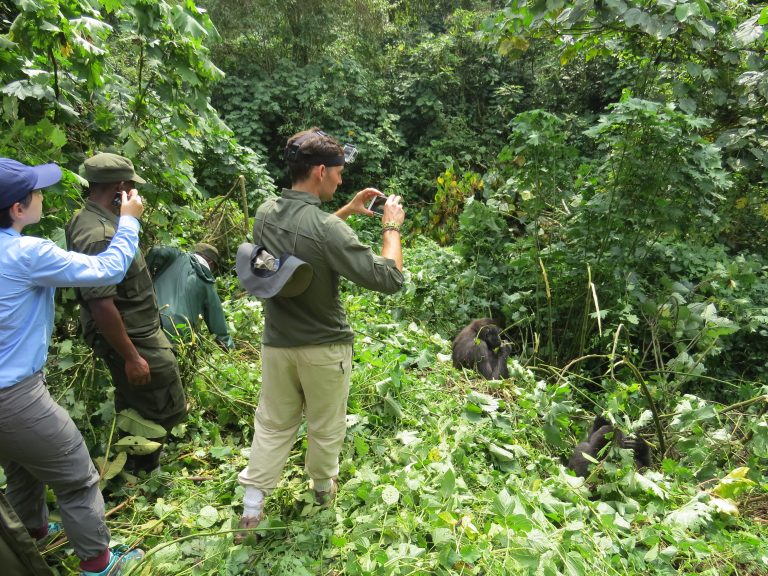
Uganda presents a different set of photographic opportunities and challenges. The forests of Bwindi, true to its name ‘Impenetrable’, can be incredibly dense, making light conditions more challenging and requiring more patience and skill to compose shots. However, this density also contributes to the feeling of being deep within an untamed wilderness, offering a raw, authentic backdrop. The true gem for photographers in Uganda is undoubtedly the Gorilla Habituation Experience. With up to four hours spent with a gorilla family, the extended time allows for observing a wider range of behaviors, waiting for better light, adjusting settings, and simply absorbing the incredible interactions without the pressure of a ticking clock. This deep immersion is unparalleled and offers professional and serious amateur photographers a distinct edge. Furthermore, the variability in terrain means that some treks might be incredibly tough, adding to the sense of achievement but also potentially impacting steady camera work. A practical planning insight for photographers: consider bringing a fast lens (f/2.8 or lower) for low-light conditions and be prepared for potential rain, protecting your equipment diligently. A monopod or lightweight tripod can also be invaluable, particularly during the longer habituation trek, but remember you will be carrying it yourself.
Best Match for Couples, Families, and Serious Photographers
Deciding between Uganda and Rwanda often boils down to matching the destination’s inherent character with your specific travel style and priorities. For couples, especially those on a honeymoon or seeking a romantic getaway, Rwanda often appeals to those desiring luxury, seamless travel, and an exclusive, intimate experience. Imagine retreating to a five-star lodge with breathtaking views after a thrilling trek, indulging in fine dining, and enjoying impeccable service. Uganda, on the other hand, might be the choice for adventurous couples who relish a more rugged journey, value a deeper immersion in local culture, and perhaps prefer to allocate more of their budget towards a longer, more diverse safari rather than solely on high-end accommodation. It’s for the couple who finds romance in shared adventure and the thrill of the untamed.
For families, the considerations shift towards ease of travel, age restrictions, and overall comfort. Both countries have an age limit of 15 years for gorilla trekking. Rwanda’s shorter transfer times from Kigali to Volcanoes National Park make it a more convenient option for families, particularly those with younger teenagers, as it minimizes long, potentially tiring road journeys. The infrastructure and service levels are generally high, which can be reassuring for parents. Uganda can certainly accommodate families, but it might be better suited for families with older, more resilient teenagers who are comfortable with longer drives and potentially more basic (though perfectly comfortable) accommodations. The broader safari opportunities in Uganda, however, could be a significant draw for families looking for an extended, diverse African adventure beyond just gorillas, offering a wider range of activities to keep everyone engaged.
Finally, for serious photographers and those seeking an unparalleled observation experience, Uganda presents a compelling, often superior, option. The standard one-hour trek in Uganda provides excellent opportunities, but it is the Gorilla Habituation Experience that truly elevates it for this cohort. Four hours with a gorilla family, participating alongside researchers, offers an incredible canvas of time and proximity to capture nuanced behaviors, varying light conditions, and a deeper narrative. This extended interaction allows for patience, experimentation with different angles, and the chance to witness unique moments that simply aren’t possible within a single hour. While Rwanda offers fantastic photographic moments, the compressed timeframe can sometimes feel rushed for those aiming for truly exceptional wildlife photography. An expert caution for serious photographers: regardless of location, be sure your camera equipment is insured and understand that flashes are strictly prohibited during gorilla encounters to protect their sensitive eyes and natural behavior.
When to Choose One Country Over the Other
The decision ultimately hinges on a confluence of personal priorities, which Ripple Safaris helps to meticulously unpack for each client. You should choose Rwanda if:
- Luxury and Exclusivity are Paramount: You prioritize high-end accommodations, seamless logistics, and a generally more refined travel experience.
- Time is Limited: With shorter transfer times from the international airport to the trekking location, Rwanda is ideal for shorter trips or those who wish to minimize travel fatigue.
- Budget Allows for Premium: You are comfortable with the USD $1,500 permit price, viewing it as an investment in a top-tier experience and conservation.
- A Focused Gorilla Trek is Your Main Goal: While Rwanda offers other wildlife, your primary focus is a singular, impactful gorilla encounter.
Conversely, you should strongly consider Uganda if:
- Value and Authentic Adventure Appeal: You appreciate a more rugged, immersive, and often more community-integrated experience, and are keen on maximizing value for money.
- Budget-Conscious Trekking: The standard USD $800 permit fits better within your overall safari budget, allowing funds for other experiences.
- Deep Immersion and Photography are Key: The four-hour Gorilla Habituation Experience is a non-negotiable for you, offering unparalleled observation and photographic opportunities.
- A Diverse, Extended Safari is Desired: You wish to combine gorilla trekking with a comprehensive ‘Big Five’ safari, chimpanzee trekking, and other diverse wildlife encounters across multiple national parks.
- You Embrace the Journey: You are prepared for and relish longer, potentially more challenging overland drives, viewing them as part of the authentic African adventure.
A nuanced observation often overlooked is the cultural immersion. While both countries offer opportunities, Uganda’s more expansive and varied rural landscapes, combined with longer overland journeys, naturally lend themselves to more interactions with local communities and a broader understanding of everyday life. This can add an unexpected depth to the safari experience, providing a holistic understanding of the region beyond just the wildlife.
Frequently Asked Questions
Is one country significantly safer than the other for gorilla trekking?
Both Rwanda and Uganda are considered very safe destinations for gorilla trekking, with robust security measures in place to protect tourists. The areas surrounding the national parks are generally peaceful, and local communities are well-integrated into the tourism ecosystem, benefiting directly from the permits and visitor presence. Tour operators like Ripple Safaris work exclusively with reputable lodges and ground handlers who adhere to stringent safety protocols.
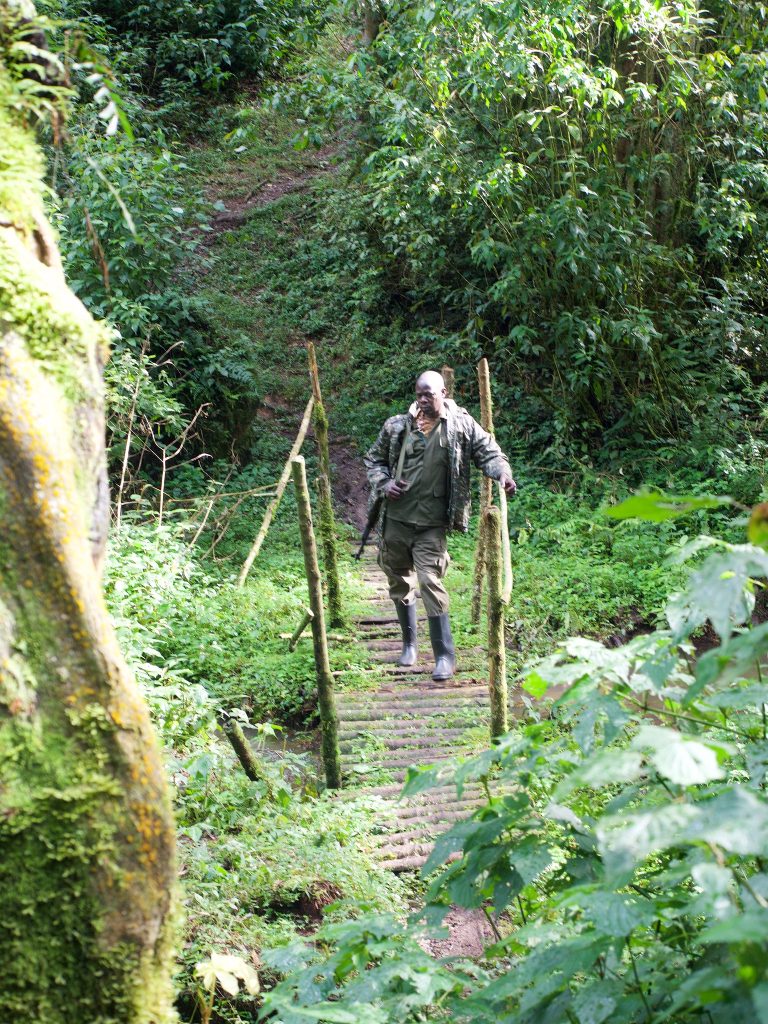
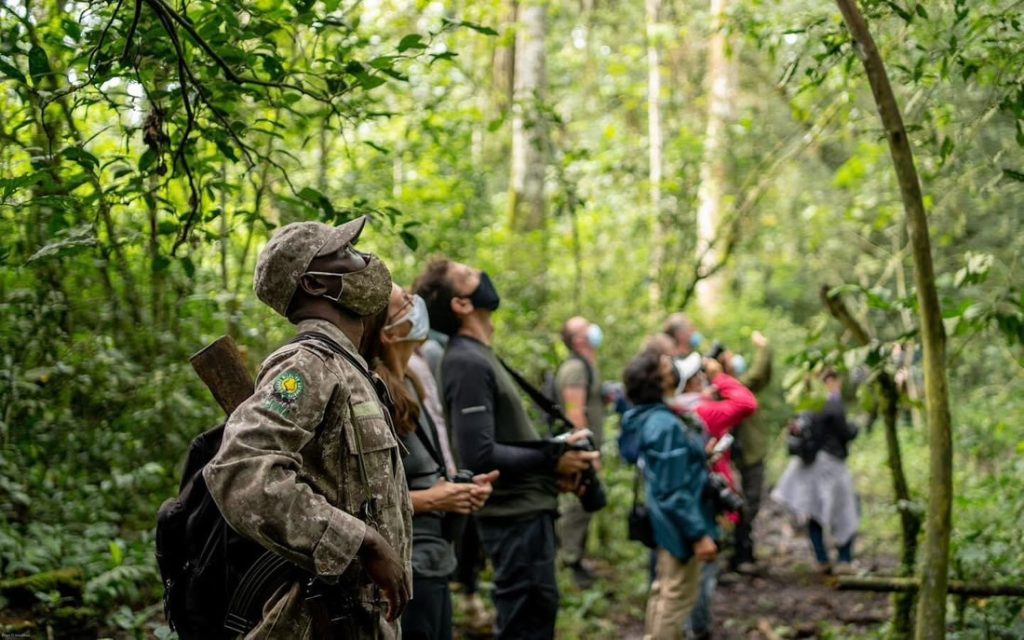
Specific security briefings are provided by park rangers before each trek, covering guidelines for safe interaction with gorillas and navigating the forest. The presence of armed rangers, while reassuring, is primarily for protection against potential wildlife threats (such as buffalo or elephants) and for enforcing park rules, rather than any significant human safety concerns. Travelers should always exercise standard personal safety precautions as they would in any foreign country, but there is no significant safety disparity between the two nations for this specific activity.
What’s the best time of year for gorilla trekking in either country?
The “dry seasons” are generally considered the best times for gorilla trekking in both Uganda and Rwanda, typically running from June to September and again from December to February. During these months, rainfall is usually lower, making the forest trails less muddy and slippery, and overall trekking conditions more manageable. Drier weather can also lead to clearer skies for photography and more predictable gorilla movements, as they might spend more time foraging on the ground rather than sheltering from rain in the canopy.
However, it’s important to remember that the gorilla habitats are rainforests, meaning rain can occur at any time of year. Trekking during the “wet seasons” (March-May and October-November) can also offer unique advantages, such as lush, vibrant vegetation for photography, fewer tourists, and potentially slightly easier treks as gorillas may stay at lower altitudes due to abundant food. Permits can also be slightly easier to secure during these off-peak periods. Practical planning insight: regardless of the season, come prepared for all weather conditions, with waterproof gear, sturdy hiking boots, and layers.
Can I combine a gorilla trek with other wildlife experiences in both countries?
Absolutely, combining gorilla trekking with other wildlife experiences is a popular and highly recommended way to maximize your safari adventure in both Uganda and Rwanda. In Rwanda, a common pairing involves a gorilla trek in Volcanoes National Park with chimpanzee trekking and a canopy walk in Nyungwe Forest National Park, and a visit to Akagera National Park for a traditional savannah safari (home to the Big Five). These destinations are relatively close, making for efficient travel between them, and offer a diverse range of primate and plains game viewing.
Uganda offers an even broader spectrum of complementary wildlife experiences due to its larger size and more numerous national parks. Beyond gorillas, travelers can embark on chimpanzee trekking in Kibale National Park, track tree-climbing lions and witness vast herds of antelope in Queen Elizabeth National Park, or experience exhilarating boat safaris and powerful waterfalls in Murchison Falls National Park. For those interested in rhino conservation, a visit to Ziwa Rhino Sanctuary is also possible. Uganda’s diversity often allows for longer, multi-faceted itineraries that encompass a wider array of East African ecosystems and iconic wildlife species, providing a comprehensive safari journey.
What physical fitness level is required for trekking in each country?
Gorilla trekking in both Uganda and Rwanda is physically demanding and requires a reasonable level of fitness, although the intensity can vary daily and between countries. Treks can range from 30 minutes to over 8 hours, involving steep ascents and descents, navigating dense vegetation, muddy or rocky terrain, and sometimes high altitudes. The duration and difficulty depend entirely on where the gorilla families are located on any given day. Rwanda’s Volcanoes National Park is often described as having slightly clearer undergrowth and generally well-defined trails, but it can still be a strenuous hike.
Uganda’s Bwindi Impenetrable Forest lives up to its name, often presenting more challenging and rugged terrain. The habituation experience, in particular, demands stamina due to its extended duration. An expert caution: regardless of your chosen destination, engage in regular cardiovascular exercise (walking, hiking, swimming) in the months leading up to your trip. Practice walking on uneven terrain. Inform your safari planner of any mobility concerns so that appropriate, less strenuous trekking options (if available) or the use of porters and sedan chairs can be arranged in advance. Porters are highly recommended for all trekkers to lighten your load and support local communities, making the trek more enjoyable and sustainable.
Are permits genuinely limited, and how far in advance should I book?
Yes, gorilla trekking permits are genuinely and strictly limited in both Uganda and Rwanda, primarily to minimize disturbance to the gorillas and their habitat, and to prevent disease transmission. Only a certain number of permits are issued per day for each habituated gorilla family, typically allowing a maximum of 8 visitors per family for a one-hour encounter. This strict regulation ensures the long-term sustainability of gorilla tourism and prioritizes the well-being of the gorillas, which is a cornerstone of responsible ecotourism.
Due to this strict limitation and the high demand for these once-in-a-lifetime experiences, it is absolutely crucial to book your gorilla permits well in advance, especially if you plan to travel during peak seasons (June-September, December-February) or have specific dates in mind. A practical planning insight is to aim for at least 6 to 12 months in advance, particularly for the Gorilla Habituation Experience in Uganda, which has even fewer permits. For larger groups or those with less flexible travel dates, booking even earlier is advisable. Ripple Safaris handles all permit acquisitions as part of our comprehensive planning, securing your space in this extraordinary encounter.
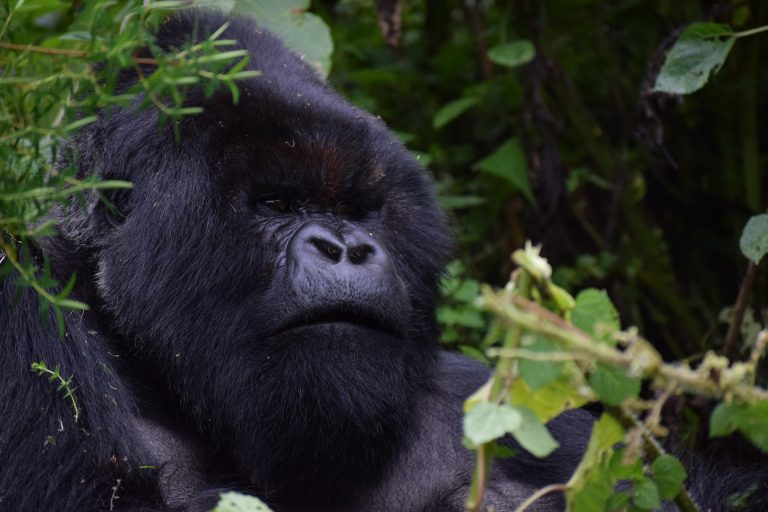

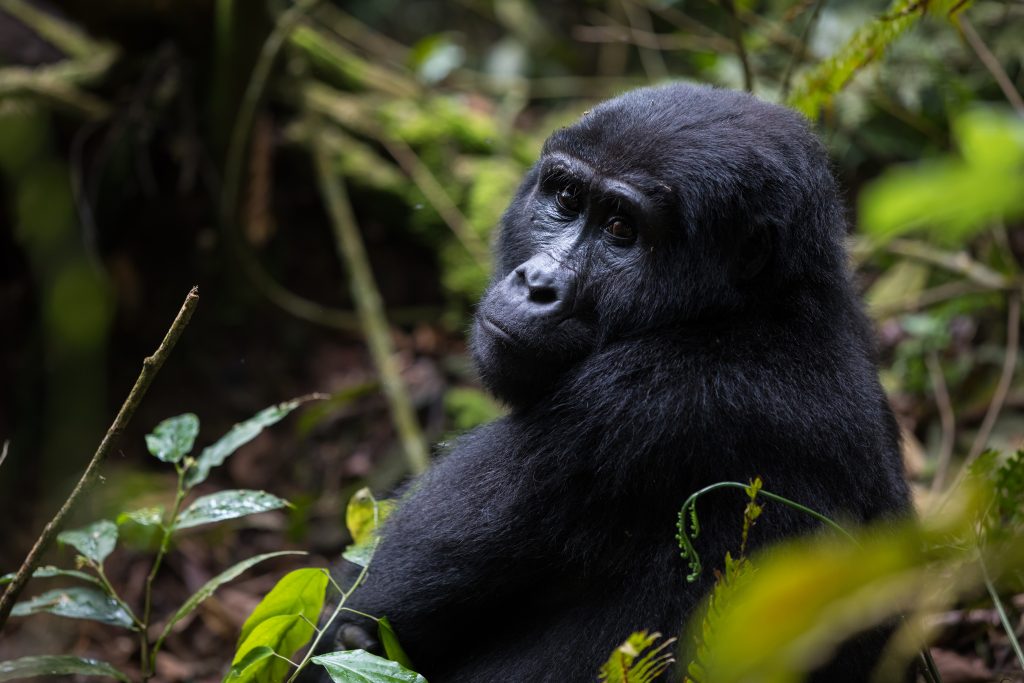
[…] However, for a truly enriching gorilla and wildlife safari, a 2-day or 3-day Bwindi itinerary allows for seamless integration with other Ugandan highlights. Imagine combining your gorilla encounter with chimpanzee tracking Uganda in Kibale Forest National Park, or a classic big game safari in Queen Elizabeth National Park. This creates a diverse and comprehensive exploration of Uganda’s incredible biodiversity. For instance, after your gorilla trek, you could drive north to Ishasha in Queen Elizabeth to seek out the tree-climbing lions, or continue to Kibale for your chimp tracking Uganda adventure. Such pairings elevate the journey from a single wildlife encounter to a grand tapestry of African wilderness, making your overall Uganda safari packages exceptionally memorable. When considering the broader picture of gorilla trekking in Uganda/Rwanda, it’s worth exploring the nuances between the two countries, which we’ve detailed in our expert briefing: Navigating the Mist: Your 2026 Expert Briefing on Uganda vs. Rwanda for Gorilla Encounters. […]