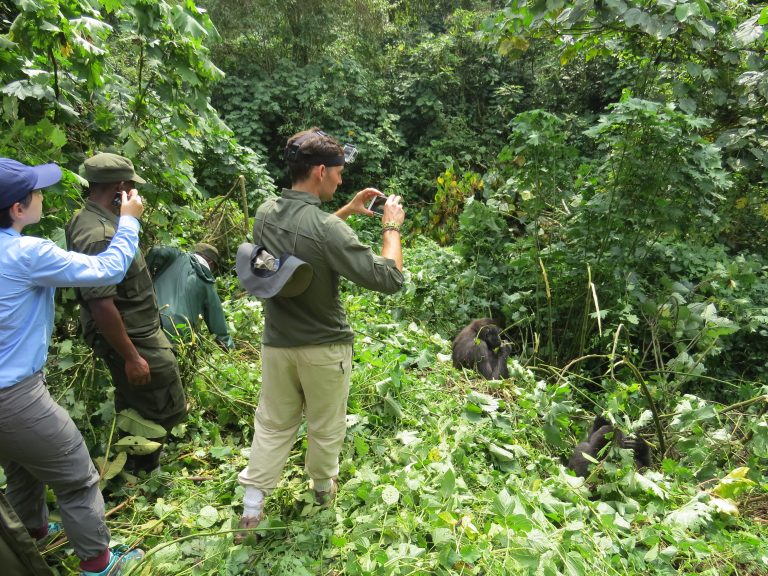
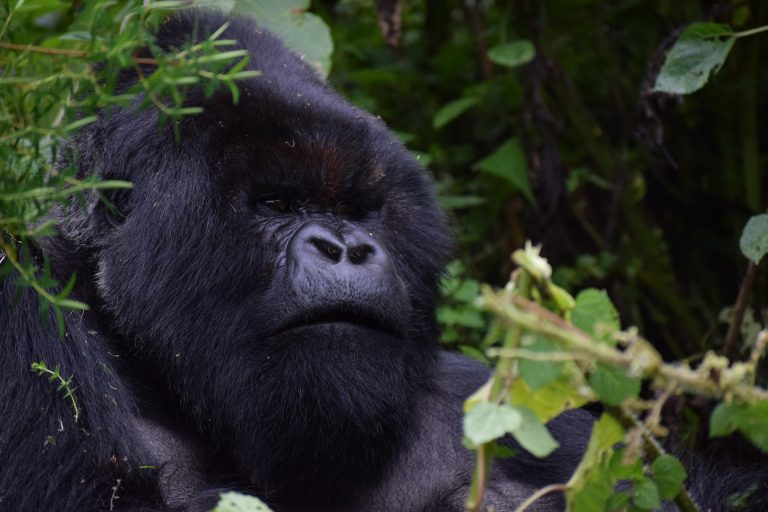
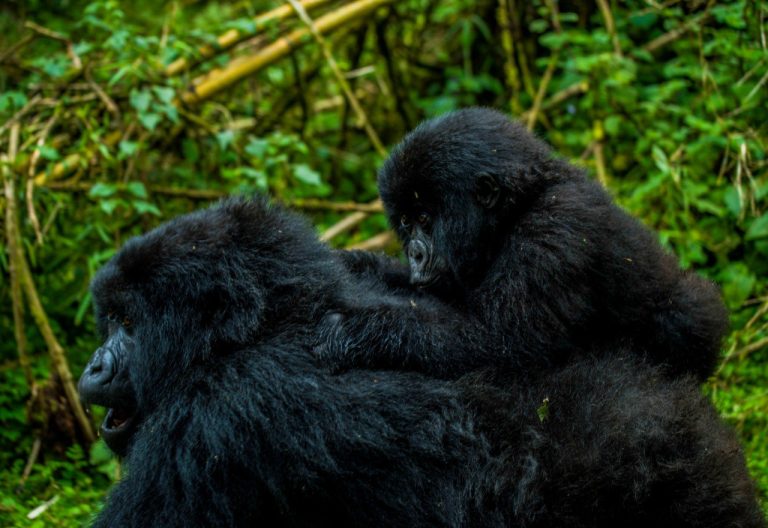
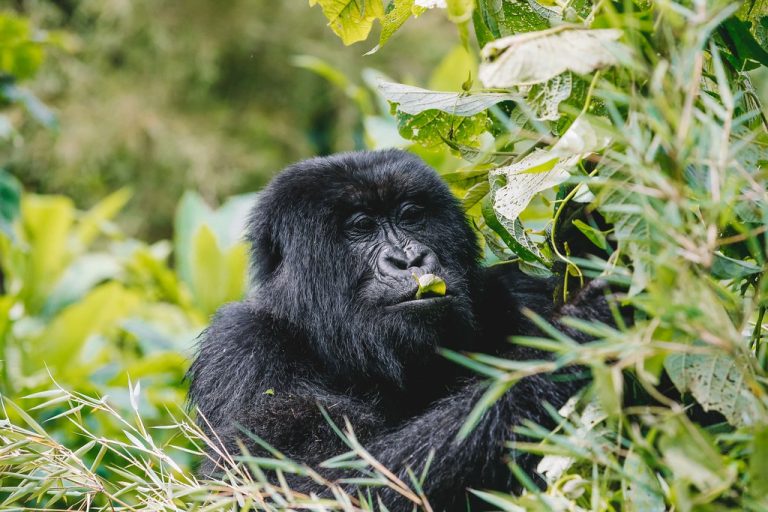
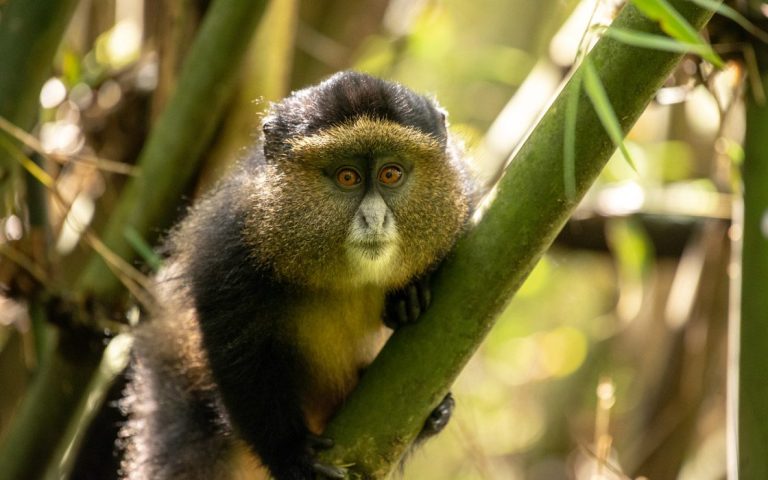
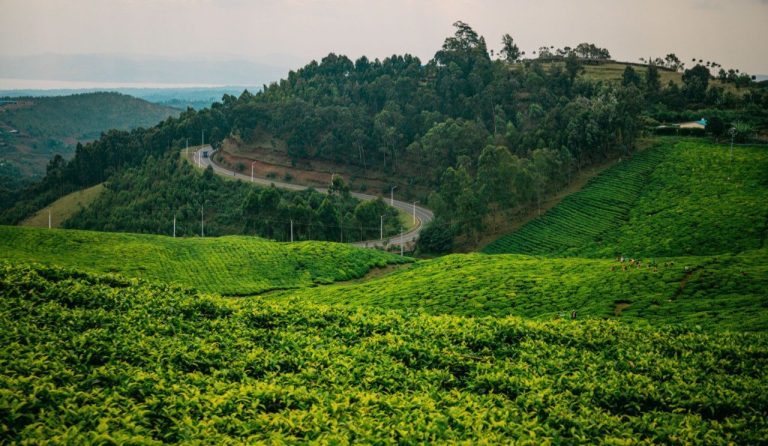
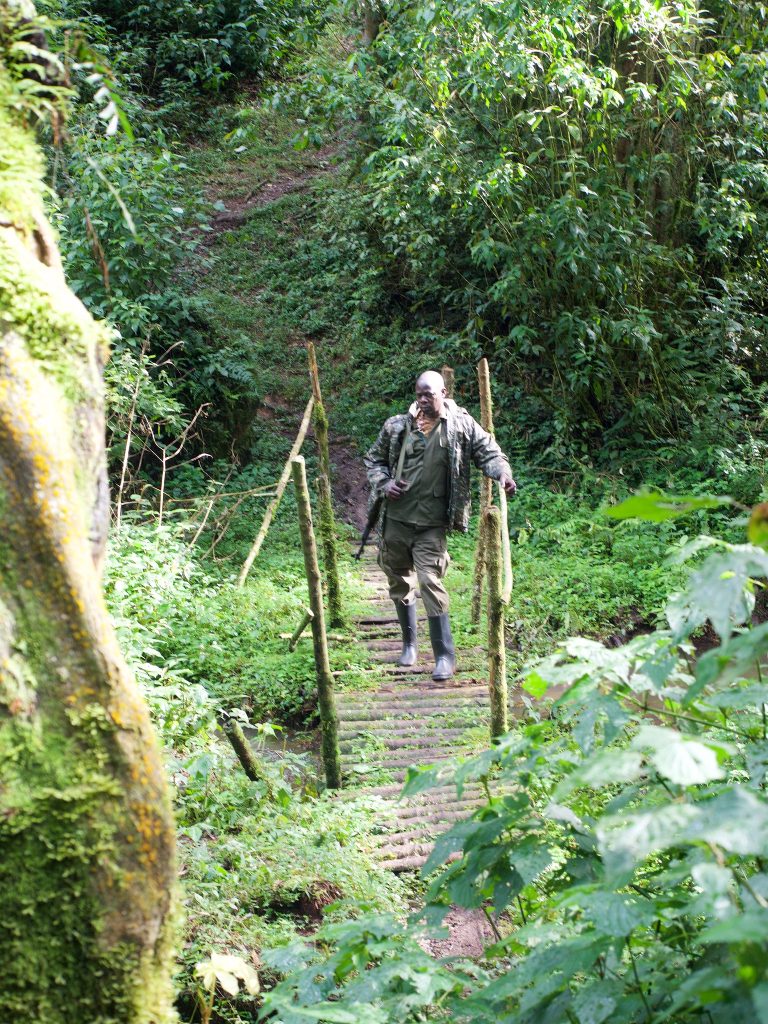
For the discerning traveler, the prospect of an encounter with mountain gorillas in their primeval rainforest home is more than a journey; it is a profound engagement with one of the planet’s most magnificent narratives. While the allure of these gentle giants remains constant, the quality and character of that encounter are intrinsically linked to the delicate rhythm of the natural world. At Ripple Safaris, we believe that understanding the true intricacies of seasonality goes far beyond merely consulting a calendar; it is about cultivating a nuanced intelligence that transforms a good safari into an extraordinary expedition. As we look ahead to 2026, the wise explorer recognizes that the most rewarding experiences stem from a deeper appreciation of ecological patterns, meteorological subtleties, and how these factors converge to shape an authentic forest immersion. This is not simply about predicting rain or sun; it is about embracing the dynamic equilibrium of the equatorial highlands and leveraging this insight to craft an experience perfectly aligned with your personal aspirations.
How Seasonality Really Affects Gorilla Trekking
The equatorial regions hosting mountain gorillas — Bwindi Impenetrable National Park and Mgahinga Gorilla National Park in Uganda, and Volcanoes National Park in Rwanda — experience two distinct seasons: dry and wet. However, to simplify them into merely “good” and “bad” weather profoundly misunderstands the dynamic ecology at play. These seasons dictate far more than just whether you’ll need an umbrella; they orchestrate the entire symphony of the forest, influencing everything from the density of the undergrowth to the feeding patterns and even the temperament of the gorilla families themselves.
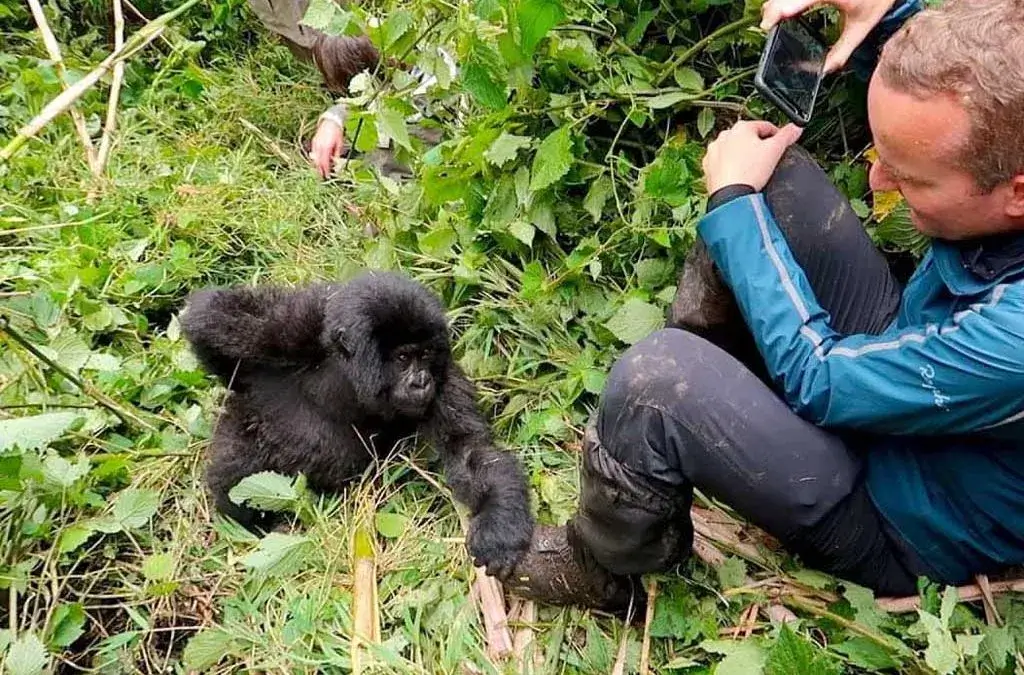
During the drier periods, typically June to September and December to February, the forest floor becomes firmer, and the trails less muddy. This can translate to physically easier treks, particularly for those less accustomed to strenuous hiking. However, the drier air also means less moisture for the vegetation, which can sometimes lead to slightly thinner foliage, offering potentially clearer lines of sight. Conversely, the wet seasons, generally March to May and October to November, usher in an era of verdant growth. The forest explodes in a riot of greens, fueled by abundant rainfall. This dense, lush environment can mean more challenging trekking conditions – muddier, slipperier trails, and thicker vegetation requiring more effort from the trackers to clear paths. Yet, these periods also present unique advantages, often overlooked by those solely focused on comfort. The rain rejuvenates the land, filling streams and creating a vibrant, dynamic atmosphere. The gorillas, too, respond to these changes, often feeding on a wider variety of plants that flourish during the wet spells, influencing their ranging patterns and, consequently, the nature of the trek to find them. Understanding these fundamental shifts is the bedrock of intelligent safari planning for 2026.
Dry Season Advantages and Hidden Drawbacks
The dry seasons are widely promoted as the optimal time for gorilla trekking, and for good reason. The trails, while still challenging due to the mountainous terrain, are generally firmer and less muddy, making the ascent and descent somewhat less arduous. This can significantly enhance the comfort level, particularly for trekkers who may not be seasoned hikers. Visibility through the canopy can also be slightly improved as some of the denser undergrowth may be less rampant, potentially offering clearer photographic opportunities and a more unobstructed view of the gorillas. The drier conditions often mean less chance of encountering sudden downpours, allowing for a more predictable daily routine and reducing the need for full wet-weather gear. The overall atmospheric stability during these months appeals to many who seek a smooth, uncomplicated outdoor experience.
However, the “dry season” moniker can be misleading. While rainfall is generally lower, these are rainforests, and localized showers can occur at any time, adding an element of unpredictability even in peak dry months. More importantly, the popularity of these periods often translates into a higher concentration of visitors, particularly at the most accessible gorilla families. This means trekking permits are booked far in advance, and the trails leading to the habituated groups might feel less isolated, slightly diminishing the sense of wild immersion some travelers seek. Furthermore, extended dry spells can lead to dustier conditions on certain paths, especially those frequented by vehicles in other parts of a broader safari. A subtler drawback, often missed, is the potentially less vibrant landscape. While easier to navigate, the forest can lack the dazzling, intense greens that characterize the wet season, presenting a slightly different aesthetic experience. For those prioritizing solitude and a profound connection with the wild, the peak dry season, while offering convenience, might subtly compromise on the elemental rawness of the encounter.
Rainy Season Benefits Most Tourists Ignore
While many travelers instinctively shy away from the wet seasons, labelling them as ‘off-peak’ or ‘challenging’, these periods — generally March to May and October to November — harbor some of the most profound and aesthetically rewarding experiences for the discerning adventurer. The term “emerald season” is apt, for the forests burst forth in an astonishing spectrum of greens, from luminous lime to deep jade, invigorated by the nourishing rains. The air is cleansed, often carrying the rich, earthy scent of damp soil and decaying leaves, creating an immersive sensory experience that feels deeply authentic. Photography during these months can be exceptional; the diffused light of cloudy days offers softer, more flattering illumination, minimizing harsh shadows and enhancing the vibrant colours of the flora and fauna. The visual drama of mist swirling through the canopy, or a sudden tropical downpour followed by brilliant sunshine, can create truly unforgettable scenes.
Beyond the visual spectacle, the wet seasons often provide a more intimate and exclusive encounter. With fewer permits booked, there is a tangible sense of solitude in the forest, and the chances of being part of a smaller trekking group increase. This can significantly enhance the personal connection with nature and the gorillas. Gorillas, too, are often more active and visible during these times. The abundance of fresh vegetation means they may not need to travel as far to forage, sometimes making for slightly shorter treks. The tracks left in the softer ground are also clearer for the expert trackers to follow, arguably making their job of locating the families more efficient. For the intrepid spirit, willing to embrace a little mud and moisture, the wet season offers a richer, more profound interaction with the heart of the rainforest, often at a potentially more accessible price point due to lower demand, thus offering exceptional value.
Micro-Climate, Trail Conditions, and Visibility
It is crucial to understand that classifying an entire season as ‘dry’ or ‘wet’ is a simplification. The mountainous terrain of Uganda and Rwanda creates numerous micro-climates, meaning conditions can vary significantly even within a single park or over a few kilometres. While Bwindi Impenetrable National Park, for instance, is famously a high-altitude rainforest, its different sectors (Buhoma, Ruhija, Rushaga, Nkuringo) can experience varying rainfall patterns and temperatures. Rushaga and Nkuringo, being at higher elevations, might be cooler and wetter than Buhoma, even within the same broad season. These localized variations profoundly influence trail conditions. The composition of the soil, the steepness of the incline, and the amount of canopy cover all interact with rainfall to determine how slippery or firm a path will be. Certain trails might involve clambering over exposed roots, navigating rocky sections, or traversing muddy bogs, irrespective of the overarching seasonal declaration.
Visibility, too, is a complex interplay. While drier periods may lead to slightly thinner foliage, enhancing lines of sight, they can also bring hazy conditions, particularly from dust or distant fires. Conversely, a clear, crisp day in the wet season, often after a night of rain, can offer unparalleled clarity and stunning panoramic views across valleys. The presence of mist, a hallmark of these highland rainforests, is another factor. While it can reduce long-range visibility, it simultaneously imbues the forest with an ethereal, mystical quality that many photographers and nature enthusiasts find deeply captivating. Trekking difficulty, therefore, isn’t solely a function of season; it’s a dynamic equation factoring in recent rainfall, ground type, elevation gain, and the specific family’s location on any given day. An expert tracker’s assessment on the morning of your trek becomes the most precise indicator of the day’s likely conditions. Ripple Safaris’ guides are exceptionally skilled at interpreting these localized nuances, ensuring your preparedness for the actual conditions encountered.
Pricing, Availability, and Booking Windows
The economics of gorilla trekking are undeniably influenced by seasonality, primarily through the mechanisms of demand. Permits for both Uganda and Rwanda are strictly limited daily, a vital conservation measure that ensures minimal disturbance to the gorilla families and their habitat. During the perceived ‘dry seasons’ (June-September and December-February), demand surges. This translates into permits being booked out many months, sometimes even a year or more, in advance. For those planning a 2026 journey with specific dates or wishing to visit a particular region or gorilla family, securing permits early is not merely advisable, it is absolutely imperative. The premium lodges and limited luxury accommodations also follow this trend, with their availability dwindling rapidly during these peak periods. The price of permits themselves remains fixed regardless of the season, but the surrounding logistics and accommodation can become more competitive.
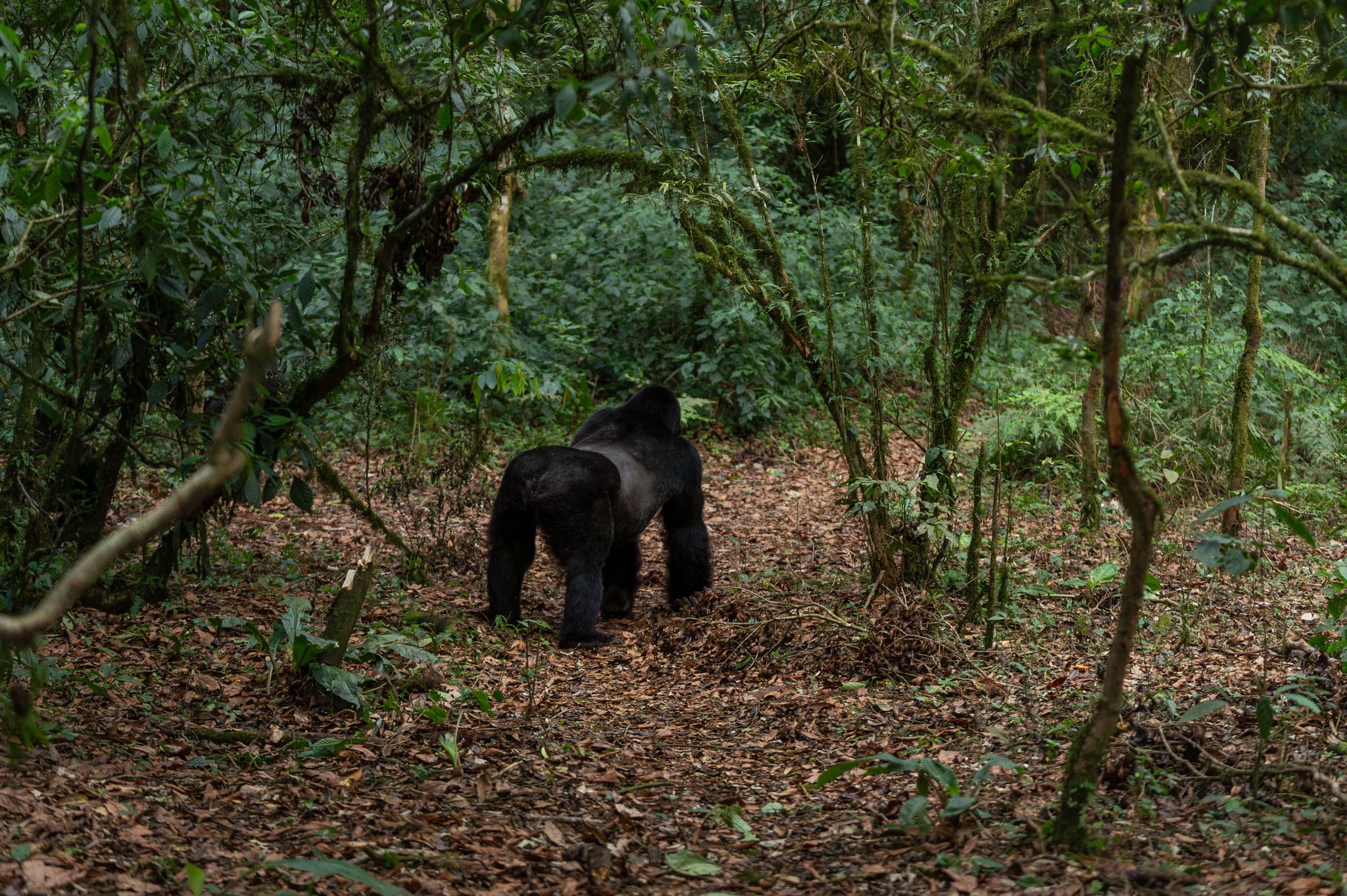
In contrast, the ‘wet seasons’ (March-May and October-November) often see a relative decrease in demand. This opens up opportunities for greater flexibility in travel dates and potentially easier access to preferred lodges or even specific trekking regions. While the permit price remains constant, the overall cost of a safari during these times can be marginally lower due to potentially better rates on accommodation or services, presenting a compelling value proposition. It’s important to note, however, that even during these quieter periods, permits can still sell out, especially for sought-after families or on weekends. Therefore, a proactive approach to booking remains prudent regardless of the season. For a seamless and successful 2026 gorilla expedition, particularly one aligned with specific aspirations, Ripple Safaris advises booking permits and accommodations at least 9-12 months in advance, even for the ‘shoulder’ or ‘wet’ seasons, to ensure your chosen experience is available.
Pairing Trekking With Wildlife Safaris by Season
For many, a gorilla trekking experience is a cornerstone of a broader East African safari, often complemented by game viewing in the region’s iconic savannah parks. The interplay of seasonality becomes critical when planning such a multi-faceted itinerary, as optimal conditions for primate trekking may not perfectly align with those for viewing savannah wildlife.
* Dry Seasons (June-September & December-February): These periods are generally excellent for savannah wildlife viewing. Water sources diminish, concentrating animals around remaining rivers and waterholes, making them easier to spot. The vegetation is also less dense, improving visibility. This alignment makes it an ideal time for combining gorilla trekking with classic safaris in parks like Queen Elizabeth National Park or Murchison Falls National Park in Uganda, or for extended journeys into Kenya’s Maasai Mara or Tanzania’s Serengeti (with the Great Migration typically moving through in these months). The drawback, as noted, is increased overall tourism and higher demand for all components of the trip.
* Wet Seasons (March-May & October-November): While offering unique advantages for gorilla trekking, these months present a different picture for savannah game drives. The landscape is lush and green, often beautiful for photography, but the dense vegetation can make spotting animals more challenging. Animals are dispersed, with water readily available everywhere. However, these are often superb bird-watching seasons, with migratory birds present. For those prioritizing an authentic, uncrowded gorilla experience and for whom savannah game viewing is a secondary, relaxed pursuit, these months offer a unique balance. Some keen photographers even prefer the dramatic skies and vibrant landscapes for their savannah imagery during these times. Planning a combined safari requires a careful weighing of these trade-offs, ensuring that each component of your journey meets your primary objectives.
Best Timing for Different Traveler Goals
Understanding that there’s no single “best time” for every individual is the hallmark of sophisticated safari planning. Your ideal timing for a 2026 gorilla encounter is profoundly personal, dictated by your specific preferences and priorities.
If your primary goal is the easiest possible trek with the highest chance of dry trails, prioritizing physical comfort above all else, then the drier periods of June to September and December to February are likely your best bet. Be prepared for potentially higher visitor numbers and book well in advance.
For the avid photographer seeking dramatic light, lush landscapes, and vibrant colours, or those who value a profound sense of solitude and immersion, the wet seasons (March-May, October-November) offer unparalleled opportunities. The challenge of muddier trails is often richly rewarded with unique atmospheric conditions and fewer fellow trekkers.
Should your ambition be a comprehensive East African safari combining gorillas with prime savannah wildlife viewing, then the dry months remain the most coherent choice, offering optimal conditions across various ecosystems. However, acknowledge that this alignment also means peak season demand and potentially higher costs for accommodation and related services.
If budget efficiency and greater flexibility in booking are key considerations, without compromising on the quality of the gorilla encounter itself, then the shoulder months within the wet seasons present a compelling option. You gain the benefits of fewer crowds and potentially better value, requiring only a willingness to embrace the authentic conditions of the rainforest.
Ultimately, Ripple Safaris believes that the most enriching journey is one meticulously tailored to your unique rhythm and aspirations. Engage with our expert advisers; share your vision, and together we can navigate the nuances of 2026 seasonality to craft an expedition that resonates deeply with your personal quest for discovery and connection. The forest holds wonders in every season, and understanding its cadence allows us to unlock the most extraordinary experiences for you.
Expert FAQ
Is it truly possible to trek gorillas in the wet season, or is it too difficult?
Absolutely, gorilla trekking in the wet season is not only possible but, for many, offers a uniquely rewarding experience. While trails can be muddier and more challenging underfoot, our expert trackers and guides are adept at navigating these conditions, often employing specialized techniques to ensure safety and progress. The physical demands, while perhaps slightly higher, are manageable for anyone with a reasonable level of fitness.
Moreover, the rewards during the wet season are substantial: the forest is incredibly vibrant, photography benefits from softer, diffused light, and there are often fewer trekking groups, leading to a more intimate and serene encounter. Many discerning travelers specifically choose these periods for the enhanced sense of wild immersion and the profound beauty of the rejuvenated rainforest. Preparedness with appropriate gear, such as waterproof hiking boots and gaiters, is key to comfort.
How far in advance do I really need to book a 2026 gorilla permit?
For 2026, we strongly advise securing your gorilla permits at least 9 to 12 months in advance, regardless of the season you plan to travel. While the dry seasons (June-September and December-February) are notorious for selling out over a year ahead, even the quieter wet seasons can see permits disappear quickly for popular dates or specific gorilla families, especially as travelers become more aware of the wet season’s unique benefits.
The number of permits issued daily is strictly limited for conservation purposes, creating constant demand for this unparalleled wildlife experience. Procrastination can lead to disappointment, particularly if you have fixed travel dates or a specific region (like Uganda’s Bwindi Impenetrable Forest or Rwanda’s Volcanoes National Park) in mind. Early booking also gives you greater flexibility in choosing your preferred lodge and integrating the trekking with other safari elements without stress.
Does the weather significantly impact the actual gorilla viewing experience once we find them?
Once you locate a gorilla family, the immediate weather conditions generally have less impact on the quality of the viewing itself than on the journey to find them. Gorillas are accustomed to their rainforest environment and continue their natural behaviors – feeding, playing, grooming – irrespective of light rain or sunshine. In fact, a light drizzle can sometimes make their fur appear more lustrous, and the diffused light of a cloudy day can be perfect for photography, avoiding harsh shadows.
However, extreme downpours might cause the gorillas to seek denser shelter, potentially making them slightly less visible within the foliage for a brief period. Our trackers are incredibly skilled at positioning groups for optimal viewing, irrespective of minor weather shifts. The overarching impact of season is more on the trekkers’ comfort and the aesthetic backdrop of the forest itself, rather than the gorillas’ disposition or visibility during the hour of direct encounter.
Are there specific times when gorilla photography is better?
Yes, there are nuanced differences that can enhance gorilla photography, largely tied to light and atmospheric conditions influenced by season. During the wet seasons, the frequently overcast skies create beautiful, soft, diffused light, which is ideal for portraiture and capturing the gorillas’ intricate details without harsh shadows. The rich, vibrant greens of the forest are also at their peak, providing a stunning natural backdrop.
In the dry season, sunny days can offer stronger, more directional light, which can create dramatic contrasts but also challenging shadows. However, breaks in the canopy might allow stunning shafts of golden light to filter through, creating magical photographic opportunities. Ultimately, the best photographic results come from being prepared for varying light conditions and having a knowledgeable guide who can position you respectfully to maximize your chances, regardless of the season.
How does the choice between Uganda and Rwanda affect seasonal considerations?
While both Uganda and Rwanda host mountain gorillas and share similar equatorial climate patterns with two dry and two wet seasons, the specific terrain and forest characteristics can subtly alter the seasonal experience. Rwanda’s Volcanoes National Park is generally at a higher average elevation and often features more open bamboo forest in certain areas, which can sometimes lead to slightly cooler temperatures and potentially easier trekking conditions during both wet and dry seasons, purely due to the nature of the terrain.
Uganda’s Bwindi Impenetrable National Park, as its name suggests, is a dense, older rainforest. This means that while dry seasons still offer relief, the trails can remain challenging due to the sheer density of vegetation and deeper mud in some areas even after a dry spell. During the wet season, Bwindi can feel exceptionally wild and immersive. Ultimately, the choice between countries often comes down to other factors like travel style, budget, and other safari interests, as both offer profound gorilla encounters regardless of the seasonal nuances.