The decision to embark on a gorilla trekking safari is, for many, the pinnacle of an African journey. It is a profound commitment, both in spirit and resource, to stand in the quiet presence of these magnificent primates. Yet, for the discerning traveler, the initial exhilaration often gives way to a critical strategic question: Uganda or Rwanda? This isn’t a mere logistical detail; it’s a fundamental choice that shapes the very rhythm, feel, and complementary experiences of your adventure. As lead editorial strategist and safari expert for Ripple Safaris, I see this as the most crucial fork in the road for anyone planning a gorilla encounter in 2026. My aim here is to cut through the noise, providing a lucid, unbiased, and deeply informed perspective that moves beyond surface-level comparisons to reveal the true character of each destination.
It’s often said that both countries offer life-changing encounters, and this is unequivocally true. However, to consider them interchangeable would be a disservice to the nuances that define their distinct offerings. The choice between Uganda and Rwanda is not about finding a superior destination, but rather identifying the one that aligns most perfectly with your personal travel philosophy, your appetite for adventure, your time constraints, and your broader safari aspirations. This briefing is designed to equip you with the strategic insights necessary to make that informed decision, ensuring your journey to meet the mountain gorillas is not just memorable, but perfectly tailored.
The Real Difference Between Uganda and Rwanda Experiences
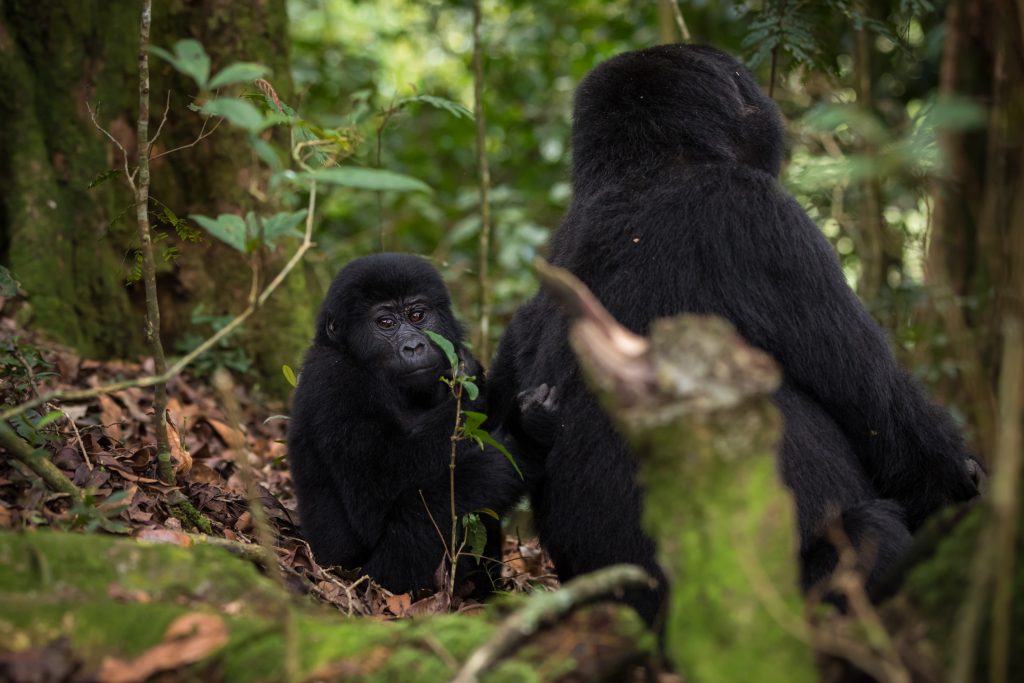
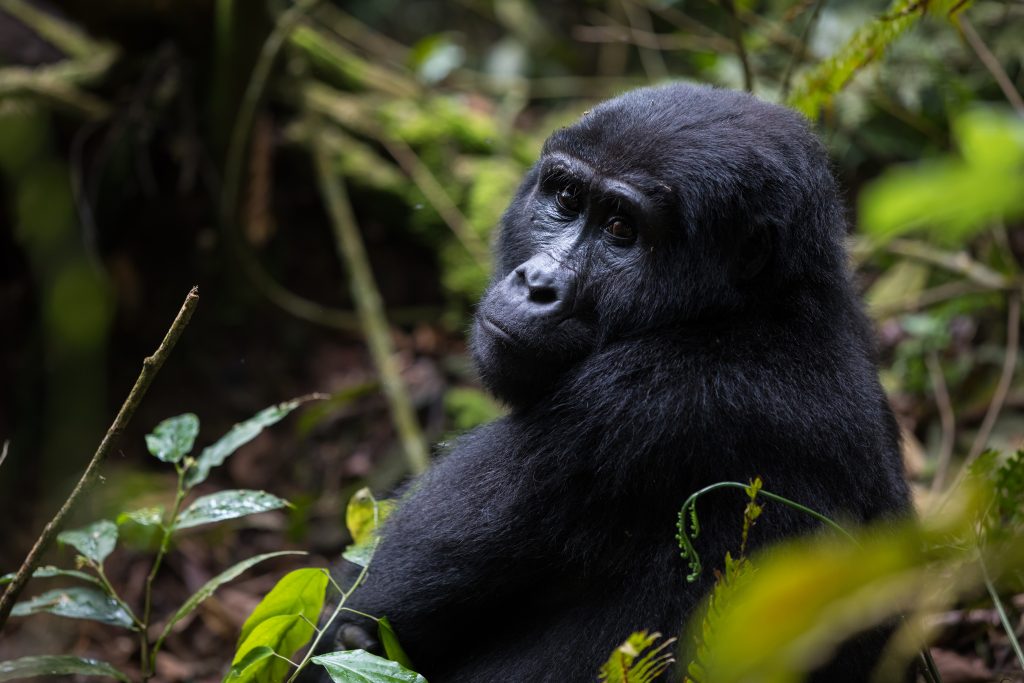
At its heart, the distinction between a gorilla trek in Uganda and one in Rwanda lies in the overarching ambiance and logistical framework that surrounds the actual encounter. While the mountain gorillas themselves are genetically identical across the Virunga Massif and Bwindi Impenetrable Forest, the human journey to reach them, and the environment in which you find yourself, are remarkably different. Imagine, if you will, two distinct overtures to the same, breathtaking symphony.
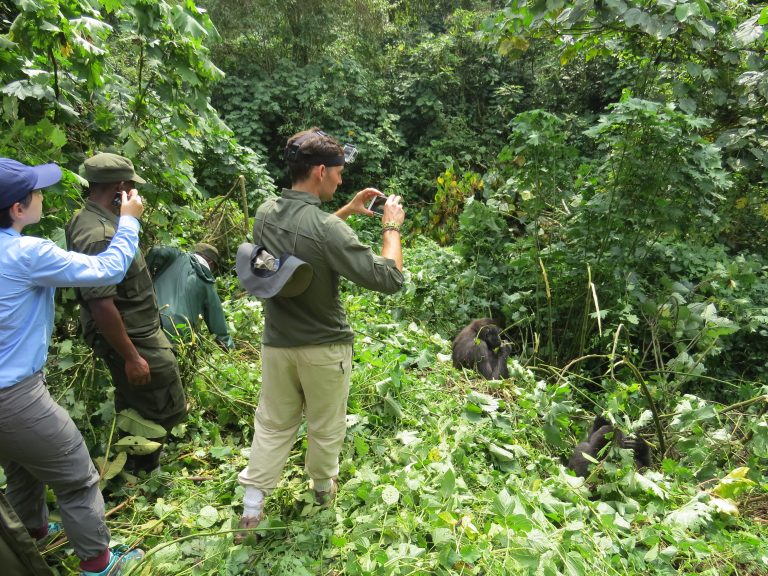
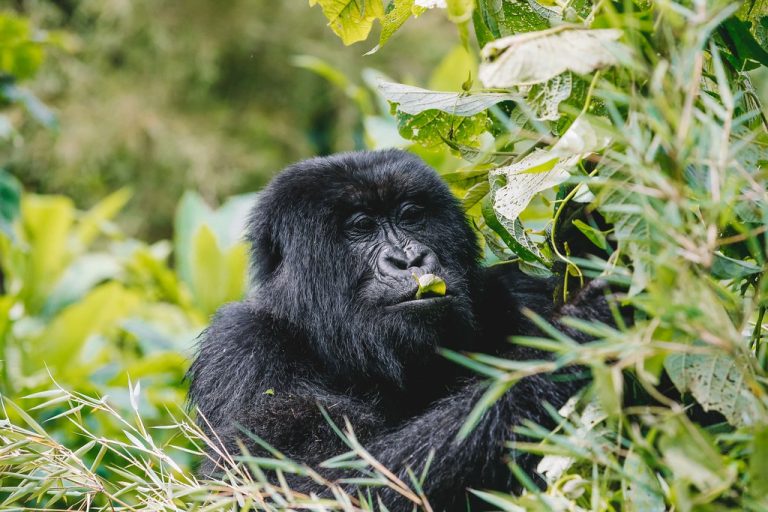
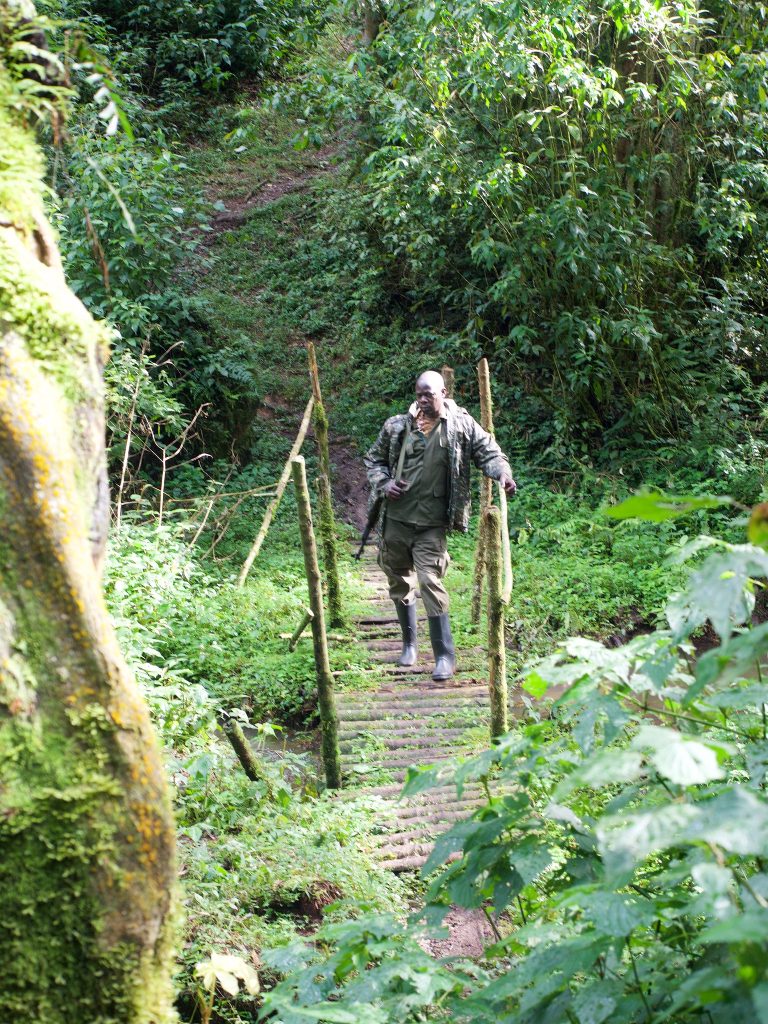
Uganda, particularly within Bwindi Impenetrable National Park, presents an experience often described as more raw, rugged, and expeditionary. The very name “Impenetrable” hints at the dense, ancient primary rainforest that characterizes much of the park. Treks here can be longer, more physically demanding, and often involve navigating through thick undergrowth, across undulating terrain, and up steeper inclines. There’s a profound sense of immersion in a truly wild, untamed environment, where the journey to the gorillas feels as much a part of the adventure as the sighting itself. This contributes to a deeper sense of achievement and connection for many, fostering a genuine feeling of being an explorer rather than merely a tourist. The habituation experience in Uganda, allowing for an extended four-hour period with a gorilla family, further exemplifies this deeper dive into their world, offering unparalleled observation opportunities.
Rwanda, on the other hand, through Volcanoes National Park, offers an experience that is often perceived as more refined, structured, and accessible. The park’s terrain, while still challenging, tends to feature more bamboo forests and slightly less dense undergrowth in certain sectors, which can sometimes facilitate slightly shorter trekking times. The infrastructure surrounding gorilla trekking in Rwanda is meticulously designed for efficiency and comfort, often appealing to travelers who prefer a more streamlined, luxury-oriented experience. The focus is very much on a premium, impactful one-hour encounter, supported by high-end lodges and relatively swift access from the capital. There’s a distinct feeling of exclusivity, a polished professionalism that permeates every aspect of the trip, from the welcome briefing to the post-trek celebrations.
Therefore, the real difference isn’t in the majesty of the gorillas, but in the texture of the adventure that brings you to them. Do you seek the untamed, arduous journey that defines the raw wilderness, or do you prefer a more curated, efficient path to a truly profound wildlife spectacle? Your answer to this fundamental question begins to illuminate the ideal destination for your 2026 gorilla pilgrimage.
Cost, Value, and Permit Trade-Offs
The financial aspect of gorilla trekking is undeniably a significant factor in any strategic planning. Permit fees, in particular, represent a substantial investment and often serve as the primary differentiator when travelers initially compare Uganda and Rwanda. However, understanding the true value proposition extends far beyond the sticker price.
As of 2026, a gorilla trekking permit in Rwanda costs $1,500 USD per person for the standard one-hour encounter. This premium pricing positions Rwanda at the higher end of the luxury safari market, signaling an intentional focus on high-value, low-impact tourism. The rationale behind this cost is often linked to the excellent infrastructure, ease of access, and the overall premium experience, which includes top-tier lodges and efficient logistical support. For this fee, travelers secure an hour in the presence of a gorilla family, contributing directly to the robust conservation efforts that have seen the mountain gorilla population steadily increase. For many, the higher permit cost is justified by the seamless experience and the perceived exclusivity it confers, especially for those with limited time who prioritize a swift, impactful encounter without compromise on comfort.
Uganda offers a more layered approach to its permit structure. A standard gorilla trekking permit in Uganda is currently priced at $700 USD, allowing for one hour with a gorilla family. This considerably lower price point makes Uganda an attractive option for budget-conscious travelers or those who wish to extend their overall safari without inflating the primary permit cost. Beyond the standard permit, Uganda uniquely offers a Gorilla Habituation Experience (GHEX) permit, also priced at $1,500 USD. This specialized permit grants a full four hours with a semi-habituated gorilla family, providing an unparalleled opportunity for in-depth observation and photography, often accompanying researchers. The value here is immense for those seeking a truly immersive experience and extended time in the gorillas’ world, essentially offering four times the direct interaction for the same price as Rwanda’s standard permit.
The trade-off, then, becomes clear: Rwanda offers a single, premium-priced, high-efficiency option for a memorable hour with the gorillas. Uganda provides a more accessible entry point with its standard permit, allowing travelers to allocate their budget elsewhere (perhaps to a longer safari or other Ugandan wildlife experiences), or to invest the same premium amount as Rwanda’s permit into a significantly extended, expert-led habituation experience. Your choice here hinges not just on the price, but on what you value most: expedited luxury or extended immersion, and how that primary cost fits into the broader tapestry of your dream African journey.
Landscape, Access, and Travel Fatigue
The physical journey to the gorilla sanctuaries, encompassing the landscapes traversed and the logistics of access, fundamentally shapes the overall safari experience and can significantly contribute to, or alleviate, travel fatigue. Understanding these geographical and infrastructural differences is vital for a smooth and enjoyable trek.
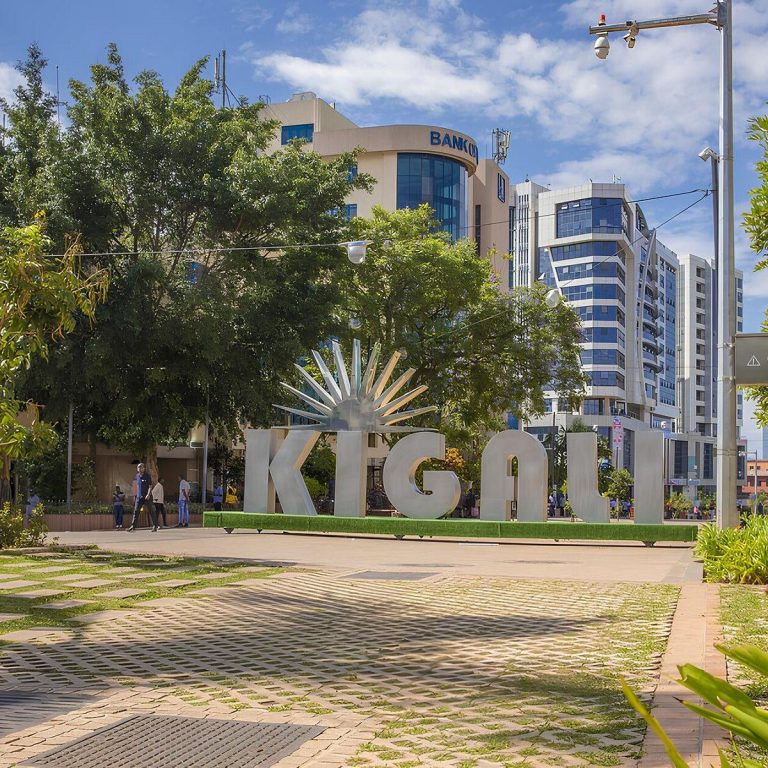
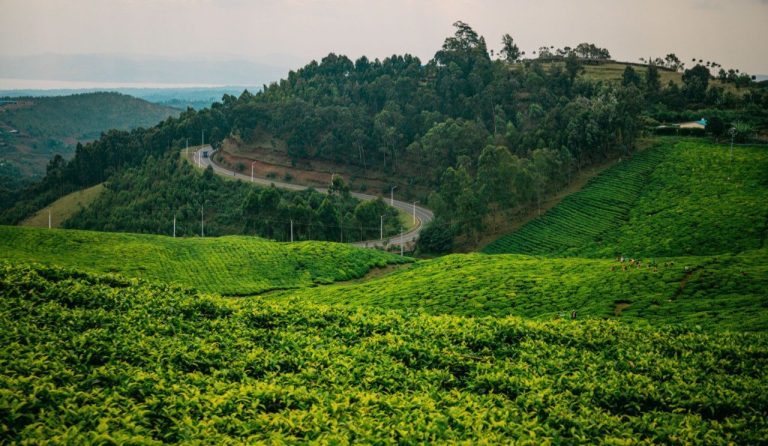
Rwanda’s Volcanoes National Park is remarkably accessible. Upon arrival at Kigali International Airport (KGL), travelers typically face a comfortable, scenic drive of approximately 2 to 3 hours on well-maintained roads to reach the lodges nestled around the park periphery. The park itself, characterized by dramatic volcanic peaks, lush montane forests, and extensive bamboo stands, offers breathtaking scenery from the moment you depart the capital. This relatively short transfer time means less time spent in transit and more time to relax, prepare for your trek, or engage in other cultural activities. For those seeking a quick, efficient gorilla encounter that integrates seamlessly into a broader regional itinerary or a shorter visit to Africa, Rwanda’s accessibility is a considerable advantage, minimizing the cumulative effects of long-haul travel.
Uganda presents a more varied and often more demanding logistical landscape. Most international flights arrive at Entebbe International Airport (EBB), from which the journey to Bwindi Impenetrable National Park or Mgahinga Gorilla National Park is substantially longer. A road transfer can take anywhere from 8 to 10 hours, traversing diverse terrains and offering glimpses into rural Ugandan life. While an adventure in itself, this extensive drive can be tiring. To mitigate this, many travelers opt for internal flights from Entebbe to regional airstrips closer to the parks (e.g., Kihihi or Kisoro), which then require a shorter drive of 1-2 hours to the lodges. These internal flights, however, add to the overall cost and require careful scheduling. Bwindi’s landscape is distinctly that of a dense, ancient rainforest, creating an atmosphere of deep wilderness, while Mgahinga offers higher altitude trekking amidst bamboo and montane forest on the slopes of the Virunga volcanoes.
The consideration of travel fatigue is paramount. If you’re sensitive to long drives or have limited time, Rwanda’s compact geography and efficient transfers will likely appeal. If you embrace the journey as part of the adventure, are prepared for longer transit times (or the added cost of internal flights), and desire the sense of truly venturing into the heart of Africa, Uganda’s more expansive logistics might align better with your adventurous spirit. It’s a trade-off between convenience and the feeling of a deeper, more immersive expeditionary experience.
Wildlife Density and Broader Safari Pairings
Beyond the iconic mountain gorillas, the decision between Uganda and Rwanda can profoundly influence the diversity of wildlife encounters available during your safari, and thus the potential for broader, multi-faceted itineraries. For many, a gorilla trek is the centerpiece, but not the entirety, of their African dream.
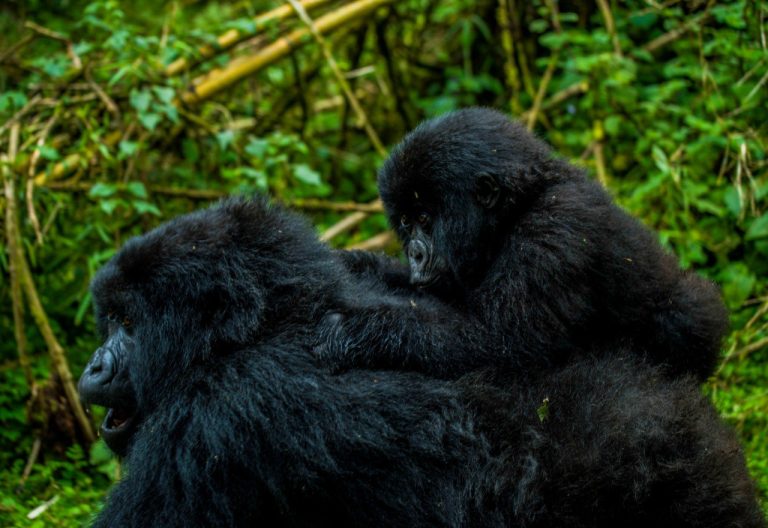
Uganda stands out as a country of extraordinary biodiversity, often lauded as the “Pearl of Africa” for its rich tapestry of landscapes and wildlife. It is home to roughly half of the world’s remaining mountain gorillas across Bwindi and Mgahinga, offering a significant number of habituated families and therefore more permits daily. This higher density of gorilla families also contributes to greater flexibility in permit availability. Crucially, Uganda offers a comprehensive suite of classic African safari experiences. Travelers can easily combine gorilla trekking with:
- Chimpanzee Trekking: Most notably in Kibale National Park, recognized as one of the best places in Africa to track chimpanzees in their natural habitat.
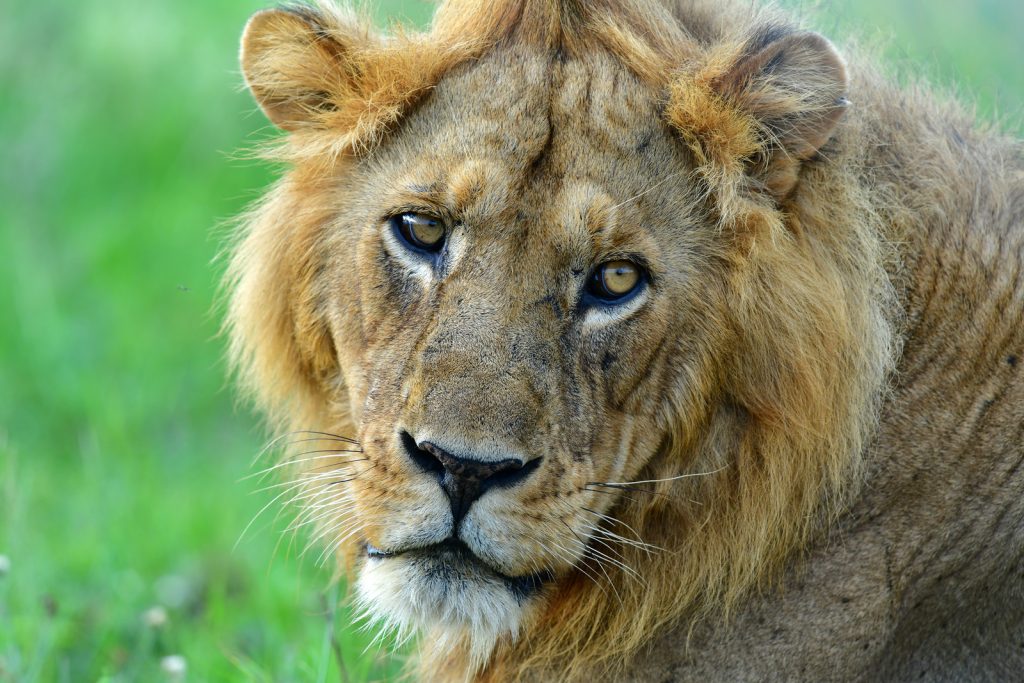
- Big Five Safaris: Queen Elizabeth National Park and Murchison Falls National Park offer superb opportunities to spot lions (including the famous tree-climbing lions of Ishasha), leopards, elephants, buffalo, and a wide array of antelope and birdlife.
- Aquatic Safaris: Boat cruises on the Kazinga Channel (Queen Elizabeth) or the Nile River (Murchison Falls) provide close-up encounters with hippos, crocodiles, and diverse bird species.
This makes Uganda an ideal choice for travelers seeking a longer, more varied safari that encompasses primates, predators, and plains game within a single country, often at a more accessible overall cost. The ability to seamlessly integrate different ecosystems and wildlife viewing opportunities without significant inter-country travel is a major draw.
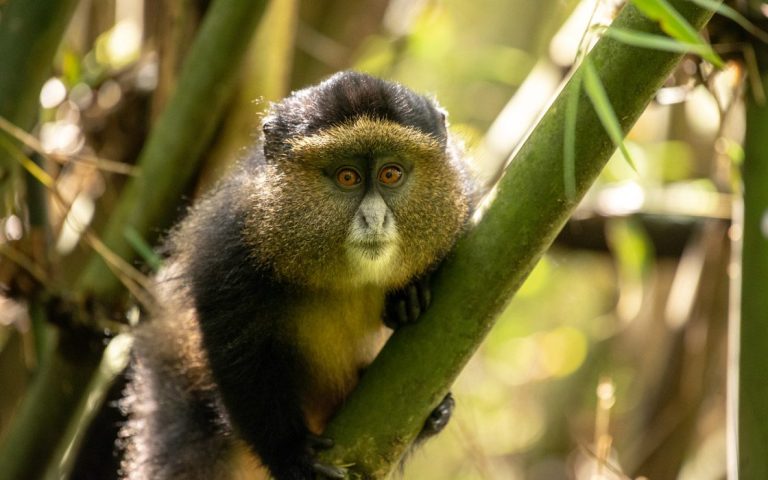
Rwanda, while rich in biodiversity, primarily focuses its wildlife tourism around primates. Volcanoes National Park is, of course, the heart of gorilla trekking, and Nyungwe Forest National Park is a premier destination for chimpanzee tracking and colobus monkeys. While Rwanda does have Akagera National Park, which offers traditional savanna game drives and a burgeoning Big Five population, its scale and reputation as a comprehensive safari destination are generally smaller compared to Uganda’s extensive parks. The primary draw of a Rwandan safari package often centers around its primate experiences, complemented by cultural and historical visits, particularly relating to the country’s remarkable post-genocide recovery.
Therefore, your choice here pivots on your broader safari ambitions. If your sole, intense focus is on gorillas and perhaps chimps, with a preference for a more condensed itinerary, Rwanda excels. If, however, you envision a more expansive East African adventure, weaving together the profound experience of gorilla trekking with the thrill of tracking lions, observing elephants, and encountering a broader spectrum of Africa’s iconic wildlife, then Uganda offers an unparalleled, multi-layered safari experience.
Photography and Observation Conditions
For many visitors, the opportunity to capture the raw beauty and emotional depth of mountain gorillas through photography is as vital as the encounter itself. The specific conditions in each country, from light quality to vegetation density and trek duration, play a significant role in photographic success and the overall quality of observation.
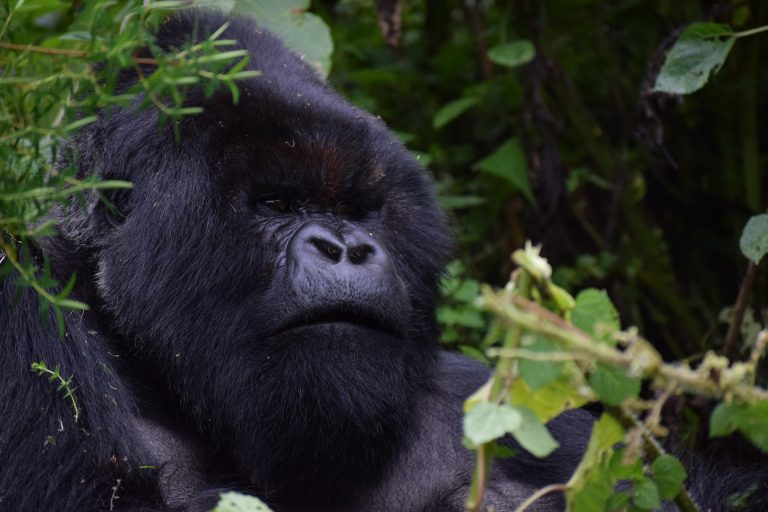
Rwanda’s Volcanoes National Park, with its distinctive bamboo forests and mixed montane vegetation, can offer unique photographic opportunities. The bamboo often allows for a softer, more diffused light, which can be advantageous for portraiture and capturing the gorillas’ subtle expressions without harsh shadows. In some areas, the bamboo canopy might be less dense than Bwindi’s impenetrable forest, potentially leading to clearer sightlines and less obstruction. However, the standard one-hour encounter, while incredibly profound, places a natural time limit on a photographer’s ability to adapt to changing light, experiment with angles, and wait for specific behaviors. Serious photographers often find this hour flies by, leaving them wishing for more time to compose and capture the perfect shot. The relatively brisk pace of the trek and the limited time with the subjects mean that preparedness and quick decision-making are paramount.
Uganda, particularly in Bwindi Impenetrable National Park, presents a different set of conditions. The “impenetrable” nature of the forest means deeper shadows and potentially more challenging light conditions, but also dramatic shafts of light piercing the canopy, creating incredibly atmospheric scenes. The thick undergrowth can sometimes make for trickier compositions, requiring patience and creative framing to isolate the gorillas. However, the potentially longer trek times in Uganda, even on standard permits, mean more immersion in the forest environment and more opportunities to acclimatize to the conditions before the sighting. Crucially, Uganda’s unique Gorilla Habituation Experience, offering a four-hour window with a gorilla family, is an undisputed dream for serious photographers. This extended time allows for:
- More opportunities to observe and predict behavior.
- Greater flexibility to adjust camera settings for varying light.
- The chance to capture a wider range of interactions and close-up portraits.
- A less rushed atmosphere, fostering a deeper connection and more thoughtful photography.
Regardless of the destination, essential photographic planning insights include bringing a waterproof camera bag and protection for your gear, using quiet camera straps to avoid startling the animals, and ensuring you have sufficient battery power for potentially long treks and prolonged observation. Flash photography is strictly prohibited in both locations. Ultimately, if your primary goal is an extensive portfolio of gorilla images, especially behavioral shots and close-ups, Uganda’s habituation experience offers an unparalleled advantage. If you prioritize a more elegant, condensed, and potentially softer-lit encounter, Rwanda remains an excellent choice, demanding rapid and precise photographic skills.
Best Match for Couples, Families, and Serious Photographers
Understanding the distinct profiles of travelers each country caters to is crucial for making the right choice, ensuring the safari exceeds expectations for every member of your party. Gorilla trekking is an investment of a lifetime, and aligning the experience with specific needs and preferences is paramount.
For couples, both destinations offer incredibly romantic and memorable experiences, but with different flavors. Rwanda often appeals to couples seeking a luxurious, intimate, and relatively seamless escape. The high-end lodges, often with breathtaking views of the Virungas, combined with the efficient logistics, create an environment perfect for a romantic journey focused on an iconic wildlife encounter and sophisticated comfort. It’s ideal for a special anniversary or a honeymoon add-on, where every detail is polished and time is often limited. Uganda, on the other hand, might draw adventurous couples who thrive on shared challenges and the camaraderie of a more rugged expedition. The sense of exploring deeper into a primal forest, earning that profound gorilla encounter together, can be incredibly bonding. It often appeals to those who wish to combine their gorilla trek with a broader, more extensive East African safari, relishing the diversity of experiences available.
Families with older children (minimum trekking age is 15 in both countries) also have distinct considerations. Rwanda’s shorter drive times from Kigali and generally quicker treks can make it a more manageable option for families. The emphasis on comfort and accessibility can reduce potential friction from long travel days, ensuring that the younger adventurers remain enthusiastic. Many luxury lodges in Rwanda are adept at catering to families, offering comfortable amenities and sometimes tailored activities. For families considering Uganda, the longer travel times and potentially more arduous treks require a more adventurous spirit from all members. However, for active, intrepid families, the expeditionary feel of Uganda can be incredibly rewarding, fostering resilience and a deep connection to the wild. The opportunity for a broader safari, encompassing diverse wildlife beyond primates, also offers more variety to keep all family members engaged over a longer trip.
For serious photographers, the choice often leans heavily towards Uganda, specifically for the Gorilla Habituation Experience. The extended four-hour window with a gorilla family, available with the $1,500 permit, is a game-changer. This prolonged observation time allows photographers to capture a wider range of behaviors, experiment with different compositions, and adapt to varying light conditions without the pressure of a quickly expiring one-hour slot. Even standard treks in Uganda, being potentially longer, offer more forest immersion. While Rwanda certainly offers incredible photographic opportunities, the standard one-hour visit means photographers must be exceptionally efficient and somewhat lucky with lighting and gorilla positioning. For those whose primary objective is to build a comprehensive, high-quality photographic portfolio of mountain gorillas, Uganda’s GHEX is an unparalleled advantage.
When to Choose One Country Over the Other
Making the final choice between Uganda and Rwanda for your 2026 gorilla trekking adventure boils down to a clear alignment of your personal preferences, travel objectives, and practical considerations. It is not about a universal “better,” but rather which destination offers the “best fit” for your journey.
You should decisively choose Rwanda if:
- Time is of the essence: If you have limited vacation days or are integrating the gorilla trek into a broader East African itinerary where quick logistics are paramount, Rwanda’s efficiency, with its 2-3 hour drive from Kigali to Volcanoes National Park, is unmatched.
- You prioritize luxury and seamless comfort: Rwanda generally caters to a higher-end clientele, with premium lodges, meticulous service, and a focus on an elegant, polished safari experience. The higher permit cost ($1,500 USD) reflects this intentional market positioning.
- You prefer a more focused primate experience: Your primary interest is the gorillas and perhaps chimpanzees in Nyungwe, without the need for an extensive savanna wildlife safari within the same country.
- Physical exertion to the park is a concern: While the trek itself can still be challenging, the journey to the park and its surrounding accommodations is generally less arduous than Uganda’s longer internal transfers.
Conversely, you should strongly choose Uganda if:
- You seek a more rugged, authentic, and expeditionary adventure: The dense, ancient forests of Bwindi offer a profound sense of immersion in a truly wild environment, where the journey itself feels like an integral part of the experience.
- Budget optimization is key for the permit itself: The standard $800 USD permit offers significant savings compared to Rwanda, allowing for a longer overall trip, more diverse activities, or investment in higher-end lodges within Uganda.
- The Gorilla Habituation Experience (GHEX) is a priority: For serious photographers, researchers, or those simply desiring extended, unparalleled time with a gorilla family, Uganda’s $1,500 USD GHEX permit provides four hours of interaction – a unique and invaluable opportunity not available in Rwanda.
- You desire a comprehensive, multi-faceted safari: Uganda excels in offering a vast array of other wildlife experiences, including world-class chimpanzee trekking in Kibale, classic Big Five safaris in Queen Elizabeth and Murchison Falls, and diverse birdwatching. This allows for a rich, longer safari itinerary all within one country.
- You are prepared for longer travel times: Whether by road or internal flight, reaching Bwindi or Mgahinga requires more significant transit than Volcanoes National Park, contributing to the feeling of a deeper exploration.
Both countries promise an encounter that will stay with you for a lifetime. The distinction lies in the journey you wish to take to reach that profound moment, and the broader tapestry of experiences you envision for your 2026 African safari. Consult with the experts at Ripple Safaris; we can delve deeper into these nuances to craft your ideal itinerary.
Frequently Asked Questions
What is the best time of year for gorilla trekking in either country?
While gorilla trekking is a year-round activity, the dry seasons are generally considered the most favorable for both Uganda and Rwanda. These typically occur from June to September and December to February. During these months, the trails are drier and less slippery, making the treks potentially easier and more comfortable, particularly in Uganda’s denser forests.
However, the “shoulder” seasons (e.g., March-May and October-November) can also be excellent, offering lush scenery and often fewer tourists, sometimes at slightly reduced rates for lodges. While there’s a higher chance of rain, the forest environment thrives, and gorilla encounters are still magnificent. Rain in the rainforest is often short-lived, followed by clear skies, so embracing the elements can lead to a uniquely atmospheric experience.
How fit do I need to be for a gorilla trek?
A moderate to good level of physical fitness is recommended for gorilla trekking in both Uganda and Rwanda. Treks can range from 30 minutes to over 8 hours, often involving steep inclines, muddy trails, and navigating through dense vegetation at altitudes that can vary significantly. While a professional tracker will always lead you to a gorilla family, the terrain is unpredictable.
You don’t need to be an athlete, but being comfortable with walking for several hours, carrying a small daypack, and navigating uneven surfaces will significantly enhance your enjoyment. We advise clients to engage in regular walking, hiking, or cardio exercises in the months leading up to their trip. Porters are available for hire at the park headquarters to assist with carrying your daypack, which not only eases your burden but also directly supports the local community, a highly recommended practice.
What is the minimum age for gorilla trekking?
The minimum age for gorilla trekking is 15 years old in both Uganda and Rwanda. This regulation is strictly enforced by the park authorities for several important reasons. Firstly, it ensures that trekkers are mature enough to follow the strict safety guidelines and maintain appropriate behavior around the gorillas, such as remaining calm and keeping a safe distance.
Secondly, the physical demands of a trek can be considerable, and younger children might struggle with the potentially long and arduous walks through challenging terrain. Finally, in rare instances of gorilla charge or unexpected behavior, an adult’s calm response is critical, and park officials deem 15 to be the minimum age for this level of composure. There are no exceptions to this rule, so families planning a trip with younger children will need to arrange alternative activities or wait until their children meet the age requirement.
Is gorilla trekking safe?
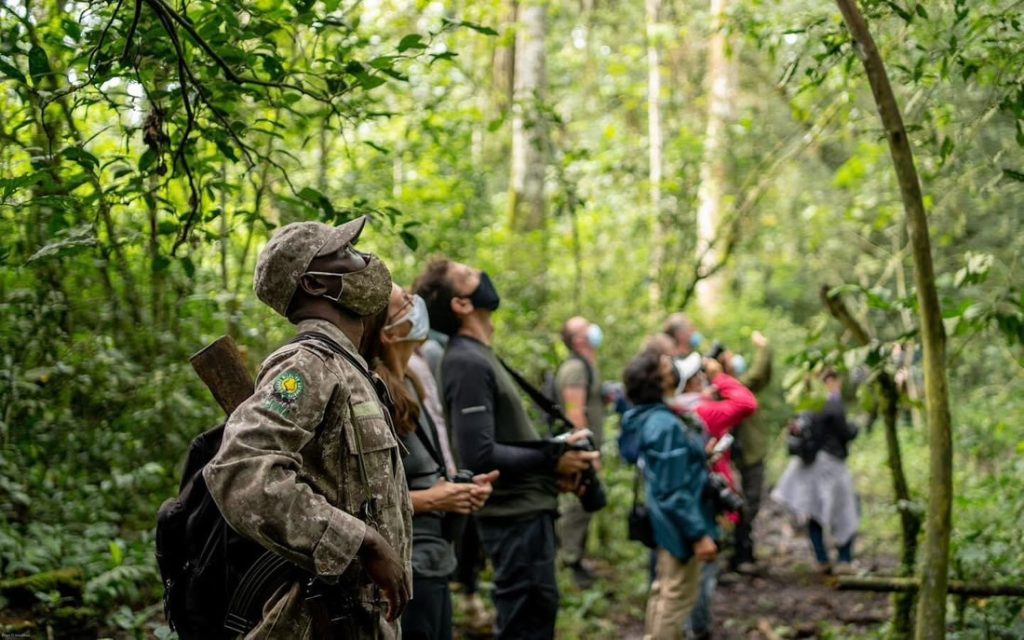
Yes, gorilla trekking is considered a very safe activity, largely due to the meticulous preparation and experienced personnel involved. Before each trek, park rangers and trackers locate the gorilla families, ensuring their calm demeanor. Your guides are highly trained professionals, knowledgeable about gorilla behavior and forest navigation, and they prioritize your safety at all times. They will brief you thoroughly on etiquette and safety protocols, such as maintaining distance, avoiding direct eye contact, and how to react if a gorilla approaches you or exhibits a display of dominance.
The habituation process means these gorilla families are accustomed to human presence, and incidents are exceedingly rare. Furthermore, both Uganda and Rwanda maintain stable security environments in the trekking regions, often supported by conservation efforts that benefit local communities. Any reputable safari operator, such as Ripple Safaris, works