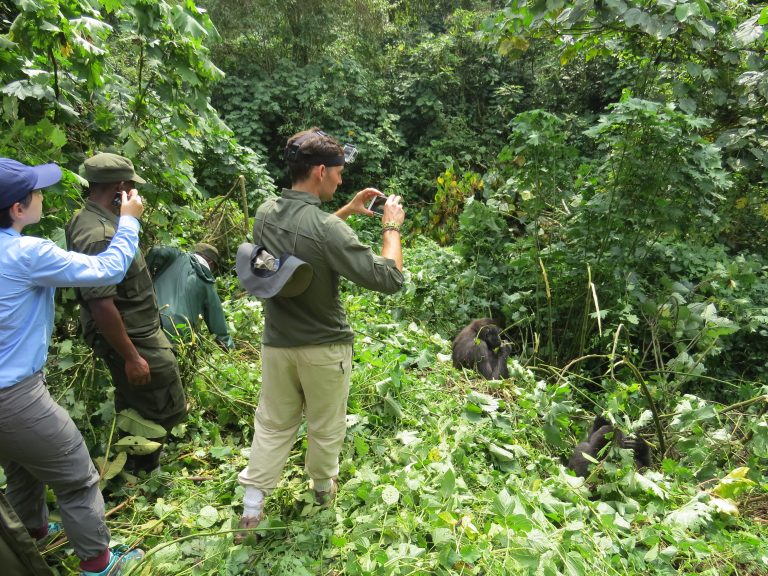
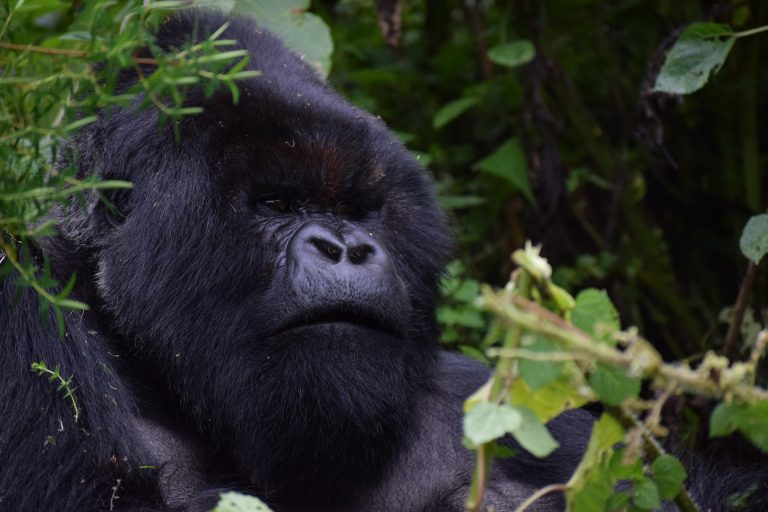
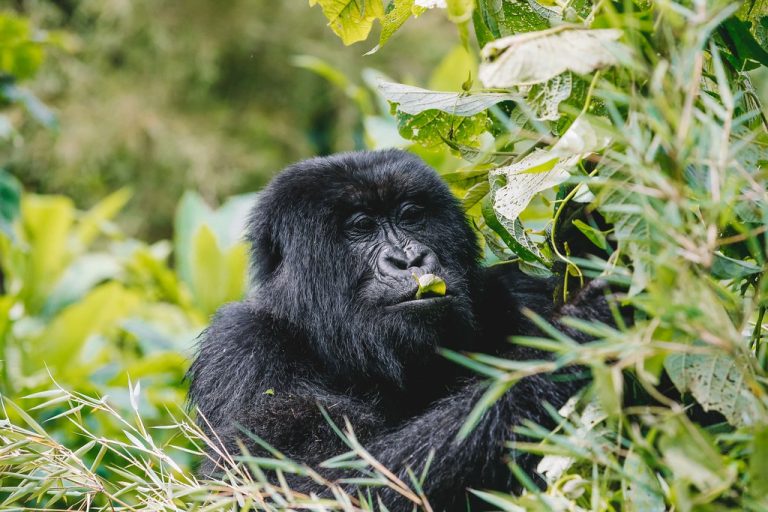
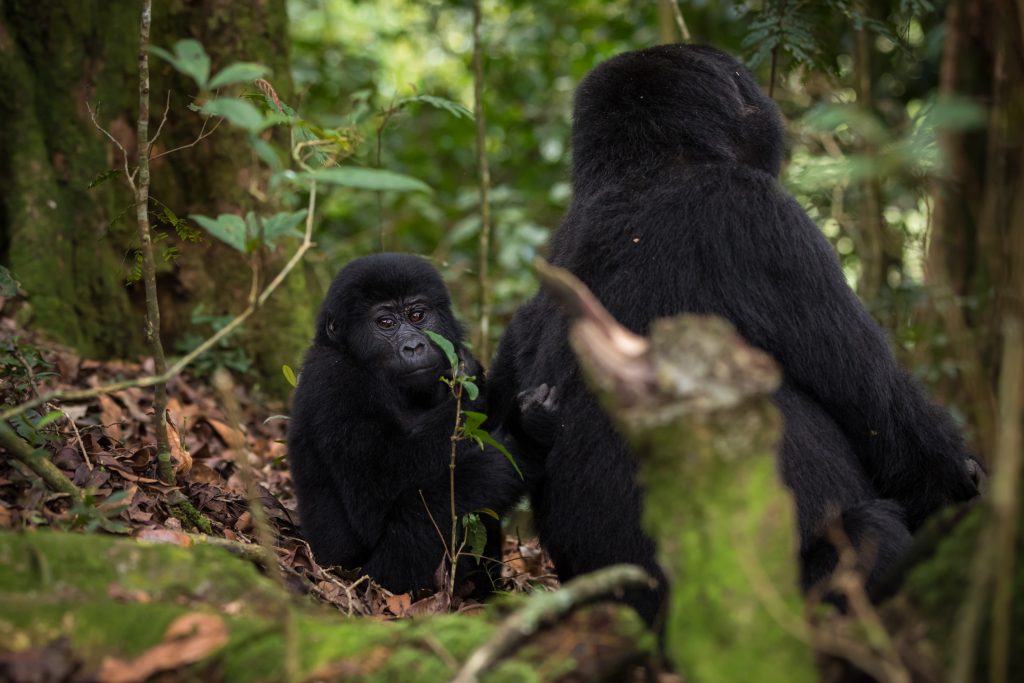
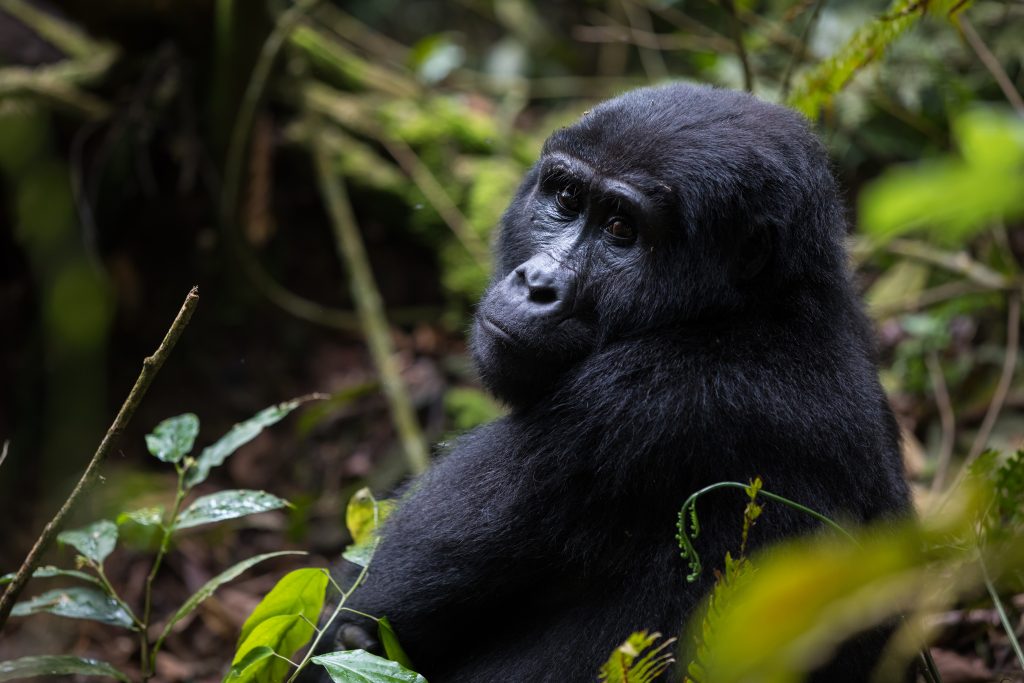
The air, thick with the scent of damp earth and decaying leaves, hung heavy, a living shroud muffling all but the most immediate sounds. Ahead, the tracker, barely visible through the tangle of lianas and giant ferns, paused, a subtle shift in his weight the only indicator. Rain, persistent yet gentle, began its rhythmic drumming on the dense canopy, transforming the forest floor into a shimmering mosaic of emerald and obsidian. My boots, heavy with mud, found precarious purchase on the slick roots that snaked across the path. Every muscle screamed a protest, yet the raw, primal energy of Bwindi’s ancient embrace was an irresistible draw. Then, a branch snapped with deliberate force, close. A low rumble vibrated through the very ground. This wasn’t a casual stroll; this was an immersion, a pilgrimage into a world where humanity is but a fleeting guest. And there, through a sudden parting in the dense undergrowth, a pair of ancient, knowing eyes met mine, utterly without judgment. That silent exchange, often misunderstood or underestimated, is the true heart of a gorilla trekking experience, an interaction far more profound than any photograph can convey. As a field veteran and your guide for Ripple Safaris, I’ve witnessed countless such moments, each a testament to the wild, untamed spirit of Uganda’s mountain gorillas.
What Serious Travelers Misread Before Arrival
Many arrive with a visual expectation, perhaps a glossy image from a magazine, a fleeting clip from a documentary. They anticipate the gorillas, of course, and the iconic opportunity to observe them. What is often misread, however, is the profound nature of the journey itself—the immersive sensory tapestry that unfolds long before a gorilla is spotted. This isn’t a theme park experience with predictable pathways and designated viewing platforms. It is an honest engagement with one of Earth’s last truly wild places, demanding an openness to the unpredictable rhythms of nature. The anticipation, the physical exertion, the complete detachment from modern distractions – these are not merely precursors to the main event, but integral components of the experience that shape your perception and deepen the eventual encounter.
The profound silence of the Impenetrable Forest is often the most striking feature for first-time visitors, a deep quietude punctuated only by the rustle of unseen creatures, the drip of water from leaves, or the distant call of a turaco. This absence of artificial sound demands a slower pace, a heightened awareness that readies the mind for the even more profound silence of meeting eyes with a mountain gorilla – an exchange that transcends language. Travelers often focus solely on the destination, overlooking how the raw, unfiltered environment prepares their spirit for such a deep connection. It’s in these moments of arduous ascent and quiet contemplation that the true value of the trek begins to reveal itself, long before the gentle giants come into view. This is not just a wildlife sighting; it is a personal challenge and a spiritual awakening, a reminder of our place within the delicate web of life.
Terrain, Altitude, and Fitness Reality
Let’s speak plainly: gorilla trekking in Uganda is not a walk in the park. The terrain within Bwindi Impenetrable National Park and Mgahinga Gorilla National Park is rugged, challenging, and often relentless. You will navigate steep ascents that demand strong legs and lungs, followed by equally demanding descents on tracks that can be slippery with mud, often feeling like greased glass underfoot. The forest floor is a dense tapestry of roots, fallen trees, and thick undergrowth that frequently requires the trackers to wield their machetes, carving a path where none visibly exists. This is not a manicured trail; it’s a wild, dynamic environment that changes with every rainfall.
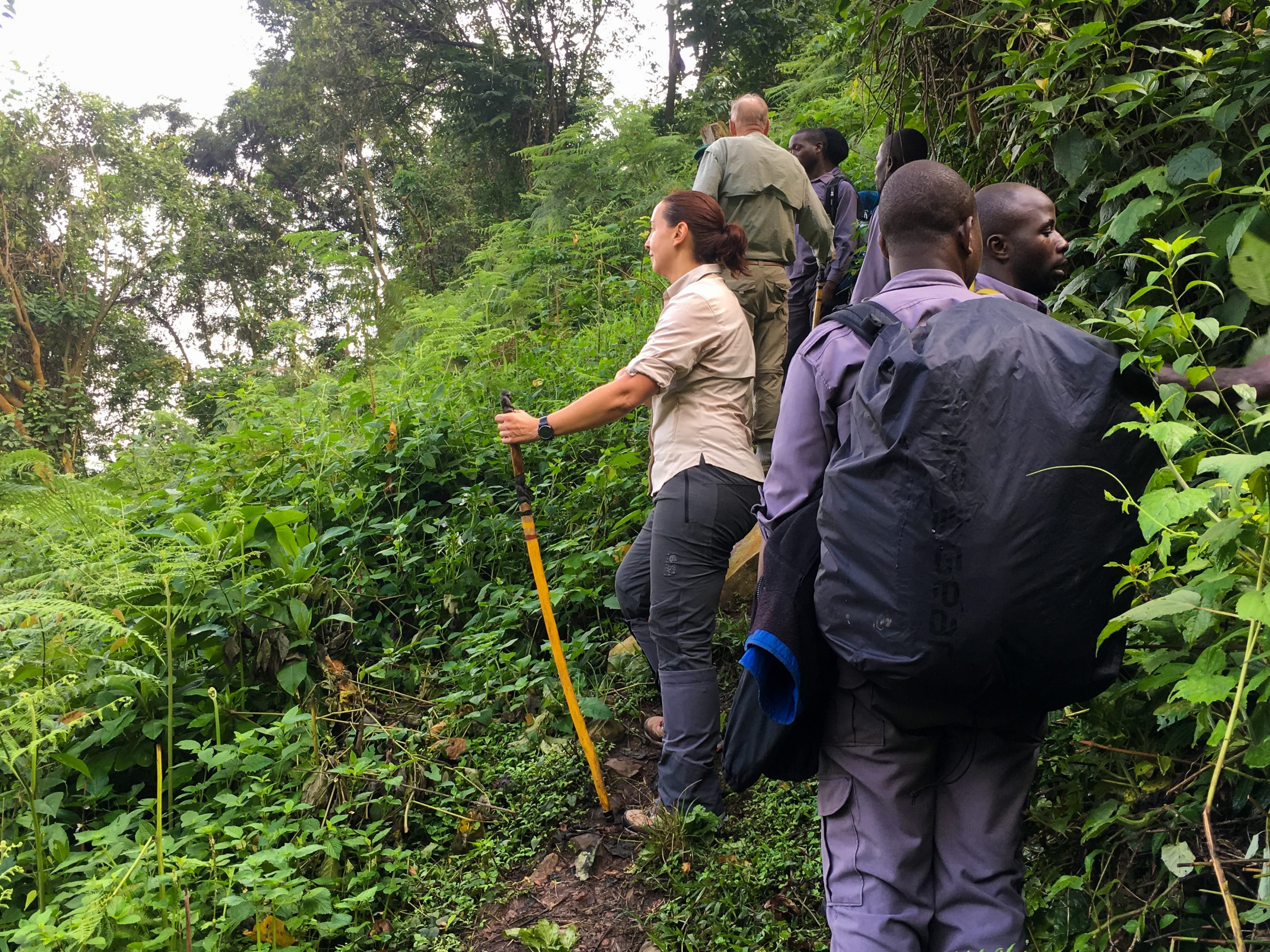
Underestimate the Bwindi terrain at your peril. This isn’t a manicured path; it’s a living, breathing, often demanding ecosystem. Your preparation, both physical and mental, will dictate not just your comfort, but your capacity to truly absorb the profound encounter when it finally arrives. While altitudes within Bwindi generally range from 1,160m to 2,607m (3,806ft to 8,553ft) and Mgahinga sits even higher, above 2,227m (7,306ft), the exertion often amplifies the effects of altitude. Expect humidity, occasional rain even in dry season, and hours of continuous physical activity, potentially ranging from two to eight hours or more. A good level of physical fitness, including cardiovascular endurance and strong leg muscles, is essential. Regular hikes, stair climbing, and general conditioning in the months leading up to your trek will significantly enhance your experience, allowing you to focus on the magic unfolding around you rather than your aching muscles.
Permit Strategy and Route Planning
Securing your gorilla permit isn’t merely a booking; it’s the anchor of your entire Ugandan safari. For prime dates or specific sectors within Bwindi, planning 6 to 12 months ahead is less a suggestion and more an absolute necessity. Overlooking this crucial timeline can mean the difference between a dream realized and a significantly altered itinerary, or even missing the opportunity entirely. Permits for Uganda are priced at USD 800 for 2026, a substantial investment that directly fuels the critical conservation efforts safeguarding these magnificent primates. The limited number of permits issued daily is a deliberate strategy to minimize human impact on the gorilla families and their fragile habitat, ensuring their long-term survival.
Uganda offers trekking in two distinct parks: Bwindi Impenetrable National Park and Mgahinga Gorilla National Park. Bwindi, a UNESCO World Heritage site, is by far the larger and more popular, home to a significant portion of the world’s mountain gorilla population, distributed across four main trekking sectors:
- Buhoma Sector (North): Generally offers slightly less strenuous treks and is logistically convenient, often chosen for its accessibility and well-established infrastructure.
- Ruhija Sector (East): At higher altitudes, treks here can be more challenging and fewer permits are available, often appealing to those seeking a quieter experience.
- Nkuringo Sector (South): Known for its generally steeper climbs and more arduous treks, rewarding those with excellent fitness with stunning views and potentially longer encounters.
- Rushaga Sector (South): Features the highest number of habituated families, offering excellent flexibility for permit availability and varied terrain, from moderate to very challenging.
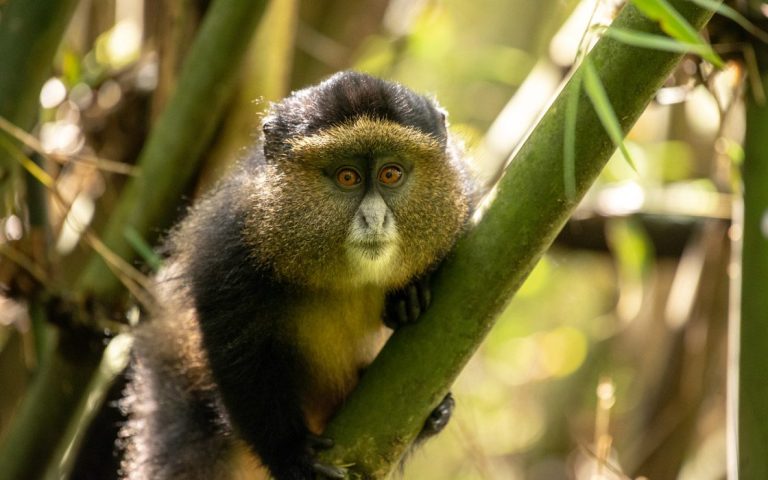
Mgahinga Gorilla National Park, while smaller and home to fewer habituated families (typically one or two), offers a unique opportunity to combine gorilla trekking with golden monkey tracking or ascents of the Virunga volcanoes. Its higher altitude demands robust fitness, but the landscapes are breathtaking. Your choice of sector in Bwindi, or indeed between Bwindi and Mgahinga, profoundly shapes the logistical challenges, the nature of the trek, and potentially the duration and intensity of the gorilla encounter. This is a critical discussion point with your Ripple Safaris expert, ensuring your physical capabilities and preferences align with the reality of your chosen trekking location.
Habitat Reading and Animal Behavior Cues
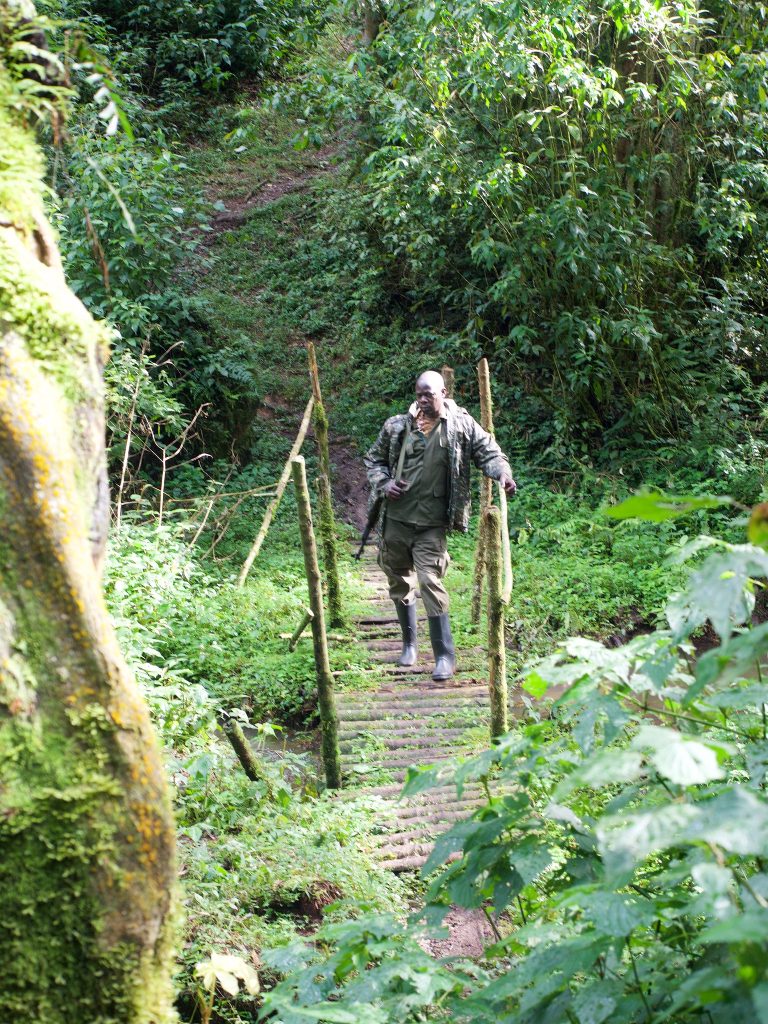
Stepping into the gorillas’ world requires more than just physical readiness; it demands a keen awareness and an ability to ‘read’ the forest. Our trackers and guides are masters of this art, possessing an intimate, almost instinctive understanding of the gorilla’s daily patterns and the subtle cues their environment provides. They look for freshly broken vegetation, the size and shape of dung, and specific footprints in the mud – each detail narrating the recent passage of a family. The distinct scent of gorillas, often described as a musky, damp earth aroma, can be a clear sign of their proximity. This deep understanding is precisely what Ripple Safaris prioritizes, ensuring your experience is guided by unparalleled local expertise.
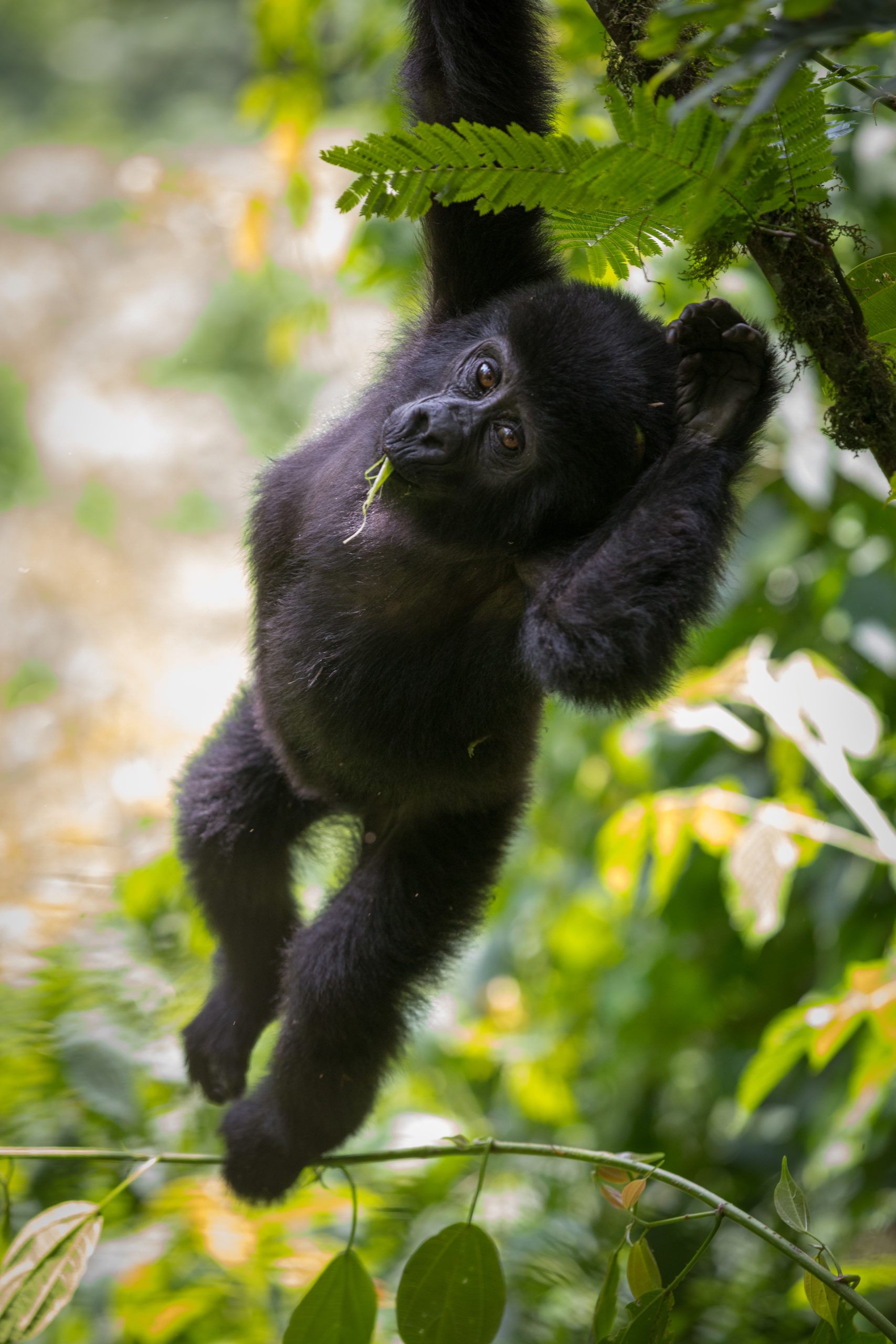
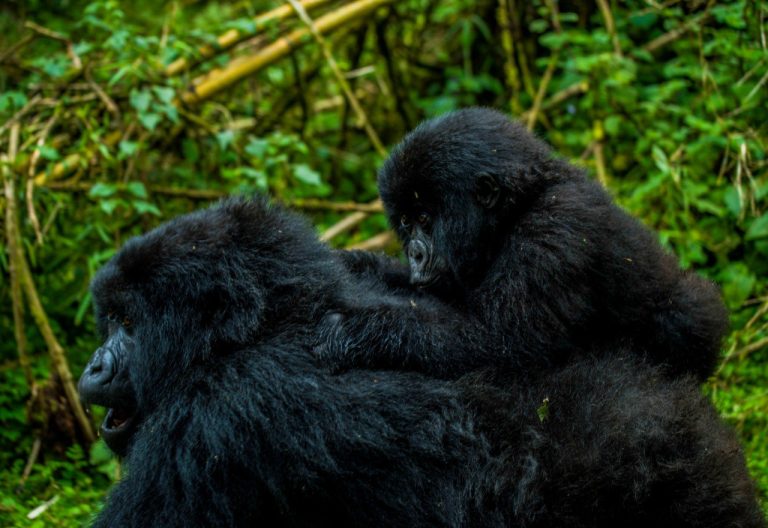
Once near a family, the true art of observation begins. Gorillas communicate through a complex repertoire of vocalizations and body language. A soft belch can signal contentment, while a louder hoot might indicate curiosity or a warning. Chest-beating, most commonly performed by silverbacks, is often a display of power or an assertion of dominance, rarely aggressive unless provoked. We learn to interpret their movements: the casual grooming sessions that solidify social bonds, the playful rough-and-tumble of the youngsters, the measured foraging for bamboo shoots or wild celery. Observing these behaviors not only deepens your appreciation but also reinforces the incredible insight our guides possess, translating the unspoken language of the forest into a truly immersive educational experience. It’s not just about finding them; it’s about understanding the silent dialogue of the forest, reading the subtle signs that narrate their daily lives.
Packing Decisions That Actually Matter
Beyond the generic packing lists, certain items are genuinely transformative for a comfortable and safe gorilla trek. Your choice of footwear is paramount: sturdy, well-broken-in waterproof hiking boots with excellent ankle support are non-negotiable. Forget fashion; prioritize grip, durability, and comfort. Directly following those are high-quality gaiters, extending from your boot tops to just below your knee. These are absolute saviors, preventing mud, moisture, and stinging nettles from entering your boots and protecting your lower legs from scratches in the dense undergrowth. Many trekkers, myself included, also advocate for a pair of thick gardening gloves or similar tough, protective gloves to help you grip onto branches, vines, and roots as you navigate the steep, slippery terrain.
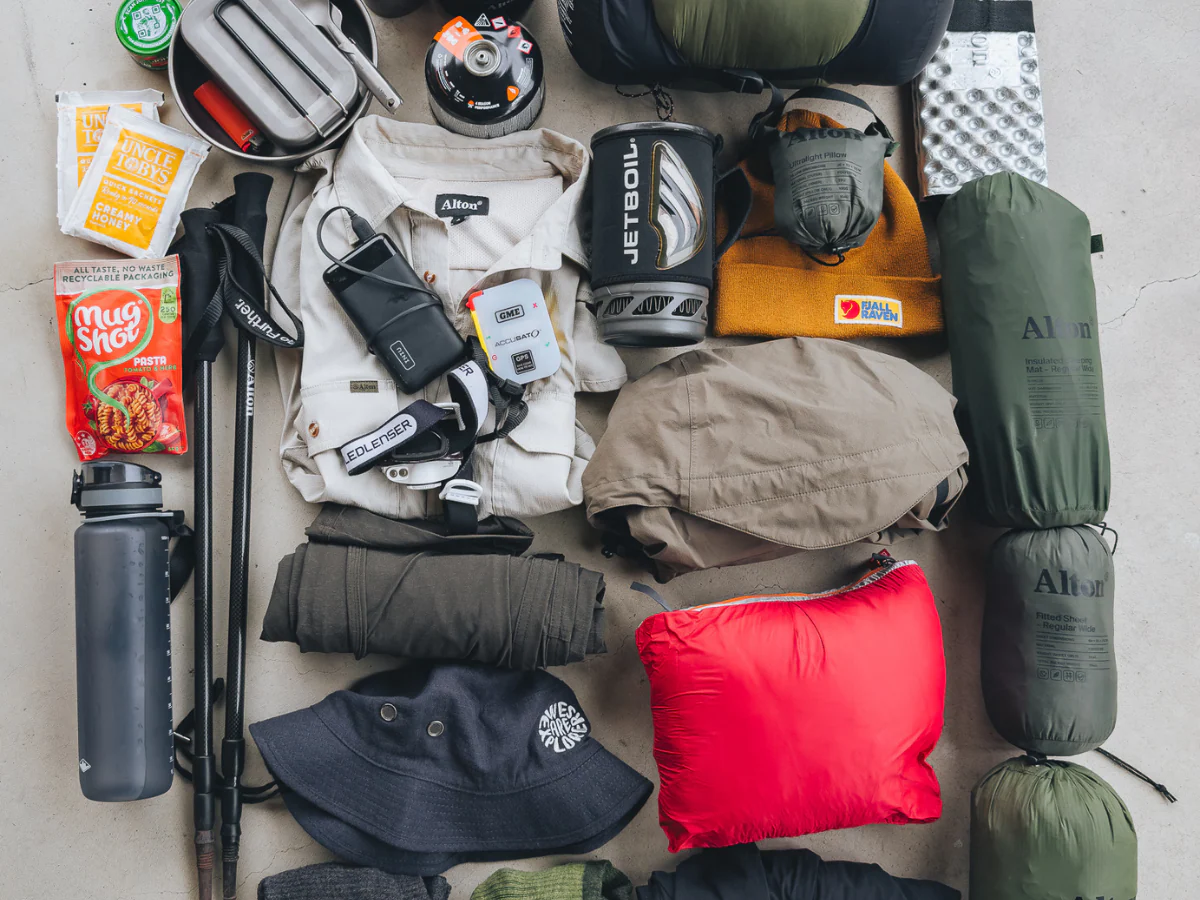
Layering is key for clothing. Start with moisture-wicking base layers, add a warm fleece or jumper, and top it with a waterproof and windproof jacket and trousers. The forest can be humid and warm one moment, then cool and rainy the next. Long sleeves and trousers are essential, not just for warmth, but for protection against insects, scratches, and stinging plants. Other often-overlooked essentials include:
* A small, waterproof daypack: To carry your water, snacks, camera gear, and extra layers, keeping your hands free.
* Reusable water bottle (at least 2 liters): Hydration is critical for both the physical exertion and the altitude.
* Snacks: Energy bars, nuts, or dried fruit for sustained energy during the trek.
* Camera protection: A waterproof bag or cover for your camera, even if it’s rated weather-resistant.
* Insect repellent: Essential, especially for mosquitoes and tsetse flies.
* Sun hat or cap: For protection during open stretches or while waiting at the trailhead.
* Basic personal first-aid kit: Including blister plasters, pain relievers, and any personal medications.
These thoughtful packing decisions, often gleaned from hard-earned field experience, will make a significant difference in your overall comfort and enjoyment.
On-the-Ground Etiquette With Guides and Rangers
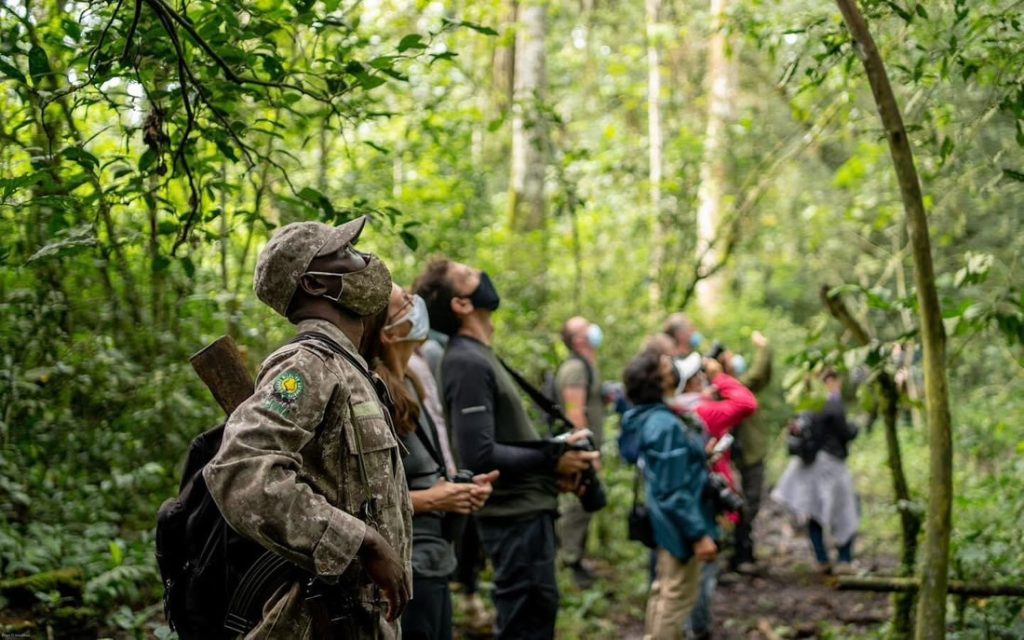
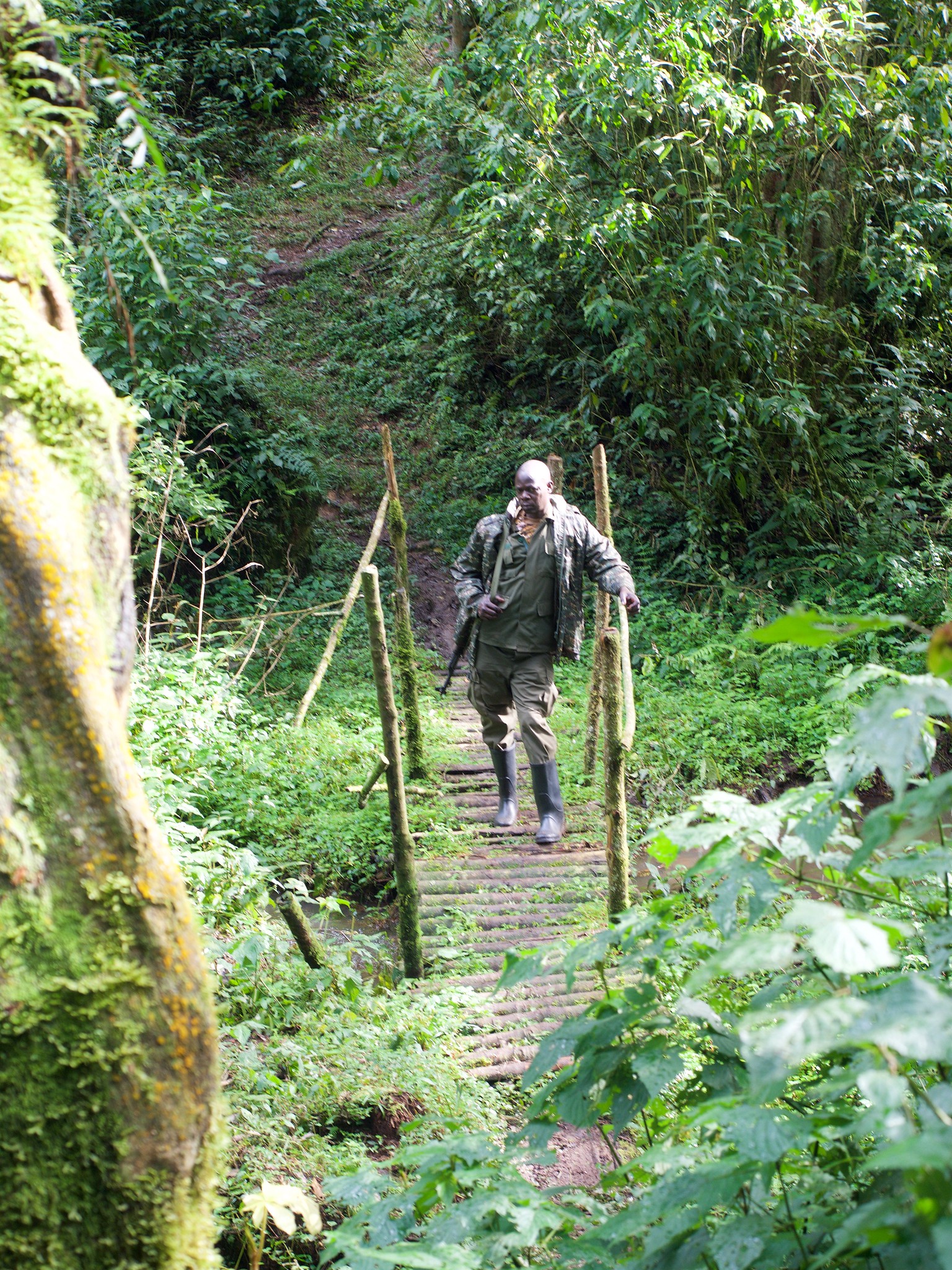
The success and ethical integrity of your gorilla trekking experience hinge heavily on your conduct on the ground, particularly in your interactions with the guides, rangers, and the gorillas themselves. These individuals are not merely escorts; they are highly trained conservationists, trackers, and local experts whose lives are dedicated to the protection of these magnificent animals and their habitat. Listening attentively to their instructions is paramount. Their directives regarding distance, movement, and behavior are not suggestions; they are rules established for your safety, the gorillas’ well-being, and the longevity of the entire conservation effort. Your respect for their authority and knowledge is a fundamental component of responsible trekking.
Beyond respecting the immediate instructions, there are deeper layers of etiquette. Maintaining the prescribed 7-meter distance from the gorillas is crucial to minimize stress to the animals and prevent the transmission of human diseases. Mountain gorillas share approximately 98% of our DNA, making them highly susceptible to common colds, flu, and other pathogens that could devastate a family. If you feel unwell on the morning of your trek, it is imperative to disclose your symptoms immediately; your guide will advise on the best course of action. Furthermore, consider hiring a local porter at the trailhead. This small act of support, typically around $15-20, not only lightens your load on challenging terrain but also provides vital income to local communities, reinforcing their stake in gorilla conservation. This direct economic benefit underscores the sustainable tourism model that Ripple Safaris actively champions.
Common Planning Errors and How to Avoid Them
Even the most meticulous travelers can fall prey to common missteps when planning a gorilla trek. Understanding these pitfalls ahead of time is key to ensuring a seamless and deeply rewarding experience.
First, underestimating the physical demands is a significant error. Many travelers, perhaps accustomed to gentler safaris, arrive unprepared for the challenging terrain. As discussed, this isn’t a casual stroll.
* Avoid: Expecting a short, easy walk regardless of your fitness level.
* How to avoid: Engage in regular cardiovascular exercise, hill walking, and strength training for several months before your trip. Be honest with yourself and your safari consultant about your physical capabilities so the most suitable trekking sector can be identified.
Second, booking permits too late is a chronic issue, particularly for popular seasons or specific trekking regions. Gorilla permits are highly limited.
* Avoid: Assuming last-minute availability or that you can simply show up and trek.
* How to avoid: Work with your tour operator to secure permits 6 to 12 months in advance, especially for peak dry seasons (June-September, December-February) or if you have specific dates in mind.
Third, ignoring the importance of proper gear can severely diminish your comfort and safety.
* Avoid: Bringing inadequate footwear, non-waterproof clothing, or neglecting essentials like gaiters and gloves.
* How to avoid: Invest in the recommended packing list. High-quality, broken-in waterproof hiking boots, rain gear, and protective layers are investments in your experience, not just optional extras.
Fourth, failing to factor in adequate travel time between different safari components or even between sectors within Bwindi. Ugandan roads can be slow, bumpy, and unpredictable.
* Avoid: Scheduling tight connections or trying to cram too much into too few days.
* How to avoid: Build in buffer days and allow generous travel times. Sometimes, an extra night in a lodge closer to your trekking start point is a wise investment to avoid rushed mornings.
Finally, holding overly rigid expectations of the gorilla encounter. While viewing success rates are incredibly high, the exact duration, proximity, and behaviors observed are entirely up to the wild gorillas.
* Avoid: Expecting a perfectly choreographed wildlife documentary scene or being disappointed if a family is resting or feeding quietly.
* How to avoid: Embrace the unpredictability of nature. Approach the trek with an open mind, ready to appreciate any interaction, however brief or distant. Remember, simply being in their presence is the true privilege, and every encounter is unique and profound.
Frequently Asked Questions
Is gorilla trekking safe and ethical for both humans and gorillas?
Gorilla trekking, when undertaken with reputable operators like Ripple Safaris and within the established park regulations, is remarkably safe and rigorously ethical. The stringent rules, such as maintaining a 7-meter distance and adhering to strict health protocols, are in place precisely to protect both the highly susceptible gorillas from human diseases and visitors from potential aggression, though incidents are exceedingly rare. Park rangers and guides are highly trained professionals, often former poachers turned conservationists, who understand gorilla behavior intimately, ensuring a respectful and secure encounter. Your safety is paramount, and their expertise is your best assurance in the wild.
Beyond personal safety, the ethics of gorilla trekking are strongly aligned with conservation. The substantial permit fees directly fund anti-poaching efforts, habitat protection, and community development projects, providing a tangible economic incentive for local populations to protect these magnificent creatures. By participating in a trek, you become a direct contributor to the survival of the mountain gorillas, transforming tourism into a powerful tool for conservation. Ripple Safaris is deeply committed to these principles, ensuring that every trek supports sustainable practices and benefits both wildlife and local communities.
What is the best time of year to undertake a gorilla trek in Uganda?
While gorilla trekking is a year-round activity in Uganda, the dry seasons, typically from June to September and December to February, are generally considered the most favorable times. During these months, the forest trails are less muddy and slippery, making the trek physically less demanding and potentially quicker. The clearer skies also tend to offer better opportunities for photography and more comfortable conditions overall, as you’re less likely to be trekking through persistent rain.
However, the ‘wet seasons’ (March-May and October-November) offer their own distinct advantages that discerning travelers might appreciate. The forest is incredibly lush and vibrant after the rains, and the air is often clearer for stunning landscape views. While trails can be more challenging, gorillas often stay at lower altitudes during these periods, as food is abundant, which can sometimes lead to shorter trek durations and closer encounters. Furthermore, permit availability is generally better, and lodges may offer lower rates, providing a more exclusive and budget-friendly experience.
Are there any age or fitness restrictions for gorilla trekking?
Yes, there is a mandatory minimum age requirement of 15 years for gorilla trekking in Uganda. This rule is in place for several reasons, including the demanding physical nature of the trek, the need for mature judgment when interacting with wild animals, and the strict adherence to safety protocols. There is no official upper age limit, but all participants must be in good general health and possess a reasonable level of physical fitness to handle the strenuous, multi-hour trek through dense forest and challenging terrain. Anyone with pre-existing medical conditions should consult their doctor and inform their safari operator prior to booking.
Beyond the age restriction, the primary ‘restriction’ is your personal fitness level. Treks can range from 2 to 8 hours or more, involving steep climbs, slippery slopes, and pushing through thick vegetation. While porters are available to assist with bags and offer a helping hand on difficult sections, a baseline of cardiovascular fitness, strong legs, and a positive mental attitude are crucial. Visitors who are honest about their physical capabilities allow their Ripple Safaris consultant to advise on the most suitable trekking sector and ensure adequate preparations are made, such as pre-trek conditioning.
What happens if we don’t manage to find the gorillas during our trek?
The success rate for gorilla trekking in Uganda is exceptionally high, typically exceeding 98%. This remarkable consistency is largely due to the extraordinary skill and dedication of the park rangers and trackers. These professionals are in the forest from dawn, locating the gorilla families’ overnight nests and tracking their movements, often several hours before trekkers even begin their journey. They use an intricate knowledge of the gorillas’ habits, their preferred feeding grounds, and the unique signs they leave behind, ensuring that by the time your group sets out, the location of a habituated family is generally known.
While encountering wild animals is never an absolute guarantee, due to their unpredictable nature and vast habitat, the extensive tracking efforts mean that it is extremely rare for a group to return without a successful sighting. In the highly unlikely event that a group fails to find gorillas within the permitted trekking hours, and this is typically only in extreme weather or truly unusual circumstances, park authorities do not offer refunds. However, the comprehensive tracking network and the sheer determination of the guides ensure that nearly every trek culminates in that unforgettable, profound encounter.</