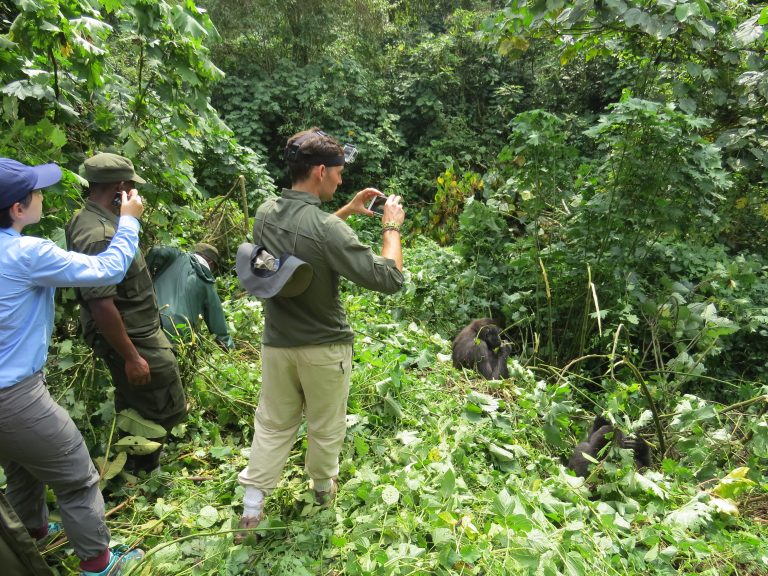
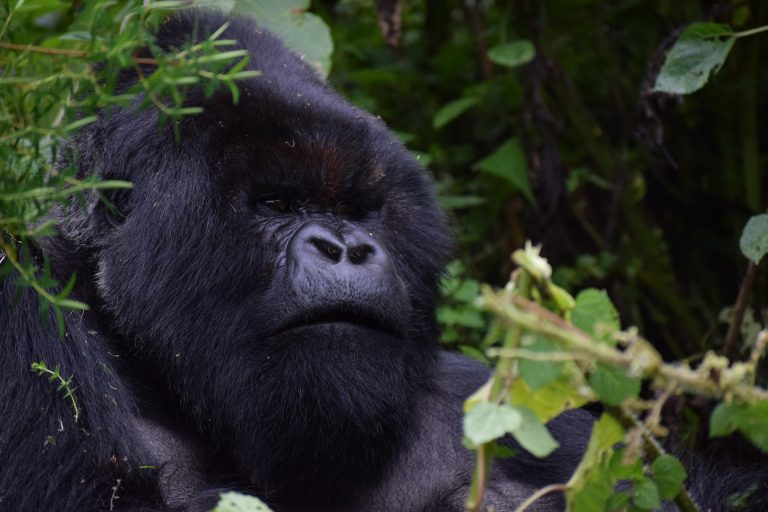
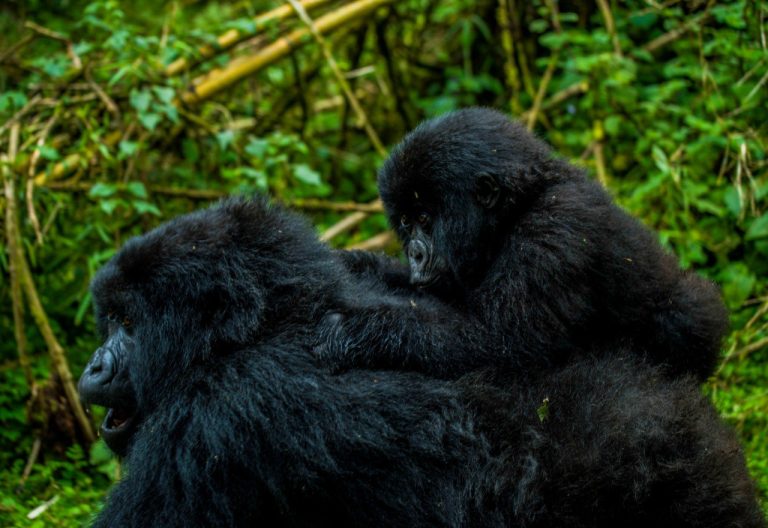
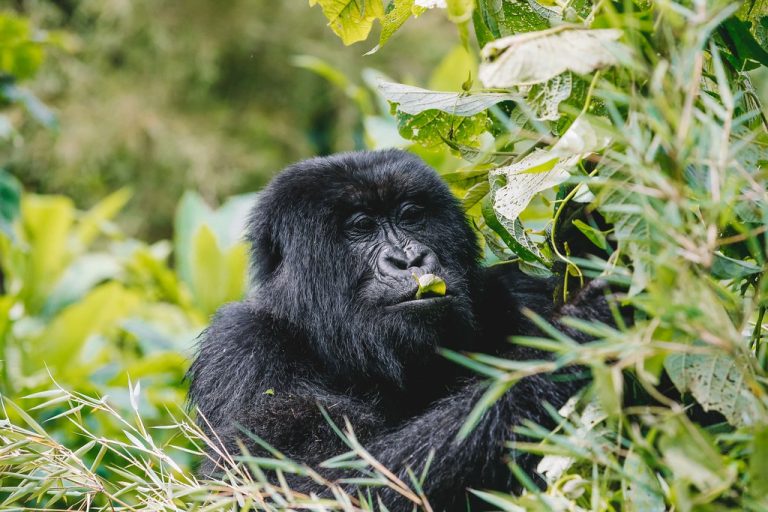
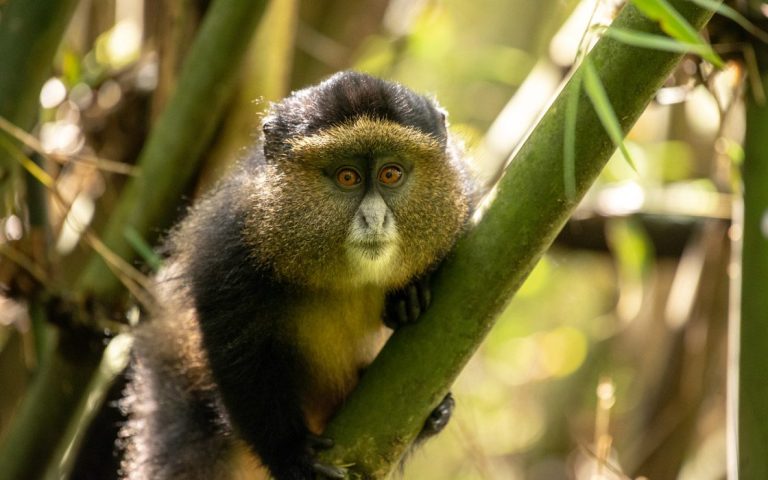
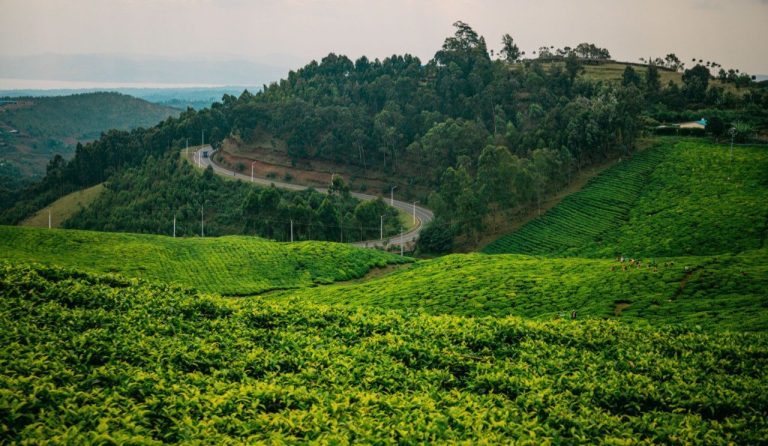
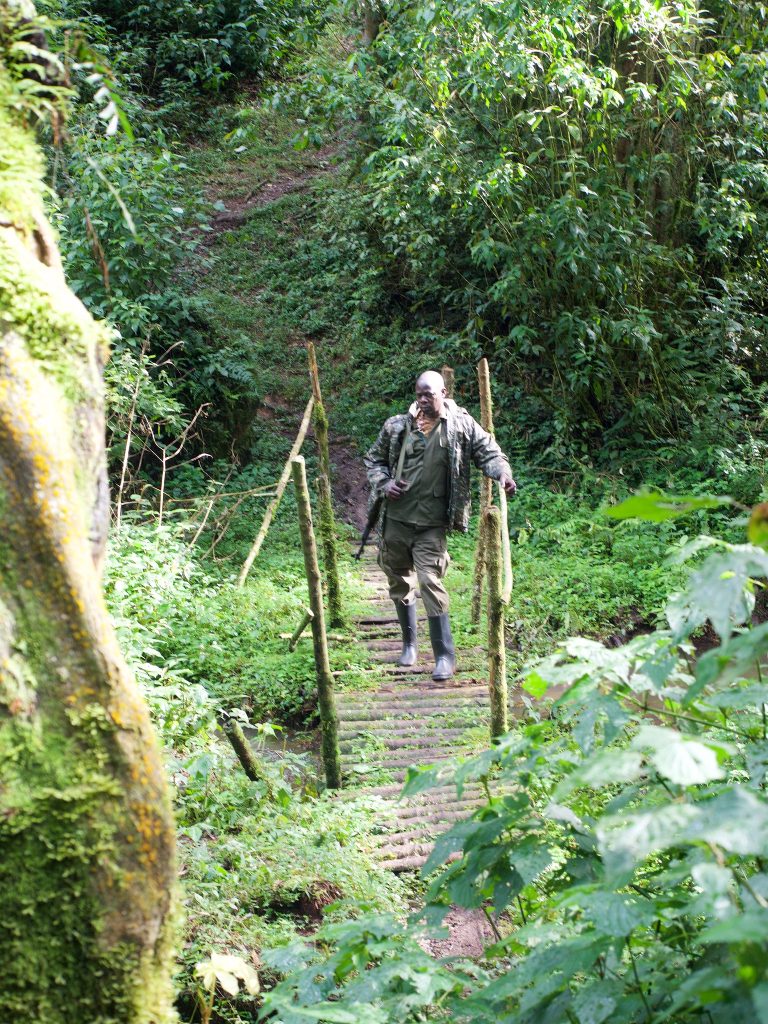
For the discerning explorer, the journey into the heart of Africa’s emerald forests to encounter mountain gorillas is a profoundly personal pilgrimage. It transcends mere tourism, offering an unparalleled connection to the wild. Yet, the quality and character of this intimate engagement are inextricably linked to a factor often oversimplified: the season. At Ripple Safaris, we understand that the distinction between a good trek and an exceptional one frequently hinges on understanding the subtle, yet significant, interplay of weather patterns, forest dynamics, and primate behavior. As we look towards 2026, a truly informed approach to planning your gorilla encounter demands a deeper dive into seasonal intelligence, moving beyond the conventional wisdom to reveal the nuanced realities on the ground.
The equatorial climate of Uganda, home to the vast majority of the world’s mountain gorillas, defies the simple four-season model familiar to many. Instead, we speak of wet and dry periods, a cyclical rhythm that dictates everything from the density of the foliage to the accessibility of trails, and even the very movements of the gorilla families themselves. This is not merely a matter of comfort, but a fundamental consideration impacting visibility, photographic opportunities, the physical demands of the trek, and ultimately, the profoundness of your wilderness immersion. Our objective here is to furnish you with the expert perspective required to navigate these choices, ensuring your 2026 gorilla trekking experience is tailored not just to your calendar, but to your deepest aspirations.
How Seasonality Really Affects Trekking
The concept of ‘season’ in a tropical rainforest setting, particularly within the mountainous confines of Bwindi Impenetrable National Park or Mgahinga Gorilla National Park, holds a significance far beyond mere temperature fluctuations. These regions experience two primary dry seasons and two wet seasons annually, each presenting a distinct suite of conditions that directly influence the trekking experience. Understanding these macro-climatic shifts is the first step in appreciating the true impact on your journey.
During the dry seasons, typically from June to September and then again from December to February, the forest floor often firms, river crossings become less challenging, and the trails, while never entirely devoid of mud, are generally more manageable. The vegetation, while still incredibly dense, can sometimes offer slightly improved sightlines as growth slows compared to the deluge of the wet months. Conversely, the wet seasons—March to May and October to November—transform the landscape. Torrential downpours are not uncommon, turning trails into slippery conduits, swelling streams, and invigorating the already vibrant flora into an almost impenetrable green fortress. This isn’t just a matter of precipitation; it’s a fundamental reshaping of the entire environment, influencing everything from insect activity to the very air you breathe.
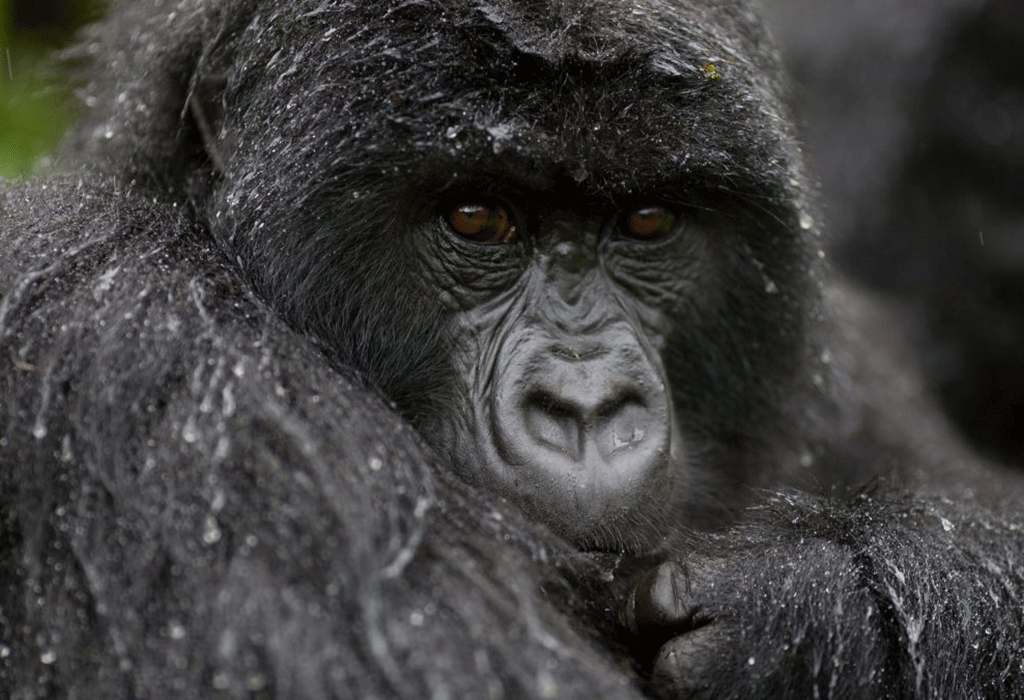
The gorillas themselves are creatures of habit and opportunity, and while their range is primarily dictated by food availability and family dynamics, seasonal shifts can subtly influence their movements. During the wet season, an abundance of fresh shoots and fruits across various altitudes might allow them to stay lower on the slopes, potentially leading to shorter trekking times for some groups. In the drier periods, specific water sources or the ripening of particular fruits might draw them to certain areas, sometimes higher up or deeper within the forest. Therefore, seasonality is not just about human comfort; it’s about the intricate ecosystem in which these magnificent primates thrive, and how our presence within it is shaped by nature’s grand design.
Dry Season Advantages and Hidden Drawbacks
The dry seasons are perennially championed as the ‘best time’ for gorilla trekking, a recommendation largely rooted in practical considerations of comfort and accessibility. Indeed, there are tangible advantages. Trails are typically firmer, reducing the strenuousness of ascents and descents and minimizing the risk of slips. The slightly lower rainfall can mean fewer biting insects, though tropical environments always maintain a healthy population. For many, the prospect of navigating less mud and encountering clearer skies contributes significantly to peace of mind, allowing for a more focused appreciation of the journey rather than the immediate physical challenge.
Furthermore, photographic endeavors often benefit from consistent light conditions, even if the jungle canopy perpetually filters much of it. The dry earth, while perhaps dusty in places, generally means less mud spatter on lenses and equipment, offering a degree of operational ease. During these periods, the cumulative effect of drier conditions can make the forest feel more open, a perception that can enhance the feeling of progress and visibility, albeit marginally, within the perpetually dense foliage. These factors undeniably contribute to the popularity of these months, making them the preferred choice for a substantial number of our clients at Ripple Safaris.
However, an exclusive focus on these advantages overlooks several nuanced drawbacks that an experienced traveler should consider. The very popularity of the dry season leads to significantly higher demand for gorilla permits, often necessitating booking 12 to 18 months in advance for prime dates in 2026. This also translates to peak season pricing for flights and accommodation, stretching budgets further. More trekkers on the trails can sometimes detract from the feeling of pristine wilderness, even if group sizes for gorilla encounters are strictly limited. Beyond logistics, the forest itself can feel less vibrant; while easier to traverse, the intense lushness and life-affirming verdant hues that define a rainforest can be slightly subdued. One expert caution: even in the ‘dry’ season, rain showers are always a possibility in a rainforest, and patches of mud are an ever-present feature on these ancient trails, so expecting bone-dry conditions would be a misjudgment. The true wilderness always presents its challenges, regardless of the calendar.
Rainy Season Benefits Most Tourists Ignore
While the dry seasons claim the lion’s share of popular appeal, the wet seasons, occurring from March to May and October to November, harbor a secret trove of benefits that discerning travelers often discover to be profoundly rewarding. The prevailing narrative of ‘mud and difficulty’ often overshadows the unique allure these periods present, transforming what might seem like a deterrent into an unparalleled opportunity for a deeper, more intimate engagement with the forest and its inhabitants. At Ripple Safaris, we consider these ‘shoulder’ and ‘off-peak’ months to be genuinely exceptional for certain types of expeditions.
Foremost among these advantages is the sheer vibrancy of the rainforest. The frequent downpours awaken the ecosystem, painting the landscape in a thousand shades of emerald. The foliage is at its most verdant, dense, and breathtakingly beautiful, offering photographers unparalleled opportunities for capturing the intense, saturated greens that define this habitat. The air, refreshed and cleansed by the rain, often carries the rich, earthy scent of damp soil and blossoming flora, heightening the sensory immersion. Mist often hangs low in the valleys during the early mornings, creating ethereal, dramatic backdrops that transform a gorilla encounter into something truly cinematic and mystical.
Beyond aesthetics, the practical benefits are compelling. With fewer trekkers choosing these months, the trails feel more exclusive, and the lodges quieter, often offering more personalized service and a palpable sense of tranquility. Permit availability is significantly better, allowing for more flexible planning, sometimes as close as three to six months out for 2026 bookings. While the permit price itself remains fixed, overall safari costs, including accommodation and flight deals, can be more favorable. Furthermore, a nuanced observation suggests that during periods of abundant rainfall, gorillas may find food sources more readily available at lower altitudes, potentially leading to less strenuous treks on some occasions. Though this is never a guarantee, the reduced pressure on the forest and the heightened sense of immersion often experienced by rainy season trekkers contribute to a truly unforgettable and deeply rewarding journey, defying the common misconception that these periods are merely ‘challenging’.
Micro-Climate, Trail Conditions, and Visibility
The broad classifications of ‘wet’ and ‘dry’ season, while useful for general planning, often gloss over the intricate realities of the East African highlands. Within the montane rainforests of Bwindi and Mgahinga, microclimates are a dominant force, creating localized variations in weather that can defy regional forecasts. A sector of Bwindi, such as Buhoma in the north, might experience different rainfall patterns or intensity compared to Rushaga or Nkuringo in the south, owing to variations in altitude, prevailing winds, and topography. This means that while a specific month might be generally ‘dry,’ a sudden, localized shower is always a possibility, and vice versa. Trekkers must approach their journey with the understanding that the weather in a rainforest is dynamic and highly localized.
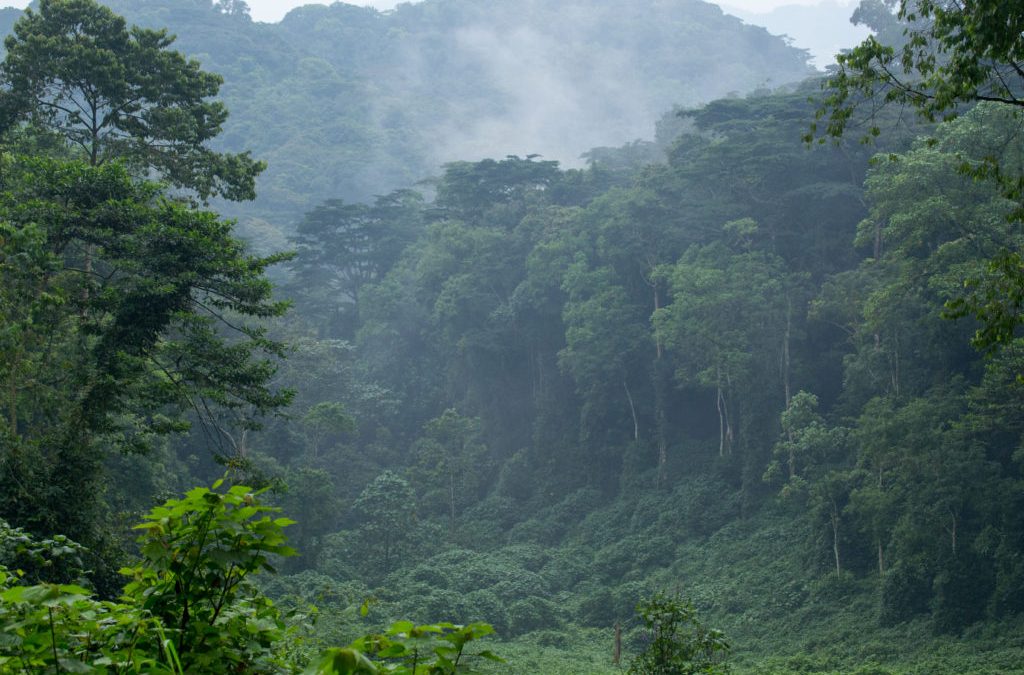
Trail conditions are a direct consequence of these microclimatic nuances. Even in the dry season, trails can be slick with morning dew, covered in decaying, wet leaves, or feature boggy sections where natural springs maintain moisture year-round. Conversely, a sunny spell during the wet season can dry out exposed parts of the trail remarkably quickly. The consistency of the mud itself varies – from thick, heavy clay that clings to boots, to fine, slippery silt that requires careful footing. Guides, intimately familiar with their respective sectors, are expert readers of these conditions, choosing routes that balance safety with the likelihood of finding the gorilla family. Their deep knowledge ensures that despite challenging conditions, the trek remains as safe and efficient as possible.
Visibility, too, is a complex interplay of seasonal factors and microclimates. During the wet season, while rain itself can momentarily obscure views, the subsequent mist and cloud cover often create an incredibly atmospheric scene, albeit one that demands patience from photographers. The dense, invigorated foliage can make spotting gorillas more challenging from a distance, requiring trackers to get closer, enhancing the feeling of intimacy once contact is made. In the dry season, reduced undergrowth might offer slightly clearer lines of sight in certain areas, but the pervasive dust can sometimes create its own haze, and strong sunlight filtered through the canopy can present its own photographic challenges with stark contrasts. Ultimately, both seasons offer unique visual opportunities, and adapting one’s expectations to the prevailing conditions is a key element of a successful and rewarding trek.
Pricing, Availability, and Booking Windows
Understanding the economics of gorilla trekking permits and broader safari logistics is paramount for any traveler considering a 2026 expedition. Gorilla permits in Uganda are priced uniformly throughout the year, regardless of the season, a strategy designed to support conservation efforts consistently. However, the indirect costs and availability dynamics shift dramatically between the dry and wet seasons, acting as significant influencers on overall trip planning and budget.
The dry seasons (June-September and December-February) are universally recognized as peak travel periods. This surge in demand directly impacts permit availability: they often sell out a year, sometimes even 18 months, in advance for prime dates. For travelers aiming for specific days or preferring to trek with particular groups or in specific sectors, securing permits far in advance is not just advisable, it’s absolutely critical. This high demand extends beyond permits to flights, particularly international routes into Entebbe, and to accommodation, where lodges in and around the national parks operate at near-full capacity and charge their highest rates. For those with fixed holiday schedules or a preference for the ‘guaranteed’ ease of dry conditions, early planning is not merely a recommendation but a strict necessity for a 2026 journey.
Conversely, the wet seasons (March-May and October-November) present a distinctly different landscape regarding logistics and cost-effectiveness. While the permit fee remains constant, the reduced tourist traffic during these periods translates into significantly better availability for permits. Travelers often find they can secure their desired trek with as little as three to six months’ notice, offering much greater flexibility. Furthermore, many lodges, especially those not at the ultra-luxury tier, offer attractive discounts or special packages during these ‘off-peak’ months, and international flight prices can also be more competitive. This can translate into substantial savings on the overall safari cost, making a gorilla trek more accessible for budget-conscious travelers without compromising the core experience. A practical planning insight: if your schedule allows for flexibility and you appreciate a more exclusive feel, the wet seasons offer compelling value and easier logistical arrangements for your 2026 encounter.
Pairing Trekking With Wildlife Safaris by Season
The decision to undertake a gorilla trek is often part of a broader African safari ambition. How the seasonal conditions for gorilla trekking align with optimal wildlife viewing in Uganda’s diverse savannah parks is a critical consideration for itinerary design. The varying climate across different ecosystems means that choosing your trekking season has a direct ripple effect on the rest of your safari experience.
During the dry seasons, the conditions are typically excellent for traditional game viewing in parks like Queen Elizabeth, Murchison Falls, and Lake Mburo. The vegetation in these savannah environments thins out, making it easier to spot animals. Furthermore, wildlife often congregates around shrinking water sources, creating predictable and often spectacular viewing opportunities. River cruises and game drives during these months are particularly rewarding, offering a vivid tableau of African wildlife. If your primary goal for your 2026 safari is a comprehensive wildlife experience that includes both gorillas and big game, then aligning your journey with Uganda’s dry seasons provides the most synergistic conditions across all major attractions.
Conversely, the wet seasons, while offering a unique charm for gorilla trekking, present a different set of considerations for savannah wildlife safaris. Roads in the national parks can become muddy and challenging, potentially extending travel times and limiting access to certain areas. The lush, thick vegetation can make game spotting more difficult, as animals have ample cover. However, this period is a paradise for birdwatchers, as migratory species arrive, and resident birds display their vibrant breeding plumage. The landscapes are incredibly green and vibrant, offering stunning photographic opportunities for those less focused on ticking off a list of ‘big five’ sightings. Therefore, if your broader safari goals include a deep appreciation for birdlife, dramatic landscapes, and a willingness to embrace the logistical quirks for a more exclusive experience, the wet season pairings can be incredibly rewarding. It ultimately depends on whether your priority is the ‘classic’ game viewing spectacle or a deeper, more immersive appreciation of the continent’s diverse ecosystems.
Popular Gorilla Trekking Safaris
Explore our most loved gorilla trekking tours in Uganda and Rwanda.
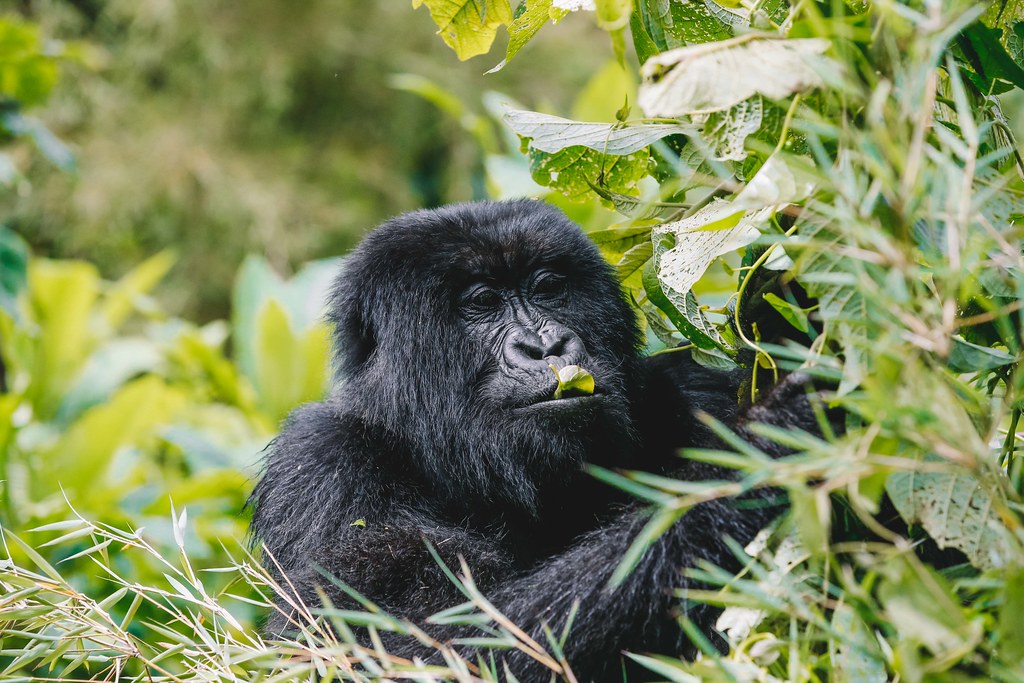
3 Days Experiencing the World of Mountain Gorillas and Golden Monkey Trekking
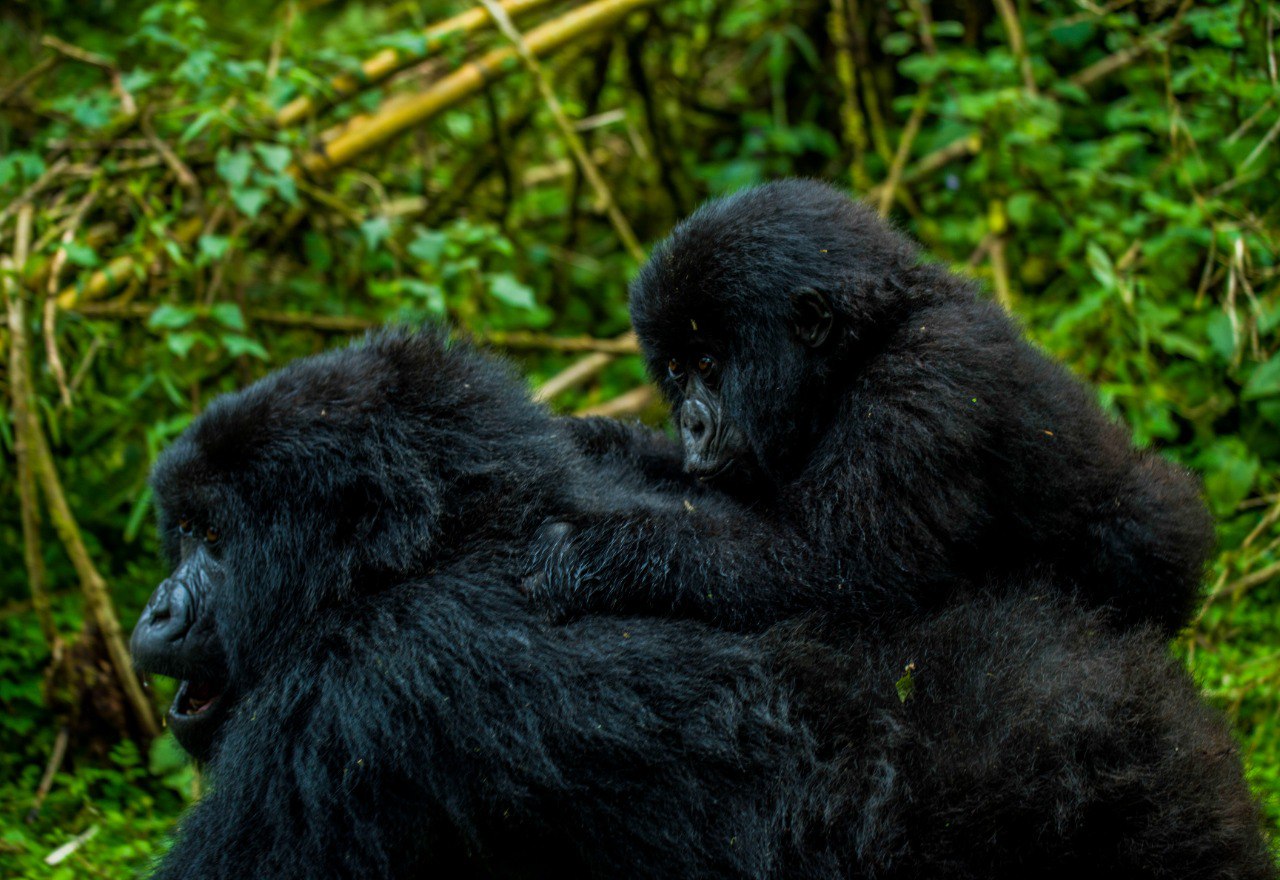
6 Days Gorilla Trekking and Habituation Experience in Rwanda and Uganda
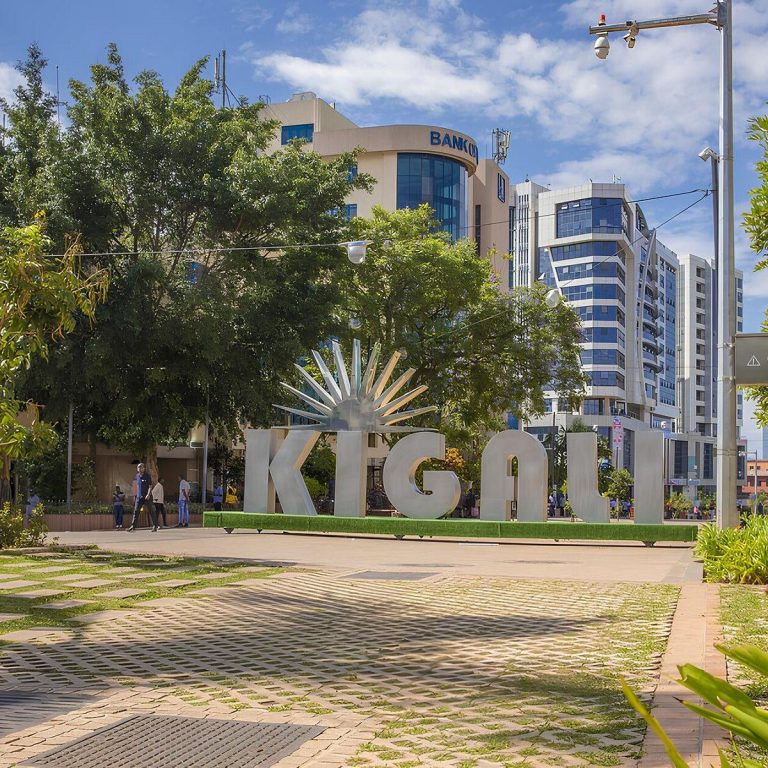
4-Day Bwindi Gorilla Trekking Safari from Kigali
3-Day Bwindi Gorilla Trekking Safari from Kigali

1 Day Bwindi Gorilla Trekking Experience From Kigali
Best Timing for Different Traveler Goals
There is no single ‘best’ time for gorilla trekking that suits every individual. The optimal timing for your 2026 expedition with Ripple Safaris will largely depend on your personal priorities, tolerance for various conditions, and overarching travel objectives. Our role as expedition advisers is to help you decipher which season aligns most authentically with your specific vision for this profound encounter.
For the traveler prioritizing perceived ease, predictable conditions, and the highest likelihood of a classic African safari experience alongside gorilla trekking, the dry seasons (June-September and December-February) are generally recommended. This period suits those who wish to minimize the physical demands of muddy trails, prefer a higher chance of sunny skies, and want to combine their trek with optimal game viewing in Uganda’s savannah parks. It’s also ideal for those who prefer to plan far in advance and are comfortable with peak season pricing for flights and accommodation.
Alternatively, for the adventurer seeking a more intimate, visually dramatic, and potentially more budget-friendly experience, the wet seasons (March-May and October-November) offer a compelling alternative. This timing is perfect for serious photographers yearning for intensely green, vibrant landscapes, and the ethereal quality of mist-shrouded forests. It appeals to those who value exclusivity, appreciate fewer crowds, and are adaptable to the challenges of wetter, muddier trails. If your goal is a deep immersion in the raw, untamed beauty of the rainforest, with a flexibility in planning that allows for better value, then these ‘shoulder’ seasons might just hold the key to your most unforgettable 2026 encounter. This approach represents a nuanced observation that often yields unexpected rewards.
- For Easiest Trekking & Broad Safari Combo: Dry Seasons (June-Sept, Dec-Feb)
- For Unique Photography & Exclusivity: Wet Seasons (March-May, Oct-Nov)
- For Budget & Flexibility: Wet Seasons (March-May, Oct-Nov)
- For Avid Birdwatchers: Wet Seasons (March-May, Oct-Nov)
Frequently Asked Questions
How physically demanding is gorilla trekking, regardless of the season?
Gorilla trekking is inherently physically demanding, requiring a good level of fitness. You will be hiking through dense, uneven terrain, often on steep slopes, for several hours. This includes pushing through thick vegetation, navigating slippery roots, and potentially crossing small streams. The altitude of the gorilla habitats, which can range from 7,500 to over 10,000 feet, also adds to the challenge, especially for those not accustomed to it.
While dry season treks might offer firmer ground, the sheer exertion of navigating a rainforest at altitude remains considerable. Conversely, wet season treks, though potentially muddier and more slippery, can sometimes be shorter if gorillas are feeding at lower elevations. It’s crucial to prepare with cardiovascular exercise and leg strength training in the months leading up to your trip, ensuring you can comfortably endure a challenging, unpredictable hike for an extended period, irrespective of the prevailing weather.
What specific gear is essential for wet season trekking that I might overlook?
For wet season trekking, certain gear becomes not just useful but absolutely indispensable for comfort and safety. Beyond the standard waterproof hiking boots (broken in!), gaiters are crucial to prevent mud and water from entering your boots and to protect your lower legs from thorns and stinging nettles. A high-quality, lightweight waterproof jacket and trousers are a must, along with a waterproof pack cover for your daypack, or ideally, a fully waterproof dry bag insert for your camera and sensitive electronics.
You should also consider bringing a few pairs of waterproof gloves – lightweight ones for trekking in the rain, and perhaps thicker ones if you anticipate colder, misty conditions at higher altitudes. A wide-brimmed waterproof hat can keep rain off your face, and spare dry socks packed in a waterproof bag are a true luxury at the end of a wet day. Finally, trekking poles are invaluable for stability on slippery trails and to aid in descents, significantly reducing strain and improving balance.
Does rain or specific weather patterns impact gorilla behavior or visibility?
While gorillas are incredibly robust and accustomed to their rainforest environment, severe or prolonged rain can subtly influence their behavior, though rarely to the extent of making them unfindable. During heavy downpours, they might seek denser shelter under large trees or huddle together more closely, potentially becoming less active or less visible as they stay protected. This can lead to a more intimate observation as you share their refuge from the elements, but might also require a bit more patience from trekkers.
Visibility, in terms of seeing the gorillas clearly, is also affected. Rain itself can create a shimmering curtain, and the subsequent mist or fog can limit photographic clarity, especially at a distance. However, these conditions often create incredibly dramatic and atmospheric scenes, offering unique opportunities for evocative photography that dry, clear days simply cannot replicate. The vibrant, wet foliage also provides a stunning natural backdrop, though it can make spotting the gorillas initially more challenging through the enhanced density.
Is it true that gorilla permits are cheaper in the wet season?
No, this is a common misconception. Gorilla permits in Uganda have a fixed price year-round, set by the Uganda Wildlife Authority. The current price for a foreign non-resident permit is consistent, regardless of whether you trek during the dry or wet season. This pricing stability is part of a deliberate strategy to ensure continuous funding for conservation efforts and community projects, which are essential for the long-term survival of mountain gorillas.
However, the overall cost of your safari can indeed be lower during the wet season. This is because lodging and other safari services, such as internal transfers and tour operator packages, often offer reduced rates or special deals to incentivize travel during periods of lower demand. So, while the permit itself won’t change in price, the ‘wet season discount’ you might hear about usually applies to the surrounding components of your trip, making the entire journey more budget-friendly and offering excellent value.
Can I really trek gorillas year-round in Uganda?
Absolutely. Gorilla trekking is a year-round activity in Uganda, a testament to the dedication of the Uganda Wildlife Authority and the resilience of the local communities and guides. The permits are available every day of the year, and gorilla families are habituated for human visits throughout the calendar. The infrastructure, including lodges and trails, is maintained to the best possible standard to accommodate trekkers regardless of the seasonal variations.
What changes with the seasons are the ambient conditions and the level of challenge or comfort you might experience, as detailed throughout this article. Every month offers a viable, albeit different, trekking experience. Ripple Safaris ensures that all necessary preparations are made to equip you for the prevailing conditions, guaranteeing a safe and profoundly rewarding encounter with the gorillas whenever you choose to embark on your 2026 adventure.
What role do expert guides play in mitigating seasonal challenges?
The expertise of your guides and trackers is arguably the most crucial element in mitigating any seasonal challenges you might encounter. These individuals possess an intimate, lifelong knowledge of the forest – its topography, the intricate network of trails, and the specific habits of each gorilla family. They understand how different rainfall levels impact various sections of the forest, which routes become particularly challenging, and how to identify alternative paths to maintain safety and efficiency.
During a wet season, their ability to read the terrain, identify stable footing, and navigate slippery slopes is invaluable. In drier periods, they remain vigilant against dust or more dispersed gorilla families. They are also adept at reading gorilla behavior, knowing when to approach, how to manage the interaction ethically, and ensuring that all environmental protocols are strictly adhered to, regardless of the weather. Their unparalleled local knowledge and experience transform potential difficulties into manageable aspects of an authentic wilderness adventure, truly shaping the quality of your encounter.